


One of the most common questions parents ask: how often does my child actually need to see a dentist? The answer is every 3–4 months.
Baby teeth are far less resistant to cavities than permanent teeth. The enamel is thin, and tooth decay develops surprisingly fast — within just a few months, a tiny spot can turn into a deep cavity. Regular check-ups allow the dentist to catch problems at the earliest stage, when treatment is simple, quick, and usually painless.
Many parents think: baby teeth fall out anyway, so why bother treating them? But that’s a common misconception. Baby teeth hold space for the permanent teeth coming in behind them. If a baby tooth is lost too early, neighboring teeth start to shift, leaving no room for the permanent tooth to grow in properly. The result — crowded, misaligned teeth and orthodontic treatment down the road.
Visits every 3–4 months aren’t overprotective — they’re the simplest way to save time, money, and your child a lot of discomfort later on.

Why children need more frequent dental check-ups than adults
Unlike adults, children are in a constant stage of growth and development. Their teeth, gums, and jaw structure are changing rapidly, which makes early detection of any issue especially important.
More frequent visits allow the dentist to:
- monitor how teeth are erupting
- identify early signs of enamel weakness
- track bite development
- adjust preventive care recommendations
This proactive approach helps avoid complex treatments in the future.
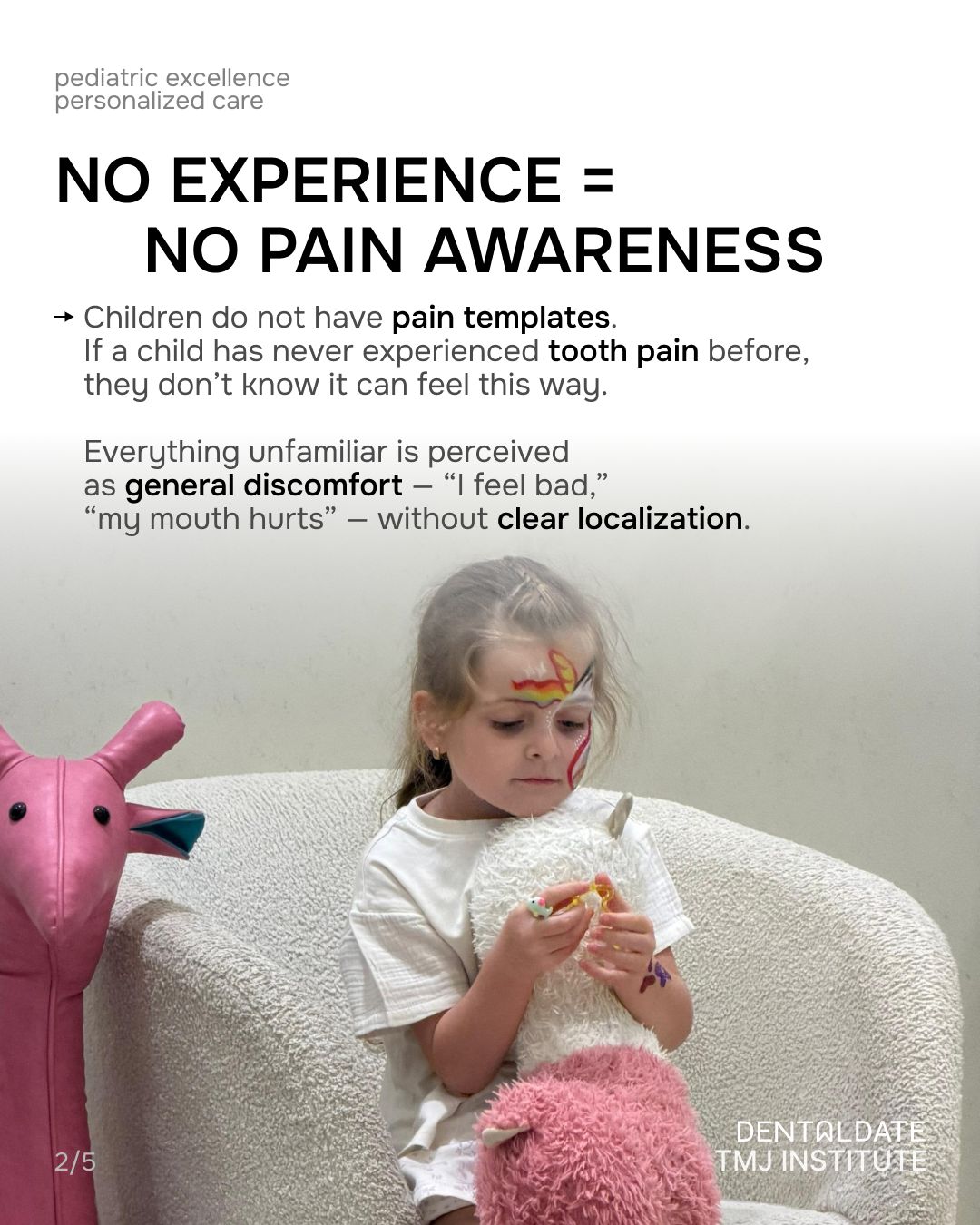
What happens during a routine dental visit for a child
A regular check-up is not just about looking for cavities. It is a comprehensive evaluation of your child’s oral health.
During the visit, the dentist typically:
- examines teeth and gums
- checks for early signs of decay
- evaluates oral hygiene
- monitors growth and alignment
- gives personalized recommendations
In some cases, preventive procedures such as professional cleaning or fluoride application may be recommended.
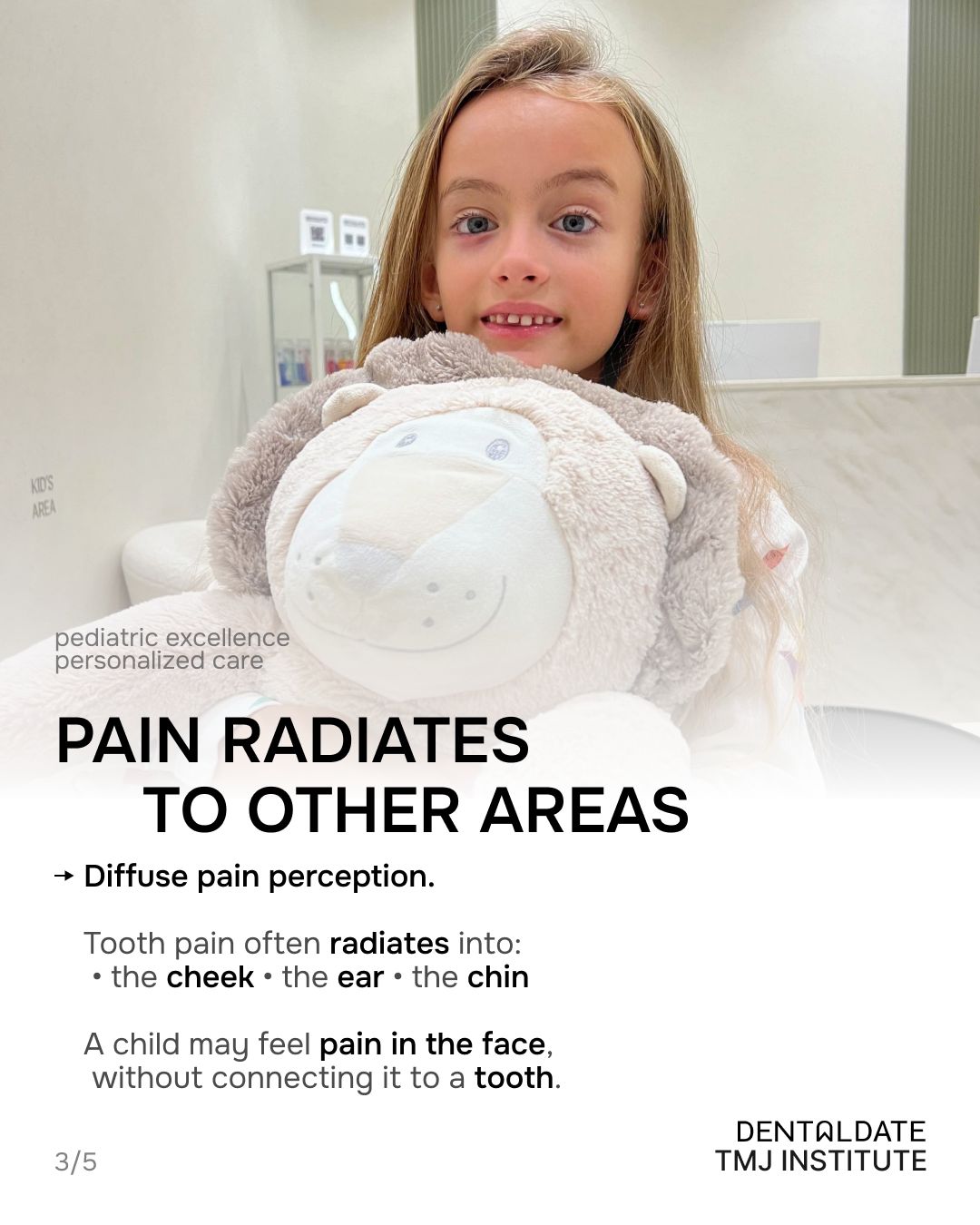
Why early prevention is more effective than treatment
Cavities in children do not develop slowly — they can progress very quickly. What starts as a barely visible change can turn into a serious problem within months.
Regular visits every 3–4 months make it possible to:
- stop decay before it becomes painful
- avoid invasive procedures
- reduce the need for complex treatments
- maintain a positive dental experience for the child
Prevention is always easier, faster, and less stressful than treatment.
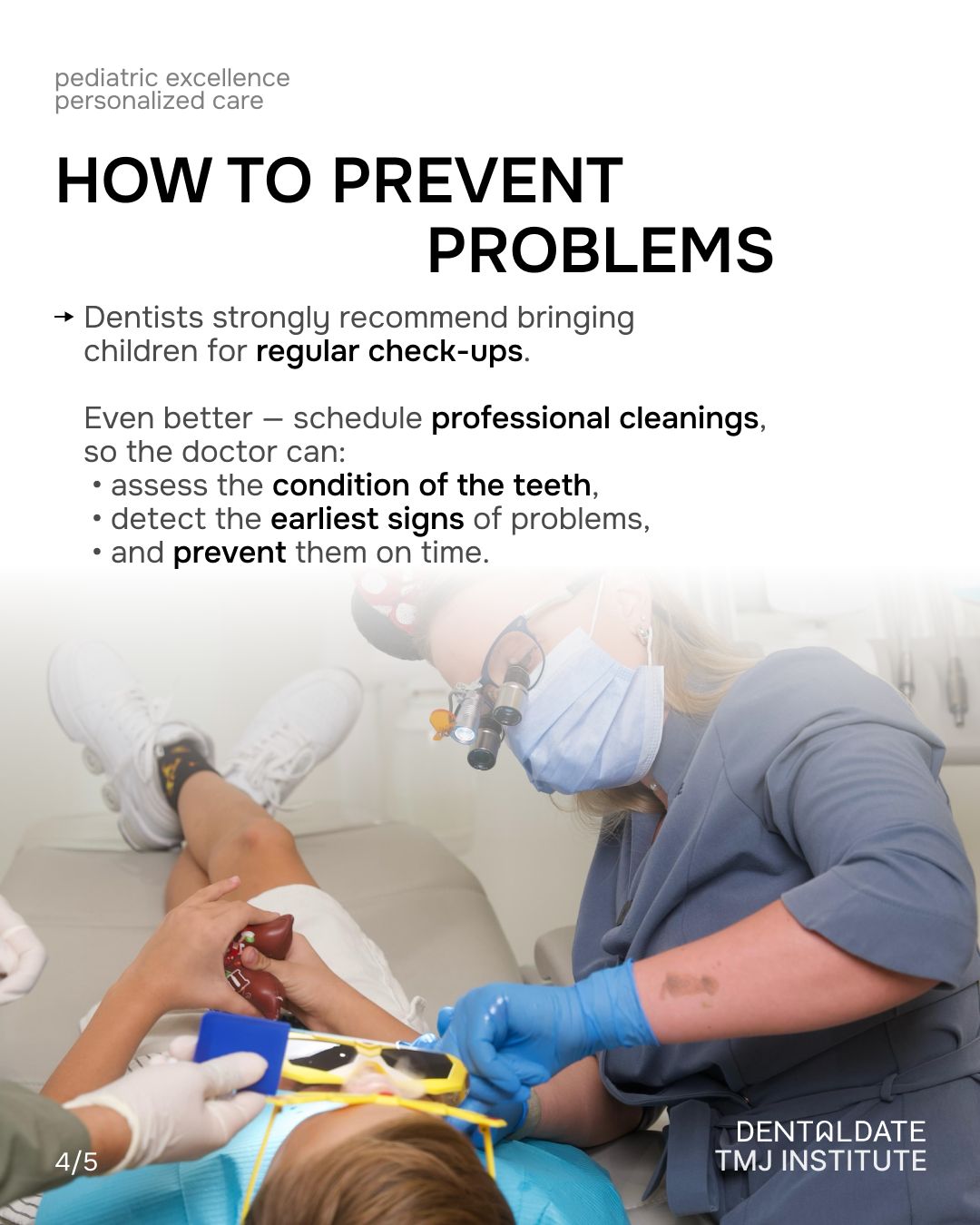
Building a healthy attitude toward dental care
Frequent dental visits also help children become comfortable with the dental environment. Instead of associating the dentist with pain or fear, they begin to see visits as a normal part of routine care.
This is especially important for:
- reducing dental anxiety
- building trust with the doctor
- encouraging better oral hygiene habits
A child who is not afraid of the dentist is much more likely to maintain good dental health in the long term.

When more frequent visits may be needed
While 3–4 months is a general recommendation, some children may require even closer monitoring.
More frequent check-ups may be advised if:
- the child has a high risk of cavities
- there are early signs of enamel damage
- orthodontic treatment is planned or ongoing
- oral hygiene is difficult to maintain
The exact schedule should always be tailored to the individual needs of the child.
