


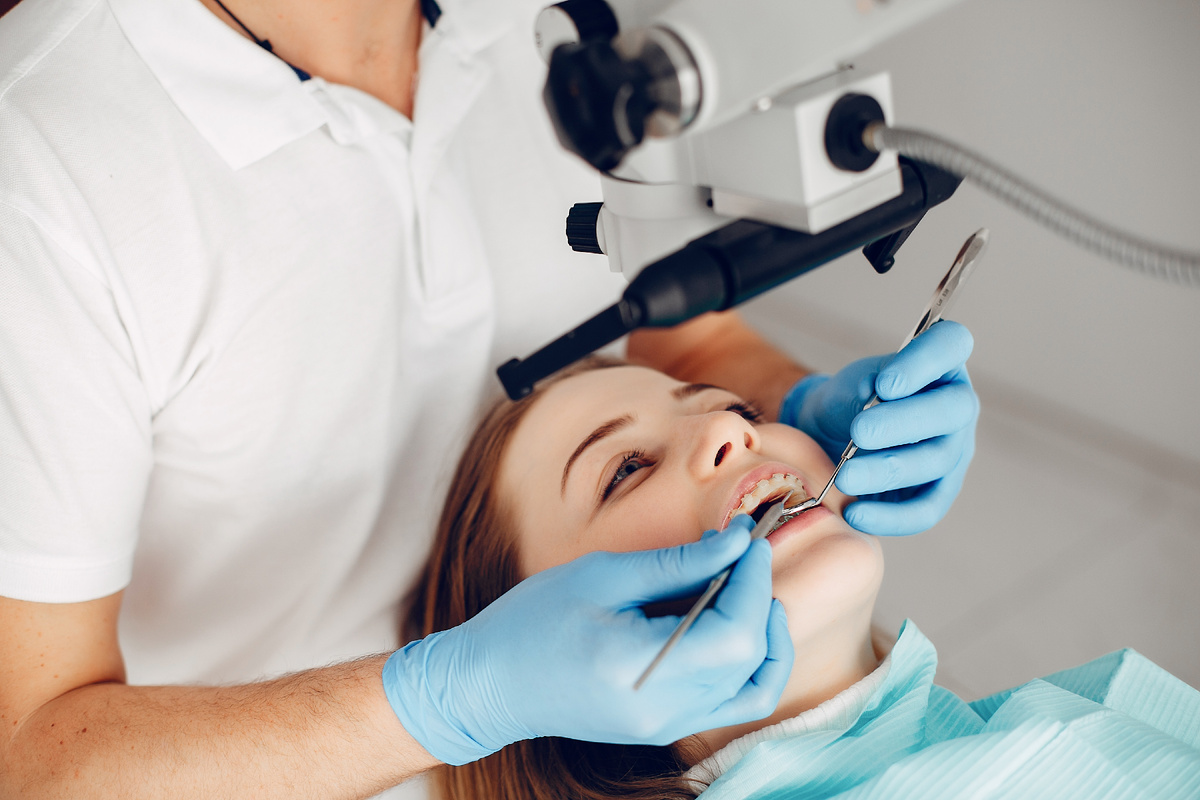
A dentist shares tips on how to overcome the fear of dental treatment. How should you prepare for your appointment? Could sleep dentistry be a cure-all? How can financial concerns be eased? These questions are answered by Oleg Mordanov, Ph.D. in Medicine and Assistant Professor at the Department of Therapeutic Dentistry at RUDN University.
Stories from Practice
Everyone experiences fear differently: some become withdrawn and tense, while others turn overly talkative. Sometimes the situations are quite dramatic. Once, a patient came to me who had a panic fear of needles. We had just opened the syringe package when she started screaming—not from pain, but purely out of fear. We stopped immediately. I suggested she call someone close to her, and she phoned her husband. He arrived within 15 minutes, held her hand, and kept saying, “You’ve got this.” The woman managed to stay calm and brave throughout — the appointment went smoothly.
There was another patient who would scream loudly every time we administered anesthesia. Not because it was painful — it was just her way of releasing tension. My assistant and I would mentally prepare ourselves in advance, knowing: “Here come the emotions,” but that things would calm down afterward. After a few visits, the patient started laughing at herself, and the fear gradually faded.
What Can You Do?
It’s important to have a proper meal 1–2 hours before your appointment — this helps prevent weakness from stress or anesthesia. However, avoid eating right before walking into the clinic. Also, no alcohol should be consumed within 24 hours of your visit. Even a single glass of wine the night before can interfere with the effects of the anesthetic and increase the risk of complications — a good reason to reschedule.
One of my patients once shared an interesting tip. A day or two before the appointment, try rehearsing relaxation — both body and breath — as if you’re already in the dentist’s chair. Lie on your back, rest your arms by your sides, imagine being in the clinic, close your eyes, and take deep breaths in and slow exhales out, counting to four. With each exhale, mentally relax your body: your forehead, jaw, shoulders. Visualize the dentist working calmly and confidently, while you remain in control.
This is a psychological technique called preliminary desensitization. It helps your brain get used to the situation before it actually happens. As a result, you’ll feel more at ease — because it will already feel familiar.
How Can a Dentist Make the Appointment More Comfortable?
Even the calmest person can turn into a bundle of nerves the moment they sit in the dental chair — and that’s not a weakness, it’s a normal reaction. That’s why it’s the dentist’s job to make the visit as predictable, comfortable, and safe as possible. The patient shouldn’t be left guessing what’s happening. It’s important to explain everything clearly and to the point:
“First, we’ll numb the gum with a gel — it will feel like your cheek is puffed up. Then we’ll give the injection.”
This eliminates the element of surprise, which means less fear.
Distraction techniques can also help. For instance, I have headphones with calming music and a TV on the ceiling. Yes, even adults often ask to “put something on in the background” — it helps reduce anxiety and makes the person feel more in control rather than like a helpless patient.
I Want “Sleep Dentistry” — What Should I Expect?
Sleep dentistry is a modern, stress-free, and painless treatment method — but it’s not suitable for everyone and requires advance preparation. I may refuse this type of procedure to patients with serious heart, lung, liver, or kidney conditions, those with allergies to sedation medications, pregnant women, and individuals with psychiatric disorders, seizures, or alcohol or drug dependency.
Patients should be prepared for a consultation with an anesthesiologist beforehand. You must fast — no food for 4–6 hours before the procedure. It’s also highly recommended to bring someone with you. After sleep dentistry, you won’t be allowed to drive right away.
Some side effects may occur, such as weakness, dizziness, nausea, allergic reactions, or numbness in the limbs. While the method is generally safe when medically appropriate, the final decision always rests with the doctor.
How to Overcome or Ease Financial Anxiety?
Financial concerns are one of the most common reasons people postpone visiting the dentist. To reduce this anxiety, pricing should be as transparent as possible. Before starting any treatment, the patient receives a detailed plan outlining all stages, timelines, and costs. It’s important to discuss several alternative options — for example, using different materials or breaking the treatment into phases — so the patient can choose what best fits their budget.
In reputable clinics, administrators help prepare documents for tax deductions, explain payment terms, and inform patients about available discounts.
A personalized approach also makes a difference. For example, I provide a guarantee on the work I perform and stay in touch in case any questions arise after the appointment. The goal is for patients to feel confident — not only in the dental chair, but also in knowing exactly what they’re paying for.
When I’m the Patient, I Feel Anxious Too
I’m a dentist and a Ph.D. in medicine — but sometimes, I’m the patient. And the moment I sit in the dental chair, I feel uneasy. My blood pressure rises. You could say I have a touch of dental phobia myself. When I’m on the other side of the chair, I always ask the doctor to administer anesthesia as quickly as possible — so I don’t feel a thing.
My main advice: if you’re anxious, say it openly. Fear of injections or pain is completely normal, and a good dentist will always find the right approach to make you feel calm and safe.
Answered by: Oleg Sergeyevich Mordanov, Ph.D. in Medicine, Assistant Professor at the Department of Therapeutic Dentistry, RUDN University Medical Institute.
