Establishing the clinical focus
The consultation begins with forming a clear understanding of the reason for the visit, the child’s stage of growth, and the objectives of orthodontic care at this point.

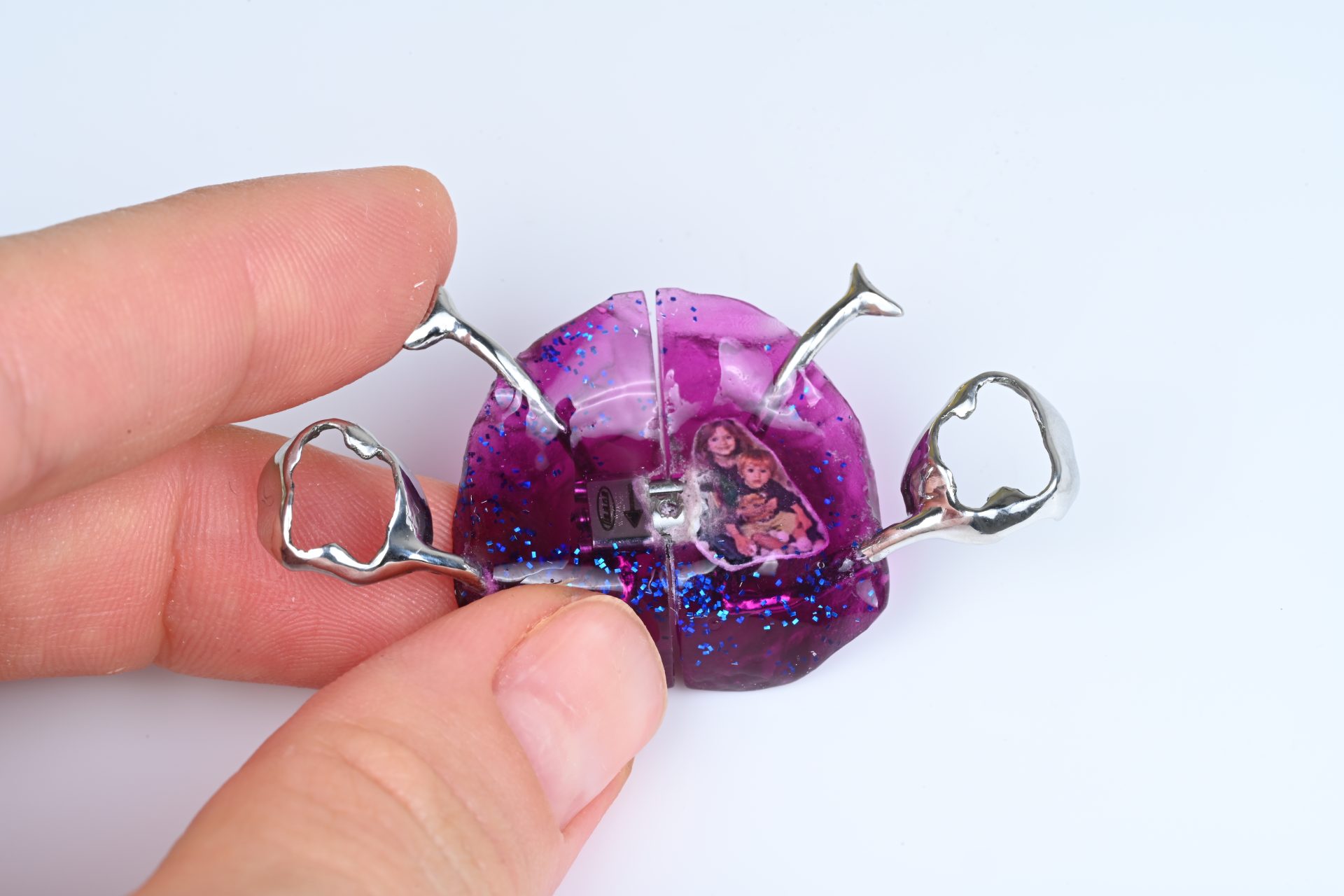
Pediatric orthodontics focuses on guiding dental and jaw development during a child’s growth period.
Early orthodontic care helps assess bite formation, monitor alignment, and address developing issues in a controlled and age-appropriate manner, supporting long-term oral function and stability.
Pediatric orthodontics is an area of dental care focused on evaluating and guiding the development of a child’s bite and tooth alignment during growth. The orthodontist’s role at this stage is to assess how the dental and jaw structures are forming and whether their development follows a balanced and functional pattern.
As a child grows, the position of the teeth and jaws changes continuously. Orthodontic assessment makes it possible to identify deviations that may influence future development, including bite formation, space for permanent teeth, and overall functional balance.
This approach supports informed orthodontic guidance based on the child’s individual development and current growth stage, allowing clinical decisions to be made with long-term stability in mind.

Pediatric orthodontic care is based on staged clinical monitoring and decision-making rather than immediate intervention. Treatment planning considers how bite characteristics and tooth positioning evolve over time, allowing care to be adjusted progressively instead of relying on a single fixed approach.
A key element of orthodontic care in children is selecting the appropriate strategy. In some situations, active correction is required, while in others, careful observation is more appropriate. The orthodontist evaluates stability, adaptability, and the anticipated course of changes to determine the most suitable timing for clinical action.
This model of care supports a structured and controlled orthodontic process, where each decision is aligned with current clinical findings and long-term developmental considerations.

Evaluate how the upper and lower teeth meet and identify clinically relevant deviations in occlusion.
Address mispositioned teeth or segments that impact bite function and appearance.
Prevent crowding or excessive spacing by regulating how space is distributed in the arch.
Detect risks of unfavorable eruption paths early and reduce the likelihood of teeth emerging outside the arch.
Support even chewing load distribution and coordinated interaction between teeth and jaws.
Limit progression of early irregularities into stable conditions that often require longer, more involved correction later.
The teeth do not come together evenly, or there is visible asymmetry when the jaws close.
Teeth lack sufficient space within the arch, or persistent gaps appear beyond normal developmental stages.
Primary teeth are lost too early or remain longer than expected, affecting the eruption sequence.
Permanent teeth emerge tilted, rotated, or positioned outside the natural alignment.
The child consistently chews on one side or avoids full chewing during meals.
This pattern may influence bite development and tooth positioning over time.
Certain sounds remain difficult to pronounce despite speech therapy or coincide with bite irregularities.
Signs of premature or asymmetric wear on tooth surfaces.
One side of the face appears more prominent or strained than the other.
Thumb sucking, object biting, or tongue pressure against the teeth beyond early childhood.
When orthodontic issues in childhood are left unaddressed, they rarely resolve on their own. As the dental and jaw structures continue to develop, minor irregularities may gradually become more pronounced, affecting overall bite function.
Over time, this can result in uneven distribution of chewing forces, increased wear on certain teeth, and reduced efficiency of the bite. In some cases, these changes become stable patterns that are more difficult to manage at later stages.
Lack of orthodontic monitoring may also influence facial harmony and smile aesthetics, which can affect a child’s confidence as they grow.
Additionally, established orthodontic problems often require longer and more complex treatment in the future compared to timely assessment and early guidance.

Early orthodontic care allows jaw development to be guided gently during active growth phases, without excessive mechanical intervention.
Addressing issues early often minimizes the need for prolonged or more complex orthodontic procedures later in adolescence.
Timely management helps ensure adequate space and alignment as permanent teeth emerge.
Early correction contributes to improved chewing efficiency, breathing patterns, and muscular coordination.
Treatment aligned with growth dynamics leads to more predictable and lasting orthodontic outcomes.
Proper alignment improves oral hygiene and reduces the likelihood of tooth decay and gum-related issues.
They are used during the period of active growth to form a sufficient volume of the jaw arch and create conditions for the further eruption of permanent teeth.
They are used to influence jaw alignment and muscle function. These structures help correct functional disorders during growth without invasive intervention.
Gnathological overlays are functional appliances that may visually resemble small crown-like elements, yet their purpose is fundamentally different from restorative or aesthetic solutions.
They are prescribed in cases where more precise control of the position of teeth and the achievement of a stable orthodontic result in a formed or developing bite is required.
At DentalDate, pediatric orthodontic care is built around precise diagnostics, experienced specialists, and individualized clinical planning — ensuring safe, predictable outcomes during a child’s growth.
We apply a combination of digital and clinical assessment methods to evaluate bite formation and jaw growth, taking into account the child’s age, growth phase, and functional characteristics.
Our orthodontists and gnathologists work extensively with children and adolescents, which is essential when managing an evolving and still-developing dental and jaw system.
Each orthodontic plan is developed based on the child’s specific clinical situation rather than standardized age-based or diagnosis-based protocols.
All appliances and orthodontic constructions are individually designed and manufactured according to the child’s anatomical parameters, improving both treatment accuracy and comfort.
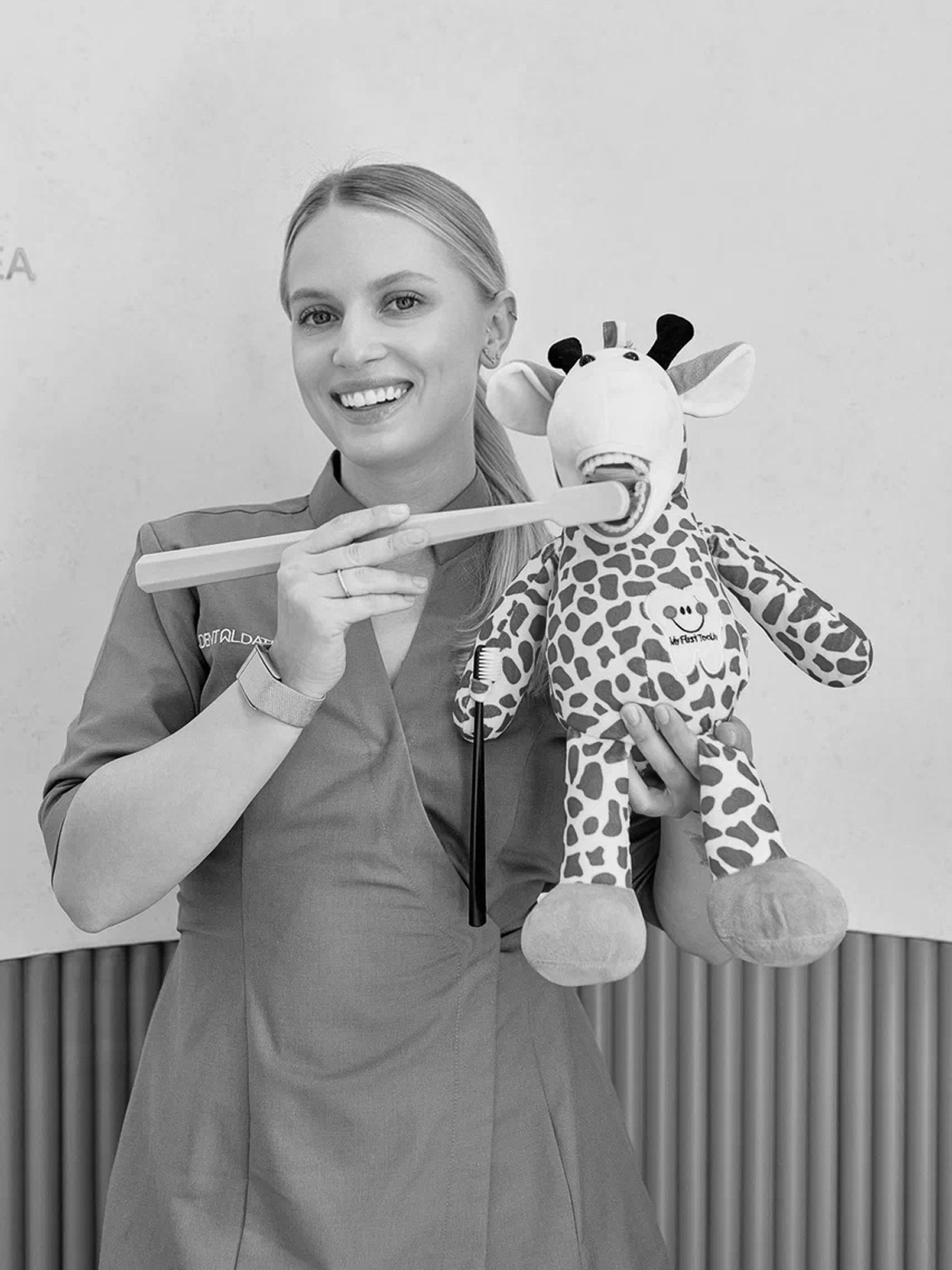
Appointments, clinical spaces, and communication are structured to help children feel at ease while ensuring parents clearly understand treatment goals and stages.
Clinical protocols, documentation, and patient interaction meet the expectations of an international audience and families receiving care in Dubai.


The consultation begins with forming a clear understanding of the reason for the visit, the child’s stage of growth, and the objectives of orthodontic care at this point.
A comprehensive evaluation of bite formation, tooth positioning, and jaw relationships is carried out in accordance with the child’s age and growth phase.
Functional aspects influencing orthodontic development are considered, including breathing patterns, muscular balance, tongue position, and occlusion.
Structural or functional features that may affect future development are identified and taken into account.
Based on the findings, the next steps are outlined — structured monitoring, preparation for orthodontic treatment, or recommendations regarding optimal timing of intervention.







Video Reviews