A gradual adaptation period
Children are given time to adjust to the appliance at their own pace. Early stages focus on comfort rather than immediate correction.

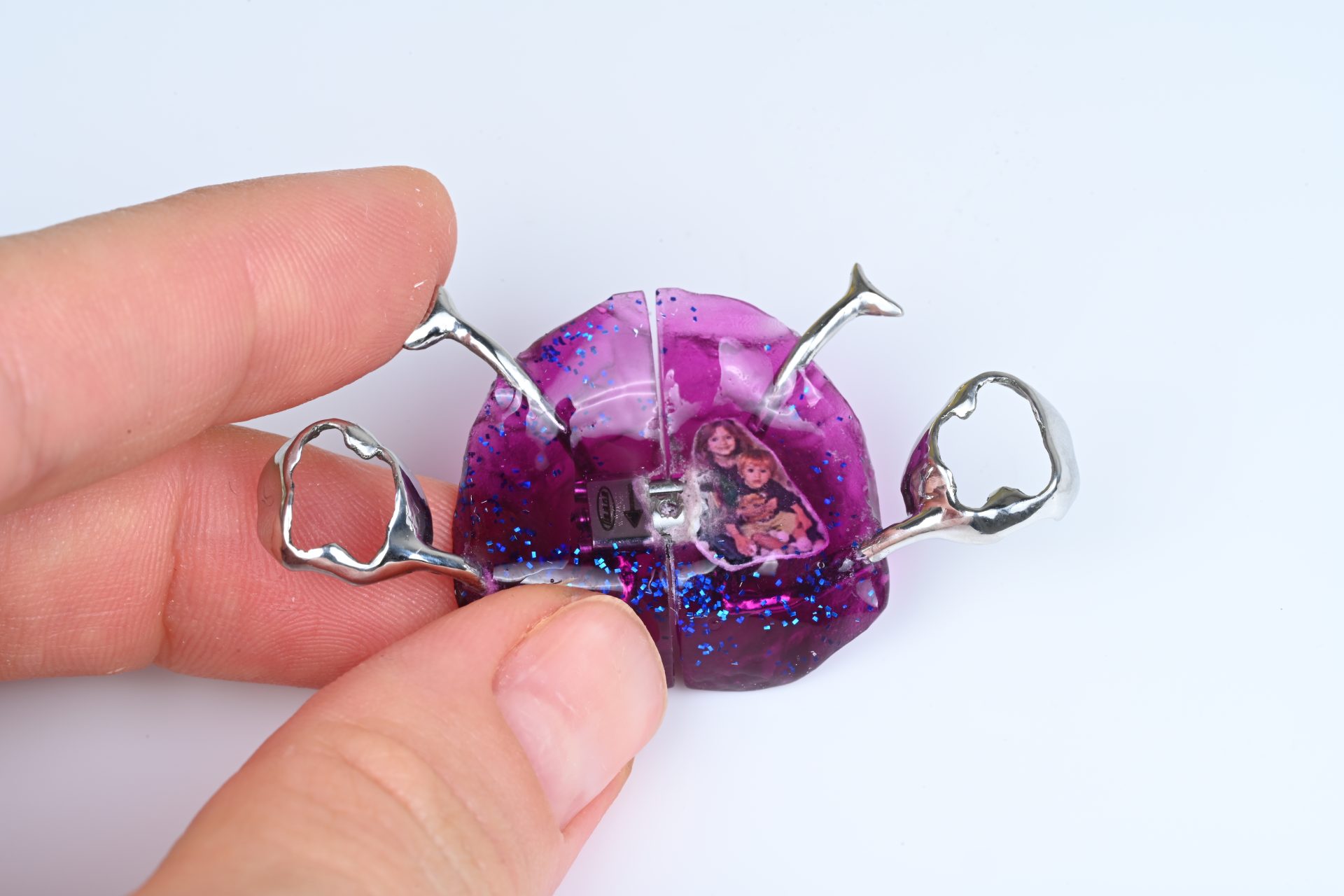
Functional appliances are used to guide jaw growth, improve function, and support proper jaw positioning in children. They help address the underlying causes of bite development issues rather than focusing only on their visible effects.
Each functional appliance is prescribed individually, based on the child’s age, stage of growth, and specific clinical needs.
In pediatric orthodontics, different types of functional appliances are used, each designed to address a specific functional concern. These appliances work not only with tooth position, but also with muscle function, breathing patterns, and jaw development.
Commonly used functional appliances include:
Each functional appliance is selected individually, based on the child’s age, growth stage, and specific clinical objectives. There is no one-size-fits-all solution in functional orthodontic treatment.
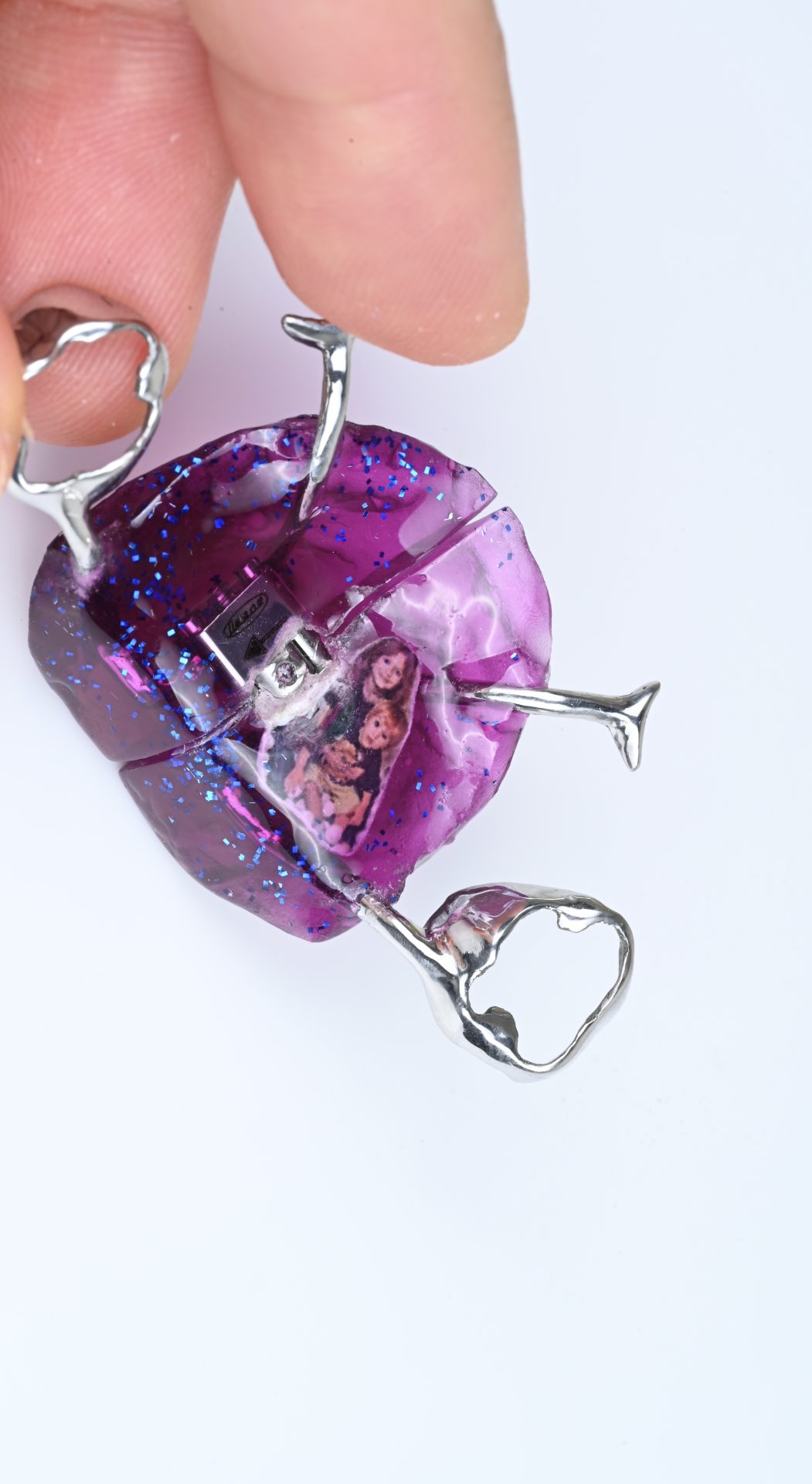
Functional appliances do not act on individual teeth alone. Instead, they influence the underlying processes that shape a child’s bite during growth. Their effectiveness is based on working together with natural development rather than forcing changes.
The appliance helps position the jaws in a way that supports proper growth during active developmental stages.
By modifying muscle balance, functional appliances reduce incorrect or excessive muscle pressure that can affect jaw development.
Tongue posture plays an important role in facial and jaw development. Functional appliances help retrain tongue position when it interferes with normal growth.
They assist in improving breathing and swallowing patterns, both of which have a direct impact on bite formation.
Functional appliances are most effective while the jaws are still developing, making early intervention especially valuable.
Instead of harsh mechanical action, the devices create conditions under which jaw growth is assumed to occur in the correct direction.
Functional appliances are recommended in cases where bite development is influenced not only by tooth position, but also by growth patterns, oral functions, and habitual factors. In such situations, it is important to address the underlying causes rather than focusing solely on the visible signs of malocclusion.
Persistent mouth breathing can affect jaw development and tooth positioning, altering the natural growth balance of the facial skeleton.
Thumb sucking, lip or cheek biting, and incorrect swallowing patterns can gradually lead to bite deformities and disrupted jaw growth.
The tongue plays a key role in jaw development. An improper tongue posture can interfere with normal bite formation even when the teeth themselves appear healthy.
Insufficient jaw width may limit space for proper dental arch development and affect the relationship between the upper and lower jaws.
Jaw asymmetry, disproportionate jaw size, or unbalanced growth patterns may indicate the need for guided orthodontic intervention.
Alterations in muscle activity, breathing, or swallowing at an early stage often become the foundation for more complex orthodontic issues later on.
Childhood is a unique stage of development when the jaws and facial structures are still actively growing. During this period, functional appliances allow orthodontic care to work with growth itself rather than correcting its consequences later.
As growth slows and eventually stops, the opportunity for gentle guidance becomes limited. At that stage, achieving change often requires more complex orthodontic approaches. Early treatment makes it possible to use natural growth as part of the correction process.
Functional appliances do not force growth or accelerate it artificially. Instead, they help optimize the conditions in which development takes place, reducing the risk of long-term functional and structural imbalances.
Beginning treatment during growth can:
Early orthodontic intervention is therefore viewed as a preventive strategy aimed at long-term stability rather than a short-term solution.

Treatment with functional appliances is a gradual and closely monitored process rather than a one-time intervention. The focus remains on the child’s response, growth patterns, and adaptation over time.
Typically, the process includes:
Children are given time to adjust to the appliance at their own pace. Early stages focus on comfort rather than immediate correction.
Wearing schedules are tailored to the child’s age and specific orthodontic goals, ensuring the approach remains manageable and appropriate.
The orthodontist monitors changes in jaw development and adjusts the appliance or treatment plan as needed.
Progress is assessed not only by dental alignment, but also by breathing patterns, swallowing, tongue position, and muscle function.
Treatment evolves alongside the child’s development, allowing timely adjustments rather than relying on a fixed protocol.
DentalDate provides orthodontic care that prioritizes growth, comfort, and long-term balance — creating a foundation for healthy development rather than short-term correction.
This approach allows for gentle and physiological stimulation of the jaw and maxillofacial development. It also helps guide growth toward the most natural and harmonious formation.
Treatment decisions are based on the child’s age, growth stage, and individual developmental patterns — not on one-size-fits-all protocols.
Appointments are unhurried and pressure-free, allowing children to feel comfortable while parents gain clarity about the treatment process.
Each plan is built on diagnostic findings and adjusted over time as the child grows and changes.
Orthodontic care is coordinated with other specialists when needed, supporting a comprehensive view of facial development.
Treatment decisions are made with future stability in mind, supporting balanced development over time.


At DentalDate, pediatric orthodontic treatment is based on the principle of guided growth rather than standardized protocols. Functional appliances are used as tools to support physiologically balanced jaw development and facial harmony.
Each functional appliance at DentalDate is:
The orthodontist establishes the correct growth direction, supporting harmonious bite development and balanced facial structure.
This approach focuses on long-term stability by addressing the underlying mechanisms of growth.

Functional appliances, braces, and aligners serve different purposes and are used at different stages of orthodontic care. They are not alternatives to one another, but rather complementary tools within a broader treatment strategy. Key differences include:
Functional appliances are designed to guide jaw growth and development, while braces and aligners focus primarily on moving teeth into proper alignment.
Functional appliances are typically used during childhood, when growth is still active. Braces and aligners are more commonly applied once jaw growth has slowed or stabilized.
Functional appliances influence breathing, swallowing, tongue posture, and muscle balance. Braces and aligners primarily address tooth positioning.
Functional appliances may be used as an early or preparatory stage before fixed or removable orthodontic systems are introduced.




Video Reviews