Assessment and planning
Before treatment begins, the orthodontist evaluates jaw anatomy, the degree of maxillary constriction, and the child’s growth stage. Based on this assessment, an individualized treatment plan is developed.

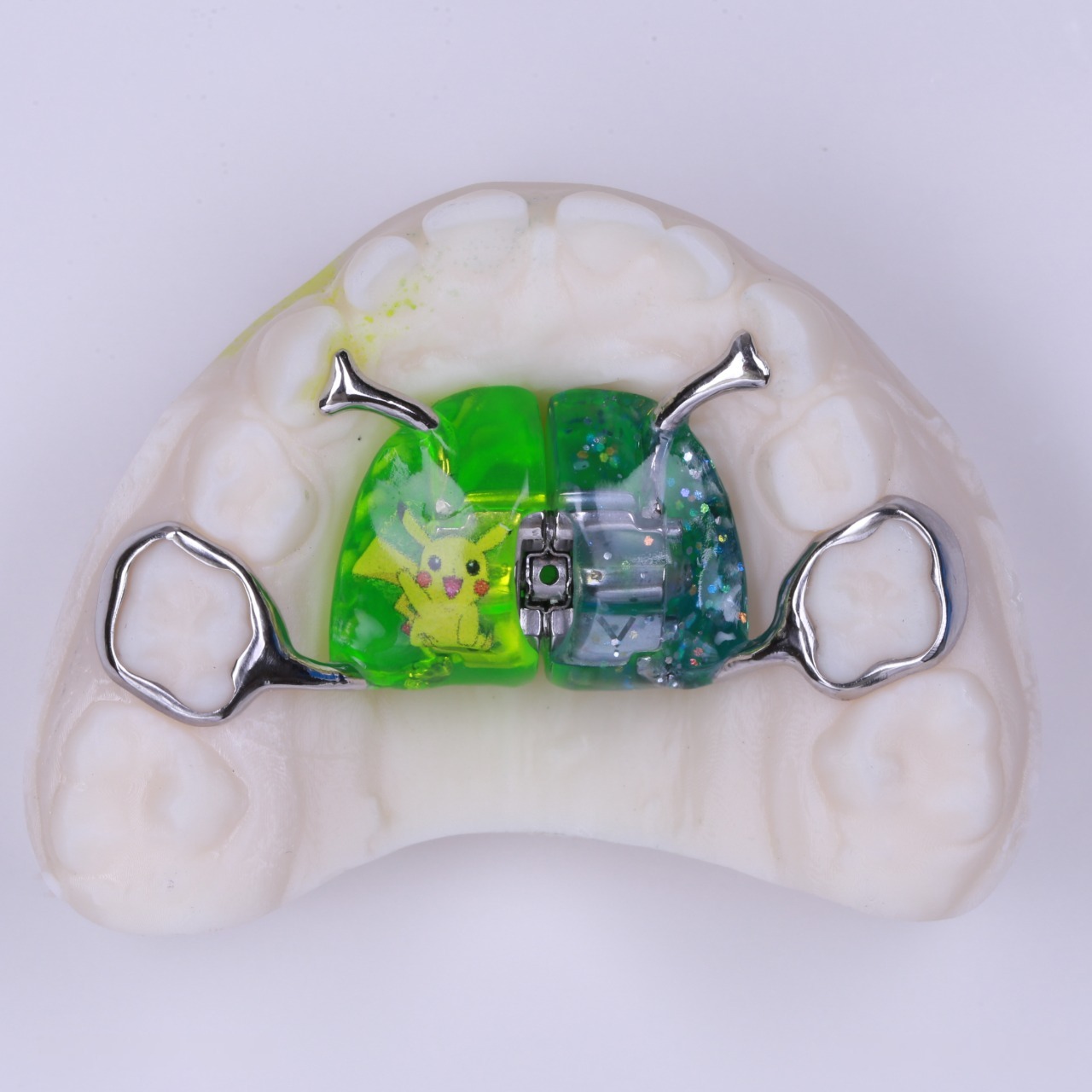
The HAAS appliance is used in pediatric orthodontics to guide upper jaw expansion during active growth. It helps create adequate space for proper dental arch development and balanced bite formation.
At DentalDate, the HAAS appliance is individually planned as part of a structured orthodontic approach focused on healthy craniofacial development.
The HAAS appliance is designed to support healthy upper jaw development while a child is still growing. Rather than focusing on tooth movement alone, it works by creating the necessary space for the jaws to develop in a more balanced and harmonious way.
During childhood, the structures of the upper jaw are flexible and responsive to guided orthodontic support. The HAAS appliance takes advantage of this growth phase, allowing expansion to occur gradually and in alignment with natural developmental processes. This approach helps establish proper proportions between the jaws, which is essential for stable bite formation.
Once in place, the appliance works continuously and does not rely on active participation from the child. Progress is monitored by the orthodontist, who evaluates how the jaws respond over time and ensures that development remains controlled and predictable.
By addressing jaw width at the right stage, the HAAS appliance helps lay a solid foundation for future orthodontic care and long-term bite stability, rather than correcting structural limitations later on.
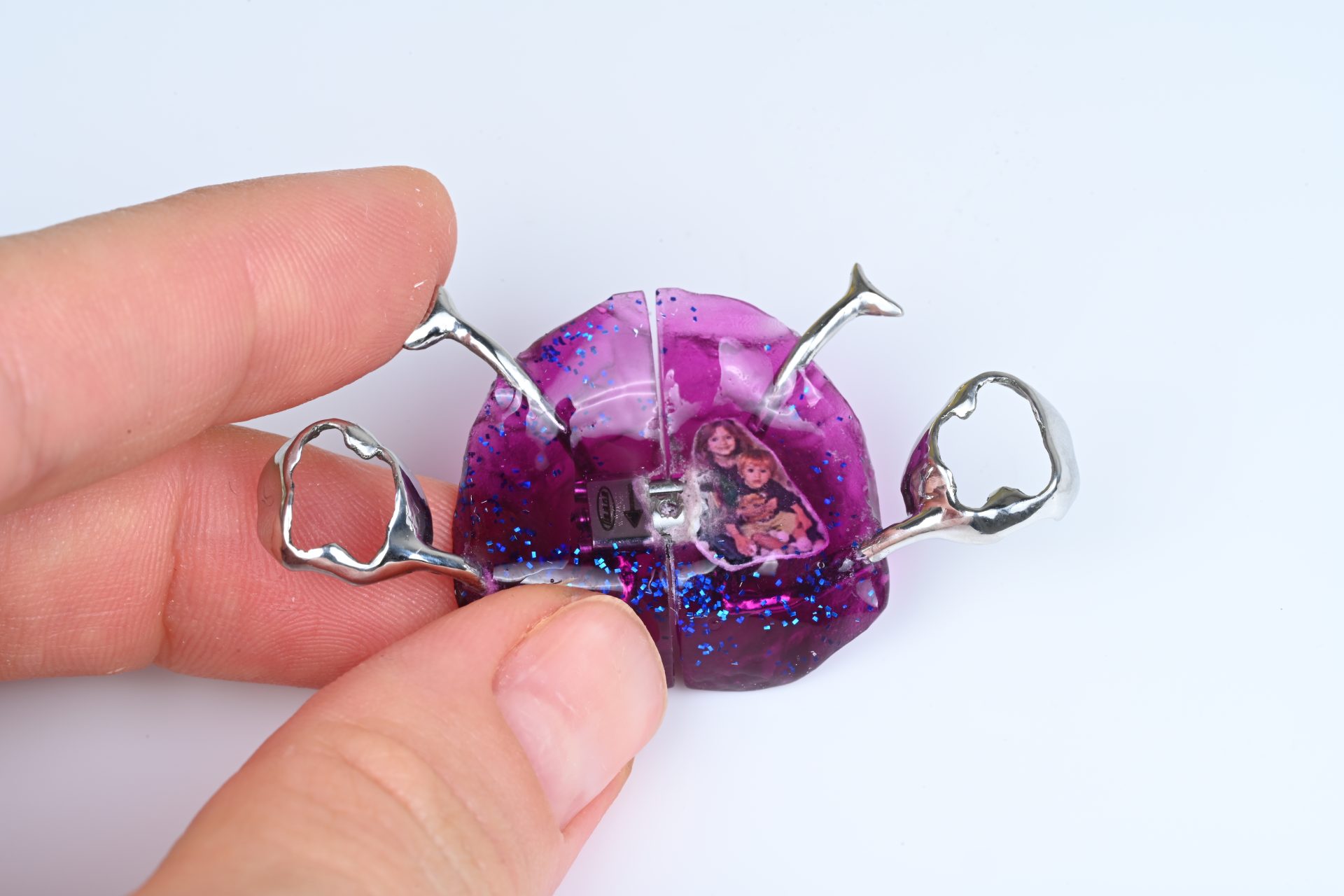
A HAAS appliance is prescribed when orthodontic issues are caused by insufficient upper jaw development, already affecting bite formation, breathing, or tooth eruption. The goal is to address the underlying cause, not just visible symptoms.
Reduced maxillary width limits proper alignment of the dental arches and disrupts bite balance.
Permanent teeth erupt unevenly or overlap not because of tooth size, but because the jaw is too narrow.
Upper teeth bite inside the lower teeth — a clear indication of transverse maxillary deficiency.
Narrow upper jaw development is often associated with reduced nasal airway space, contributing to habitual mouth breathing.
Jaw size discrepancies, asymmetry, or growth patterns that are likely to worsen over time without intervention.
Without early expansion, future correction may require more invasive or prolonged treatment.
Facial and jaw growth in children follows specific developmental phases, during which the upper jaw remains especially responsive to orthodontic guidance. These windows of growth offer a unique opportunity for effective and physiological correction.
When maxillary constriction is left unaddressed during active growth, the body gradually adapts to the altered anatomy. Over time, this adaptation can make future correction more complex and less predictable.
Early expansion helps to:
As growth potential decreases with age, treatment often shifts from guiding development to compensating for established structural changes. Addressing the issue at the right time allows orthodontic care to remain more physiological and efficient.

Treatment at DentalDate is designed to be not only effective, but also calm and comfortable for the child, while remaining clear and transparent for parents. We focus not only on the outcome, but on how each stage of treatment is carried out.
Before recommending a functional appliance, we perform a comprehensive assessment of growth patterns, jaw structure, and functional factors to determine whether this approach is truly suitable for the individual child.
The appliance is precisely adapted to the anatomy of the palate and teeth, reducing the sensation of a foreign object and allowing for a smoother adaptation period.
Digital planning and monitoring protocols allow us to anticipate treatment progress and minimize the risk of inaccuracies throughout the process.
Scheduled follow-up visits enable the orthodontist to evaluate jaw response and adjust the treatment plan when necessary, preventing excessive load or delayed progress.
The appliance works primarily with skeletal structures rather than relying on force applied to the teeth. This is especially important during the mixed dentition stage and helps preserve dental health.
Treatment is planned as part of a broader strategy for developing a stable and balanced bite, rather than as an isolated intervention.
DentalDate provides orthodontic care that prioritizes growth, comfort, and long-term balance — creating a foundation for healthy development rather than short-term correction.
The child can choose a color they find visually pleasant, which helps reduce initial hesitation and makes the adaptation process feel calmer and more natural.
Visual details or patterns allow the appliance to feel less clinical and more child-friendly.
A non-standard, personalized design helps children feel more comfortable and confident during treatment.
When children participate in the design process, they are more likely to follow recommendations consistently.
Thoughtful design details help the child feel more relaxed during treatment and support a calmer, more trusting attitude toward orthodontic care.


Before treatment begins, the orthodontist evaluates jaw anatomy, the degree of maxillary constriction, and the child’s growth stage. Based on this assessment, an individualized treatment plan is developed.
The HAAS appliance is created specifically for the child, taking into account the shape of the palate and dental structure. This precision supports proper fit and smoother adaptation.
Once ready, the appliance is securely fitted in the mouth. After placement, the child can continue daily activities without the need for active involvement in managing the appliance.
Expansion is carried out progressively according to the orthodontist’s instructions. Parents receive clear guidance and remain in communication with the doctor throughout this phase.
Regular follow-up visits allow the orthodontist to assess jaw response and make adjustments if necessary, ensuring controlled and predictable progress.
After the desired expansion is achieved, the appliance remains in place for a stabilization phase, allowing the skeletal changes to consolidate and adapt.






Video Reviews