


Sedation
It is possible to use Nitrous oxide or “laughing gas” for your comfort during all procedures. It does not cause allergies or irritate respiratory system. The gas is very quickly excreted from the body without causing side effects.
What is sedation dentistry?
Sedation dentistry is a branch of dental practice that involves the use of specialised techniques to achieve a state of relaxation and reduce anxiety in patients during dental procedures. The essence of this service is the controlled administration of sedatives that help to reduce stress, fear and discomfort, as well as pain.
Sedatives affect the central nervous system, achieving the desired level of sedation – from mild relaxation to deep sleep, depending on the dosage and method of administration. This allows dentists to perform the necessary manipulations, minimising stress and discomfort for the patient.
Procedures using sedation are performed under strict medical supervision to ensure the effects are safe and effective. Sedation dentistry is particularly valued for its ability to perform even complex and lengthy procedures in the most comfortable environment for the patient.

Sign up online
Who needs sedation dentistry?
Sedation offers the opportunity to perform necessary dental procedures with minimal discomfort for the patient, making a visit to the dentist more accessible and less stressful.
High level of anxiety
For people who suffer from dental phobia or generalised anxiety, going to the dentist can be very stressful. Sedation helps to reduce psychological discomfort and makes the visit to the dentist less traumatic.
Patients with hypersensitivity
Some people have hypersensitive teeth or gums that make standard procedures painful. Sedation can help to reduce pain during treatment.
Need for lengthy or complex procedures
Complex dental interventions, such as treatment of multiple teeth, surgical procedures or extensive restorations, may require prolonged time in the chair. Sedation helps patients feel comfortable for the duration of the procedure.
Special medical conditions
People with certain medical conditions such as cerebral palsy, autism, etc. may find it difficult to follow the doctor's commands or remain immobile during treatment. In such cases, sedation makes it easier to carry out the necessary procedures.
Claustrophobic
The use of sedation dentistry in such cases helps reduce the anxiety associated with confined spaces and allows patients to relax throughout the procedure.
Past negative experiences
If a patient has previous traumatic memories of dental procedures, sedation can help overcome fear and unpleasant memories, ensuring a more positive experience in the future.
Advantages
Relax, calm and pain-free treatment
Lack of stress
Allow for all ages and dental procedures
Pediatric and adult dentistry
Easily administered
Safe method
The patient is conscious


Types of sedation used in dentistry

Nitrous oxide
The patient inhales a mixture of nitrous oxide and oxygen. This method helps patients achieve a state of relaxation while remaining conscious and able to answer questions.

Intravenous sedation
Involves the administration of sedation directly into a vein, allowing the clinician to quickly adjust the level of sedation. This type of sedation is faster acting than over-oral sedation and is used for moderate to deep sedation.

General anaesthesia
Used for complex procedures or in cases of severe anxiety. The patient is unconscious under the supervision of an anaesthetist, feels no pain and has no memory of the procedure.

Anti-stress
This is mild sedation that reduces anxiety before treatment. It is achieved with mild medications or low doses of inhalation, creating a feeling of calm and comfort while remaining conscious.
Nitrous oxide sedation
Nitrous oxide (N₂O) is a gas that is mixed with oxygen and inhaled through a special mask.
Choosing the best and safest type of sedation for dental procedures depends on many factors, including the patient’s medical history, anxiety level, and specific treatment needs. However, one of the most commonly used and safest methods is nitrous oxide sedation, also known as ‘laughing gas’ sedation.
Advantages of this method of sedation include:
- Rapid action and dosage control: The effects of nitrous oxide take effect within minutes and its effects are easily regulated, allowing the desired level of sedation to be maintained throughout the procedure.
- Short-term effects: Once the inhalation of the gas is complete, its effects wear off quickly and the patient can return to normal activity almost immediately after the procedure.
- Minimal side effects: Nitrous oxide is generally well tolerated and has a minimal risk of serious side effects, making it a suitable choice for a wide range of patients, including children.
- Increased comfort: It helps to reduce anxiety, does not induce full anaesthesia and the patient remains conscious, which can be important for many dental procedures.
This method of sedation is often recommended for treating patients with mild to moderate anxiety and those who need to recover quickly from the procedure in order to leave the clinic on their own. It is always important to consult with your dentist and anaesthetist to determine which type of sedation will be best for your particular case.

Cost of sedation at DentalDate
Doctors in the direction
All doctors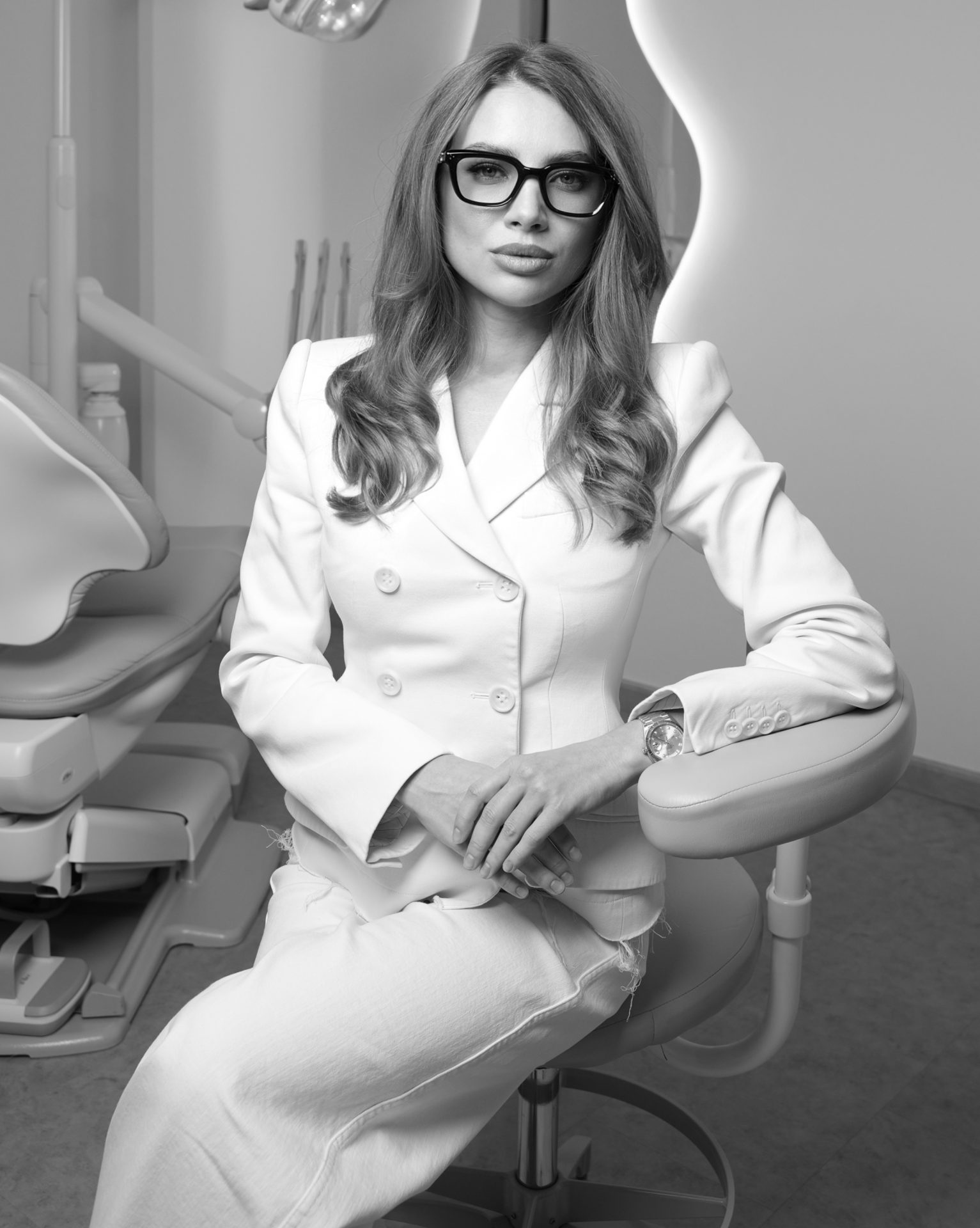




Adult Sedation
Sedation helps adult patients feel confident and at ease during dental treatment. It reduces anxiety, eliminates discomfort, and makes it possible to carry out complex procedures without stress.
Support for dental anxiety
Many adults postpone dental visits due to fear or past negative experiences. Sedation helps overcome these barriers, encouraging timely and consistent dental care.
Comfort during lengthy procedures
Root canal treatments, implant placement, and other complex interventions require time and precision. Sedation allows these procedures to be performed without fatigue or tension, maintaining patient comfort throughout.
Managing involuntary reactions
Some patients have a strong gag reflex or heightened sensitivity to sound or light. Sedation reduces these reactions, making the treatment smoother for both patient and dentist.
Enhancing the overall treatment experience
When dental care is calm and stress-free, patients are more likely to return for routine checkups and follow through with necessary treatments, supporting long-term oral health.
Pediatric Sedation
Sedation helps children overcome their fear of dental visits and ensures that treatment is both comfortable and safe. At DentalDate, we create an environment where young patients feel calm, and parents can be confident in the quality and safety of care.
Stress-Free Experience
Dental visits often cause anxiety in children. Sedation helps to relieve tension and prevent panic, allowing the child to relax and undergo treatment without fear.
Calm and supportive environment
A friendly team, gentle communication, and careful attention to a child’s emotions build trust in the dentist and minimize anxiety even before the procedure begins.
Convenience for treatment
Sedation keeps young patients relaxed and cooperative, which allows the dentist to focus fully on precise and efficient care — especially important during lengthy or complex treatments.
Building positive experiences
A positive first experience at the dentist helps children approach future visits without fear. They learn to view dental care as a natural and safe part of maintaining a healthy smile.
Reviews

