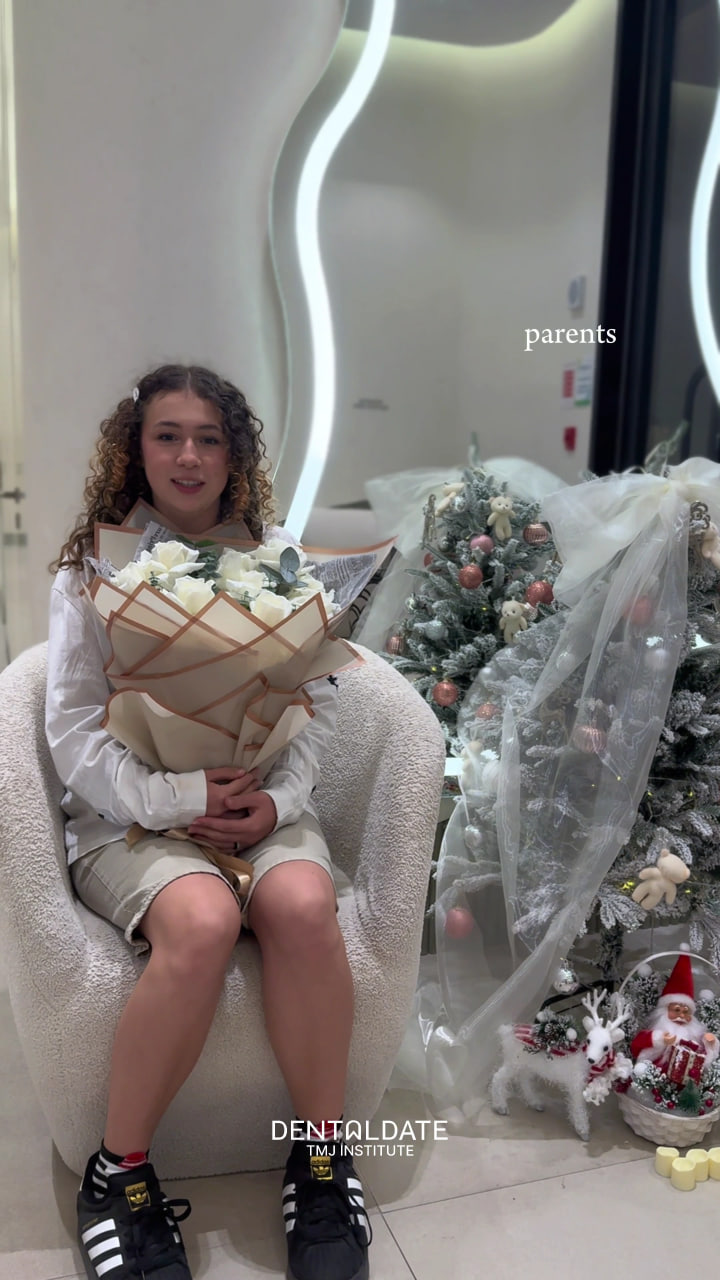
First Dental Visit for Kids
A calm and positive introduction to the dentist — without treatment or pressure
A child’s first experience at the dental clinic plays a key role in shaping their attitude toward dental care for years to come.
At DentalDate, the first visit is designed as an adaptation appointment — a gentle, stress-free introduction focused on trust, comfort, and emotional readiness rather than treatment.
This visit helps children feel safe, relaxed, and confident before any dental procedures are planned.
A Happy First Visit Starts Here
An adaptation visit is a carefully designed first dental appointment created to help a child feel emotionally comfortable in a dental setting before any treatment begins.
This visit is not about fixing teeth or performing procedures — it is about building trust, reducing anxiety, and allowing the child to become familiar with the idea of visiting a dentist in a calm and supportive way.
Children come to their first appointment with very different experiences. Some have never been to a dental clinic before, while others may already associate dentistry with fear or stress. The adaptation visit takes these differences into account and prioritizes the child’s emotional readiness rather than clinical needs.
By removing treatment from the first visit, we give the child time to observe, ask questions, and form positive associations without pressure. This gentle introduction helps children feel safe and respected, which plays a crucial role in how they respond to dental care in the future.
A positive first experience creates a strong foundation for cooperation, confidence, and stress-free dental visits as the child grows.

Sign up online
What Happens During the Adaptation Visit
The adaptation visit is shaped around the child’s emotional comfort and sense of safety.
There is no strict sequence or expectations — every interaction happens naturally and only when the child feels ready.
Rather than focusing on procedures, we create a welcoming and relaxed atmosphere where the child can explore, communicate, and feel at ease.
During the visit, your child may:
- become familiar with the dental room and environment at their own pace
- meet the dentist and dental assistant through calm, friendly interaction
- explore dental instruments through explanation and play
- communicate freely, ask questions, and engage without time pressure
- watch cartoons and relax in the dental chair
- enjoy small comforting details, such as warm cocoa, that help create a sense of care and safety
- experience a very gentle brushing of 1–2 teeth only if the child feels comfortable and agrees
Every moment of the visit is guided by the child’s reactions.
If the child prefers to observe, play, or simply talk without any dental actions, that choice is always respected.

Why Dental Treatment Is Usually Postponed After the First Visit
Emotional readiness comes first
Before any dental care begins, it is important to understand how the child feels in a new and unfamiliar environment. A calm emotional state allows the child to respond openly and without stress, which is essential for successful dental care later on.
Trust cannot be rushed
A child who has just met the dentist needs time to feel safe. Introducing treatment too early may overwhelm the child and create resistance. Giving space for trust to develop naturally leads to better cooperation during future visits.
Pressure-free first impressions matter
The first dental experience often becomes the reference point for all future appointments. When the initial visit is free from procedures and expectations, the child is more likely to associate the dentist with care rather than discomfort.
Observation helps plan the right approach
The first visit allows the dental team to observe the child’s behavior, communication style, and comfort level. This insight helps determine the most appropriate and gentle approach for any future treatment.
Adaptation as the Foundation for Calm Treatment
A calm and familiar first experience helps build the conditions needed for smoother, more confident care in the future.
A sense of predictability and control develops
When a child already knows the dental environment and understands what a visit looks like, uncertainty is reduced. This sense of familiarity helps the child feel more in control, which directly affects how calmly they respond during future appointments.
Defensive reactions are less likely to appear
Children who have had time to adapt are less prone to tension or resistance when treatment is introduced. The absence of pressure at the beginning allows dental care to be perceived as something safe rather than stressful.
The dentist can choose a more individualized approach
An adaptation visit allows the dental team to better understand the child’s communication style, sensitivity, and comfort level. This makes it possible to plan future treatment in a way that respects the child’s emotional needs.
Children engage more naturally in the treatment process
When the clinic and dental team already feel familiar, children tend to accept follow-up visits more easily. Treatment becomes a continuation of a known experience rather than a new source of anxiety.


Who an Adaptation Visit Is Especially Helpful For
Children visiting the dentist for the first time
For children with no prior dental experience, an adaptation visit offers a calm and pressure-free introduction, helping them become familiar with the environment before any expectations are placed on them.
Children who feel overwhelmed in unfamiliar places
Some children are particularly sensitive to new sounds, smells, or surroundings. A slow, supportive first visit allows them to adjust gradually and feel secure in a new space.
Children who need extra time to feel comfortable
Not all children adapt quickly. An adaptation visit allows the experience to unfold at the child’s pace, without rushing or forcing interaction.
Children with previous negative medical experiences
If a child has had a difficult or stressful experience in a medical setting before, an adaptation visit helps reshape those expectations through calm, positive interaction.
Children who are cautious around medical environments
Even without procedures, a clinical setting can feel intimidating. An adaptation visit reduces this tension by focusing on familiarity rather than action.
Children with strong
emotions
Highly expressive children can find new environments overwhelming.
How Parents Can Prepare Their Child for the First Visit
Preparing a child for their first dental visit starts before arriving at the clinic. The way parents talk about the visit and set expectations plays a key role in how the child experiences it. A calm and honest approach helps make the first visit feel safe and familiar.
Helpful preparation tips for parents:
- Talk about the visit in a calm, neutral way.Avoid creating tension or drama around the appointment. Present it as a simple introduction to a new place and friendly people.
- Avoid making promises or focusing on procedures. Statements like “nothing will happen” or “it won’t hurt” can unintentionally create pressure. It’s enough to explain that the visit is about meeting the dentist and seeing the clinic.
- Don’t share negative dental stories. Even lighthearted comments about unpleasant past experiences can increase a child’s anxiety. Let your child form their own first impression.
- Encourage questions, but keep answers simple. If your child asks questions, respond honestly and calmly without overwhelming them with details.
- Choose a time when your child feels rested and comfortable. Scheduling the visit when your child is well-rested and relaxed helps create a more positive experience.
- Stay calm and supportive yourself. Children pick up on adult emotions quickly. Your calm presence reassures them and sets the tone for the visit.

Why Parents Choose DentalDate
At DentalDate, we focus on creating a calm, welcoming experience that helps children feel safe from the very beginning.
A pressure-free first visit
We don’t rush the process or expect immediate cooperation. The first visit is designed to feel easy and unforced, allowing the child to engage naturally.
An individualized pace for every child
Each visit follows the child’s comfort level. Whether they want to talk, observe, or simply explore the space, their pace is always respected.
A warm and relaxed environment
From cartoons to friendly interactions, the atmosphere is intentionally calm and welcoming, helping children feel at ease in a new setting.
Clear, child-friendly communication
We explain things in a simple, approachable way and introduce dental tools through gentle interaction rather than instruction.
Thoughtful details that build trust
Small gestures, such as offering warm cocoa and personal attention, help turn the visit into a positive and memorable experience.
Respect for a child’s readiness
Nothing is done unless the child feels comfortable. This respectful approach helps build trust and lays the foundation for future visits.


Doctors
All doctors






Reviews
Video Reviews