@ Language: en
Google Maps
10 am - 8 pm
UAE, Dubai, City Walk Building 23A

Professional Dental Hygiene

Professional dental hygiene at DentalDate is a clinical procedure focused on maintaining healthy teeth and gums, preventing inflammation, and reducing the risk of tooth decay.

We use modern equipment and evidence-based protocols, paying close attention to every stage of care to ensure predictable results and patient comfort. Regular professional hygiene helps preserve the natural cleanliness and long-lasting freshness of your smile.

What Is Professional Dental Hygiene

Professional dental hygiene is a clinical procedure designed to remove soft and hardened deposits from areas that cannot be effectively cleaned at home with a regular toothbrush or dental floss. It helps control oral health, reduces bacterial accumulation, and prevents conditions that often develop without noticeable symptoms.

Even with consistent home care, plaque and mineralized buildup gradually form between the teeth and along the gumline. These deposits can lead to bad breath, sensitivity, inflammation, and progressive gum issues. Professional dental hygiene complements daily routines by providing a deeper level of cleaning that cannot be achieved independently.

At DentalDate, the procedure begins with a diagnostic assessment of your oral condition and personalized preventive recommendations. This approach allows early detection of potential issues and supports a tailored long-term prevention plan designed to maintain healthy gums and teeth over time.

Essential Components of Professional Dental Hygiene

The most important role of oral microflora

A Clean That Supports Long-Term Oral Health.

Maintaining a healthy smile is not about eliminating all bacteria — it’s about preserving a stable and well-balanced oral microbiome. When this balance is disrupted, harmful bacteria become dominant, leading to tooth decay, gum inflammation, periodontal disease and persistent bad breath.

A dental hygienist is a trained clinical specialist in professional teeth cleaning, commonly known as scaling and polishing. During the procedure, the hygienist gently removes plaque, hard calculus and biofilm from areas that cannot be reached with home care. This preventive approach significantly reduces the risk of gum problems and keeps your smile cleaner and healthier for longer.

A healthy smile is the foundation of overall well-being

It’s Time to Upgrade Your Oral Hygiene.

Professional hygiene is far more than routine teeth cleaning. While daily brushing is essential, it cannot provide the level of precision and depth achieved during a clinical appointment. A hygienist can reach hidden areas, remove hardened deposits and break down bacterial biofilm — something no toothbrush can accomplish.

A healthy smile does more than improve appearance: it boosts confidence, supports social comfort and reflects overall wellbeing. Our dental hygienists help you maintain this harmony by ensuring your teeth and gums stay in excellent condition year-round.

Classic professional cleaning

A Preventive Treatment That Protects Your Smile for Life.

Routine dental hygiene is one of the most effective ways to maintain strong gums, bright teeth and long-term oral health. Regular scaling and polishing remove plaque that accumulates over time and prevents it from hardening into calculus, which can lead to gum problems and discoloration.

At DentalDate, we recommend scheduling a professional hygiene appointment every 6 months. This frequency helps prevent inflammation, maintain a healthy oral microbiome and keep your teeth naturally brighter. For patients undergoing orthodontic treatment, more frequent visits are essential to protect enamel and maintain gum health while wearing braces.

What Problems Does Dental Hygiene Address

  • Plaque and tartar build-up

    Even with regular brushing, soft plaque hardens into tartar, creating a rough surface that traps bacteria. This leads to irritation, bad breath, and gum sensitivity. Professional dental hygiene removes these deposits completely, restoring a clean and smooth tooth surface.

  • Gum inflammation and bleeding

    Bacterial accumulation along the gumline causes redness, swelling, and bleeding — the first signs of gingivitis. Clinical hygiene reduces bacterial load and helps prevent gum disease before it progresses.

  • Persistent bad breath

    Odor-causing bacteria thrive in areas that are difficult to clean at home. Professional dental hygiene dramatically reduces bacterial activity, resulting in noticeably fresher breath.

  • Risk of tooth decay

    Interdental spaces and contact points are common areas where cavities begin to form. Regular hygiene appointments help lower bacterial levels and allow early detection of decay before it becomes advanced.

  • Surface staining and discoloration

    Coffee, tea, red wine, and other pigments leave stains that cannot be removed by brushing alone. Professional cleaning gently eliminates these stains and restores the natural brightness of the teeth.

  • Increased tooth sensitivity

    Tartar buildup and gum irritation often contribute to sensitivity to hot and cold. Removing deposits and improving gum health reduces discomfort and enhances daily comfort.

  • Imbalance of oral microbiome

    When bacteria accumulate in hard-to-reach areas, they disrupt the natural microbiological balance. Professional hygiene helps restore a healthier oral environment and supports long-term stability of the gums and teeth.

  • Reducing the risk of complications

    After braces, veneers, crowns, or dental implants are placed, maintaining proper oral hygiene becomes even more critical. Plaque tends to accumulate more rapidly around orthodontic appliances and restorations, increasing the risk of inflammation, enamel demineralization, and soft-tissue irritation.

Professional Dental Hygiene Steps at DentalDate

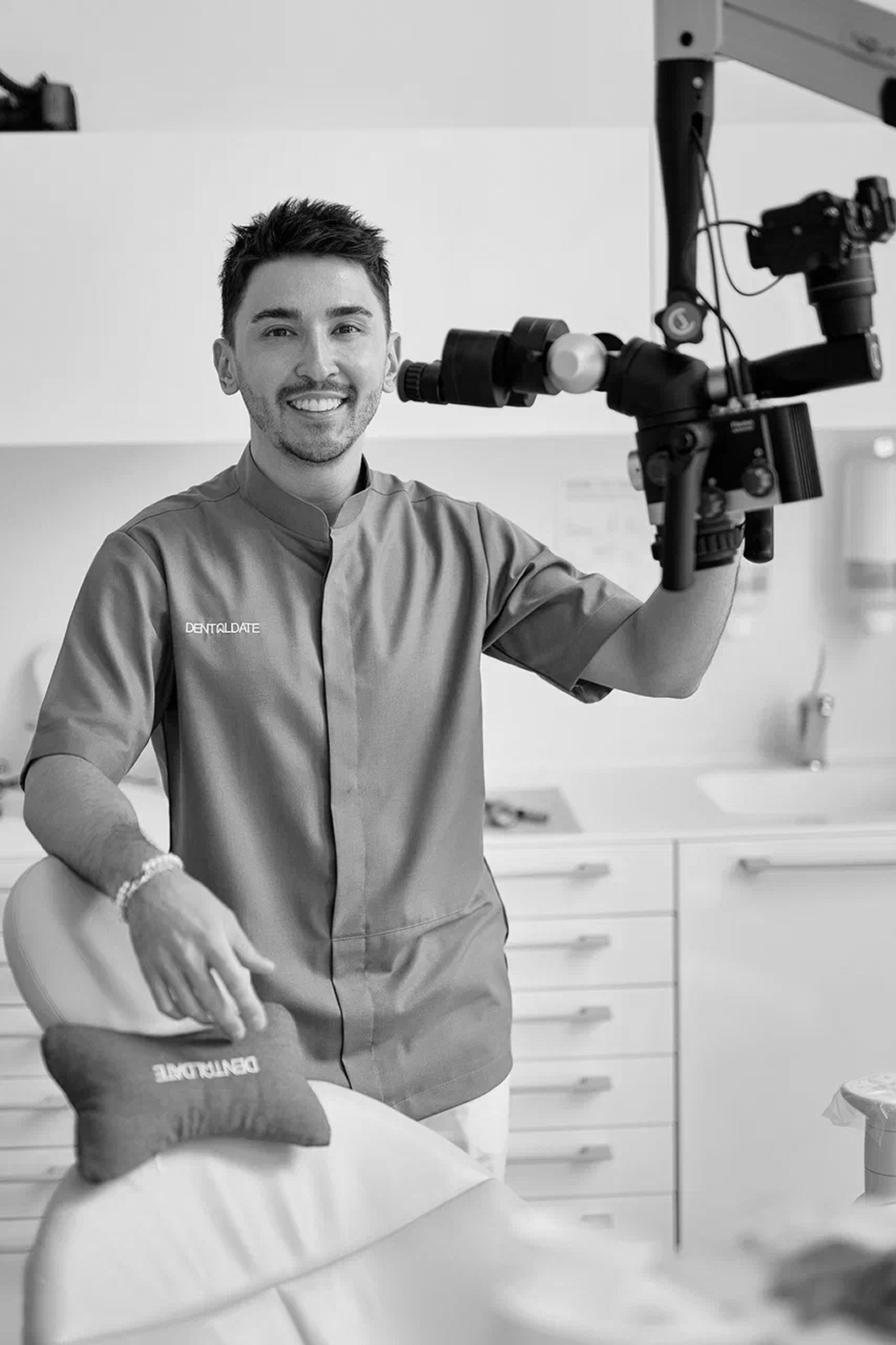
All stages of cleaning are performed under optical magnification

Using dental loupes or a microscope allows the clinician to visualise areas that are not visible to the naked eye — subgingival deposits, early inflammatory changes, initial carious lesions, and micro-details of the enamel surface. This ensures greater precision, a more gentle approach, and highly predictable results.

At DentalDate, professional dental hygiene is performed according to a structured clinical protocol that integrates modern diagnostic methods with step-by-step cleaning of all oral areas. This approach ensures predictable results, procedural safety, and long-term support for healthy gums and teeth.


01

Clinical examination and oral health assessment

The dentist performs a diagnostic evaluation to assess enamel condition, gum health, and areas where deposits may be hidden. This helps identify individual risk zones and determine the most effective hygiene protocol.

02

Ultrasonic removal of tartar deposits

If needed, an ultrasonic scaler is used to gently break down and remove hardened tartar. This reduces inflammation and improves gum health without damaging the surrounding tissues.

03

AirFlow cleaning of plaque and pigmentation

A controlled stream of air, water, and powder removes soft plaque and surface stains, including those caused by coffee, tea, and other pigments. AirFlow reaches areas that are difficult to clean at home and restores the natural brightness of the teeth.

04

Interdental cleaning

Floss or interdental brushes are used to clean between the teeth — zones where cavities and early inflammation most often begin. This step provides detailed cleaning of contact surfaces.

05

Enamel polishing

Polishing pastes smooth the micro-surface of the enamel, reducing plaque adherence and enhancing overall comfort after the procedure.

06

Fluoride application and enamel protection

A remineralizing fluoride treatment is applied to strengthen the enamel and increase its resistance to temperature changes and acids. This final stage helps maintain the results of the hygiene procedure for a longer period.

Benefits

Longer-lasting cleanliness

A smoother enamel surface holds plaque more slowly, making your daily brushing routine noticeably more effective.

Increased resistance to micro-damage

Polishing reduces the attachment of abrasive particles, helping prevent microcracks and subtle enamel wear.

More predictable treatment outcomes

Clean tooth surfaces and healthy gums allow your dentist to perform more accurate diagnostics and identify early risk areas.

Fresh breath without masking

Freshness is achieved by removing the underlying cause of odor, not by temporarily covering it with mouthwash.

Visibly brighter and cleaner smile

Visibly brighter and cleaner smile

Clearer taste perception

Removing bacterial films improves taste sensitivity and eliminates unwanted aftertastes.

Results and Effects After the Procedure

Professional dental hygiene produces several immediate functional changes that are noticeable right after the appointment.

Stabilized gum condition
After subgingival deposits are removed, gum tissues become less tense and less reactive.

Reduced short-term sensitivity flare-ups
Cleaned areas are less likely to respond with sharp discomfort to cold or heat in the following days.

Improved gingival attachment
The gums regain a more natural and closer fit to the tooth once soft deposits are cleared.

Better interdental cleaning
Floss and interdental brushes glide more easily without resistance or discomfort.

More uniform gum color
With a lower bacterial load, gum tissues appear healthier and more even-toned.

Enhanced natural moisture in the mouth
Removing microbial films improves salivary function, reducing dryness and rough sensations.

Reduction of shallow inflammatory pockets
Removing supragingival and subgingival buildup helps shallow pockets appear less pronounced.

Slower re-accumulation of plaque in the first weeks
Freshly cleaned enamel allows bacteria to attach more slowly, prolonging the initial effect.

Indications and Contraindications

  • Indications

    Professional dental hygiene is recommended for:

    • Presence of plaque and tartar
    • Gum bleeding or sensitivity
    • Stains from coffee, tea, wine, or tobacco
    • Patients with braces or aligners
    • Crowded teeth and hard-to-clean areas
    • Preparation for whitening or aesthetic treatment
    • Patients with implants, crowns, or veneers
    • Persistent bad breath
    • Recurrent gum inflammation
  • Contraindications

    While generally safe, hygiene may be postponed in cases of:

    • Acute oral inflammation requiring preliminary treatment
    • Severe untreated periodontitis
    • Allergy to AirFlow powders (rare)
    • Uncontrolled systemic medical conditions
    • Recent oral surgeries

Professional Oral Hygiene: The DentalDate Approach

Guided Biofilm Therapy - a clinical protocol for professional oral hygiene

Guided Biofilm Therapy (GBT) is a clinical protocol for professional oral hygiene focused on the controlled and step-by-step management of dental biofilm — the primary factor in the development of caries and periodontal disease. Unlike standard hygiene approaches, GBT is not based on a fixed set of procedures but on an individualized clinical assessment and a tailored hygiene strategy for each patient.

Within the protocol, special attention is given to biofilm visualization, evaluation of soft and hard deposits, gingival condition, and existing restorations. This allows the dentist to define a precise sequence of actions and apply only those professional hygiene techniques that are clinically indicated for the specific situation.

GBT is not a standalone procedure. It is a structured approach that determines how and to what extent professional hygiene methods are used — from gentle surface cleaning to the removal of hard deposits and final enamel conditioning. This protocol-based strategy supports tissue preservation, predictable outcomes, and long-term oral health maintenance.

Prices

Professional Oral Hygiene
1200 AED
Professional Oral Hygiene (Children under 6 years)
600 AED
Professional Oral Hygiene (Children aged 6 to 12 years)
800 AED

How Often Should You Have Professional Dental Hygiene?

The frequency of professional dental hygiene plays a major role in maintaining healthy gums and preventing plaque from hardening into calculus. For most patients, visiting a dental hygienist every six months is the ideal interval. This schedule helps maintain a balanced oral microbiome, reduce inflammation, and detect early changes before they become noticeable.

Some patients require more frequent appointments — particularly those wearing braces or aligners, smokers, individuals prone to gum inflammation, and patients with implants, crowns, veneers, or tightly crowded teeth. In these situations, plaque and stain accumulate faster, increasing the risk of sensitivity and local gum irritation.

If you experience bleeding gums, changes in gum colour, persistent bad breath, or a rough feeling on the teeth, these may indicate that it’s time for a hygiene appointment sooner. After examining your oral condition, your dentist or hygienist will recommend a personalised maintenance schedule tailored to your needs.

Reviews

"Very good dental clinic , from the walk in you are in amazing environment, nice reception staff , receptionist name is Jane, she is very helpful, arranged a good treatment with doctors Rodriques. We’re very happy. Very good quality of treatment. Thank you so much ."
Алексей Торопов
"I wholeheartedly recommend the full range of services at this clinic. Wonderful clinic! Excellent service, quality of materials, prices. Painless dental treatment, sensitive, attentive, and caring approach from all specialists. From the moment you enter, you feel like a valued guest and enjoy your stay within these walls. I sincerely thank all the staff for their work, congratulate them on the upcoming Medical Day, and wish prosperity and many grateful patients with Hollywood smiles!"
NATALIA ILINA
"I am afraid of dentists and everything related to dental treatment. But I can confidently say that after 10 years of living in the UAE, I have finally found my dentist. I've had dental hygiene done, and am currently treating my teeth, having visited twice already. Among the perks is a large TV on the ceiling; you can get absorbed in YouTube or even watch a movie, which is cool as it distracts me and eases my anxiety. Once I'm done with my dental treatment, I'll also work with an orthodontist."
Alexandr SKY TRASH
"I’ve done braces, 4 implants and 28 porcelain veneers and crowns with the 1M1 colour. So I trusted my full mouth to this dentist clinic and haven’t regretted at all! The owner Lilia is just adorable. She is very patient, attentive and friendly. All people that work at clinic are also very nice and patient even with this kind of person as me, who always asks so many questions about everything. I’m totally happy with the work that they’ve done and now my husband and his parents are also doing the whole mouth work there! Always happy to recommend DentalDate!"
Polina
"The team at DentalDate is exceptional! From the very first consultation, they put me at ease with their friendly and professional demeanor. They took the time to thoroughly explain my treatment options and crafted a personalized plan that perfectly suited my needs. Their expertise and attention to detail are truly impressive, and the results have exceeded my expectations. Thanks to DentalDate, I feel more confident and happy with my smile. Highly recommend them to anyone seeking top-notch orthodontic care!"
Rami Alcheikh

F.A.Q

How long does the procedure take?

A typical hygiene appointment takes 30–60 minutes. The duration depends on the amount of tartar, gum condition, and the presence of orthodontic appliances. After the cleaning, you will receive personalised recommendations to maintain oral health and prevent new buildup.

Is the procedure painful?

Most patients experience only mild discomfort. After the tartar is removed, sensitivity usually decreases rather than increases.

Does professional dental cleaning whiten the teeth?

Dental cleaning is not a whitening procedure, but it removes stains caused by coffee, tea, wine, and tobacco. As a result, teeth appear 1–2 shades brighter with a natural, healthy shine.

How often should I have a professional dental cleaning?

Most patients benefit from hygiene appointments every 6 months. Those with braces, implants, bleeding gums, or rapid plaque accumulation may require visits every 3–4 months.

Can tartar formation be prevented?

Complete prevention is impossible, but the process can be slowed. Proper brushing technique, daily flossing or interdental brushes, sufficient saliva flow, and regular dental check-ups help reduce buildup. Even with excellent home care, tartar eventually forms.

What is the difference between ultrasonic cleaning and regular brushing?

Ultrasonic cleaning uses gentle vibrations to break down hardened deposits without damaging the enamel. It is faster, safer, and more efficient than manual scraping. Regular brushing removes only soft plaque and cannot replace professional cleaning.

Is professional cleaning necessary for children and teenagers?

Yes. Children develop soft plaque faster, and teenagers often experience gum inflammation due to hormonal changes or orthodontic treatment. Regular hygiene reduces the risk of cavities, strengthens gums, and builds long-term healthy habits.

What complications can occur if I skip regular hygiene appointments?

Lack of professional hygiene may lead to:
- chronic gum inflammation,
- deepening periodontal pockets,
- persistent bad breath,
- enamel damage,
- increased risk of periodontitis,
- complications around implants, crowns, and bridges.

Why isn’t home brushing enough?

Even with good technique, some areas remain difficult to clean — interdental spaces, beneath the gumline, and around orthodontic appliances. These areas accumulate tartar and biofilm that can only be removed professionally.

How do I know it’s time for an early hygiene visit?

You may need an earlier appointment if you notice:

- bleeding gums,

- persistent bad breath,
- roughness on the teeth,
- darkening enamel,
- sensitivity to hot or cold,
- braces or tightly crowded teeth.