History of the Visit
The parents noticed that one of the child’s primary teeth was significantly damaged and caused discomfort during eating.
Clinical examination revealed the following findings:
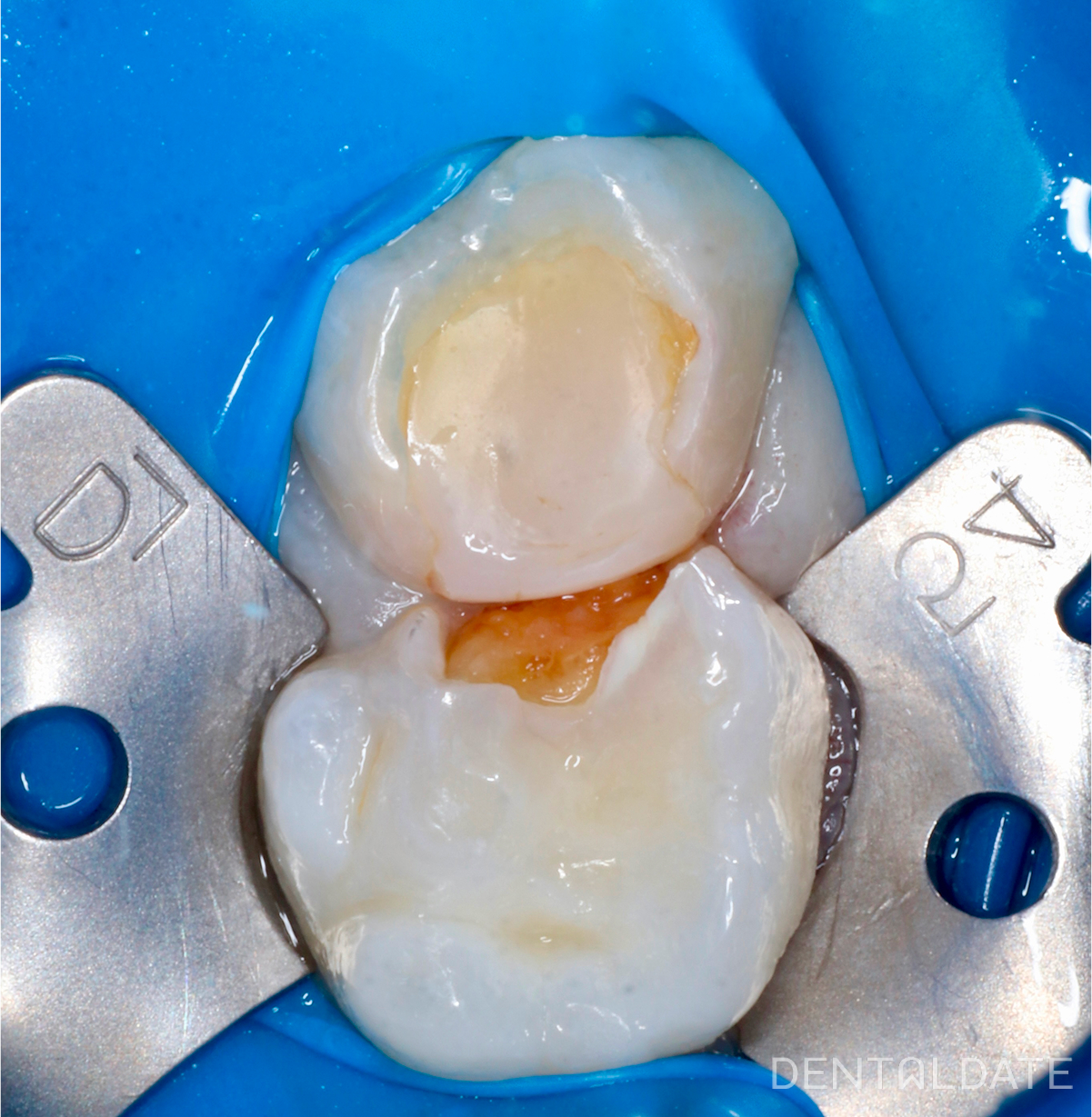
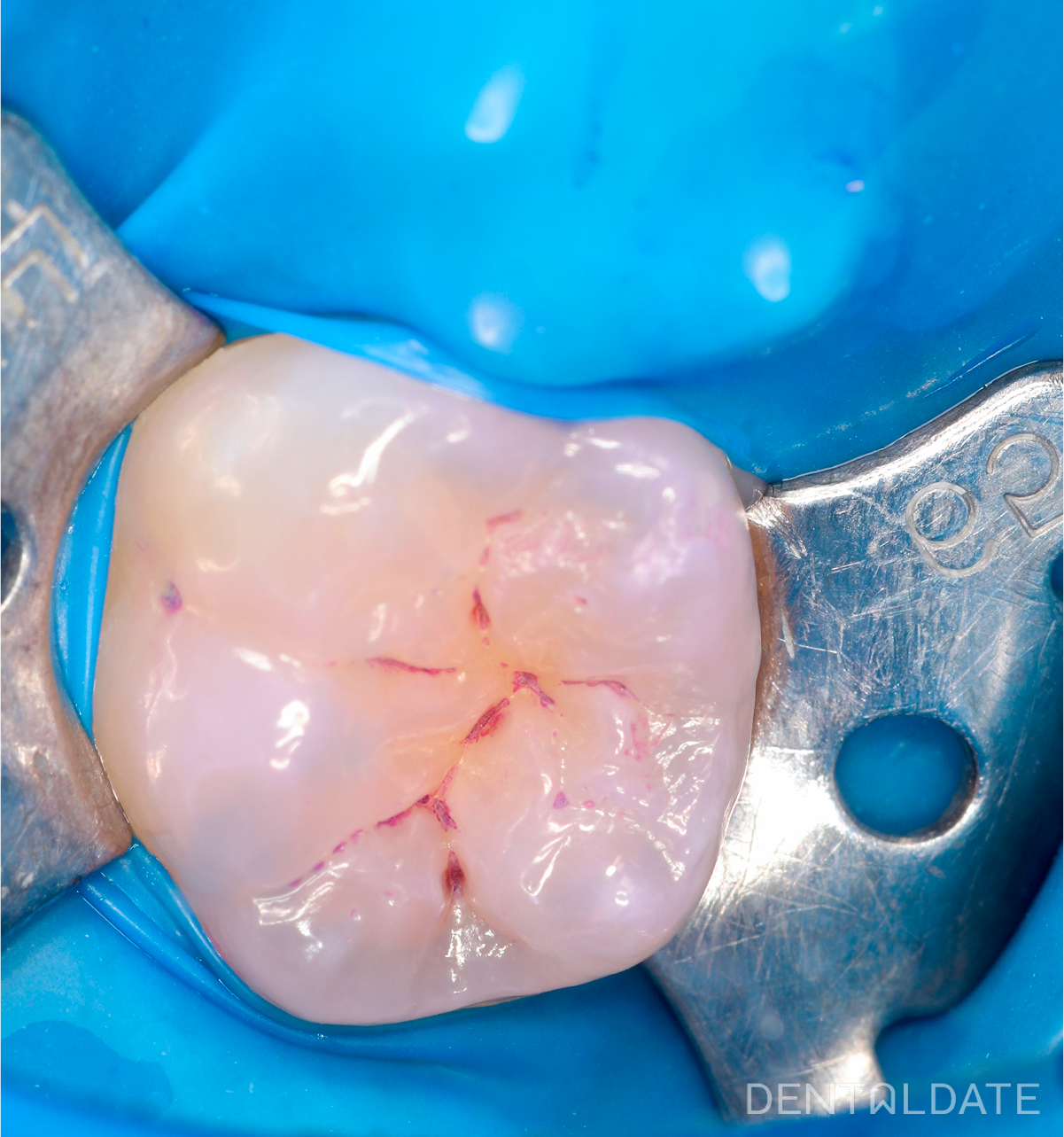
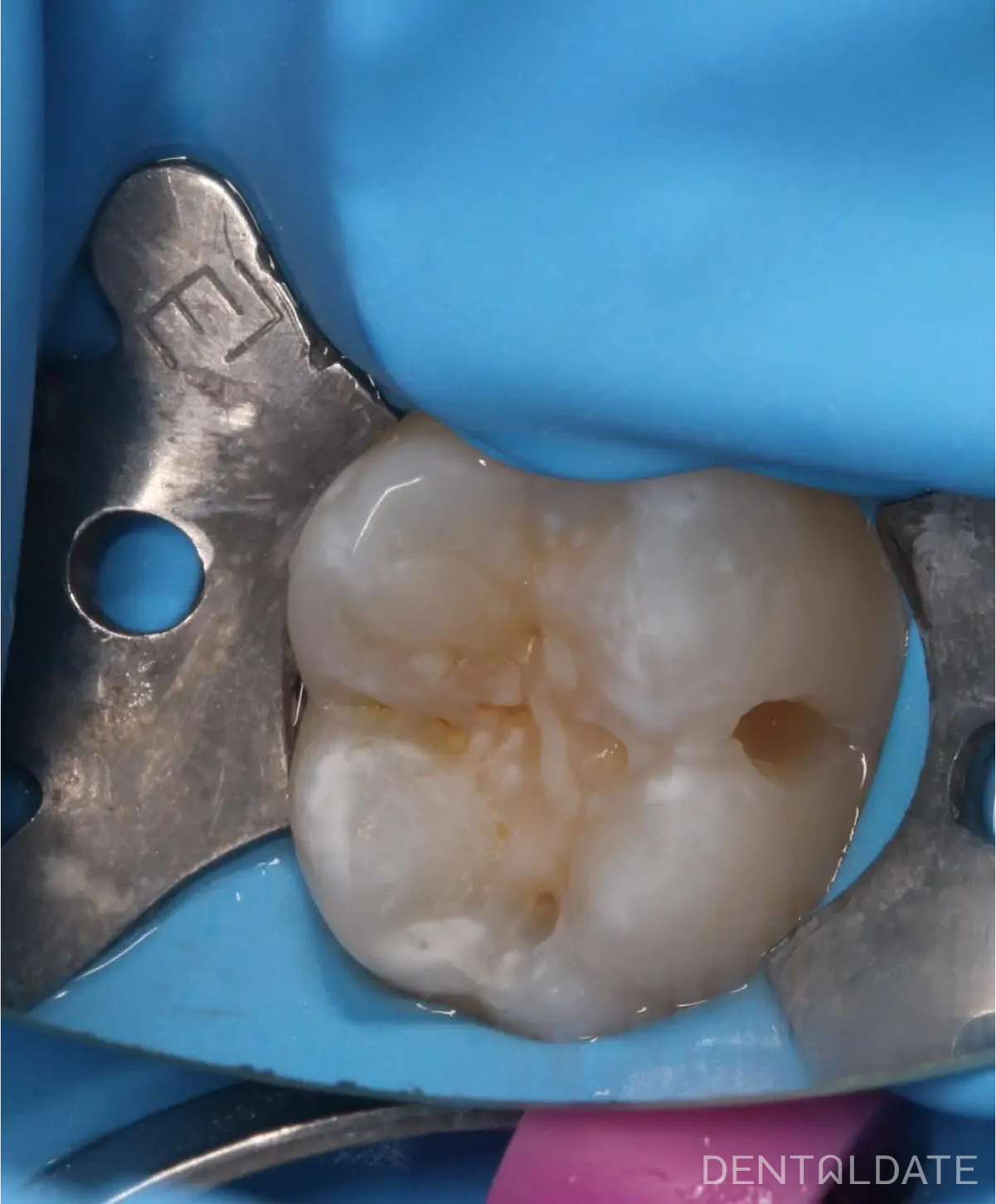
- severe destruction of tooth 75, in which a conventional filling would not provide sufficient strength or marginal seal;
- tooth 74 with a pronounced inflammatory process and a fistulous tract, making it non-restorable.
Treatment Approach
A comprehensive oral sanitation plan was adopted:
- tooth 75 was restored with a stainless steel crown, providing reliable protection against further destruction and recurrent caries;
- tooth 74 was extracted to prevent the spread of infection;
- complete oral sanitation was performed, and the parents were given detailed recommendations on preventive oral care.
Why a Crown Is Better Than a Filling in Such Cases
Many parents are surprised by the decision to place a crown on a primary tooth.
However, in cases of extensive destruction, a filling often fails to provide long-term retention and may fracture or fall out.
A stainless steel crown:
- completely covers the tooth and protects it from recurrent caries;
- preserves tooth shape and proper occlusion;
- reliably functions until the natural exfoliation of the primary tooth.
Sanitation Results
- Tooth 75 was successfully restored, preserving full chewing function.
- The source of chronic inflammation in the area of tooth 74 was eliminated.
- Favorable conditions were created for proper growth and eruption of the permanent teeth.
- The parents received clear instructions on oral hygiene and caries prevention.
Monitoring Tooth Growth and Development
The next stage involves regular preventive check-ups to monitor the condition of the restored tooth and the eruption of permanent molars.
Timely visits help prevent complications and ensure proper development of the occlusion.
At DentalDate, we apply modern pediatric dentistry protocols—from painless oral sanitation to the placement of functional crowns. This approach helps preserve children’s oral health and prevent problems with the permanent dentition.


Prevention is the best way to a healthy smile!