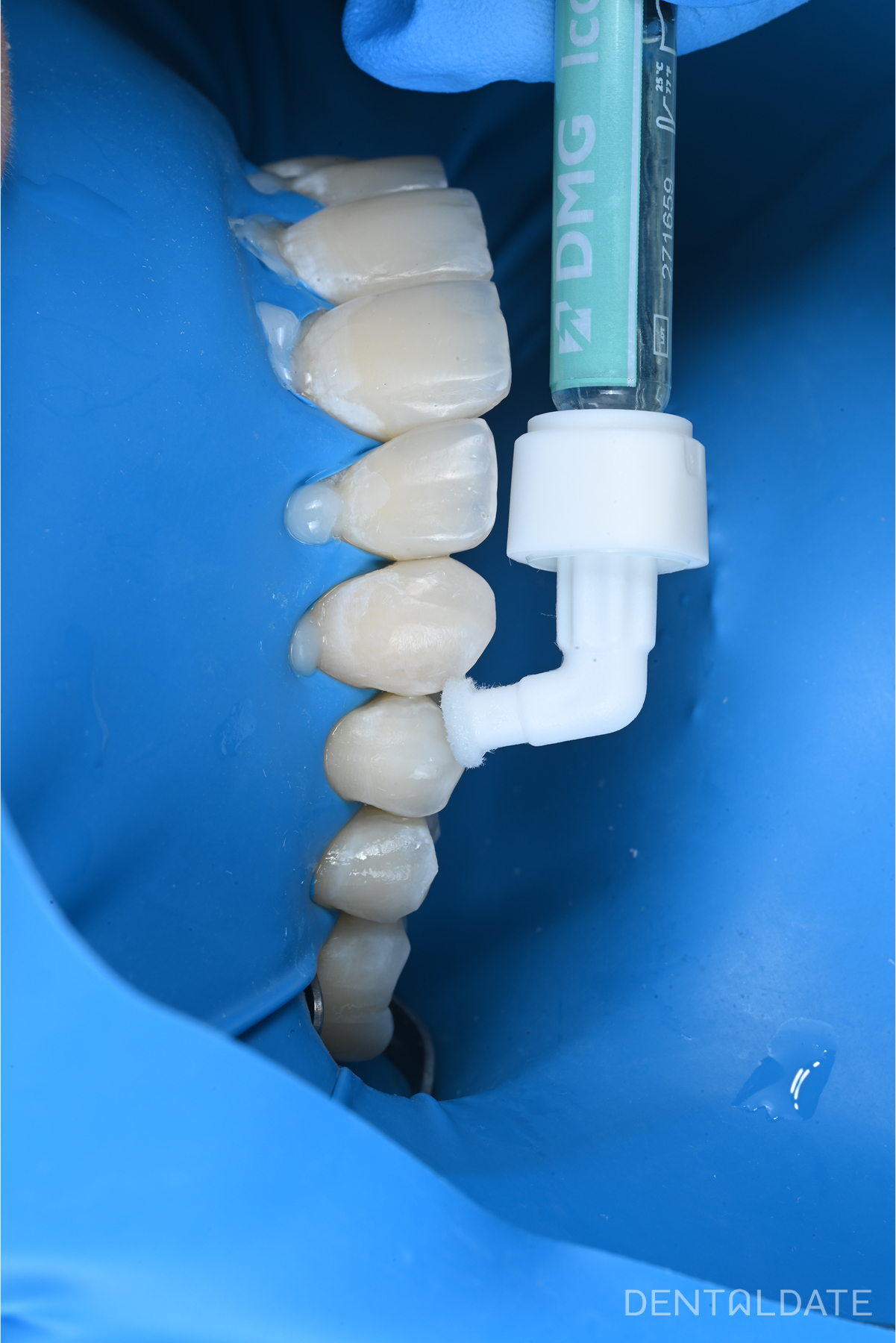

How ICON Treatment Works
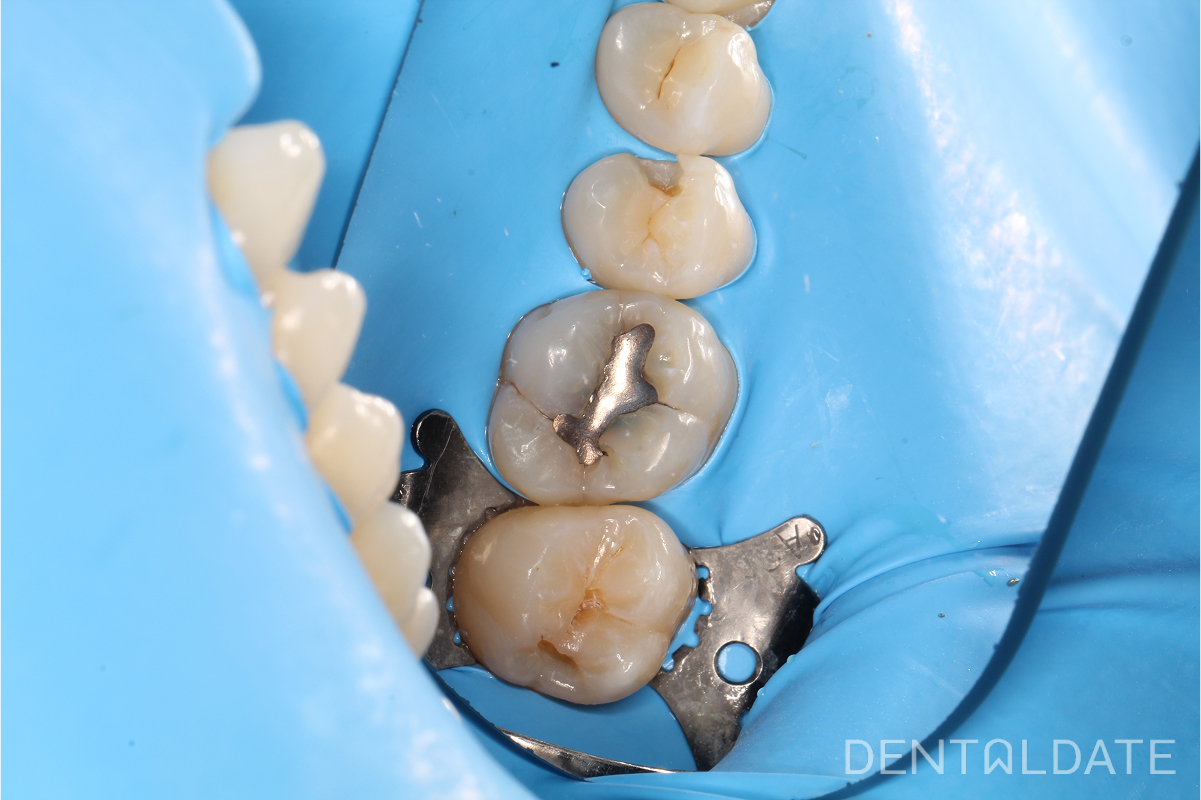
1. Clean the teeth with pumice and isolate them (usually using a rubber dam).
2. Etch the enamel with a mild acid (typically 15% HCl) for two minutes to open up microscopic pores—and repeat if necessary up to three times.
3. Rinse and dry the surface, then apply ethanol (“Icon-Dry”) to preview the result and check if etching is sufficient.
4. Apply a fluid resin infiltrant (TEGDMA‑based) into the porous demineralized enamel for a few minutes; then light-cure, polish, and finish.
Benefits of ICON Treatment
- No drilling or anesthesia needed
- Very little enamel removed—about 40 µm at a time, versus enamel thickness of 1000–1500 µm.
- Short procedure—typically completed in under an hour
- Blends optical properties of resin with surrounding enamel, masking spots naturally.
- Can halt early decay and reinforce enamel internally in non‑cavitated lesions.
- Clinical studies show results can remain stable for two to five years or more, though outcomes vary based on lesion depth.
It’s technique-sensitive: proper etching, drying, and application are essential for success.
Is ICON Right for You?
ICON is best suited for:
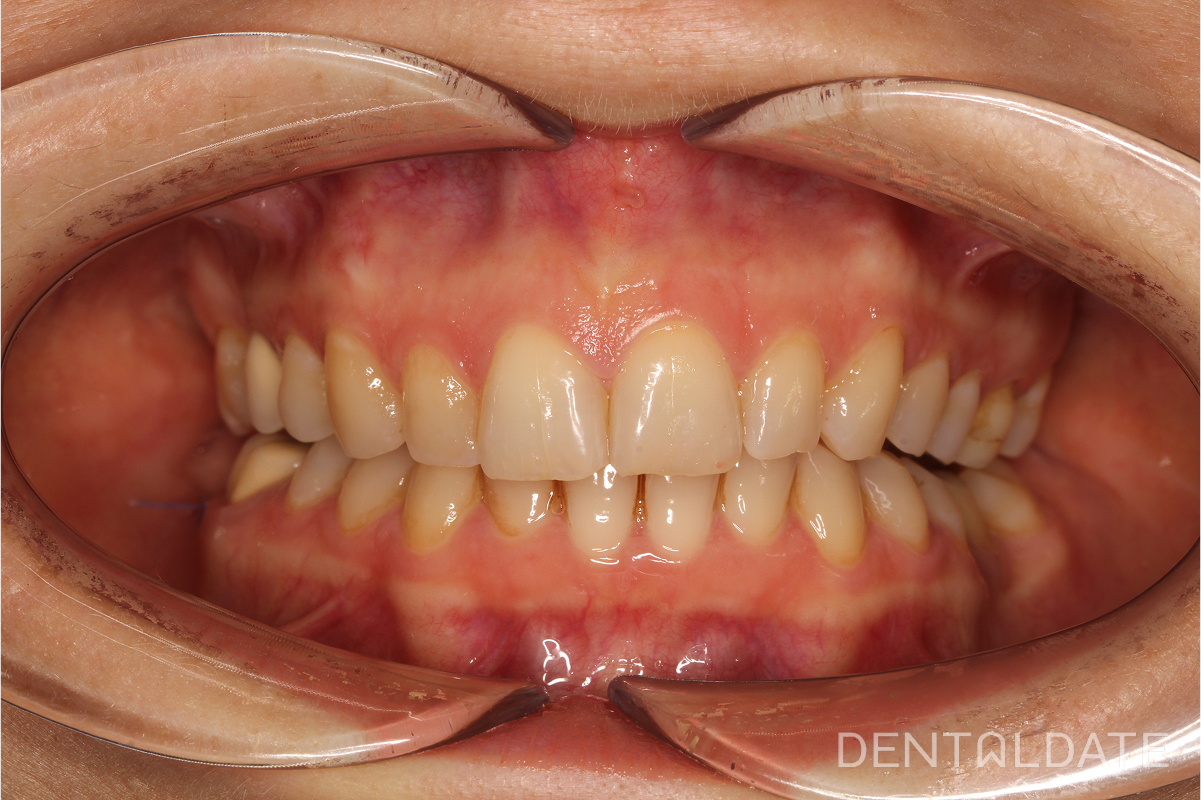
- Non‑cavitated white spot lesions caused by early decay, braces, fluorosis, or developmental defects.
- Shallow, newly formed lesions, where the outer enamel hasn’t completely collapsed.
- Patients looking for a non‑drill, non‑permanent cosmetic solution, especially in younger individuals not yet suitable for veneers.