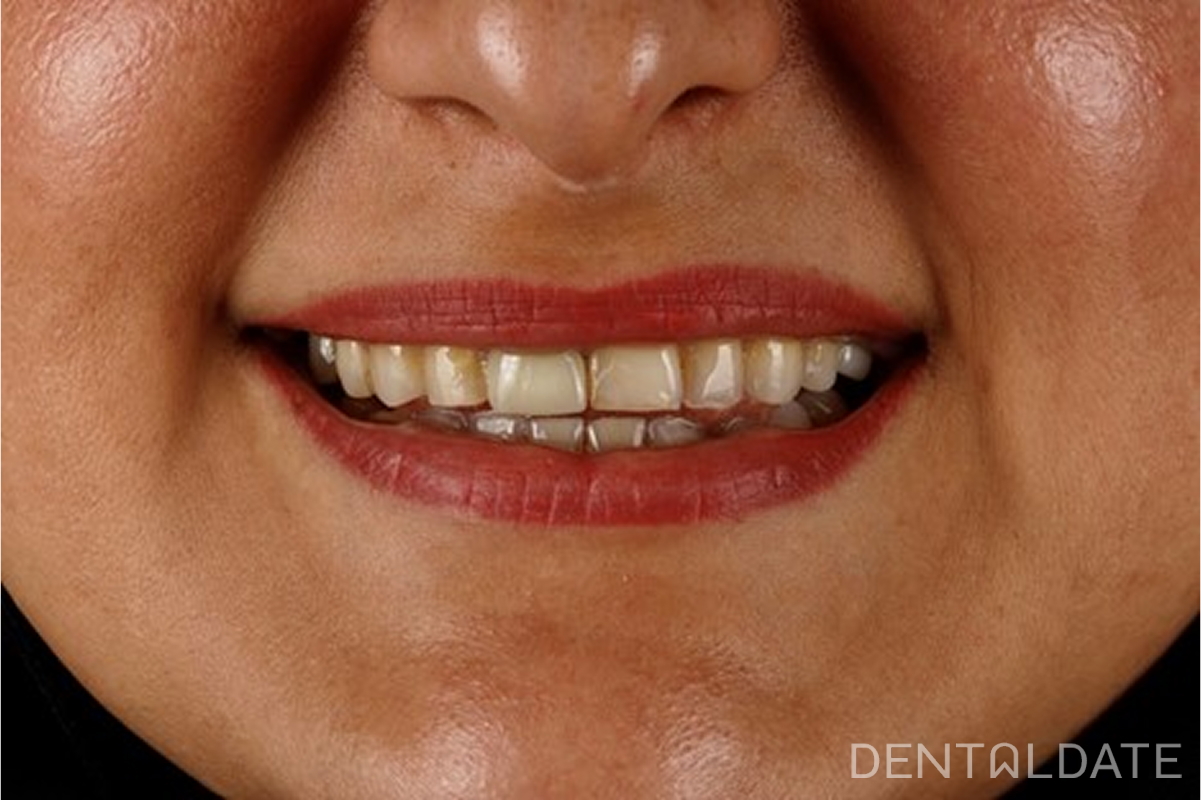
After the braces were taken off, the patient expected only an aesthetic improvement. However, she soon noticed a pronounced clicking sound in the temporomandibular joint (TMJ). The sound occurred every time she opened her mouth and was accompanied by a feeling of instability — signs consistent with subluxation of the articular disc.
To determine the cause of the dysfunction, comprehensive diagnostics were performed, including condylography. The examination made it possible to capture the exact moment of disc displacement and confirm TMJ subluxation.
Based on the diagnostic findings, an individual splint was fabricated. When the splint was placed, the disc was repositioned — the clicking disappeared completely, and jaw movements became smooth and stable. This confirmed that the identified therapeutic jaw position was physiologically correct for the patient.
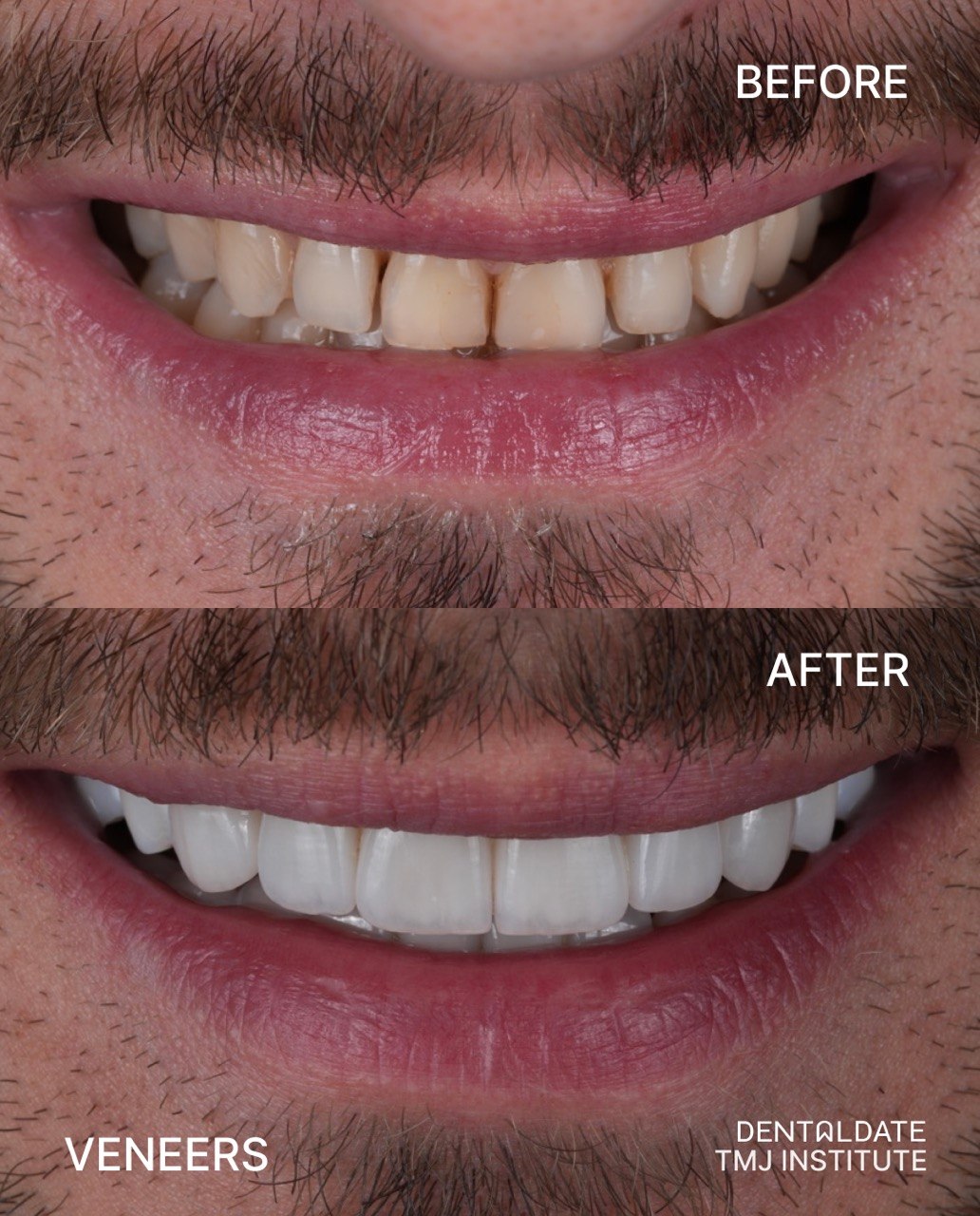
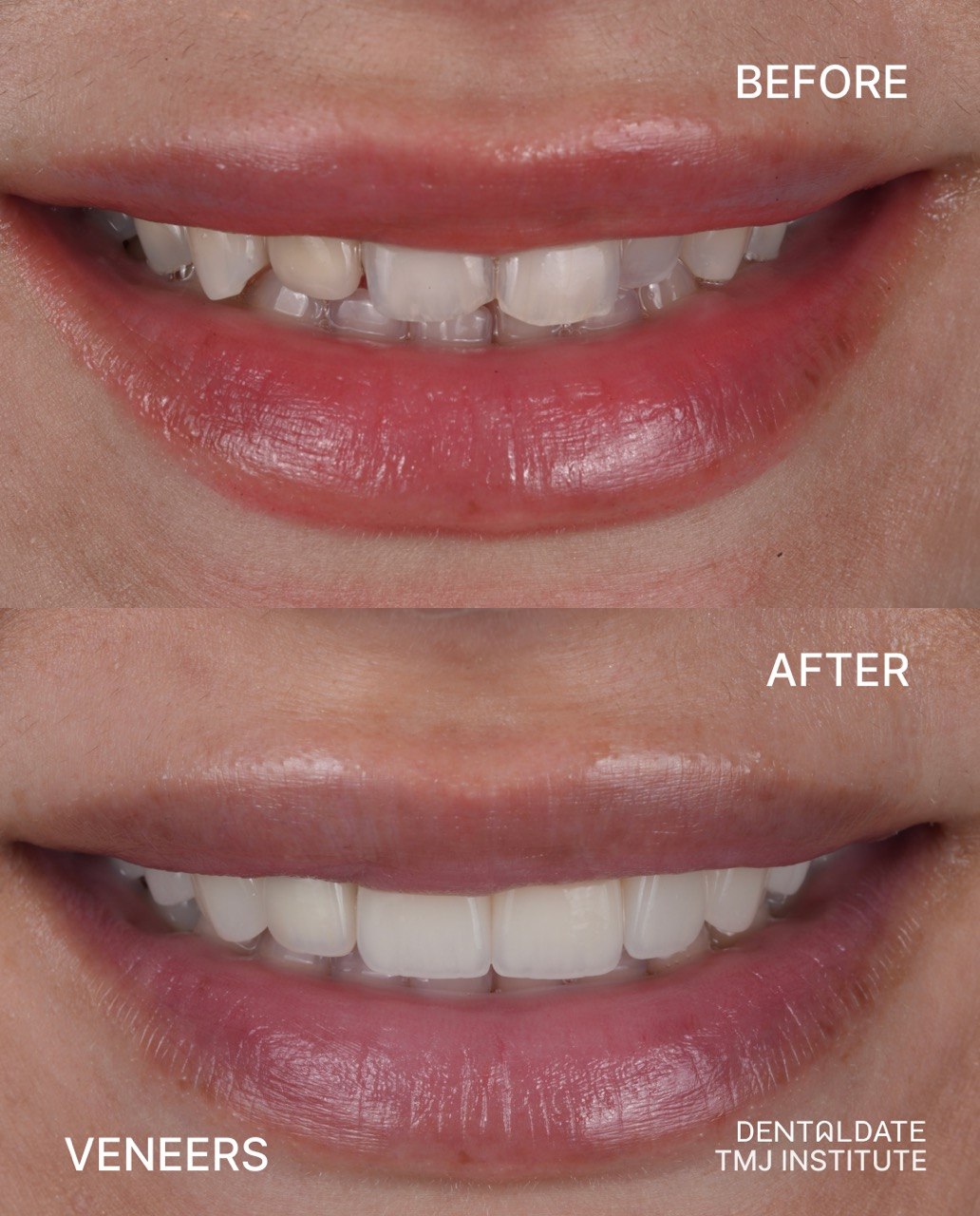
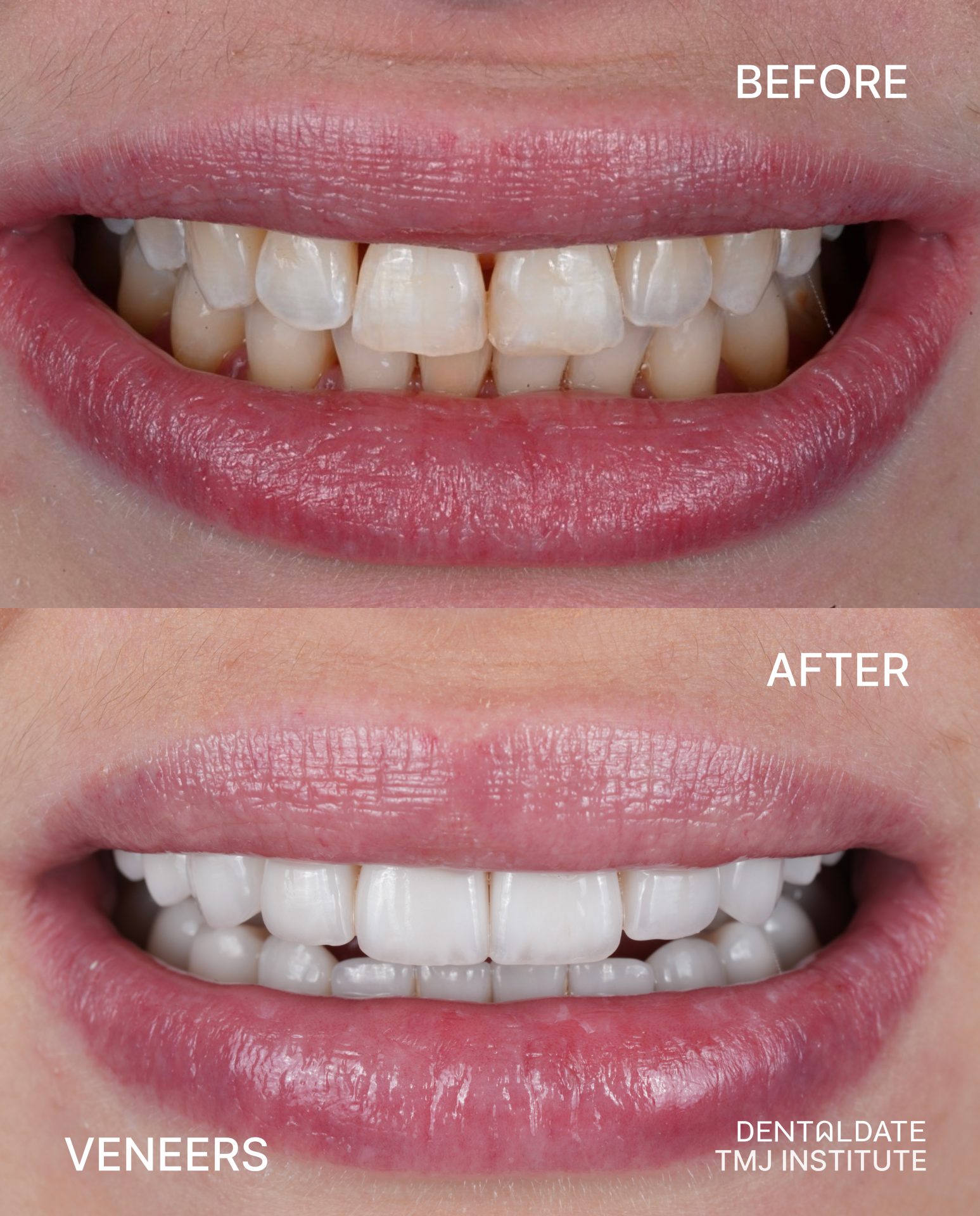
However, a splint is only the first stage of treatment. It stabilizes the joint and relieves symptoms, but it does not permanently fix the jaw position. To fully resolve the problem and prevent the clicking from returning, the patient was advised either to undergo repeat orthodontic treatment taking the therapeutic jaw position into account, or to use fixed occlusal overlays that maintain the correct joint position without placing braces.
Why This Matters
Many patients consider joint clicking harmless, but it almost always indicates improper TMJ function. If disc subluxation is left untreated:
- disc displacement may worsen;
- pain during chewing may develop;
- mouth opening may become restricted;
- symmetry of the lower jaw may be compromised;
- bite stability may deteriorate.
Subluxation does not resolve on its own – over time, it usually progresses. Therefore, it is important not merely to “eliminate the sound,” but to restore proper joint positioning and ensure stable, physiological function.
What Patients Should Know
- Clicking in the joint is a signal that the articular disc is displaced.
- After orthodontic treatment, the TMJ may react to changes in tooth position.
- A splint does not replace orthodontic treatment — it helps identify the correct jaw position.
- Long-term results are achieved only by fixing the identified position, either through repeat orthodontic treatment or with stabilizing overlays.
- If clicking appears after braces removal, it is a reason for diagnostic evaluation — not a normal outcome.
At DentalDate, TMJ treatment follows a structured, multi-stage approach: diagnostics, identification of a stable therapeutic jaw position, splint therapy, and only then corrective methods. This strategy allows us to eliminate the cause of clicking and restore comfortable, physiological joint function.