@ Language: en
Google Maps
10 am - 8 pm
Our addresses

Dental Treatment Under General Anesthesia in Dubai

Complex dental treatment under general anesthesia — with continuous medical monitoring

When extensive dental work, complex surgery, or several procedures need to be combined within one treatment stage, general anesthesia can allow the planned dental care to be completed while the patient remains unconscious throughout the procedure.

General Anesthesia in Dentistry

General anesthesia is a medically induced state of unconsciousness in which the patient is not aware of the dental procedure being performed. While the dental team carries out the planned treatment, the patient’s condition and vital signs remain under continuous medical monitoring.

General anesthesia differs from local anesthesia, which numbs a specific area of the mouth, and from sedation, where the level of consciousness varies depending on the depth of sedation.

General anesthesia is not required for every dental procedure. It is considered individually based on the extent and complexity of treatment, its expected duration, and the patient’s health. These distinctions are consistent with current clinical definitions of general anesthesia and sedation.

When One Carefully Planned Treatment Session Makes More Sense Than Multiple Difficult Visits

The decision to use general anesthesia is not based on patient preference alone. The dentist considers the complete clinical situation: which procedures are required, how complex they are, how long treatment may take, and whether treatment can reasonably be completed using another approach.

Extensive Dental Treatment

When several teeth require treatment or multiple procedures need to be performed in sequence, it may be possible to combine part of the treatment into one carefully planned session.

Complex or Lengthy Dental Surgery

General anesthesia may be considered for surgical treatment that is expected to take a significant amount of time or involves several procedures.

Multiple Procedures Within One Treatment Plan

Tooth extractions, surgical preparation, selected stages of implant treatment, and other procedures may in some clinical situations be coordinated within a single treatment session.

Severe Dental Anxiety or Phobia

For some patients, severe dental anxiety can make lengthy or complex treatment extremely difficult even with conventional pain control. In these situations, the available options for sedation or anesthesia can be assessed as part of the treatment plan.

Severe Gag Reflex

A pronounced gag reflex can make lengthy dental procedures difficult to tolerate and may be taken into account when selecting the appropriate approach to treatment.

Individual Medical or Patient-Specific Considerations

Certain health conditions or individual circumstances can make conventional chair-based dental treatment difficult. The possibility of treatment under general anesthesia is therefore assessed in the context of the patient’s medical history.

What Can Be Done Under General Anesthesia?

The goal is to establish a complete dental treatment plan in advance and determine which stages can reasonably be carried out within the same treatment session.

General Anesthesia at DentalDate

The defining feature of general anesthesia for the patient is that the dental procedure takes place without conscious awareness. While the dentists perform the planned treatment, the patient’s condition and vital signs remain under continuous medical monitoring.

  • No Awareness of the Procedure

    During general anesthesia, the patient remains unconscious and is not aware of the dental procedure being performed.

  • More Treatment Within One Planned Session

    When clinically appropriate, several previously agreed procedures may be performed consecutively within the same treatment session.

  • Reduced Psychological Burden

    This may be particularly relevant for patients whose severe dental fear makes complex or lengthy treatment extremely difficult.

  • Continuous Medical Monitoring

    The patient’s condition and vital signs are monitored throughout the procedure.

General Anesthesia or Sedation: What Is the Difference?

Both approaches can make dental treatment easier to tolerate, but they differ significantly in the level of consciousness and the clinical situations in which they may be considered.

  • General Anesthesia

    Under general anesthesia, the patient remains unconscious throughout the procedure. It may be considered for more complex, lengthy, or extensive treatment, or when other clinical circumstances make this level of care appropriate.

    • The patient remains unconscious
    • May be considered for extensive, complex, or lengthy treatment and other clinical indications
    • Requires medical assessment and continuous monitoring during the procedure
    • Suitability is assessed individually
  • Sedation

    With sedation, the level of consciousness varies depending on the depth of sedation. The patient may remain able to respond to verbal communication. Sedation can be used to reduce anxiety and improve comfort during dental treatment when general anesthesia is not required.

    • The level of consciousness depends on the depth of sedation
    • May be used to reduce anxiety and improve comfort during dental treatment
    • The patient may remain responsive to verbal communication depending on the level of sedation
    • Suitability is assessed individually

Treatment Built Around a Precise Plan

General anesthesia is one part of a broader treatment strategy. Before the procedure, the dental team determines the required scope of treatment, the sequence of procedures, and which stages can reasonably be completed within the same session.


01

Diagnosis and Consultation

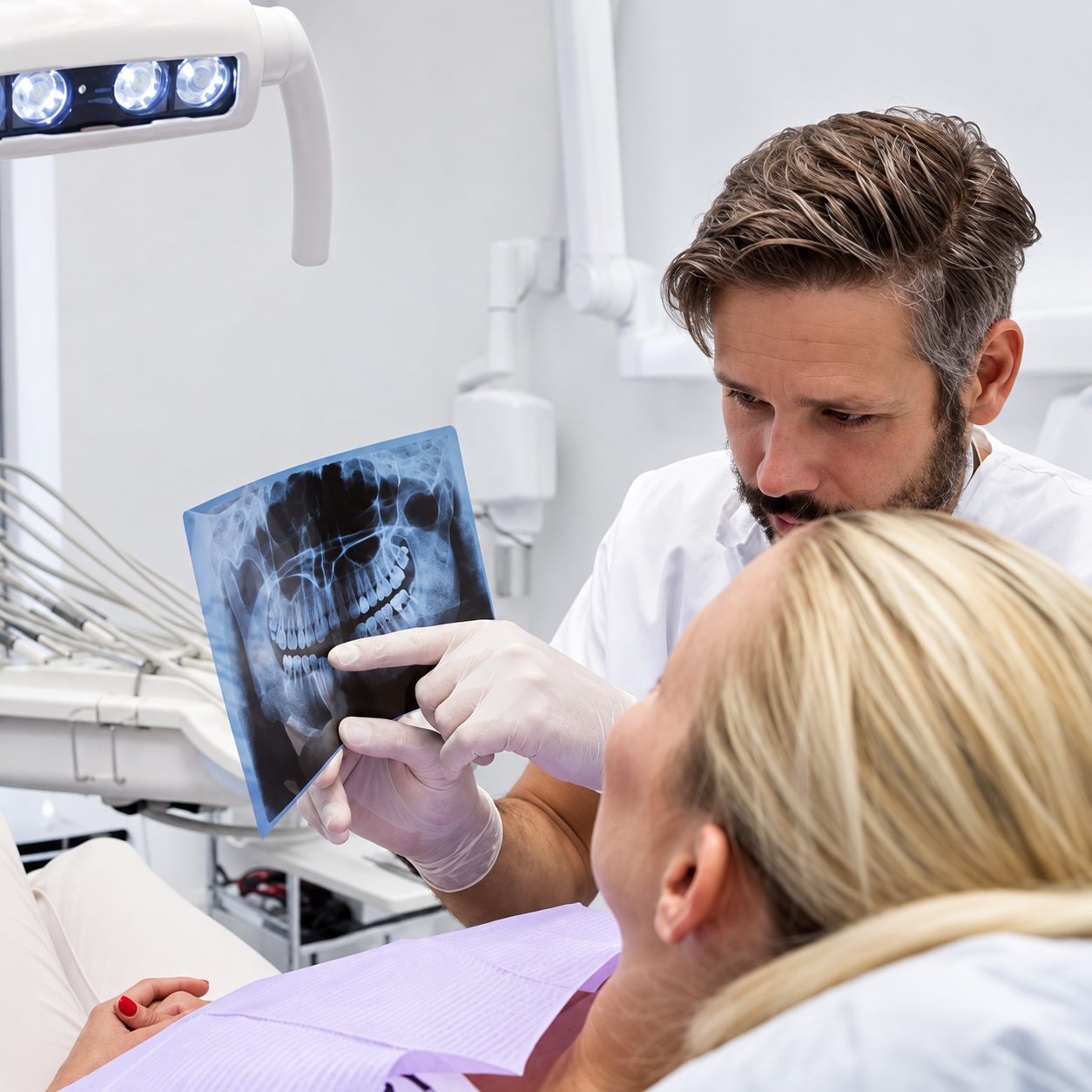
The dentist assesses the condition of the teeth and oral cavity, the patient’s concerns, and the objectives of treatment. Dental X-rays or CBCT may be used when clinically indicated. The findings are then used to define the required treatment and its sequence.

02

Treatment Planning

The team determines which teeth require treatment or extraction, whether surgery, implant placement, or bone grafting is required, and which procedures can reasonably be combined within one treatment stage.

03

Medical Assessment Before General Anesthesia

The patient’s overall health is assessed before the procedure. Medical history, current medications, and other factors relevant to general anesthesia are reviewed. Additional tests or specialist consultations may be required when indicated.

04

Preparation for the Procedure

The patient receives individual pre-treatment instructions, including any required examinations, medication guidance, and restrictions before general anesthesia.

05

Dental Treatment

Once general anesthesia has been induced, the dental team carries out the agreed treatment. The patient’s condition and vital signs remain under continuous medical monitoring throughout the procedure.

06

Recovery and Observation

After dental treatment is completed, the patient enters a recovery period under medical observation.

07

Follow-Up and Continued Treatment

The dentist assesses recovery following the completed procedures and determines the next stages of treatment in accordance with the original plan.

How the Decision About General Anesthesia Is Made

General anesthesia is considered individually. Once the dental treatment plan has been established, the next step is to determine whether this approach is appropriate for the patient and whether any medical factors need to be taken into account.

The assessment may include:

  • overall health;
  • current and previous medical conditions;
  • medications being taken;
  • known allergies;
  • previous experience with anesthesia;
  • individual medical risks;
  • whether another form of pain control or sedation may be appropriate.

Additional examinations or specialist consultations may be required when clinically indicated.

General anesthesia is not selected simply as the more comfortable option. It is considered when it is appropriate for the clinical situation and the patient’s health.

Find Out if General Anesthesia Is Right for Your Dental Treatment

Leave your contacts — we will call you back shortly and help you choose the right specialist.


    Medical Monitoring During General Anesthesia

    General anesthesia requires appropriate clinical conditions and continuous medical monitoring throughout the dental procedure.

    While the dental team performs the planned treatment, the patient’s condition and vital signs are monitored throughout the period of anesthesia so that any changes can be identified and addressed promptly.

    • Continuous Monitoring. Vital signs are monitored throughout general anesthesia.
    • Medical Oversight. The patient’s condition is monitored throughout the procedure in accordance with the protocol selected for general anesthesia.
    • Preparedness for Changes in the Patient’s Condition. General anesthesia requires appropriate protocols, equipment, and readiness to respond to changes in the patient’s condition.
    • Observation After the Procedure. After treatment is completed and the patient emerges from general anesthesia, recovery continues under medical observation.

    As with any medical intervention, general anesthesia carries potential risks. This is why suitability is assessed beforehand and appropriate medical monitoring is required throughout the procedure. Current Dubai competitors likewise treat pre-assessment, monitoring and recovery as distinct elements of adult GA care.

    A Dedicated Setting for General Anesthesia

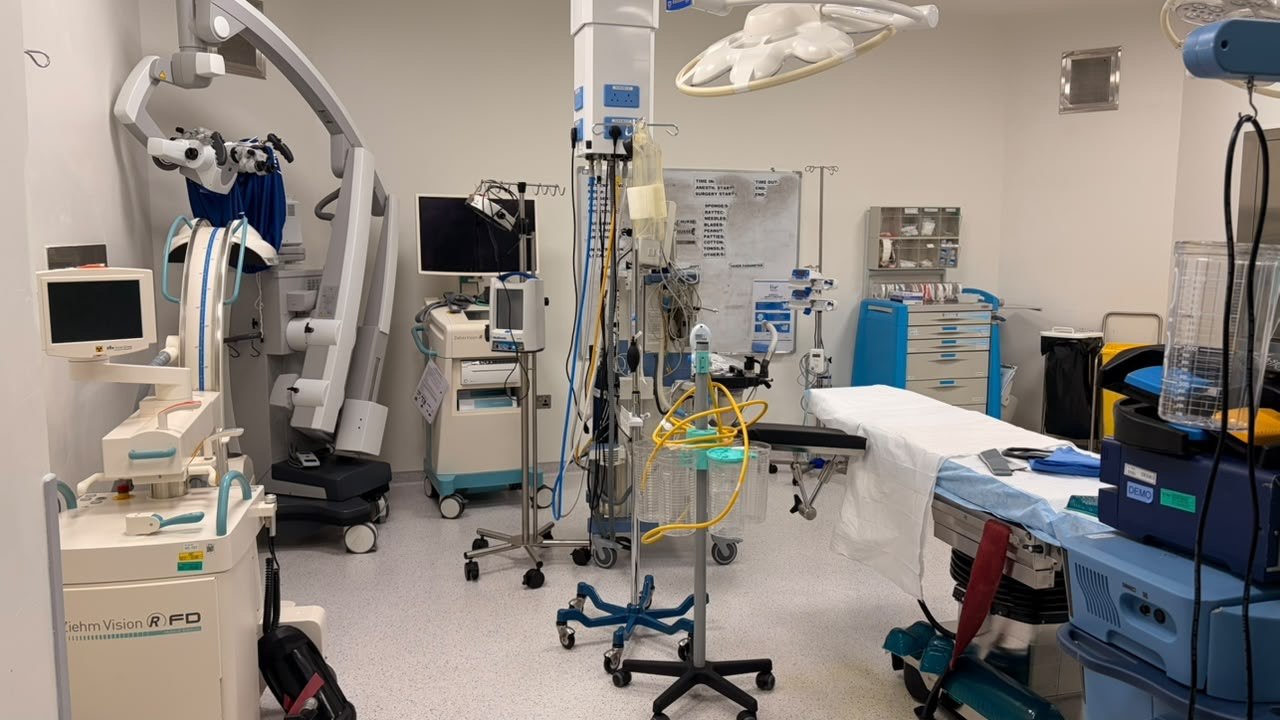
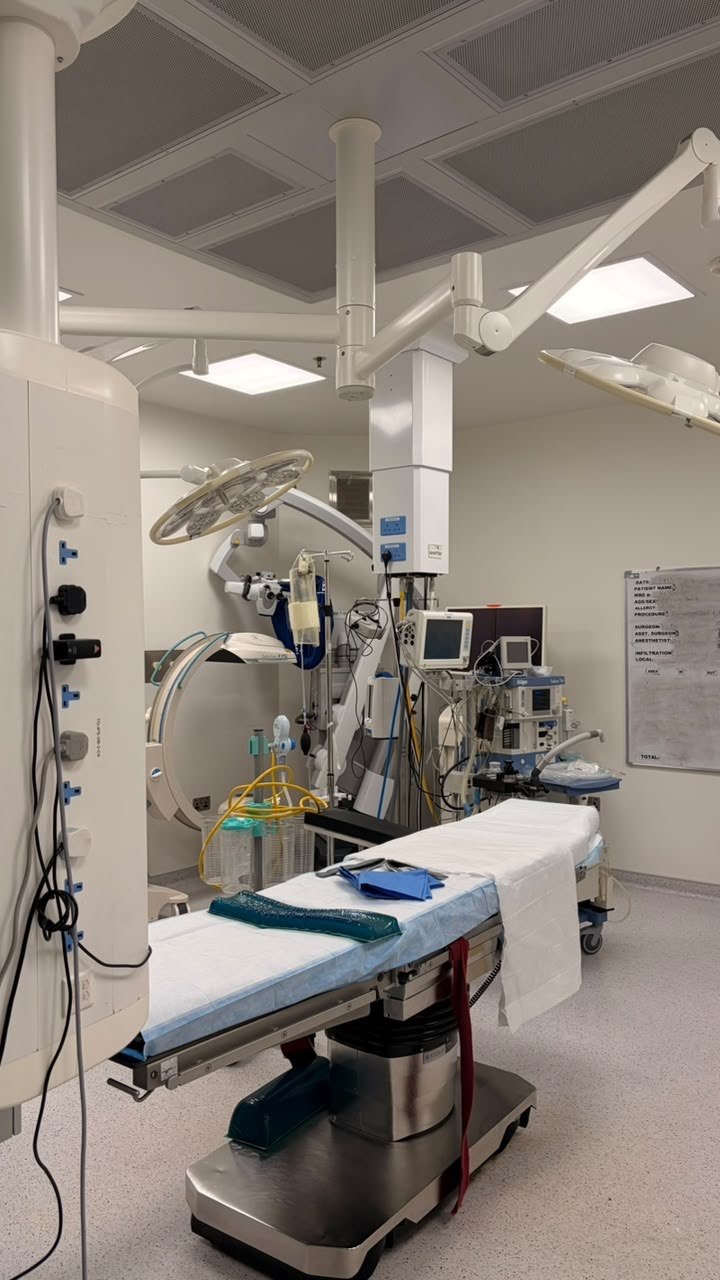
    For procedures requiring general anesthesia, DentalDate partners with Valiant Clinic, located just steps away from our clinic. Dental treatment is carried out in the operating facilities at Valiant Clinic, while the treatment plan and required scope of dental care are established in advance by the DentalDate team.

    DentalDate — Valiant Clinic

    Procedures under general anesthesia are carried out at Valiant Clinic as part of DentalDate’s clinical partnership.

    Modern Operating Facilities

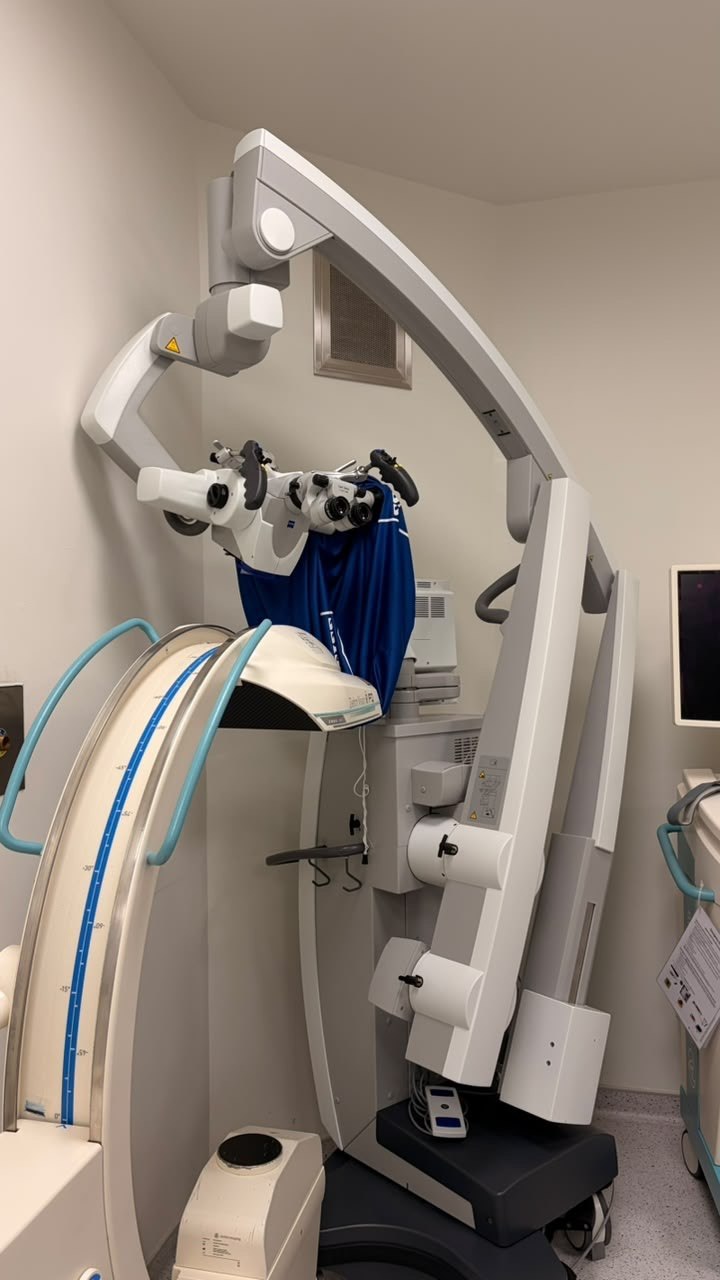
    Treatment takes place in a fully equipped operating environment designed for procedures performed under general anesthesia.

    Just Steps from DentalDate

    Valiant Clinic is located approximately 20 metres from DentalDate, with convenient access between the two clinics via a dedicated VIP entrance.

    Before and After Dental Treatment Under General Anesthesia

    Preparation and recovery are both part of the overall treatment plan. The specific recommendations depend on the patient’s health, the expected duration of anesthesia, and the dental procedures being performed.

    • Before the Procedure

      The patient receives individual preparation instructions in advance.

      It is important to:

      • provide information about chronic and recent medical conditions;
      • disclose all current medications and supplements;
      • report any known allergies;
      • mention any previous experience with general anesthesia;
      • complete any prescribed examinations or consultations;
      • follow the instructions provided regarding food, fluids, and medications before the procedure.

      Regular medications should not be stopped or adjusted without medical advice. Any changes to the usual medication schedule should be agreed with the medical team.

    • After the Procedure

      After treatment, the patient goes through a period of recovery and medical observation.

      Before leaving medical care, the patient receives individual instructions that may include:

      • prescribed medications;
      • food and fluid intake;
      • oral hygiene;
      • restrictions following treatment;
      • follow-up appointments;
      • symptoms that should prompt contact with the medical team.

      Further recovery depends not only on the general anesthesia itself but also on the dental procedure performed, such as tooth extraction, implant placement, or another surgical intervention.

    DentalDate - Dentistry Designed Around Every Detail

    For complex treatment, individual technologies matter less than how effectively they work together. DentalDate combines advanced diagnostics, digital treatment planning, and clinical expertise within one coordinated approach.

    Advanced Diagnostics

    CBCT, digital imaging, intraoral scanning, and functional diagnostics provide additional clinical information for planning complex treatment.

    Multidisciplinary Expertise

    DentalDate brings together restorative dentists, oral surgeons, implant dentists, prosthodontists, gnathologists, and other specialists for cases that require expertise across several areas of dentistry.

    Digital Implant Planning

    3D diagnostics and digital planning make it possible to assess anatomical conditions in advance and plan implant treatment with greater precision.

    Oral Surgery and Implant Dentistry

    DentalDate combines oral surgery, implant treatment, bone grafting, and subsequent restoration of the dentition within a coordinated clinical approach.

    Two DentalDate Locations in Dubai

    DentalDate clinics are located in City Walk and Jumeirah 3, allowing patients to choose the location that is more convenient for consultations and ongoing treatment.

    Reviews

    "Very good dental clinic , from the walk in you are in amazing environment, nice reception staff , receptionist name is Jane, she is very helpful, arranged a good treatment with doctors Rodriques. We’re very happy. Very good quality of treatment. Thank you so much ."
    Алексей Торопов
    "I wholeheartedly recommend the full range of services at this clinic. Wonderful clinic! Excellent service, quality of materials, prices. Painless dental treatment, sensitive, attentive, and caring approach from all specialists. From the moment you enter, you feel like a valued guest and enjoy your stay within these walls. I sincerely thank all the staff for their work, congratulate them on the upcoming Medical Day, and wish prosperity and many grateful patients with Hollywood smiles!"
    NATALIA ILINA
    "I am afraid of dentists and everything related to dental treatment. But I can confidently say that after 10 years of living in the UAE, I have finally found my dentist. I've had dental hygiene done, and am currently treating my teeth, having visited twice already. Among the perks is a large TV on the ceiling; you can get absorbed in YouTube or even watch a movie, which is cool as it distracts me and eases my anxiety. Once I'm done with my dental treatment, I'll also work with an orthodontist."
    Alexandr SKY TRASH
    "I’ve done braces, 4 implants and 28 porcelain veneers and crowns with the 1M1 colour. So I trusted my full mouth to this dentist clinic and haven’t regretted at all! The owner Lilia is just adorable. She is very patient, attentive and friendly. All people that work at clinic are also very nice and patient even with this kind of person as me, who always asks so many questions about everything. I’m totally happy with the work that they’ve done and now my husband and his parents are also doing the whole mouth work there! Always happy to recommend DentalDate!"
    Polina
    "The team at DentalDate is exceptional! From the very first consultation, they put me at ease with their friendly and professional demeanor. They took the time to thoroughly explain my treatment options and crafted a personalized plan that perfectly suited my needs. Their expertise and attention to detail are truly impressive, and the results have exceeded my expectations. Thanks to DentalDate, I feel more confident and happy with my smile. Highly recommend them to anyone seeking top-notch orthodontic care!"
    Rami Alcheikh

    Frequently Asked Questions About Dental Treatment Under General Anesthesia

    Can Dental Implants Be Placed Under General Anesthesia?

    Yes, general anesthesia may be considered for dental implant treatment, particularly when several implants are being placed, the surgical stage is extensive, or implant placement is combined with other procedures. Suitability is determined after diagnostic assessment and medical evaluation.

    Can Several Teeth or Wisdom Teeth Be Removed Under General Anesthesia?

    Yes. General anesthesia may be considered for multiple extractions, complex wisdom tooth removal, and other extensive oral surgical procedures. The appropriate approach is selected according to the complexity of surgery and the patient’s individual circumstances.

    Can Several Dental Procedures Be Completed During One General Anesthetic?

    In some clinical situations, several previously planned procedures can be combined within one treatment session. The objective is not to perform the maximum possible amount of treatment at once. The dental team determines in advance which procedures can reasonably be combined based on their complexity, duration, and the overall treatment plan.

    How Long Does Dental Treatment Under General Anesthesia Take?

    There is no standard duration. Treatment time depends on the number and complexity of the planned procedures. Restorative treatment involving several teeth, extractions, implant placement, and complex surgery all require different amounts of time. An estimated duration can be established after diagnosis and treatment planning.

    Is General Anesthesia Safe for Dental Treatment?

    General anesthesia requires a medical assessment before treatment as well as appropriate monitoring throughout the procedure. As with any form of anesthesia, it is associated with potential risks. Suitability is therefore assessed individually according to the patient’s health and the planned dental treatment.

    Will I Need Someone to Accompany Me Home After General Anesthesia?

    Patients should not drive themselves home after general anesthesia. In general, arrangements should be made for a responsible adult to accompany the patient after discharge, together with any individual instructions provided by the medical team.

    How Much Does Dental Treatment Under General Anesthesia Cost in Dubai?

    There is no single fixed price because the total cost depends on the duration of general anesthesia, the amount of dental treatment required, the number and complexity of procedures, and whether surgery, implant treatment, or other stages are included. After consultation and diagnostic assessment at DentalDate, the required scope of treatment can be established and an individual cost estimate prepared.
    Instagram