@ Language: en
Google Maps
10 am - 8 pm
Our addresses

Ceramic Dental Implants in Dubai

A modern metal-free approach to replacing missing teeth with natural-looking aesthetics.

DentalDate offers high-strength zirconia ceramic implants for patients looking for a modern alternative to conventional titanium dental implants.

A Strong Ceramic Foundation for Your New Tooth

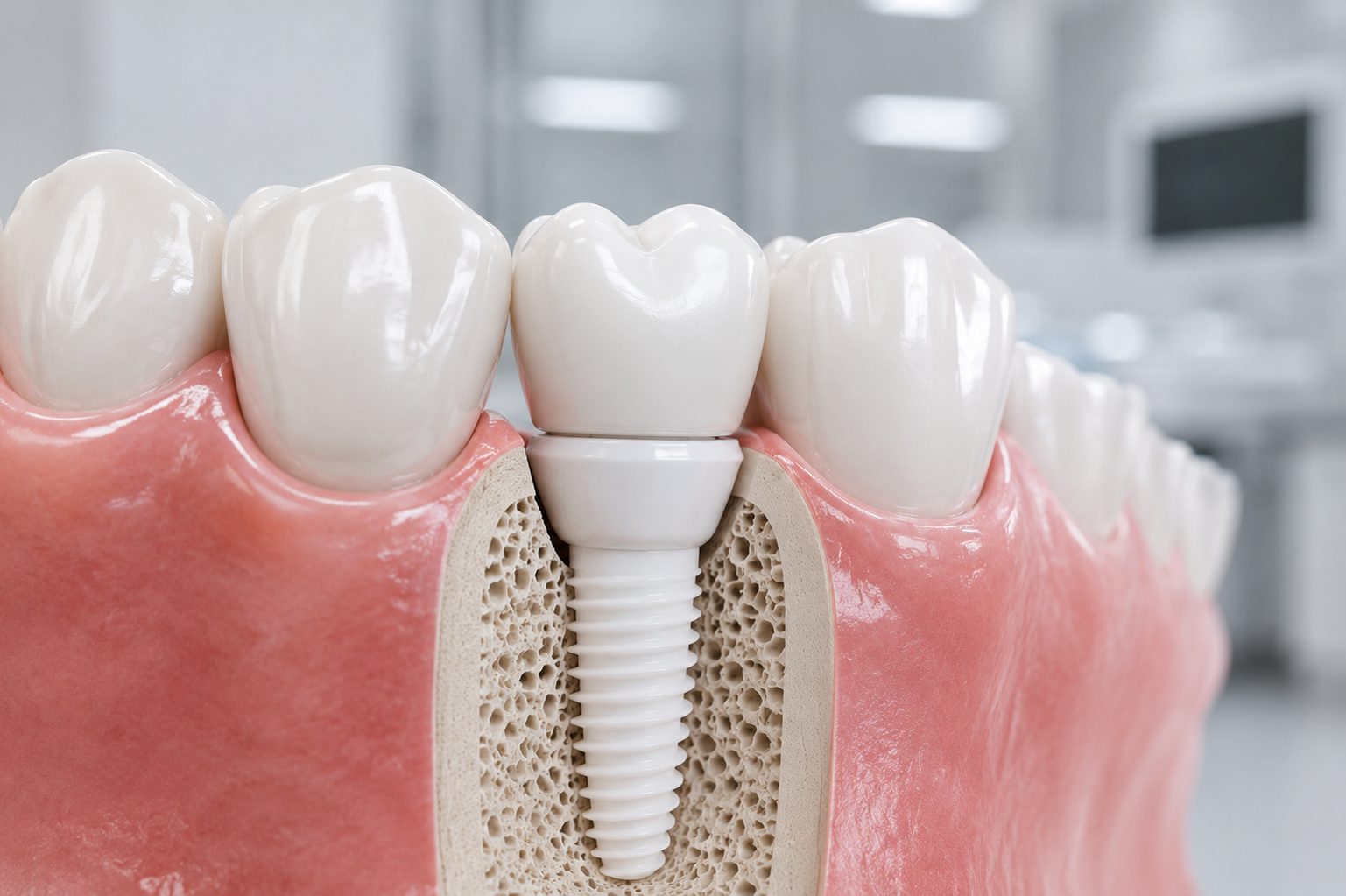
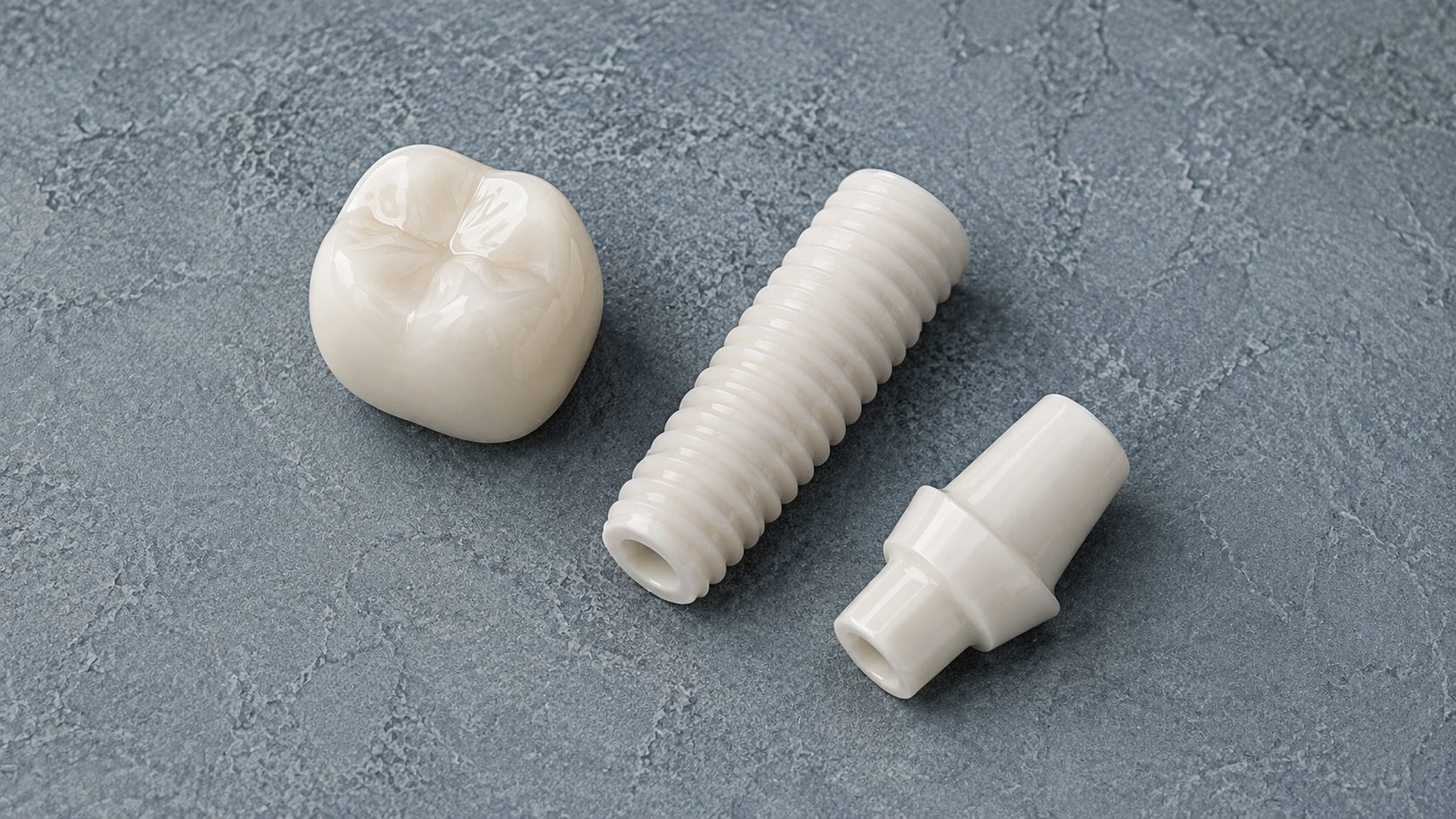
A ceramic dental implant replaces the root of a missing tooth. It is placed into the jawbone and, after healing, provides a stable foundation for a crown or another permanent dental restoration.

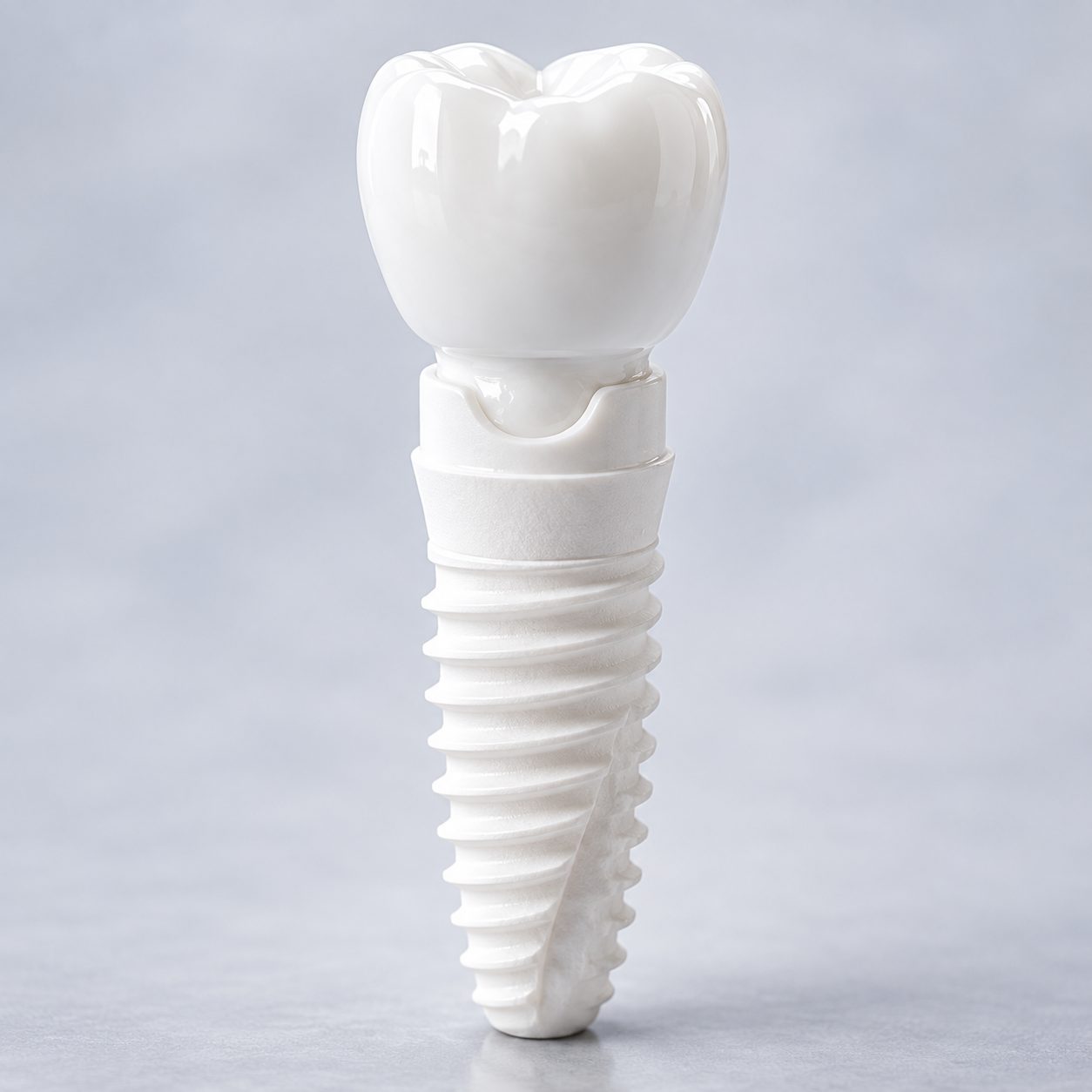
Unlike conventional titanium implants, ceramic implants are made from high-strength zirconia — a dental ceramic based on zirconium dioxide and widely used in modern dentistry.

After placement, the implant undergoes osseointegration, a natural process in which the surrounding bone forms a stable connection with the implant surface. Functionally, ceramic and titanium implants serve the same purpose: they provide a foundation for replacing a missing tooth. The key difference lies in the material used.

Ceramic Dental Implants: 5 Benefits of Zirconia

Zirconia combines aesthetic and physical properties that have established ceramic implants as a distinct option in modern implant dentistry.

Natural-Looking Aesthetics

The light shade of zirconia can be particularly valuable in the smile zone. In patients with thin soft tissue, the absence of a dark metal base can help achieve a more natural appearance around the final restoration.

No Metal Component

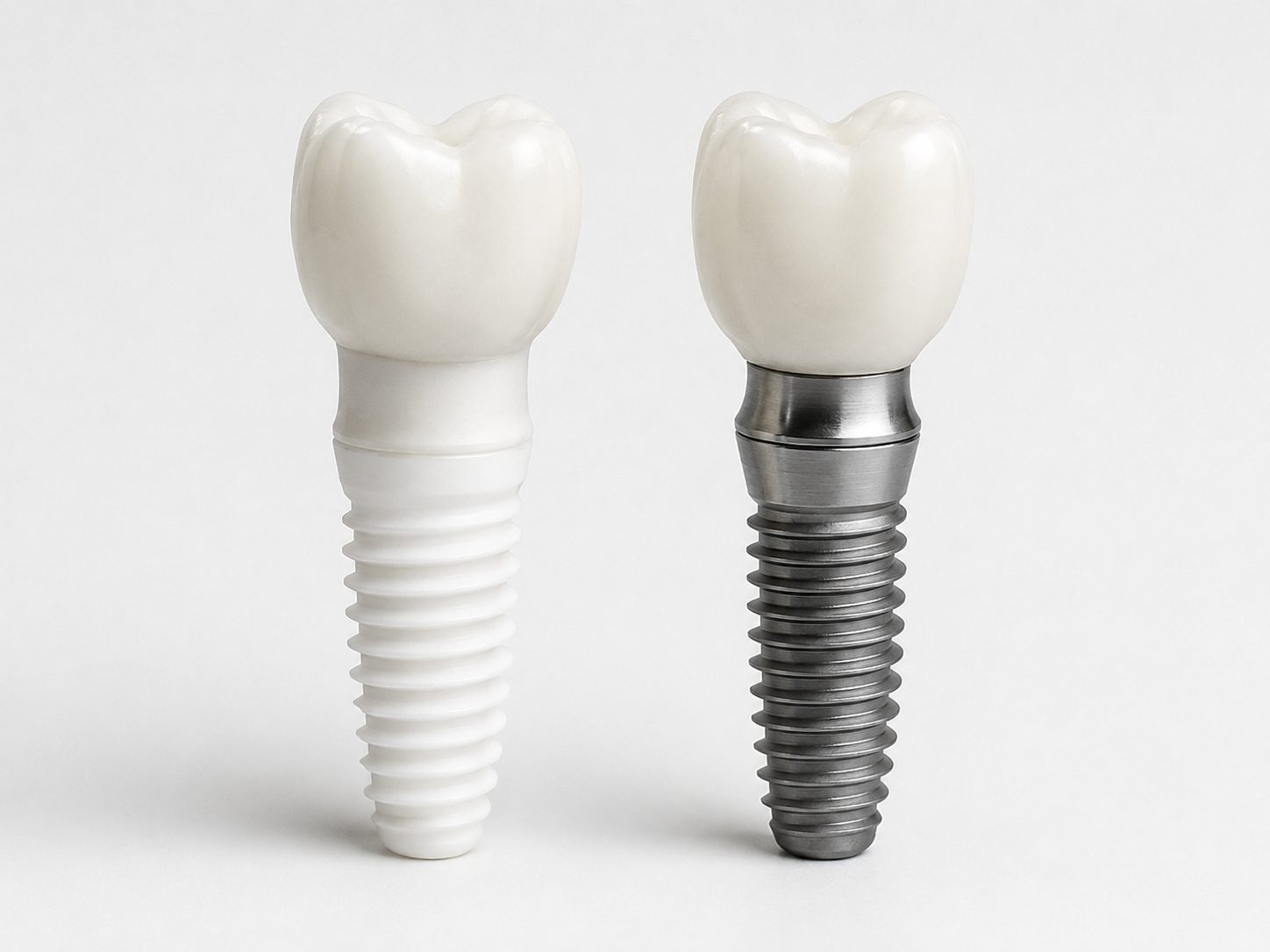
Ceramic implants contain no titanium and provide a metal-free option for replacing a missing tooth. This can be particularly relevant for patients who place a high priority on the choice of implant material.

High Biocompatibility

Zirconia is a highly biocompatible ceramic that is well tolerated by surrounding tissues. These properties support its use in modern implant and restorative dentistry.

High Mechanical Strength

Modern dental zirconia is engineered to withstand functional loading. In appropriately selected clinical cases, a ceramic implant can provide a stable foundation for a permanent restoration.

Resistance to Corrosion

Zirconia is chemically stable and does not undergo metallic corrosion in the oral environment. This is one of the fundamental material properties that distinguishes ceramic implants from metal-based alternatives.

Ceramic vs Titanium Dental Implants: What Really Determines the Choice

Both materials are successfully used to replace missing teeth, but they differ in clinical history, material behaviour and the possibilities offered by individual implant systems. The decision between ceramic and titanium therefore starts not with “which is better?”, but with the requirements of the individual treatment plan.

Established Technology or a Modern Alternative

Titanium implants have been used for decades and are supported by the most extensive body of long-term clinical evidence. Ceramic systems were introduced later, but modern zirconia implants are now established as a distinct option within contemporary implant dentistry.

Different Behaviour Under Functional Load

Titanium combines high strength with greater material flexibility. Zirconia is a rigid, high-strength ceramic with different mechanical characteristics. Implant position, bite and expected functional loading therefore form part of the material selection process.

Different Implant System Options

Titanium implant systems offer a particularly broad range of designs and restorative options. Modern ceramic systems can also address different clinical requirements, although the available solutions depend on the specific implant system and design selected.

The Decision Starts with the Final Tooth

An implant is planned as part of the complete restoration rather than as an isolated component. Implant position, available bone, soft-tissue conditions, bite and the design of the final restoration are assessed before the appropriate material and implant system are selected.

A ceramic implant should not replace titanium simply because it represents a newer technology. It is selected when the properties of zirconia and the capabilities of the chosen system are better suited to the individual restorative plan.

The Ceramic Implant Process

Ceramic implant treatment progresses from assessment of the bone and implant position to restoration of the visible part of the tooth. The treatment plan is tailored to the individual clinical situation.


01

Diagnosis and 3D Assessment

The dentist evaluates the teeth and gums, available bone volume and the anatomy of the implant site. CBCT and digital scanning help determine whether the site is suitable for implant placement and whether additional surgical preparation may be required.

02

Digital Implant Planning

The implant position is planned in relation to the available bone, the patient’s bite and the future crown. When indicated, a surgical guide may be used to transfer the digital plan accurately to the implant site.

03

Ceramic Implant Placement

The ceramic implant is placed in the position established during planning. The surgical protocol depends on the selected ceramic implant system and the individual clinical conditions.

04

Healing and Follow-Up

After placement, the implant enters a healing period as it integrates with the surrounding bone. During follow-up visits, the dentist assesses the gum tissue, implant site and readiness for the restorative stage.

05

Final Restoration

Once the required healing period is complete, a custom-made permanent crown is attached to the implant. Its shape, shade and position are planned in relation to the neighbouring teeth and bite to restore both function and a natural appearance.

Are Ceramic Dental Implants Right for You?

Suitability for a ceramic implant is determined after a detailed diagnostic assessment. The dentist evaluates not only the missing tooth, but also the clinical conditions required for stable implant placement and the final crown.

Number and Position of Missing Teeth

The location of the missing tooth influences the choice of implant and the design of the final tooth restoration.

Available Bone

Adequate bone volume is required for stable implant placement. If there is insufficient bone, bone grafting may be incorporated into the treatment plan.

Gum and Oral Health

The health of the gums and surrounding tissues is assessed before implant placement. Active inflammation or other oral conditions may need to be treated first.

Bite and Functional Load

The position of the future tooth and the forces placed on it are considered when selecting the ceramic implant system and planning treatment.

Overall Health

Medical history, current medications and other individual health factors are reviewed when assessing suitability for implant surgery and healing.

Metal Sensitivities

For patients with a confirmed metal allergy, a history of reactions to metallic materials, or clinically relevant concerns about metal sensitivity, a ceramic implant may be considered as an alternative to titanium.

DentalDate - Dentistry Designed Around Every Detail

Dedicated Implant Team

At DentalDate, implant treatment is managed by clinicians specialising in oral surgery, implant dentistry and restorative care. In complex cases, specialists can work together so that treatment is planned beyond implant placement alone, with the final functional and aesthetic result in mind.

Premium Patient Support

DentalDate focuses on the complete patient experience, from scheduling and preparation to follow-up visits and long-term monitoring after treatment.

Warranty Programme and Ongoing Follow-Up

Implant treatment does not end with the surgical procedure. DentalDate combines its warranty programme with scheduled follow-up visits and professional care recommendations to help maintain the long-term result.

Interdisciplinary Dental Concept

DentalDate follows the VieSID interdisciplinary dentistry concept, bringing functional, restorative and surgical perspectives together when complex treatment requires coordination across different areas of dentistry.

Two DentalDate Locations in Dubai

DentalDate clinics are located in City Walk and Jumeirah 3, allowing patients to choose the location that is more convenient for consultations and ongoing treatment.

Discuss Your Ceramic Implant Options

Leave your contacts — we will call you back shortly and help you choose the right specialist.


    After Implant Treatment: How to Protect the Result

    The long-term condition of an implant and the surrounding tissues depends greatly on daily oral hygiene and regular professional follow-up. Even after healing is complete, the implant area requires the same consistent care as natural teeth.

    Teeth and the gum line should be cleaned thoroughly twice a day, while interdental cleaning should follow the dentist’s recommendations. Regular professional hygiene and implant reviews help monitor the condition of the gums and tissues around the implant.

    Smoking can negatively affect healing and peri-implant tissue health, so avoiding or significantly reducing it is strongly recommended. For patients who grind or clench their teeth, a protective night guard may be advised to reduce excessive forces on the implant and crown.

    Bleeding, swelling, discomfort or visible changes around the implant should not be ignored. Early assessment makes it possible to address potential problems before they become more significant.

    Reviews

    "Very good dental clinic , from the walk in you are in amazing environment, nice reception staff , receptionist name is Jane, she is very helpful, arranged a good treatment with doctors Rodriques. We’re very happy. Very good quality of treatment. Thank you so much ."
    Алексей Торопов
    "I wholeheartedly recommend the full range of services at this clinic. Wonderful clinic! Excellent service, quality of materials, prices. Painless dental treatment, sensitive, attentive, and caring approach from all specialists. From the moment you enter, you feel like a valued guest and enjoy your stay within these walls. I sincerely thank all the staff for their work, congratulate them on the upcoming Medical Day, and wish prosperity and many grateful patients with Hollywood smiles!"
    NATALIA ILINA
    "I am afraid of dentists and everything related to dental treatment. But I can confidently say that after 10 years of living in the UAE, I have finally found my dentist. I've had dental hygiene done, and am currently treating my teeth, having visited twice already. Among the perks is a large TV on the ceiling; you can get absorbed in YouTube or even watch a movie, which is cool as it distracts me and eases my anxiety. Once I'm done with my dental treatment, I'll also work with an orthodontist."
    Alexandr SKY TRASH
    "I’ve done braces, 4 implants and 28 porcelain veneers and crowns with the 1M1 colour. So I trusted my full mouth to this dentist clinic and haven’t regretted at all! The owner Lilia is just adorable. She is very patient, attentive and friendly. All people that work at clinic are also very nice and patient even with this kind of person as me, who always asks so many questions about everything. I’m totally happy with the work that they’ve done and now my husband and his parents are also doing the whole mouth work there! Always happy to recommend DentalDate!"
    Polina
    "The team at DentalDate is exceptional! From the very first consultation, they put me at ease with their friendly and professional demeanor. They took the time to thoroughly explain my treatment options and crafted a personalized plan that perfectly suited my needs. Their expertise and attention to detail are truly impressive, and the results have exceeded my expectations. Thanks to DentalDate, I feel more confident and happy with my smile. Highly recommend them to anyone seeking top-notch orthodontic care!"
    Rami Alcheikh

    Ceramic Dental Implants: Answers to the Questions That Matter

    How Long Do Ceramic Dental Implants Last?

    Ceramic implants are designed for long-term use, but there is no universal lifespan. Long-term outcomes depend on bone and gum health, bite, oral hygiene, smoking, regular professional reviews and the specific implant system used. Current studies report high survival rates for modern zirconia implants, although their long-term evidence base remains less extensive than that of titanium implants. Suitability is determined after diagnostic assessment and medical evaluation.

    Can Ceramic Implants Replace Several Missing Teeth?

    This depends on the number and position of the missing teeth, available bone and the ceramic implant system selected. In certain cases, ceramic implants may support more than a single crown, but the appropriate restorative design needs to be determined after diagnostic assessment and treatment planning.

    Can Ceramic Implants Be Used for Back Teeth?

    Yes, modern ceramic implant systems may be used in posterior areas. Because chewing forces are higher in these regions, the dentist needs to assess the bite, implant position and the mechanical requirements of the selected system carefully before treatment.

    Can a Ceramic Dental Implant Fracture?

    Dental zirconia has high mechanical strength, but no implant material is completely immune to mechanical complications. The risk depends on factors such as implant design, diameter and position, as well as the patient’s bite and functional loading. Appropriate case selection and treatment planning are therefore essential.

    How Long Will I Wait for the Final Crown?

    There is no fixed healing period for every case. Timing depends on the implant site, bone conditions, whether bone grafting is required and the individual healing response. The dentist determines when the implant is ready for the final crown during follow-up assessment.

    Can an Existing Titanium Implant Be Replaced with a Ceramic One?

    A titanium implant cannot simply be exchanged for a ceramic implant without surgery. Removal is considered only when there is a clinical reason or after careful discussion of the available options. If removal is required, the bone and surrounding tissues must be assessed before another implant can be planned.

    Can I Have a Ceramic Implant If I Need Bone Grafting?

    Yes. The need for bone grafting does not automatically exclude ceramic implant treatment. When additional bone is required, grafting may be performed before or, in selected cases, together with implant placement depending on the clinical situation.

    How Much Do Ceramic Dental Implants Cost in Dubai?

    The total cost depends on more than the implant itself. It may include the ceramic implant system, diagnostics, surgery, bone grafting when required and the final crown. An individual treatment cost can be determined after diagnostic assessment and treatment planning.
    Instagram