Initial Assessment and Planning
At the first stage, the cause of the problem is identified and the condition of the teeth and surrounding tissues is evaluated. A clinical examination and digital diagnostics are used to accurately plan the procedure.

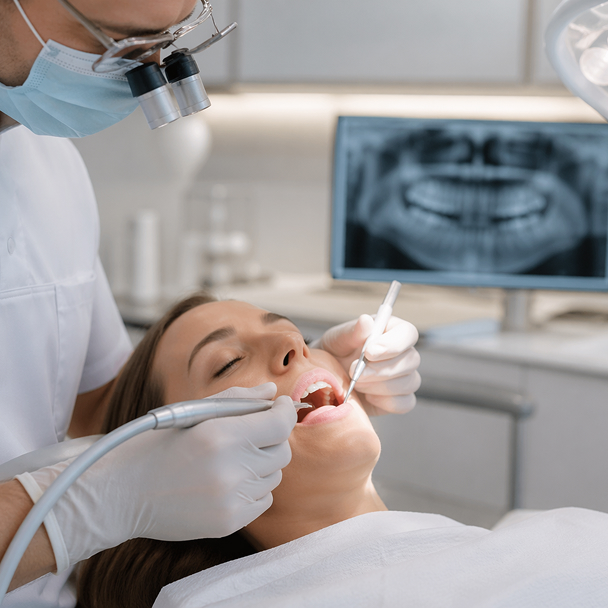
Dental surgery in Dubai is used to treat complex dental conditions when conventional treatment is no longer effective or cannot fully resolve the problem.
At DentalDate, we perform a wide range of surgical procedures — from precise tooth extractions to advanced microsurgical techniques focused on preserving healthy tissue and ensuring accurate results.
Modern treatment protocols, digital diagnostics, and minimally invasive techniques allow us to reduce trauma, shorten recovery time, and achieve predictable outcomes even in complex clinical cases.
Book a consultation — we will recommend the most suitable treatment approach based on your individual case.
Surgical treatment is recommended when conventional dental procedures are no longer effective or when there is a risk of infection spreading to surrounding tissues.
In many cases, patients require oral surgery not only due to severe tooth damage, but also because of symptoms that gradually worsen and may lead to complications if left untreated.
Common indications include:
It is important to note that many of these conditions may not cause significant discomfort at early stages, but can progress over time, leading to more complex issues.
Early consultation allows for less invasive treatment, helps preserve adjacent teeth, and reduces the need for more extensive surgical procedures.

Leave your contacts — we will call you back shortly and help you choose the right specialist.
Treatment is always tailored to the individual case and depends on the condition of the tooth, the presence of infection, and the need for further restoration.
Performed when a tooth cannot be preserved. Modern atraumatic techniques are used to minimize tissue damage and promote faster healing.
Required in cases of pain, inflammation, or improper positioning. Wisdom teeth are often impacted or partially erupted, which can lead to complications and requires precise removal.
Indicated when extra teeth interfere with normal eruption, alignment, or bite development, potentially causing crowding or functional issues.
Used to treat infection at the tip of the tooth root. This procedure allows the tooth to be preserved by removing the infected tissue without extracting the entire tooth.
Recommended when there is insufficient bone volume. It helps restore the bone structure and prepares the area for dental implants.
A minor surgical procedure to correct the tongue or lip frenulum, improving function, speech, and aesthetics.
Dental surgery requires precision and careful planning. It is not only about selecting the right technique, but also about ensuring patient comfort and safety at every stage of treatment.
At DentalDate, we use advanced approaches and modern technologies to deliver safe procedures with predictable outcomes.
We use gentle surgical methods designed to preserve healthy tissue and promote faster healing.
Procedures are performed without pain or significant discomfort, even in more complex cases.
Comprehensive examination and digital diagnostics allow us to choose the most effective treatment strategy.
Patients receive clear aftercare instructions and follow-up support to ensure smooth and controlled healing.
Surgical procedures are considered part of a complete treatment plan, taking into account future restoration and long-term results.
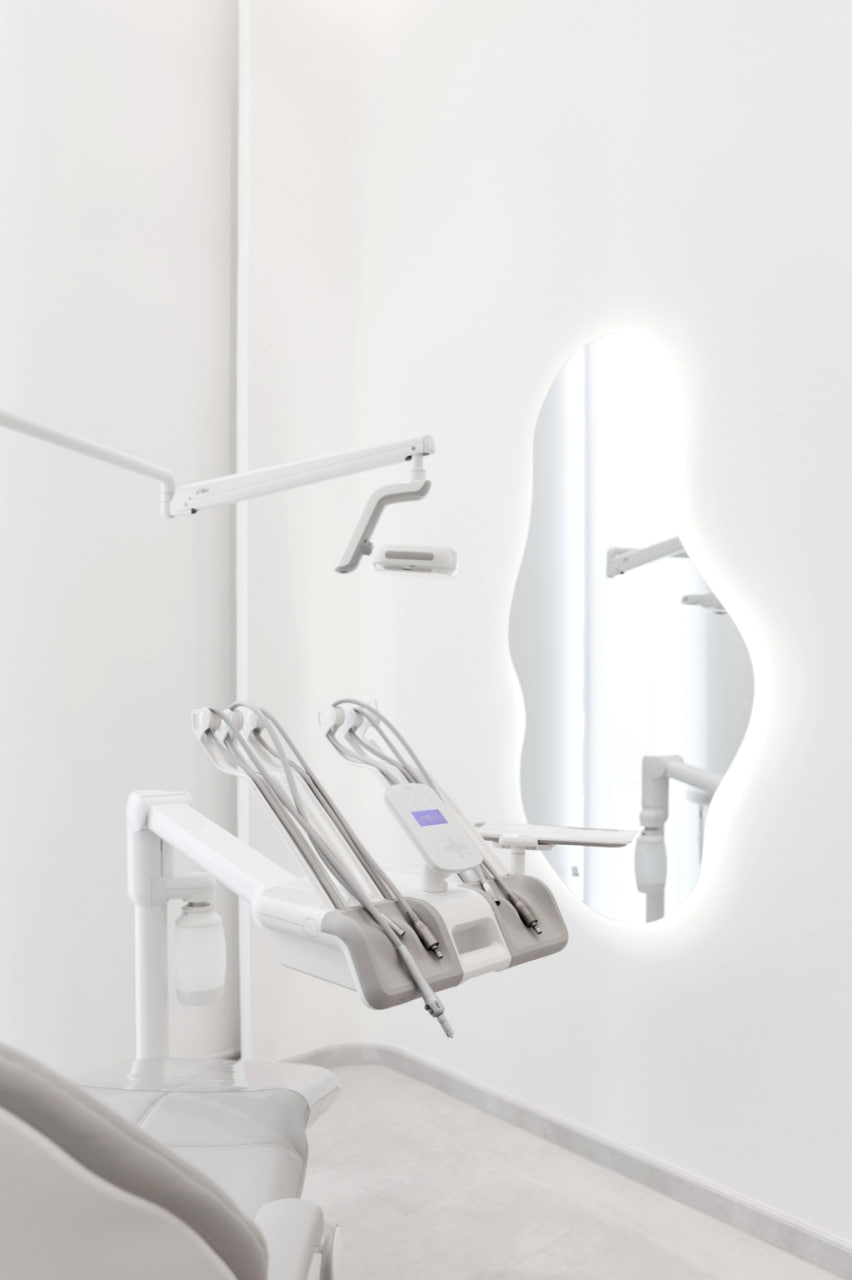
Fear of pain is one of the main reasons why patients postpone visiting an oral surgeon. Modern approaches have completely changed this experience — today, surgical procedures are controlled, calm, and performed without significant discomfort.
Before any procedure, an appropriate anesthesia method is selected individually, taking into account the clinical situation and the patient’s sensitivity. The anesthetics used provide a stable effect throughout the procedure, eliminating pain even in more complex cases.
Sedation may also be used when needed. This method helps reduce anxiety and tension, allowing the patient to remain conscious while feeling significantly more relaxed and comfortable during the procedure. It is especially beneficial for wisdom tooth removal, longer procedures, or patients with increased sensitivity.
Special attention is given to the surgical technique itself. Modern methods are focused on minimizing tissue trauma — the more precise and gentle the procedure, the less post-operative discomfort and the faster the recovery.
After the procedure, patients receive detailed instructions and follow-up support, which helps ensure proper healing and reduces the risk of complications. In most cases, any post-operative discomfort is mild and can be managed with standard medication.
Today, dental surgery is not about pain — it is about precision, control, and comfort at every stage of treatment.

Surgical treatment is not a single procedure, but a structured process in which each stage is focused on reducing risks, monitoring tissue condition, and achieving a stable result.
At the first stage, the cause of the problem is identified and the condition of the teeth and surrounding tissues is evaluated. A clinical examination and digital diagnostics are used to accurately plan the procedure.
Before the procedure, the most appropriate treatment approach and anesthesia method are selected. This ensures that the procedure is performed comfortably and takes into account the individual characteristics of the patient.
The procedure is performed using modern techniques aimed at minimizing tissue damage. The goal is not only to resolve the issue, but also to preserve as much healthy structure as possible.
Immediately after the procedure, the treated area is assessed and the patient is given detailed recommendations to reduce the risk of complications.
Healing is monitored by the specialist. Follow-up visits may be scheduled if necessary to assess progress and adjust further treatment if required.
The recovery period depends on the extent of the procedure, the condition of the tissues, and individual factors. In most cases, healing proceeds smoothly when the dentist’s recommendations are followed.
In the first few days after the procedure, mild pain, swelling, or increased sensitivity in the treated area may occur. This is a normal response of the body associated with the healing process.
For a comfortable recovery, it is important to:
Initial healing usually takes a few days, after which discomfort gradually decreases. Complete tissue recovery takes longer and is monitored during follow-up visits.
Regular follow-up allows the dentist to assess the healing process and adjust recommendations if needed.

Delaying a visit to an oral surgeon often leads to a more complex clinical situation and an increased scope of treatment. It is important to consider not only the current discomfort, but also the potential consequences.
At early stages, the problem can often be resolved with less invasive methods. If treatment is delayed, more complex procedures and additional interventions may be required.
A localized condition can gradually affect adjacent teeth, soft tissues, and bone structures if left untreated.
In advanced cases, restoration may no longer be possible, and extraction becomes the only viable option.
Bone loss or prolonged inflammation may require additional preparation before procedures such as dental implant placement.
The longer the condition progresses, the more time is needed to treat the problem and restore the affected tissues.
Chronic inflammatory conditions can affect overall well-being, leading to ongoing discomfort and a reduced quality of life.
Video Reviews