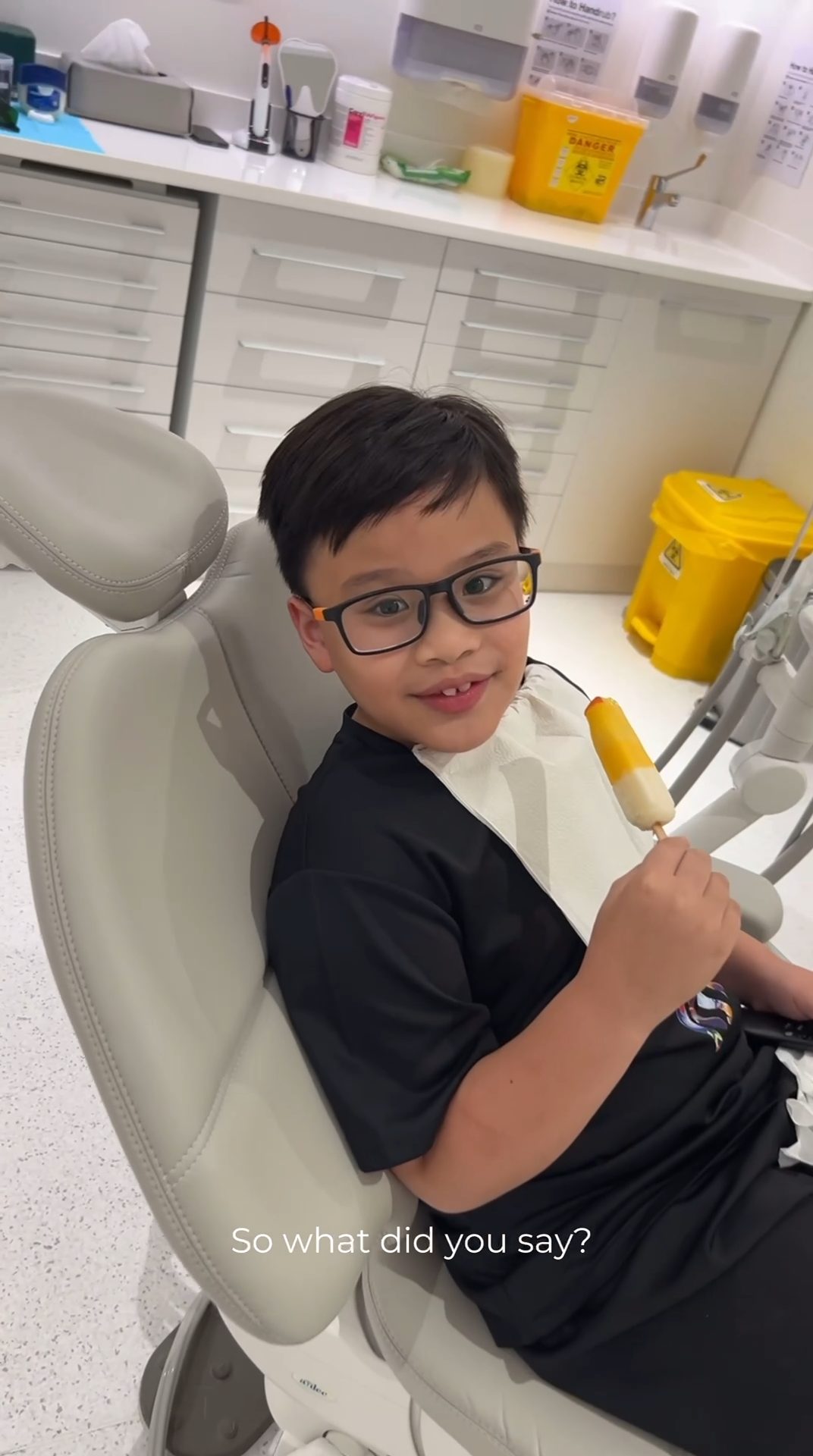
Examination and treatment planning
The doctor evaluates the position of the frenulum, the condition of the gums, and the characteristics of tissue attachment, and then determines whether correction is required.


Upper lip frenulum correction is a minimally invasive procedure designed to address functional and aesthetic concerns associated with improper frenulum attachment. Irregularities in this area may affect the bite, cause discomfort, and make oral hygiene more difficult.
At DentalDate, the procedure is performed using advanced techniques that allow precise tissue correction with minimal impact and a fast recovery. The approach is tailored individually, taking into account the patient’s age, anatomical features, and treatment goals.
Accurate diagnostics combined with a gentle treatment approach ensure stable, long-term results without unnecessary stress on the tissues.
The space between the central incisors does not decrease over time or reappears after orthodontic treatment.
The gum margin gradually shifts, which may be accompanied by increased sensitivity.
A feeling of restriction or tension in the frenulum area may occur when smiling or speaking.
Even in the absence of pain, discomfort may be present in the anterior region.
The frenulum may interfere with tooth movement and affect the stability of the result.
The gum line becomes uneven, which impacts the overall aesthetics of the smile.
The optimal timing for frenulum correction is determined not only by age, but also by the stage of development of the dentofacial system. At different stages of growth, the same anatomical feature may affect tooth position and gum condition in different ways.
In early childhood, the frenulum often does not require intervention, as the soft tissues are still developing. At this stage, regular observation by a specialist allows for proper monitoring and helps avoid unnecessary early procedures.
During the transition from primary to permanent teeth, the situation becomes more indicative. If a noticeable gap remains between the front teeth or the frenulum is attached too low, it may affect bite development. In such cases, correction is planned with consideration of jaw growth and the orthodontic treatment plan.
In adolescents, the procedure is often performed in combination with orthodontic treatment. This approach not only eliminates the anatomical restriction but also helps ensure long-term stability after alignment is completed.
In adults, correction is performed based on functional or aesthetic indications. Even after full tissue development, the procedure remains effective and helps eliminate factors that may affect gum condition or tooth positioning.
In each case, the decision is made on an individual basis. Factors evaluated include not only age but also the position of the frenulum, the condition of the tissues, and the subsequent treatment.
This approach allows us to determine the optimal timing for the procedure and achieve predictable, long-term results.

Leave your contacts — we will call you back shortly and help you choose the right specialist.
Before undergoing upper lip frenulum correction, no complex preparation is required. However, following a few recommendations helps ensure that the procedure is carried out smoothly and predictably.
The preparation stage takes minimal time but creates optimal conditions for both the procedure and a smooth recovery.

The procedure is performed using laser technology and does not require complex surgical intervention. The main objective is to precisely adjust the frenulum attachment with minimal impact on the surrounding tissues.
The doctor evaluates the position of the frenulum, the condition of the gums, and the characteristics of tissue attachment, and then determines whether correction is required.
Local anesthesia is used to ensure complete comfort and eliminate pain during the procedure.
The laser is used to perform precise, targeted tissue modification, allowing correction of the frenulum position without traditional incisions.
The frenulum is repositioned into an anatomically correct location, typically without the need for sutures.
The doctor evaluates the treated area and provides aftercare recommendations.
Recovery occurs with minimal tissue trauma and usually does not require complex postoperative care.
The upper lip frenulum can vary significantly in both structure and point of attachment. These differences are not always immediately noticeable, yet they play a key role in how soft tissues interact with the gums and teeth during growth. When evaluating the frenulum, the doctor considers not only its appearance, but also tissue density, elasticity, and the level of attachment.
A thin frenulum typically has a softer and more elastic structure. It is less noticeable visually and usually provides sufficient mobility. In most cases, this type does not significantly affect the development of the dentofacial system. However, if attached too low, even a thin frenulum may create additional tension in the anterior region and contribute to functional issues.
A thicker frenulum is characterized by increased tissue density and stronger attachment. It may extend into the gingival margin or interdental area, creating additional tension at the attachment site. This anatomical variation more often affects load distribution in the anterior region and may interfere with the normal development of soft tissues.
The level of frenulum attachment is a key factor. If it is positioned close to the interdental space or gingival margin, it can increase mechanical stress on the tissues during lip movement. The higher and more freely positioned the frenulum is, the less impact it has on surrounding structures.
Each child has unique anatomical characteristics of the frenulum that cannot be assessed based on a single parameter. It is important to consider a combination of factors, including shape, tissue density, and attachment type. That is why the decision regarding the need for correction is made based on a comprehensive evaluation rather than visual assessment alone.
In addition to upper lip frenulum correction, DentalDate also performs tongue frenulum correction — a procedure aimed at restoring natural tongue mobility and eliminating functional restrictions.
The lingual frenulum is a thin band of tissue that connects the tongue to the floor of the mouth. When it is shortened or improperly attached, it can restrict movement and affect everyday comfort and function.
In children, this condition may be associated with speech development difficulties, as well as challenges with swallowing or feeding. In adults, limited tongue mobility can lead to tension, discomfort, and difficulties in performing routine actions, including maintaining proper oral hygiene.
Indications for the procedure may include:
The procedure is performed using advanced techniques, including laser and microsurgical approaches. This ensures high precision, minimal tissue impact, and a comfortable recovery period.
Tongue frenulum correction is aimed not only at resolving the anatomical limitation, but also at restoring natural function, which contributes to improved overall quality of life.

Procedures are performed with minimal impact on tissues and high precision.
Carefully selected anesthesia ensures complete comfort and helps reduce stress during the procedure.
Our doctors have extensive hands-on experience with a wide range of clinical cases.
Modern techniques allow for a shorter recovery period and a smoother healing process.
We consider not only the current condition but also the long-term health of your teeth and gums.
We create conditions that allow patients to undergo treatment calmly and without unnecessary anxiety.

Video Reviews