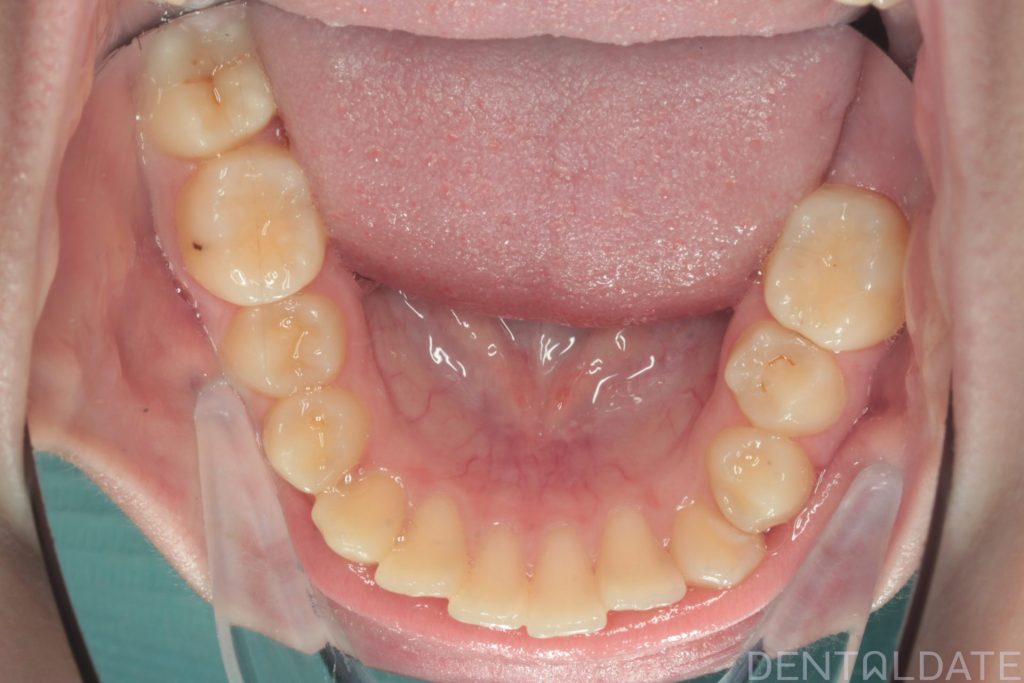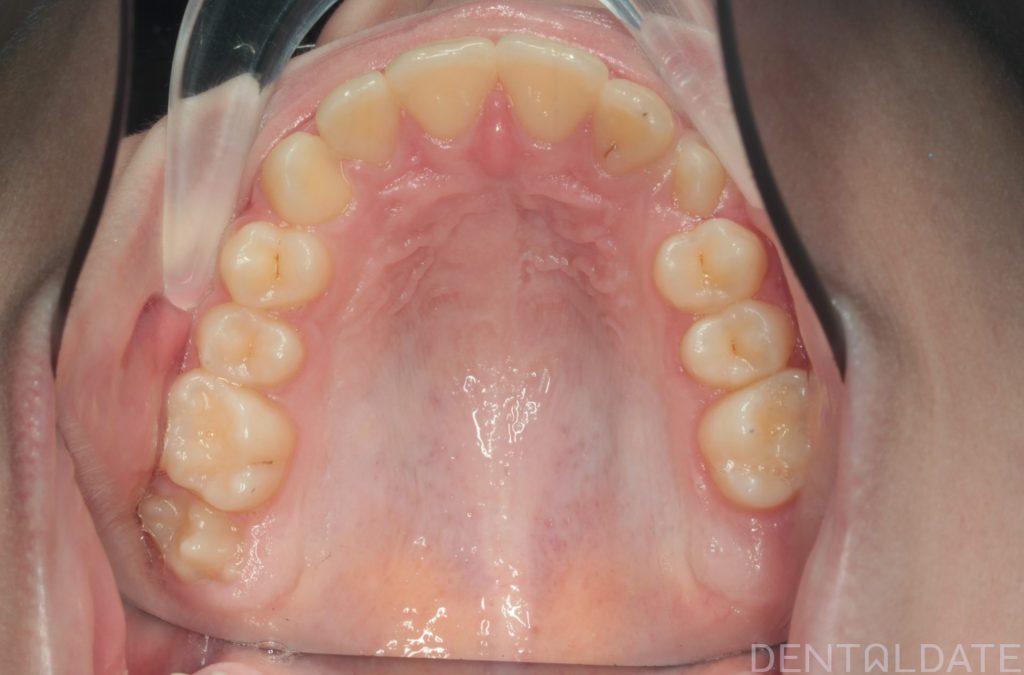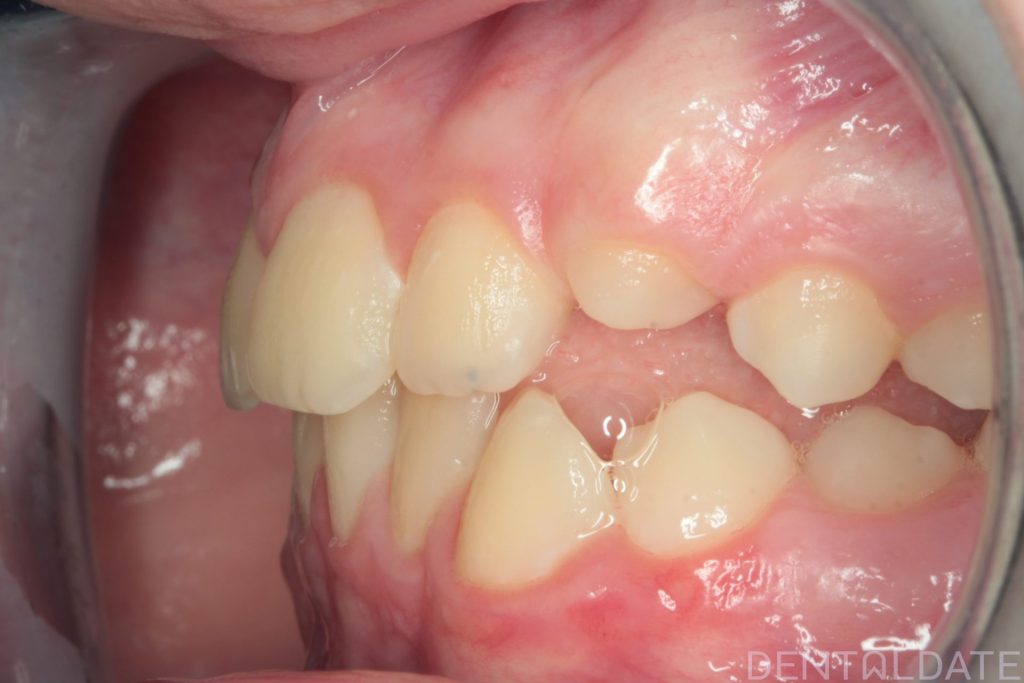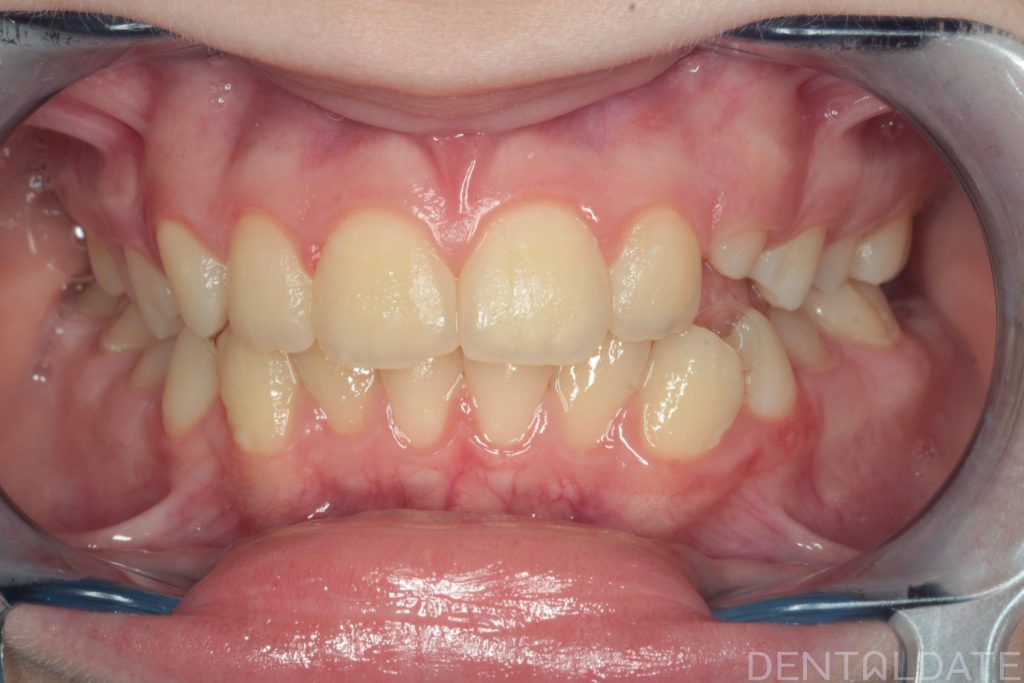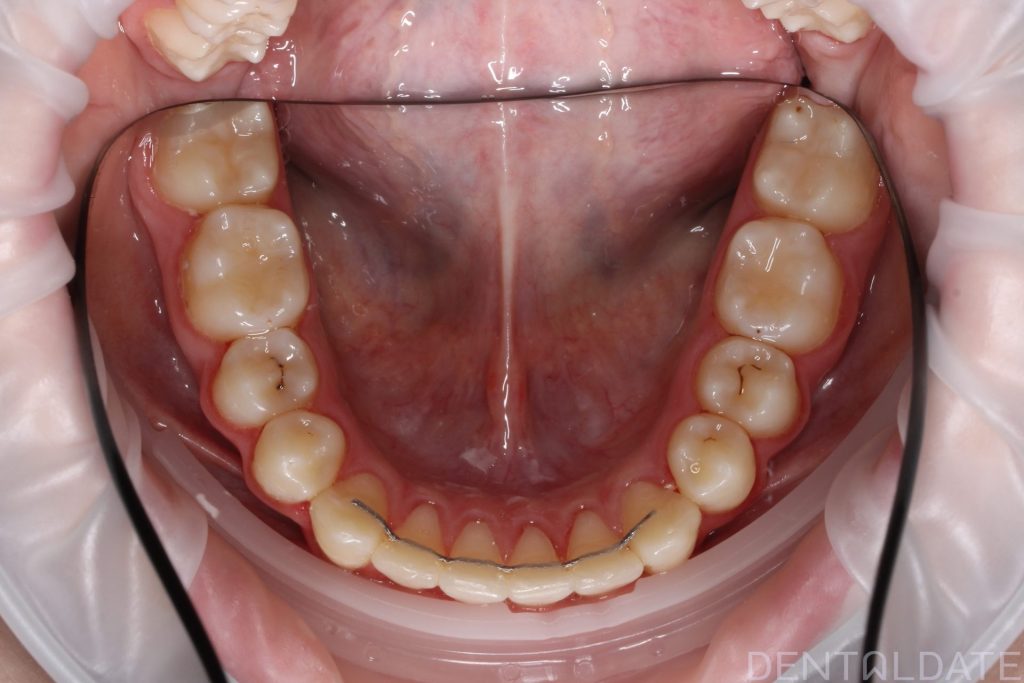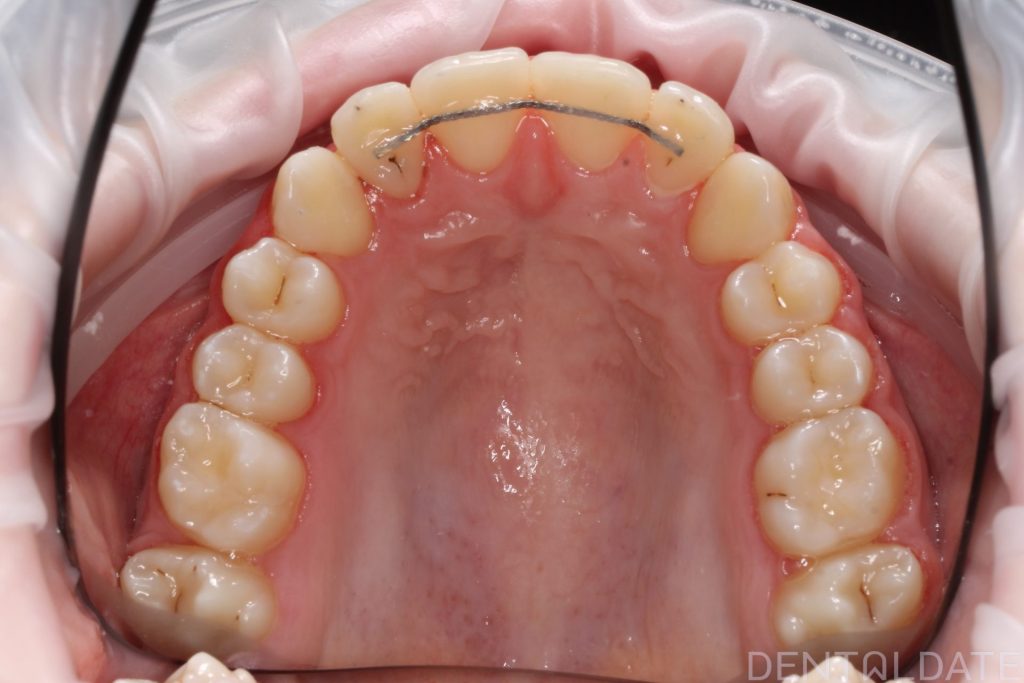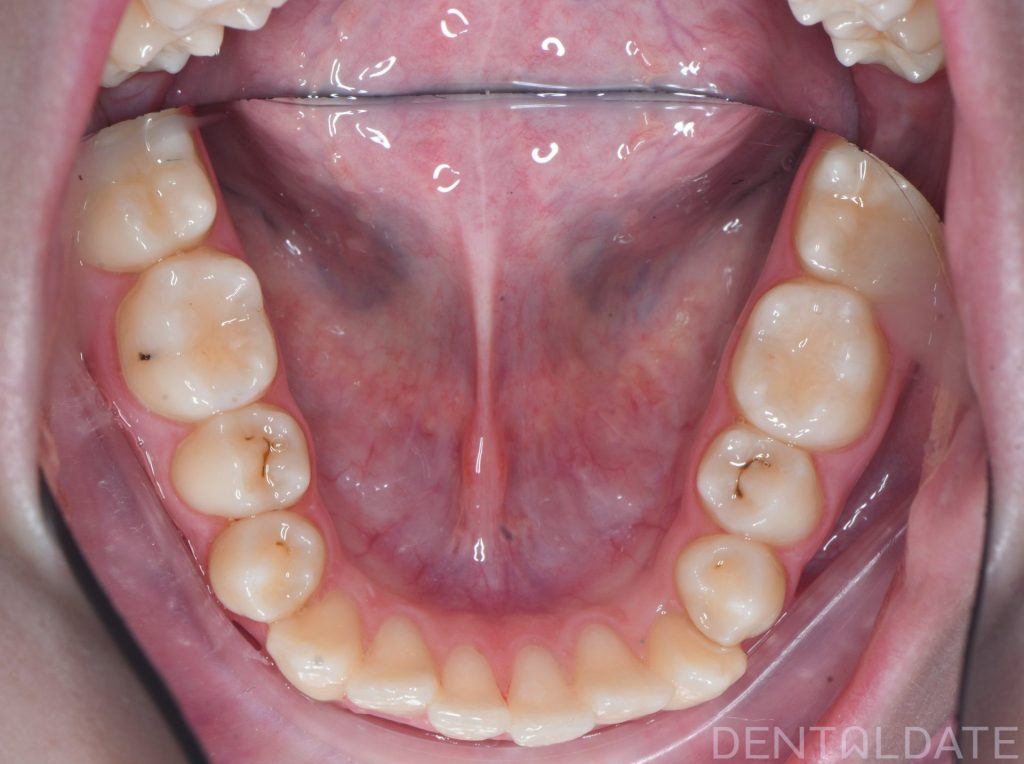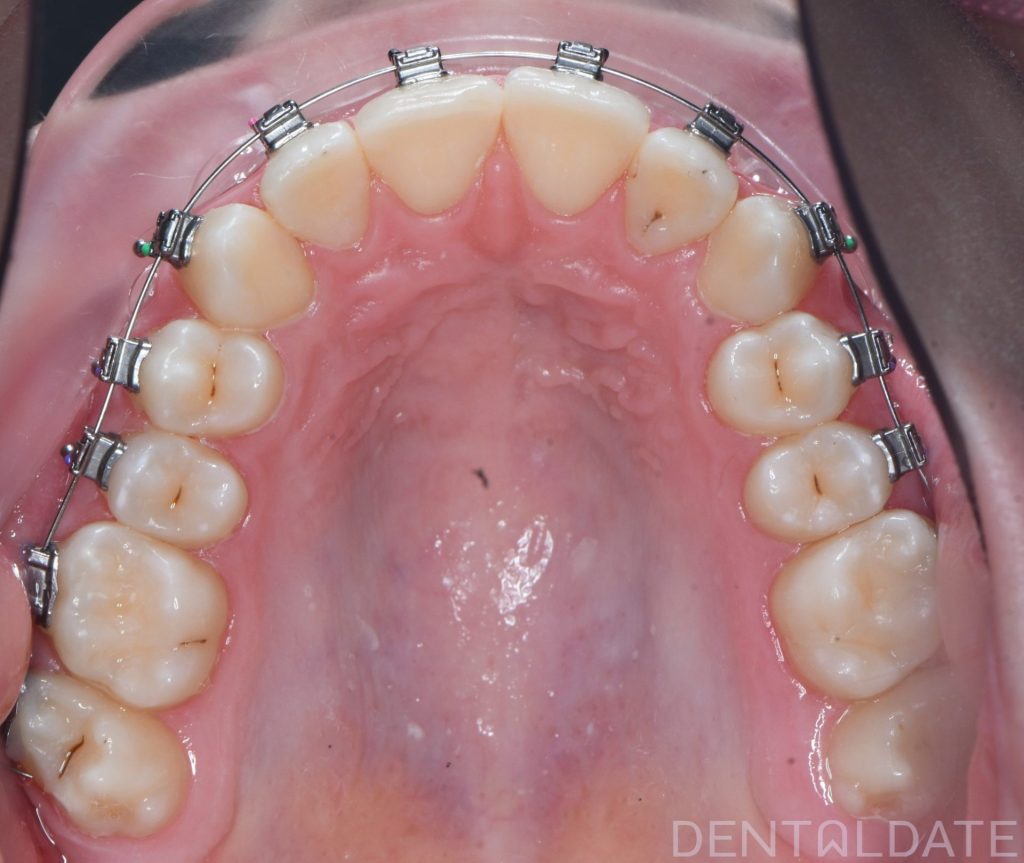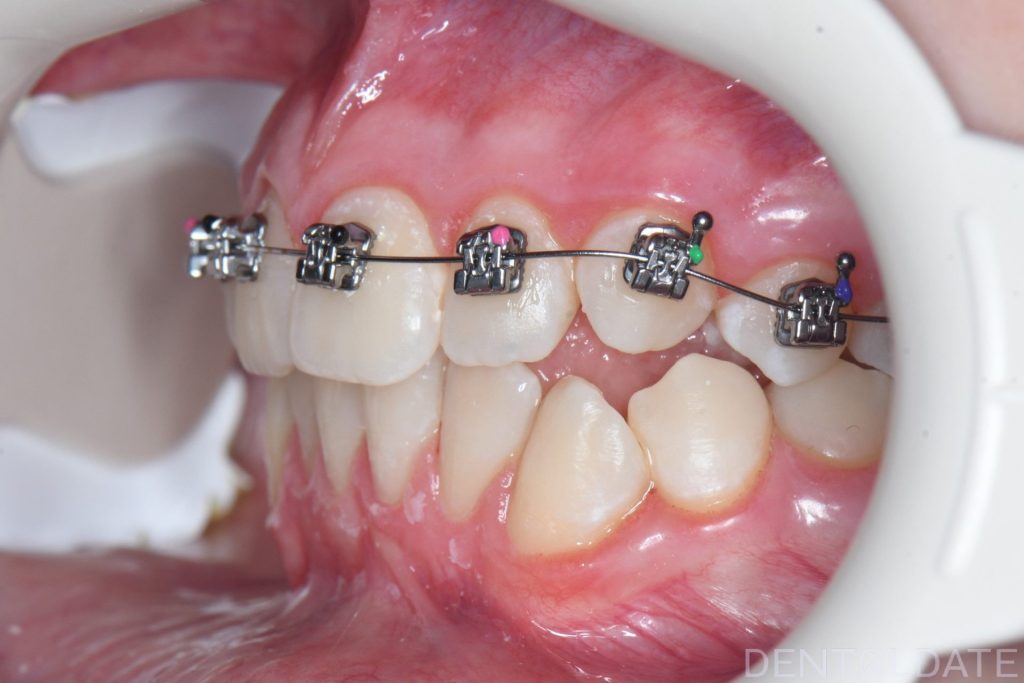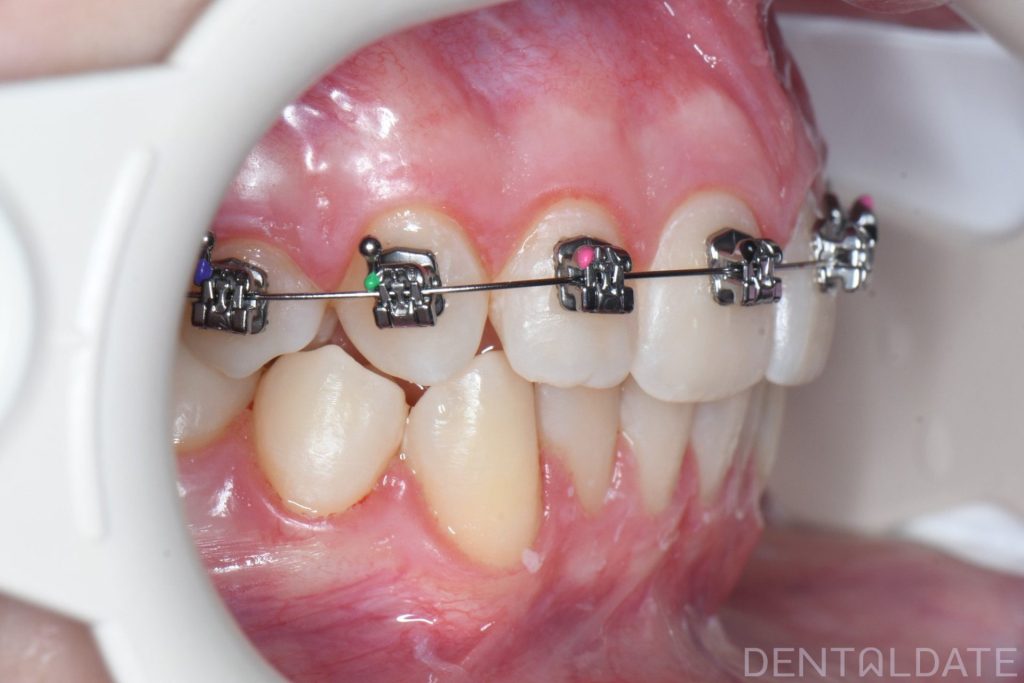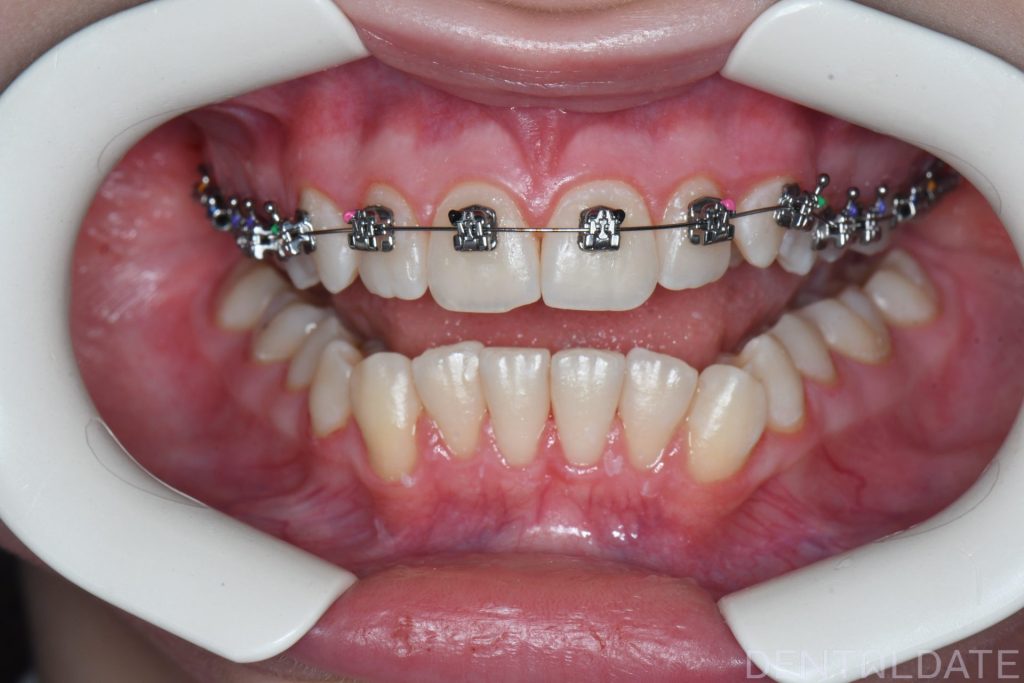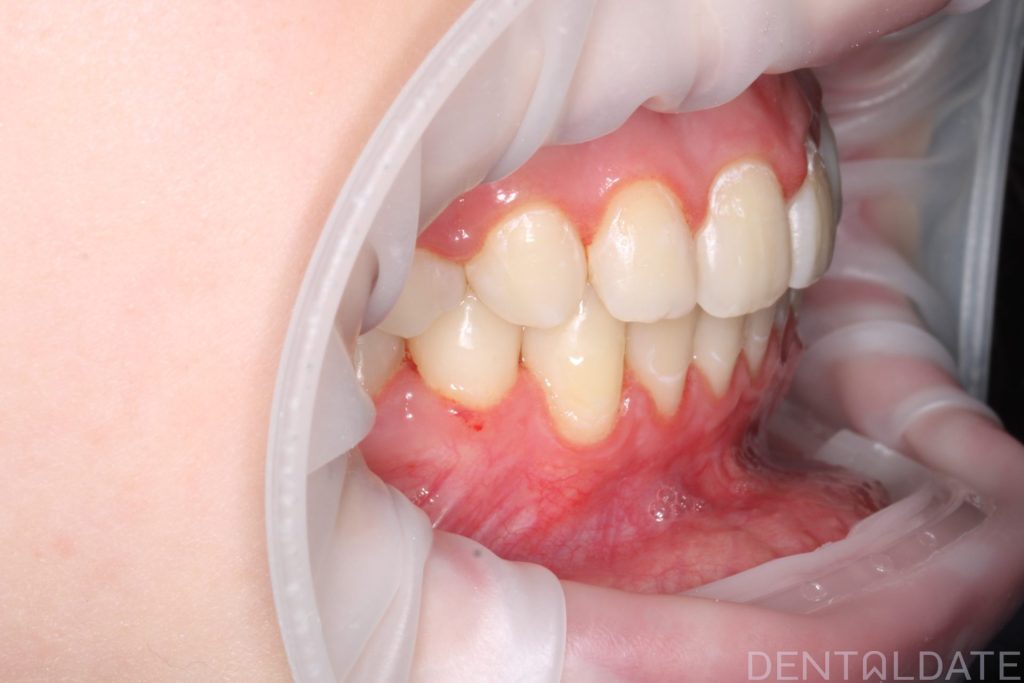
The patient was concerned that over time the teeth had increasingly tilted and shifted forward. The smile became aesthetically unsatisfactory, and the irregularities began to affect bite comfort as well.
Clinical Findings
During the examination, the following were identified:
- significant lack of space in the lower jaw;
- forward displacement of the canines;
- crowding of the lower anterior teeth;
- risk of further tooth inclination and deterioration of the bite if left untreated.
Such cases often require the placement of orthodontic mini-implants to create additional anchorage and allow effective tooth movement. However, accurate diagnostics are essential to determine whether this approach is truly necessary.
Examination and Diagnostics
For treatment planning, the following diagnostic methods were used:
- photographic protocol;
- 3D analysis of tooth positioning;
- CBCT to assess tooth roots and bone structures;
- analysis of jaw position and occlusion.
Initially, it was assumed that achieving stable alignment without mini-implants would be difficult due to the pronounced lack of space and significant forward displacement of the canines.
However, detailed diagnostics demonstrated that it was possible to develop a more conservative orthodontic mechanics approach that would allow treatment without additional anchorage.
Treatment Progress
A braces system was selected and placed, taking into account the dental anatomy and the initial space deficiency.
Further treatment included:
- sequential archwire adjustments;
- controlled movement mechanics for canine repositioning;
- gentle and physiologic mechanics to resolve the space deficiency;
- regular follow-up visits to monitor treatment progress.
Patient compliance played a key role — the patient carefully followed all recommendations, maintained proper oral hygiene, and attended all scheduled appointments on time.
As a result, sufficient space was created and the teeth were aligned without the use of mini-implants, despite their initial consideration in the treatment plan.
Treatment Results
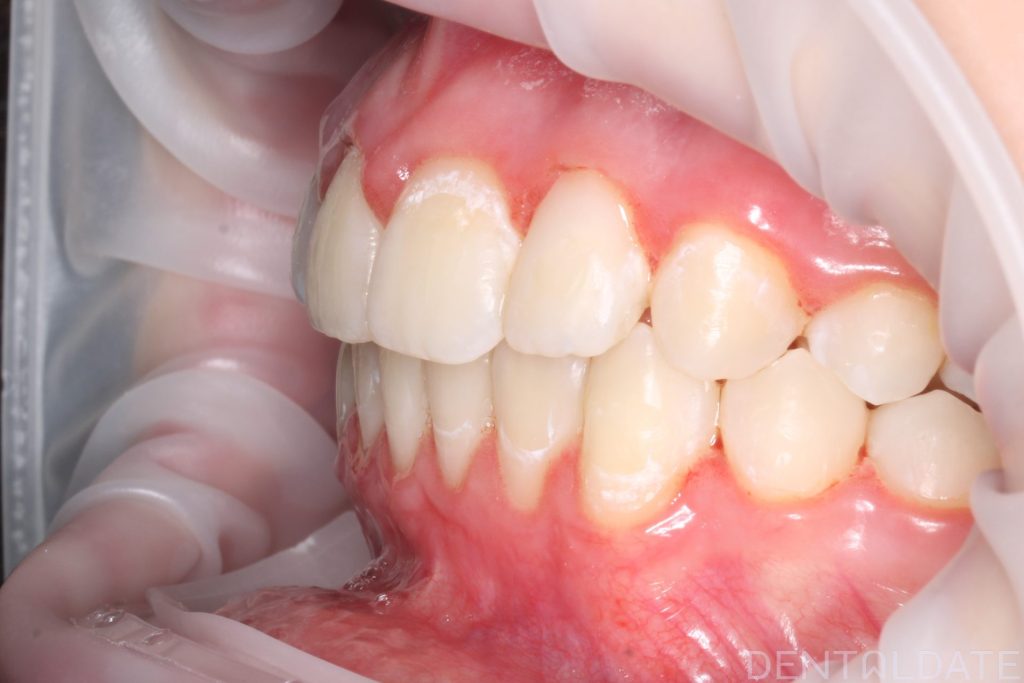
After completion of the active treatment phase, it was possible to:
- align the lower teeth and eliminate crowding;
- restore correct canine positioning;
- achieve harmonious and aesthetically pleasing tooth alignment;
- re-establish physiological occlusion;
- obtain a straight, aesthetic smile without the use of mini-implants.
The patient was satisfied with the outcome — the smile became straight, and the bite comfortable and physiologically correct.
Why This Matters
Many patients believe that the placement of mini-implants is a mandatory part of treatment in cases of space deficiency. In reality, thorough diagnostics and well-planned orthodontic mechanics often allow effective results to be achieved using more conservative approaches.
If dental crowding is left untreated:
- occlusal forces are distributed incorrectly;
- teeth begin to wear prematurely;
- the bite worsens;
- functional complaints may develop;
- smile aesthetics gradually deteriorate.
Early intervention allows treatment to be carried out more efficiently, comfortably, and without unnecessary additional procedures.
At DentalDate, we select an individualized approach for every patient — from diagnostics to choosing the most effective and tissue-preserving treatment technique.
This case demonstrates that even with pronounced crowding, excellent results can be achieved without mini-implants when treatment is carefully planned and tailored to the patient’s individual characteristics.