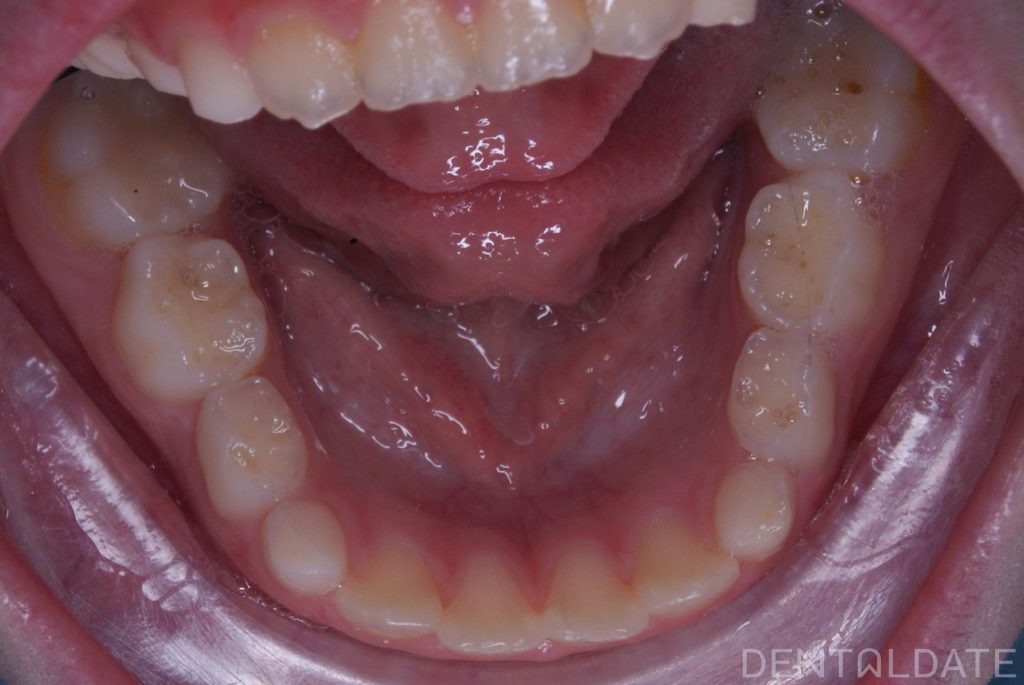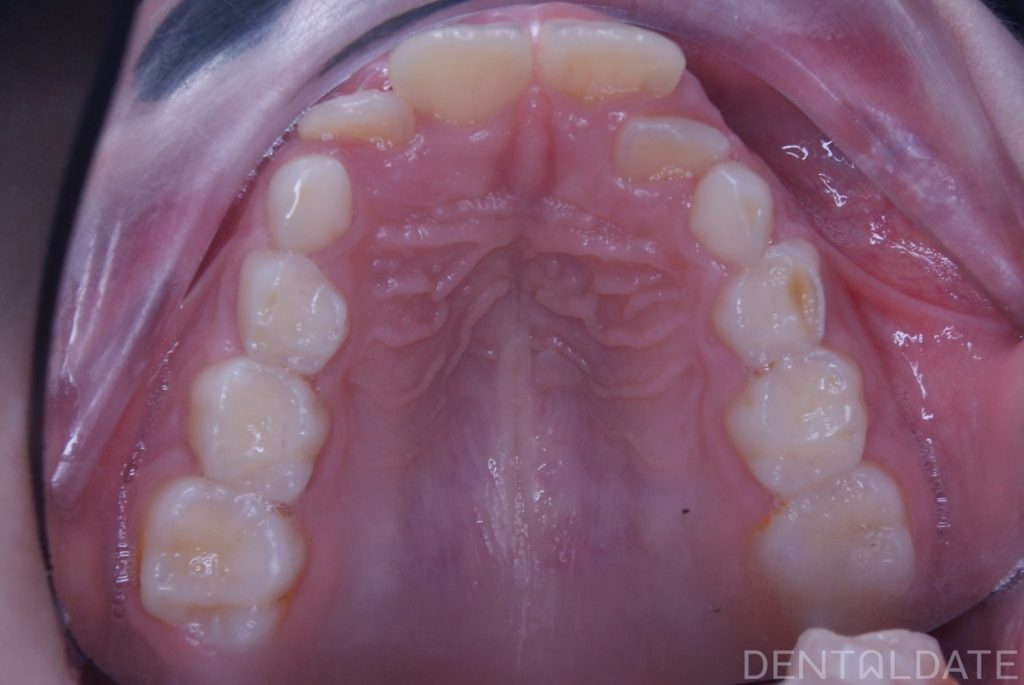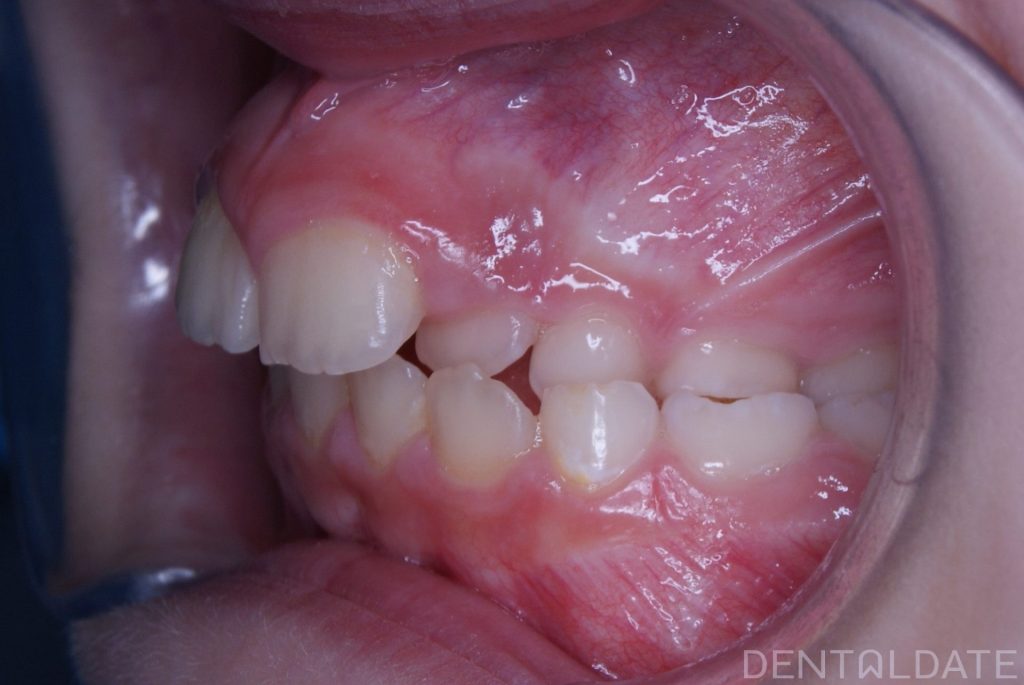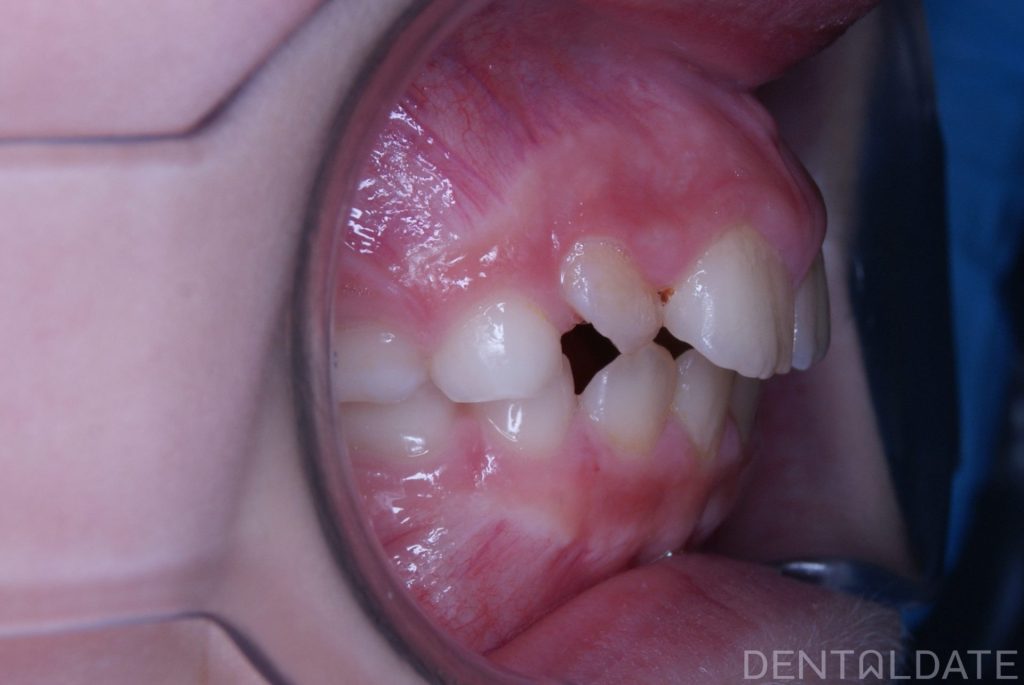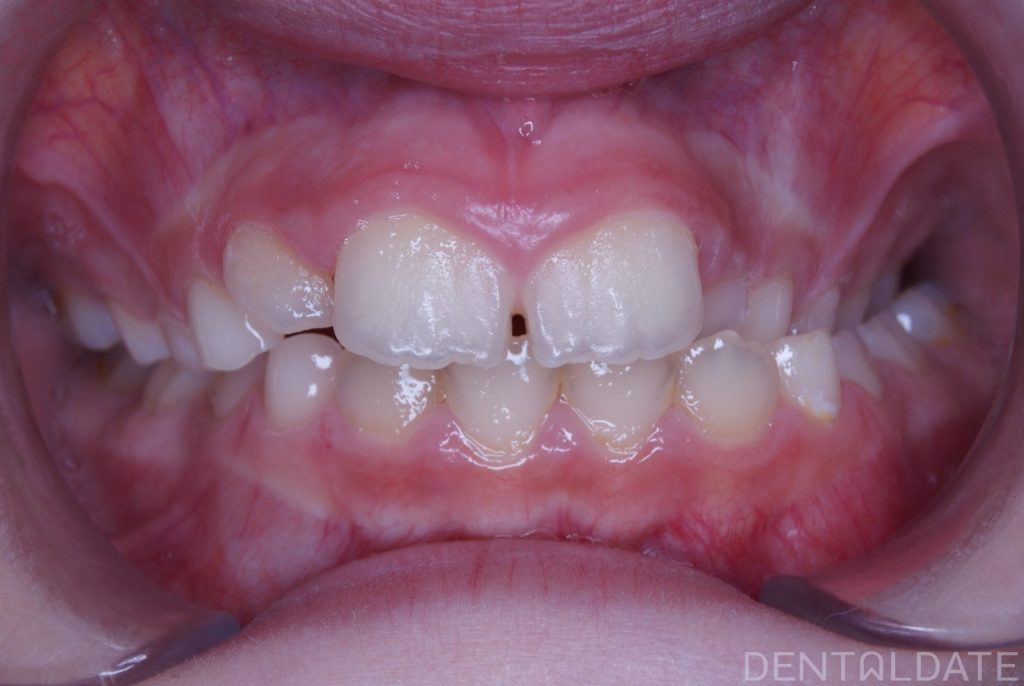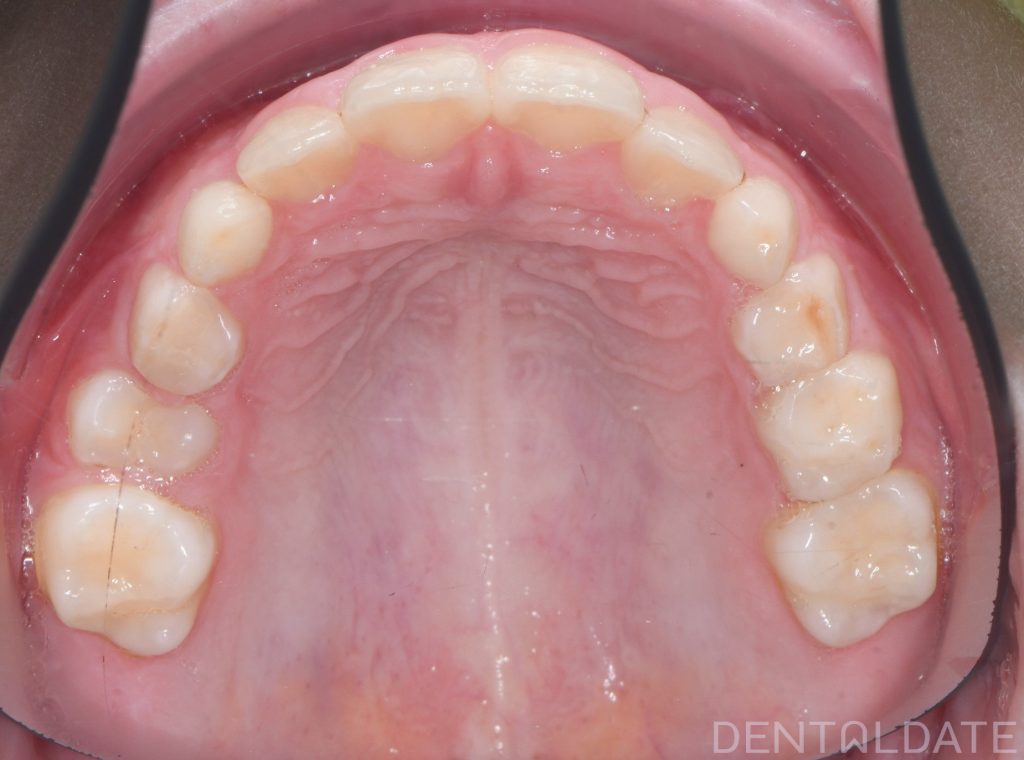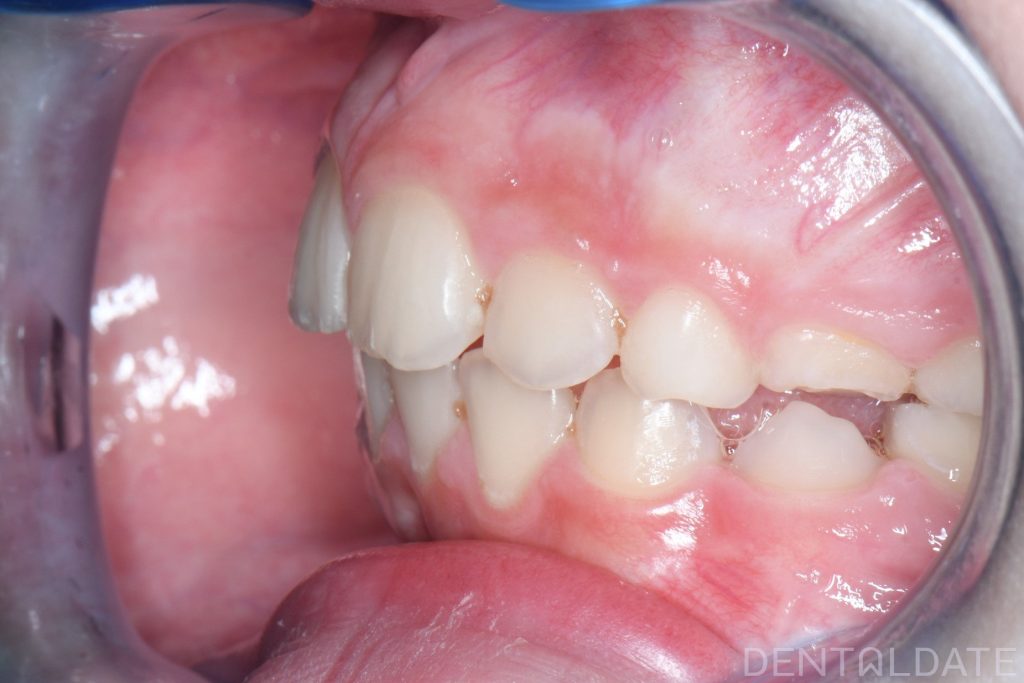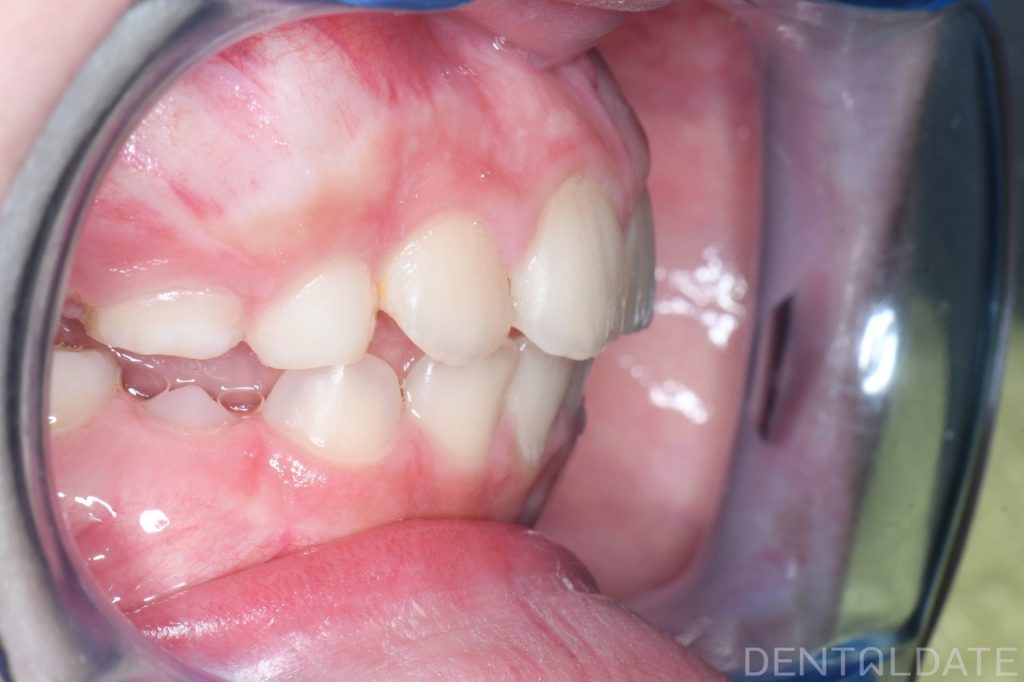
Pre-Treatment Situation
Clinical examination at our clinic revealed:
- lateral deviation of the mandible to the right;
- improper occlusion, increasing the risk of temporomandibular joint (TMJ) pathology;
- facial asymmetry, which could become more pronounced as the child continues to grow.
The doctor explained to the parents that without timely treatment, the problem would not only affect facial aesthetics but could also lead to persistent functional disorders, including joint pain, clicking sounds, tooth wear, and progressive facial asymmetry.
Treatment Plan and Stages
- Diagnostic evaluation was performed, including targeted radiographs and a clinical examination.
- An individualized early orthodontic treatment plan was established to correct jaw position.
- A Haas expander appliance was installed to widen the maxilla and create conditions for symmetrical mandibular growth.
- After one month of the active treatment phase, mandibular alignment was achieved and the lateral deviation was eliminated.
- The patient then transitioned to a growth monitoring phase to stabilize the result and prevent recurrence of the deviation.
Results
- The lateral deviation of the mandible was corrected.
- Conditions for harmonious facial growth were established.
- The risk of future TMJ overload was significantly reduced.
- Parents noted improvements in the child’s smile aesthetics and overall facial symmetry.
Why It Is Important to Treat Such Conditions in Childhood
In children, the maxillofacial system is actively developing, and even minor deviations can eventually lead to pronounced facial asymmetry and joint overload.
Early treatment is simpler, faster, and more comfortable than correction at an older age, when bone and joint structures become less adaptable to change.
Frequently Asked Questions from Parents
1. Is it possible to avoid appliances and simply “wait it out”?
No. In cases of lateral mandibular deviation, spontaneous correction does not occur. On the contrary, continued growth may reinforce the abnormal position and lead to facial asymmetry.
2. How comfortable is the Haas appliance for a child to wear?
Modern appliances are compact and do not interfere with speech or eating. Adaptation typically takes 1–2 weeks.
3. How long does treatment for mandibular deviation take?
In this case, the active phase of treatment lasted approximately one month. This is followed by a monitoring and growth control period to maintain the results.
4. Does the appliance affect permanent teeth?
No. Treatment is planned according to the stage of dentition development and does not harm the developing permanent teeth.
DentalDate — A Clinic That Provides Timely Care
At our clinic, we emphasize early diagnosis and gentle treatment methods to prevent complications and preserve the health of a child’s joints and teeth.
Cases like this demonstrate that with timely intervention, even serious orthodontic problems can be corrected quickly, safely, and without discomfort.