Patient Situation
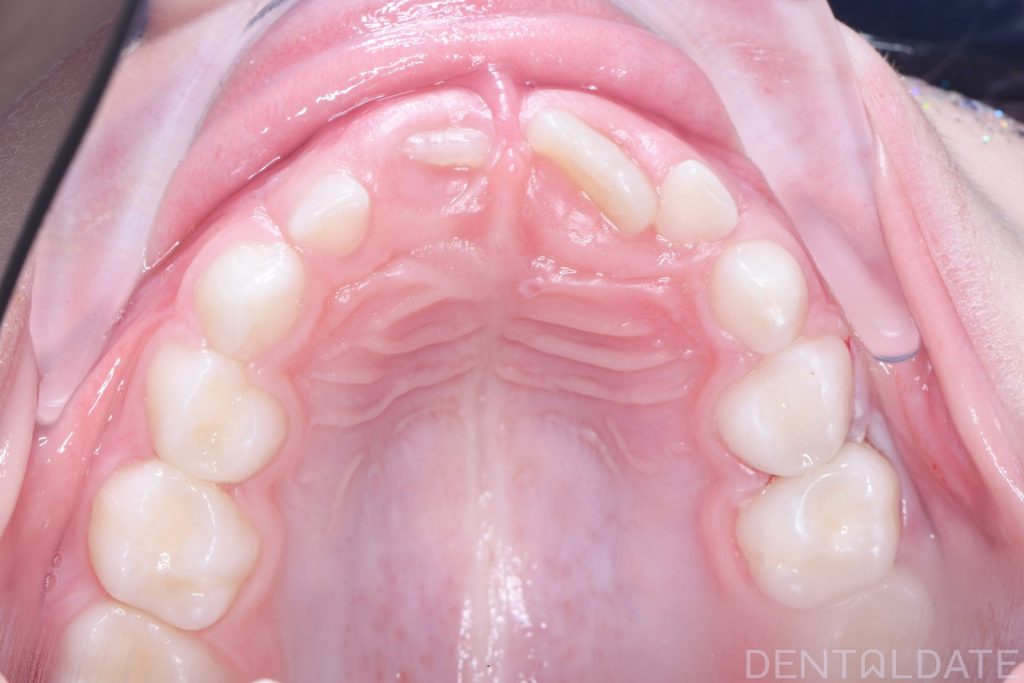
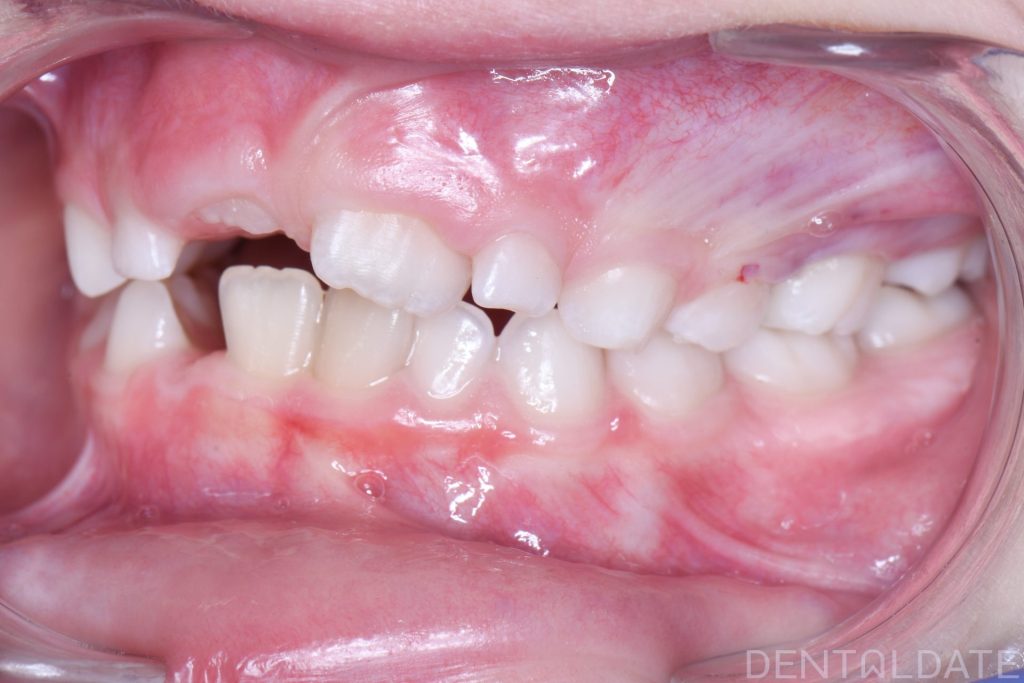
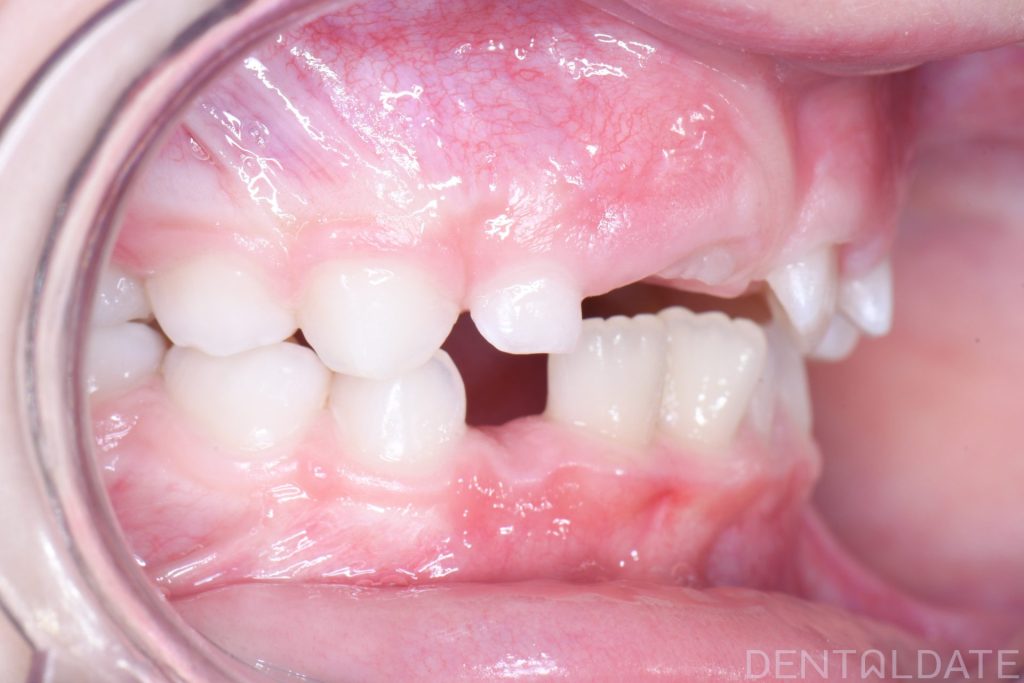
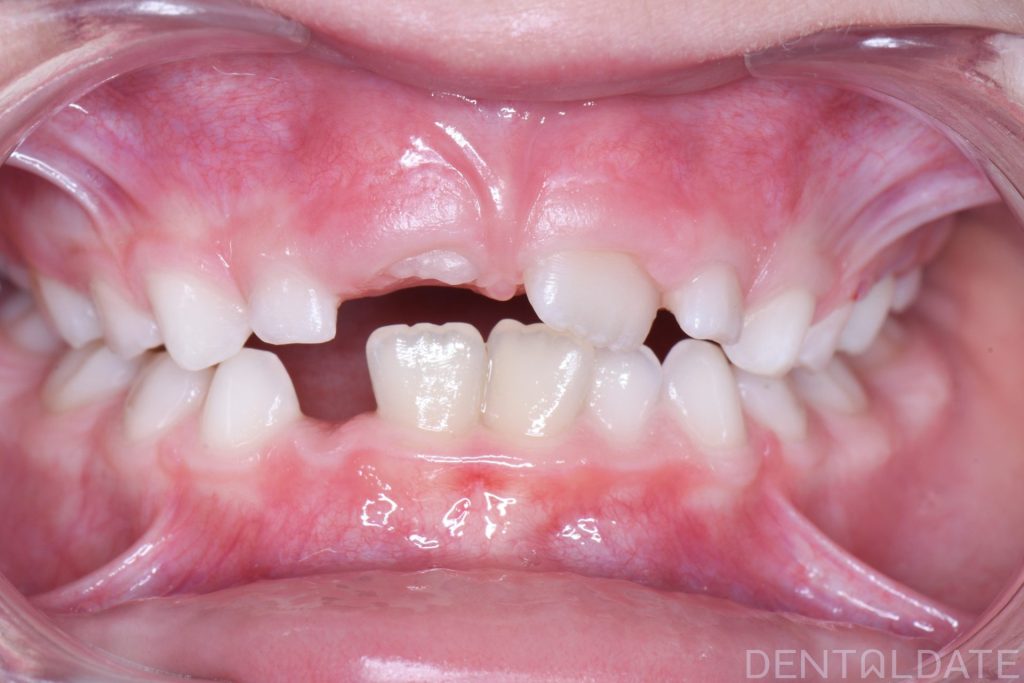
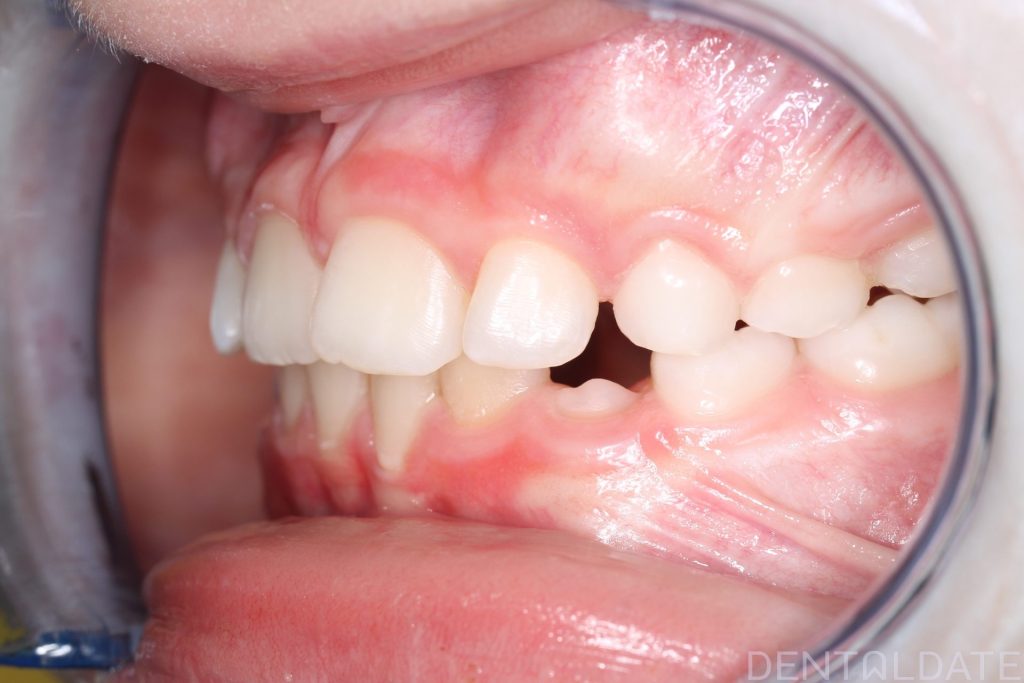
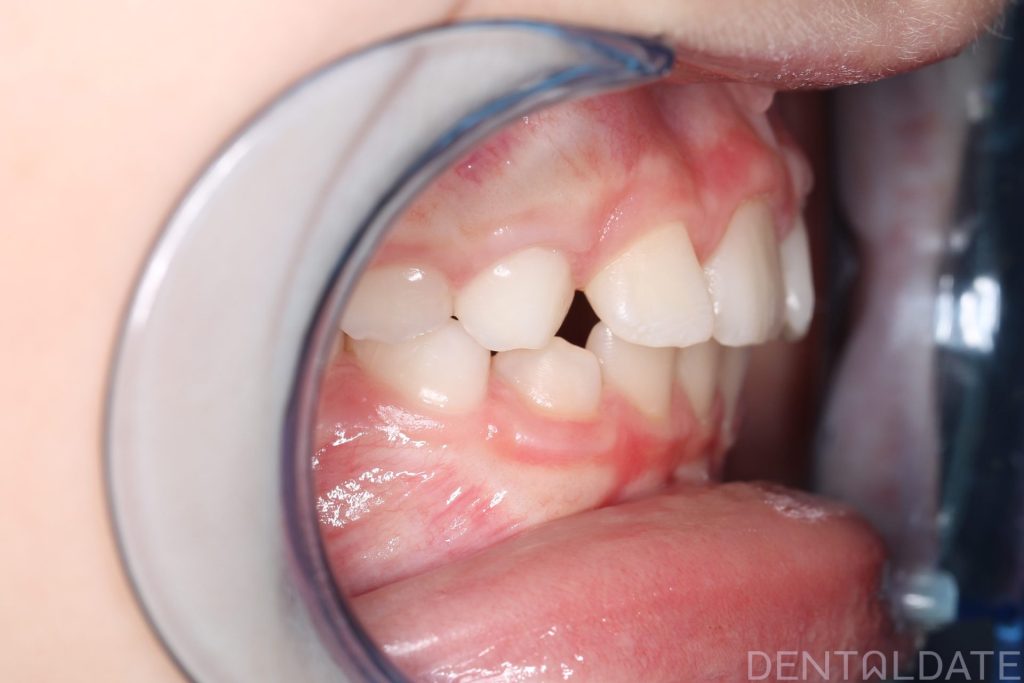
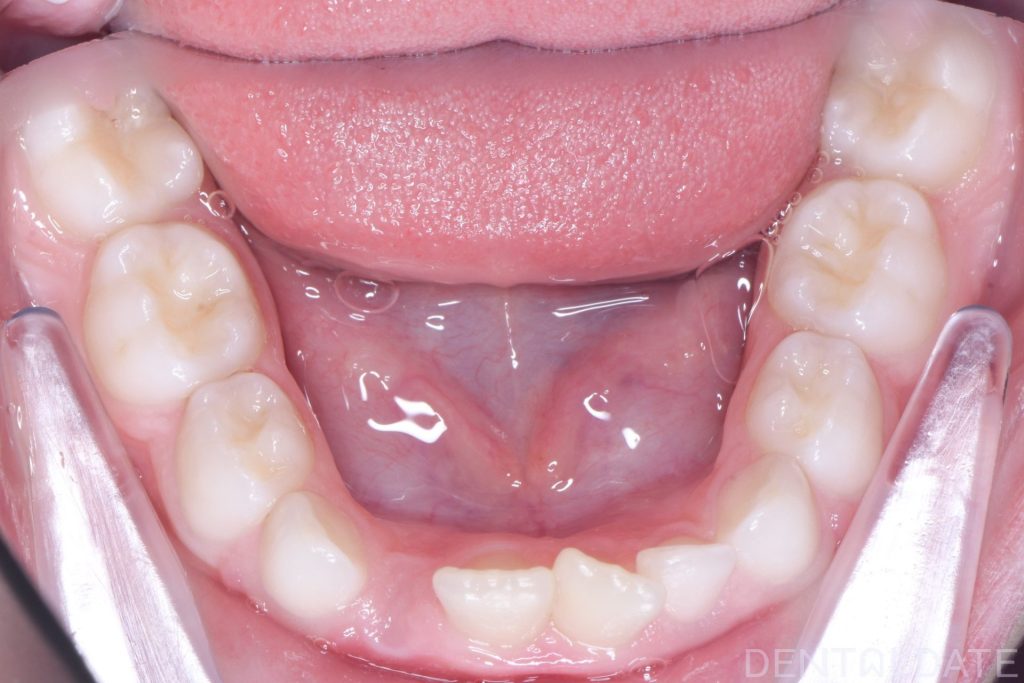
The parents brought the child for a consultation with concerns about insufficient space for permanent teeth and a developing malocclusion.
During the examination, the doctor identified:
- narrowing of the maxilla;
- lack of space for permanent teeth;
- signs of occlusal shift.
Treatment Plan and Implementation
Stage 1. Haas Appliance
A Haas appliance was placed, allowing gradual maxillary expansion and preparing the arch for proper dental development.
Stage 2. Myofunctional Correction
After the required expansion was achieved, a myofunctional appliance was introduced to stabilize the result and normalize the work of the muscles responsible for correct jaw positioning.
Treatment Outcome
- The space deficiency for permanent teeth was eliminated.
- The bite was corrected at an early stage without the use of braces.
- Harmonious development of the face and jaws was achieved.
- The child continues to grow and develop physiologically, with regular orthodontic follow-up.
Why Timely Treatment Matters
- At the age of 6, a child’s jaws are still highly adaptable and respond well to correction.
- Early orthodontic intervention helps avoid prolonged treatment with braces in the future.
- Proper bite development prevents excessive load on teeth and reduces the risk of speech or breathing problems.
What Parents Should Know
- A pediatric orthodontic evaluation is recommended when the first permanent teeth erupt—around the age of 6.
- Early detection makes treatment gentle and effective, often without braces.
- After treatment, routine follow-up visits are essential to monitor jaw growth.
In this case, early orthodontic intervention helped the child avoid more complex and costly treatment in the future.
At DentalDate, we select treatment solutions based on the child’s age and developmental characteristics, doing everything possible to ensure treatment is comfortable and effective.