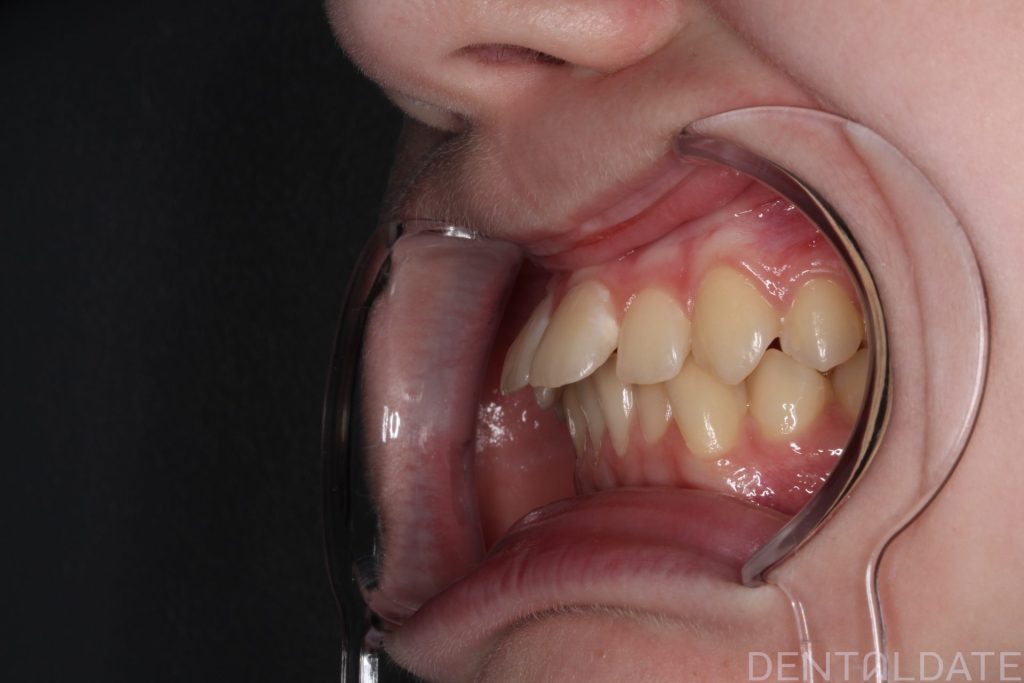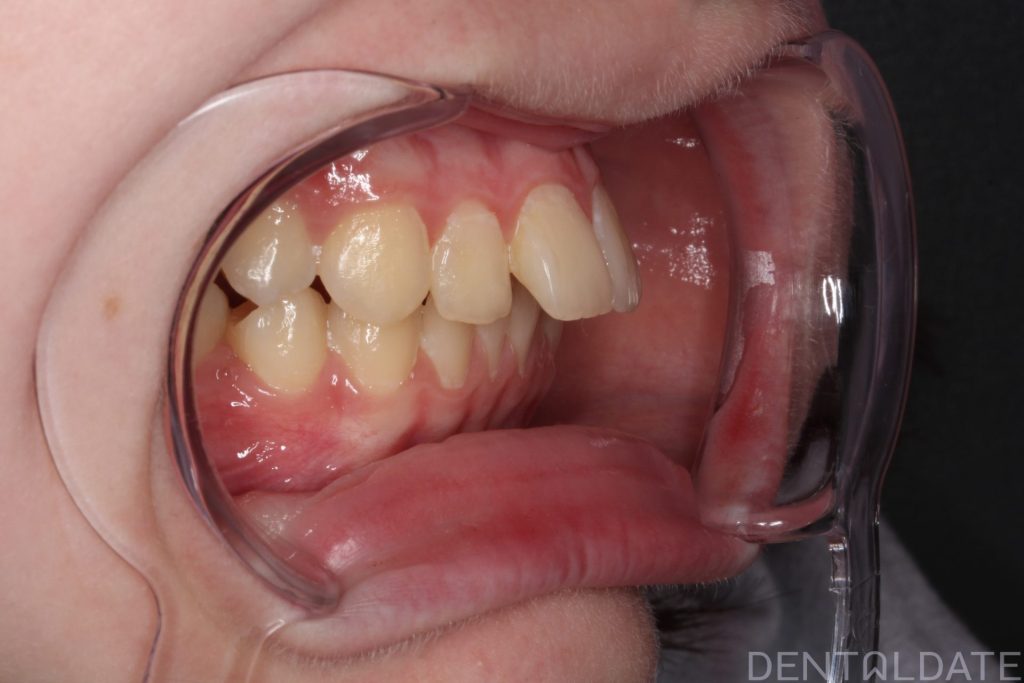
During the diagnostic interview, the patient reported intermittent clicking sounds when opening the mouth and a sensation of tension in the joint area. Magnetic resonance imaging (MRI) confirmed disc displacement – one of the most common causes of pain, clicking, and restricted mandibular movement.
It is important to note that when the joint is in an incorrect position, orthodontic treatment may worsen the condition. Without prior joint stabilization, the mandible may shift further, leading to pain and an unstable treatment outcome.
Why Braces Cannot Be Placed Immediately in TMJ Dysfunction
If tooth alignment is initiated without first stabilizing the joint, the following complications may occur:
- increased pain and clicking;
- mandibular displacement;
- bite disturbances;
- progressive muscle spasm;
- worsening of mouth opening.
Therefore, the joint must first be guided into a physiologically correct position.
Treatment Plan
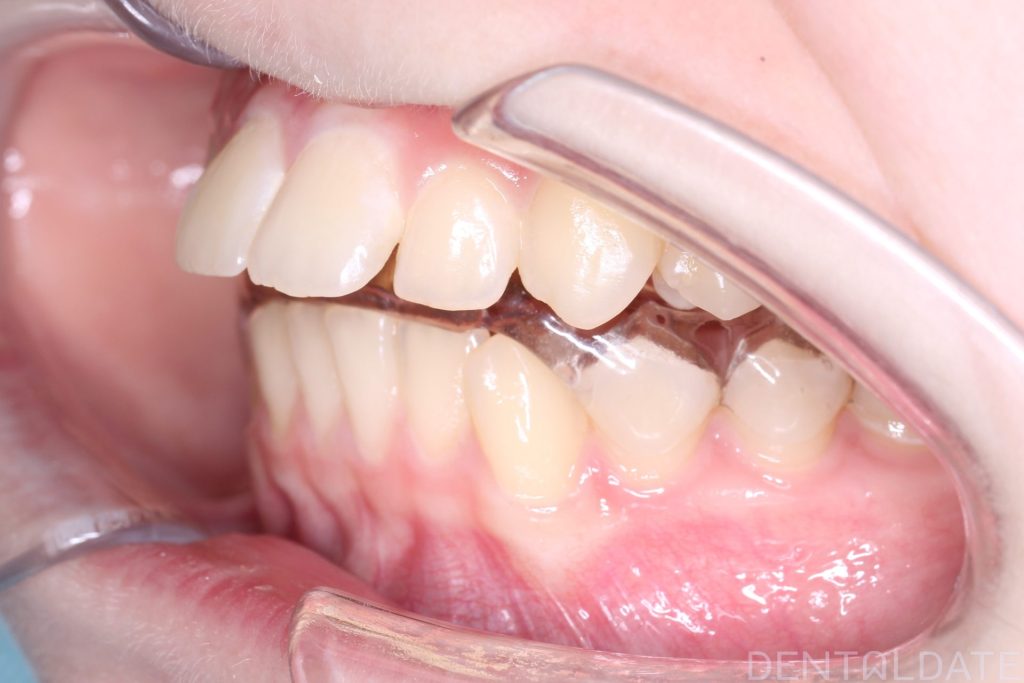
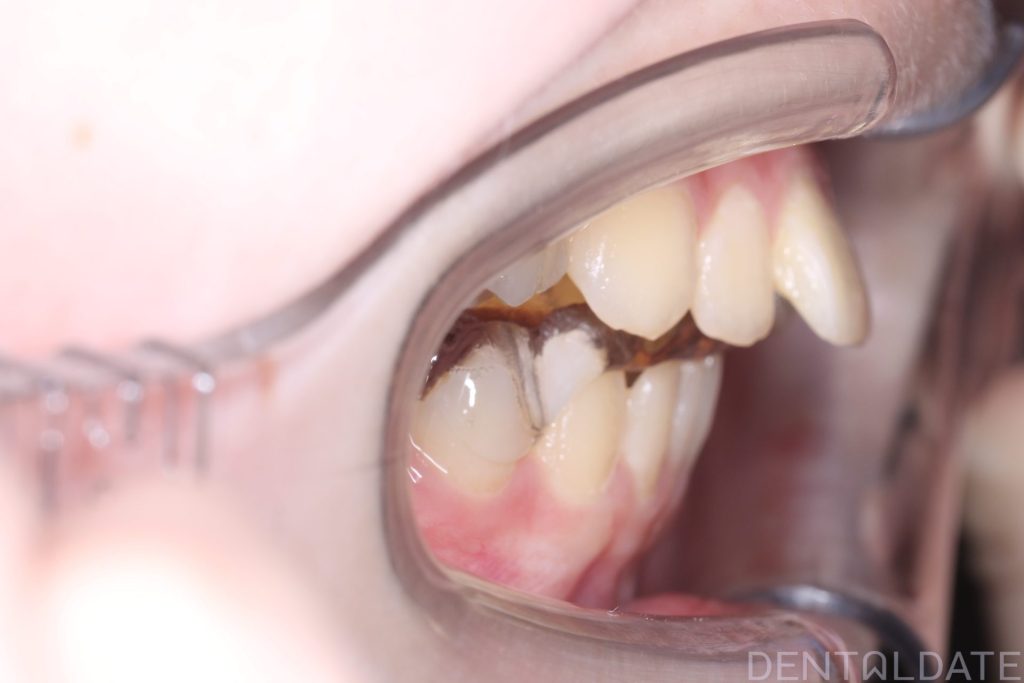
1. Establishing a Therapeutic Jaw Position
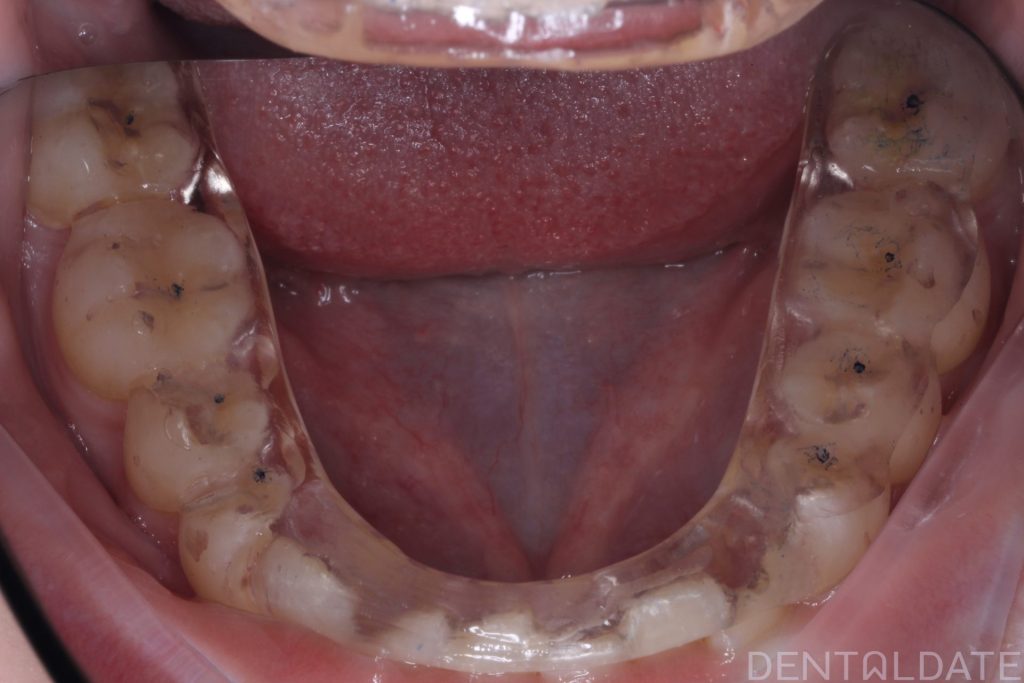
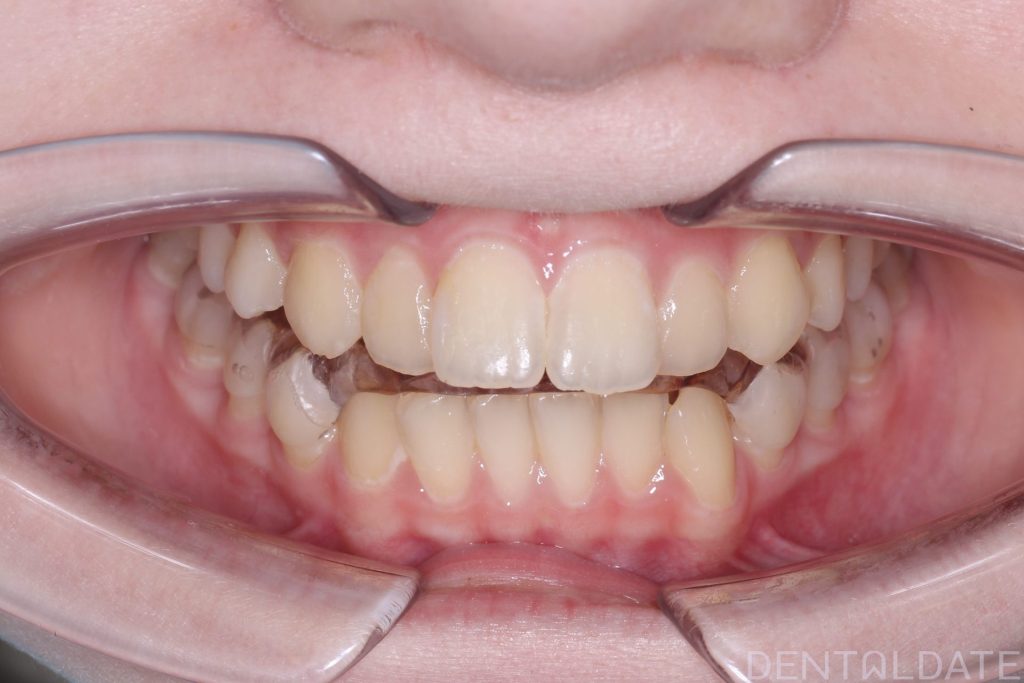
An индивидуally fabricated splint was made to position the lower jaw in a safe and stable alignment where the joint structures are not compromised.
This allowed to:
- relieve compression of the articular disc;
- relax the masticatory muscles;
- reduce clicking and pain;
- establish a correct and stable reference position for future orthodontic treatment.
2. Follow-Up MRI
After the patient adapted to the therapeutic splint, a follow-up MRI was performed. The imaging confirmed stabilization of the disc position and verified that it was safe to proceed with orthodontic treatment.
3. Braces Placement
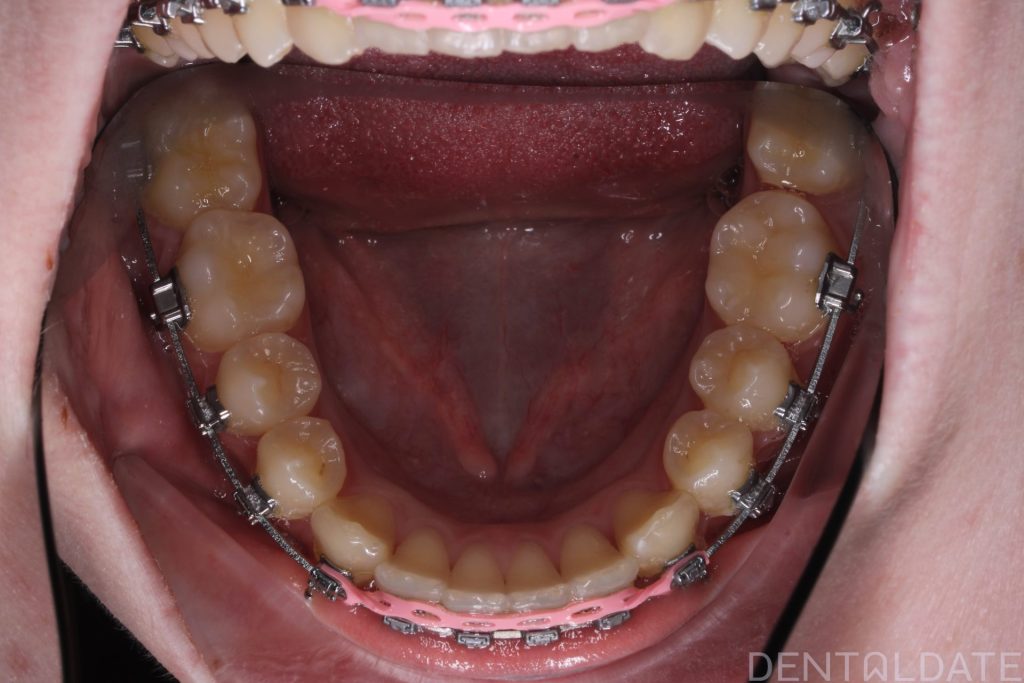
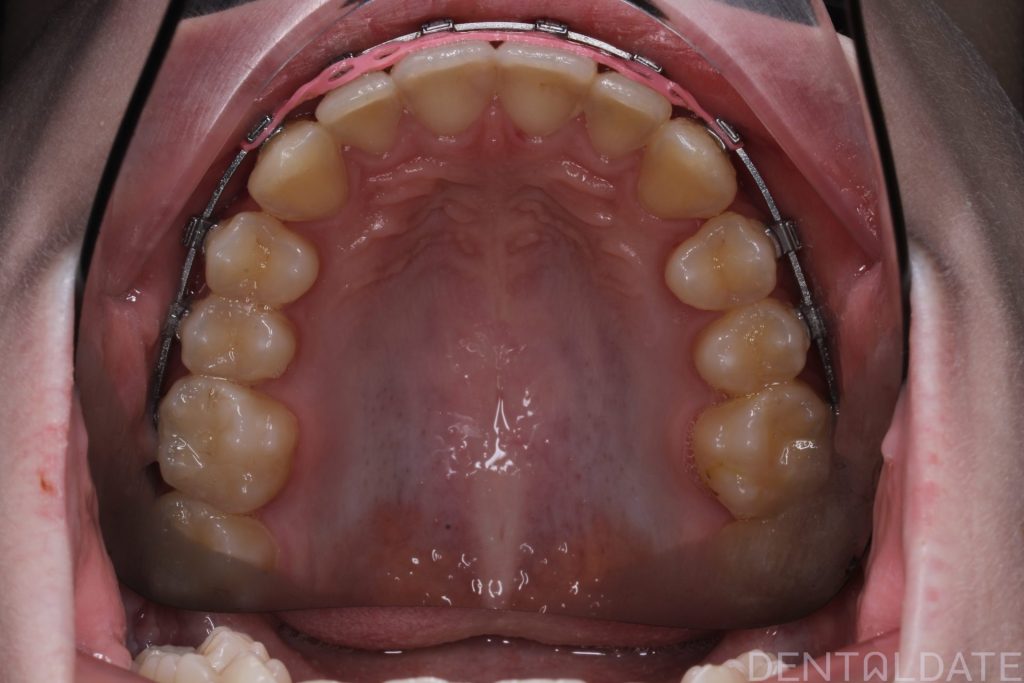
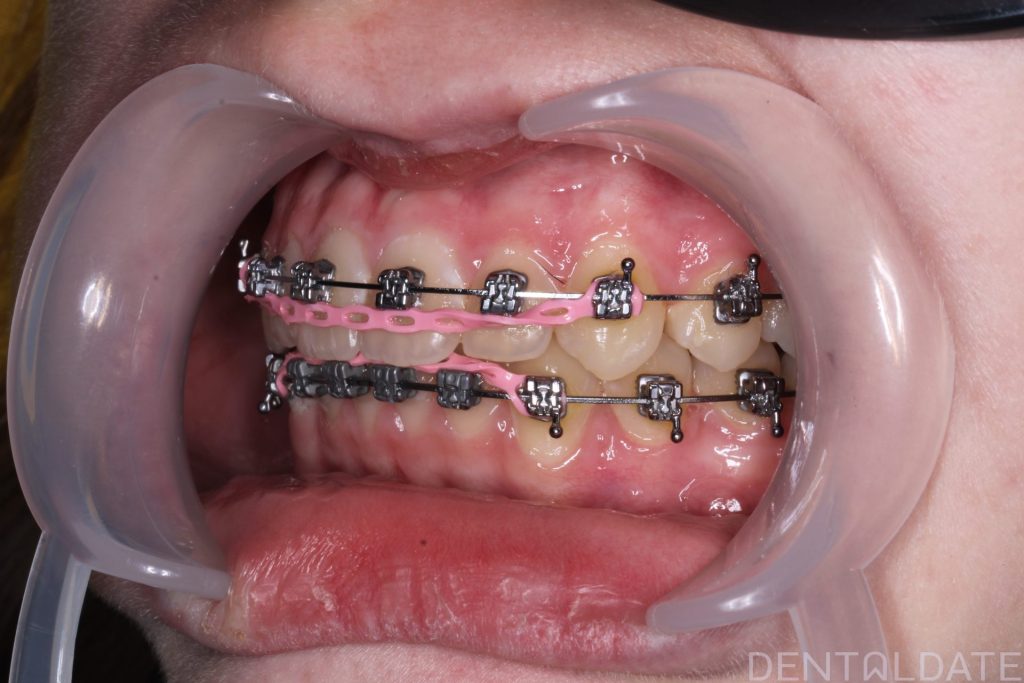
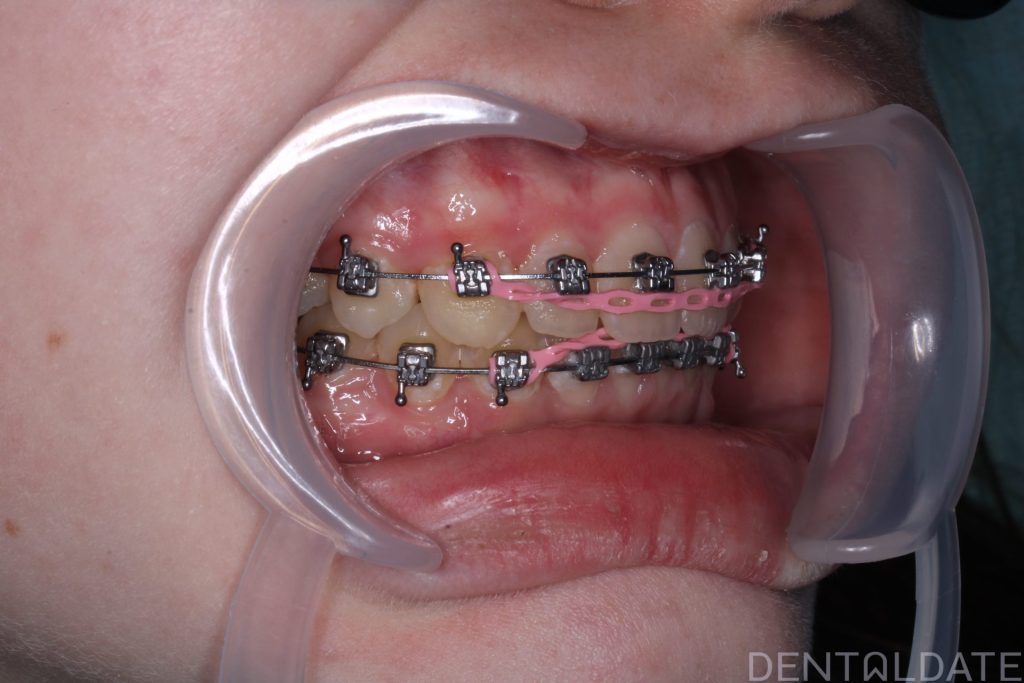
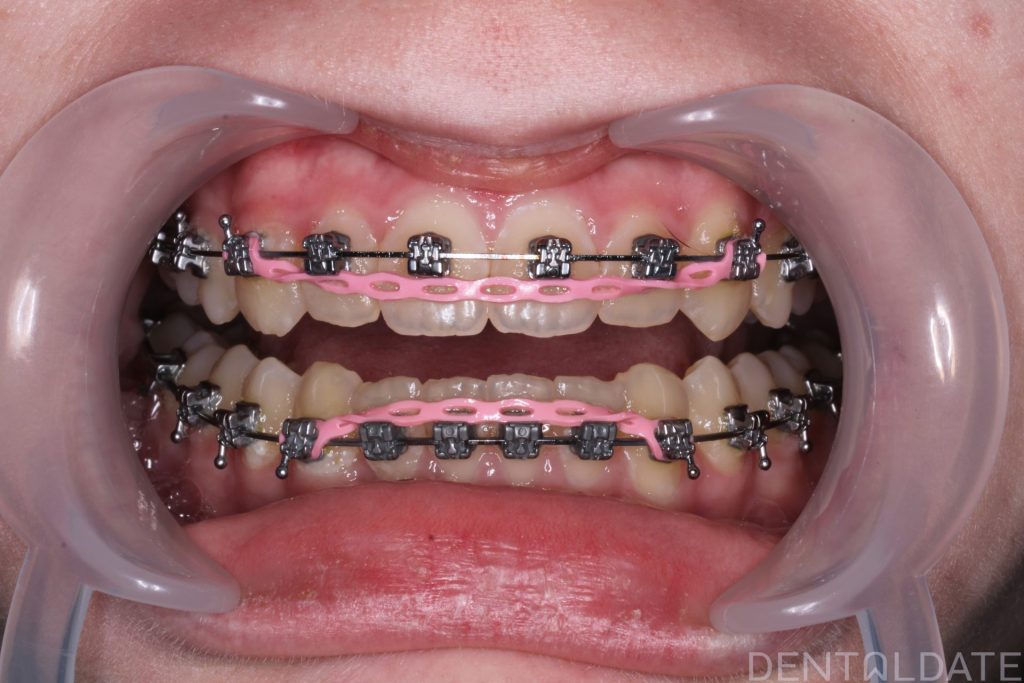
Based on the corrected mandibular position, a fixed braces system was installed.
This ensured that orthodontic treatment was carried out with the TMJ in a stable and physiologically correct position, allowing for a predictable and long-lasting result.
4. Orthodontic Treatment Over 10 Months
During this period, the following outcomes were achieved:
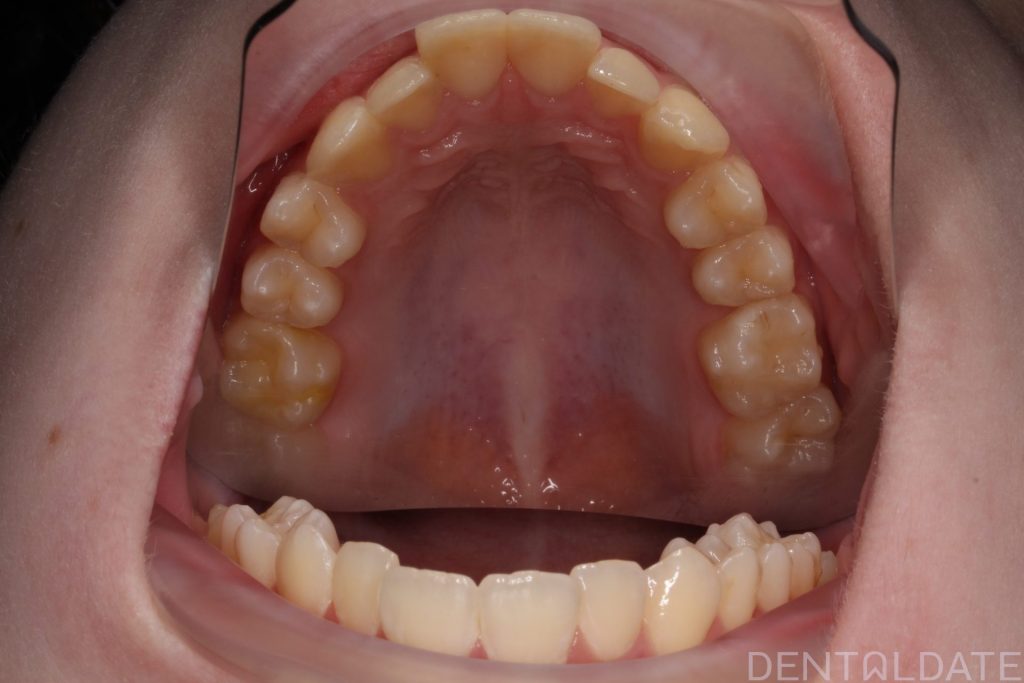
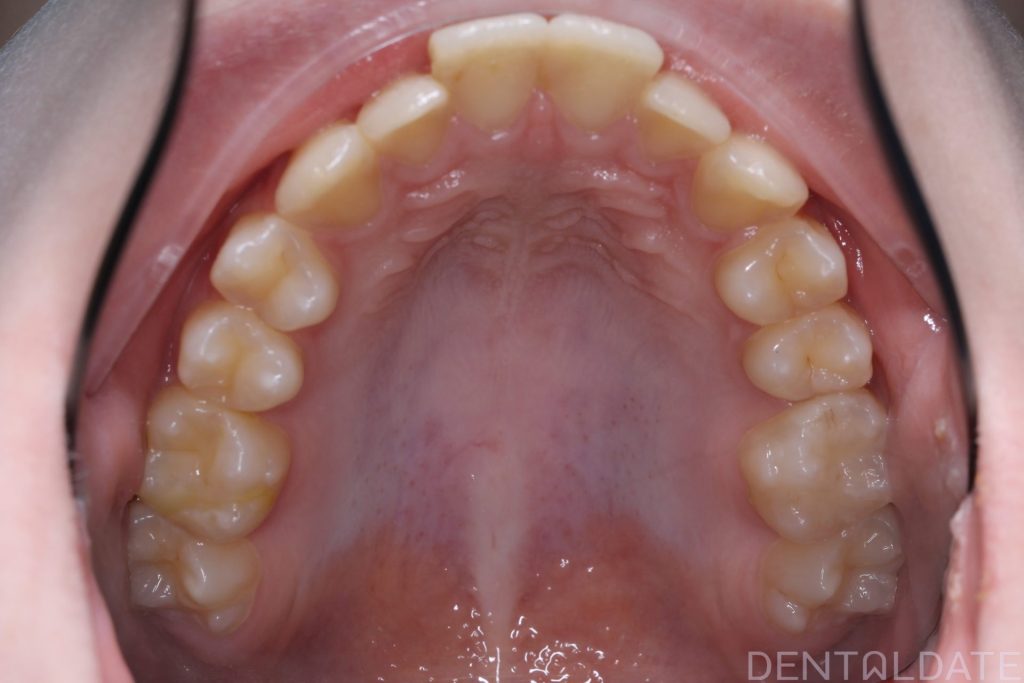
- normalization of the bite;
- alignment of the dental arches;
- restoration of smile aesthetics;
- reduction of TMJ-related symptoms.
The patient is currently in the final stage of treatment and preparing for braces removal.
Changes in the Patient’s Condition
Following therapy and orthodontic treatment, the patient reported:
- resolution of joint tension;
- decreased clicking;
- absence of discomfort during eating;
- improved facial symmetry;
- an aesthetically aligned and harmonious smile.
Importantly, no TMJ exacerbations occurred throughout the entire treatment period, confirming the correctness of the chosen treatment strategy.
Why This Is Important
Patients often do not associate malocclusion with joint-related problems; however, TMJ dysfunction can lead to:
- headaches;
- clicking and pain during mouth opening;
- facial asymmetry;
- chronic muscle tension;
- impaired chewing function.
Proper diagnostics before starting treatment protects patients from complications and ensures a stable, long-term result.
What Patients Should Know
- Clicking in the joint is not normal and is a reason to undergo diagnostic evaluation before orthodontic treatment.
- Braces should not be placed when TMJ function is unstable — the jaw must first be stabilized in a therapeutic position.
- Splint therapy is a reliable and gentle stabilization method that makes treatment safe.
- Once the joint is stabilized, braces function correctly and treatment results remain stable over time.
At DentalDate, we follow a comprehensive approach in which diagnostics, therapeutic joint stabilization, and orthodontic treatment are performed as an integrated process.
This allows us to safely correct the bite even in complex TMJ dysfunction cases and achieve predictable, stable results.