Initial Diagnosis
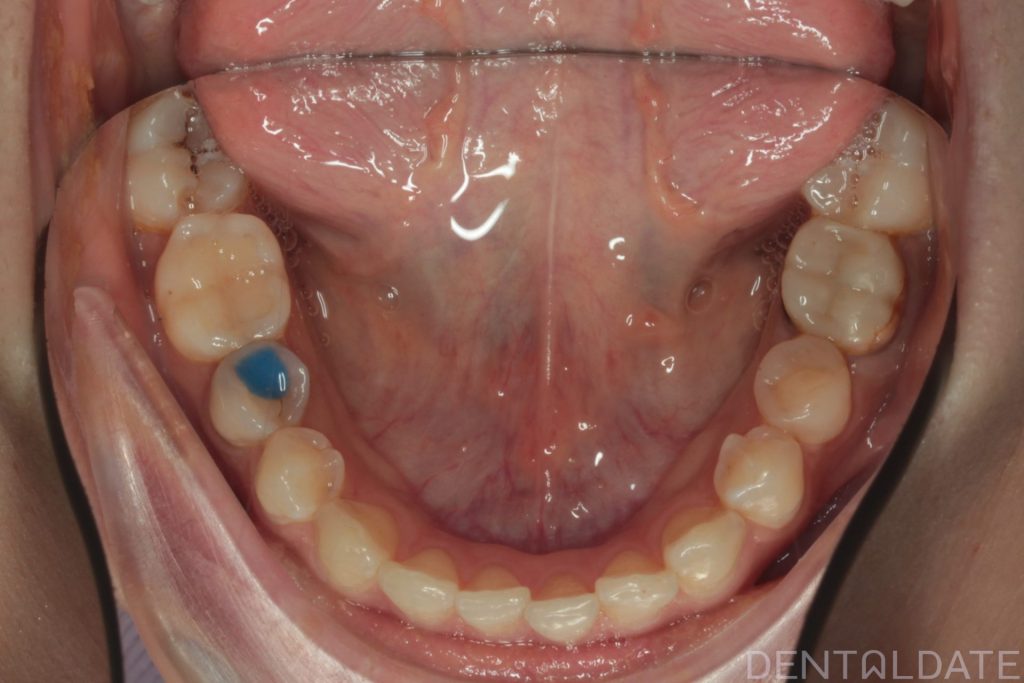
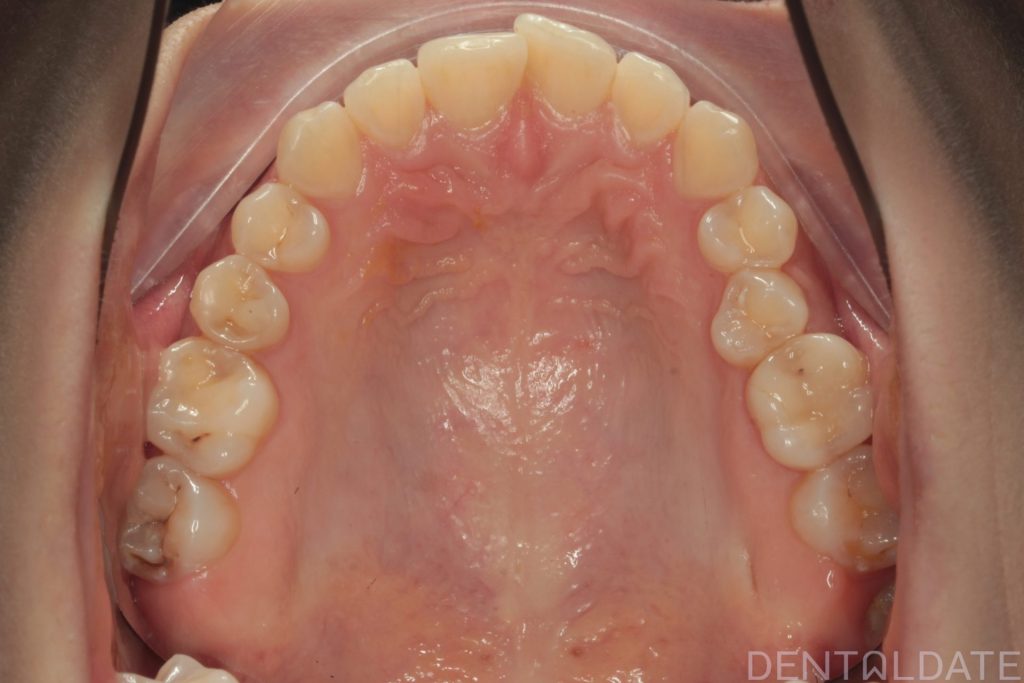
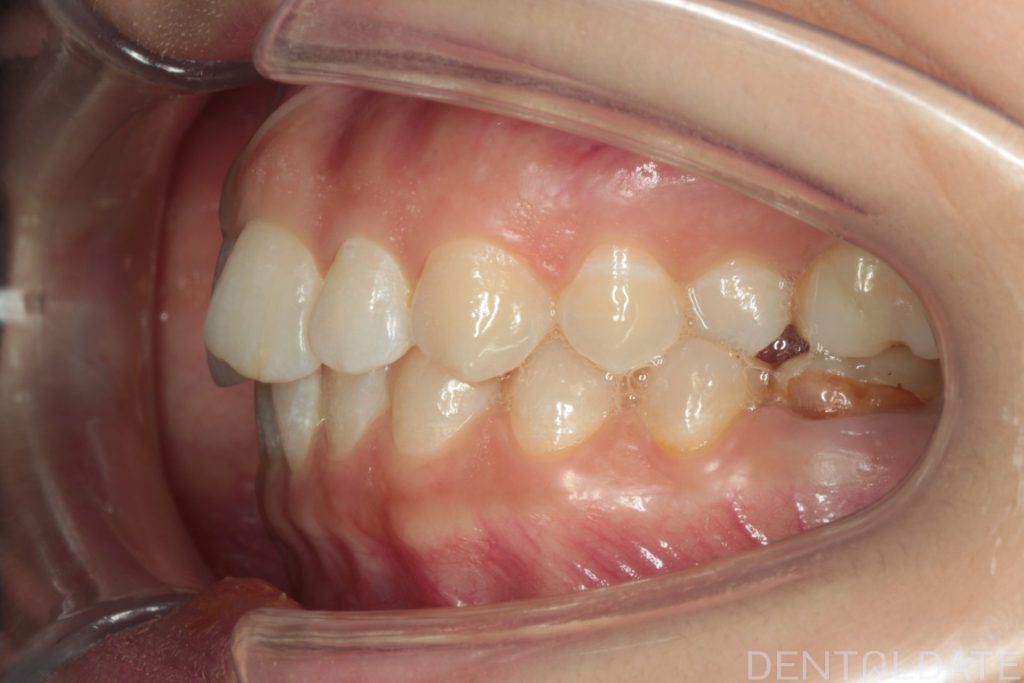
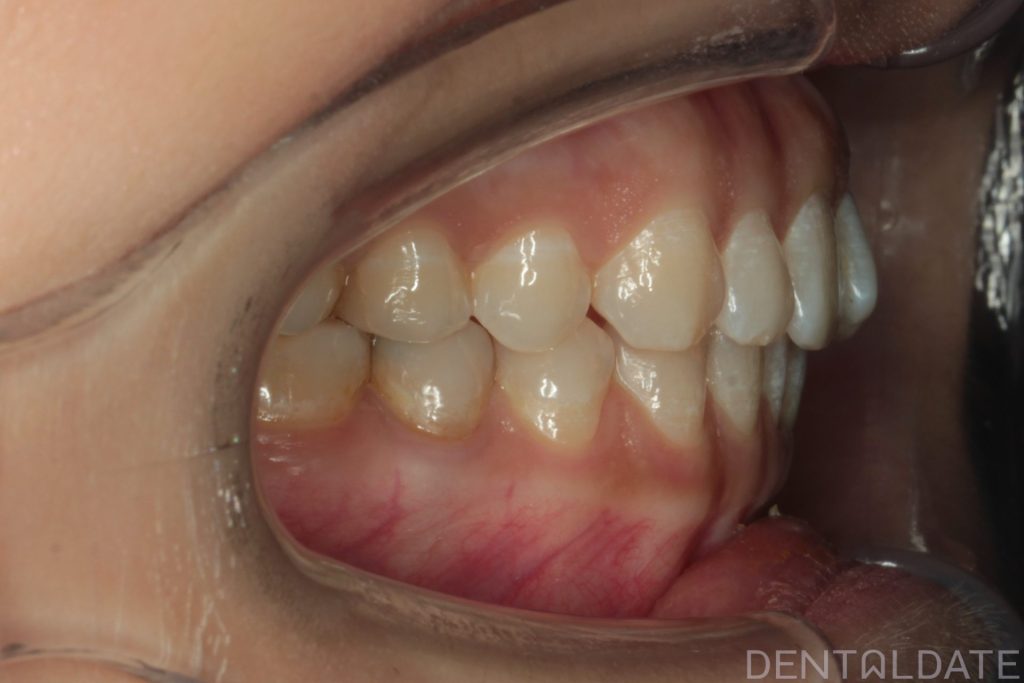
Clinical examination revealed:
- distal bite — the mandible positioned posteriorly relative to the maxilla;
- misalignment and crowding of the anterior teeth;
- uneven load on the posterior teeth.
For accurate treatment planning, comprehensive diagnostics were performed:
- photographic protocol;
- panoramic radiograph (orthopantomogram);
- bite analysis using dental models.
Treatment Plan and Course
Braces Placement
A fixed orthodontic appliance was selected based on the patient’s dental anatomy and occlusal characteristics.
Active Correction
Regular follow-up visits allowed continuous monitoring of progress, adjustment of archwires, and gradual movement of the teeth and jaws into the correct position.
Treatment Outcome
In just over one year, the following results were achieved:
- proper occlusion (distal bite corrected);
- aligned dental arches;
- a harmonious facial profile and improved smile aesthetics.
The patient is satisfied with the outcome — the smile is straight, and the bite is physiologically correct.
Why Treating Distal Bite Is Important
- Distal bite affects not only appearance but also leads to overload of individual teeth.
- Over time, it may cause temporomandibular joint problems, excessive tooth wear, and chewing difficulties.
- The earlier treatment begins, the faster and easier the desired result can be achieved.
Patient Recommendations
- Bite correction is possible and effective even in adults, especially with modern braces systems.
- Strict adherence to the orthodontist’s visit schedule is essential to avoid prolonging treatment.
This case demonstrates that accurate diagnosis and a well-structured orthodontic treatment plan make it possible to correct even a long-standing problem in a relatively short time — just over one year.
At DentalDate, we help patients not only align their teeth but also create a healthy, functional, and aesthetically pleasing smile.