Why Pre-Orthodontic Sanitation Is Mandatory
Before braces are placed, it is essential that the teeth are completely healthy.
If orthodontic treatment is started without prior sanitation:
- caries can progress under the archwires and brackets;
- tooth sensitivity may develop during eating;
- inflammation may occur and require pausing the entire treatment;
- oral hygiene becomes more difficult because contact surfaces cannot be cleaned thoroughly.
That is why sanitation is the first and most important step.
Clinical Findings
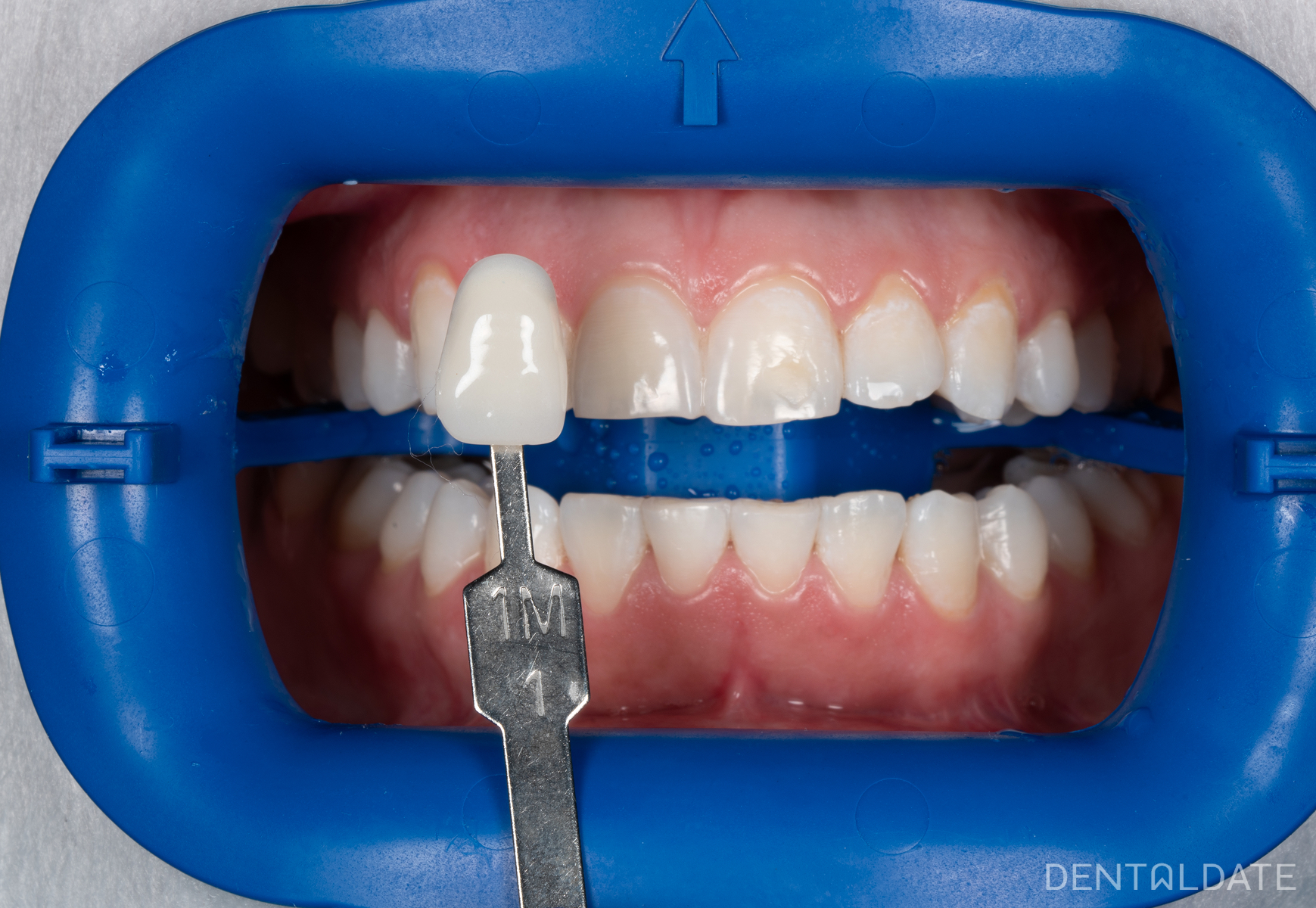
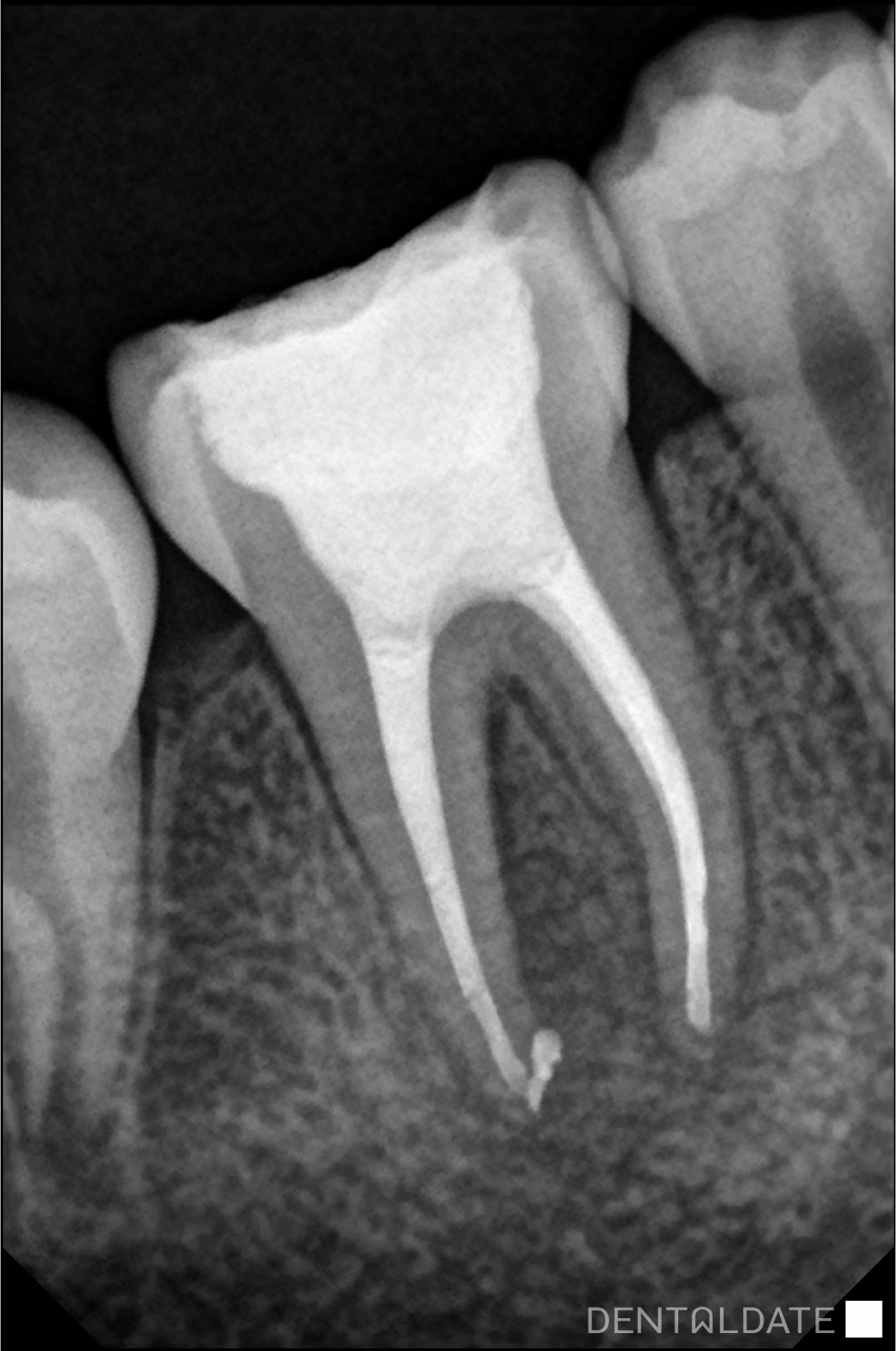
During the examination and diagnostic assessment, the following were identified:
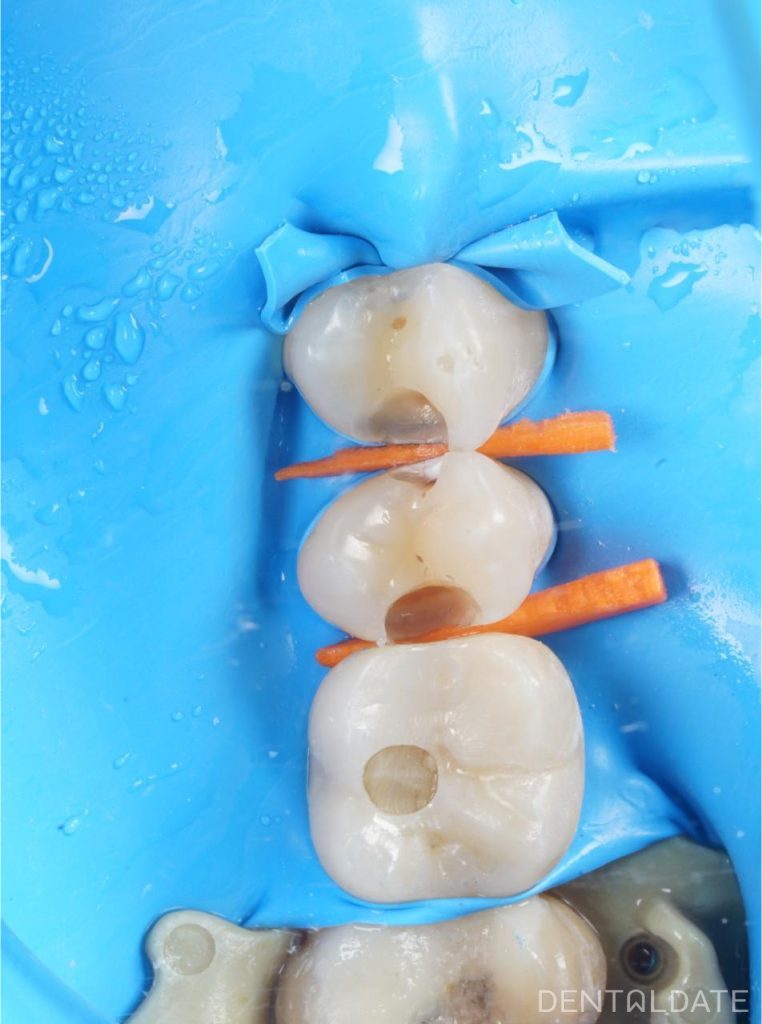
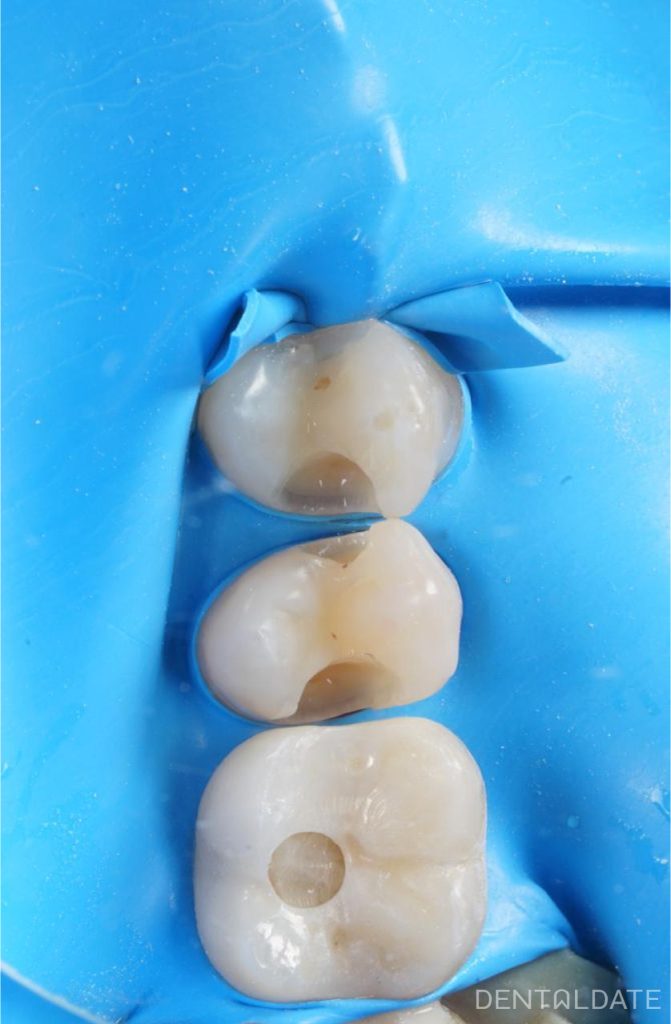
- interproximal carious lesions on teeth 1.4 and 1.5, 2.4 and 2.5;
- loss of seal (marginal leakage) of old restorations;
- signs of secondary caries;
- altered tooth anatomy due to outdated restorations.
Such issues often remain unnoticed without a detailed examination – especially between teeth, where food impaction is most common.
Treatment Stages
1. Anesthesia and Isolation
- Infiltration anesthesia was performed.
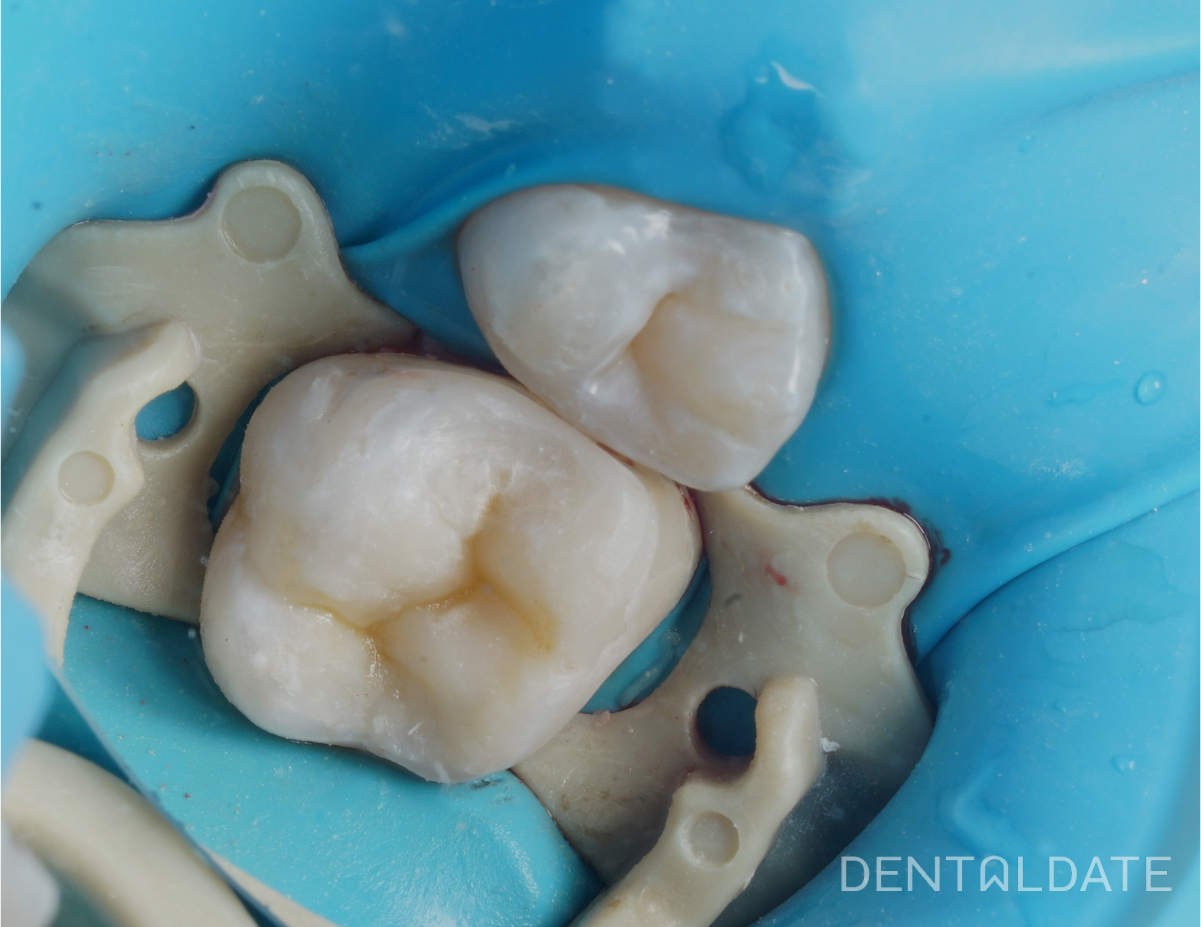
- To protect soft tissues and maintain a dry working field, a rubber dam was placed – improving both the quality and longevity of the restorations.
2. Precise Treatment Under a Microscope
Under magnification control, the doctor carefully removed:
- carious tissue;
- old defective composite material;
- areas of secondary caries beneath existing fillings.
The main objective was to preserve as much healthy dentin and enamel as possible.
3. Restoration of Tooth Shape
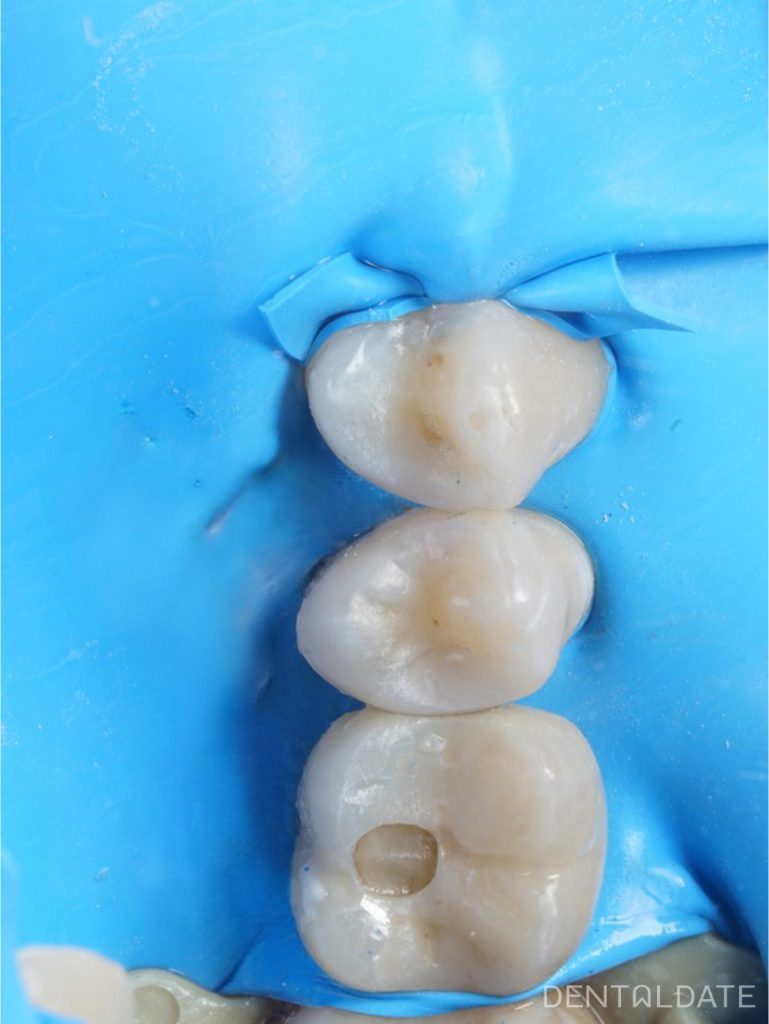
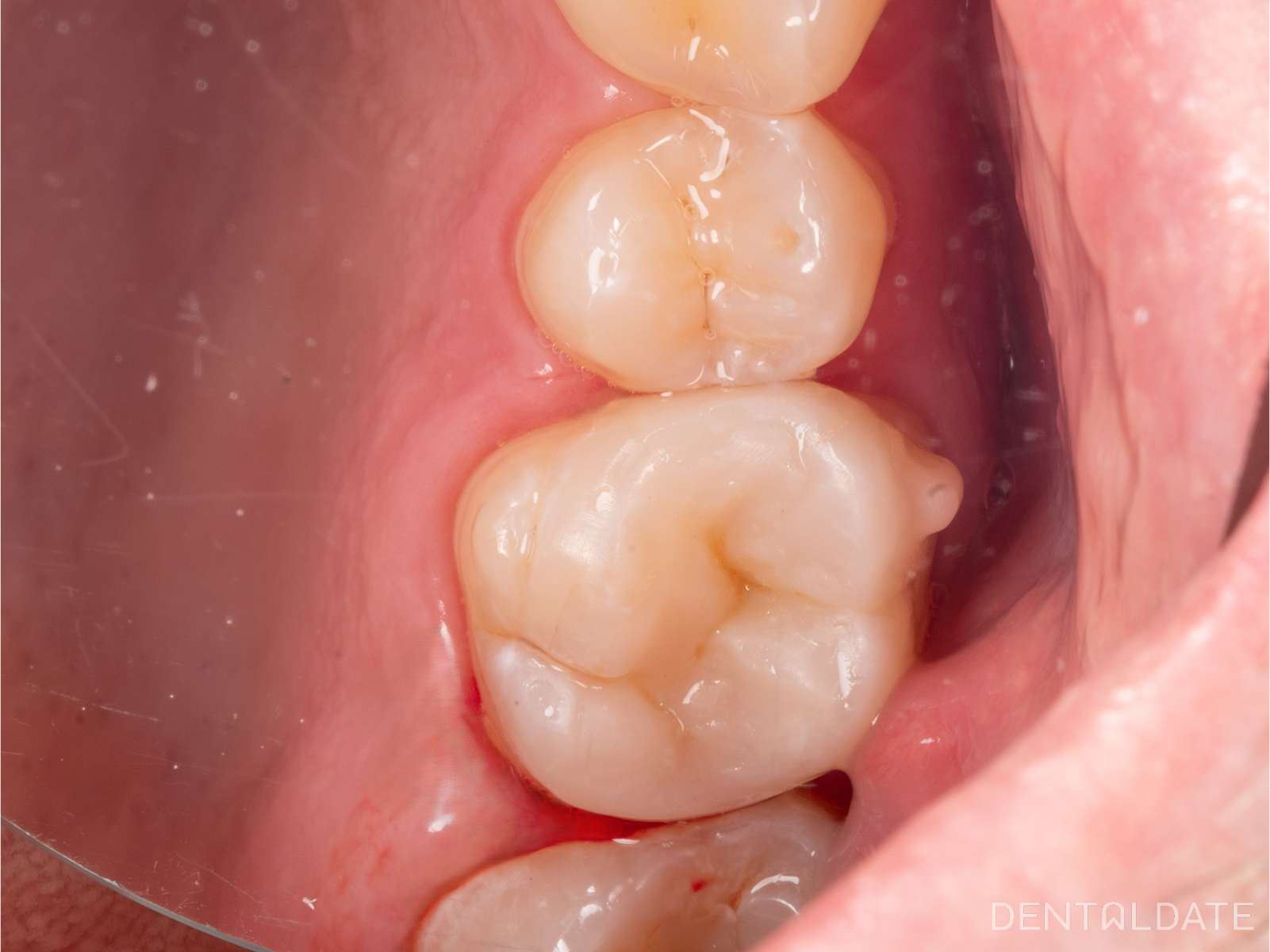
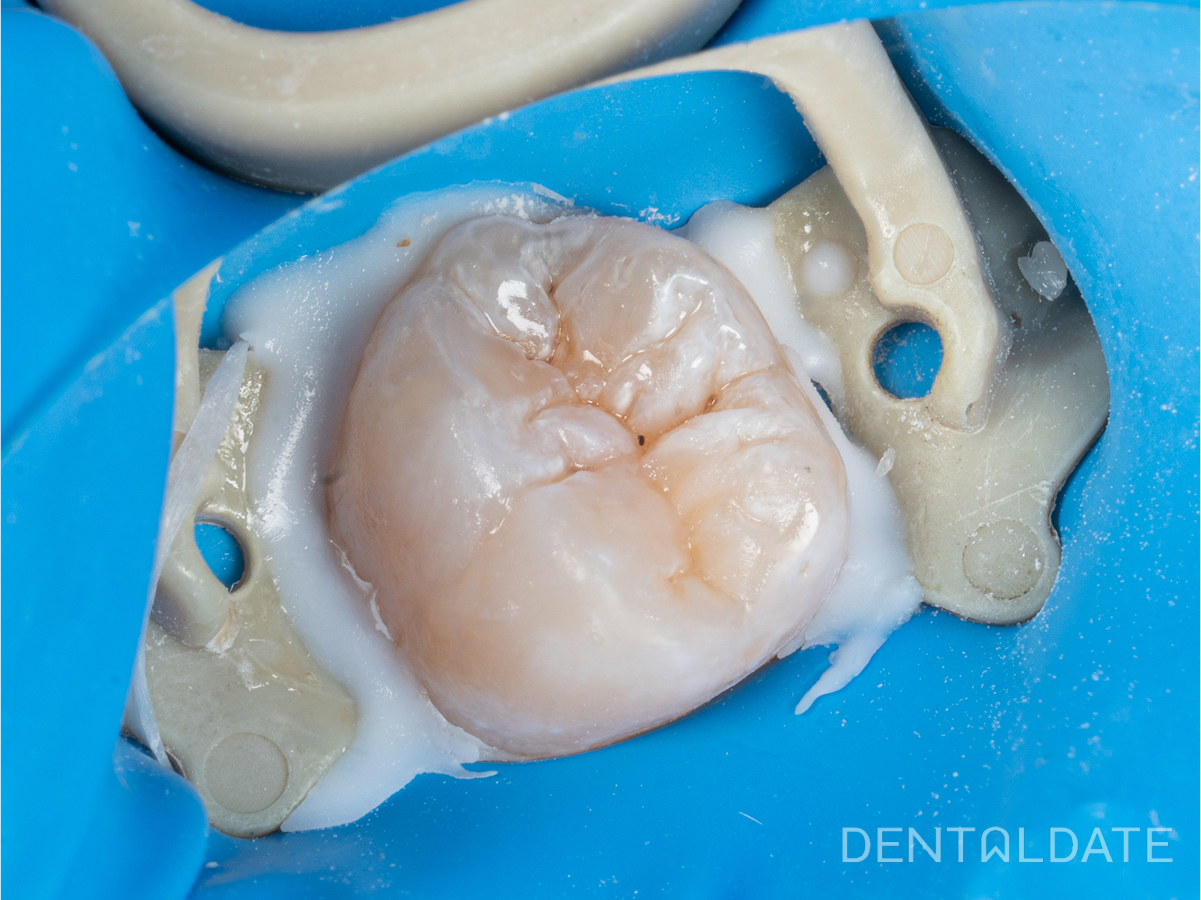
After complete caries removal and preparation, aesthetic (direct) restorations were performed on teeth 1.4, 1.5, 2.4, and 2.5.
The doctor recreated:
- natural anatomy,
- proper contact points,
- fissure morphology,
- a natural enamel shade.
This is important not only for aesthetics but also for function – to prevent bite shifts and premature overload on individual teeth.
Treatment Outcome
Following sanitation and restoration:
- the teeth were fully rehabilitated;
- all caries were removed, including hidden interproximal lesions;
- old fillings were replaced;
- potential causes of tooth sensitivity during eating were eliminated;
- correct anatomical contours were restored, making oral hygiene easier.
The patient can now safely proceed to orthodontic treatment with minimal risk of complications.
What Patients Should Know
- Preparation for braces always includes sanitation — it is not “optional,” it is mandatory.
- Even when teeth look healthy, caries is often hidden on interproximal surfaces.
- Old fillings may fail under orthodontic load, causing pain and sensitivity.
- Modern restorations accurately replicate natural tooth anatomy and provide long-term durability.
At DentalDate, we provide full pre-orthodontic preparation — from diagnostics and sanitation to braces placement.
High-quality sanitation is the key to completing orthodontic treatment smoothly and without complications.