Examination and Diagnostics
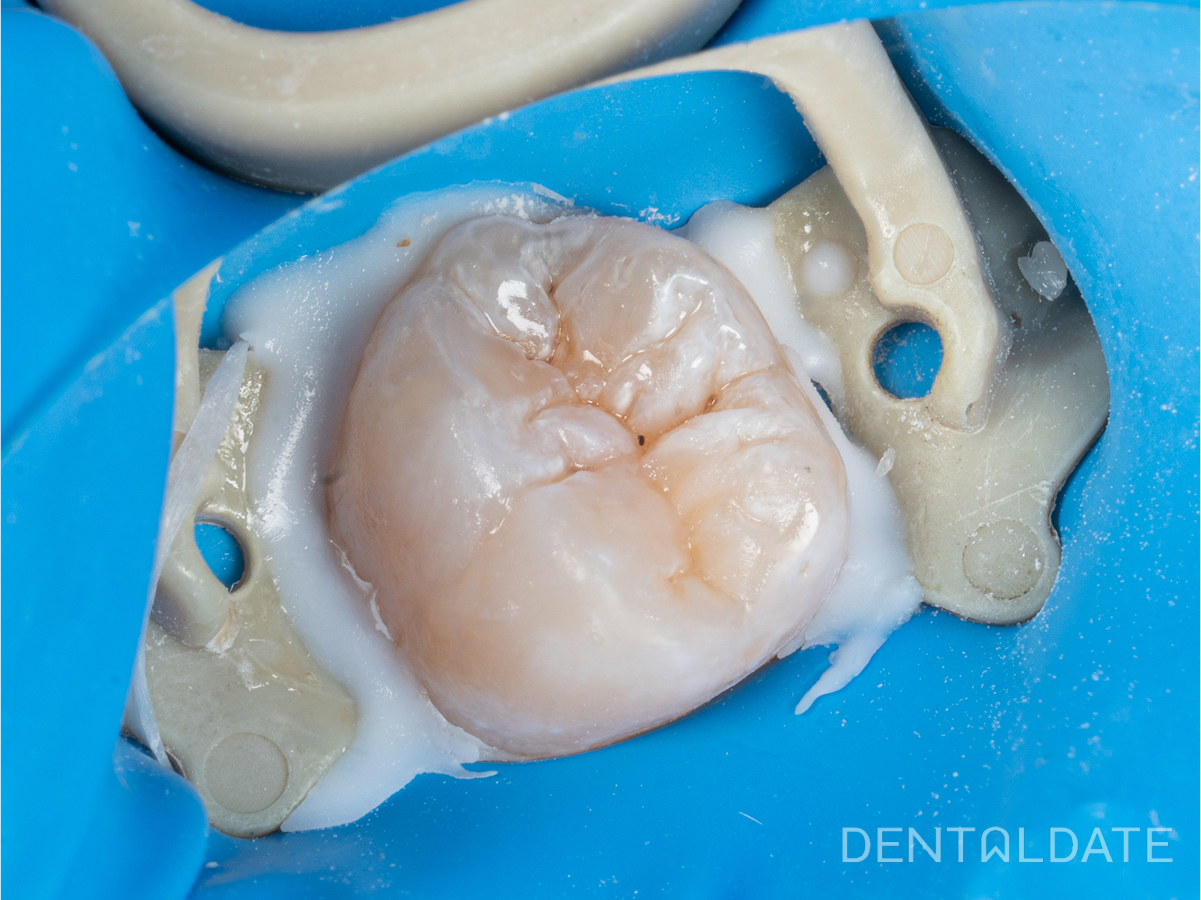
Examination under magnification revealed the following:
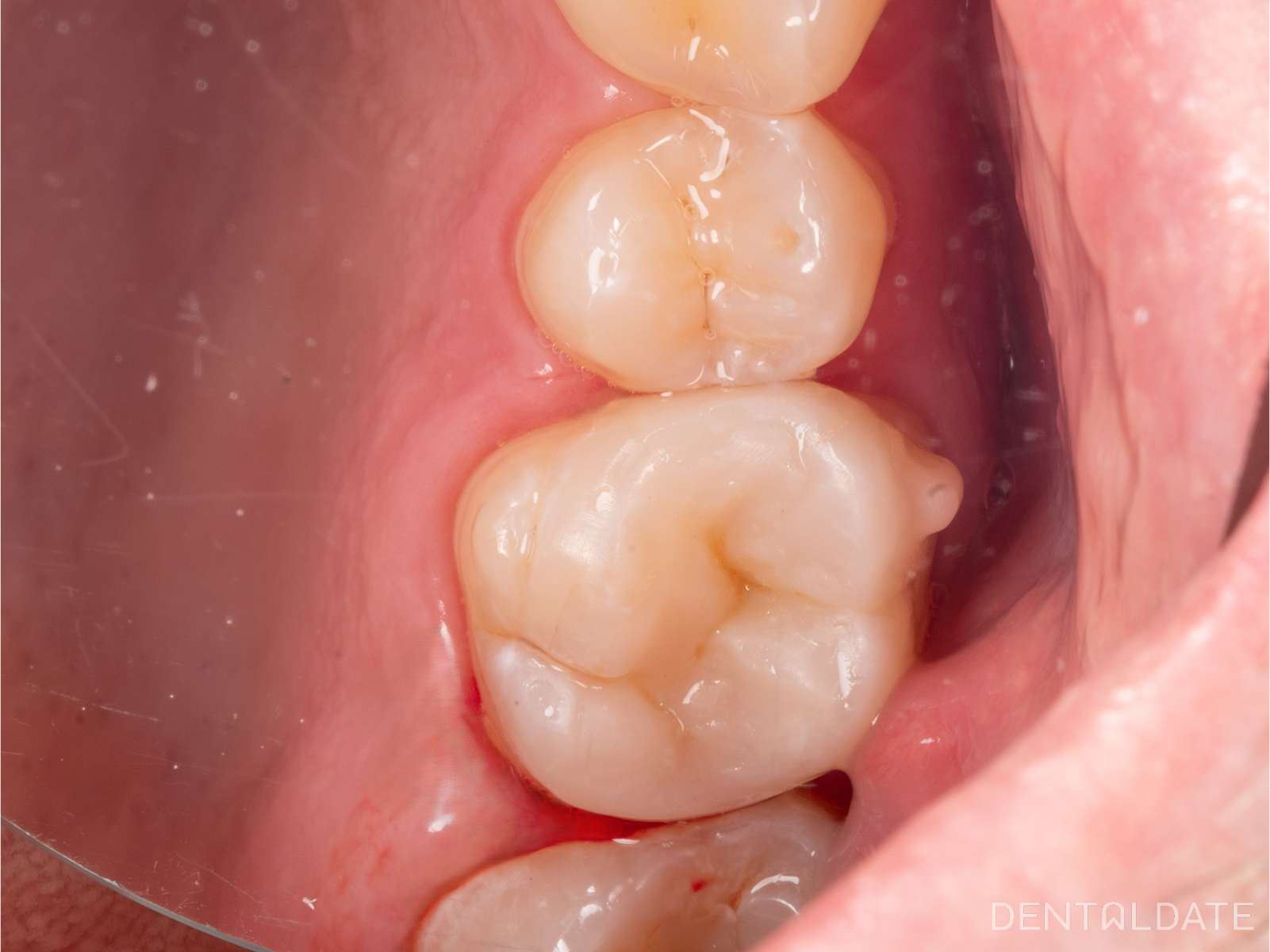
- an old, large restoration on the occlusal and distal proximal surfaces of tooth 1.4 with compromised marginal integrity;
- areas of secondary caries beneath the restoration;
- a carious lesion on the mesial proximal surface of the tooth.
- After removal of the restoration, deep secondary caries was detected with a risk of pulp exposure.
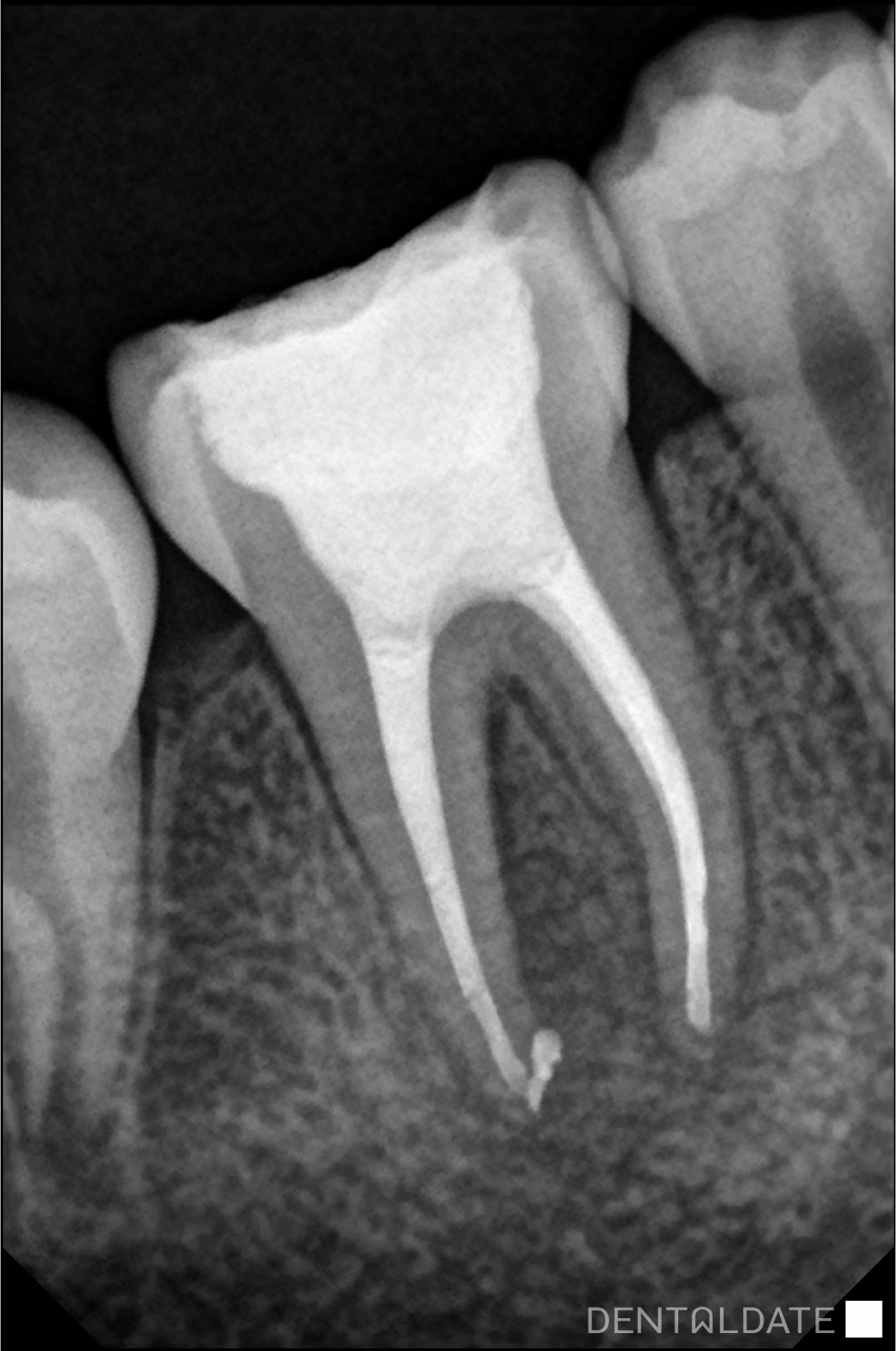
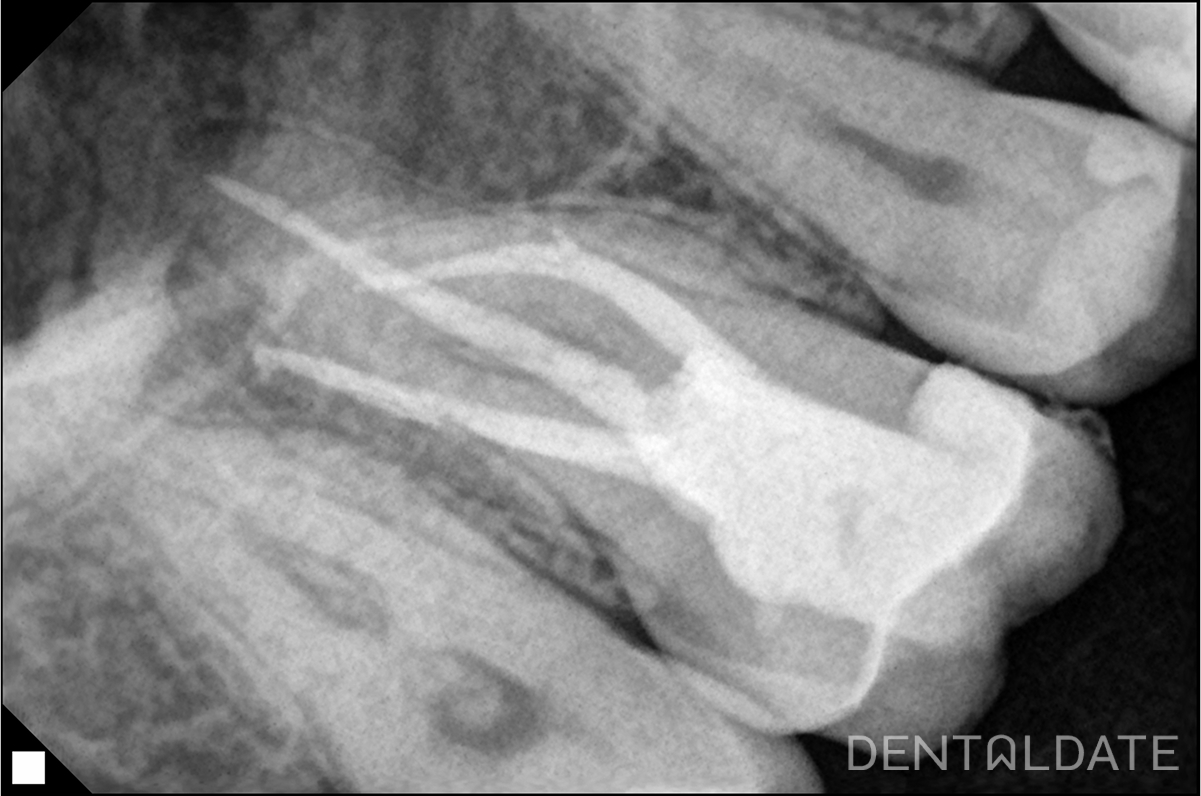
Radiographic examination confirmed that the inflammatory process had not involved the pulp, allowing endodontic treatment to be avoided.


Treatment Stages
- Local anesthesia was administered to ensure patient comfort.
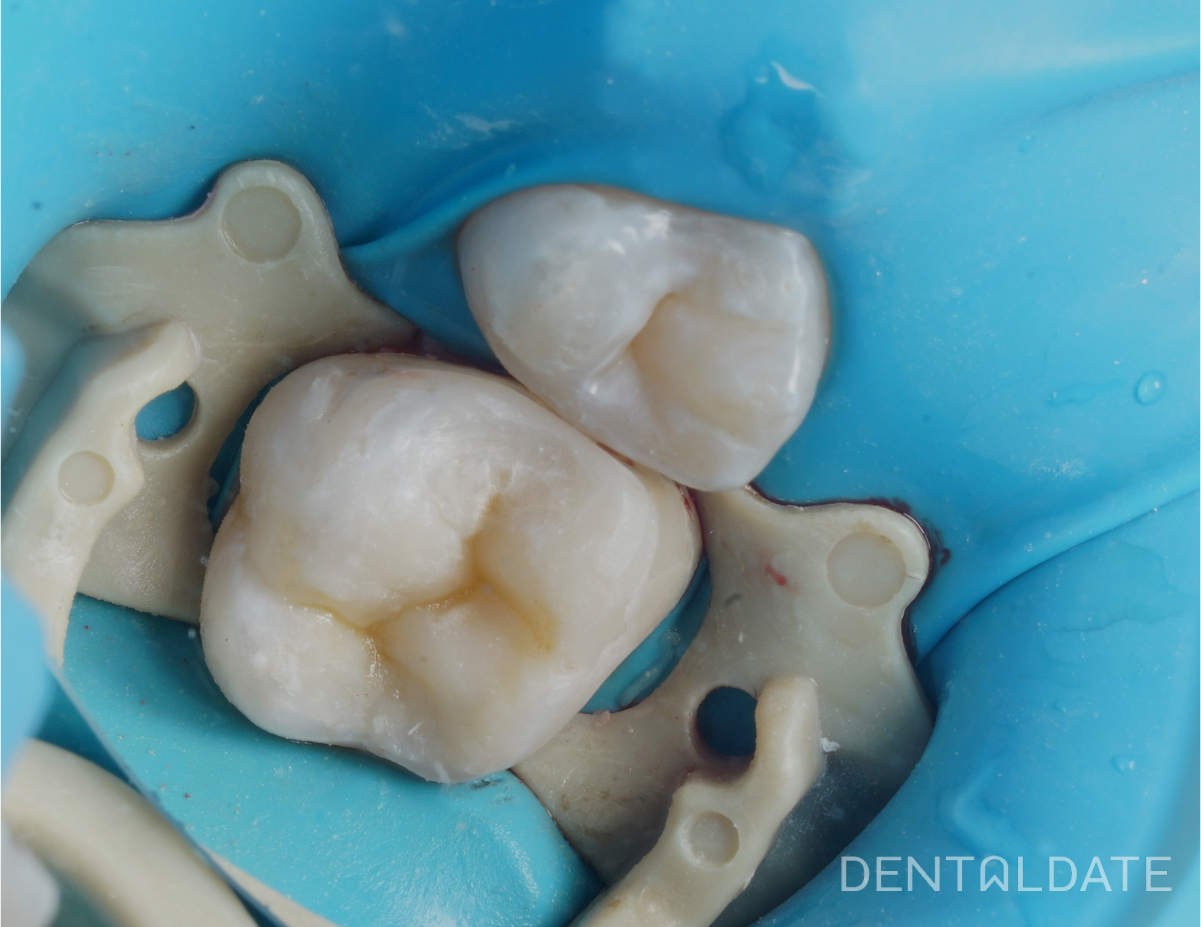
- A rubber dam was applied to protect the operative field from moisture and ensure sterility.
- Using a dental microscope, only the affected tissues were removed, preserving healthy dentin.
- The cavity was thoroughly treated and prepared for restoration.
- Tooth restoration was performed using a modern composite material, with reconstruction of the occlusal and proximal contact surfaces while respecting the anatomical characteristics of the tooth.
- Final finishing and polishing were carried out to ensure optimal aesthetics and long-term durability.

Treatment Outcome
- The tooth was preserved as vital, avoiding pulp removal.
- Sensitivity to cold and sweet stimuli was completely eliminated.
- The anatomical form and function of tooth 1.4 were fully restored, ensuring proper occlusion with the opposing dentition.
- The patient reported that discomfort resolved completely within the first few days after treatment.
Why It Is Important Not to Delay a Dental Visit
Tooth sensitivity to cold or sweet foods is not merely a temporary discomfort, but a sign of developing caries.
Delaying treatment may allow the lesion to progress to the pulp, leading to pain and the need for more complex endodontic treatment or even tooth loss.
Early intervention allows clinicians to:
- preserve tooth vitality;
- avoid prolonged and costly treatment;
- maintain natural tooth tissues.
At DentalDate, we use dental microscopy and advanced adhesive technologies to treat even complex cases as conservatively as possible.
We focus on preserving healthy tooth structure and ensuring patient comfort at every stage of treatment.