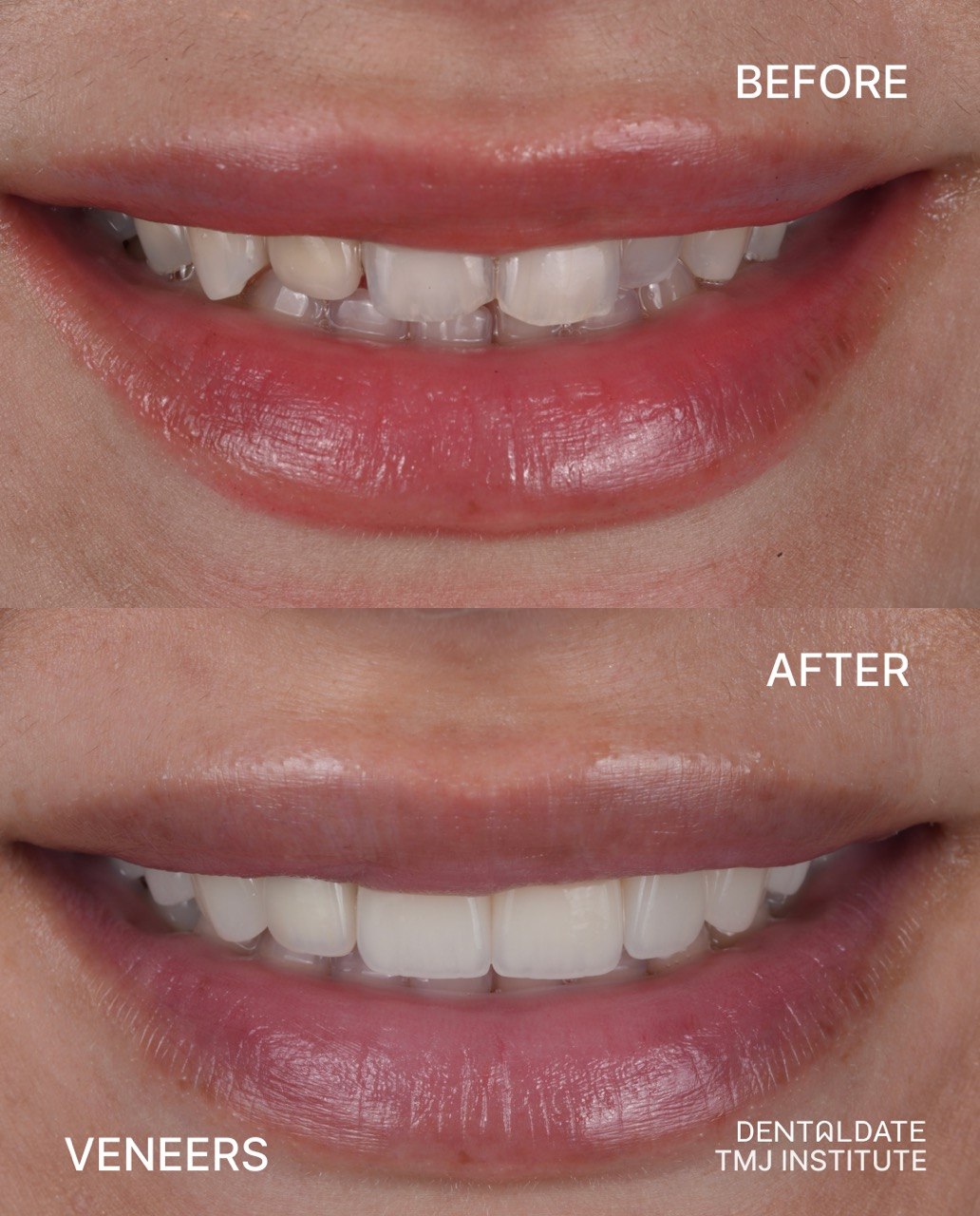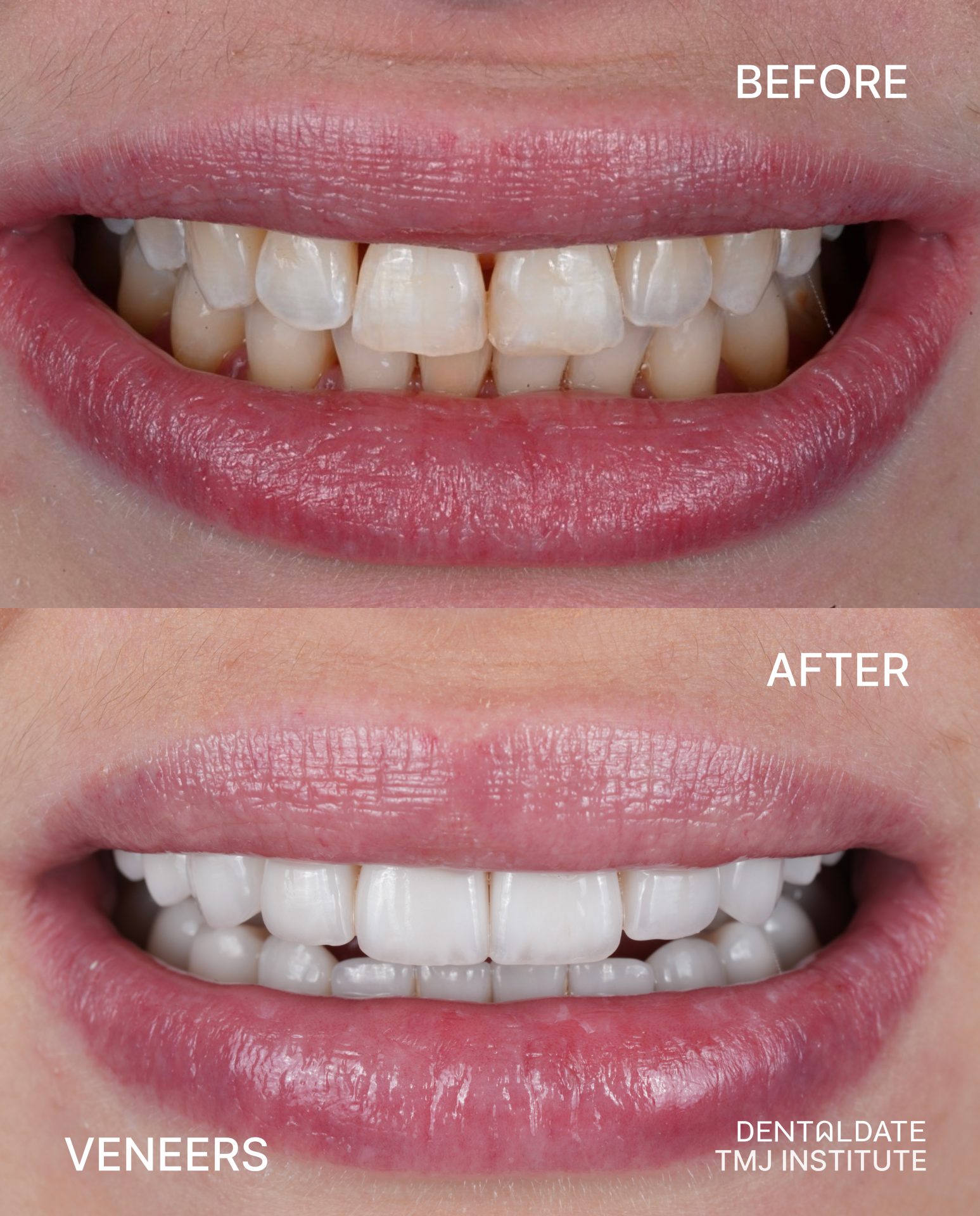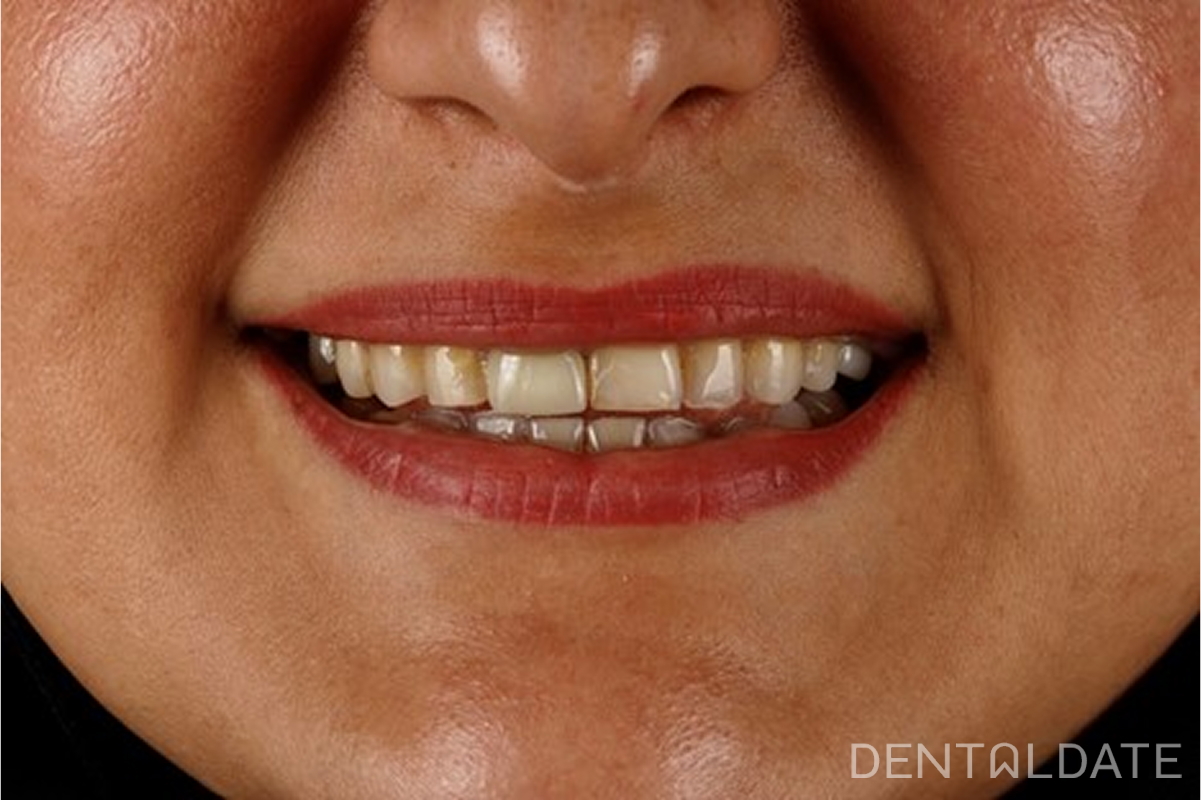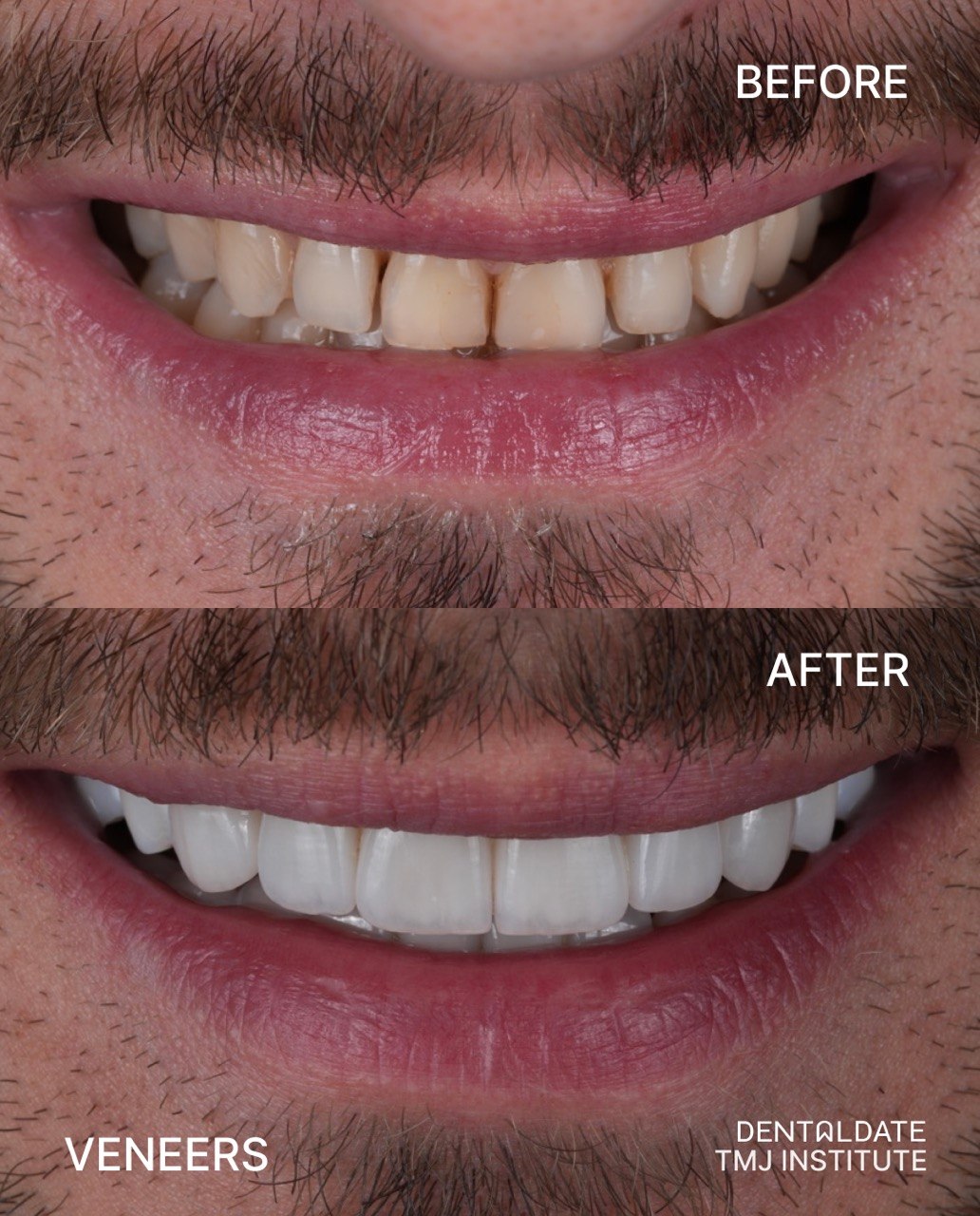

Initial Clinical Situation
Clinical examination revealed pronounced pathological wear of the anterior teeth, altered crown proportions, reduced vertical dimension of occlusion, and signs of functional overload.
Additionally, the following issues were observed:
- disharmony of the dental arches
- disrupted occlusal contacts
- signs of functional imbalance
The clinical situation indicated the need for treatment not only from an esthetic perspective but also from a functional (gnathological) standpoint.
Prior to treatment, a comprehensive diagnostic protocol was performed, including:
- occlusal analysis
- assessment of temporomandibular joint (TMJ) function
- determination of the optimal mandibular position
The primary goal was not simply to improve the appearance of the teeth, but to restore proper function of the masticatory system and create a stable foundation for a long-term result.
Stage 1: Aligner-Based Preparation (Gnathological Concept)
At the first stage, orthodontic preparation was carried out using aligners.
Treatment was performed within a gnathological framework, allowing to:
- Correct tooth positioning in three-dimensional space
- Align the dental arches and optimize occlusal contacts
- Create a proper “perimeter” for subsequent prosthetic rehabilitation
- Establish a physiologic mandibular position
This stage is critically important, as it forms the functional foundation for future restorations.
Stage 2: Anatomical Restoration with Veneers
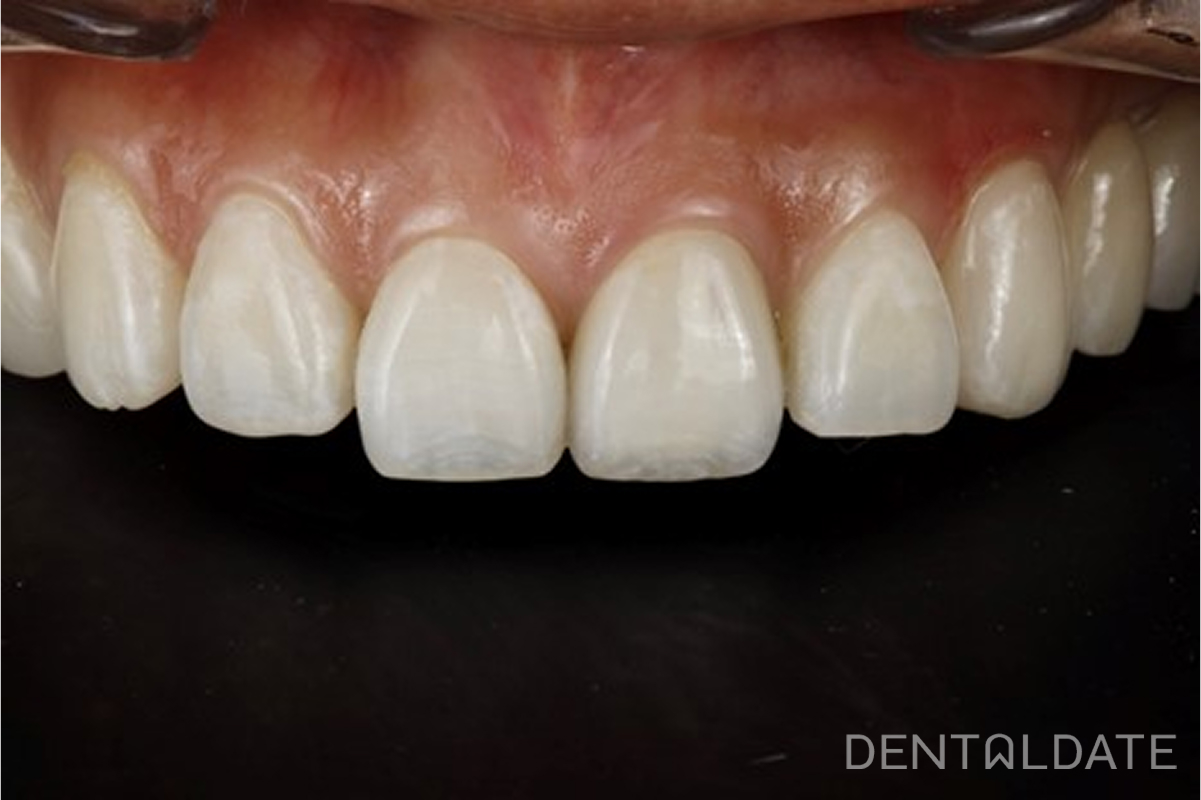
Following completion of orthodontic preparation, prosthetic rehabilitation was performed using veneers.
The key objectives at this stage were:
- restoration of lost tooth height
- reconstruction of anatomical form, including micro- and macro-texture
- achievement of natural esthetics (translucency, texture, light dynamics)
- integration of restorations into a new functional occlusion
The veneers were fabricated taking into account:
- the patient’s individual characteristics
- facial features
- smile dynamics
- functional parameters
Treatment Outcome
As a result of treatment:
- anatomical shape and length of the teeth were restored
- vertical dimension of occlusion was normalized
- smile and facial harmony were achieved
- stable and physiologic occlusion was established
- signs of functional overload were eliminated
The final smile appears natural, without an artificial look, while preserving the patient’s individuality.
This clinical case highlights the importance of a comprehensive approach: the combination of orthodontics and prosthodontics within a gnathological concept allows achieving not only esthetic excellence but also functional stability.
Notably, the final outcome was highly appreciated not only by the patient but also by the professional community — the work was recognized by well-known dentists, emphasizing the high level of execution, attention to detail, and overall quality of the result.