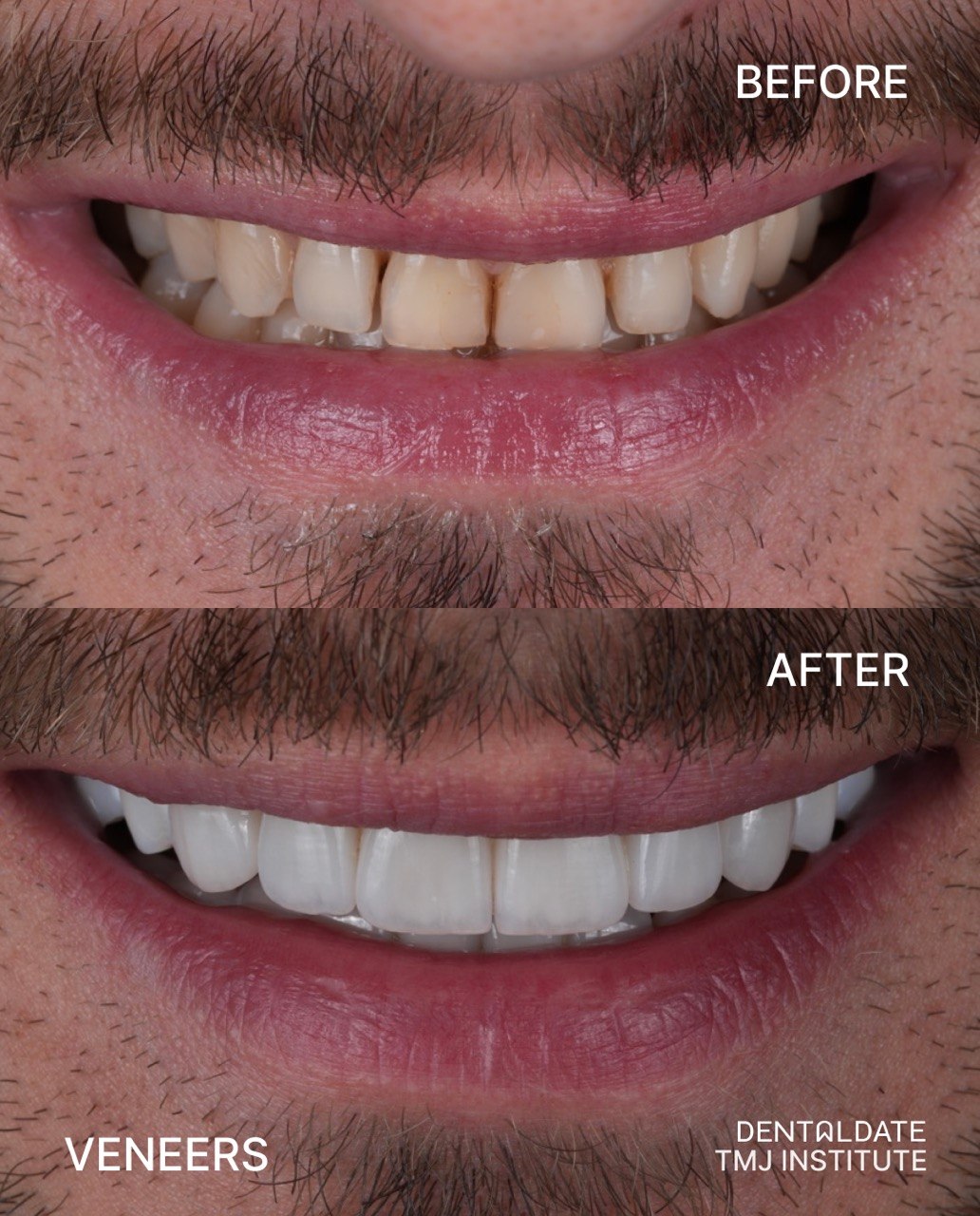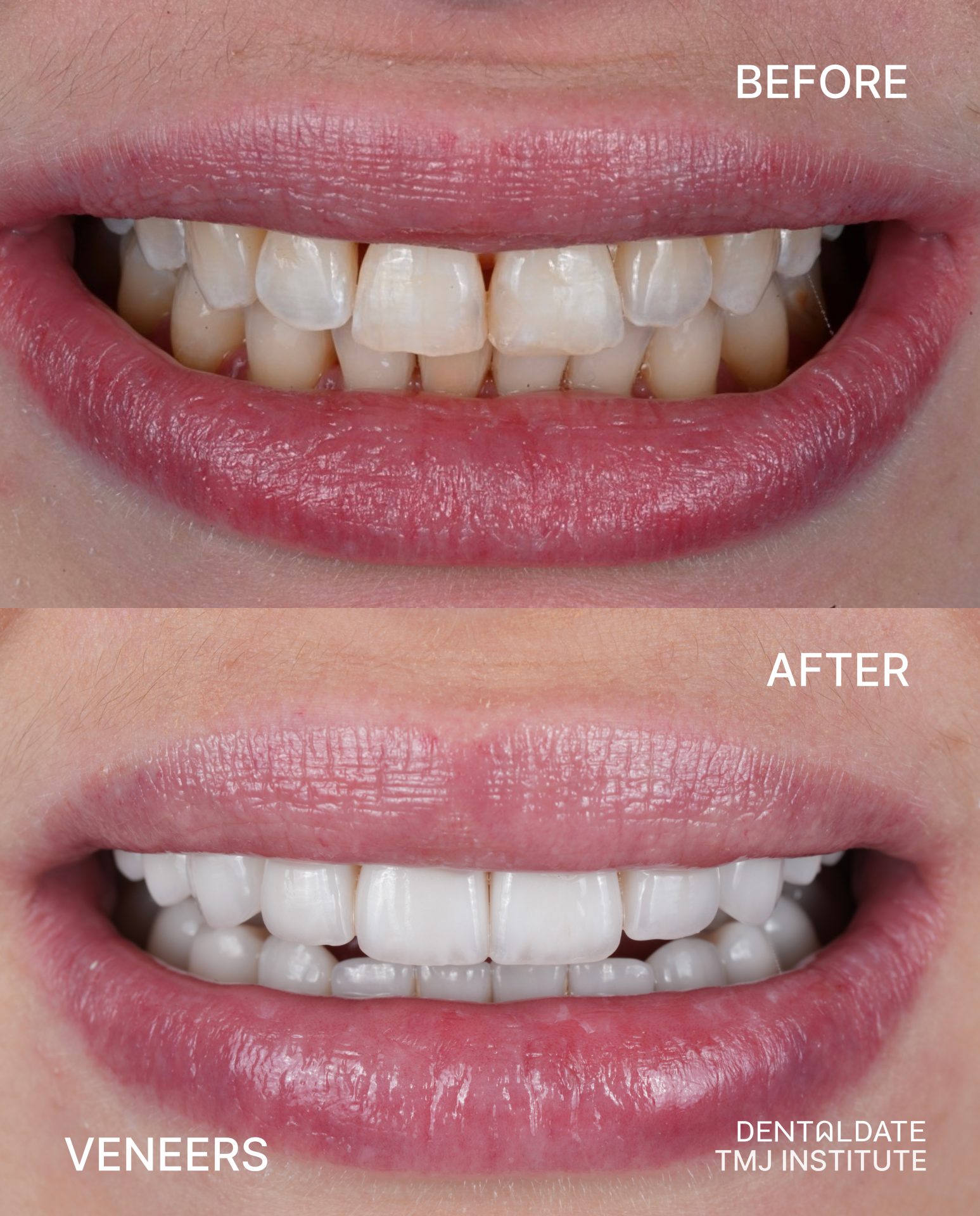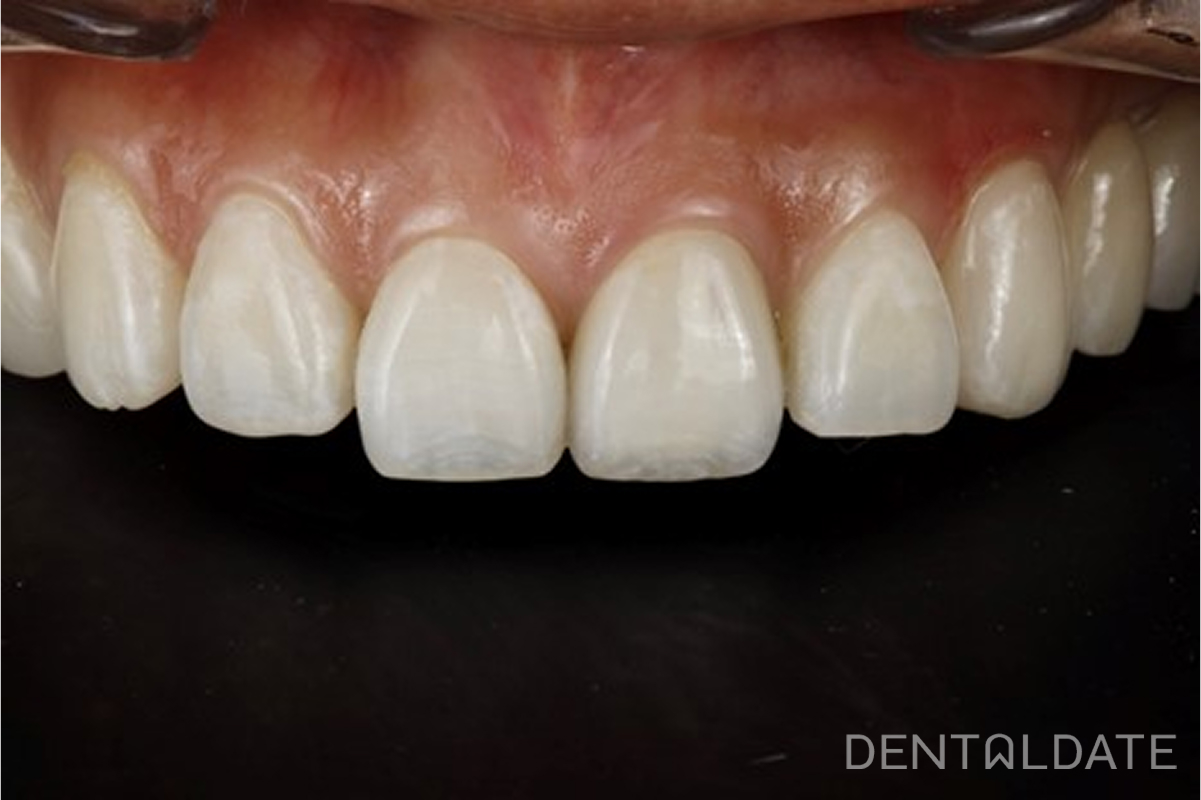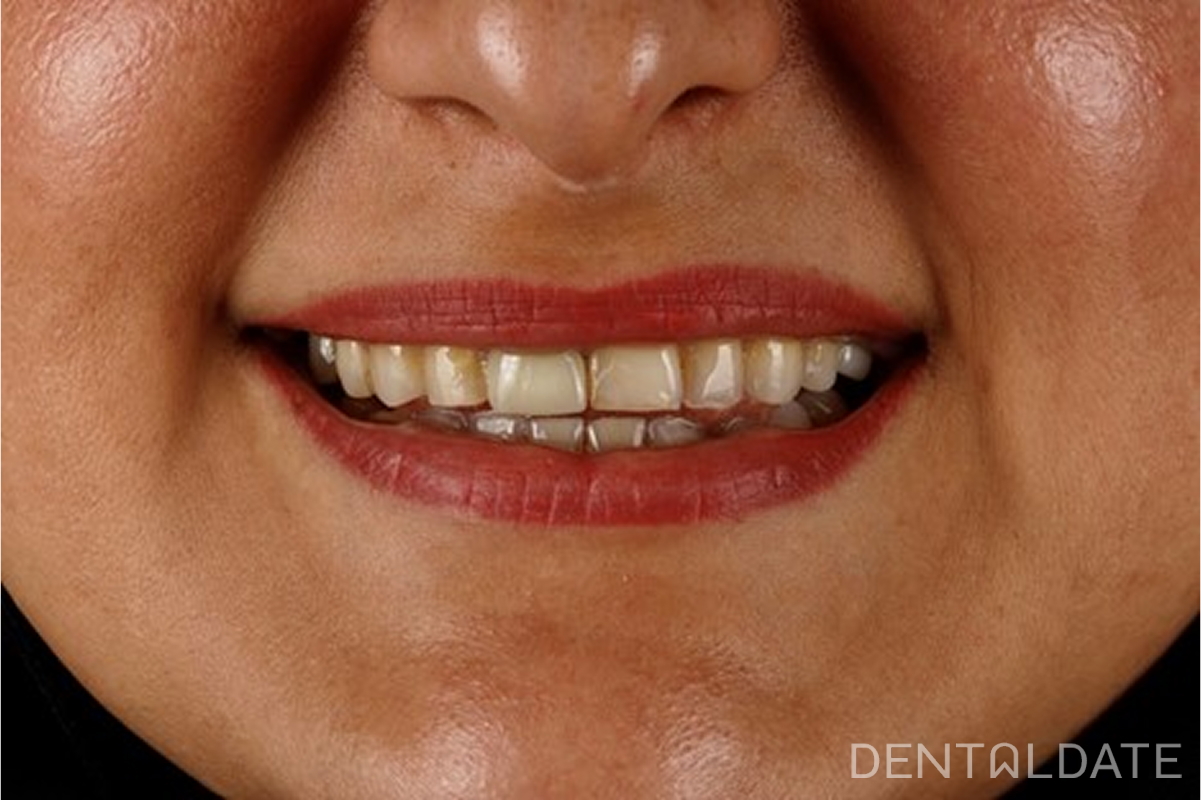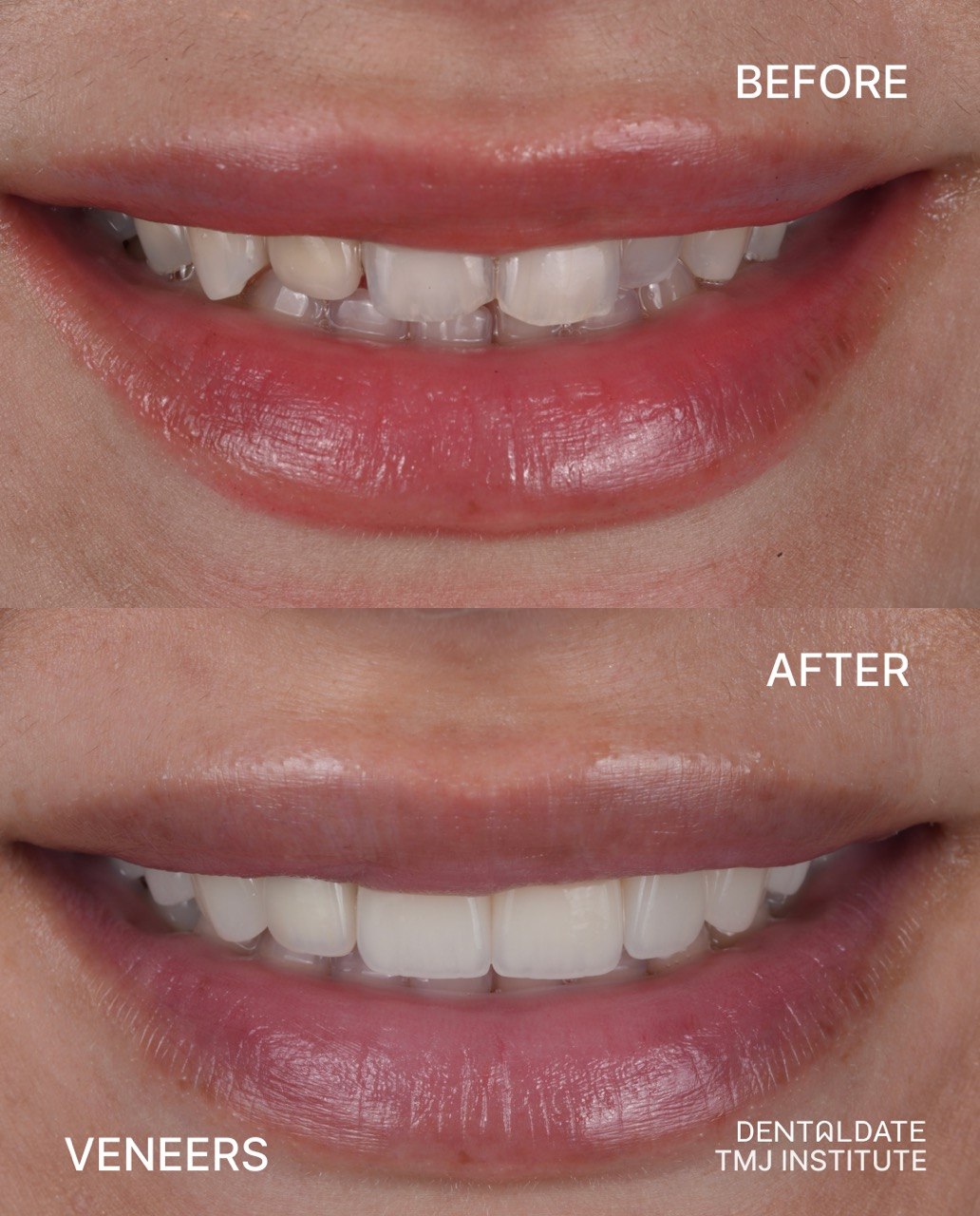

Initial Clinical Situation
Clinical examination revealed residual malposition of teeth, uneven incisal edges, and disharmony in tooth proportions.
The occlusal scheme was relatively stable; however, the alignment and morphology of the anterior teeth did not meet the patient’s expectations and required further correction.
A comprehensive diagnostic protocol was performed, including:
- occlusal analysis
- evaluation of tooth position
- assessment of tooth proportions
- smile dynamics analysis
Considering the clinical situation, complete orthodontic retreatment would have required significant time.
Based on the diagnostic findings, it was determined that the case could be completed within a significantly shorter timeframe using ceramic restorations while maintaining functional stability.
Treatment Approach: Ceramic Restorations (Compromise Strategy)
The treatment strategy focused on achieving an optimal esthetic result through minimally invasive prosthetic correction.
Key treatment objectives
- correction of visual tooth alignment without full orthodontic retreatment
- harmonization of tooth proportions and incisal line
- improvement of smile symmetry
- preservation of functional occlusion
Ceramic restorations were carefully planned to compensate for residual orthodontic discrepancies while maintaining a conservative approach to tooth preparation.
Treatment Outcome
As a result of treatment:
- the smile became more symmetrical and balanced
- tooth proportions and incisal edges were harmonized
- visual alignment of the anterior teeth was significantly improved
- a natural and highly esthetic outcome was achieved
The final result appears extremely natural, with restorations seamlessly integrated into the patient’s smile.
This clinical case demonstrates that, in selected situations, a well-planned compromise approach can provide an excellent esthetic outcome within a short timeframe while avoiding prolonged orthodontic retreatment.
Key factors contributing to the success of the treatment included:
- careful diagnosis
- correct treatment planning
- precise execution of ceramic restorations