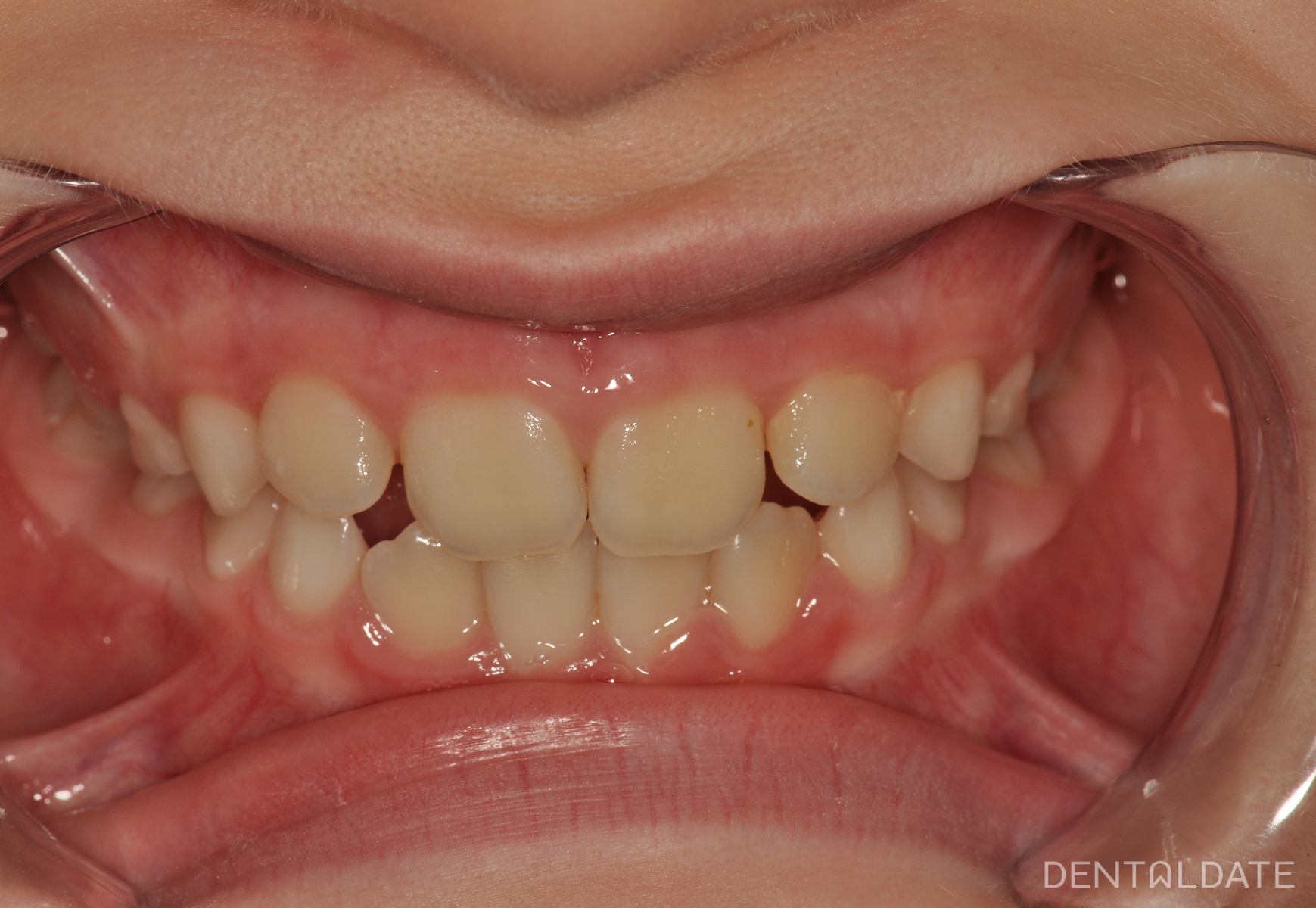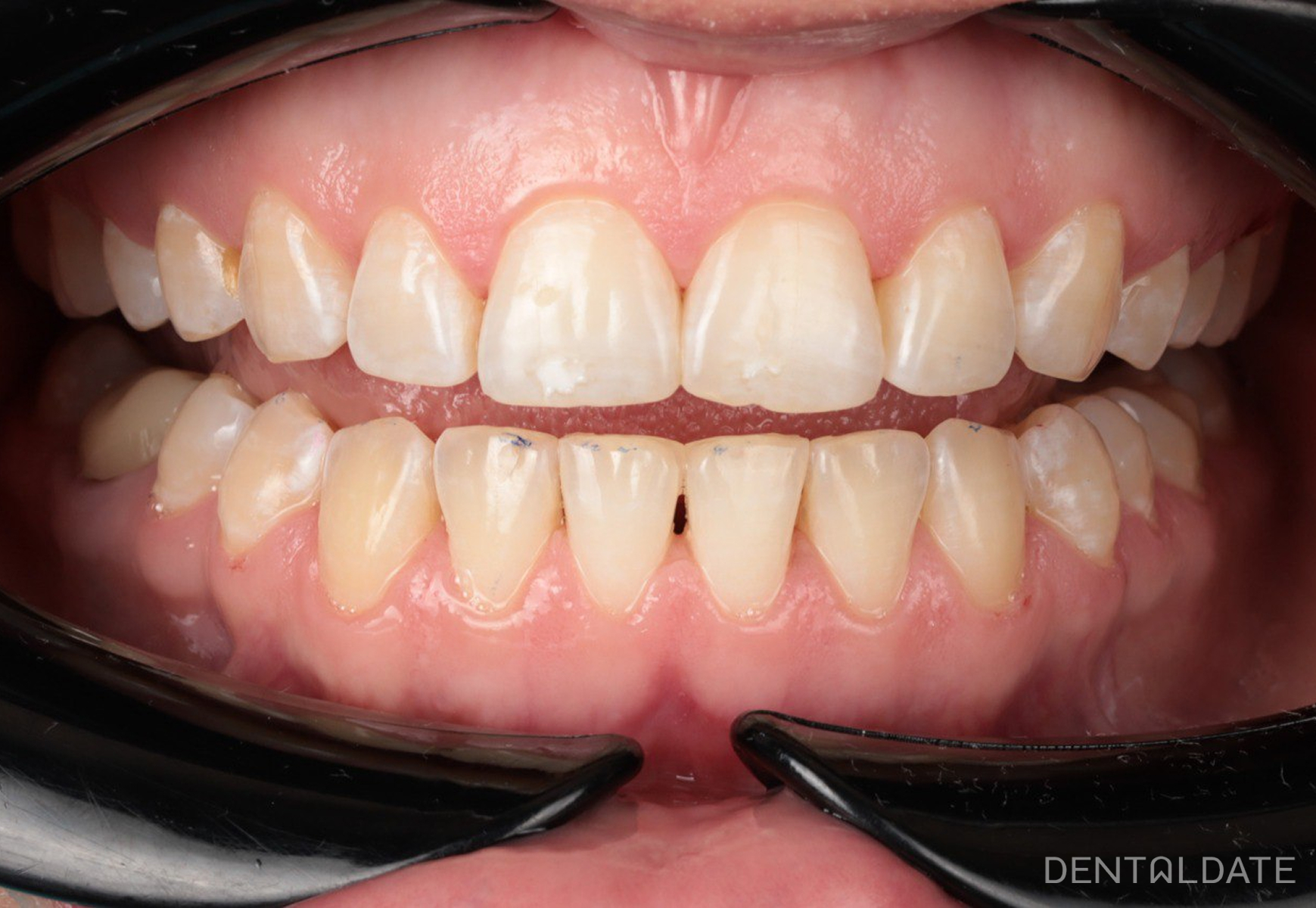
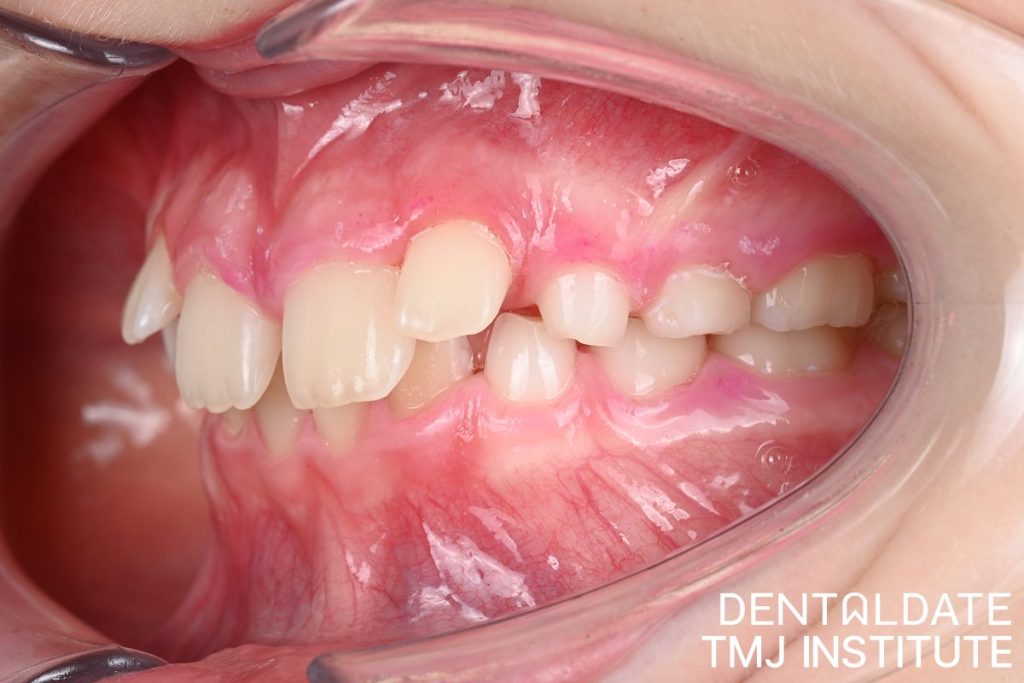
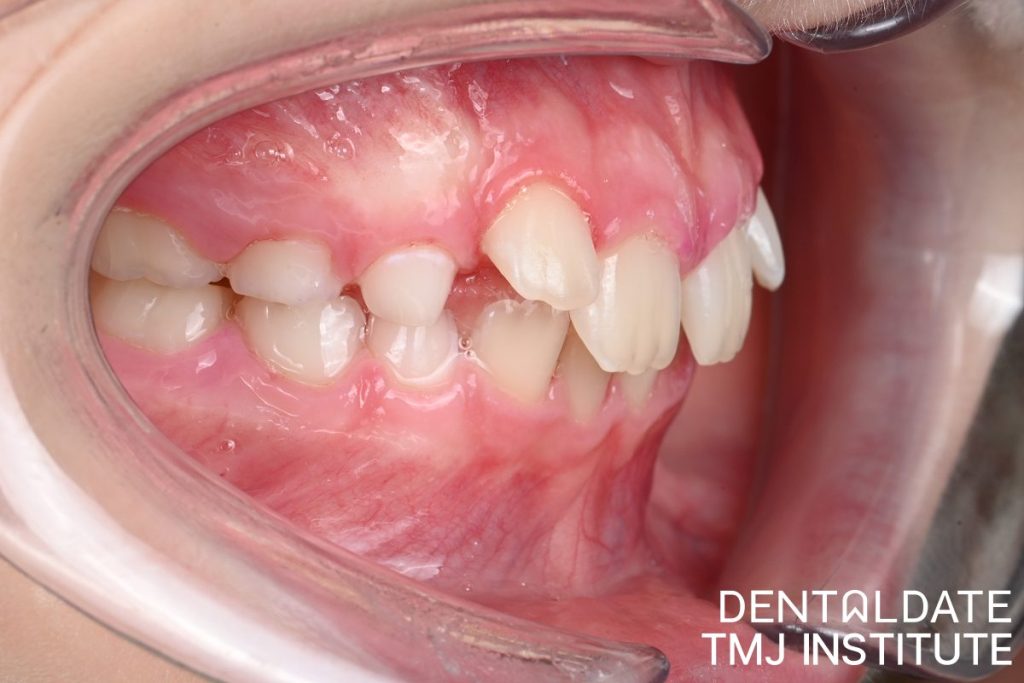
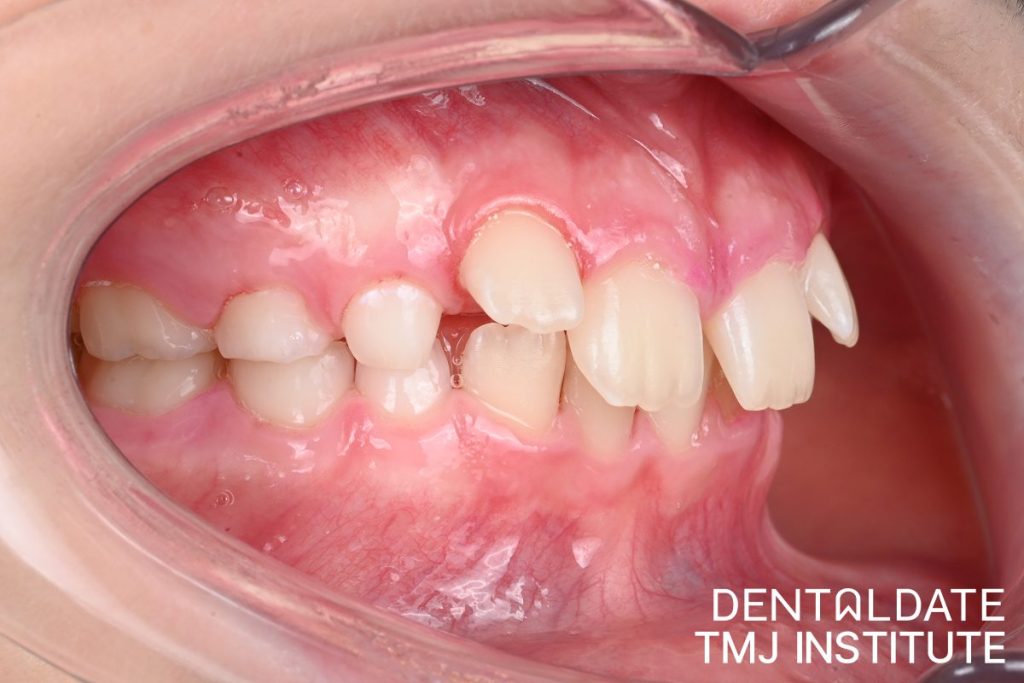
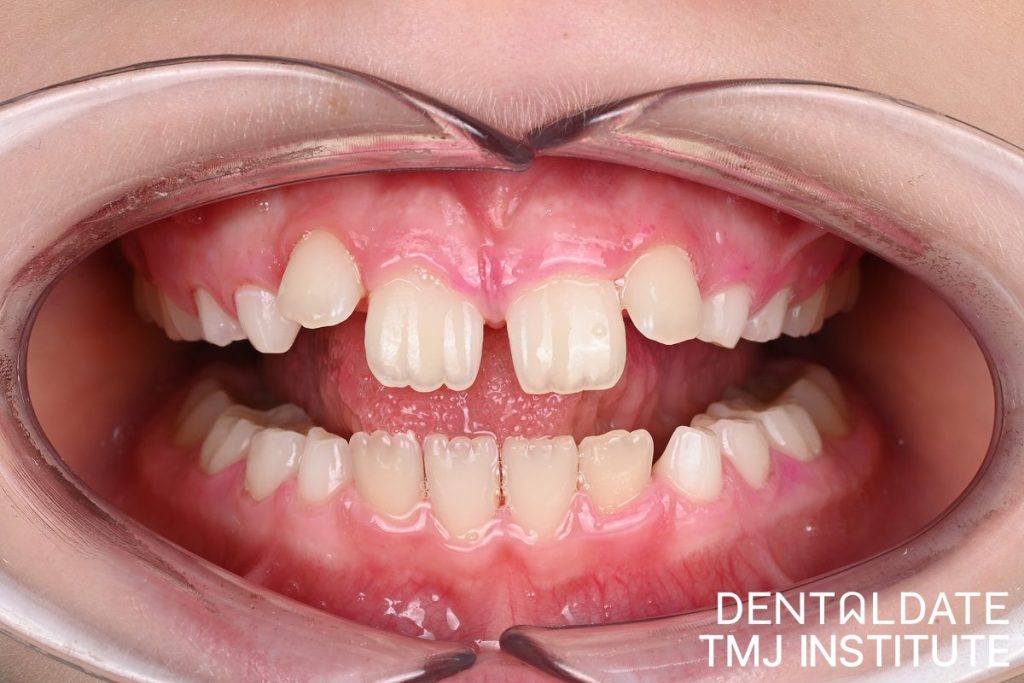
The assessment identified a developing distal bite, deep overbite, and a functional shift of the lower jaw to the right during occlusion. Limited space within the dental arches also affected the conditions for proper eruption of the permanent incisors.
This clinical situation required a comprehensive orthodontic plan focused not only on improving incisor alignment, but also on creating more favourable conditions for bite development.
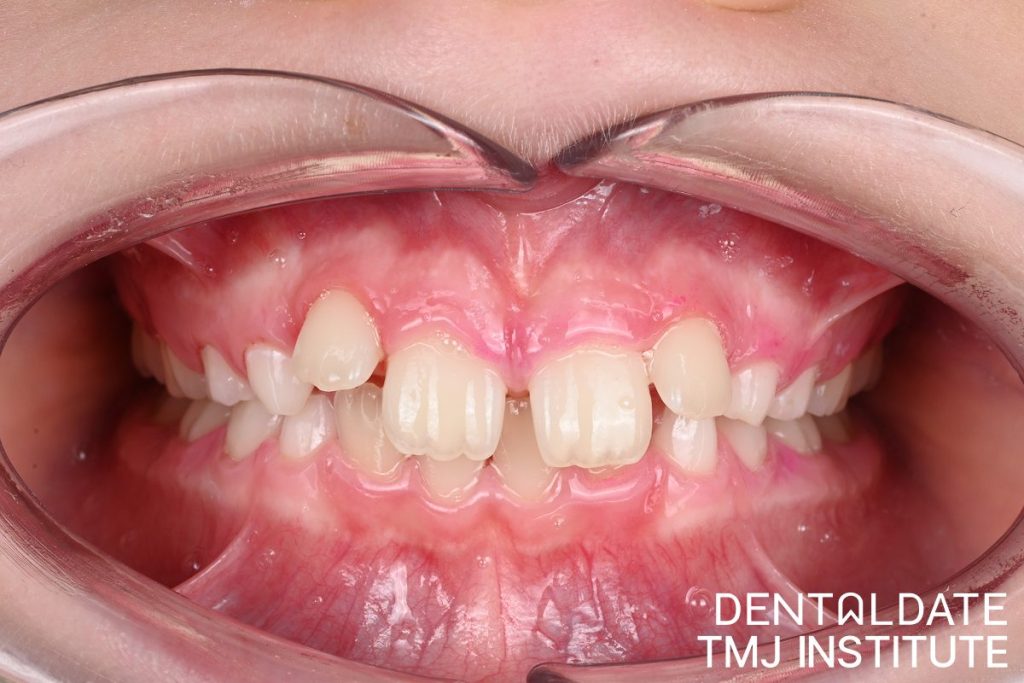
Diagnostics and Digital Treatment Planning
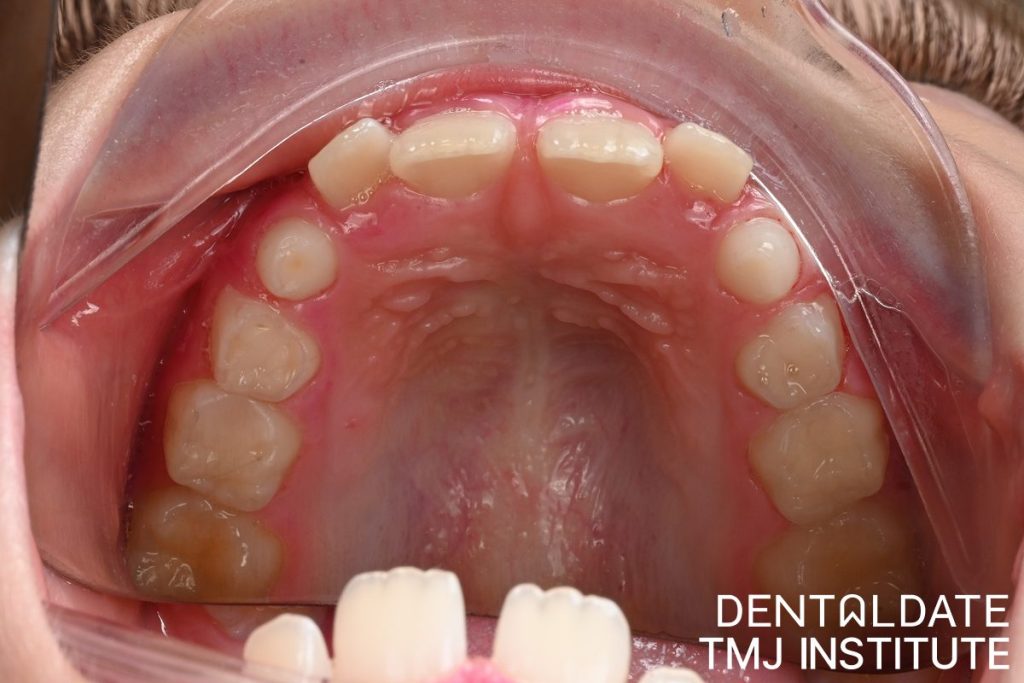
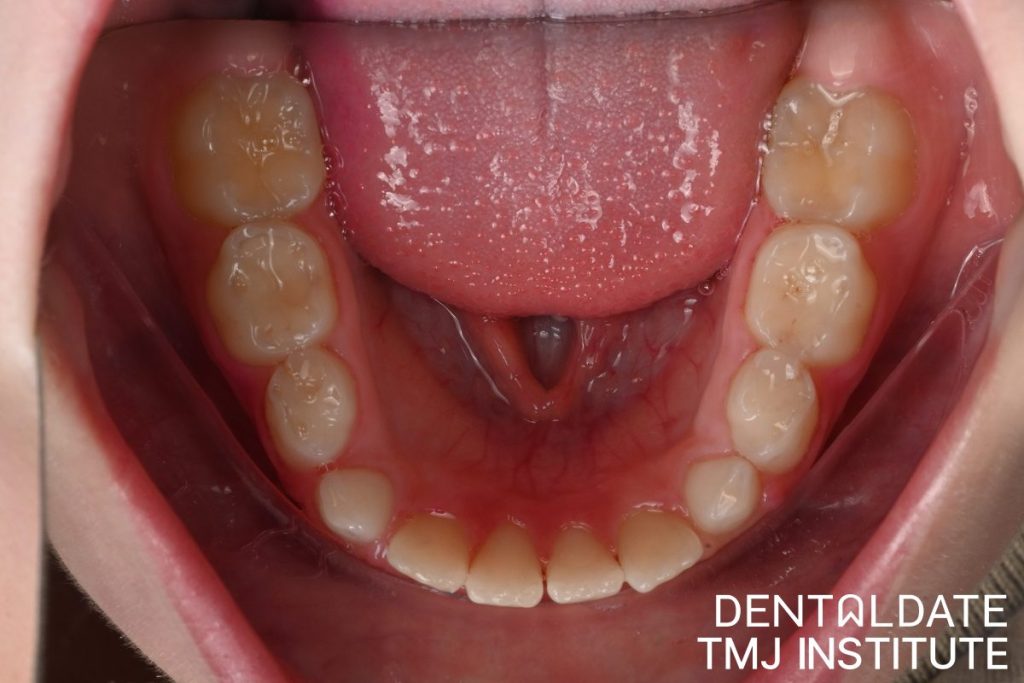
A complete diagnostic protocol was completed before treatment. It included a minor functional analysis, CBCT imaging, and digital scans of the jaws and bite.
Based on these records, a precise digital aligner treatment plan was created. The plan includes 19 sets of aligners, with each stage designed to guide the planned tooth movements and changes in lower jaw position throughout treatment.
Digital planning allows the orthodontist to define the sequence of correction in advance and monitor progress at each treatment stage.
Treatment Objectives
The orthodontic plan was designed to address several key goals:
- expansion of the dental arches;
- creation of space for proper eruption of permanent teeth;
- improvement of upper incisor alignment;
- correction of the deep overbite;
- correction of the functional lower jaw shift to the right;
- improvement of smile shape and bite harmony.
Current Stage of Treatment
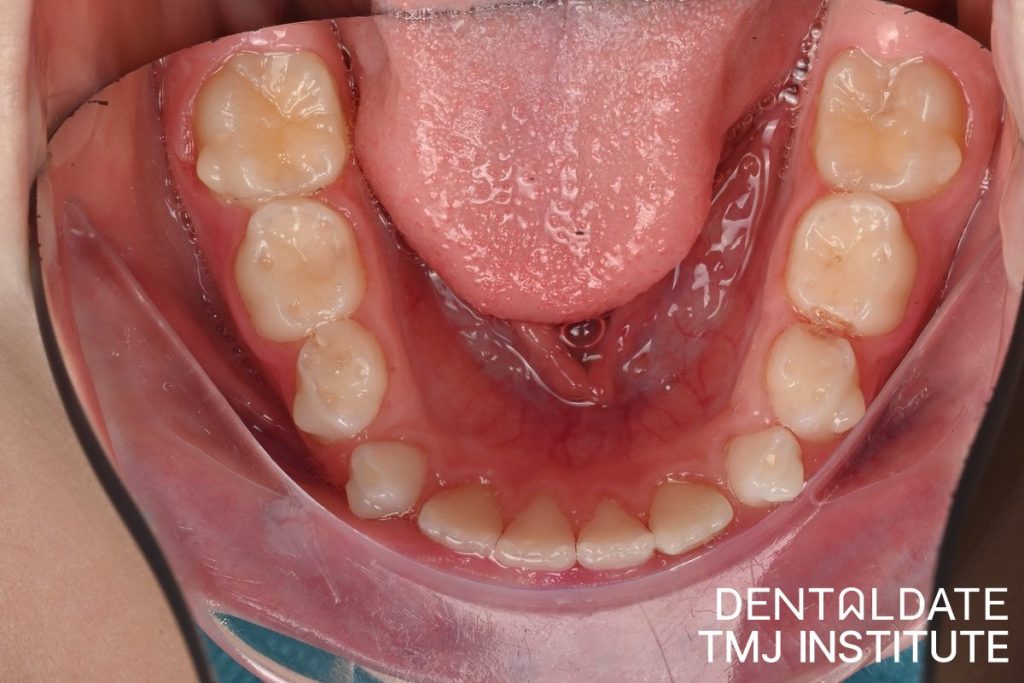
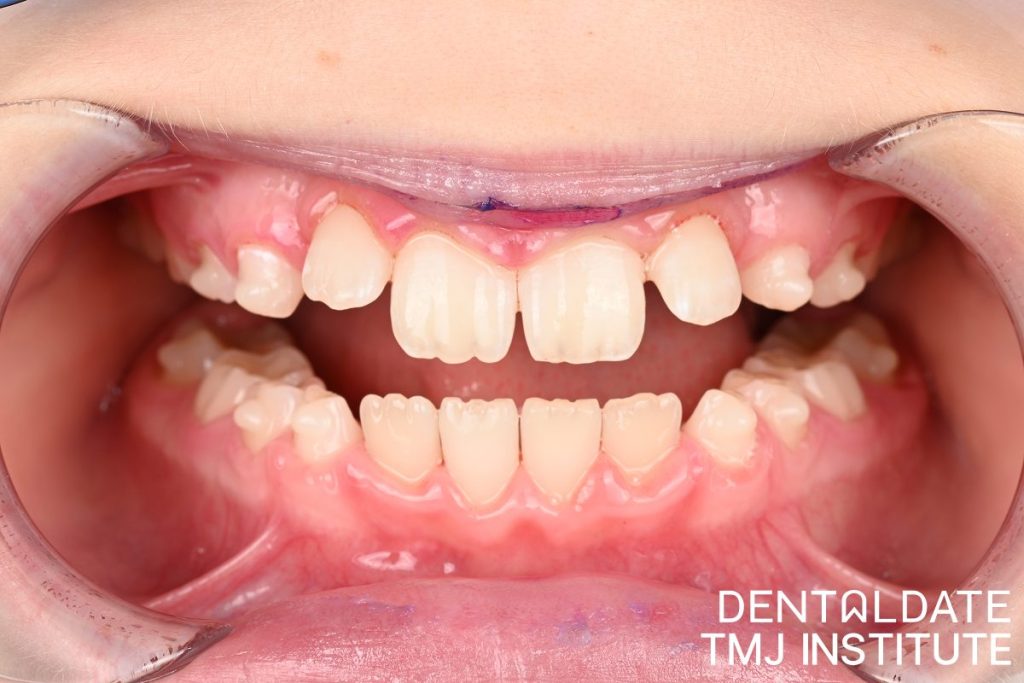
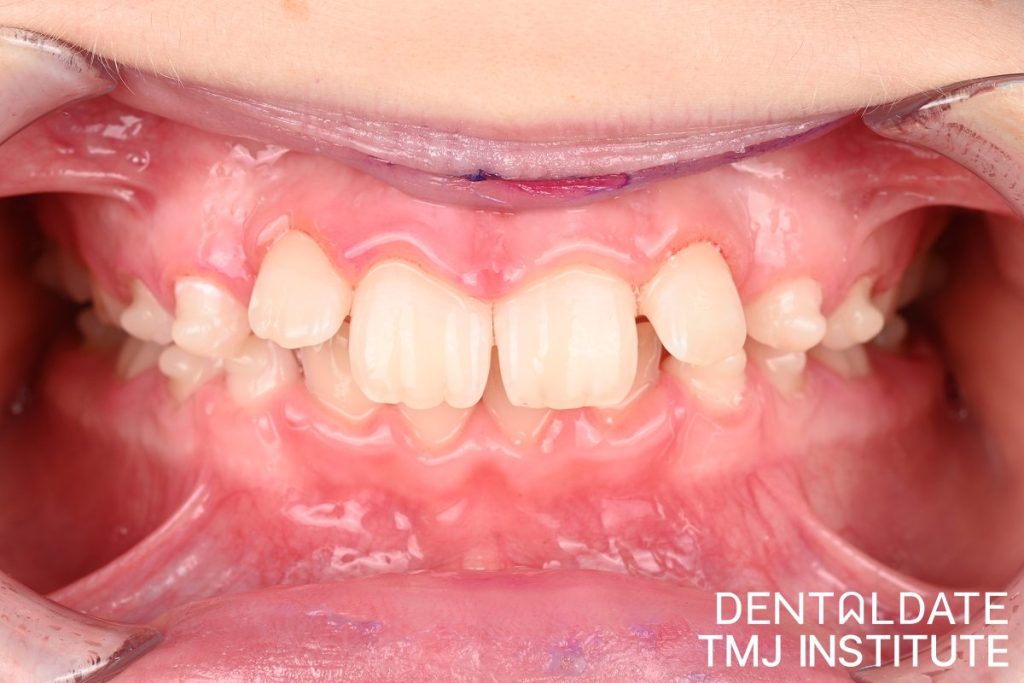
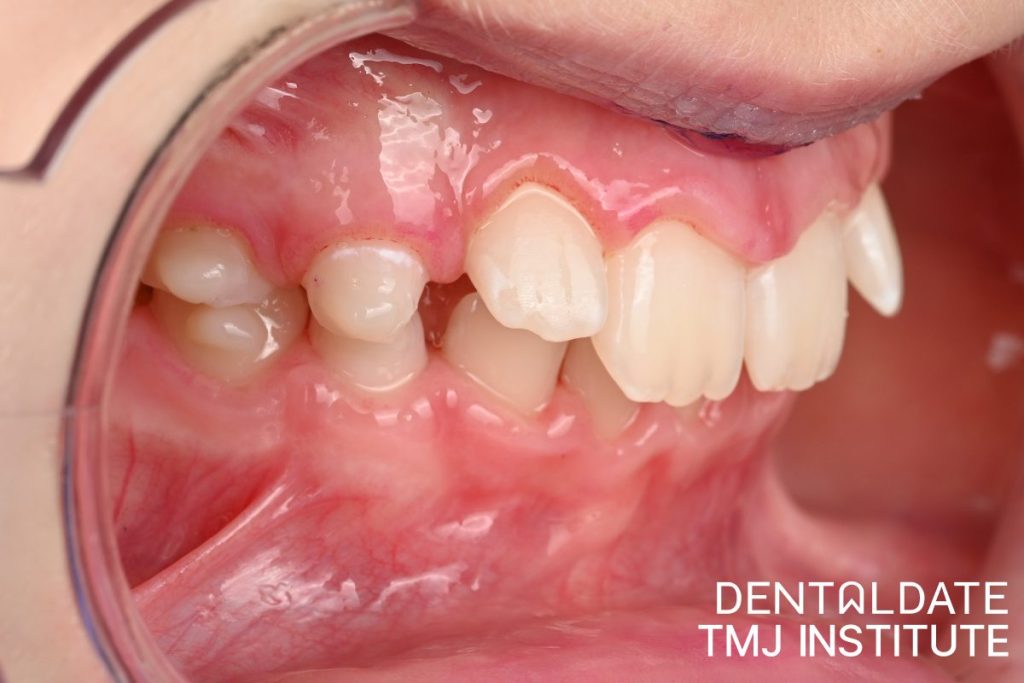
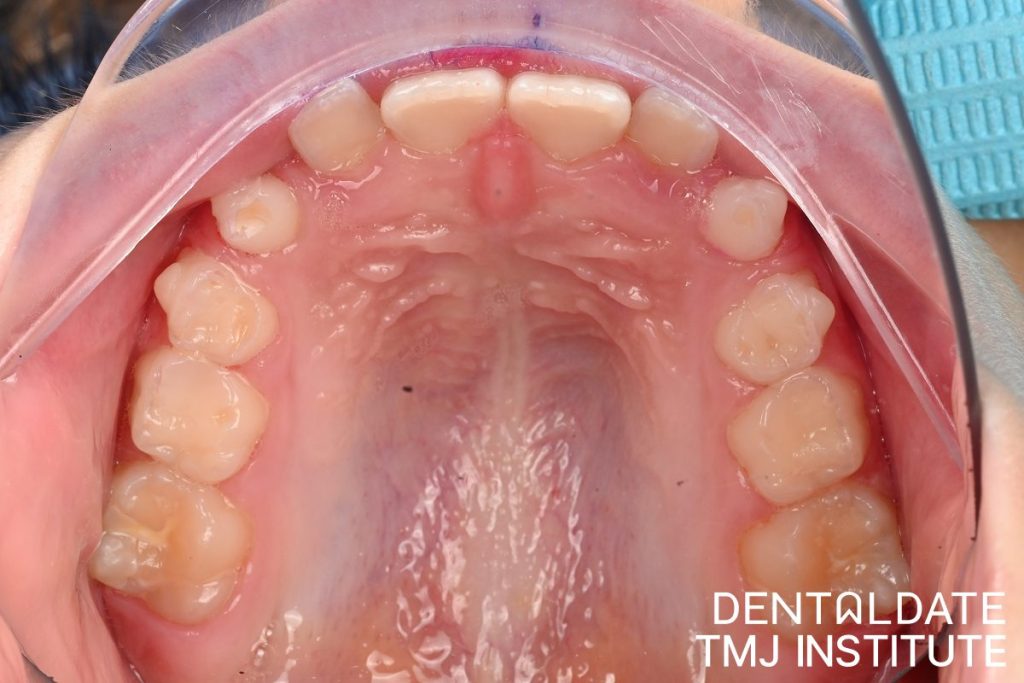
The patient is currently wearing aligner set number 9 out of 19 planned sets. Positive changes are already clearly visible at this stage.
The dental arches have expanded, creating more space for the permanent teeth. The lower jaw has started to move toward a more centred position, while the position of the upper incisors and the overall smile shape continue to improve.
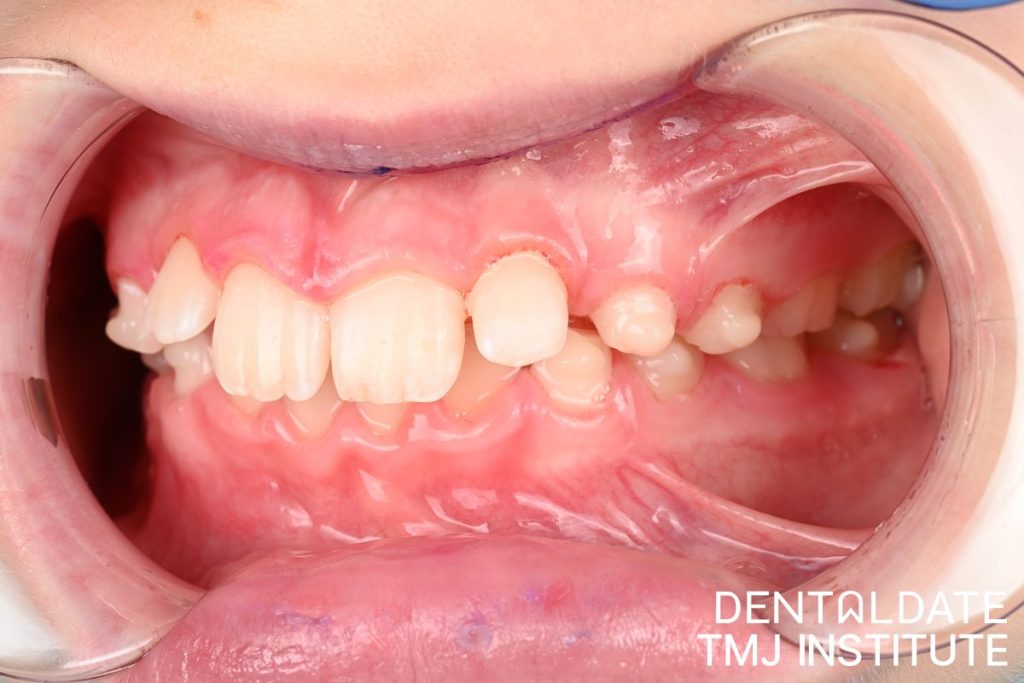
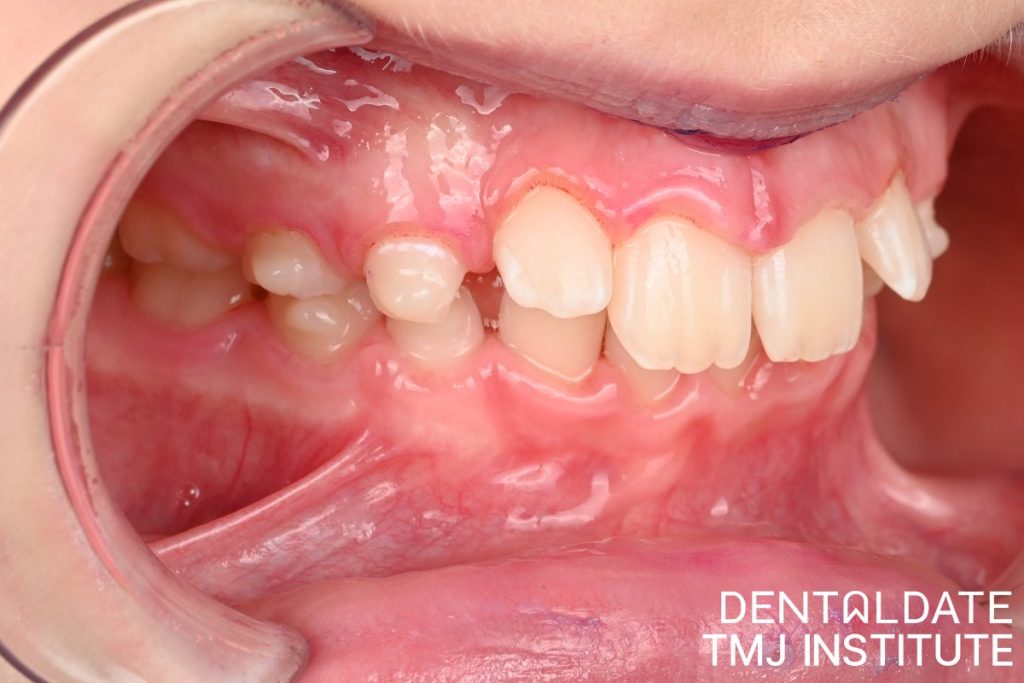
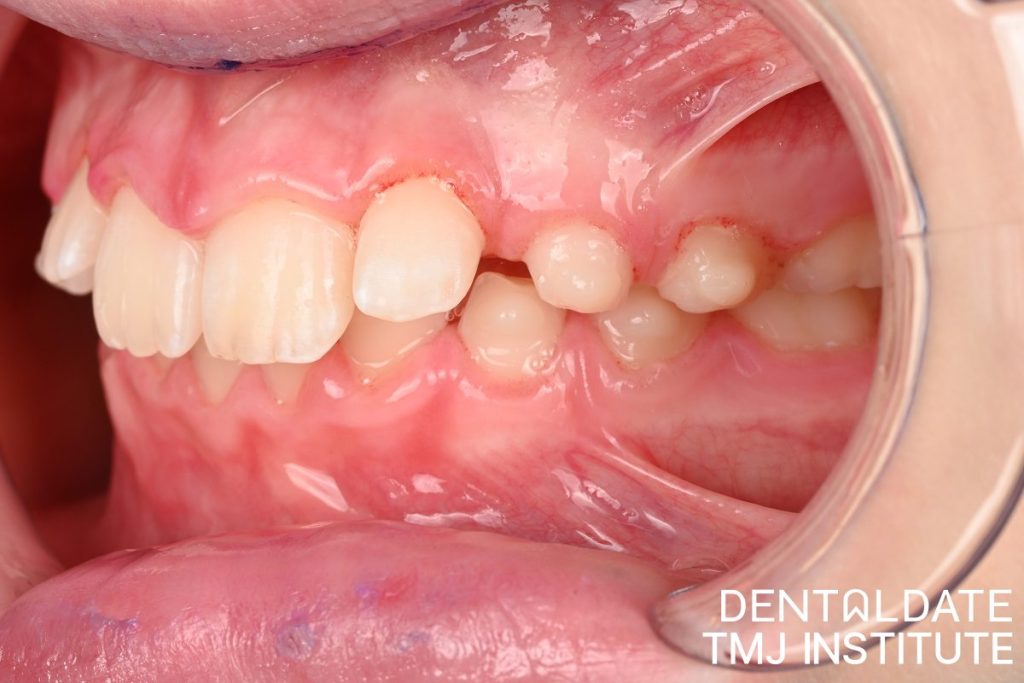
The Role of Occlusal Wings
At the current stage, the patient is wearing aligners with occlusal wings. These elements gently guide the lower jaw forward and support correction of the jaw relationship as part of the planned treatment.
This approach allows the bite to be corrected gradually while maintaining a physiological direction of lower jaw movement, without discomfort or excessive stress on the joints.
Ongoing Treatment
Treatment is continuing according to the digital plan. With each aligner change, the orthodontist monitors tooth position, bite development, and the progress of the planned correction.
The next stages will focus on continuing to create space for permanent teeth, improving incisor position, and supporting a more harmonious relationship between the dental arches and jaws.
Children’s Aligner Treatment at DentalDate
Uneven eruption of permanent teeth, lack of space, deep overbite, or a lower jaw shift may develop gradually and may not always cause noticeable complaints.
At DentalDate, the orthodontist performs a comprehensive assessment of the child’s bite and creates an individual digital treatment plan. Aligners can be considered as an option for early orthodontic correction when the clinical situation allows this approach.