



Clinical Assessment
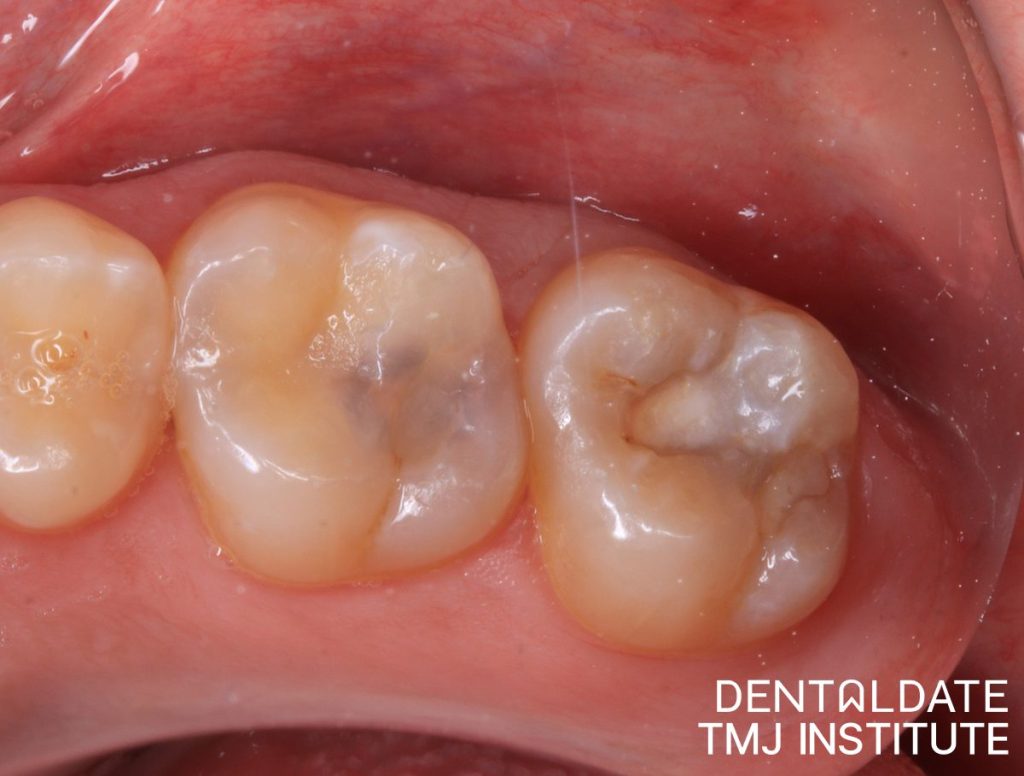
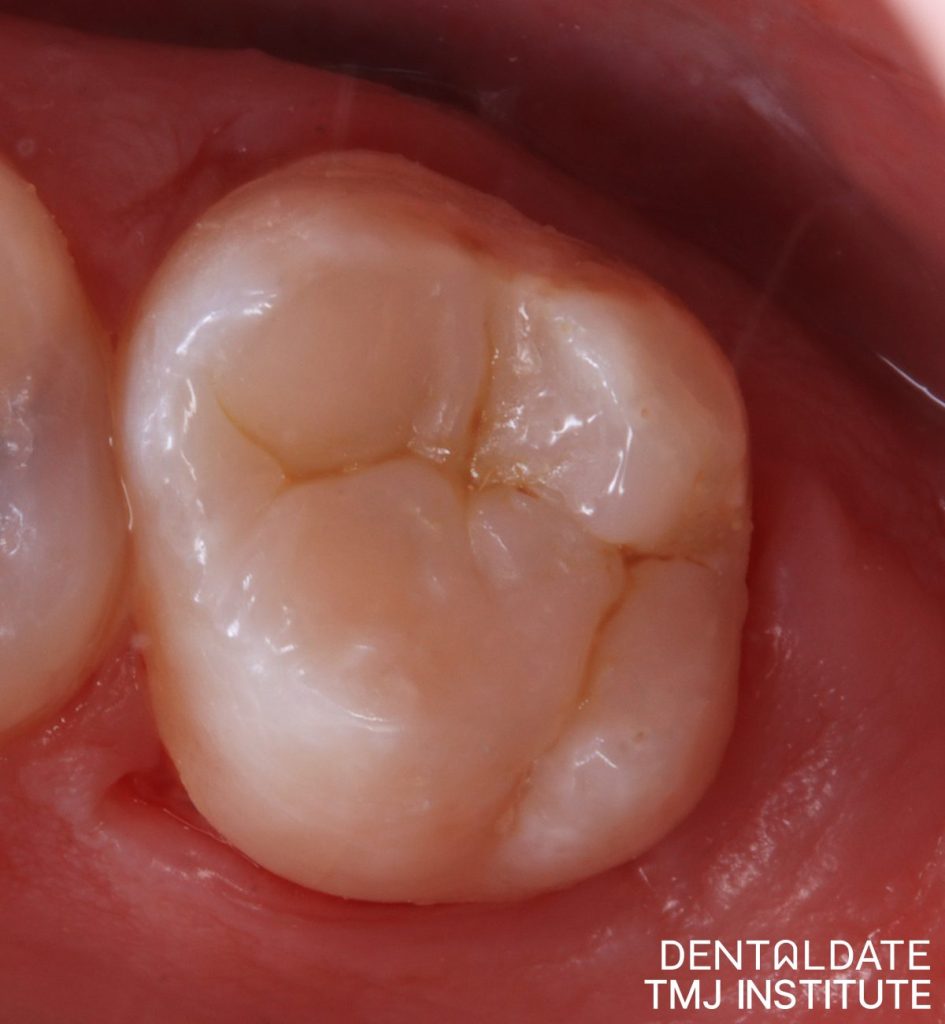
The clinical examination identified fractured and defective composite restorations on tooth 17, the upper right second molar.
The existing restorations showed structural breakdown and marginal leakage. The loss of integrity at the restoration margins affected the condition of the restored tooth and compromised its function.
Diagnosis
- Fractured composite restorations;
- Defective restorations with marginal leakage.
Treatment Rationale
A damaged restoration cannot reliably maintain the form and function of the tooth. In this case, replacement was required to restore normal function and prevent further structural breakdown.
The treatment was also necessary to protect tooth 17 from fracture and bacterial contamination associated with the defective restorations.
Treatment Performed
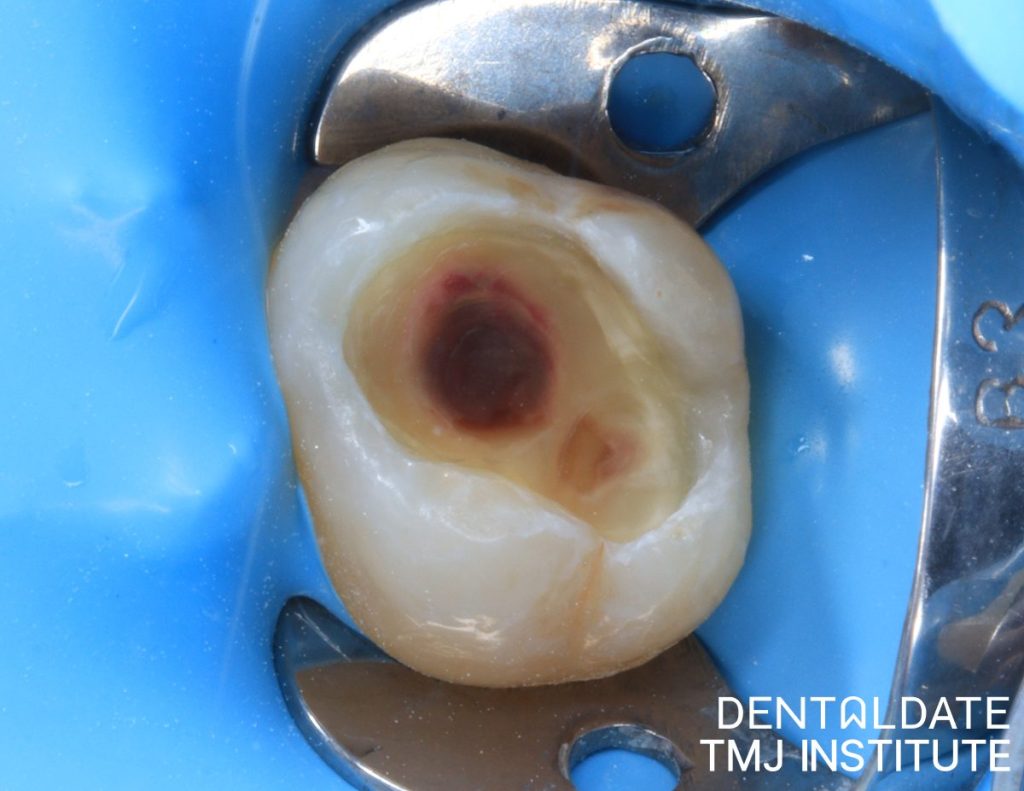
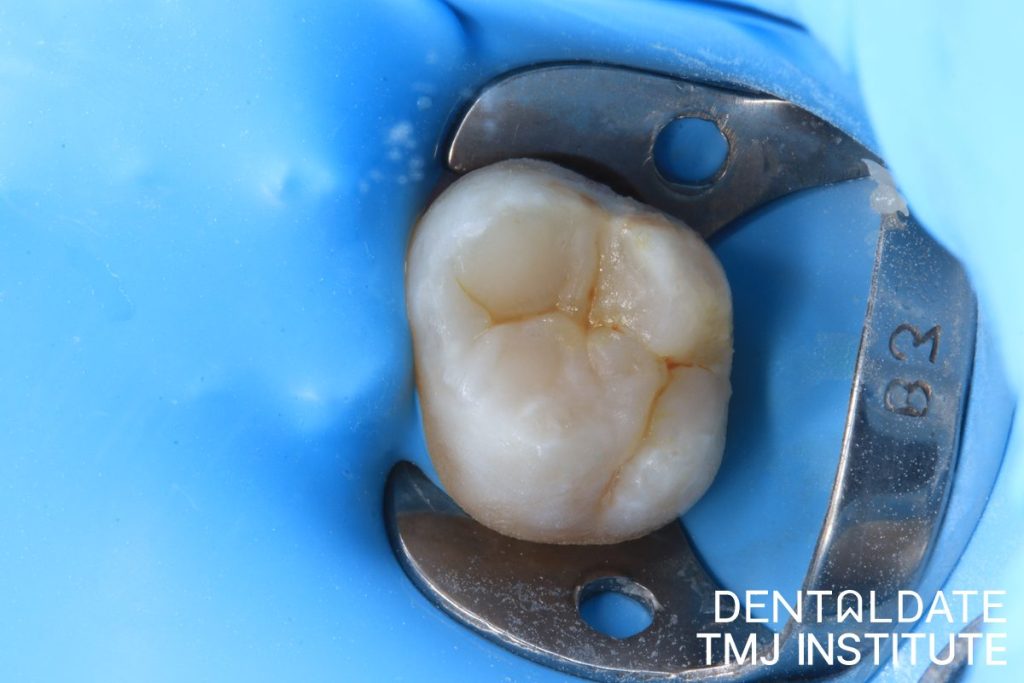
The old composite restorations were removed and replaced with new composite restorations.
The treatment focused on restoring the structural integrity and functional role of the upper right second molar.
Prognosis and Monitoring
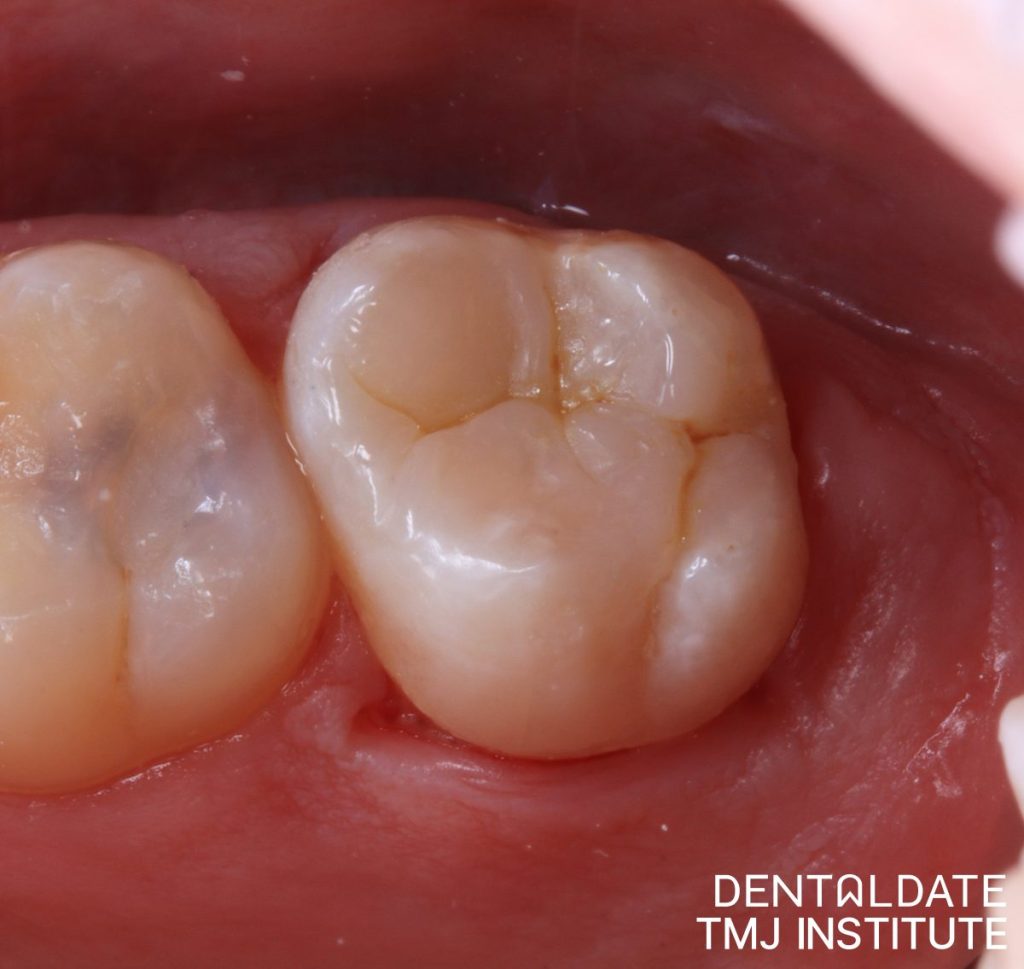
The prognosis is fair to good, depending on long-term maintenance and oral hygiene.
The patient was informed about the condition of the previous restorations and the treatment performed. Regular follow-up appointments are recommended to monitor the restored tooth and maintain its condition over time.
When a Filling Needs Attention
Changes in the appearance or feel of a filling should not be ignored. A chipped restoration, discomfort during chewing, or visible changes around the edges of a filling may indicate that the tooth needs professional assessment.
At DentalDate, restorative treatment is planned individually after evaluating the clinical condition of the tooth and the existing restoration. The dentist will determine whether the filling can be monitored or should be replaced to support comfortable function and preserve the tooth.


