



Clinical Findings
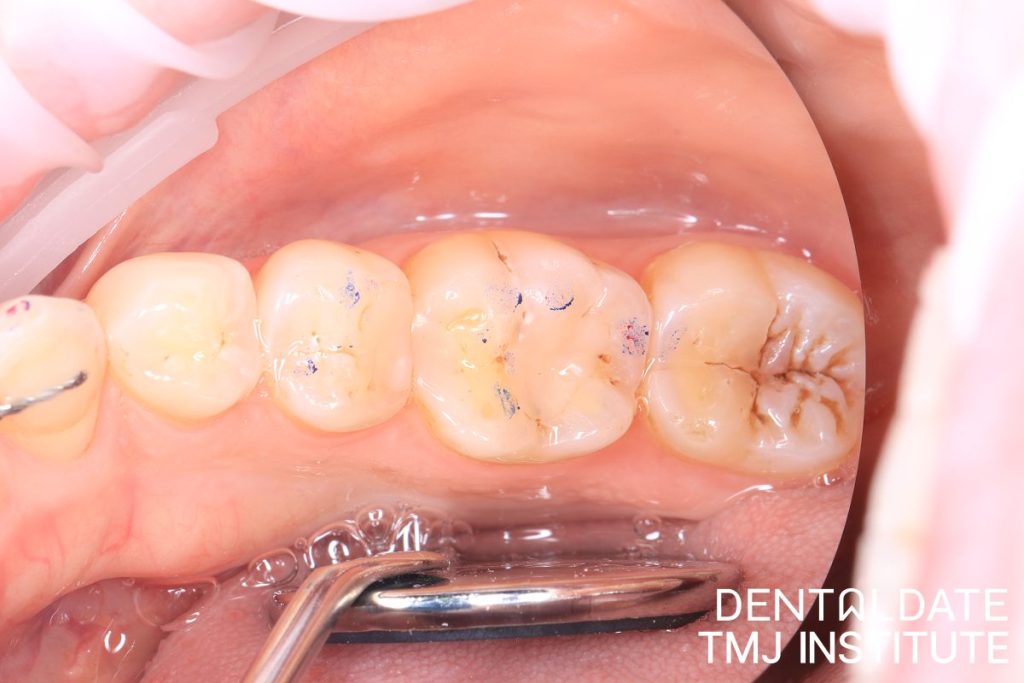
Clinical examination revealed interproximal carious lesions between teeth 35 and 36. The caries affected the contact surfaces and had penetrated into dentine.
These lesions were identified as the source of the patient’s sensitivity and discomfort.
Why the Contact Area Matters
Treatment of interproximal caries involves more than removing the damaged tooth tissue. The restoration also needs to reproduce the natural shape of the teeth and restore the contact point between them.
A correctly restored proximal contact supports normal tooth form in this area and helps reduce food impaction during chewing.
Treatment Performed
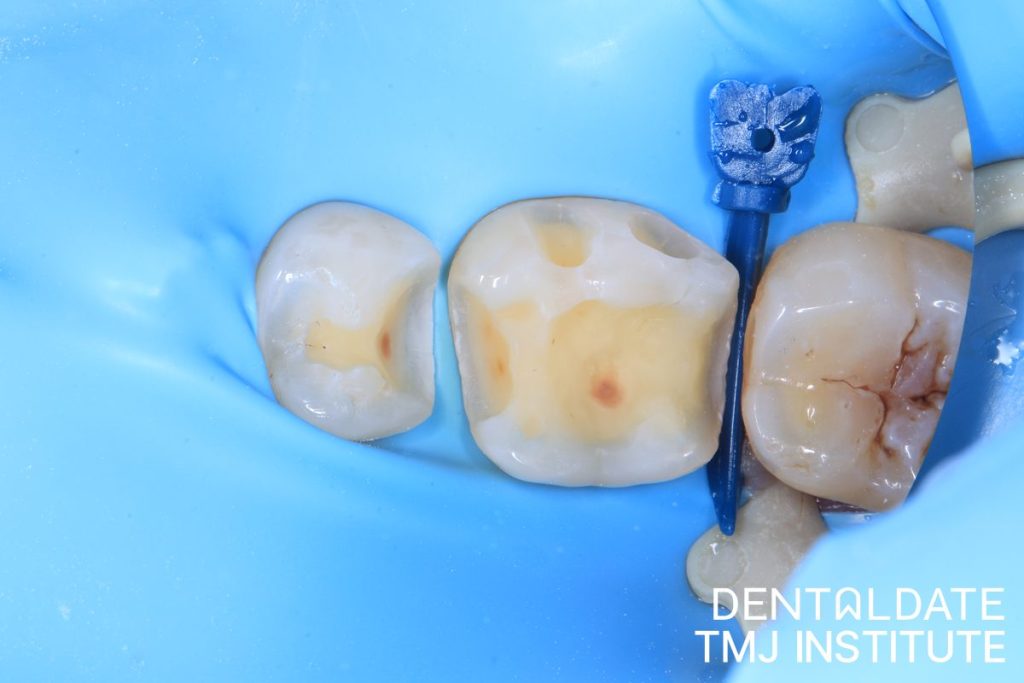
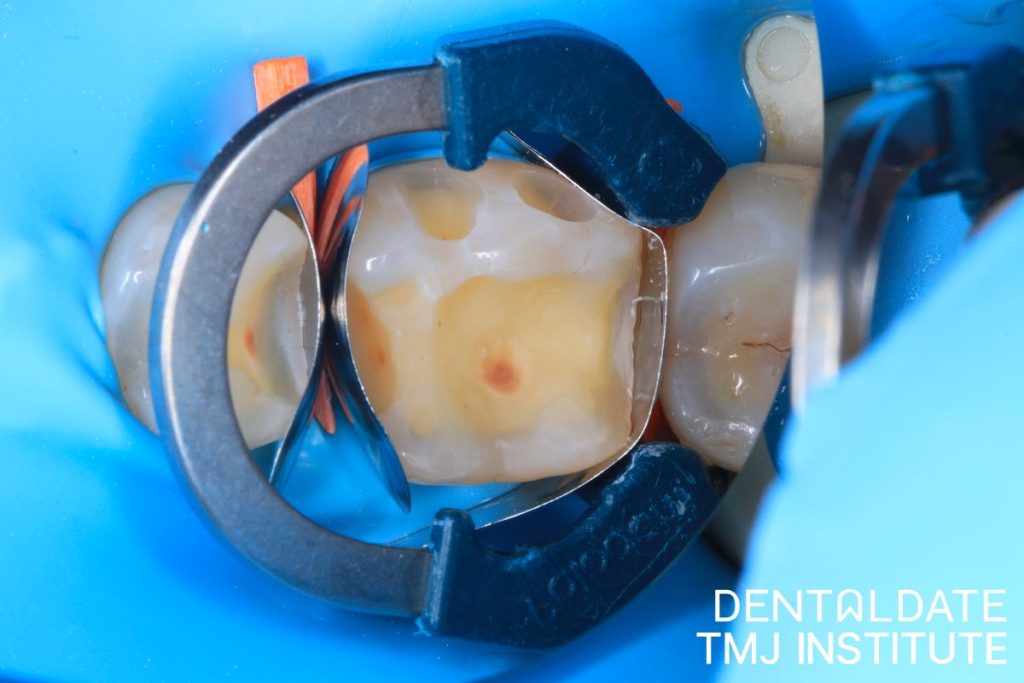
The decayed tissue was carefully removed. The cavities were then restored using direct composite restorations.
An anatomical contouring technique was used to reproduce the natural morphology of the teeth, including the proximal contact area and occlusal anatomy.
Treatment Result
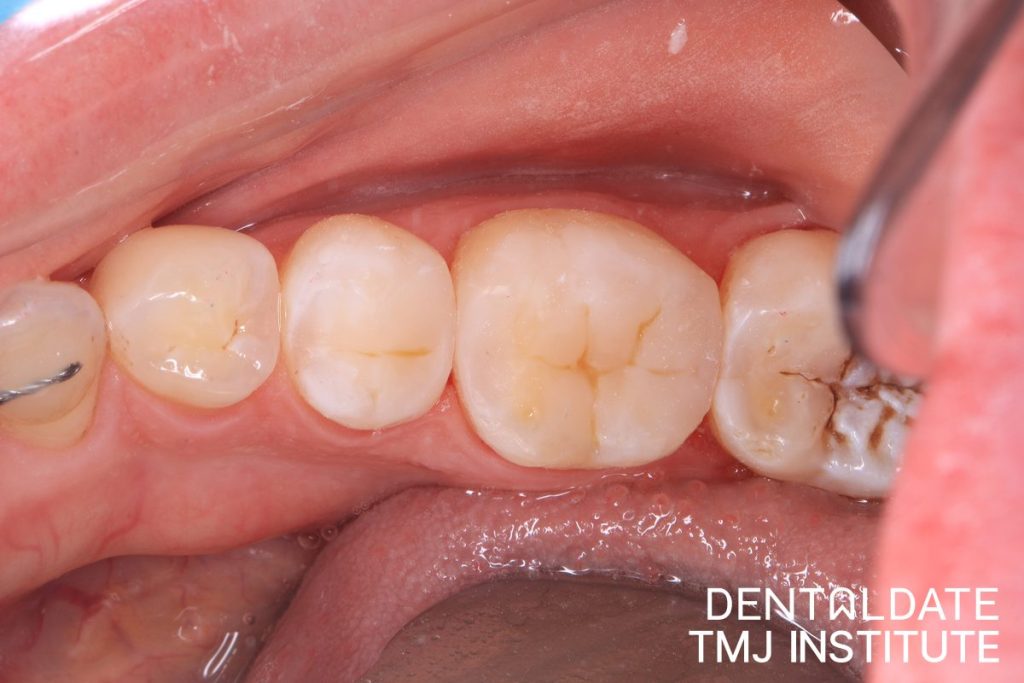
The treatment was completed successfully. The restorations eliminated the carious lesions, relieved the patient’s sensitivity, and restored the form, function, and esthetics of teeth 35 and 36.
Proper proximal contact was also re-established to support comfortable chewing and help prevent food impaction between the teeth.
What Sensitivity Between Back Teeth Can Mean
Sensitivity or discomfort in the posterior region is not always caused by temperature-related sensitivity alone. In some cases, the source may be a change on the contact surface between adjacent teeth, which requires a clinical assessment.
If discomfort recurs, food frequently becomes trapped between teeth, or sensitivity appears during chewing, a dental examination can help identify the cause and determine whether restorative treatment is needed.
Restorative Dentistry at DentalDate
At DentalDate, direct composite restorations are planned with attention to the affected area, natural tooth shape, contact points, and chewing surface. This approach helps restore both the appearance and functional role of the teeth.
A consultation is recommended if you experience sensitivity, discomfort while chewing, or suspect caries between adjacent teeth.


