Initial Examination and Case Features
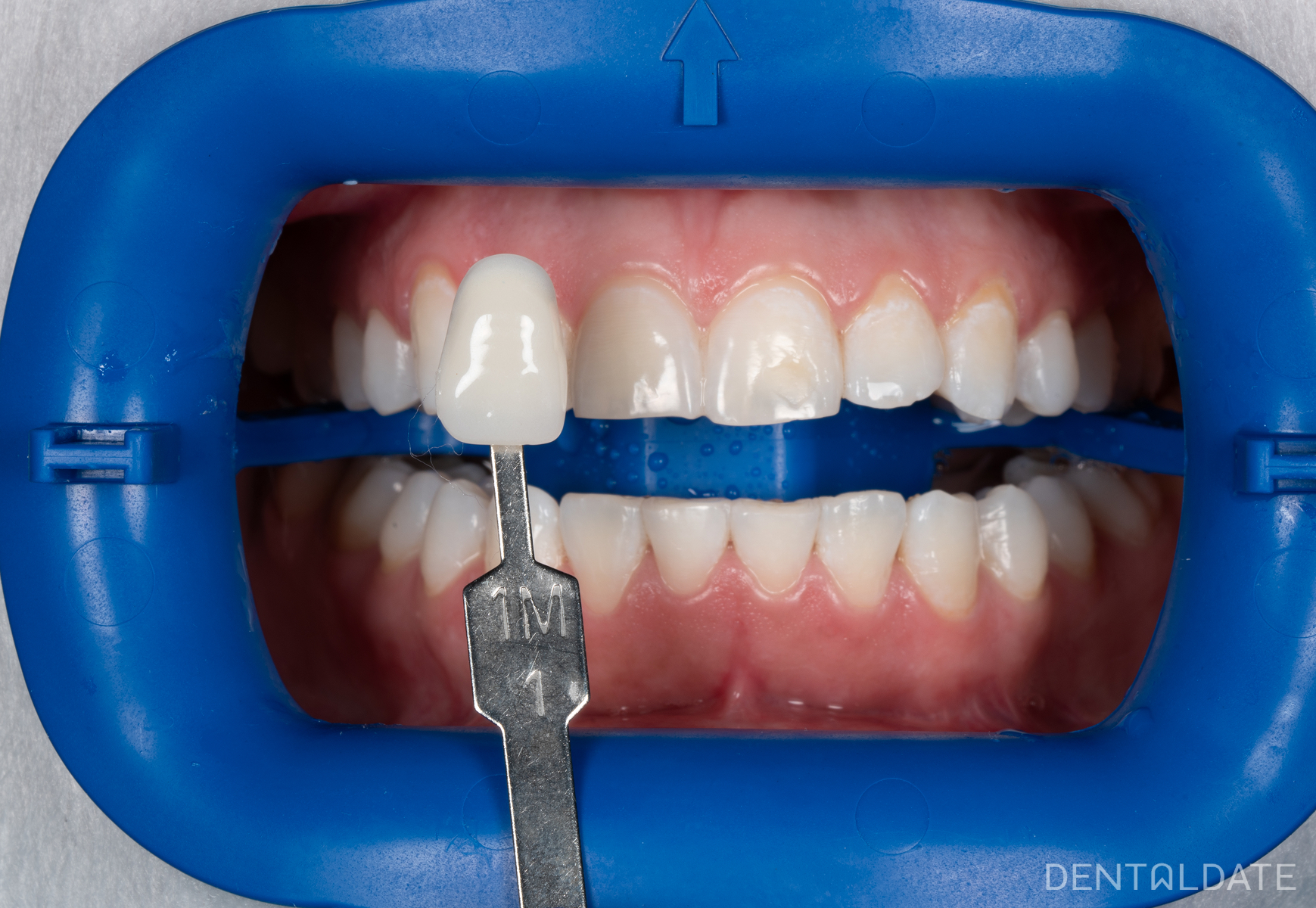
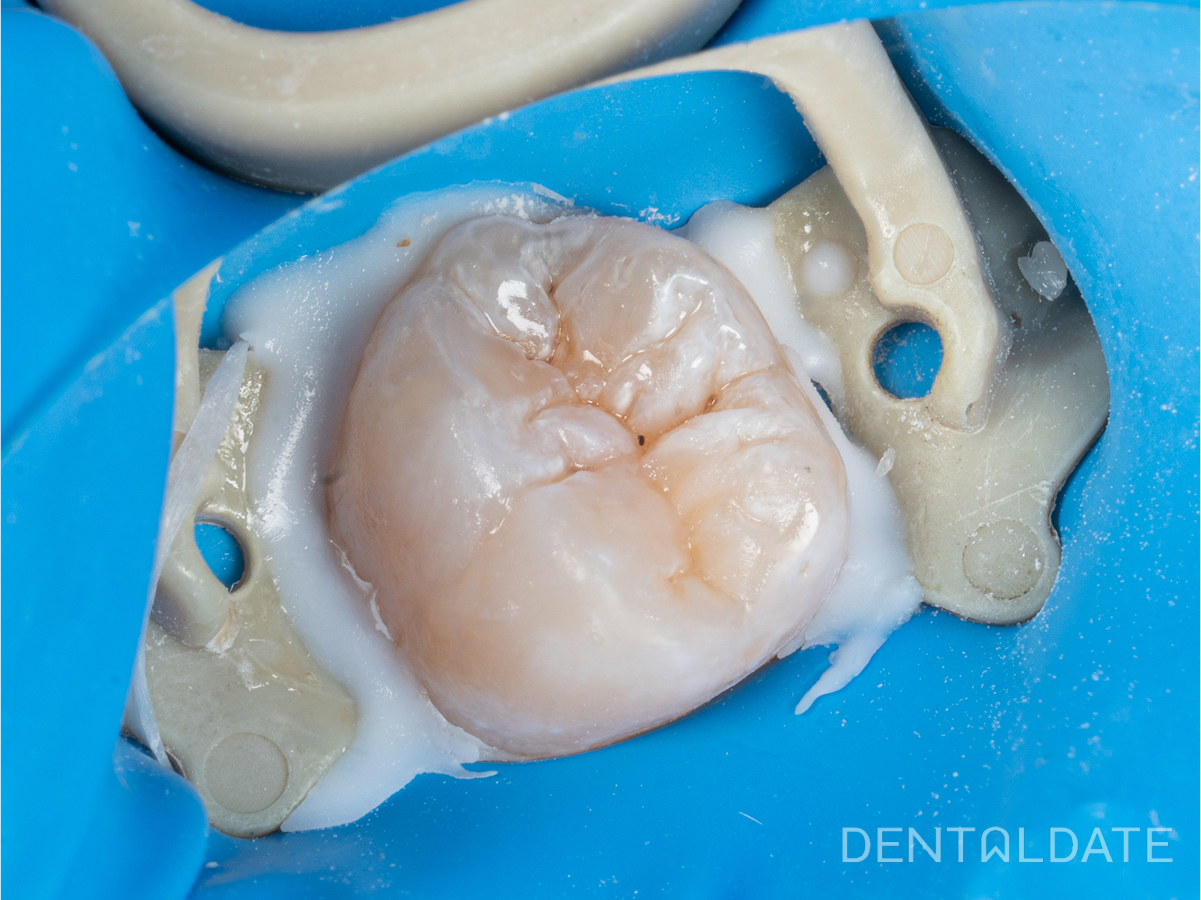
Clinical examination revealed minor chips of the incisal edges of the central incisors.
The teeth were healthy, with no signs of caries or inflammation, so the primary goal was to preserve natural tooth structure and accurately restore tooth shape to achieve a natural aesthetic result.
Gentle Restoration Technique
Instead of conventional rotary preparation with a dental bur, an atraumatic approach was used:
- enamel surface cleaning using Rondoflex — a gentle method that avoids mechanical removal of tooth structure;
- an adhesive protocol to ensure reliable bonding between the restorative material and enamel;
- step-by-step reconstruction of the anatomical form of the incisors using composite material under dental microscopy;
- final finishing and polishing to achieve ideal gloss and natural light reflection.
Treatment Outcome
- the teeth regained their original shape and color;
- no healthy tooth tissue had to be removed;
- the smile became even and natural again;
- the patient reported feeling comfortable and confident smiling.
Why Even Small Chips Should Not Be Ignored
Many patients underestimate the significance of such defects and postpone a dental visit.
In reality, even a minor chip can lead to:
- increased sensitivity due to exposed dentin;
- a higher risk of further chipping under functional load;
- changes in occlusion and smile aesthetics.
Timely treatment allows restoration of the teeth using a conservative approach, without the need for veneers or crowns.
Frequently Asked Questions
1. Can a chipped tooth be restored without placing a veneer or crown?
Yes, if the damage is minimal and deeper tooth structures are not involved. In such cases, a composite restoration is sufficient.
2. How does atraumatic restoration differ from the traditional method?
With the traditional approach, the tooth is prepared with a bur, resulting in loss of healthy tissue. The atraumatic method using Rondoflex allows precise, selective treatment while preserving intact enamel.
3. How long does such a restoration last?
With proper care and regular dental check-ups, composite restorations can last 5–7 years or longer.
4. Is there a visible difference between the restored tooth and a natural tooth?
No. With correct shade selection and polishing, the restoration is indistinguishable from natural enamel.
At our clinic, we focus on minimally invasive restoration techniques and treatment under dental microscopy, which allows us to preserve maximum natural tooth structure and achieve high aesthetic results even in cases of minor defects.