TMJ osteoarthritis is a condition in which the joint gradually loses mobility and the joint tissues undergo degenerative changes.
Patients commonly report:
- pain and crepitus in the joint;
- limited mouth opening;
- a feeling of tension while chewing;
- clicking sounds or jaw deviation;
- morning stiffness.
Diagnostics: What the Examinations Revealed
To accurately assess joint mechanics, the following diagnostic studies were performed:
- Condylography, which revealed a reduced range of motion and altered movement trajectory;
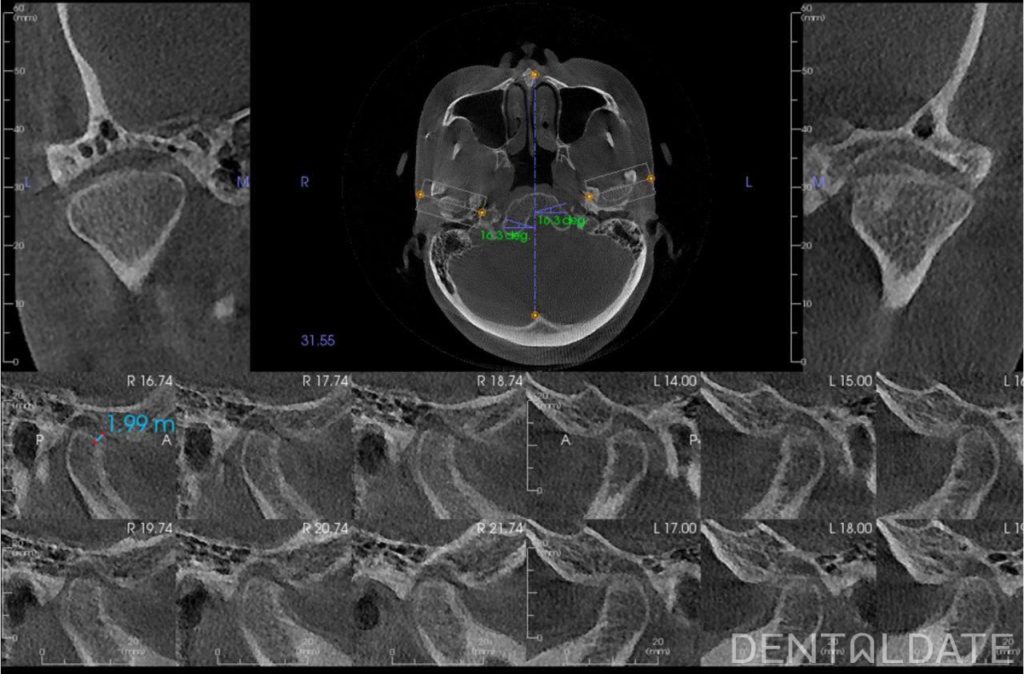
- TMJ CT scan, which confirmed degenerative changes of the articular surfaces consistent with osteoarthritis.
These findings indicated that treatment should include not only restoration of the functional position of the mandible, but also correction of the bite to prevent recurrent joint overload.
Splint Therapy Stage: Initial Results
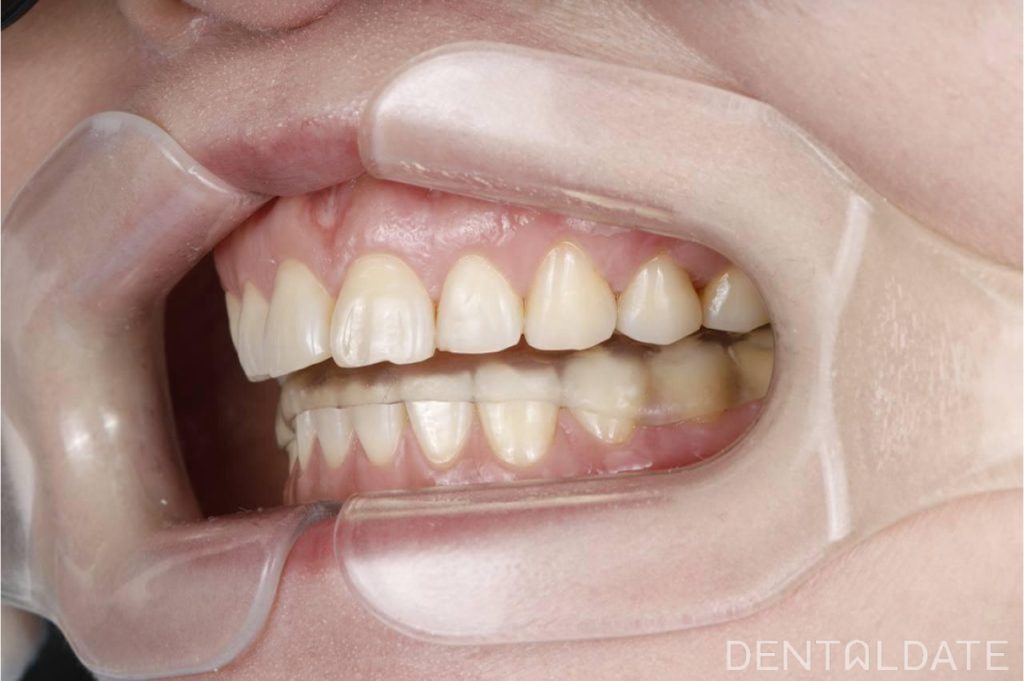
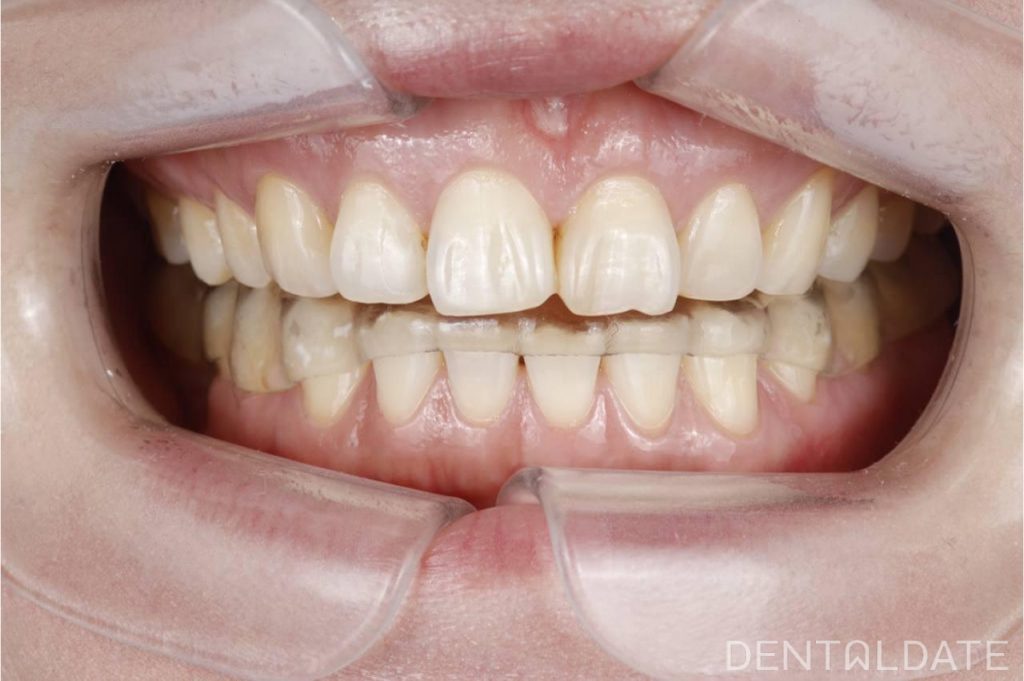
The first stage of treatment involved wearing an individually fabricated splint.
Its purpose was to guide the mandible into a physiologically correct position, reduce joint loading, and relax overworked masticatory muscles.
Within three weeks, the patient reported:
- a significant reduction in pain;
- disappearance of the “locking” sensation;
- improved mouth opening range;
- a more comfortable resting position of the jaw.
However, in TMJ osteoarthritis, splint therapy represents only the initial phase of treatment. Long-term joint stabilization requires ongoing monitoring and gradual correction.
Why Orthodontic Treatment Was Initiated Concurrently With Splint Therapy
Once the mandible reached a more favorable functional position, a “window of opportunity” emerged: the joint adapted, and muscle function became more balanced.
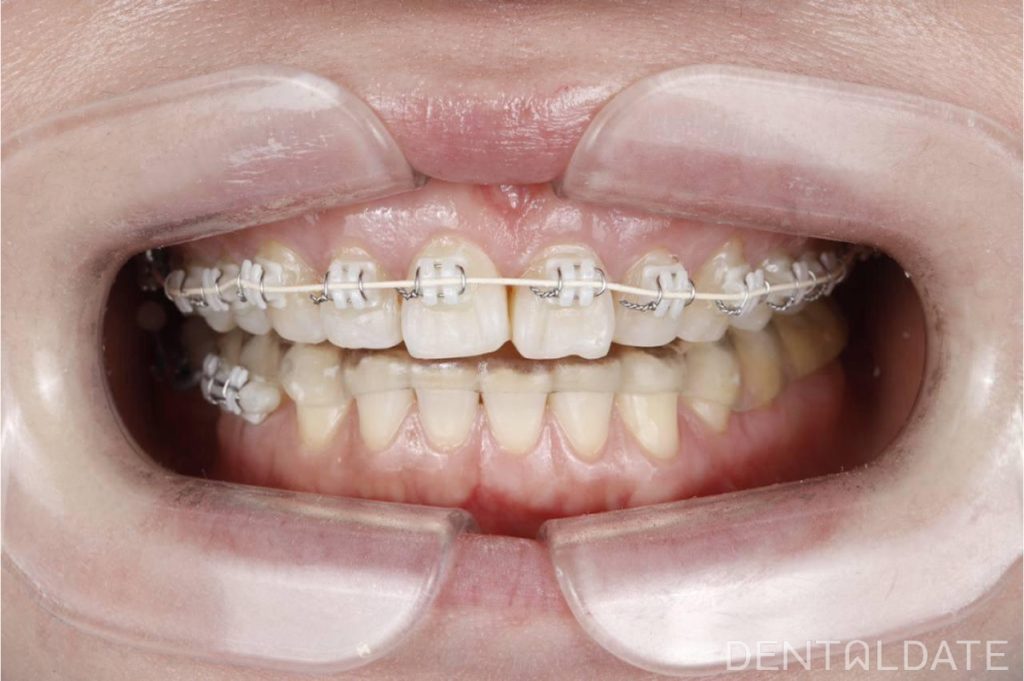
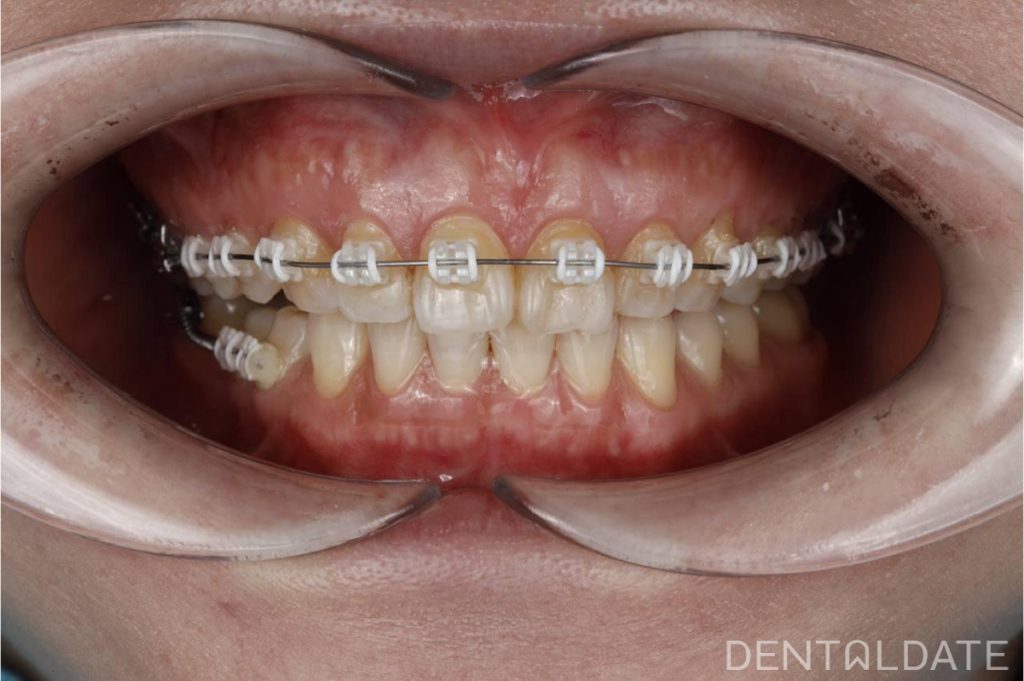
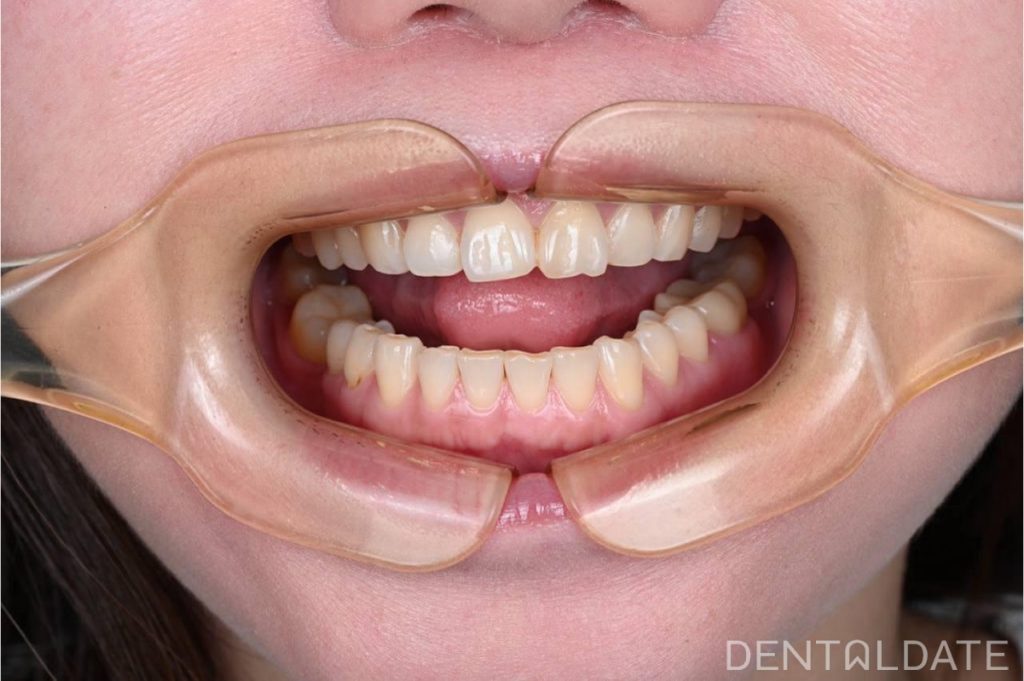
To make optimal use of this period, it was decided to begin orthodontic treatment of the maxilla in parallel with splint therapy.
This approach allows clinicians to:
- correct the bite without excessive stress on the joint;
- stabilize the physiological jaw position during treatment;
- address both aesthetics and function simultaneously;
- reduce the overall treatment duration, which is especially important in osteoarthritis cases.
The patient continued wearing the splint, while the orthodontist adjusted tooth position to match the restored joint alignment.
Outcomes of the Comprehensive Approach
As a result of combining both treatment modalities:
- symptoms of osteoarthritis were significantly reduced;
- TMJ function improved;
- treatment progressed faster than with a sequential approach;
- a stable, physiological mandibular position was established;
- predictable outcomes for further orthodontic treatment were achieved.
This case illustrates that simultaneous management of the joint and occlusion is one of the most effective strategies for reducing treatment time and improving outcomes in TMJ osteoarthritis.
What Patients With TMJ Osteoarthritis Should Know
- joint osteoarthritis rarely resolves on its own and requires planned treatment;
- splint therapy alleviates symptoms but does not fully solve the problem;
- bite correction is necessary to stabilize results;
- earlier intervention increases the chance of preventing disease progression;
- a comprehensive approach provides a better prognosis than isolated treatment.
How This Approach Is Applied at DentalDate
At DentalDate, TMJ treatment is based on precise functional diagnostics and carefully planned treatment stages.
We assess joint movement, mandibular position, muscle condition, and occlusion to create a treatment plan in which each step reinforces the previous one.
Combining splint therapy with orthodontic treatment allows us to:
- treat the joint gently and physiologically;
- correct occlusion without overloading the TMJ;
- significantly shorten treatment duration;
- achieve stable, long-lasting results.