Patient’s Initial Complaints and Concerning Symptoms
Many patients underestimate the impact of TMJ function on overall well-being.
In this case, the patient reported:
- tension and intermittent pain in the neck;
- soreness in the shoulder girdle;
- occipital headaches that intensified toward the evening;
- chewing predominantly on one side;
- a feeling of fatigue in the facial muscles.
These symptoms are often perceived as a “consequence of sedentary work,” whereas in reality they are frequently associated with improper mandibular position and uneven joint loading.
Diagnostic Findings
During the examination, we identified:
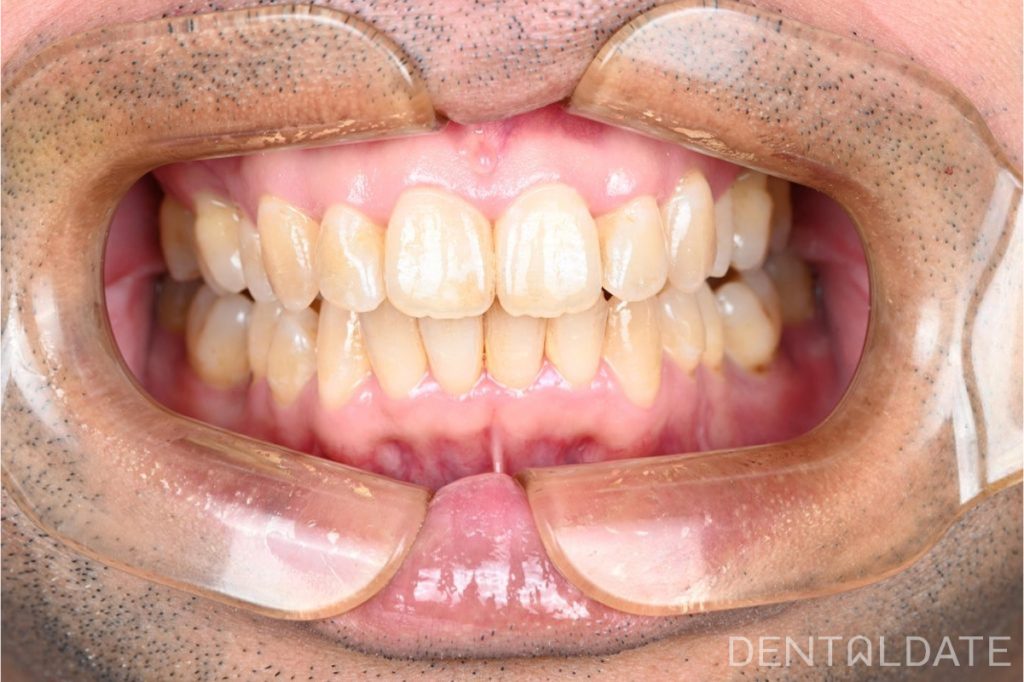
- unbalanced tooth contacts during occlusion;
- overload of the masticatory muscles;
- TMJ dysfunction that increased load asymmetry;
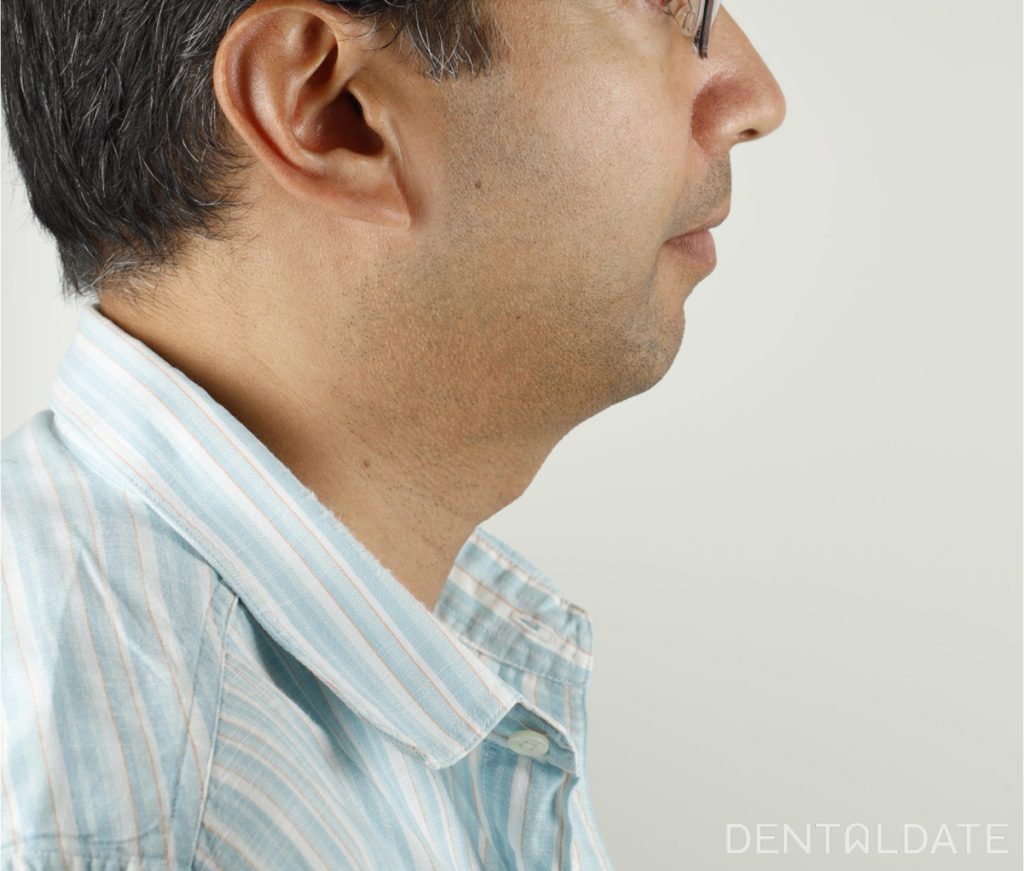
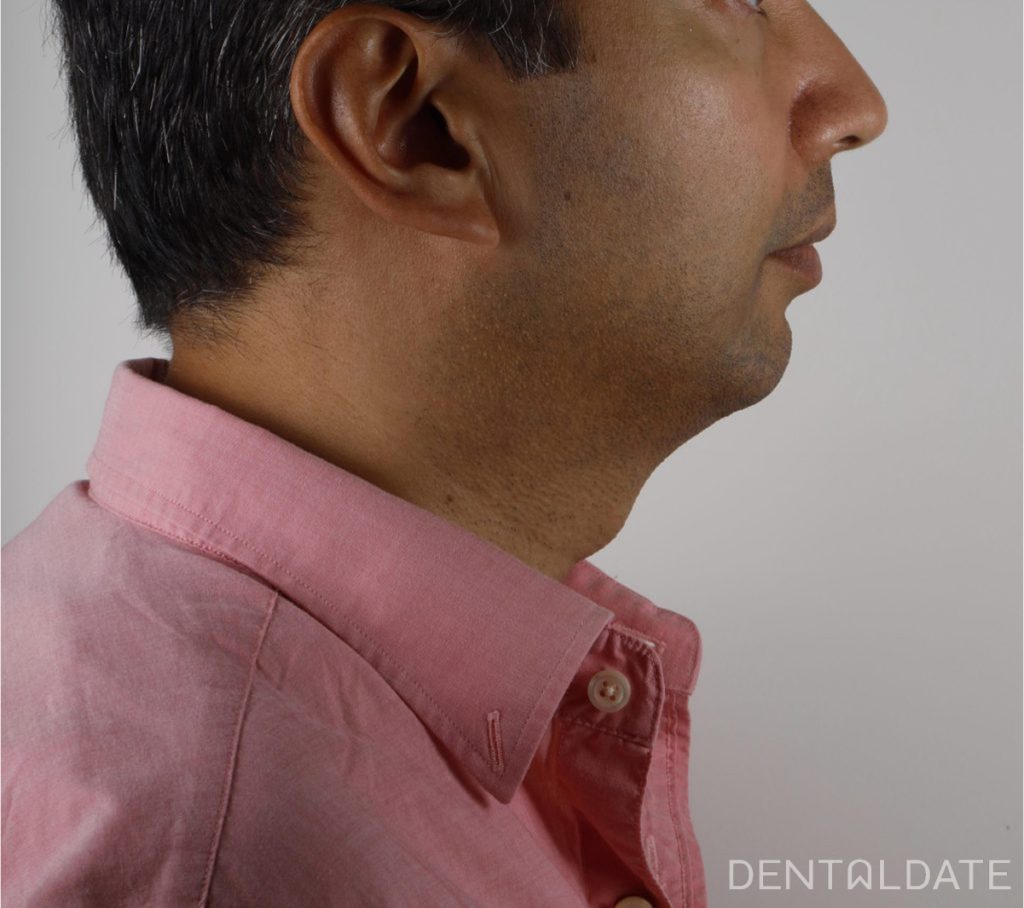
- the influence of incorrect jaw position on posture – particularly in the cervical spine region.
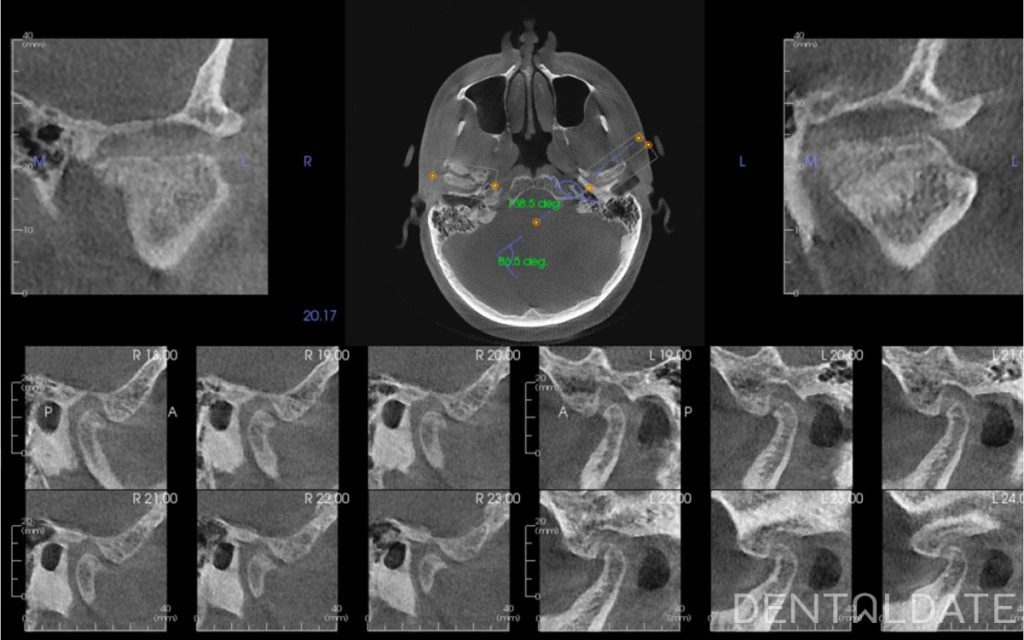
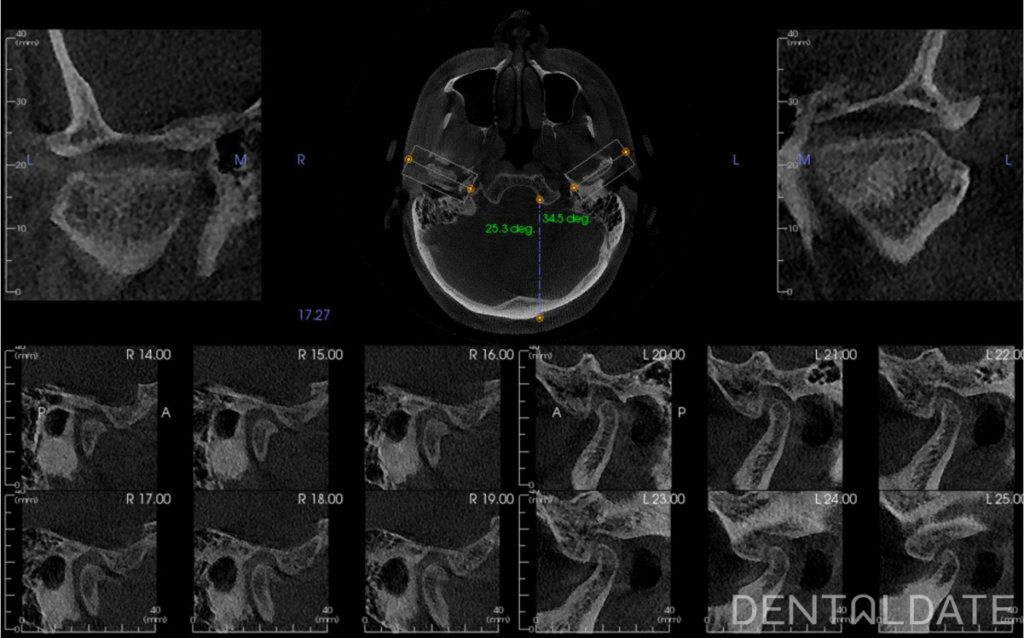
Condylography made it possible to observe how the condylar head shifted during mandibular movements. These data formed the basis for fabricating a therapeutic splint.
Treatment Process and Results
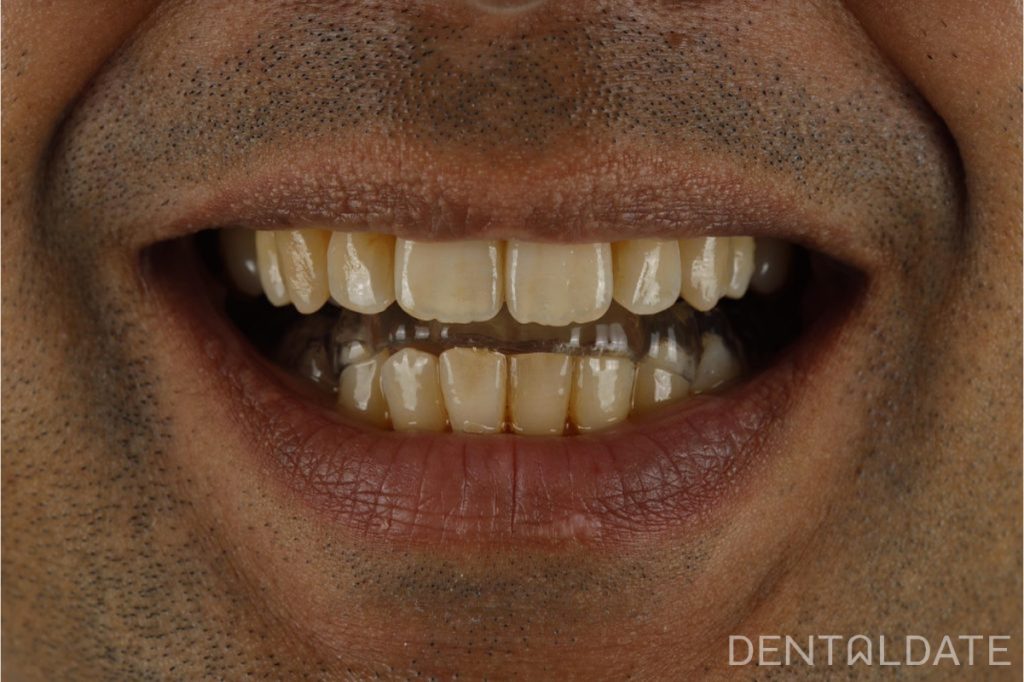
To restore physiological joint function, an individual splint was fabricated. Its purpose was to guide the lower jaw into a therapeutic position in order to:
- relieve muscular overstrain;
- reduce joint loading;
- restore symmetry of chewing;
- provide a correct foundation for proper posture.
Within just 5 days, the patient reported:
- disappearance of pain in the neck and occipital area;
- reduced tension in the shoulder girdle;
- comfortable chewing without shifting the load to one side;
- improved posture – the habitual forward head posture resolved;
- a general sense of lightness and relaxation.
Such rapid improvement is a typical indication that the underlying problem was indeed related to TMJ dysfunction.
Why TMJ Disorders Affect the Entire Body
TMJ function is directly connected to:
- head position;
- balance of the neck and facial muscles;
- symmetry of the shoulder girdle;
- distribution of load along the spine.
When the lower jaw occupies a non-physiological position, the body is forced to compensate: muscles become overworked, the head shifts forward, and posture deteriorates. This is why pain “in the neck” or “in the back of the head” often originates from TMJ dysfunction.
What Patients Should Consider With Similar Complaints
- Muscular pain, especially in the neck and shoulders, may be related not to work posture or stress, but to joint function.
- Chewing on one side is an early sign of load asymmetry.
- TMJ problems rarely resolve on their own – muscles and joints adapt, but do not recover.
- Early diagnostics help prevent chronic muscle overstrain and postural disorders.
- Splint therapy is one of the most effective and gentle methods for restoring functional jaw position.
The Impact of Proper Treatment: The DentalDate Perspective
The DentalDate approach is based on precise functional diagnostics. We assess joint mechanics, muscle function, and occlusal contacts to identify the root cause of pain rather than simply relieving symptoms.
Splints are fabricated based on condylography data and allow restoration of natural TMJ mechanics within the first days. This provides patients with a sense of stability, ease of movement, and — importantly – noticeable improvement in posture.
When the joint begins to function correctly, the body no longer needs to compensate for an incorrect jaw position, and patients experience improvement not only in the jaw area but in their overall physical condition.