Two Problems on the Same Side of the Jaw
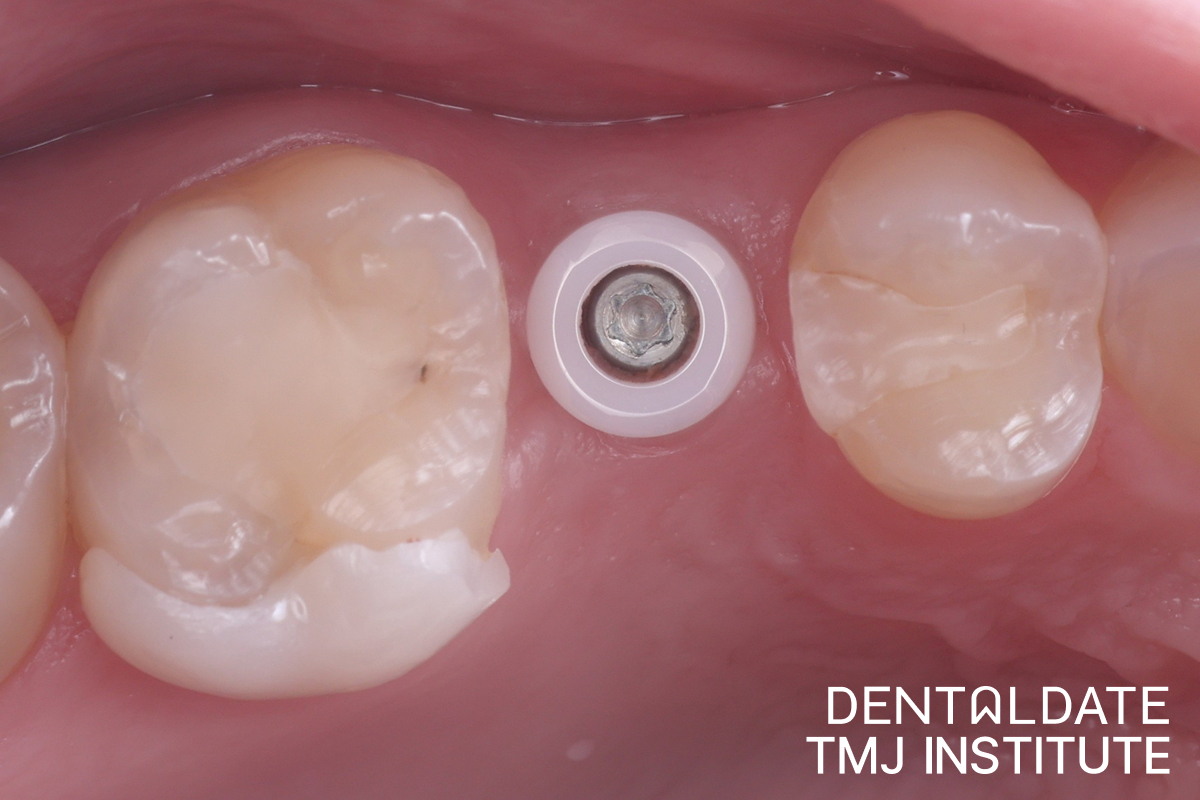
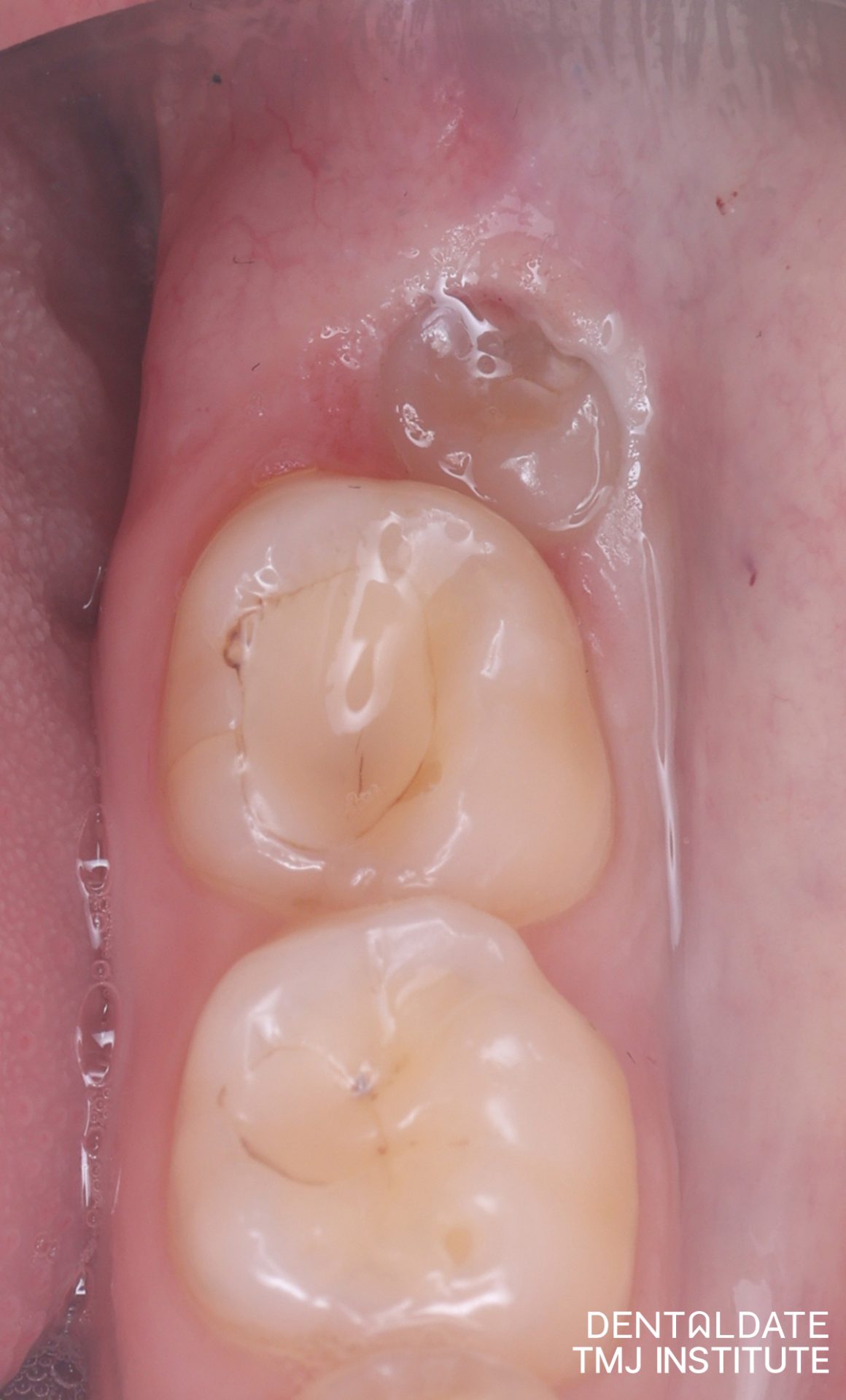
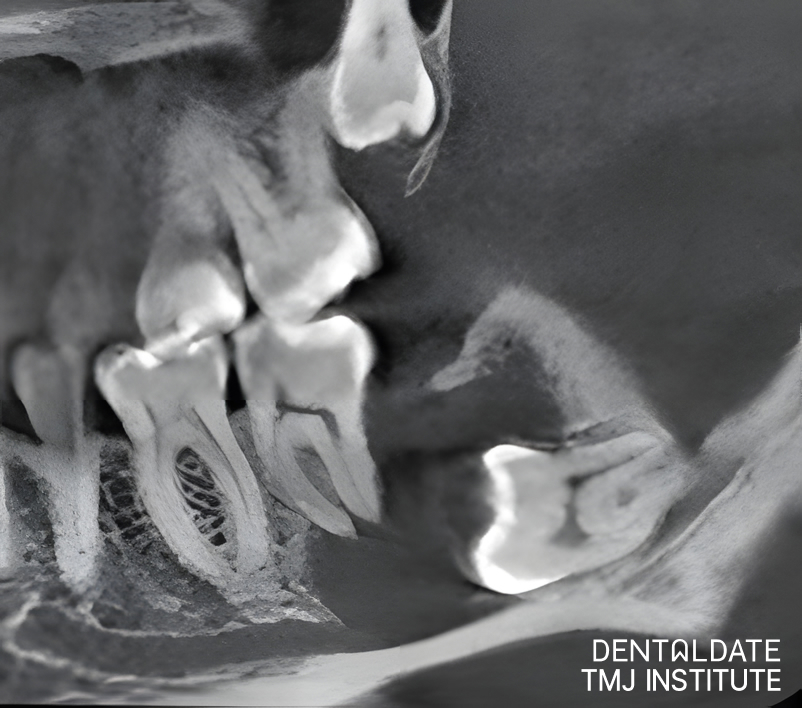
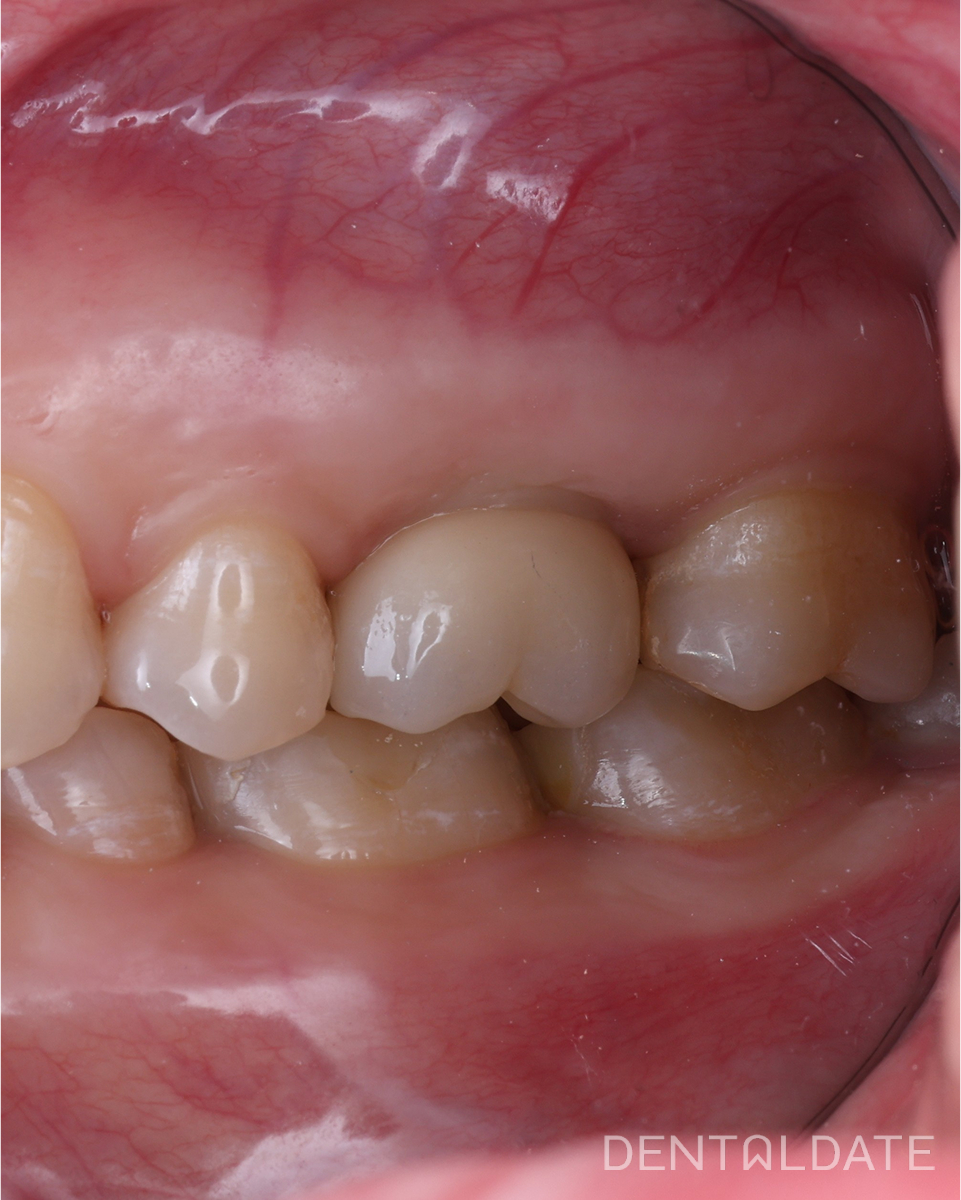
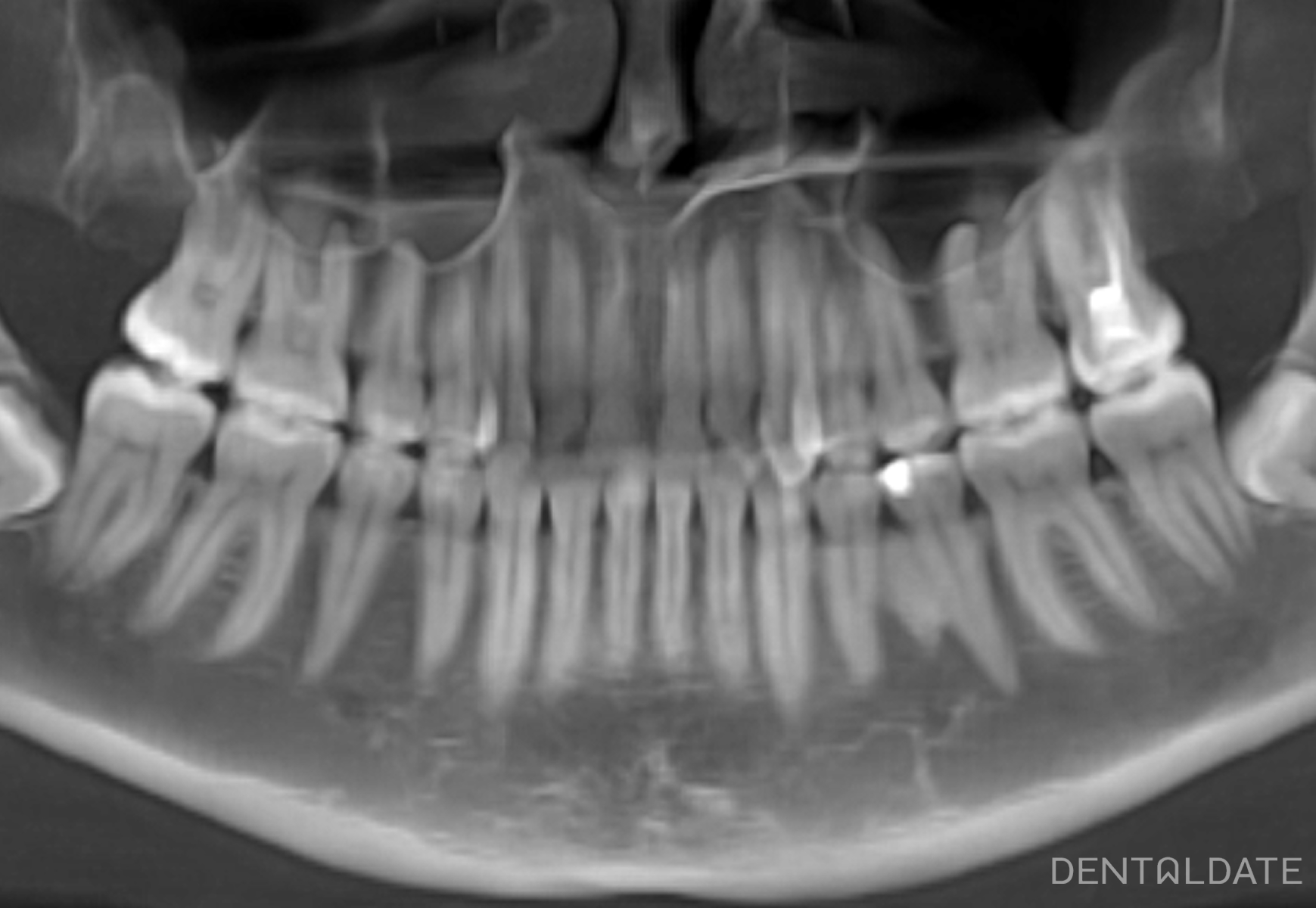
The upper molar (26) was severely destroyed. Too little of it remained to support a filling or a crown, so extraction was the only realistic option for that tooth. At the same time, the upper wisdom tooth on the same side (28) was located beneath the gum. An unerupted wisdom tooth is usually either monitored or removed, but here it became the key to replacing the lost molar.
What Is Autotransplantation?
Autotransplantation is one of the ways to replace a tooth that has been lost or extracted. Instead of an artificial root, it uses the patient’s own tooth, most often a wisdom tooth as in this case, which is transferred to the place of the missing tooth. Because the donor tooth comes from the same person, no foreign material is introduced into the jaw.
The method has many advantages over conventional dental implantation. A transplanted tooth can keep its periodontal ligament, the thin layer of fibres that attaches a natural tooth to the bone, so it is held in the jaw in the same way as its neighbours. Unfortunately, the technique cannot be used in every clinical situation.
Who Can Be Considered for It
Whether autotransplantation is possible is decided individually, after a clinical examination and imaging. In general, the surgeon looks for the following conditions:
- a donor tooth, often a wisdom tooth, that is healthy and not needed in its current position;
- a donor tooth whose size and root shape are a reasonable match for the space of the missing tooth;
- a donor tooth that can be removed carefully without damaging the surface of its root;
- enough healthy bone at the site where the tooth will be placed;
- good general and oral health, and readiness to follow the aftercare and follow-up plan.
If one of these conditions is not met, other ways of replacing a tooth, such as a dental implant or a bridge, are usually considered instead.
How the Procedure Went, Step by Step
Everything was done in one visit and under a single anesthesia, so the patient did not need a separate operation for the wisdom tooth. The sequence was as follows:
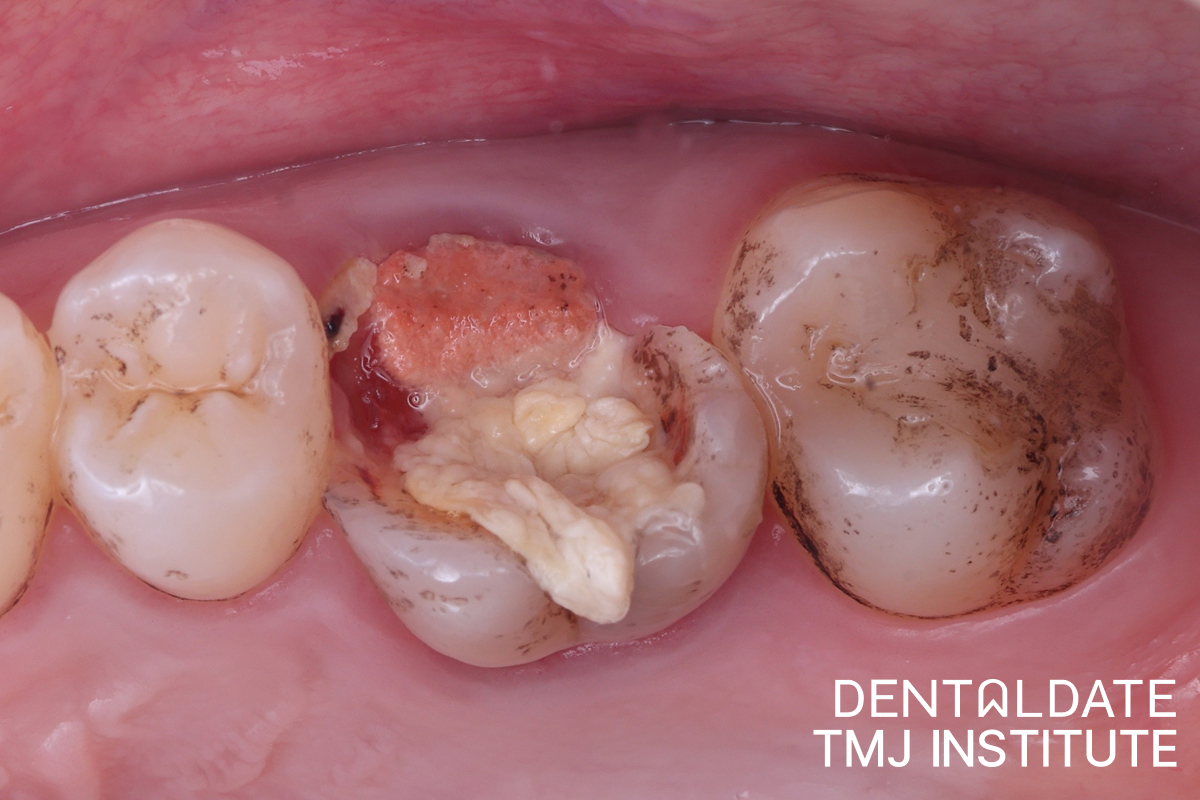
- The damaged molar (26) was extracted.
- The socket was prepared to receive the new tooth.
- The wisdom tooth (28) was carefully removed from beneath the gum.
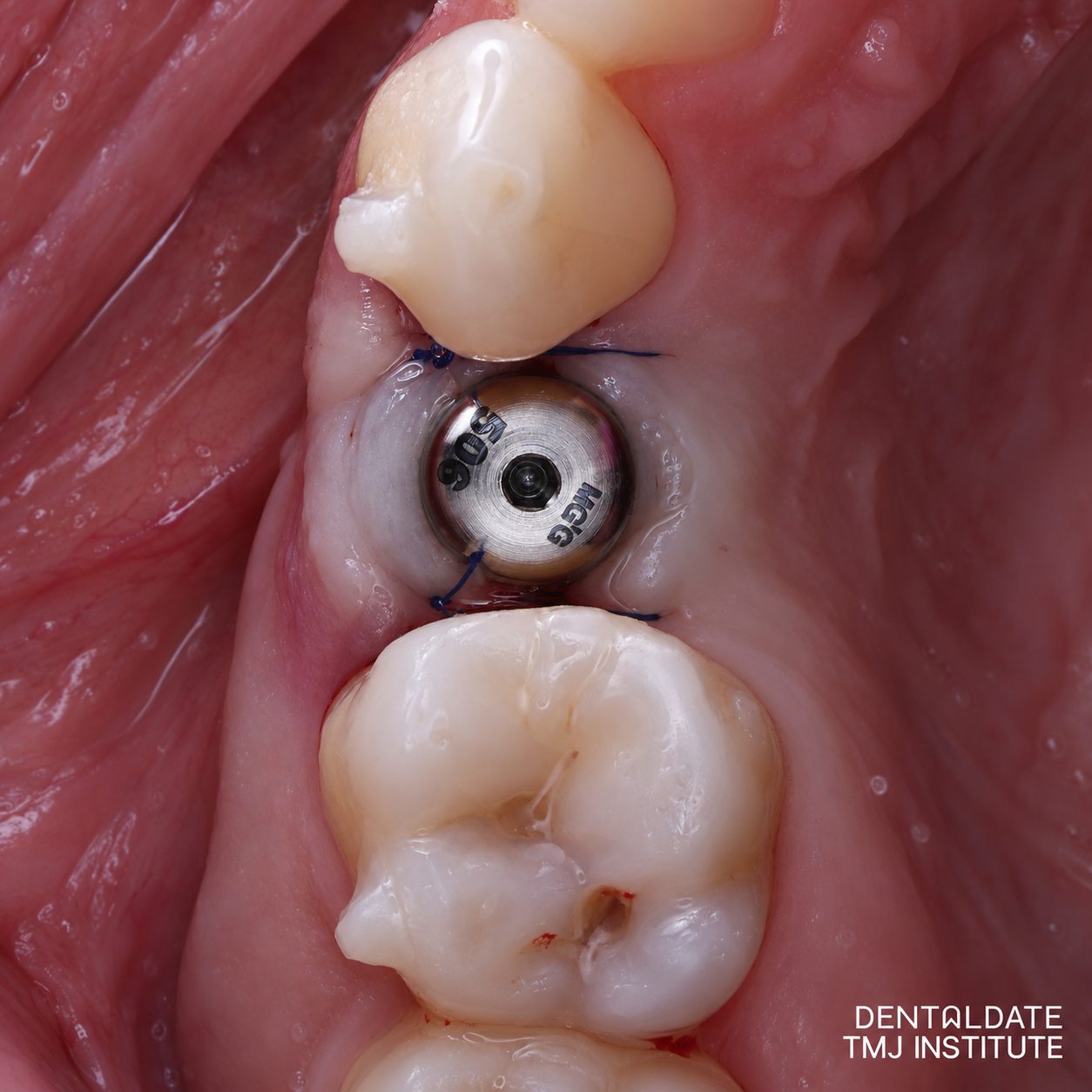
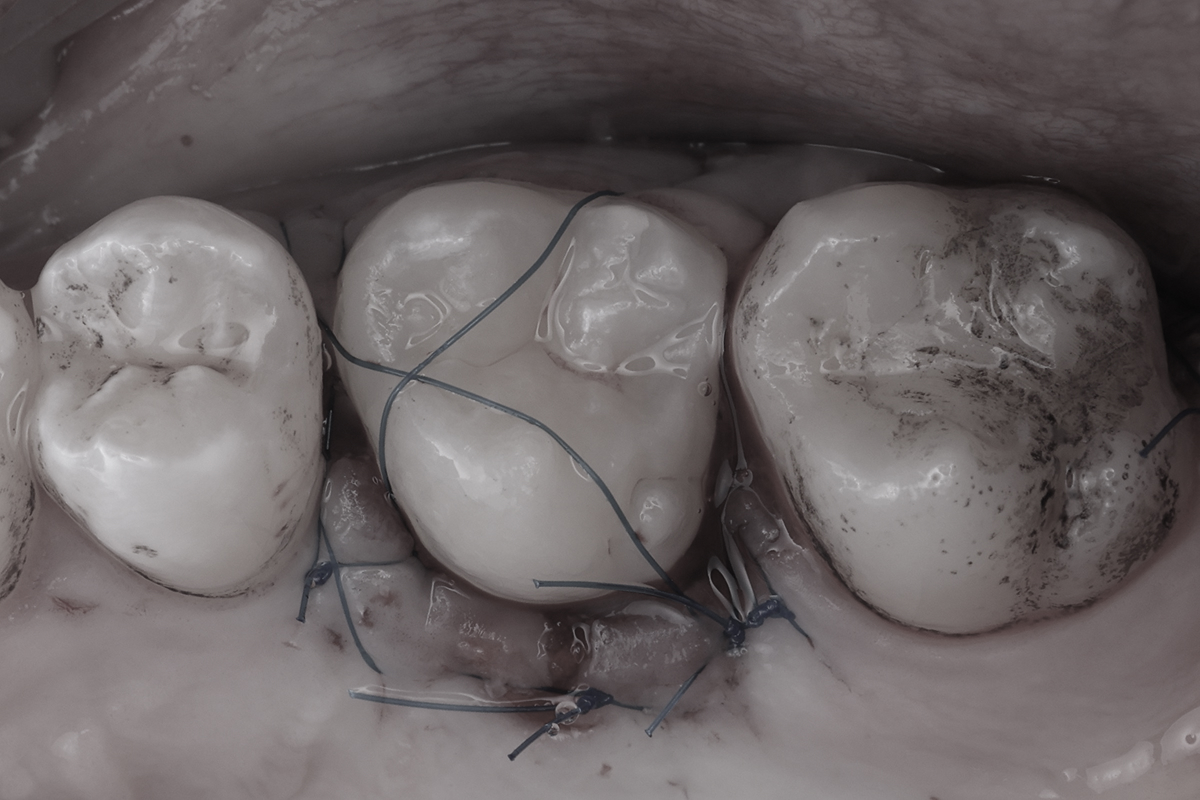
- The wisdom tooth was transplanted into the fresh socket and fixed in place with sutures.
In procedures of this kind, the donor tooth is handled as gently as possible and spends as little time as possible outside the mouth. The living cells on the root surface are important for how well the tooth attaches in its new position.
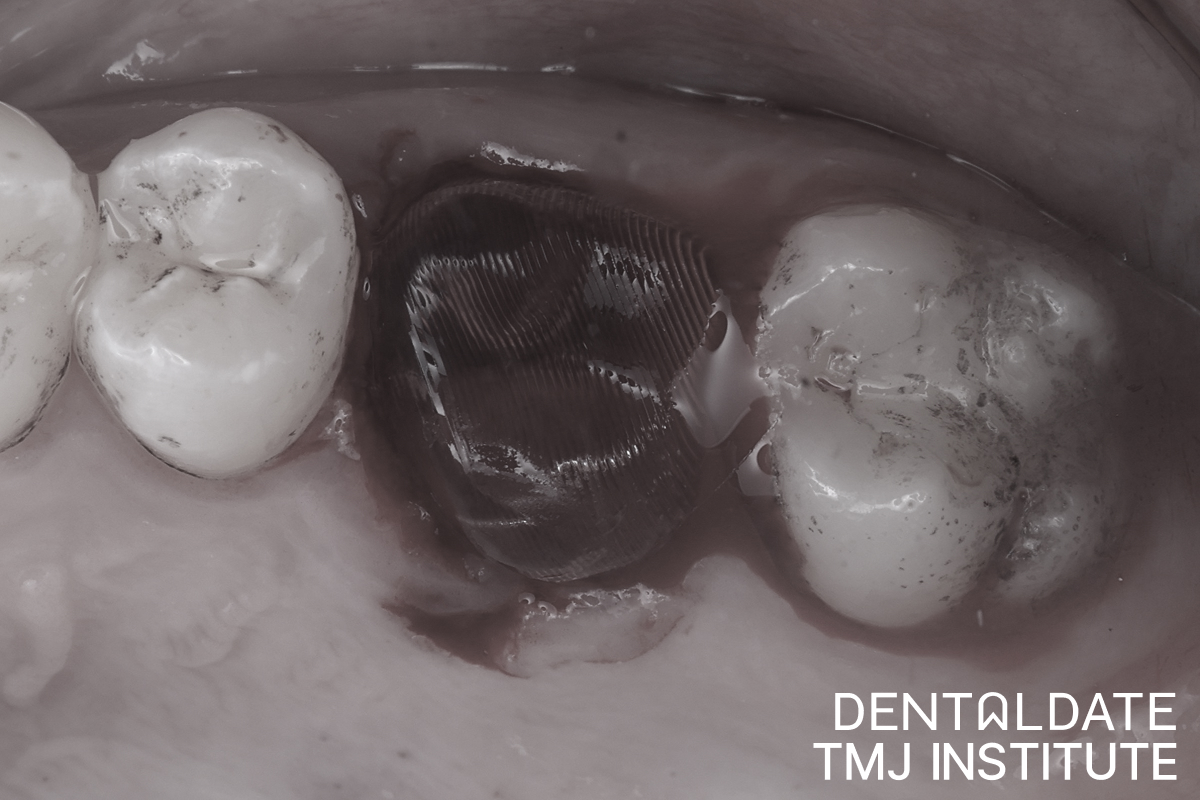
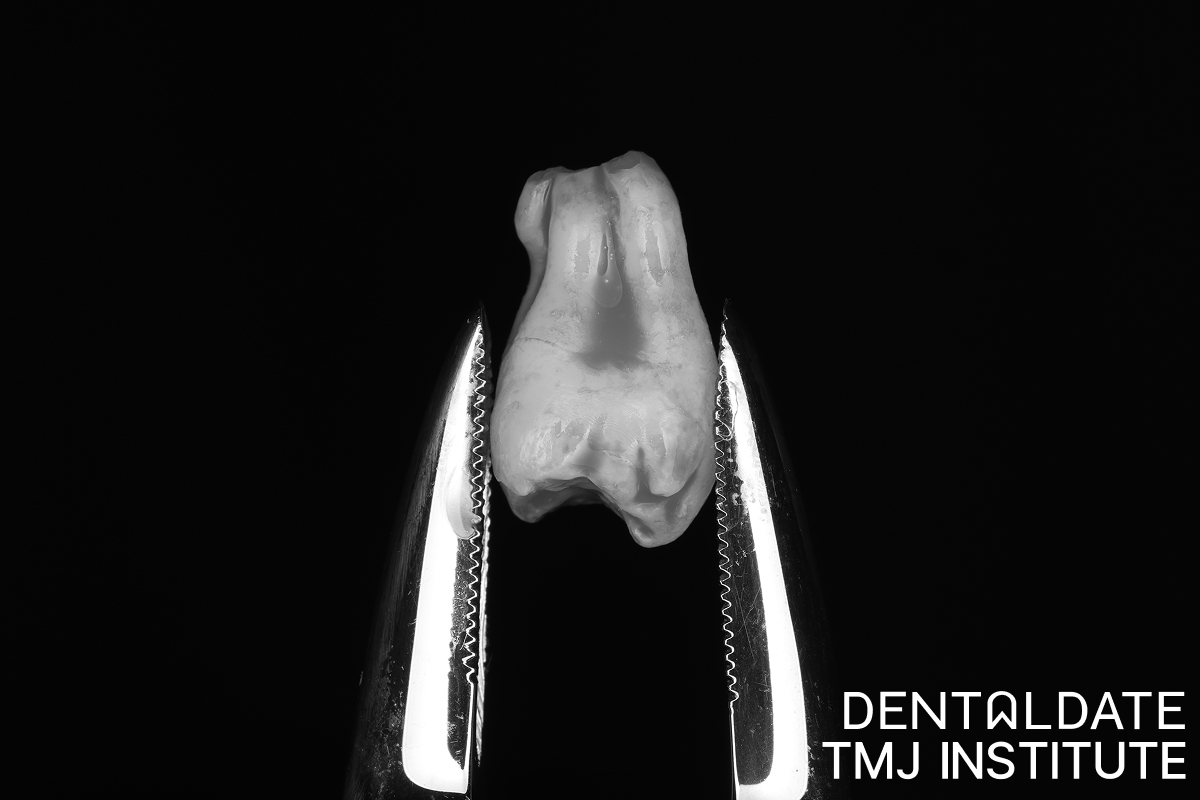
The Weeks After the Transplant
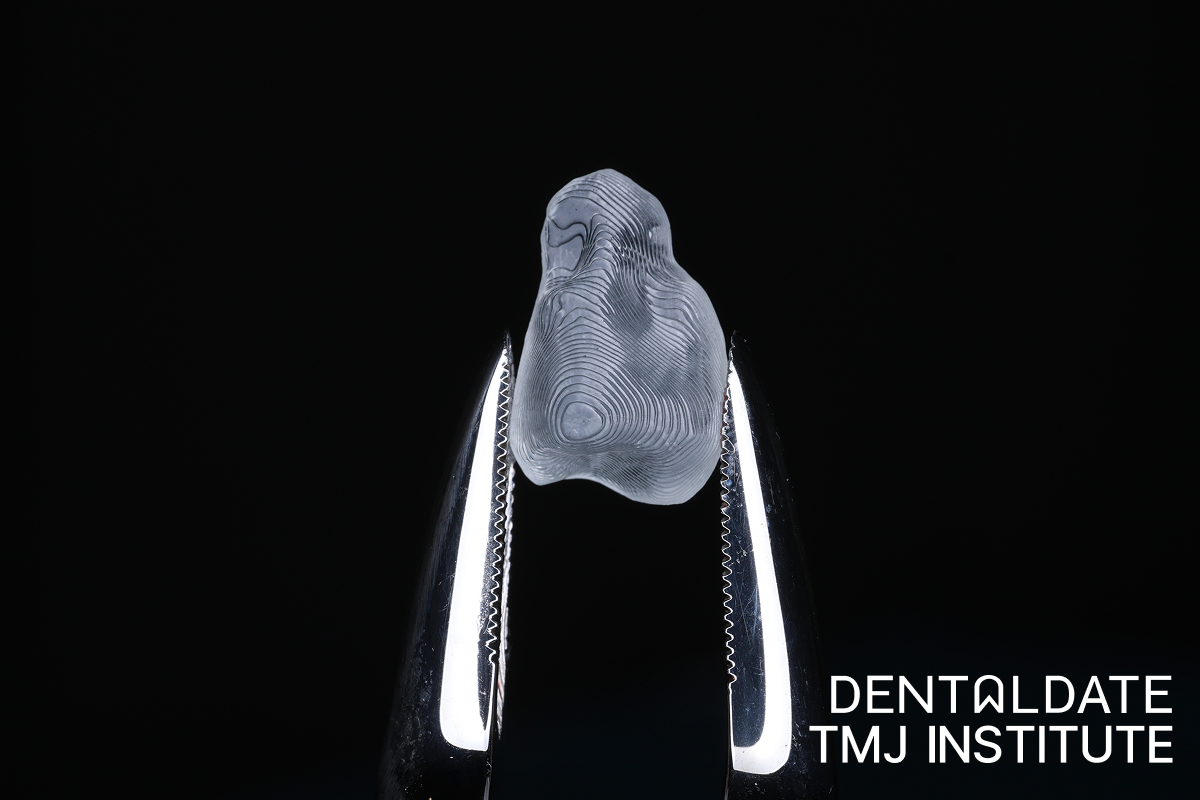
At the end of the operation, the wisdom tooth stood in the position of the missing molar, secured with sutures. According to the treatment plan, root canal treatment of the transplanted tooth is carried out about two weeks after the procedure, and a crown is placed on it about two months later. In this case, root canal treatment was performed at DentalDate by another dentist of the clinic.
Root canal treatment is a common part of such plans. When a tooth is moved, the blood supply to the pulp inside it is interrupted, and treating the canals in good time helps protect the tooth and the surrounding bone. The crown then gives the tooth the shape and chewing surface needed in the molar position.
Aftercare for a Transplanted Tooth
During the first weeks, the new tooth is still settling into its socket and needs gentle handling. Patients are generally advised to:
- chew on the opposite side until the dentist says otherwise;
- keep the area clean with a soft brush, without pressing on the sutures;
- avoid very hard, sticky or crunchy foods;
- avoid smoking, which can interfere with healing;
- attend every planned visit, including root canal treatment and follow-up X-rays.
Increasing pain, swelling, a bad taste or a tooth that suddenly feels much looser are reasons to contact the clinic without waiting for the next appointment.
Could Your Own Tooth Replace a Lost One?
If a molar needs to be extracted and you have a healthy wisdom tooth, it may be possible to use your own tooth instead of an implant. This is not an option for everyone, and the answer depends on a careful assessment of both teeth and of the bone. Book a consultation with the oral surgery team at DentalDate to find out whether autotransplantation could work for you.