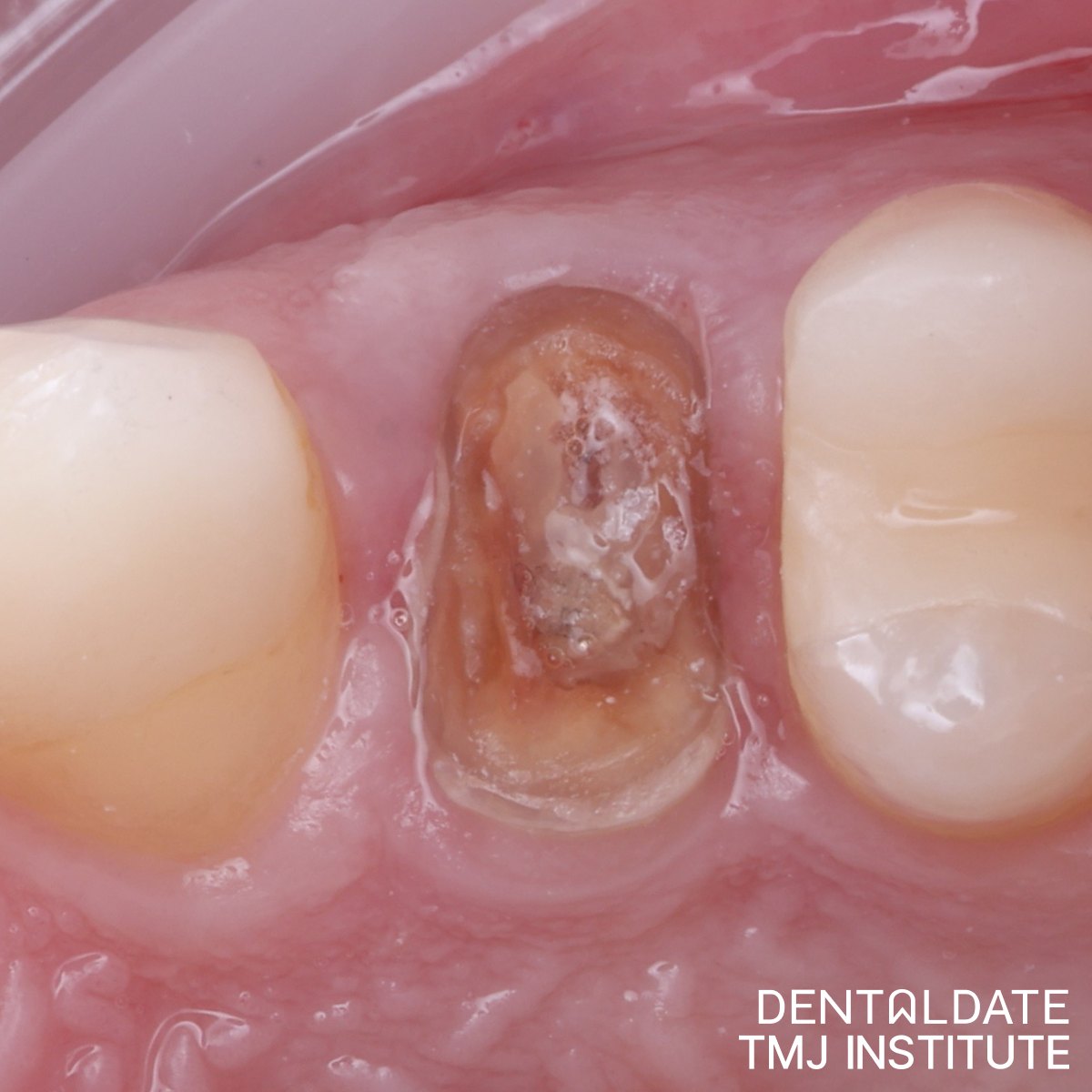
What Time Without a Tooth Did to the Gum
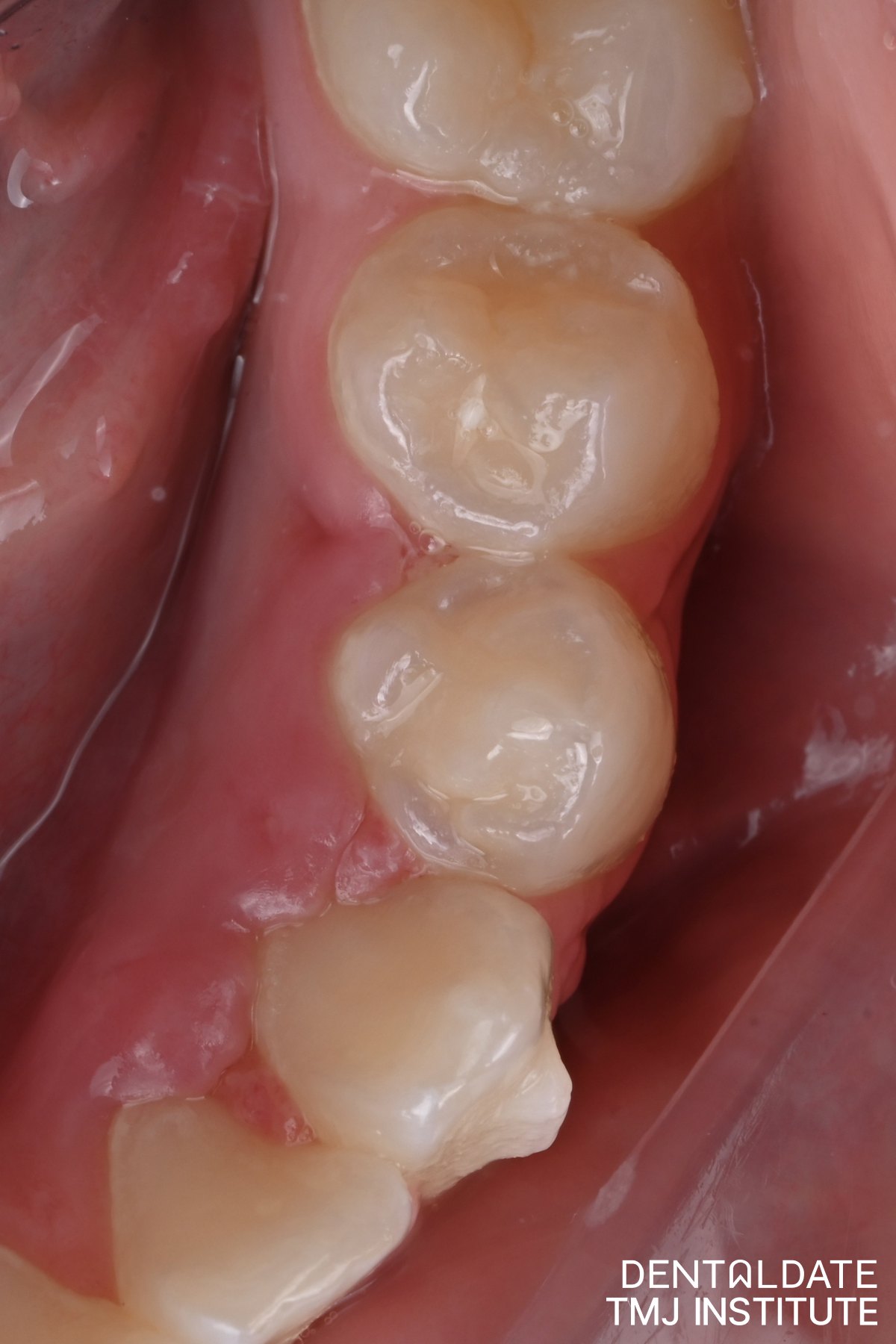
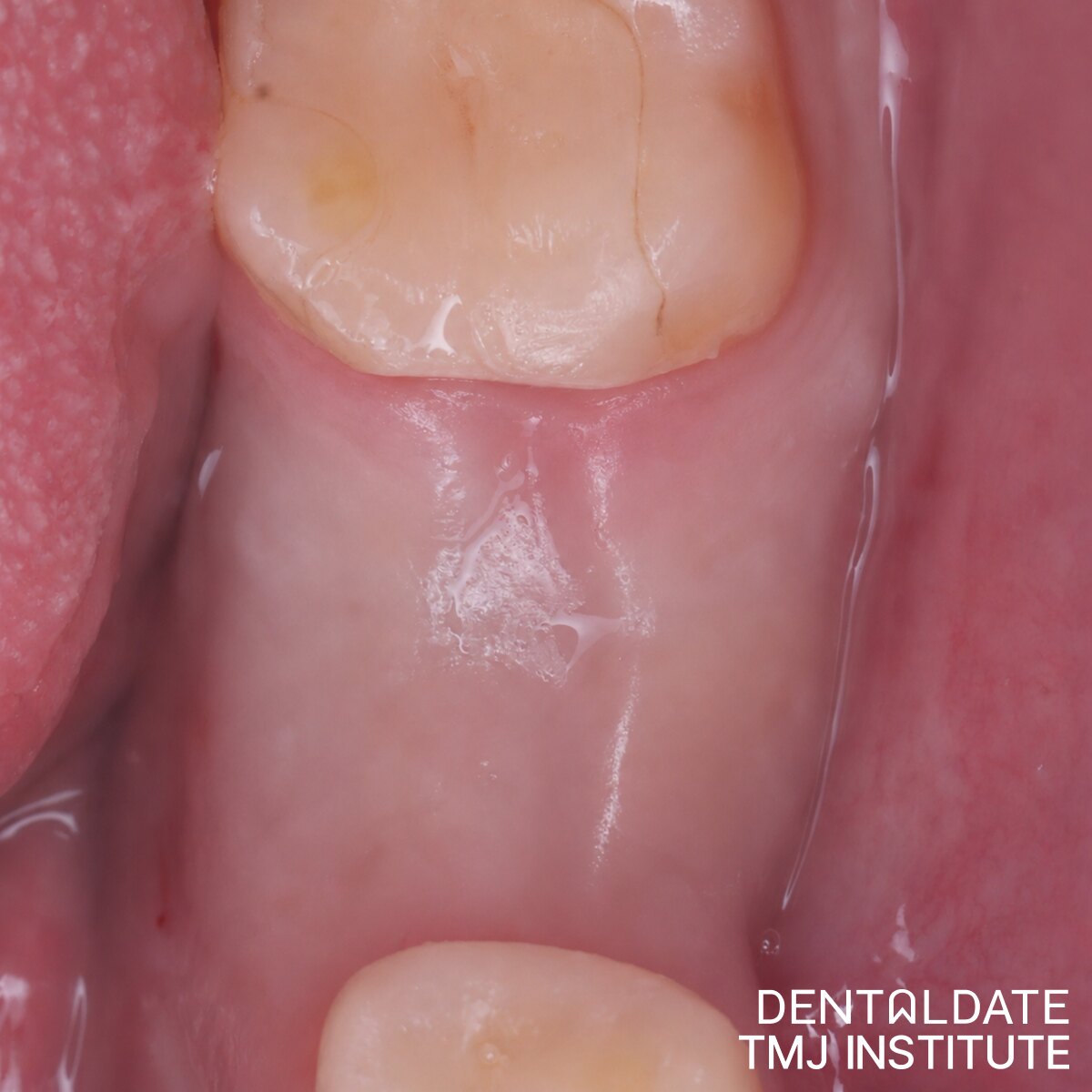
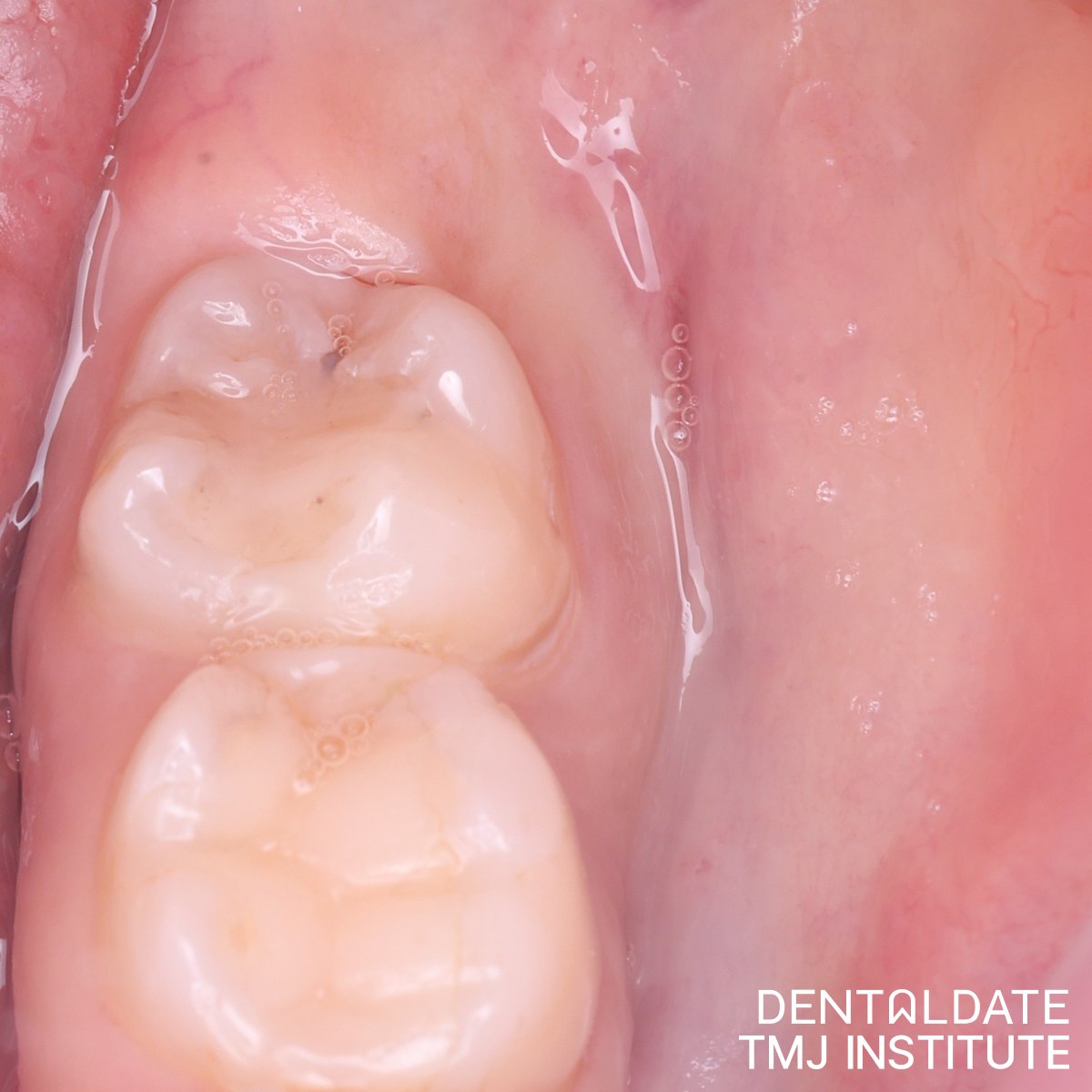
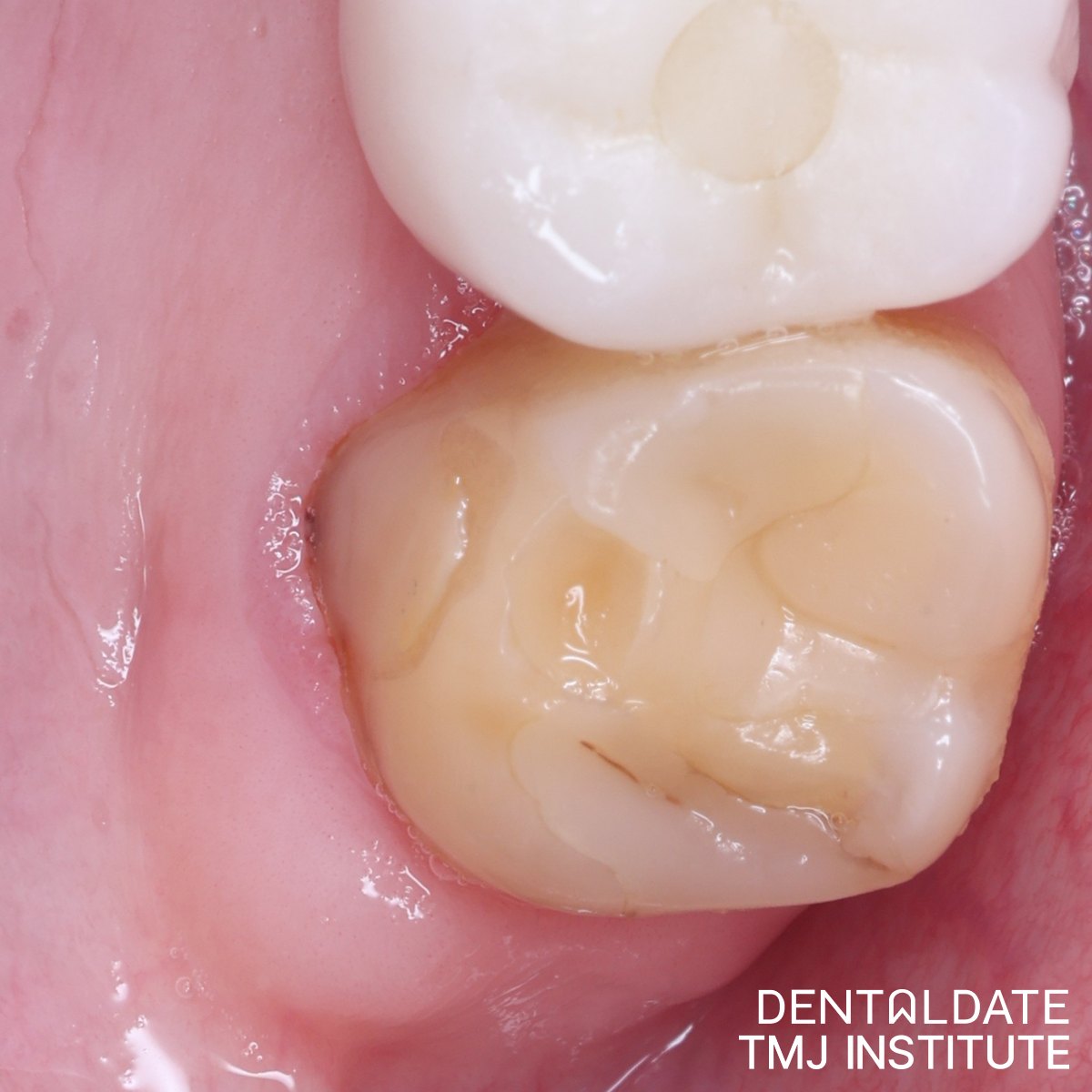
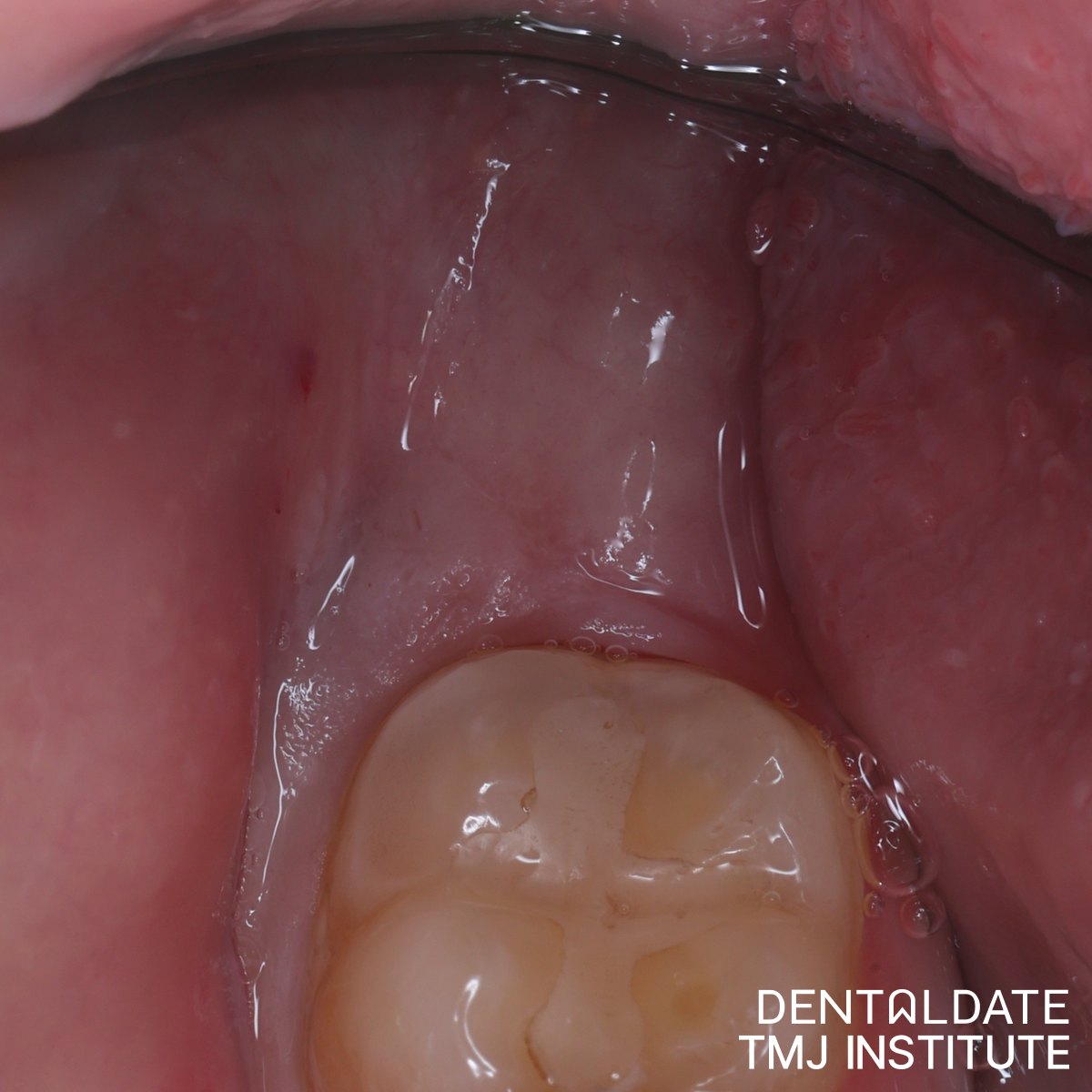
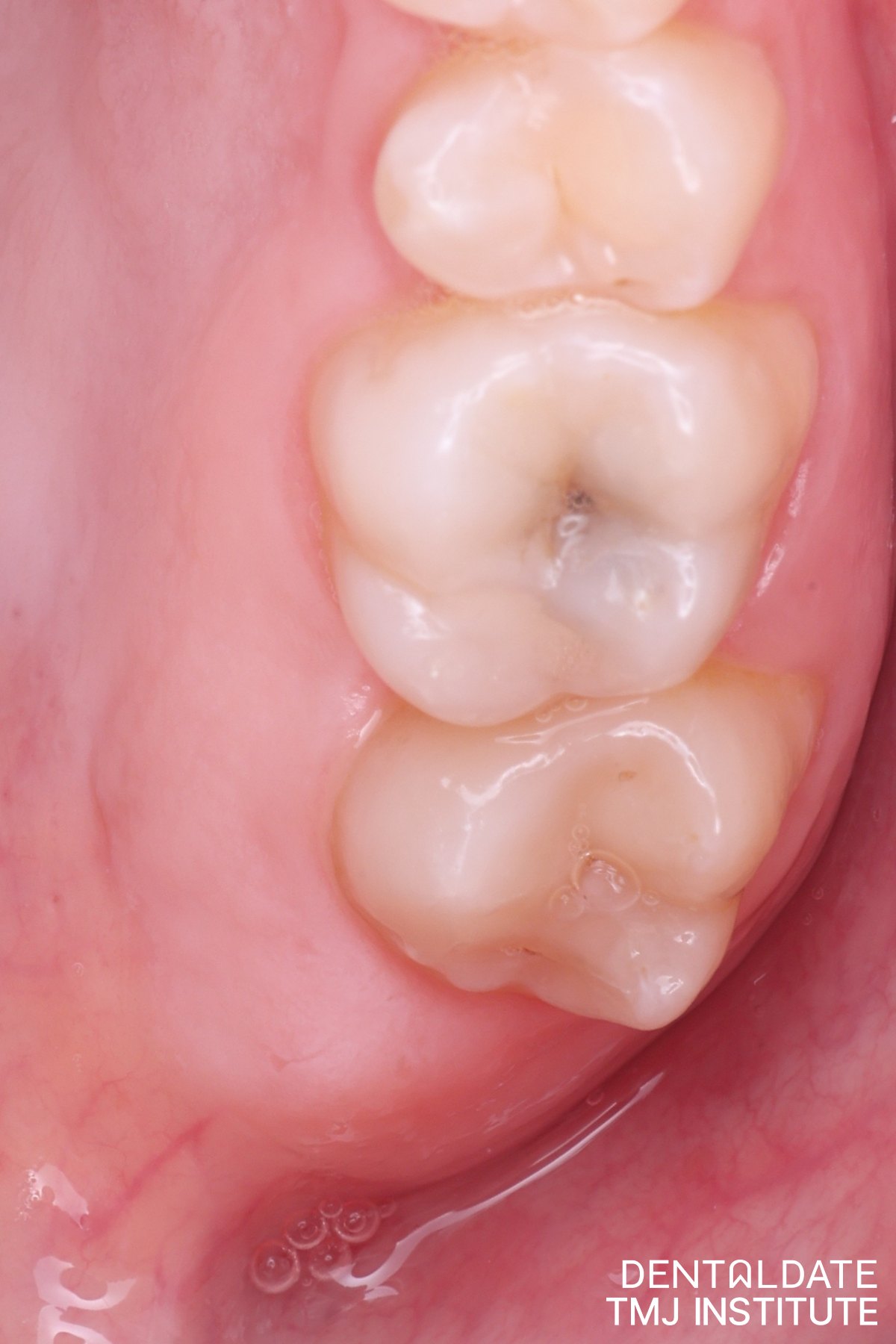
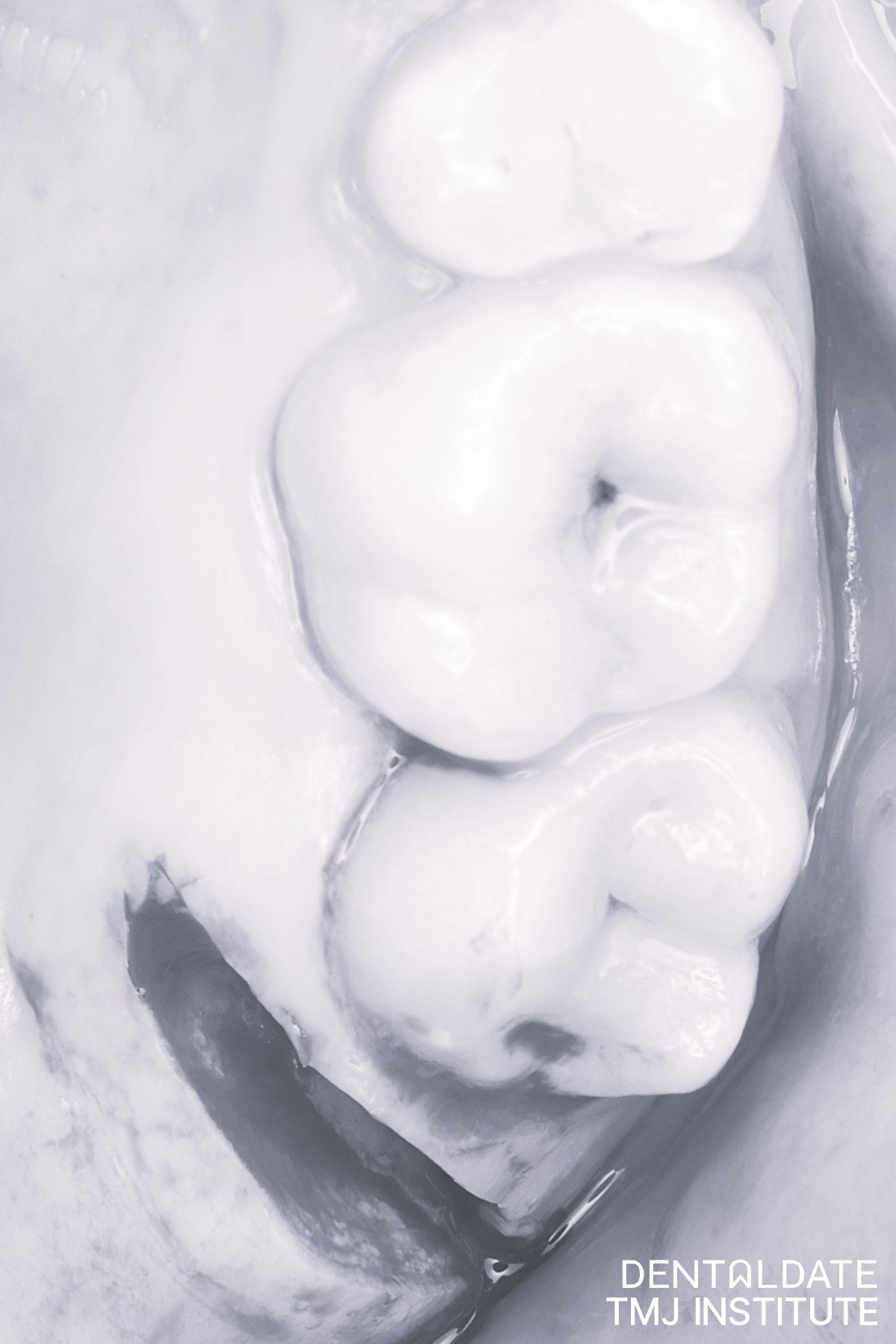
Tooth 36 had been missing for a long time. Because of this, soft tissue atrophy had developed: the gum in the area had lost its natural volume. Bone usually gets most of the attention when a tooth is lost, but the gum changes too, and without a tooth to support it, it can become thinner and flatter.
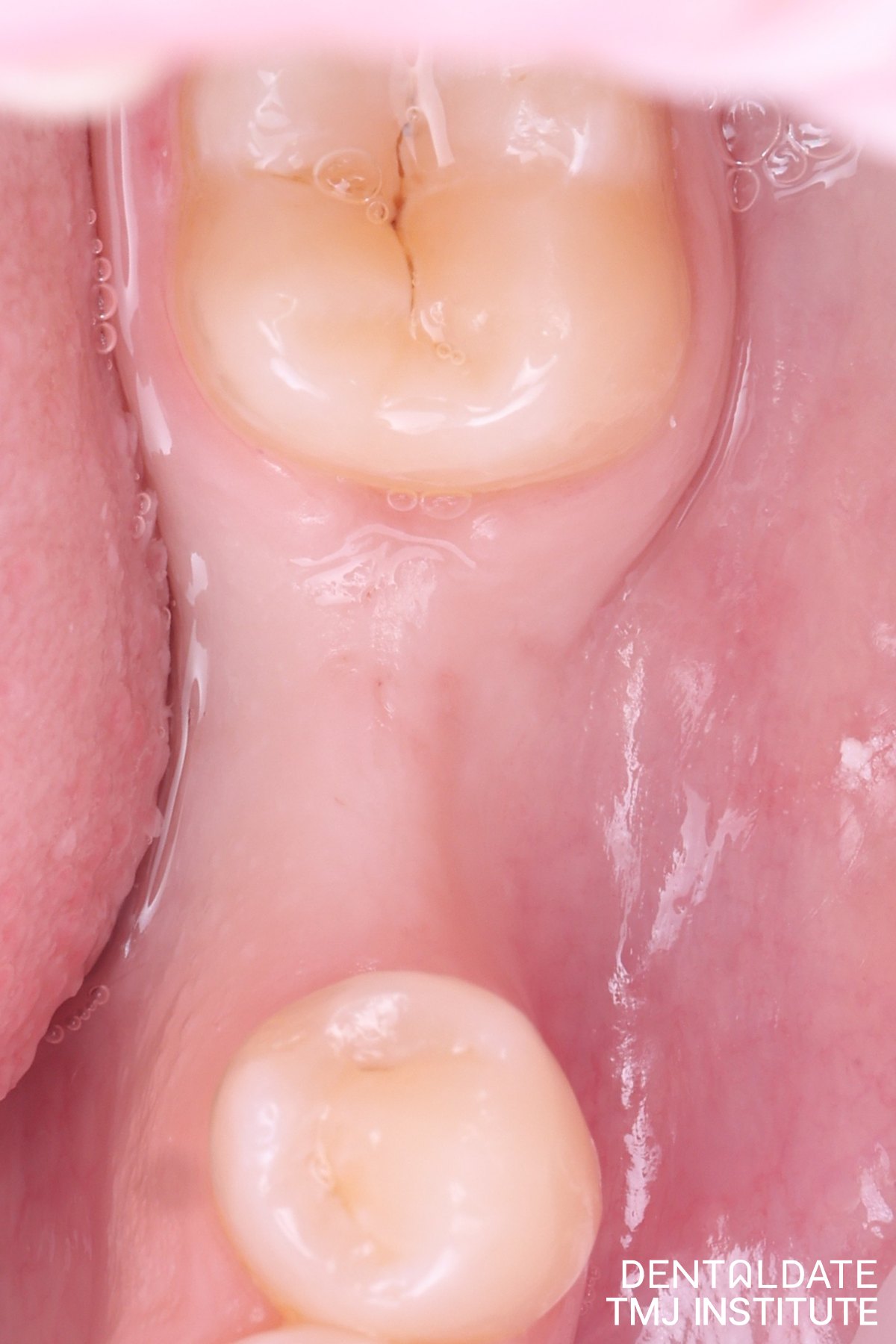
Why Gum Thickness Matters Around an Implant
When the gum around a future crown is too thin, it is harder to achieve a natural and stable contour. In general, a healthy band of thicker gum around an implant:
- forms a firmer seal around the neck of the implant and crown;
- is more resistant to recession over time;
- makes brushing and cleaning around the crown more comfortable;
- helps the crown emerge from the gum with a natural-looking shape.
A graft of the patient’s own connective tissue from the palate restores the volume of the gum around the implant.
Is a Gum Graft Always Needed With an Implant?
No. When an implant is placed soon after an extraction and the gum has kept its shape, soft tissue grafting is often unnecessary. The need for it usually appears when a gap has been left for a long time, when the gum is naturally thin, or when previous gum problems have caused recession. The surgeon generally judges this by looking at the thickness and width of the gum at the site and how it is likely to behave around the future crown. Because the gum here had lost its natural volume, the graft was combined with the implant placement.
Why the Palate?
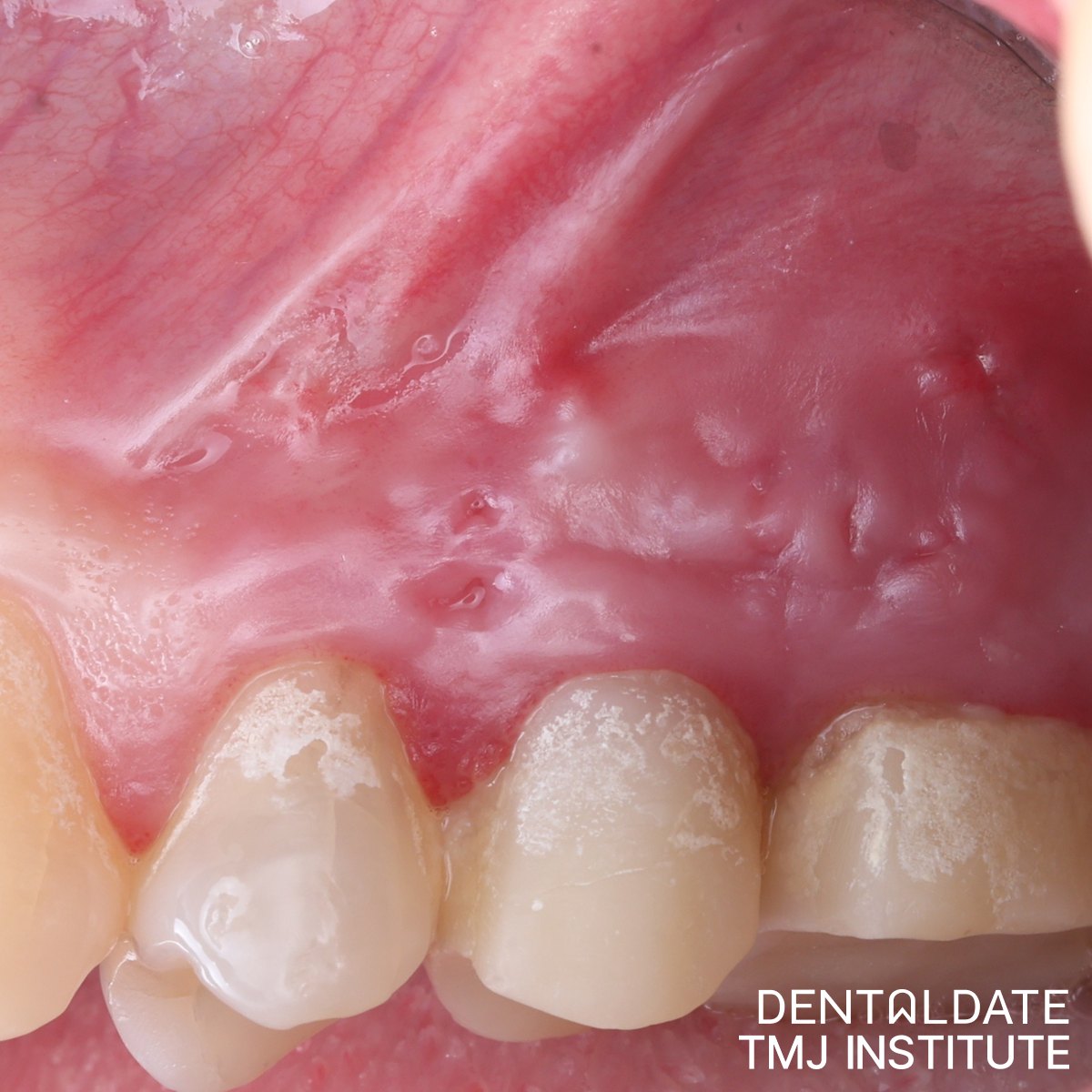
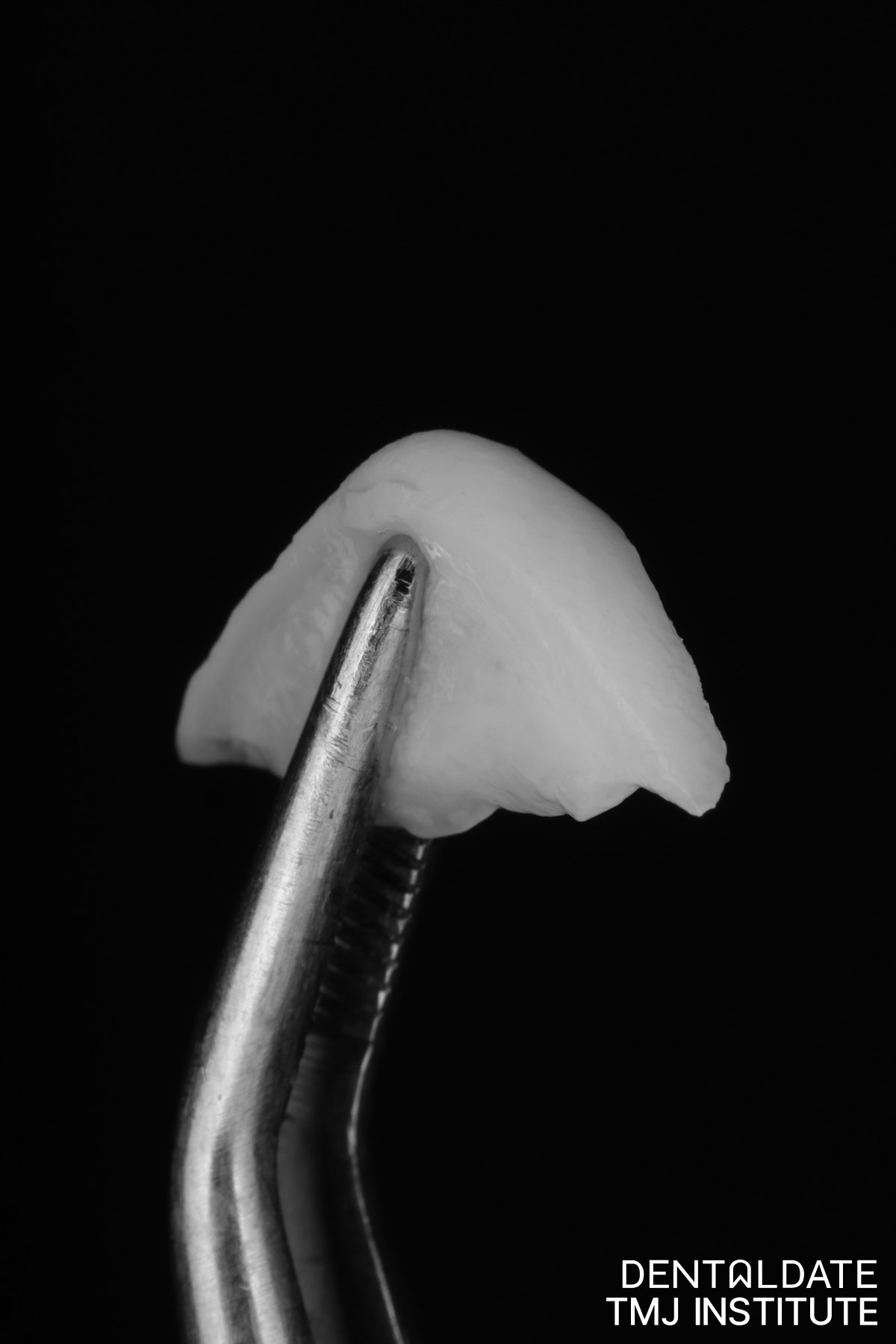
The palate, the roof of the mouth, is the usual donor site for connective tissue grafts. Its tissue is dense and firm, and the donor area heals by itself once the graft has been taken. Using the patient’s own tissue also means that no foreign material is involved.
Taking the graft and placing it in the same visit as the implant means the gum is built up at the very start, while the surgical site is already open. This avoids the need for a separate soft tissue operation later.
One Procedure, 40 Minutes
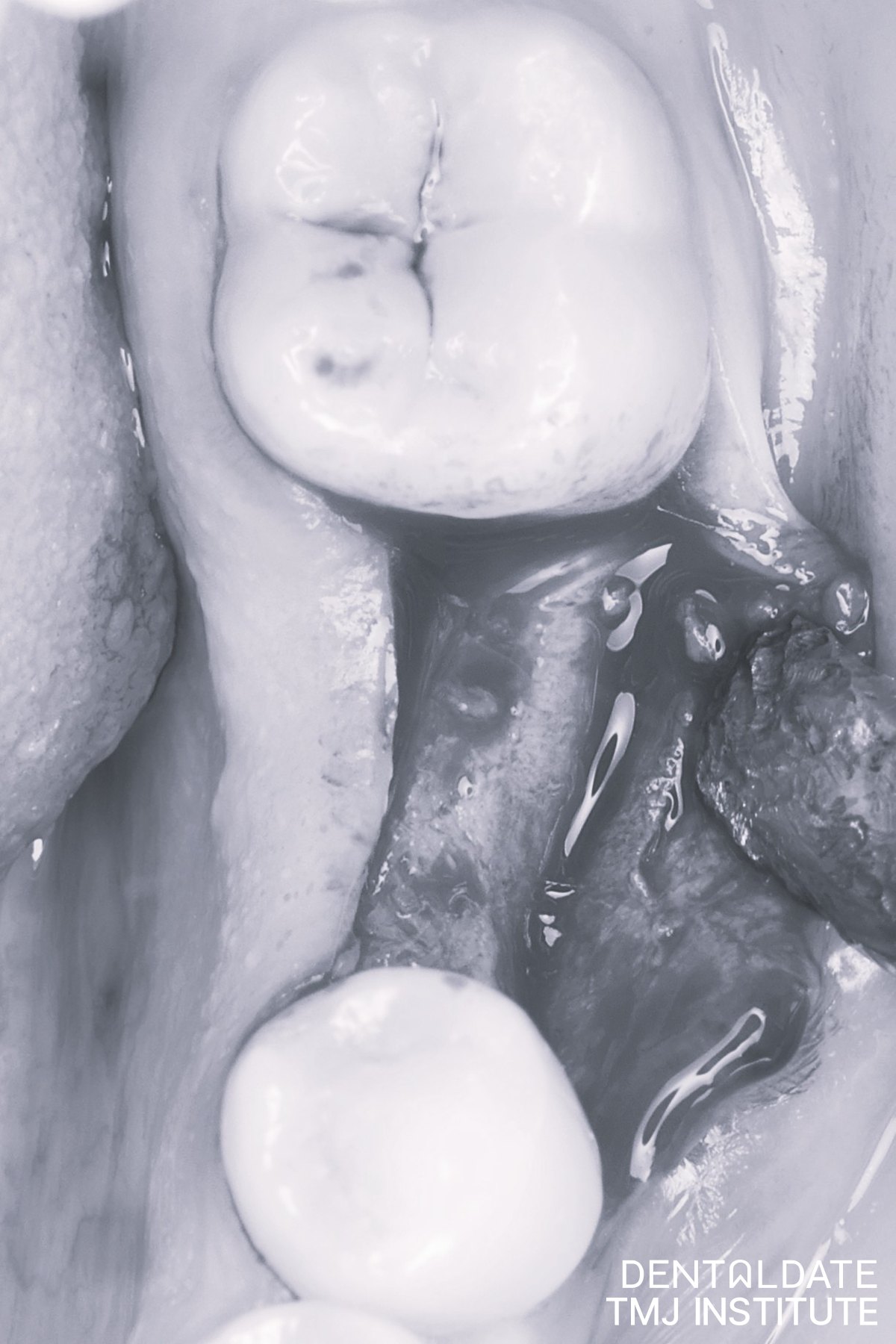
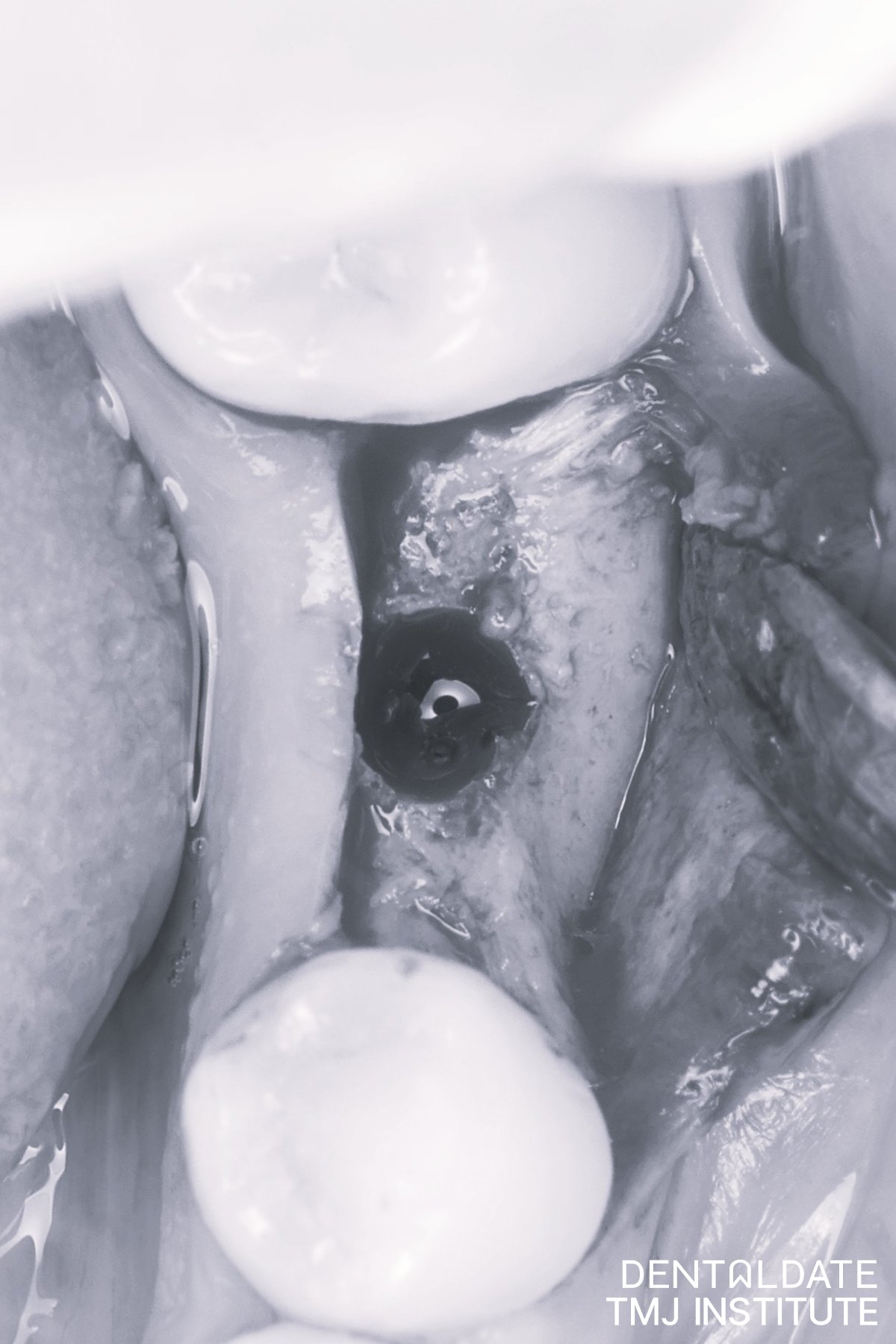
Everything was completed in a single surgical visit, which took 40 minutes in total:
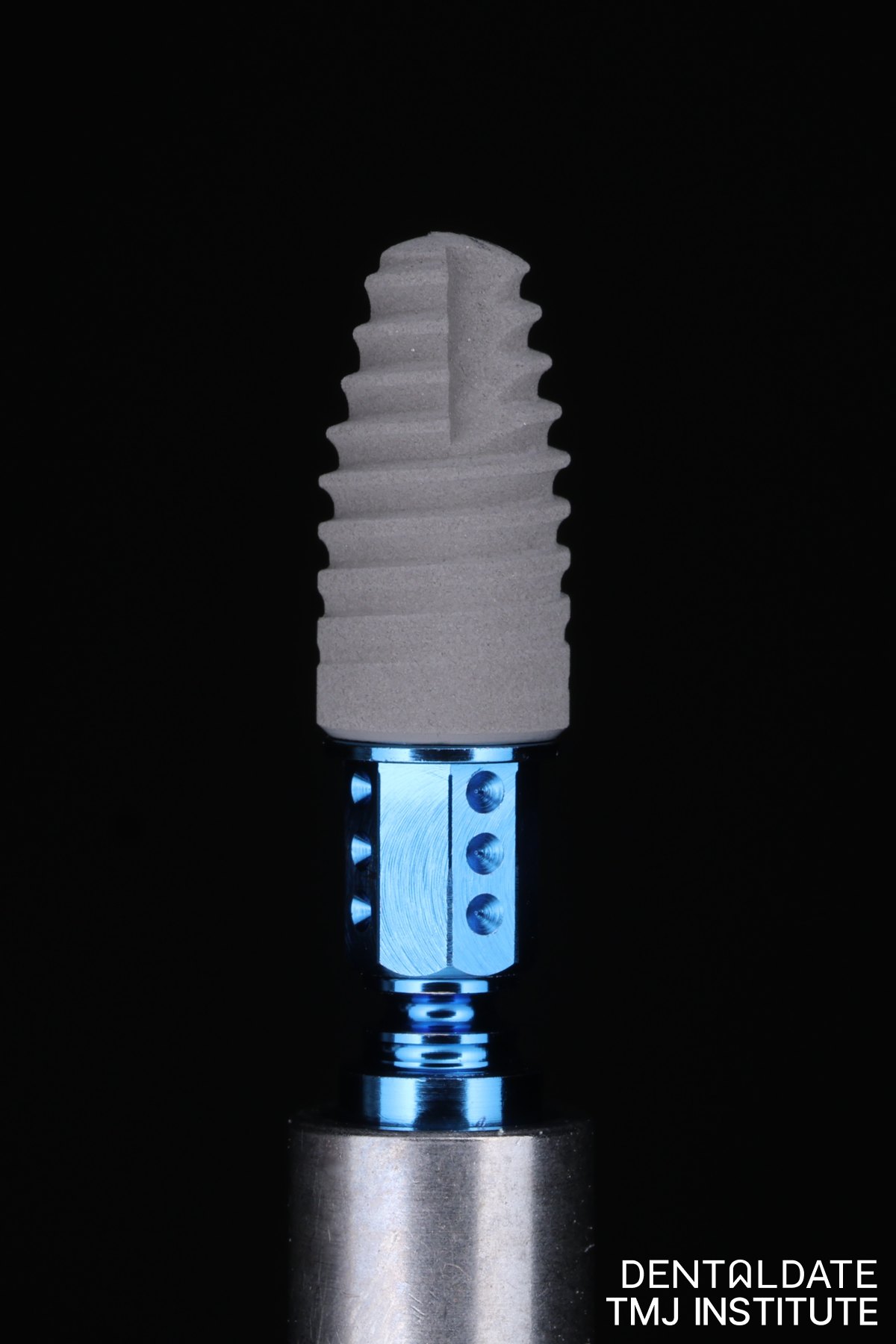
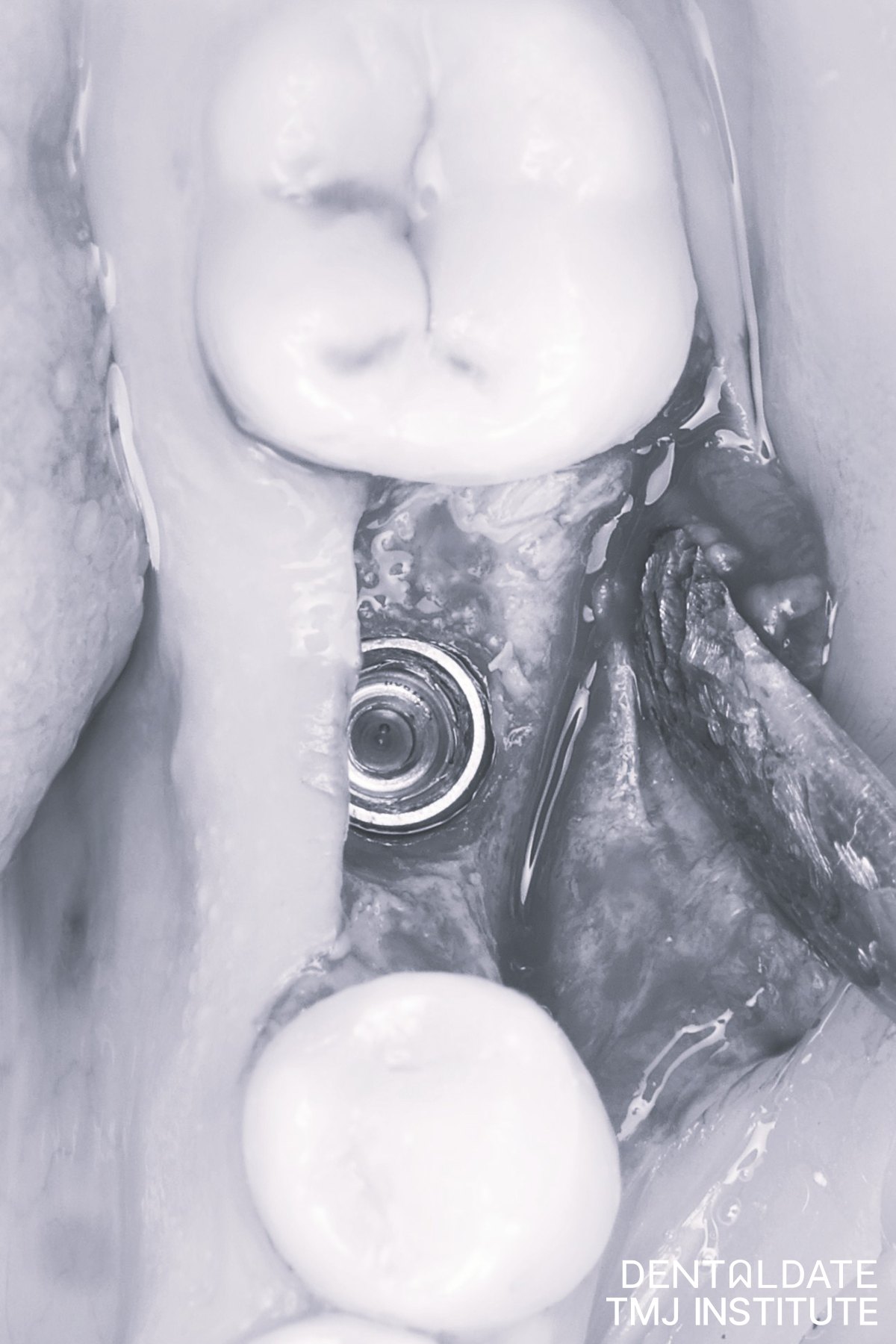
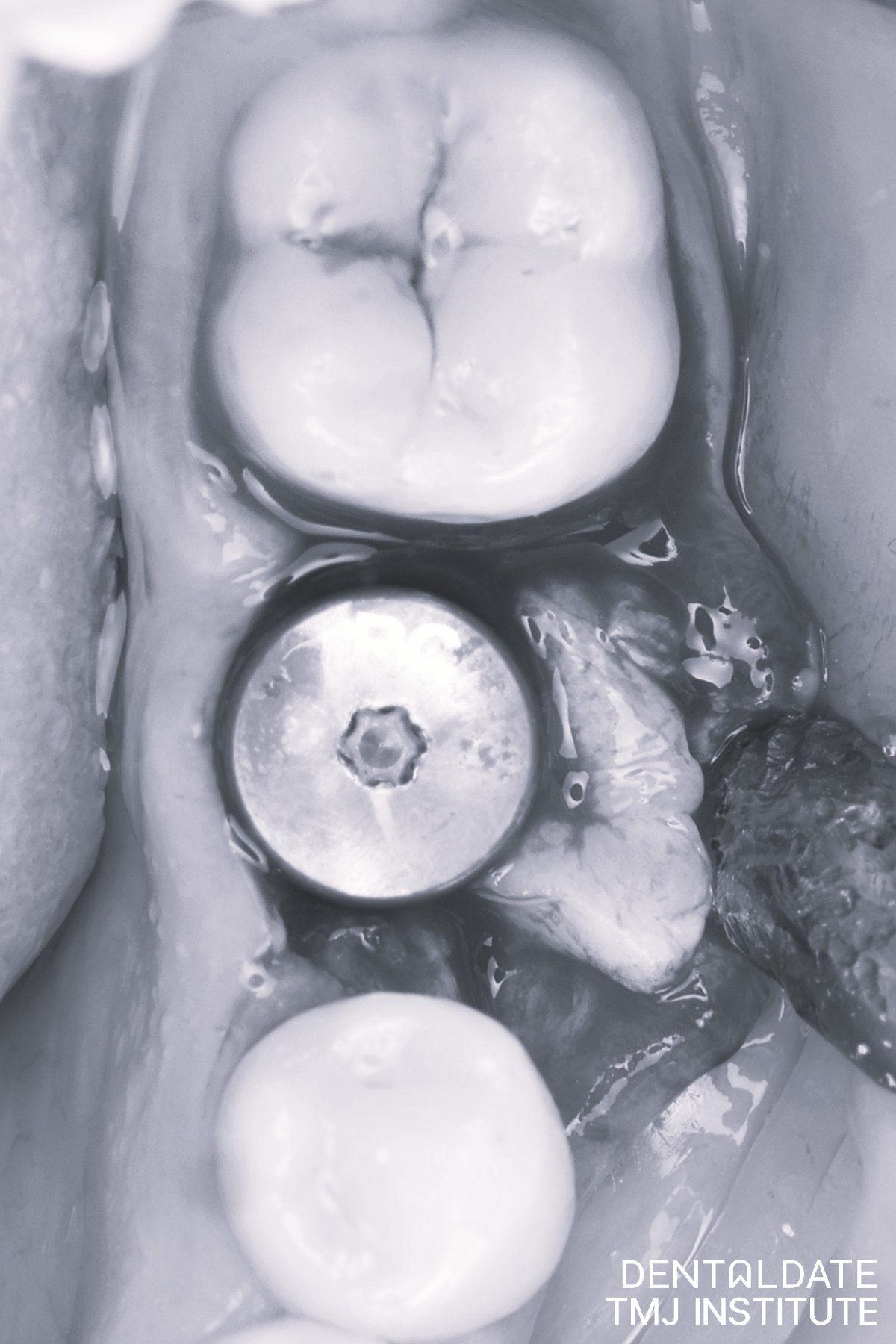
- The implant bed was prepared, and the dental implant was placed in the position of tooth 36.
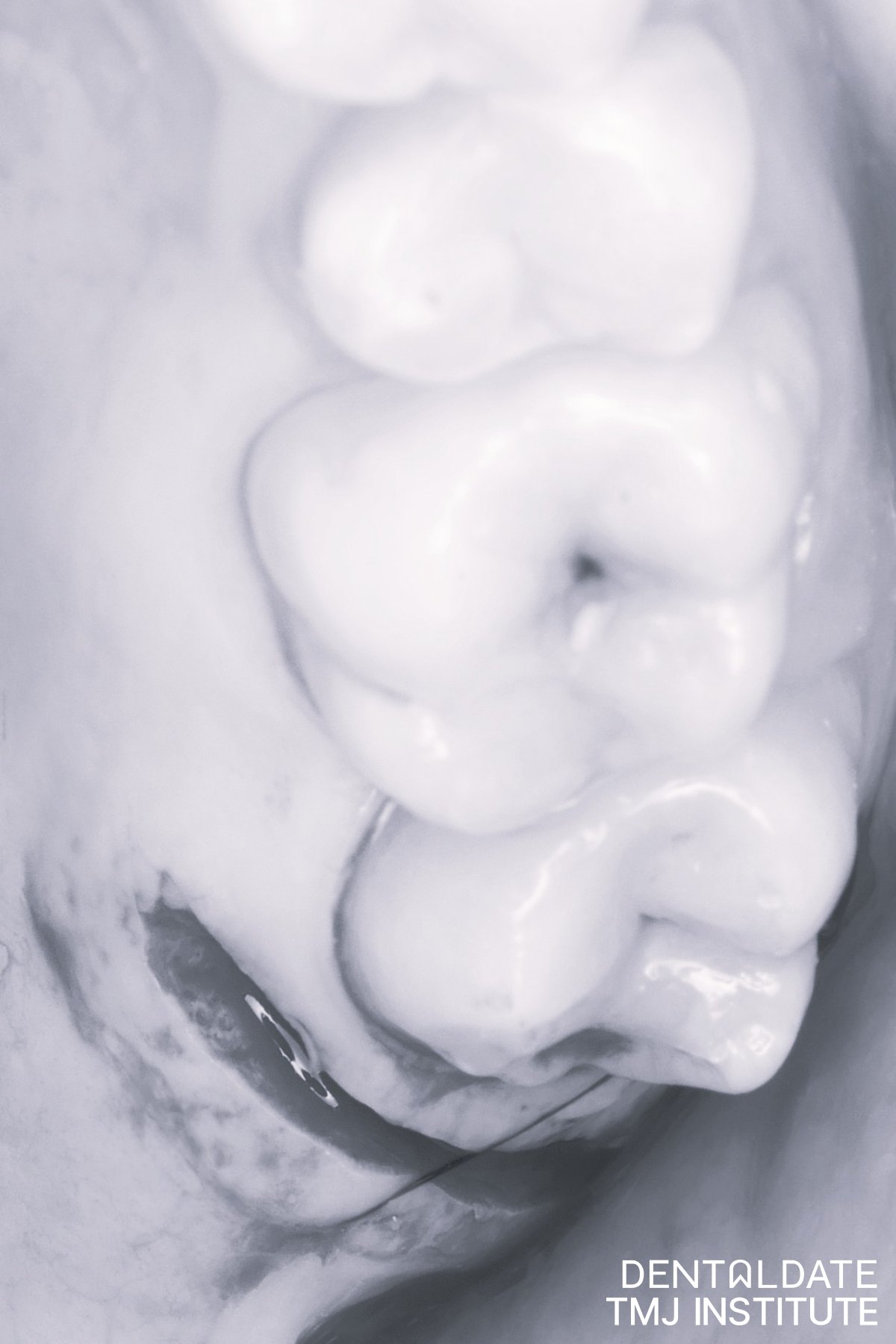
- A connective tissue graft was taken from the palate.
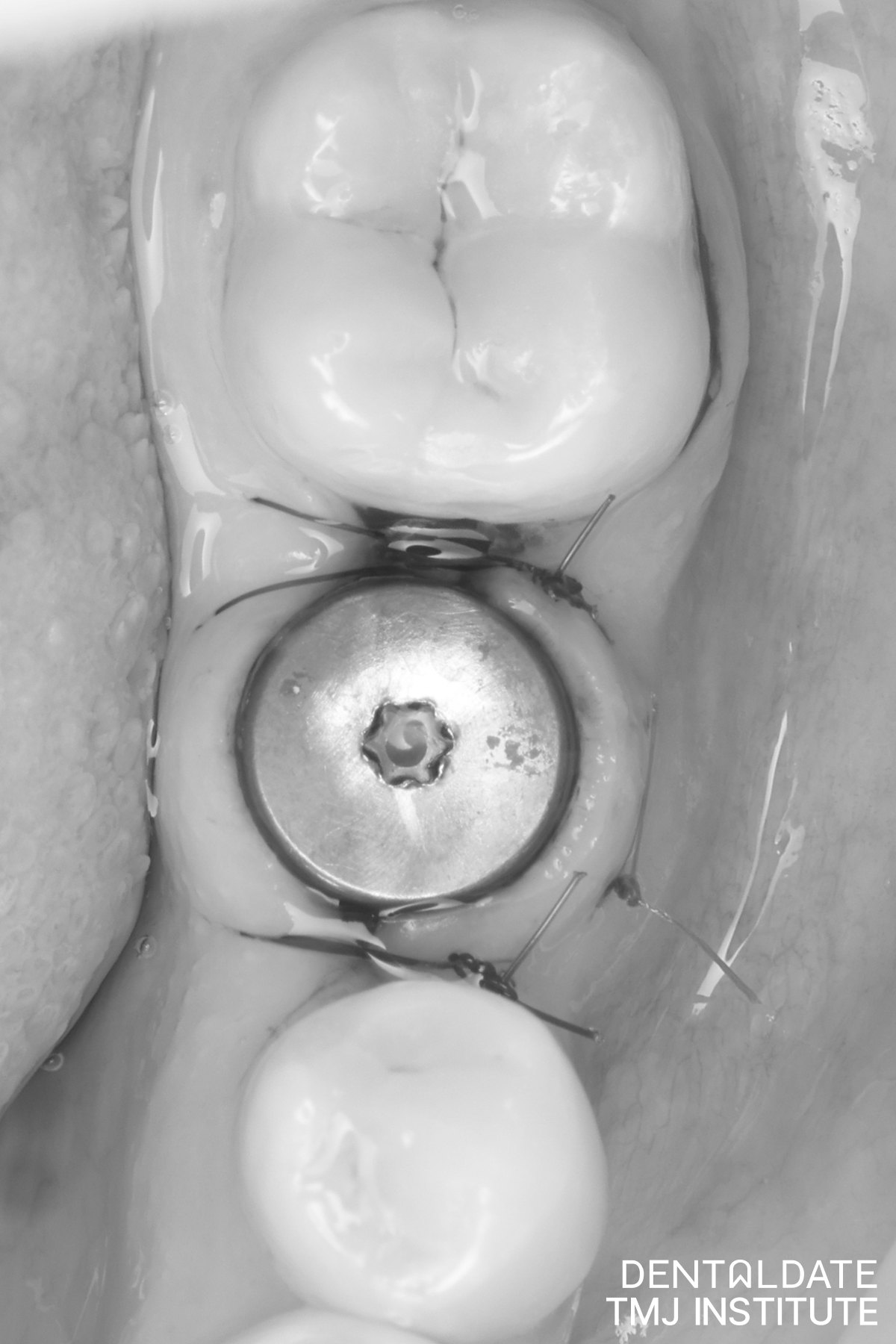
- The graft was placed to create a natural, esthetic contour around the future crown.
- The area was sutured.
Recovery: Two Areas Healing at Once
With a palatal graft, there are two areas to look after: the implant site in the lower jaw and the donor site on the palate. The palate can feel tender for a while, especially when eating hot or crunchy food. Patients are generally advised to:
- eat soft, lukewarm food and chew away from the implant site;
- avoid pressing the tongue against the palate or poking at the surgical areas;
- follow the clinic’s instructions on cleaning, rinsing and medication;
- avoid smoking, which slows the healing of both the graft and the gum;
- contact the clinic if bleeding from the palate does not stop with gentle pressure, or if swelling or pain increases rather than settles.
Next: Integration and the Permanent Crown
The implant is now integrating with the bone. In about three months, once osseointegration is complete, the next step is a permanent crown. Dr. Tikhon performs the surgical stage of treatment, and the crown on the implant is then made by a prosthodontist once the implant has integrated with the bone.
Implants for Long-Standing Gaps at DentalDate
A tooth that was lost long ago can still be replaced, even when the gum has thinned. At DentalDate, implant surgery is planned with 3D imaging, and the prosthetic stage is completed by a prosthodontist. Talk to us about your gap and the ways it can be restored.