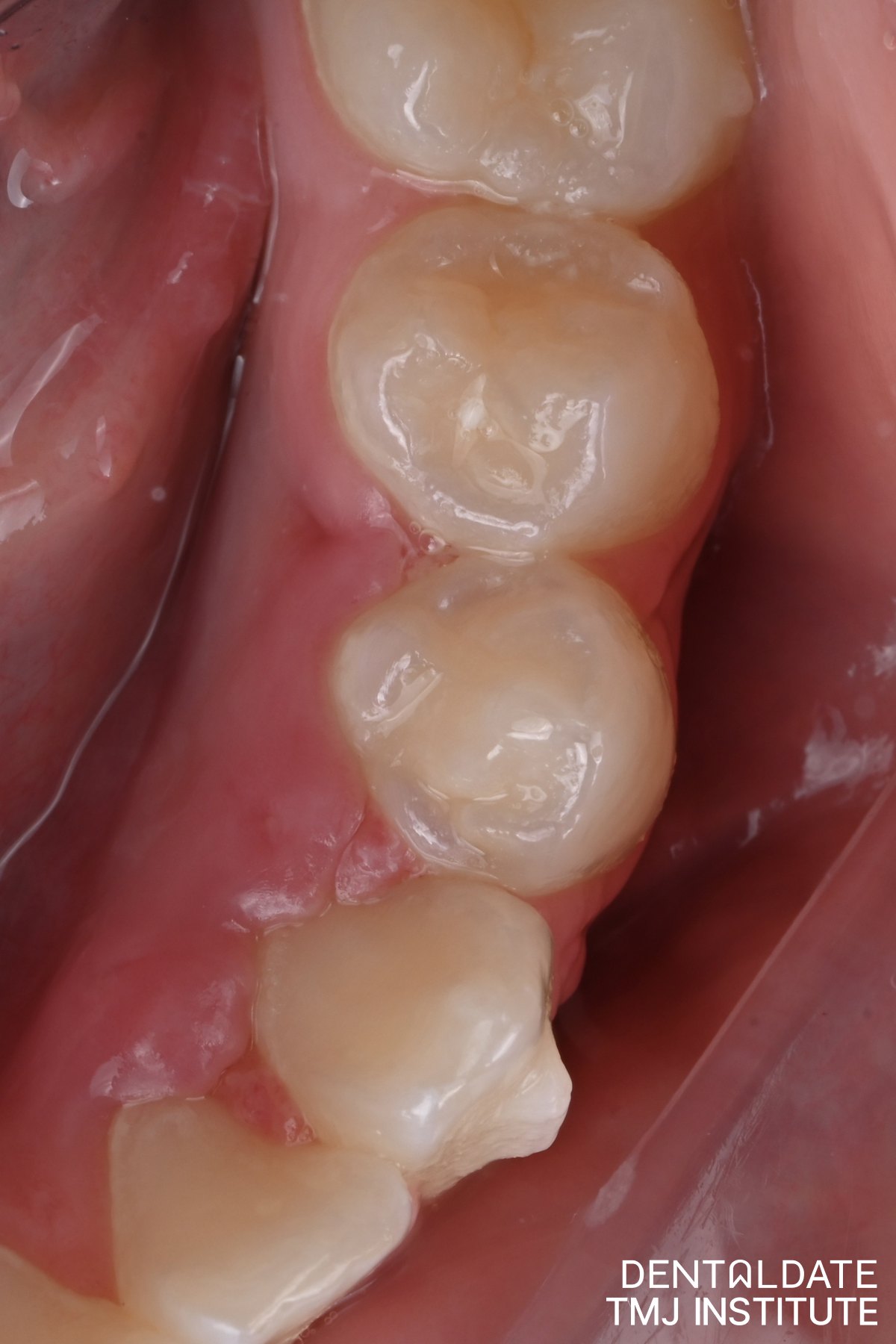
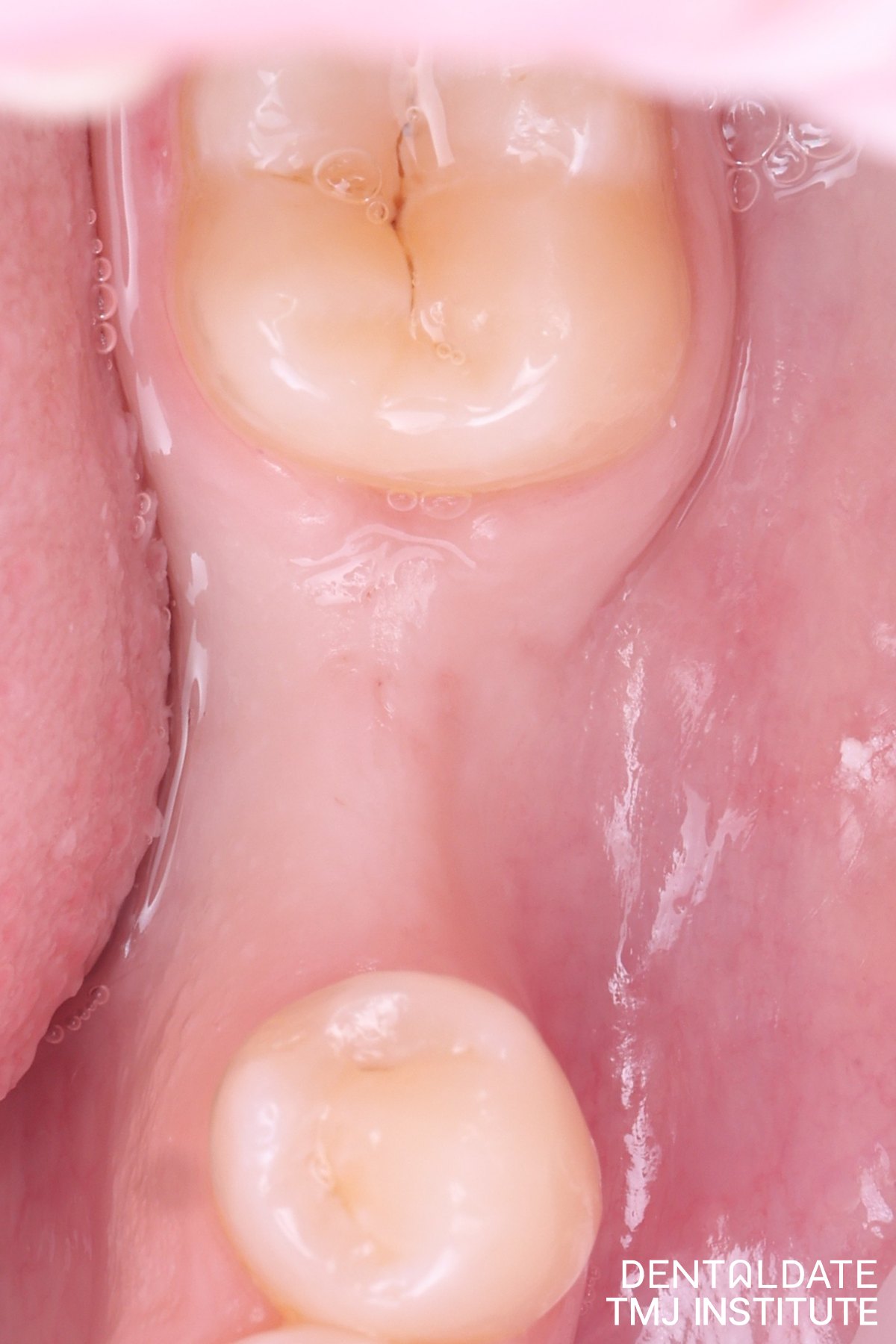
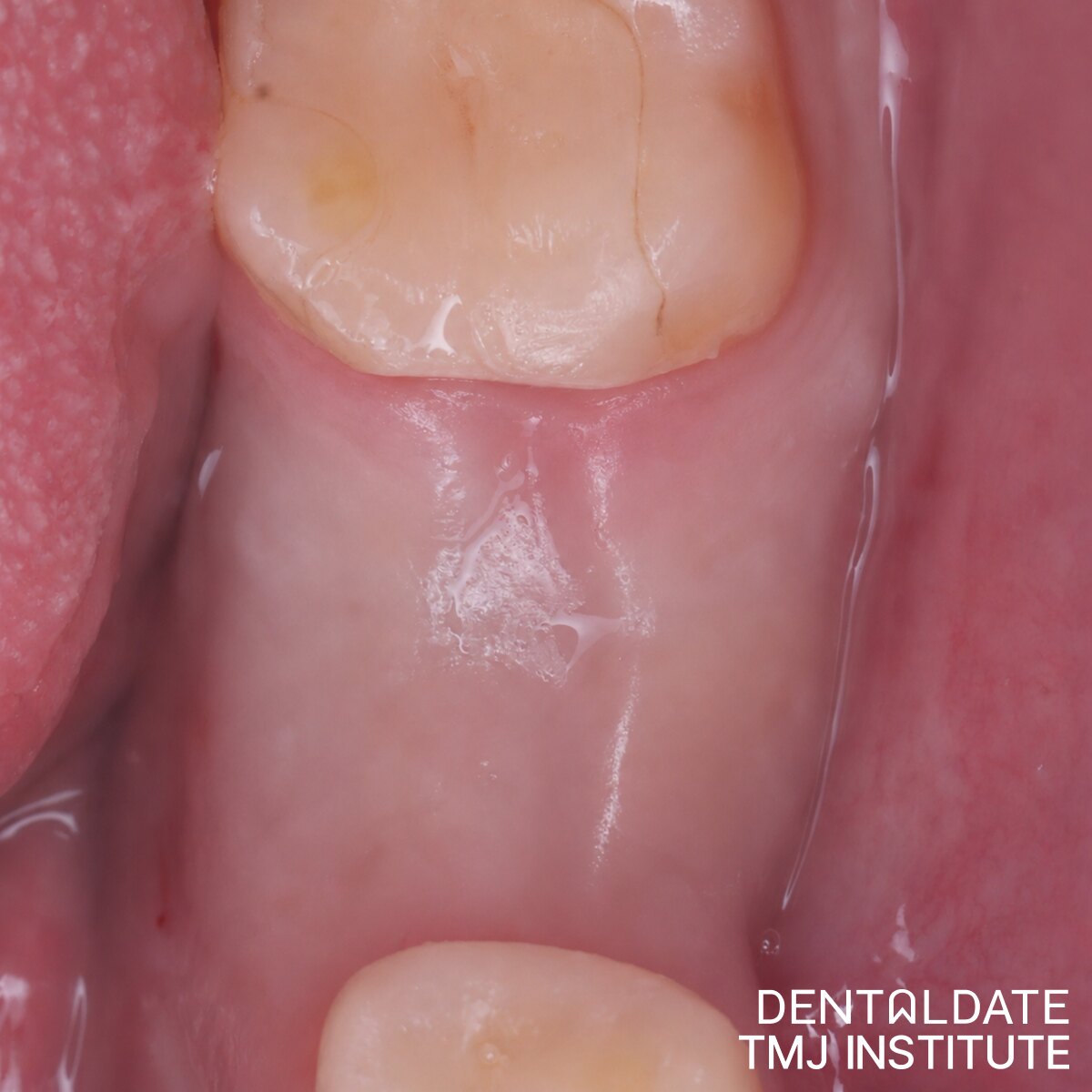
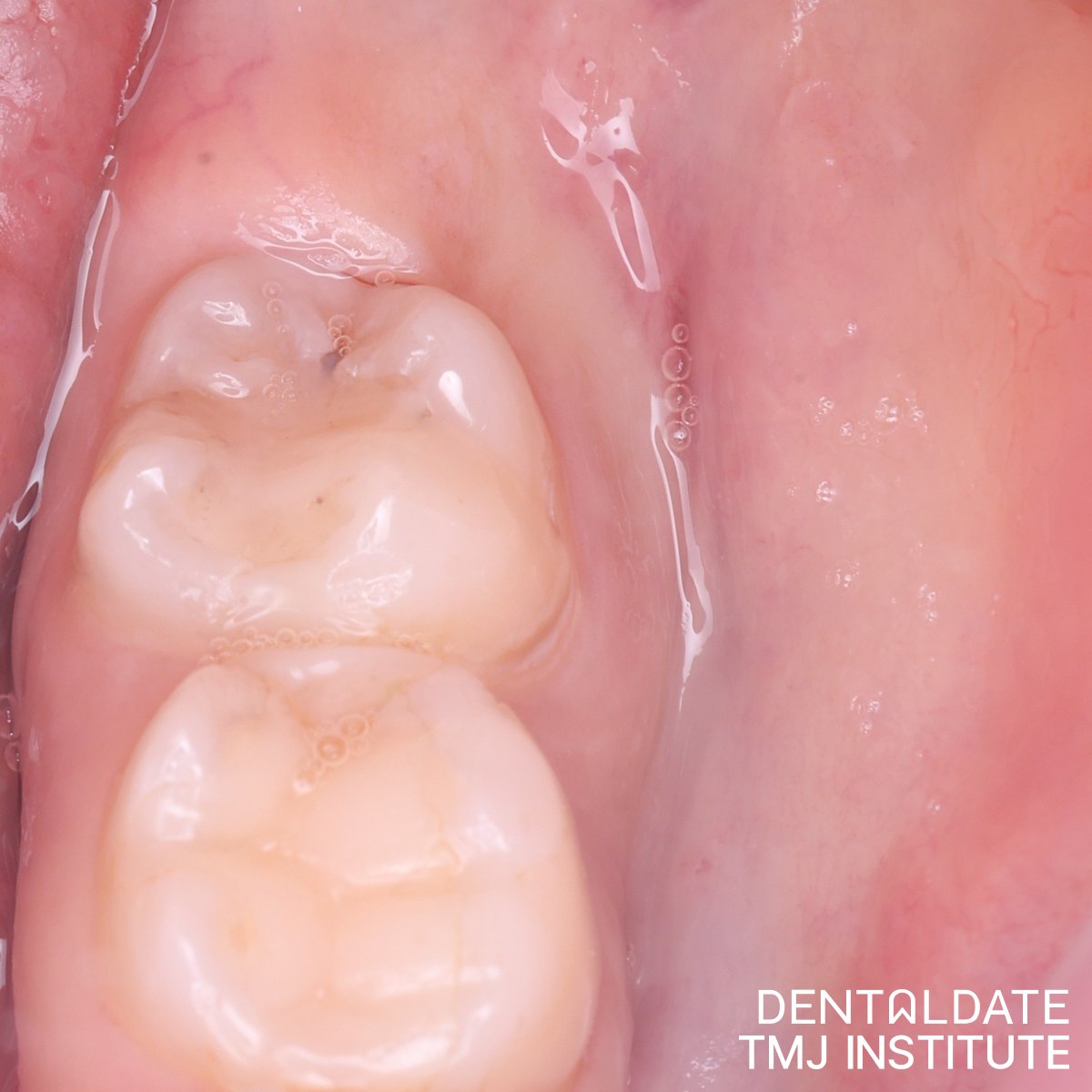
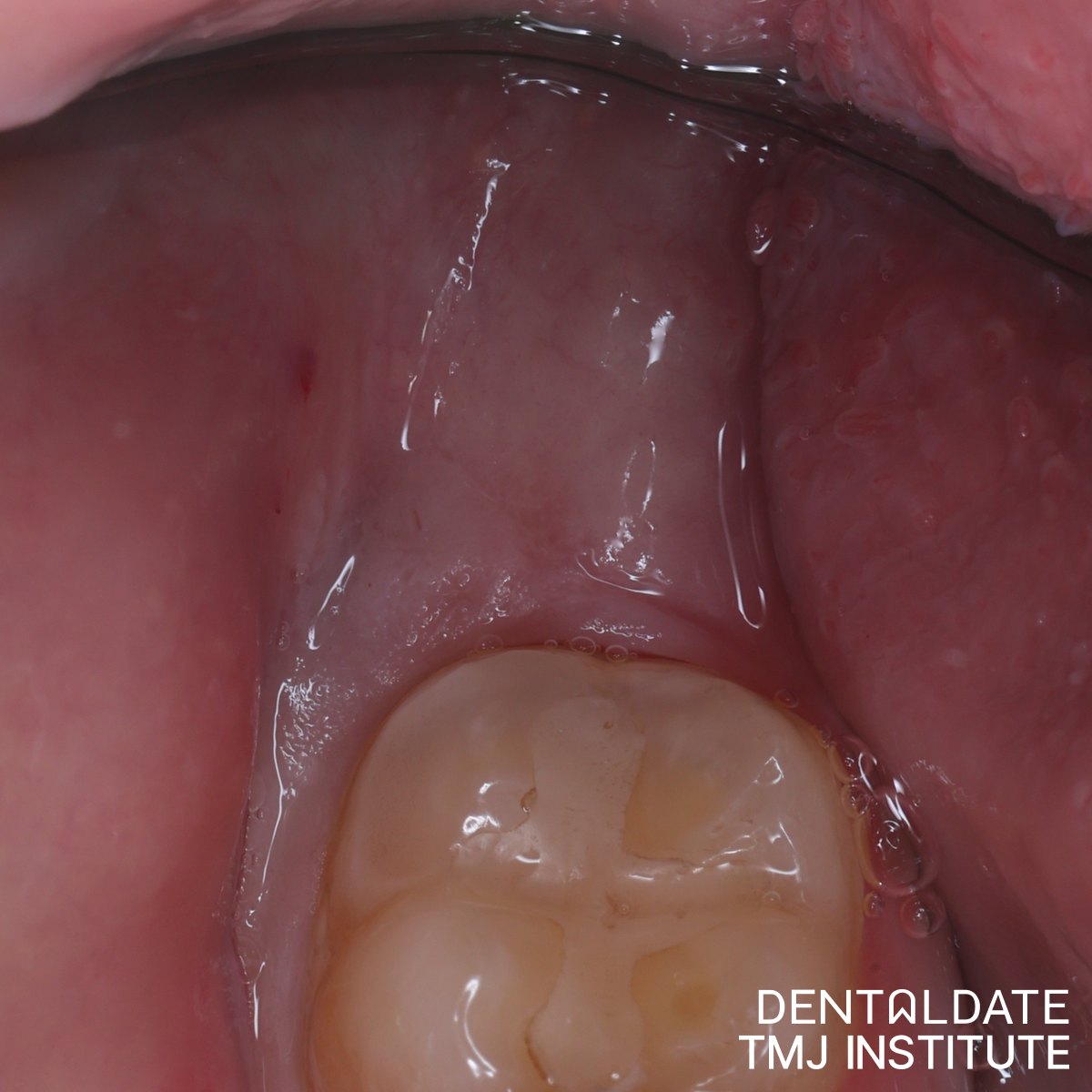
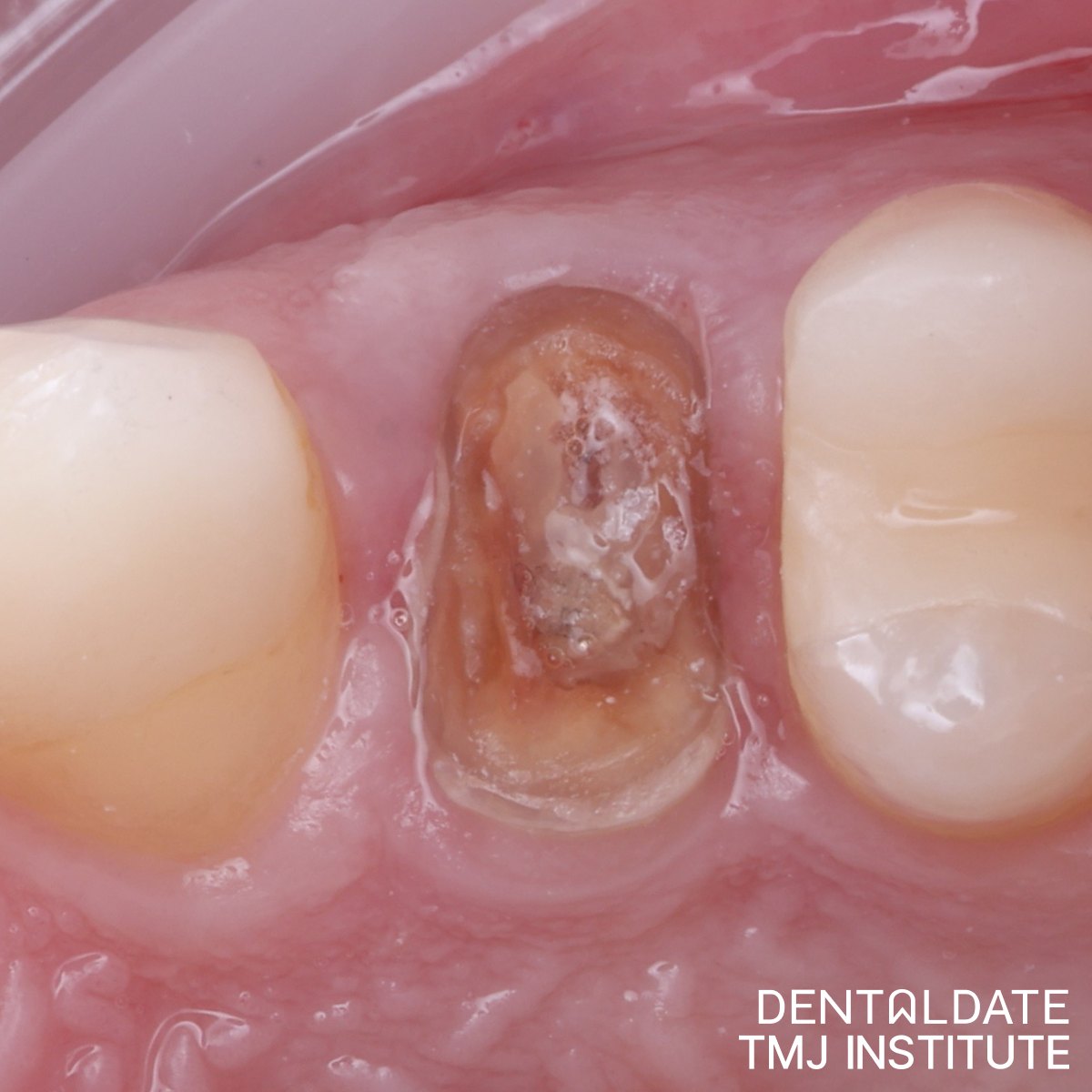
A Molar That Could Not Be Saved
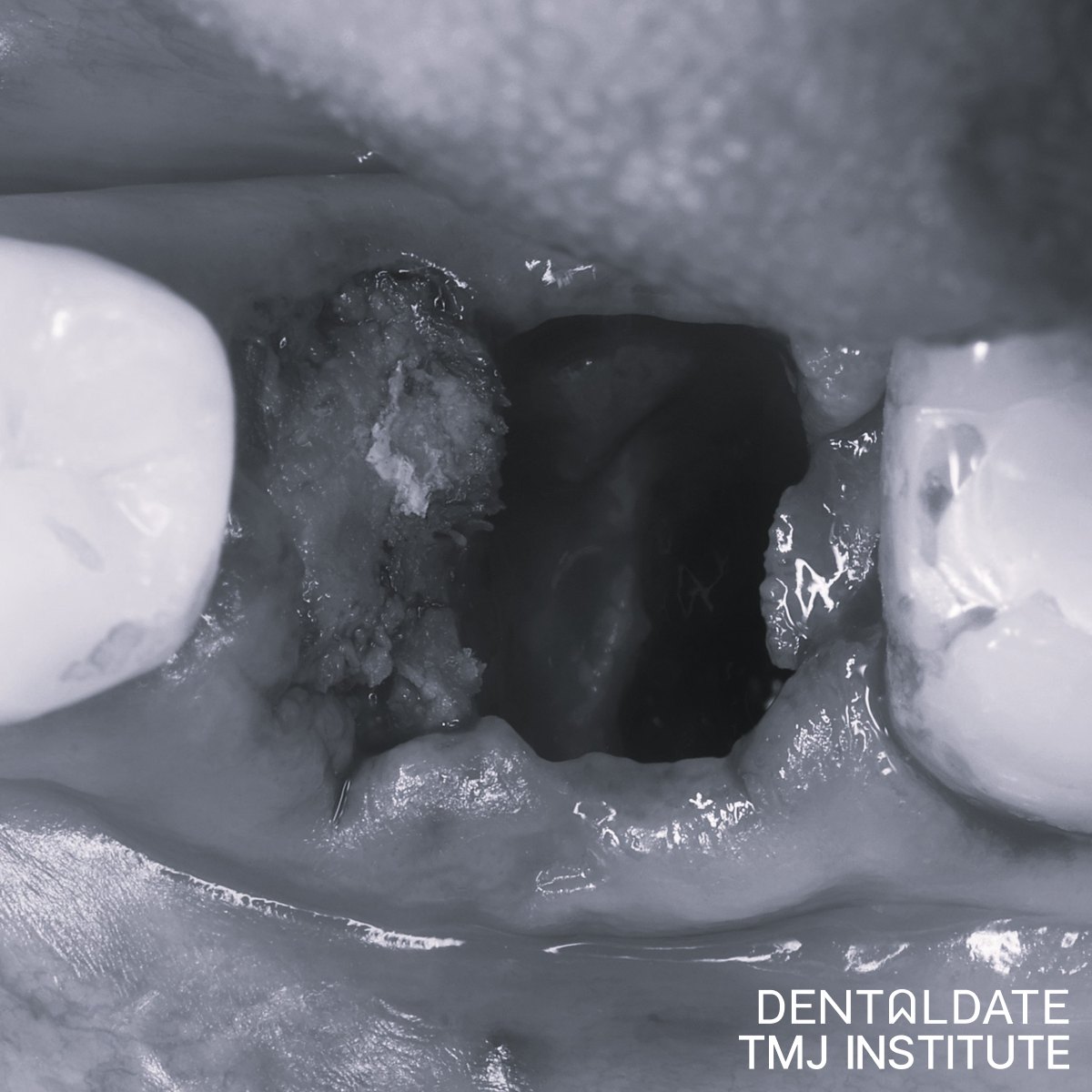
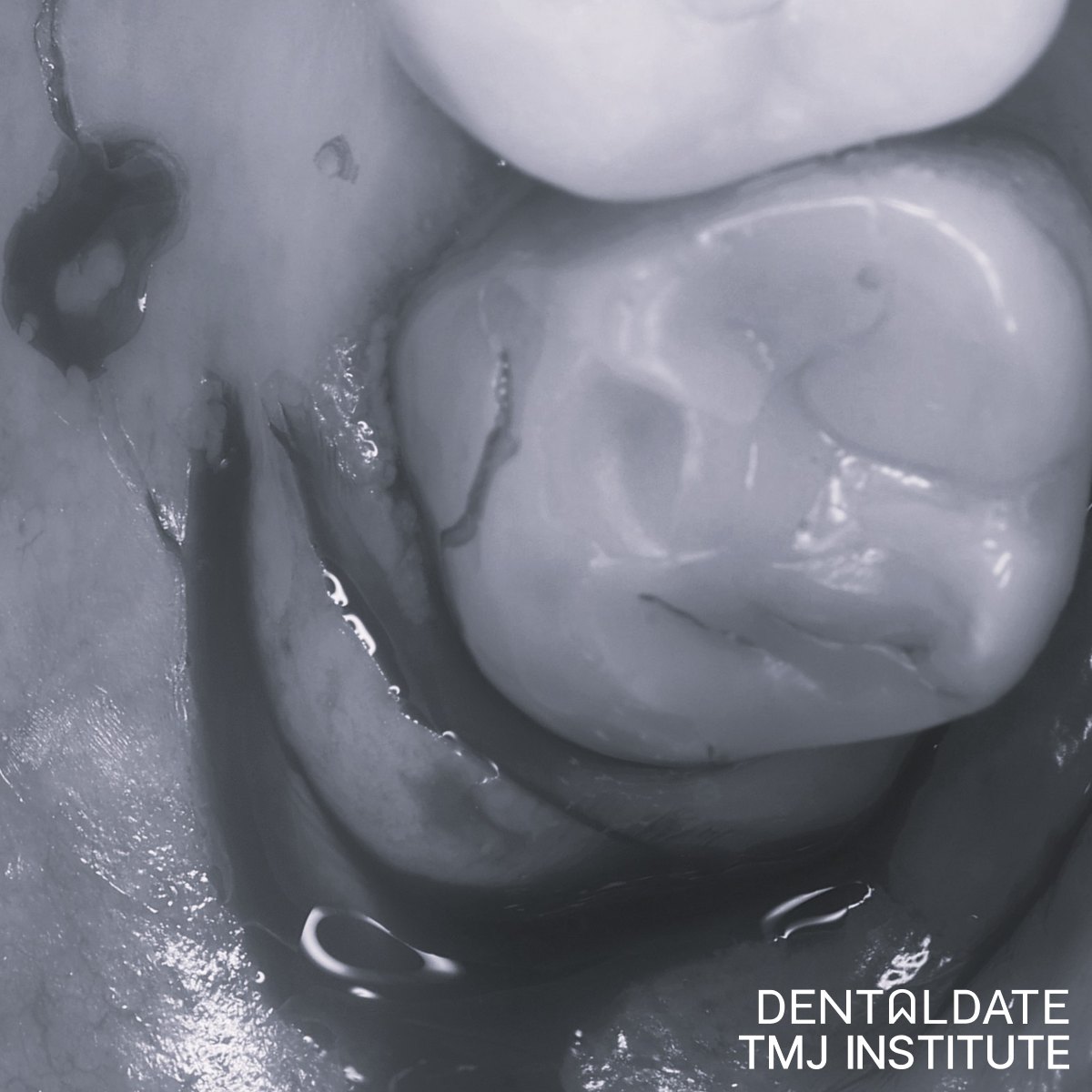
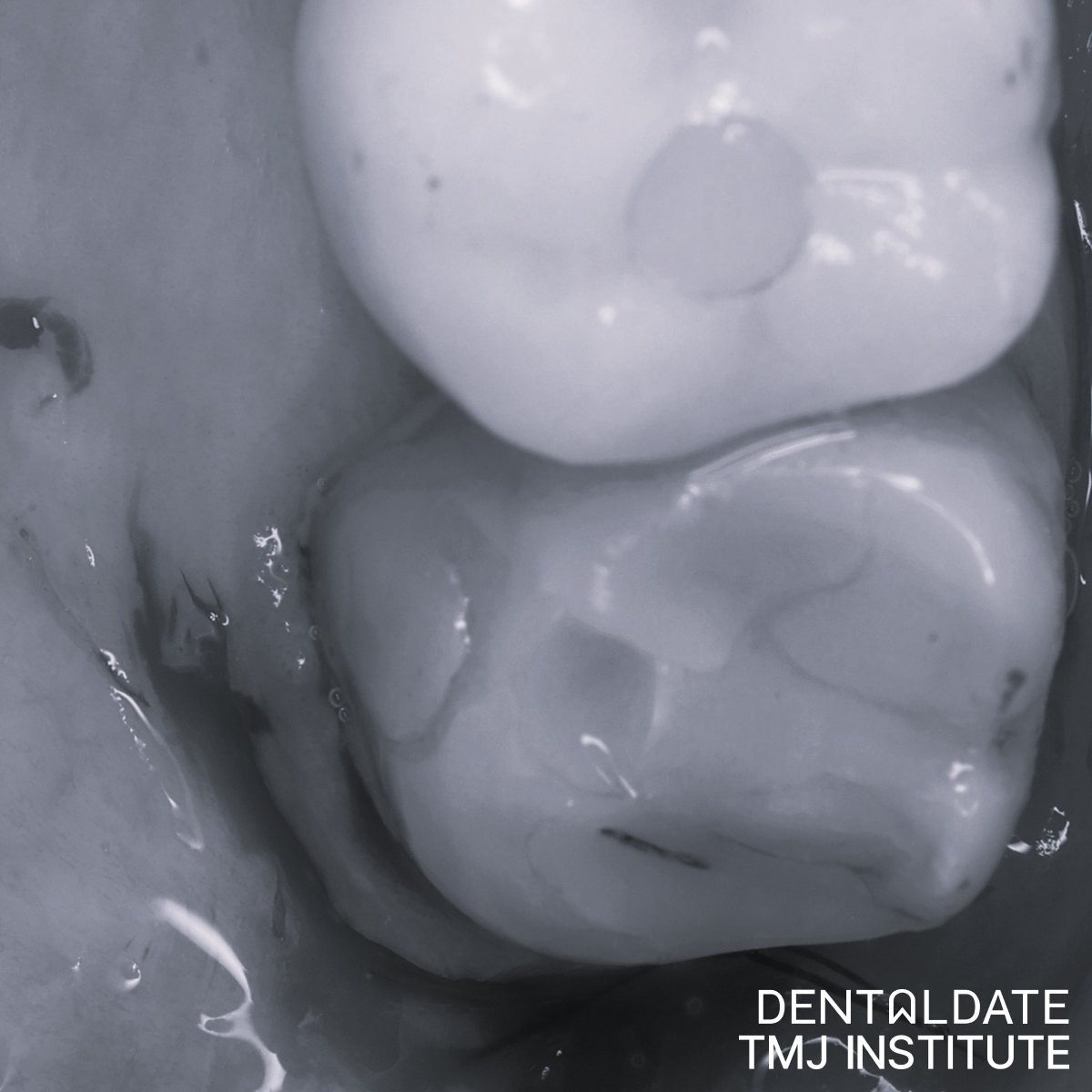
The lower molar was severely decayed and had to be extracted. When decay destroys a large part of a tooth, there may not be enough healthy structure left to support a filling or a crown, even after root canal treatment. At that point, keeping the tooth is often less predictable than replacing it.
Decay of this extent usually develops over a long period. In its early stages, a cavity can often be managed with a simple filling, which is why regular check-ups and prompt treatment of small cavities matter so much.
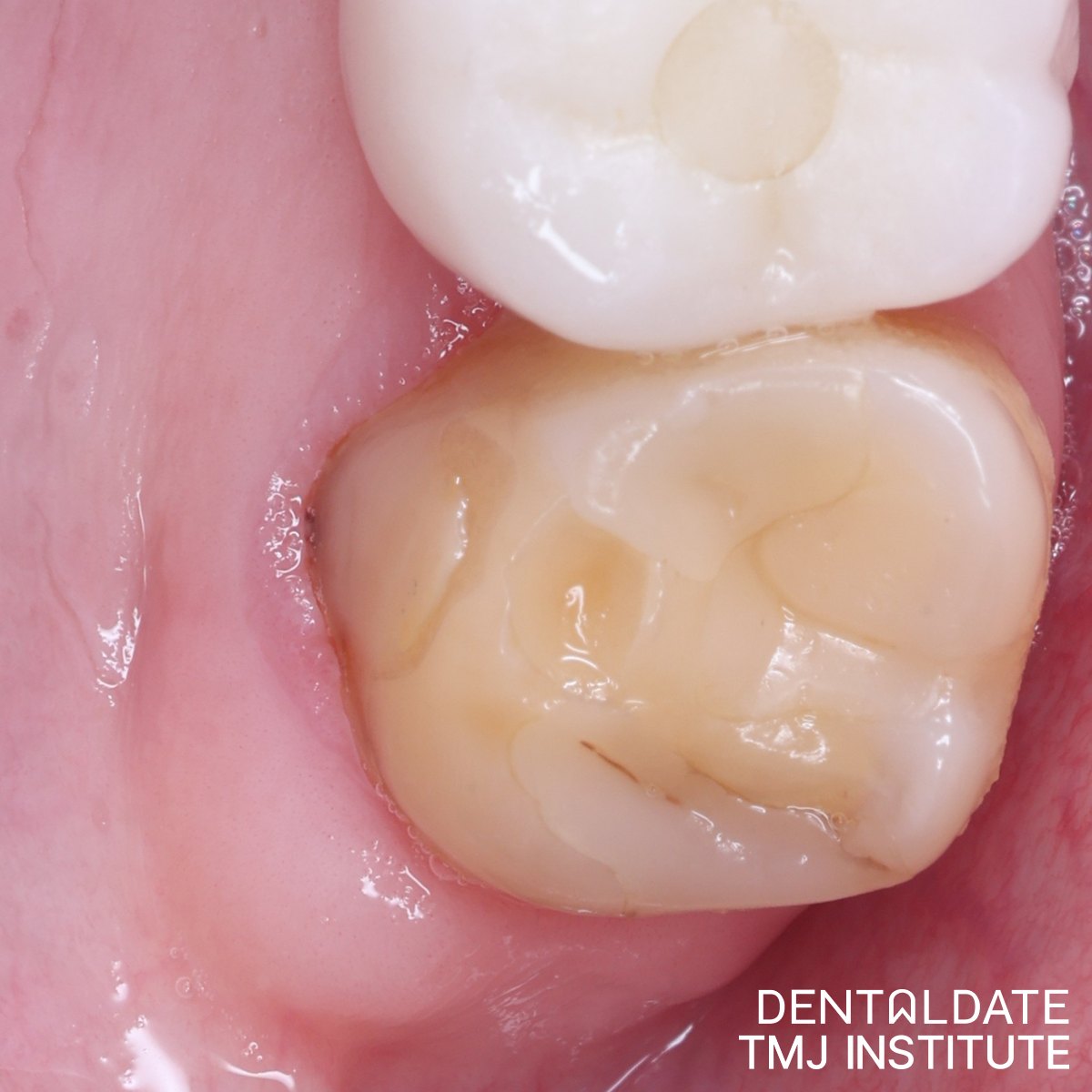
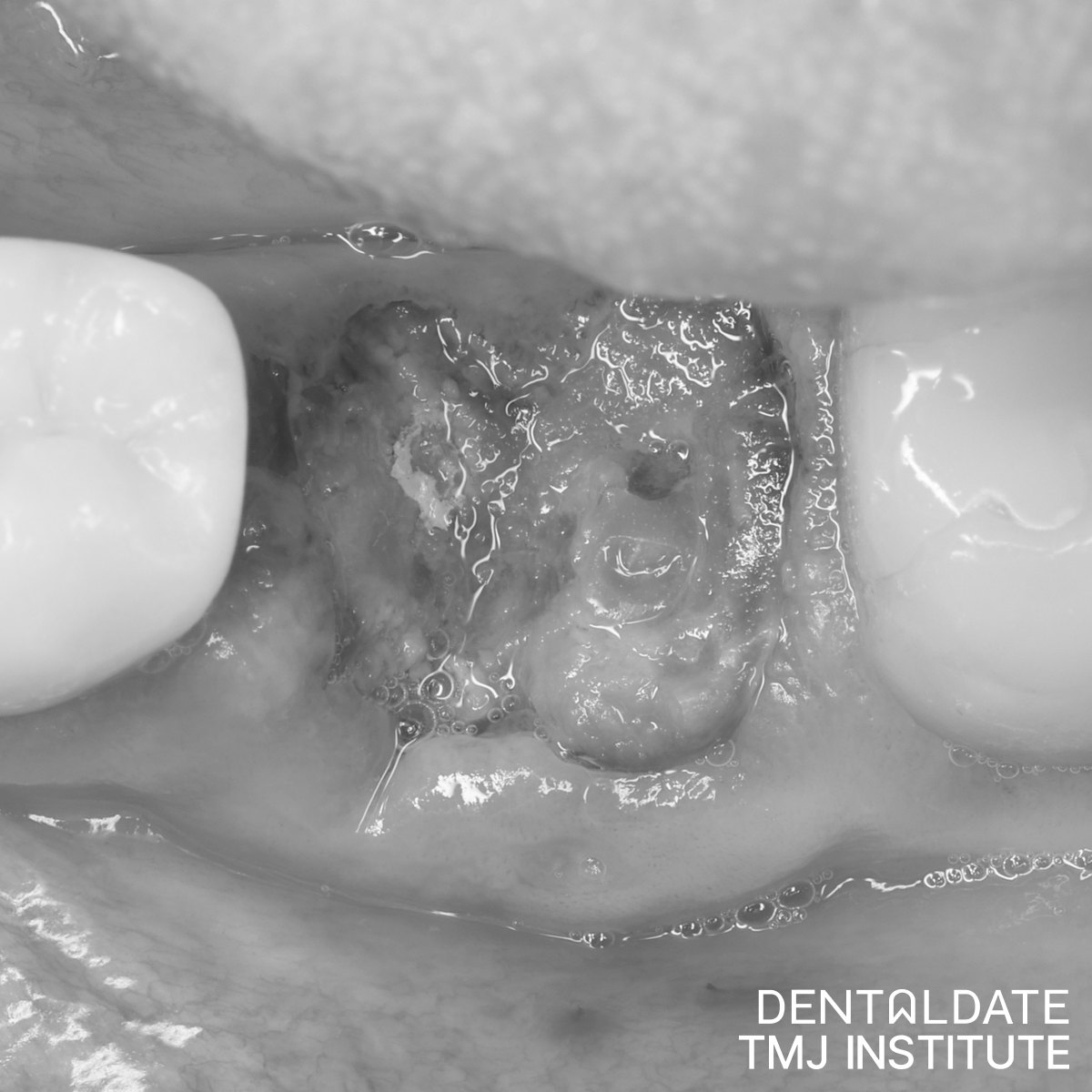
Can the Implant Go In on the Same Day? What Decides It
Today we aim to place the implant immediately after the extraction whenever possible, but unfortunately this is not always feasible. It depends on the condition of the bone and the socket after the tooth is removed. Factors that are usually assessed include:
- whether the walls of the socket are intact after the extraction;
- whether there is enough bone around and beyond the socket to hold the implant firmly from the first day;
- whether there is active infection in the area that needs to clear first;
- the shape of the roots: molars have several, so an implant in a molar socket often has to be anchored in the bone between them;
- the thickness and quality of the gum around the site.
If these conditions are not met, the usual alternative is to let the socket heal, sometimes with bone grafting to preserve its shape, and to place the implant later.
The Protocol, Step by Step
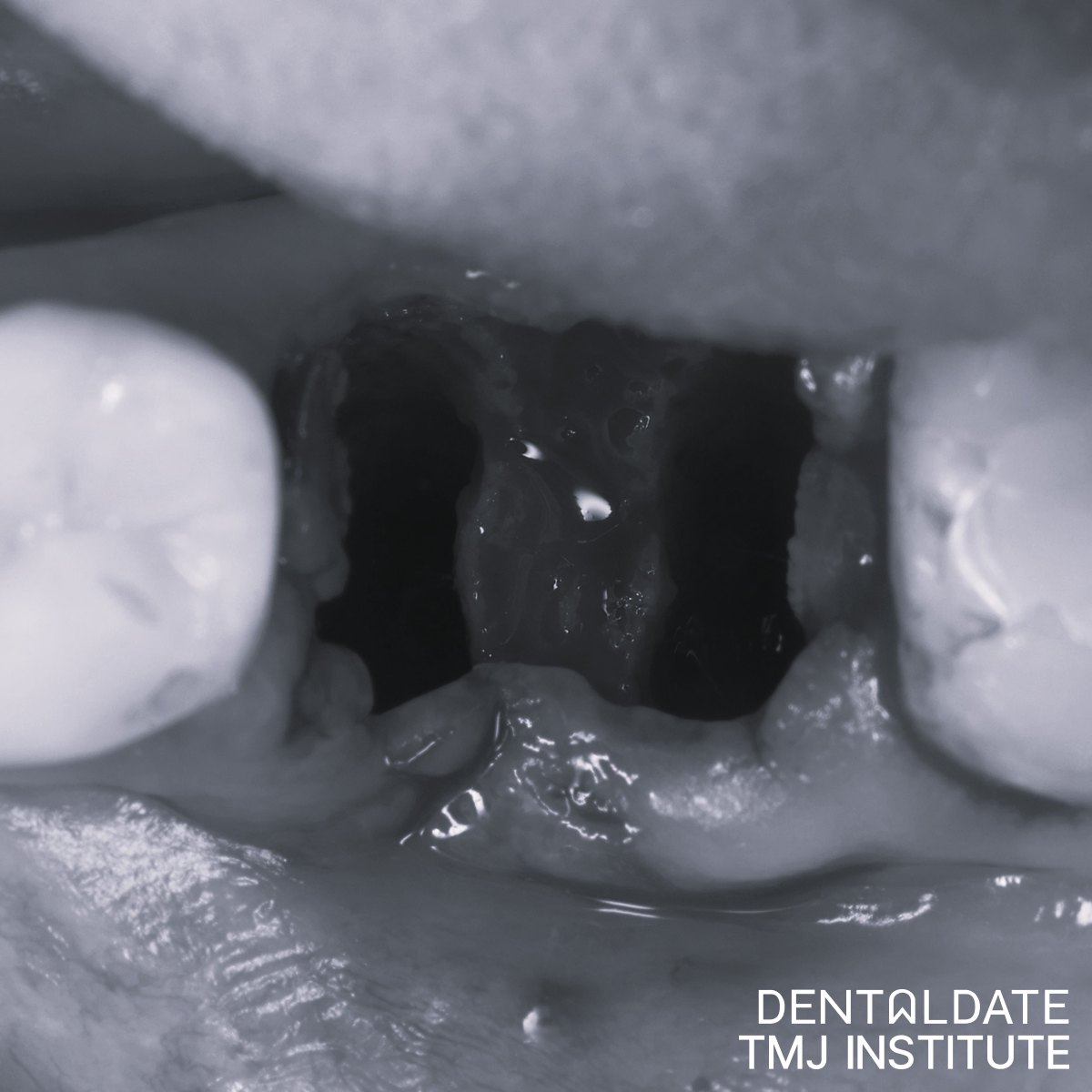
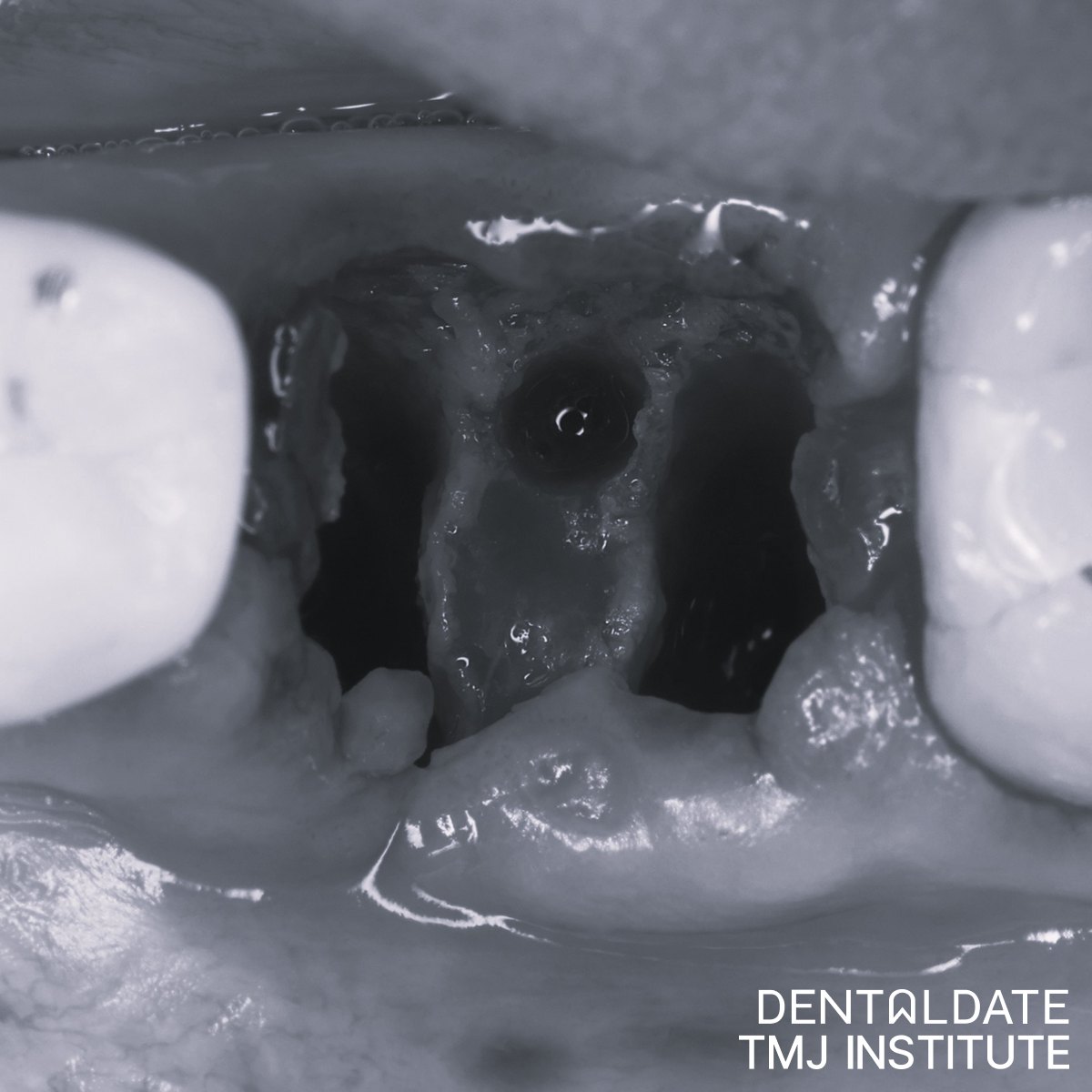
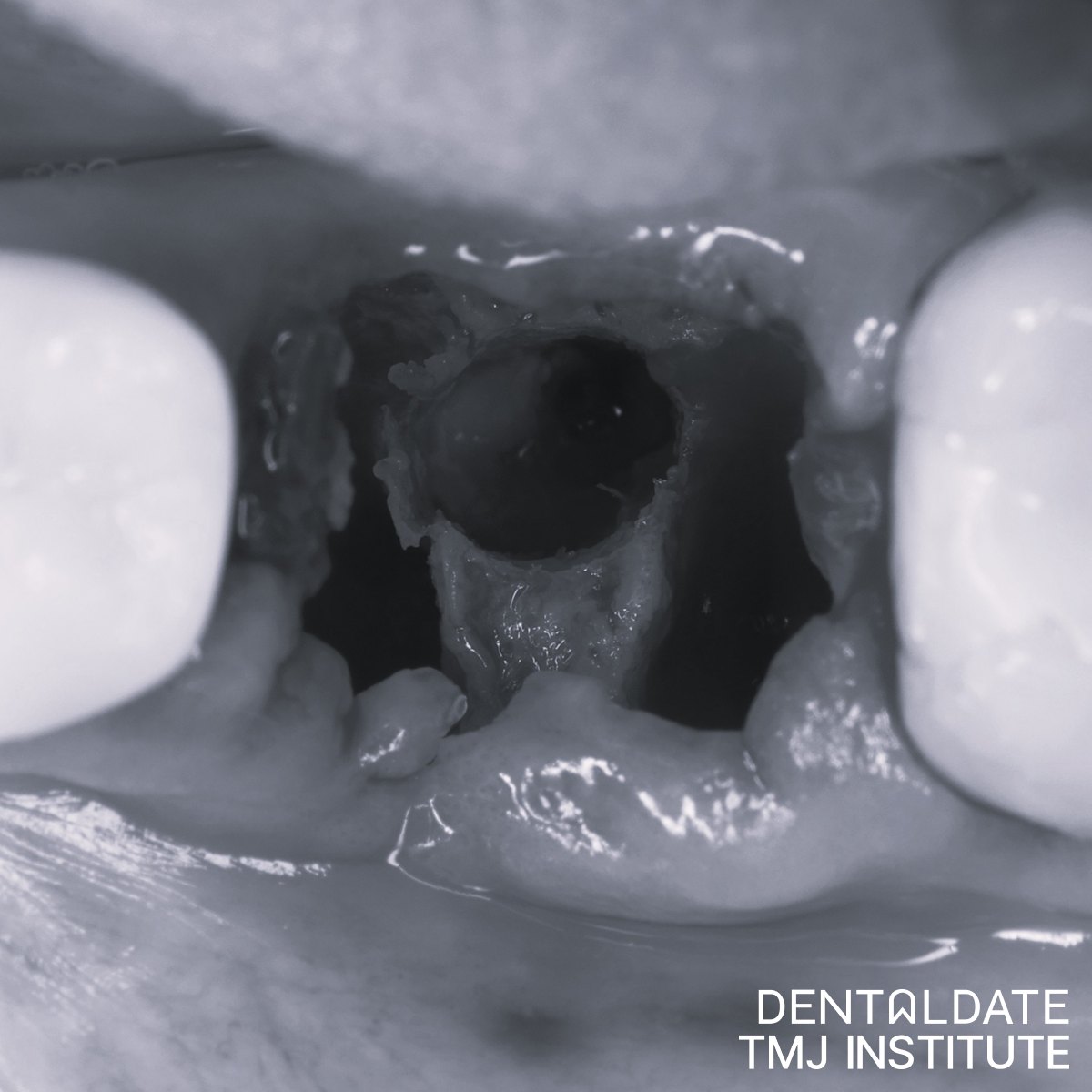
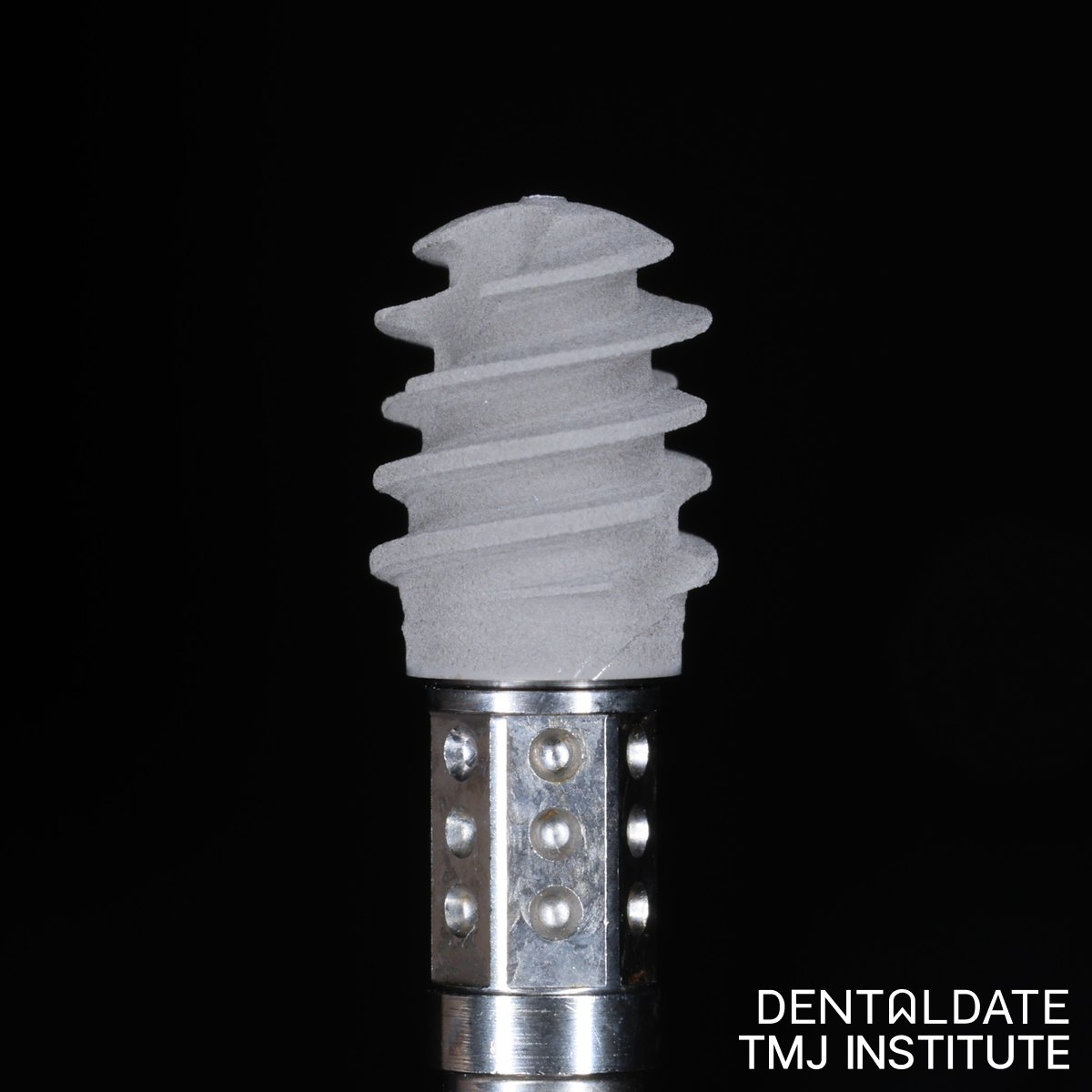
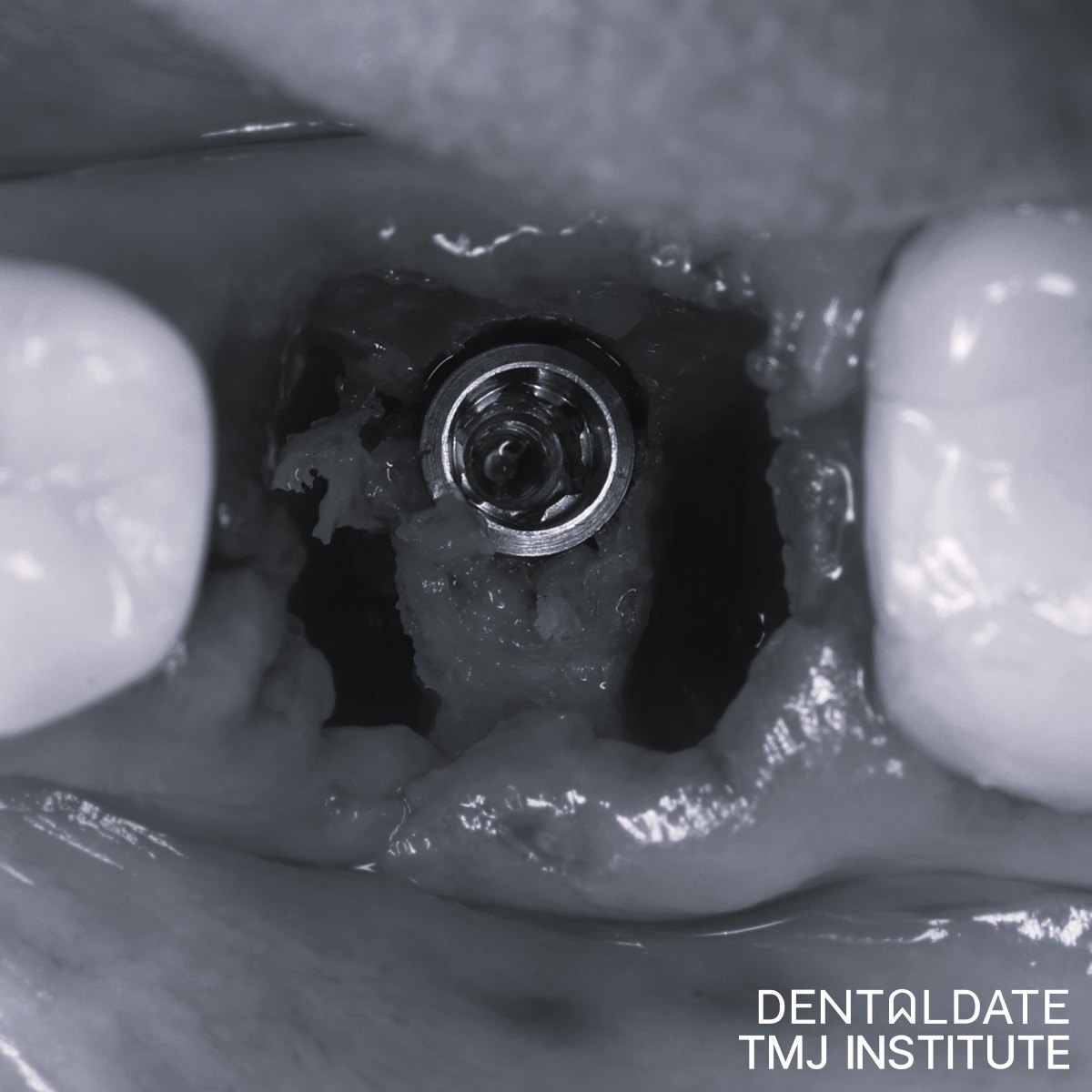
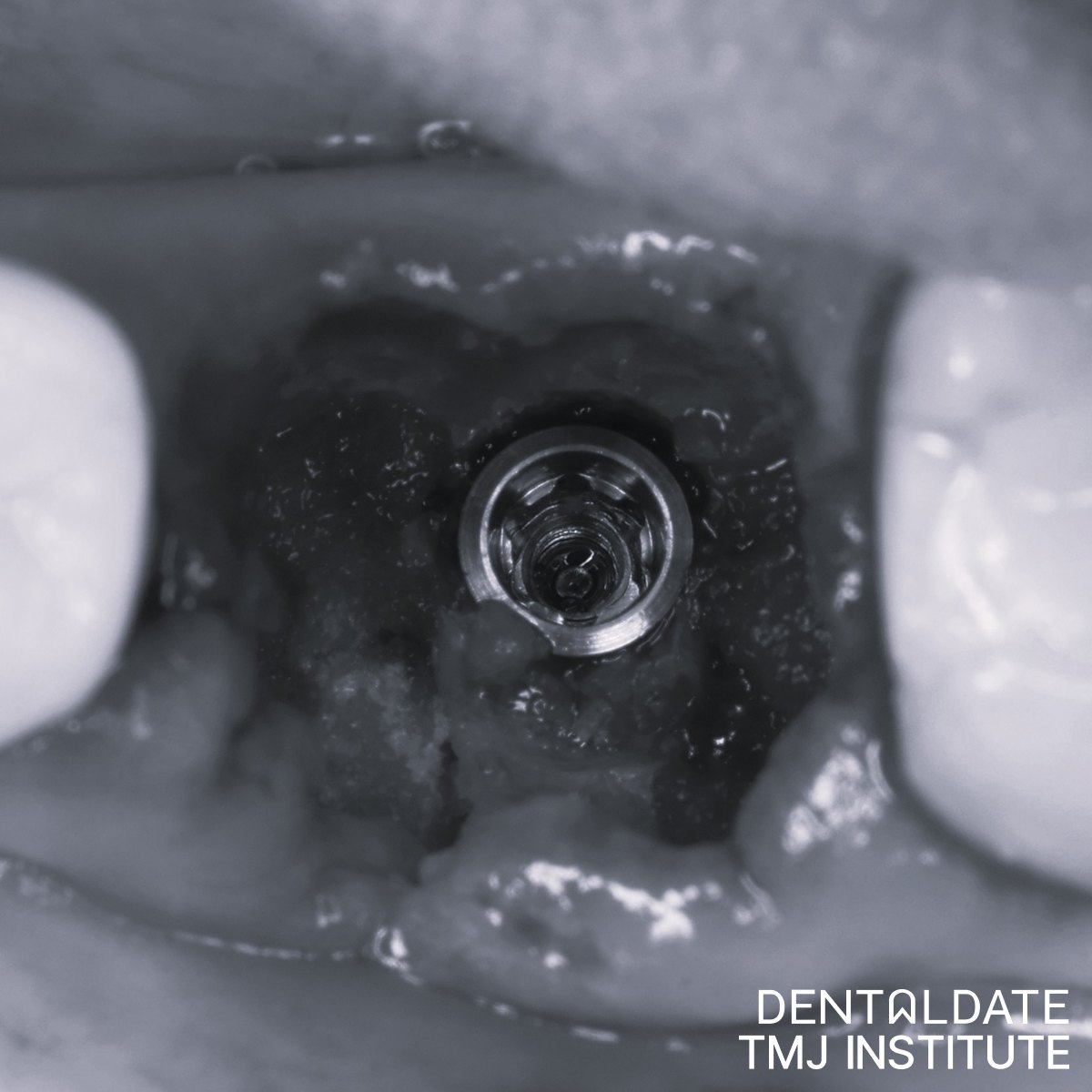
In this case, the extraction, implant placement and gum augmentation were all completed in one procedure:
- The molar was removed.
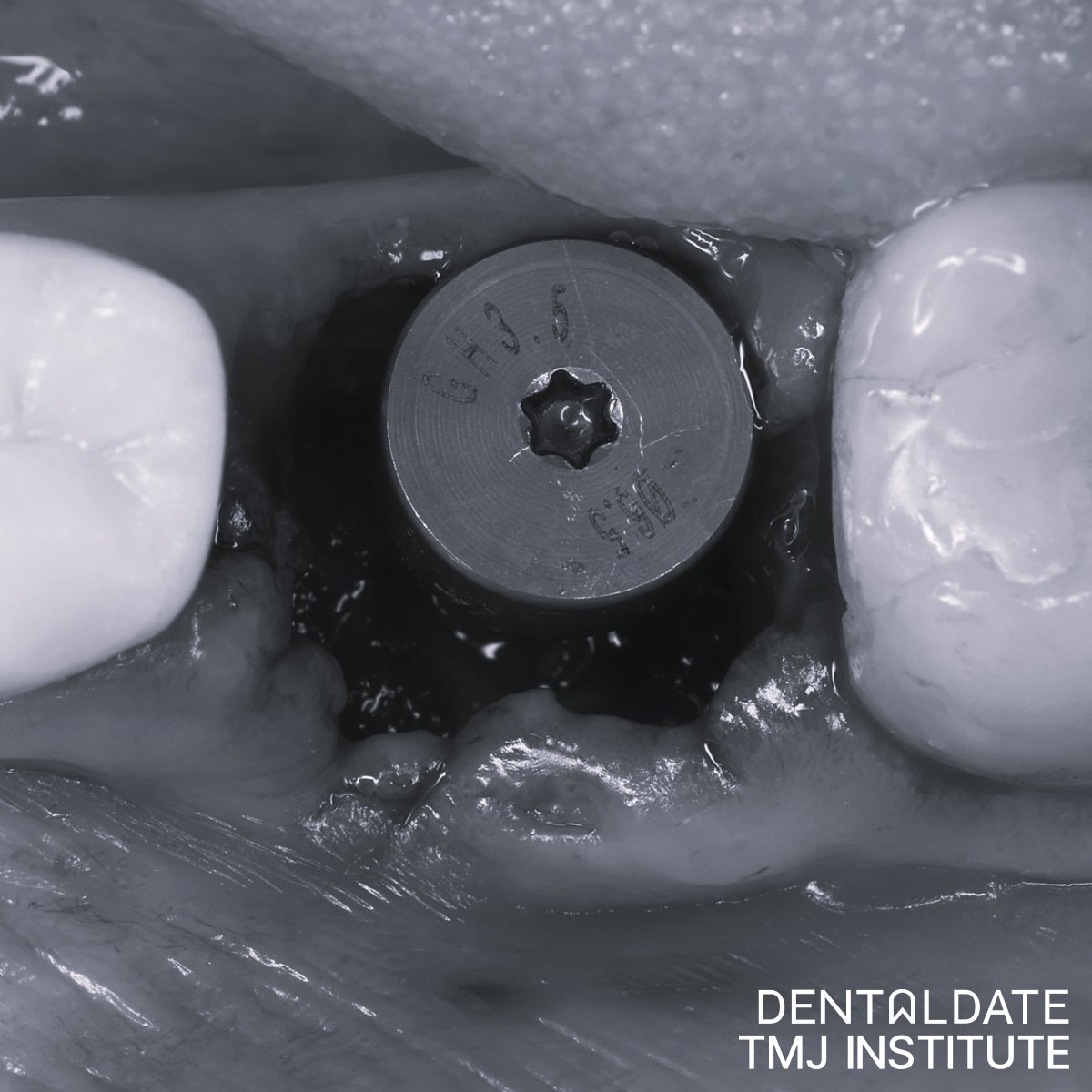
- The socket was prepared, and the implant was placed immediately.
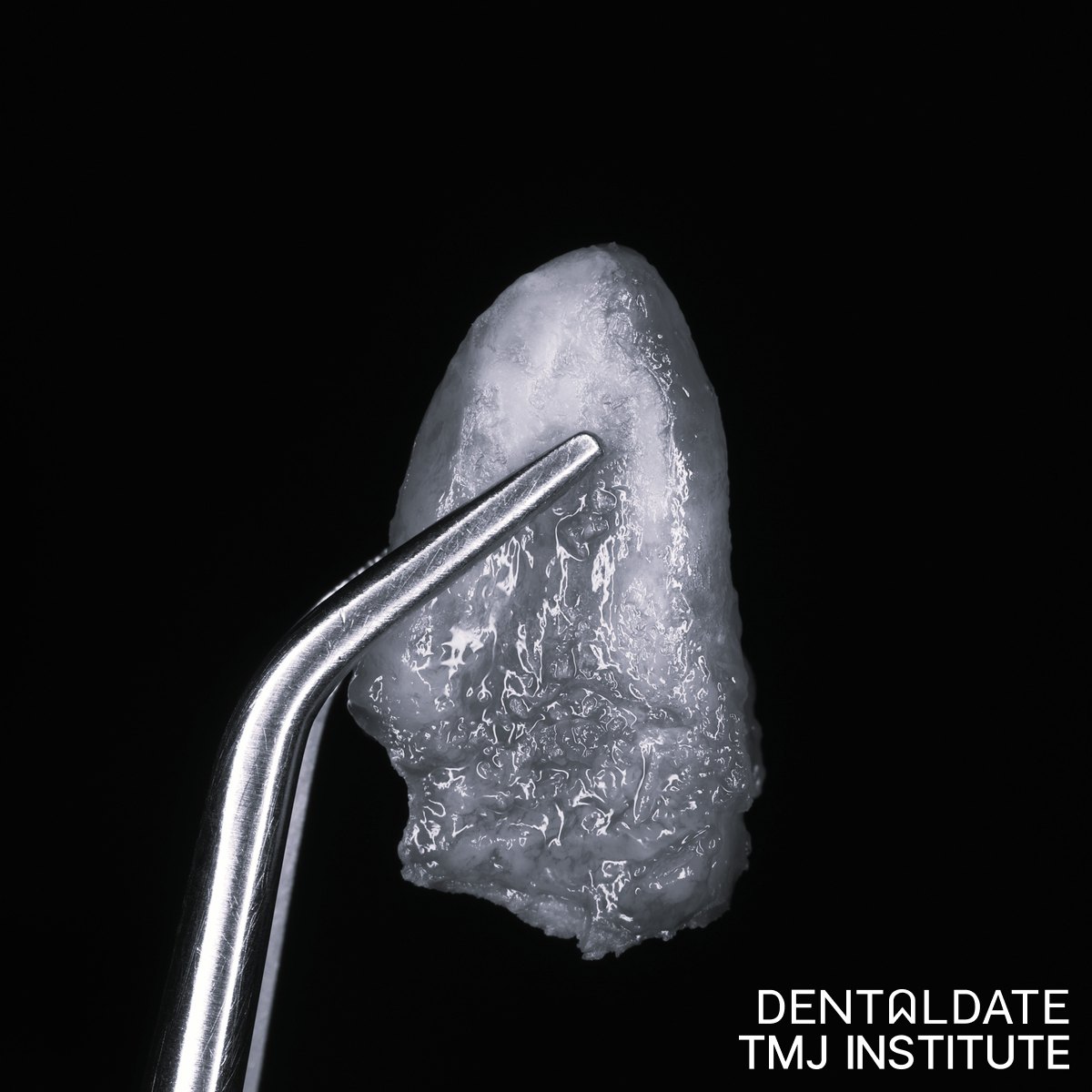
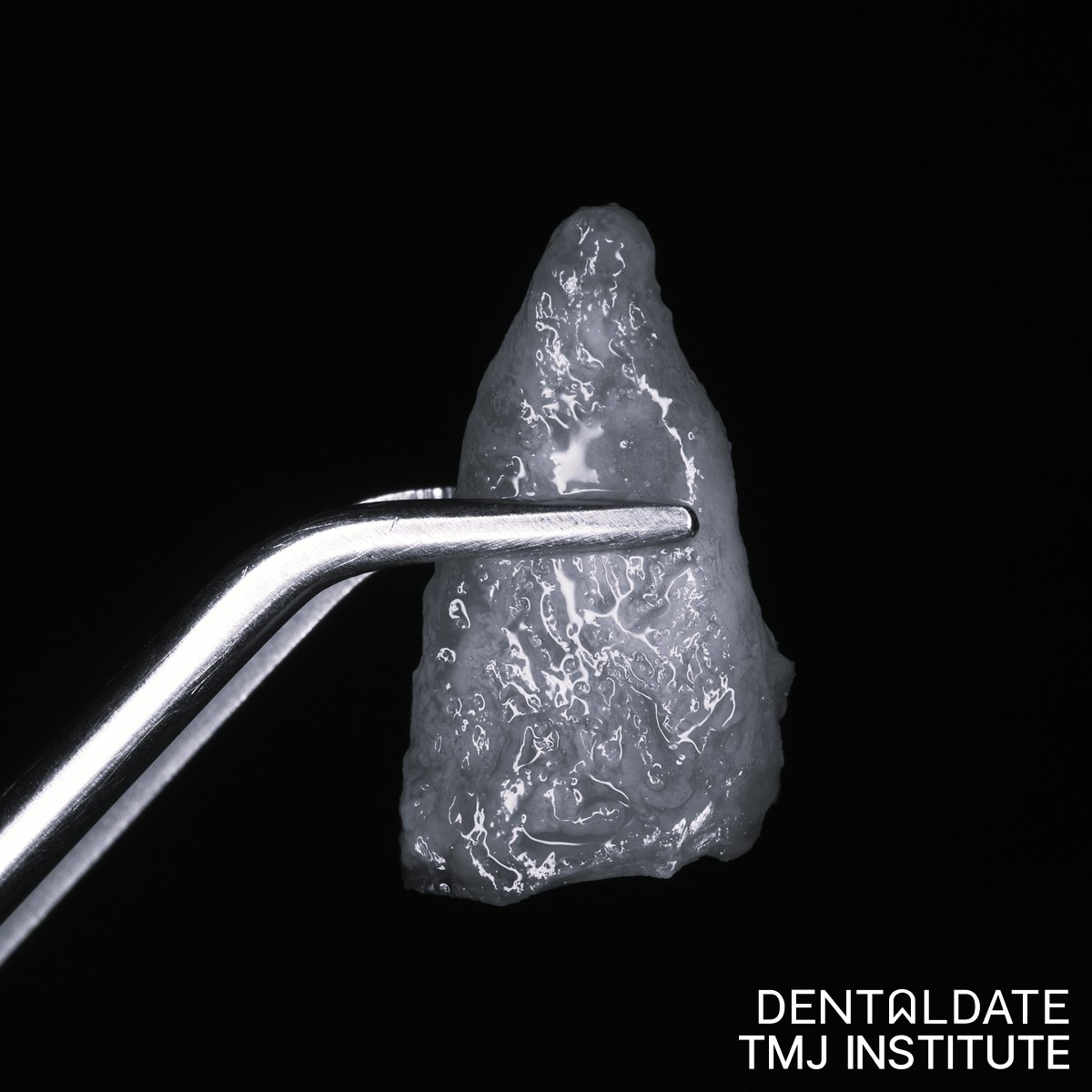
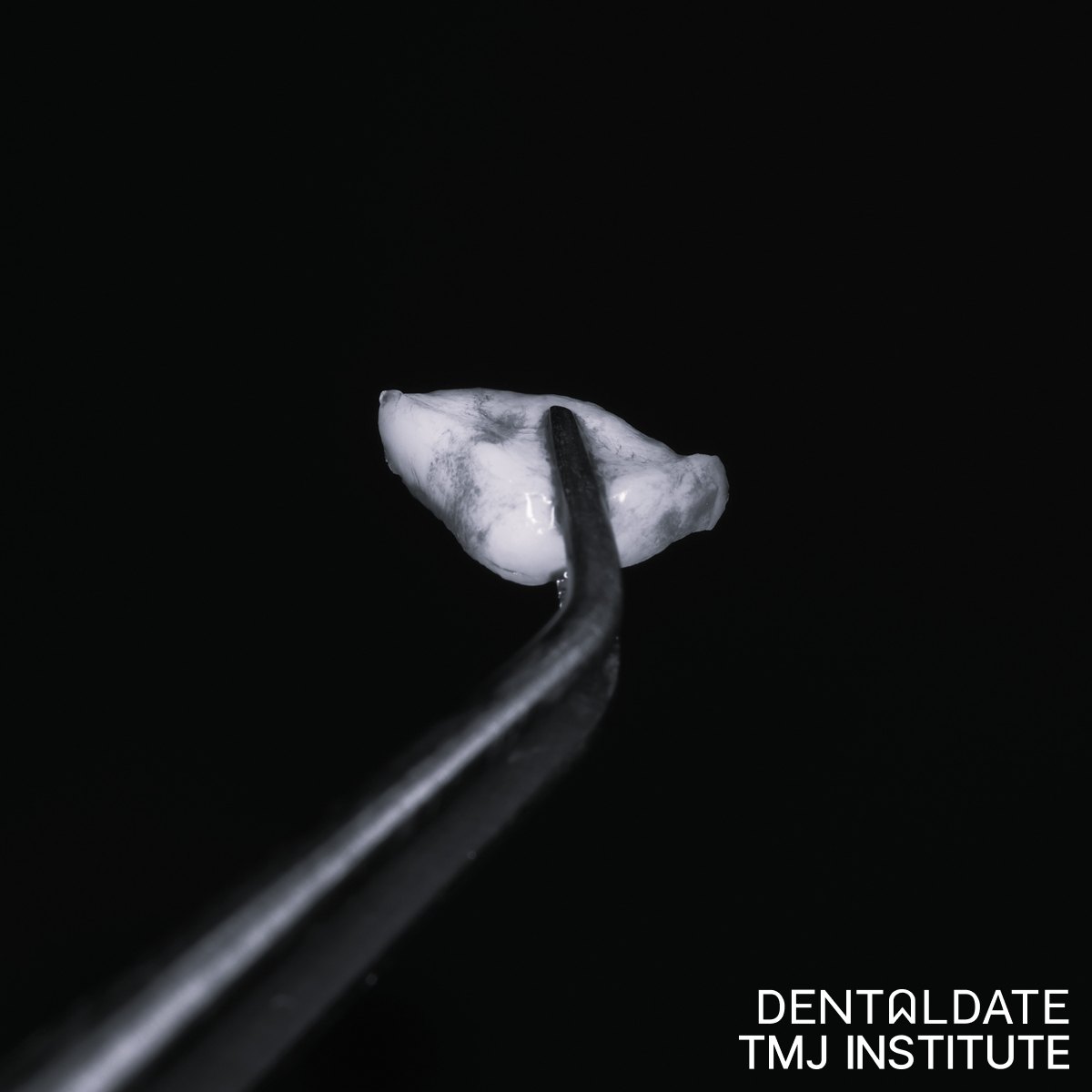
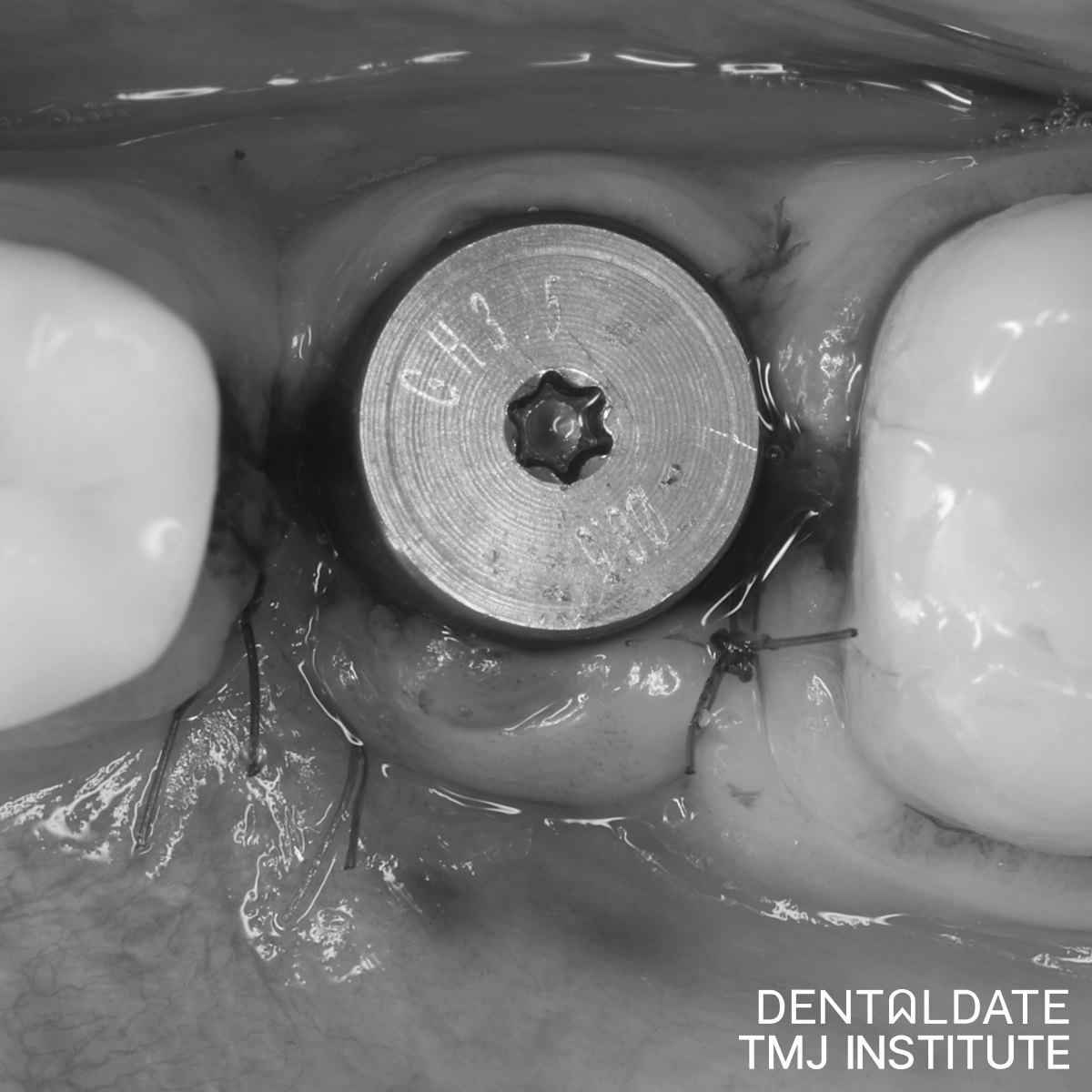
- A connective tissue graft was used to augment the gum around the implant.
- The wound was sutured.
No temporary crown was placed in this case. In general, whether a temporary crown is fitted on the day of surgery depends on several factors, including how firmly the implant is anchored and how visible the area is; for back teeth, healing without a temporary crown is a common approach.
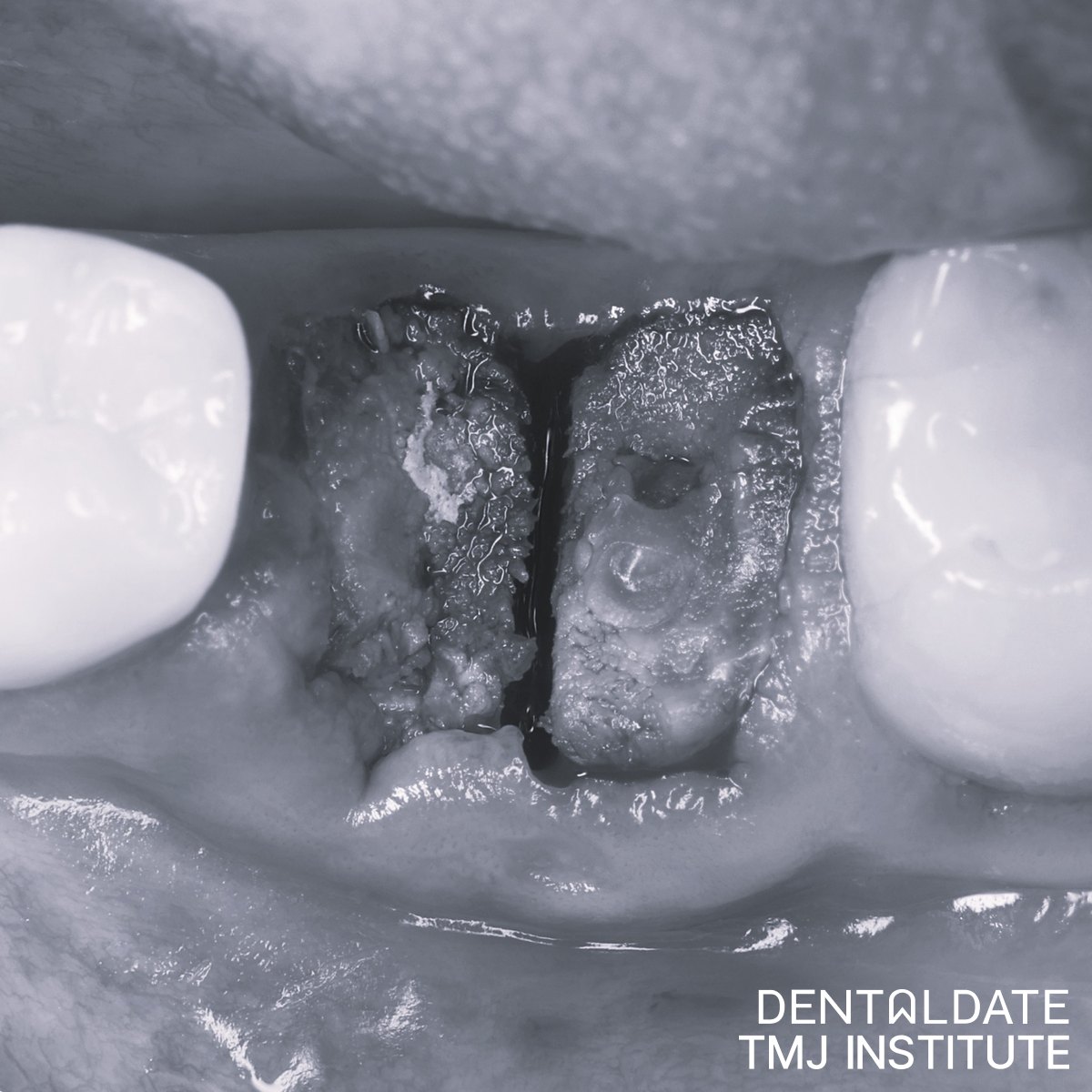
What the Connective Tissue Graft Does
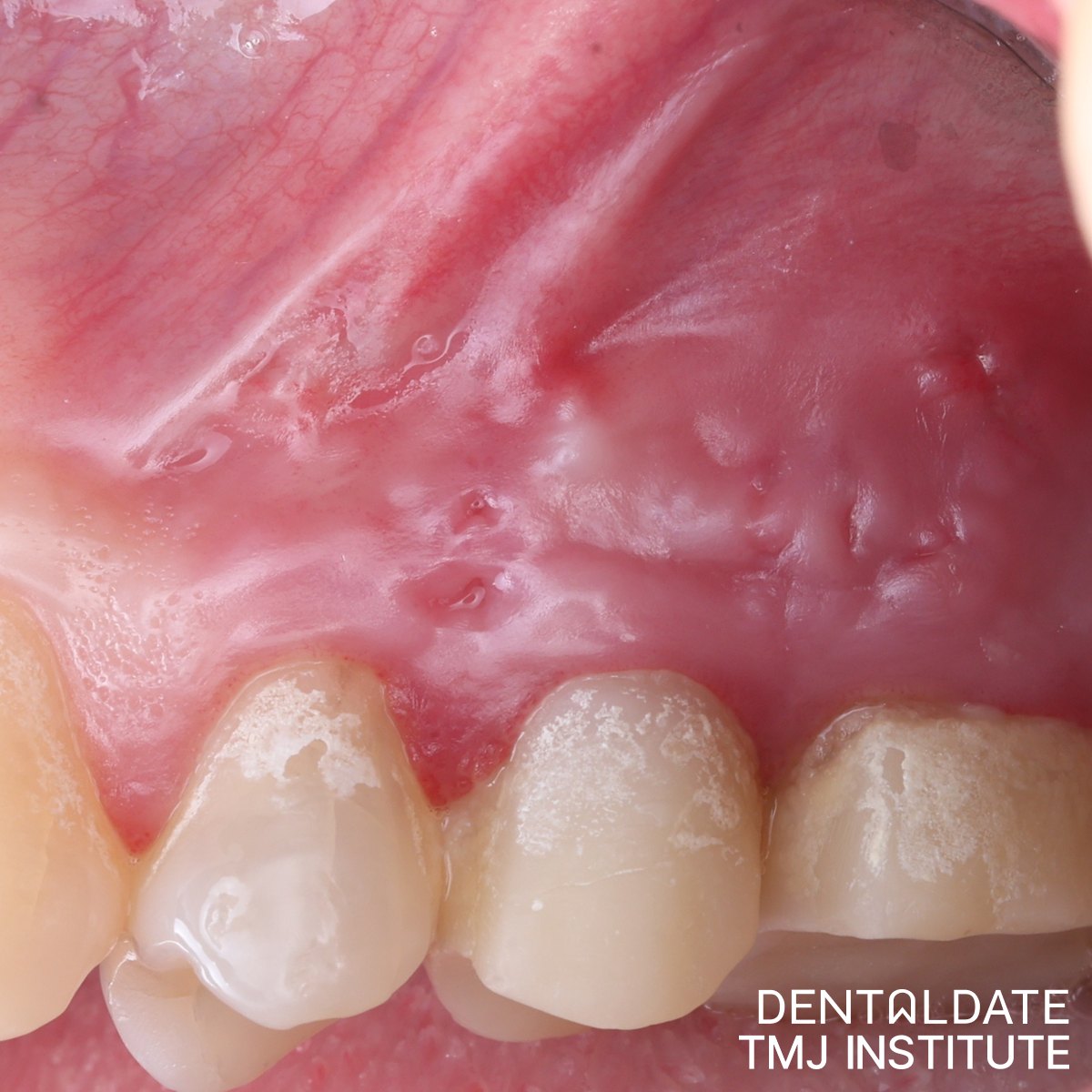
A connective tissue graft is a small piece of the patient’s own soft tissue, usually taken from the palate, placed under or alongside the gum to make it thicker. Around an implant, thicker gum generally helps form a stable seal around the future crown, makes the area easier to keep clean and supports a more natural contour.
After an extraction, the soft tissue tends to shrink together with the bone. Adding volume at the time of implant placement means the gum is built up while the site is healing anyway, rather than in a separate operation later.
Recovery After Combined Surgery
A procedure that combines extraction, implant placement and grafting involves more than one healing process, so careful aftercare matters. Patients are generally advised to:
- chew on the opposite side and choose soft food until the surgeon says otherwise;
- avoid touching the area with the tongue or fingers, and avoid pulling the lip or cheek to look at it;
- keep the rest of the mouth clean and follow the rinsing instructions given;
- avoid smoking and alcohol during the early healing period;
- attend the scheduled check-ups so the surgeon can follow the healing.
The Road to the Final Tooth
Dr. Tikhon performs the surgical stage of treatment. The crown on the implant is then made by a prosthodontist once the implant has integrated with the bone. During this healing period, the bone grows into close contact with the implant surface, which is what later allows the implant to carry the chewing load of a molar.
Losing a Tooth? Ask About Same-Day Implant Placement
When a tooth cannot be saved, the question is not only how to remove it but also what will replace it. At DentalDate, implant surgery is planned with 3D imaging, and the prosthetic stage is completed by a prosthodontist. Arrange a consultation to see whether an immediate implant could be an option for you.