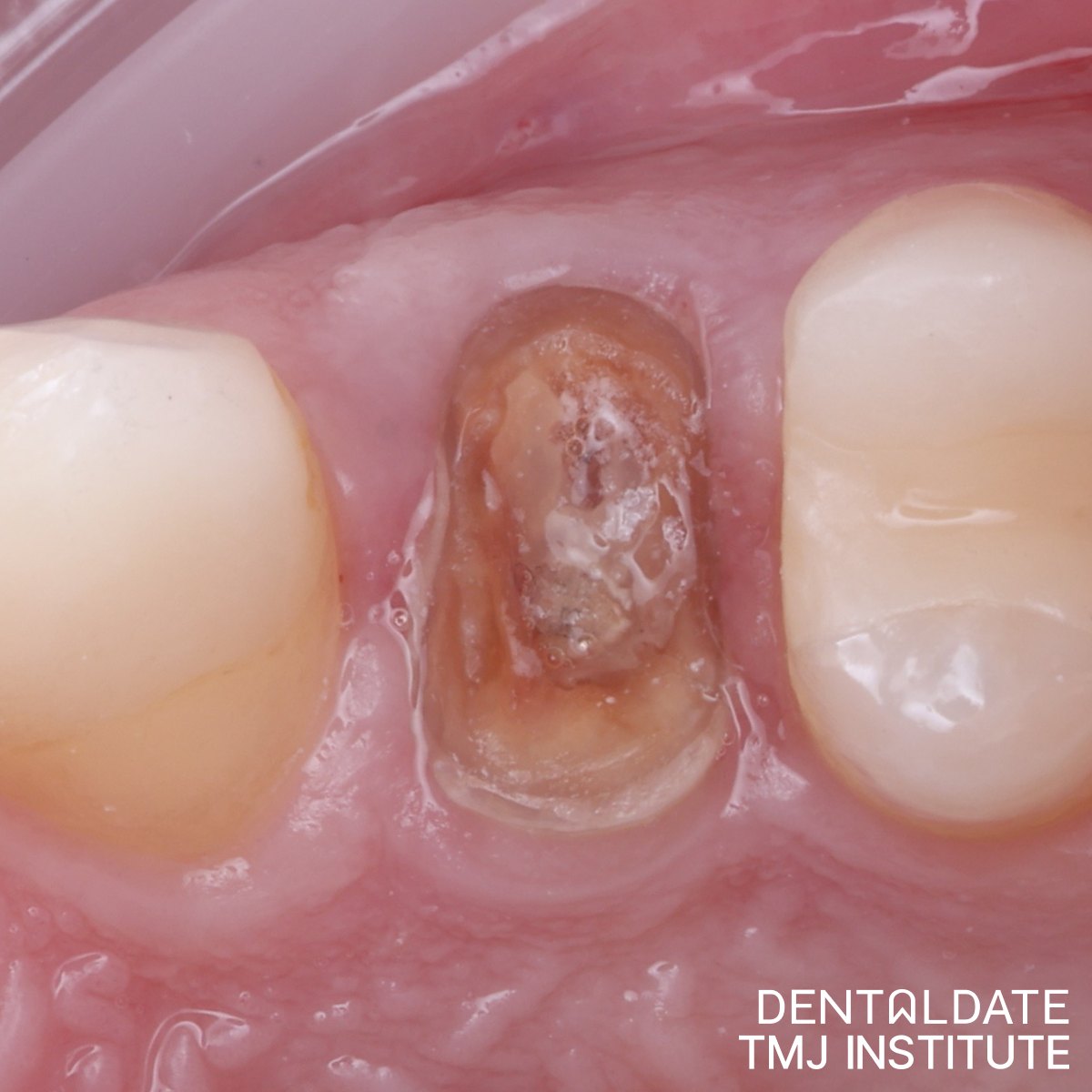
A Referral from the Orthodontist
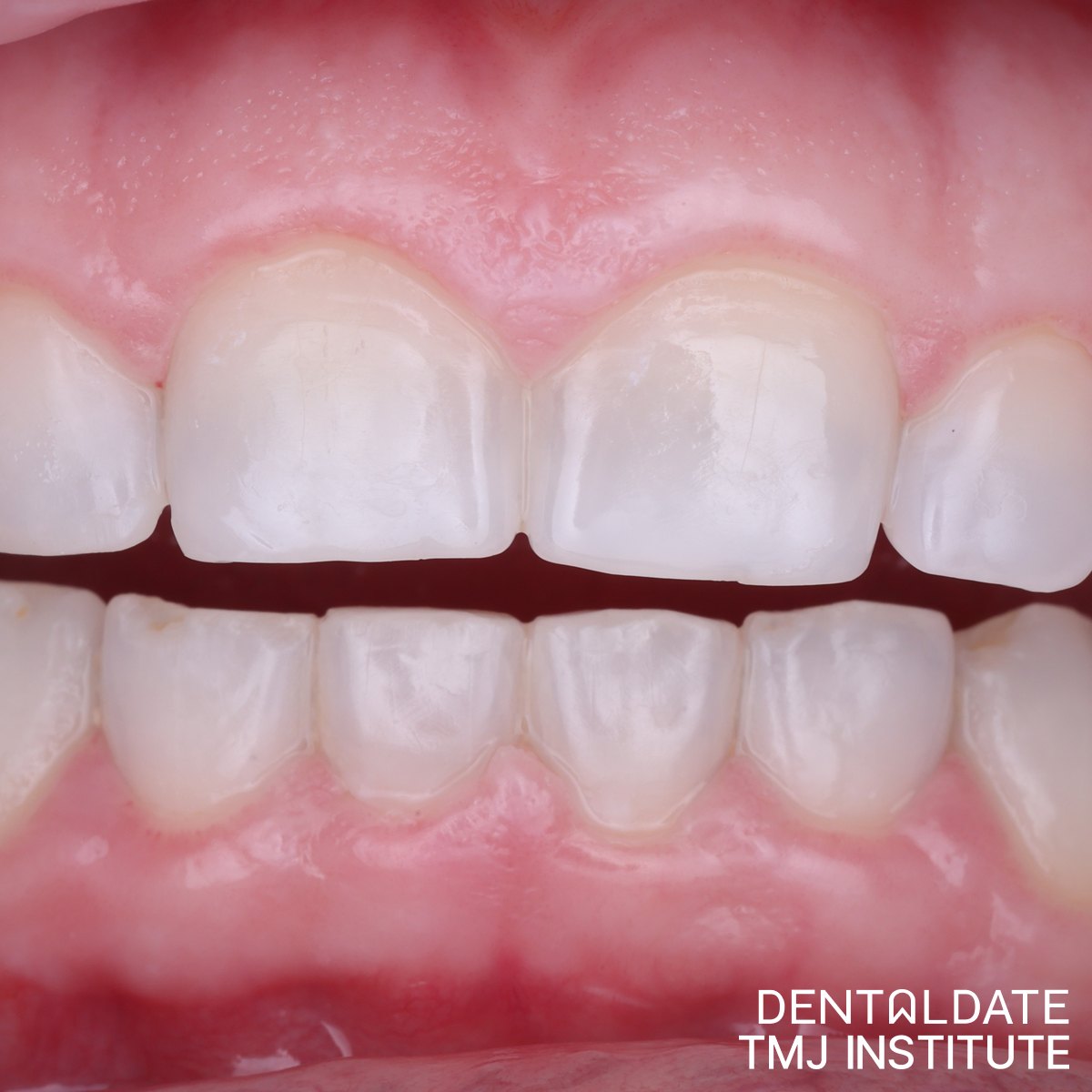
This case began with planned orthodontic treatment. Before any teeth were moved, the orthodontist wanted the impacted lower wisdom tooth taken out and referred the patient for the extraction. In our practice, the wisdom teeth are removed before orthodontic treatment in almost every case, as part of the preparation.
What the Image Showed
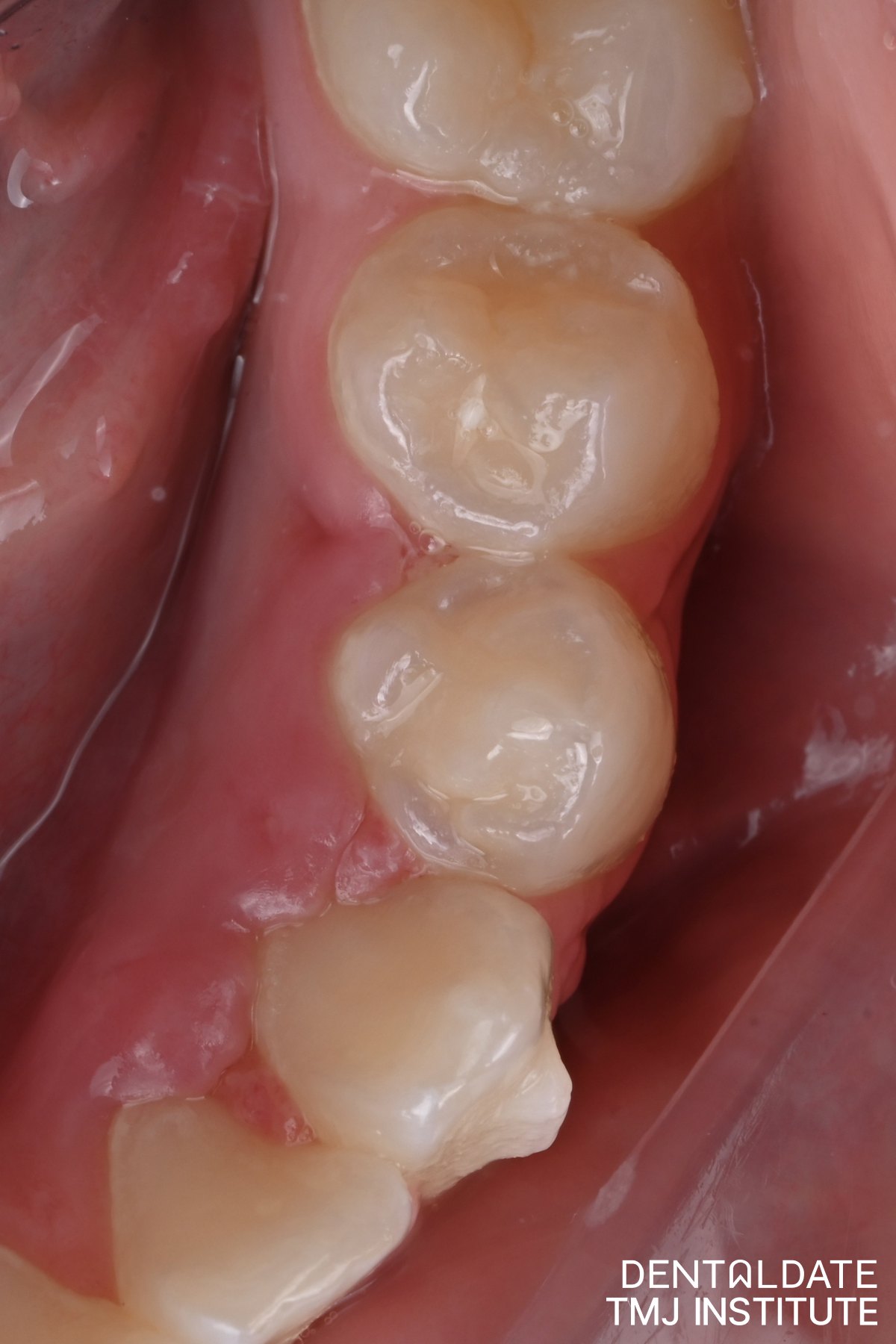
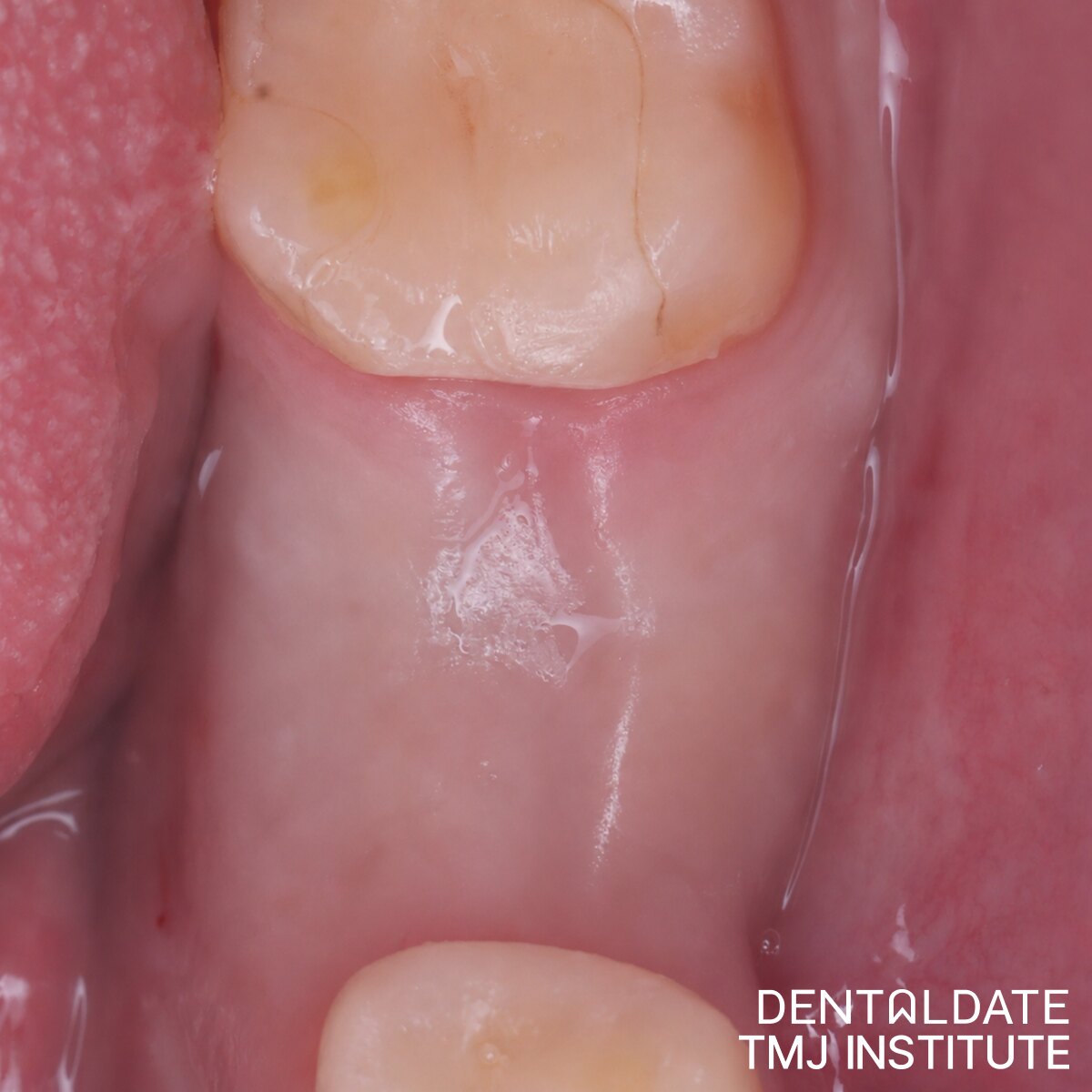
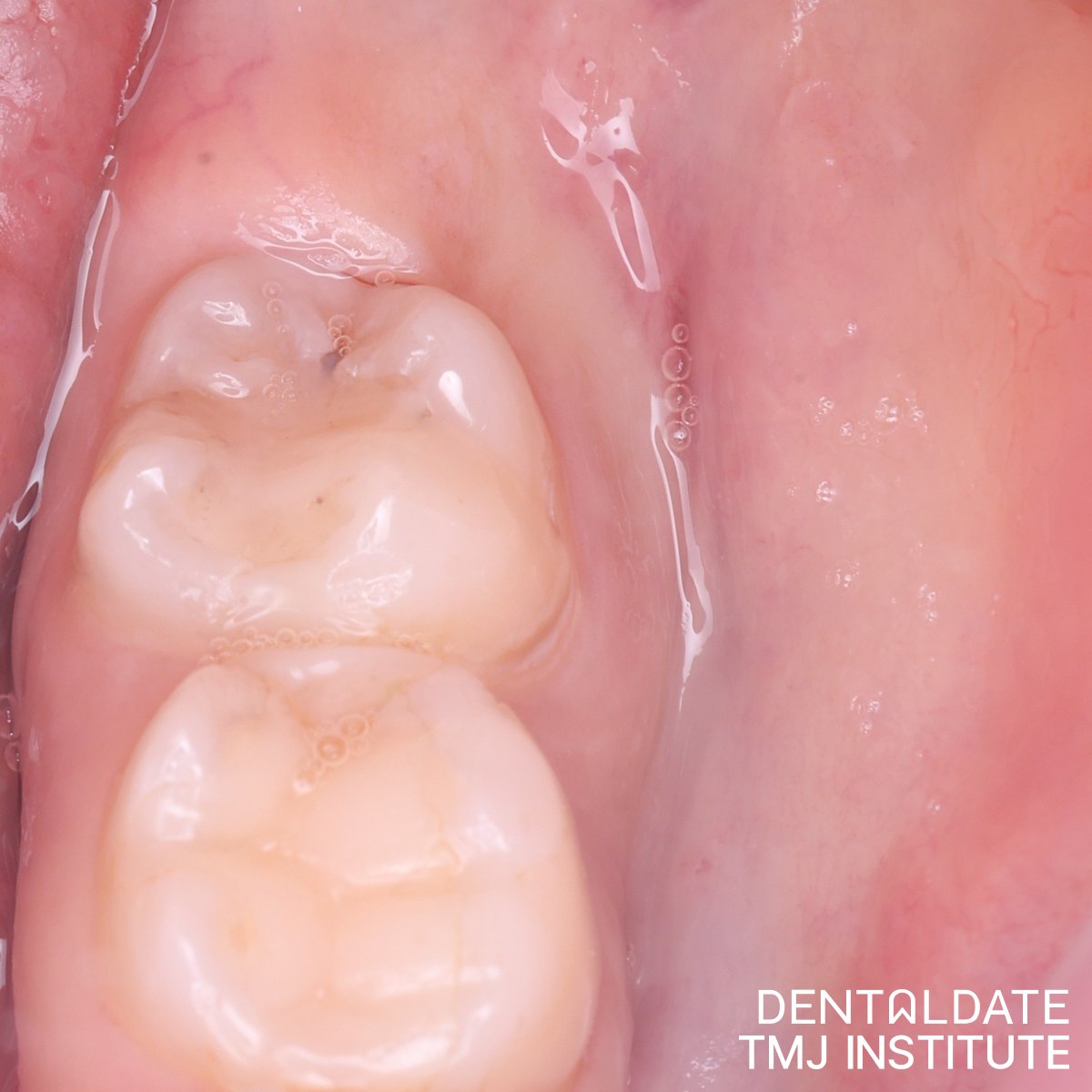
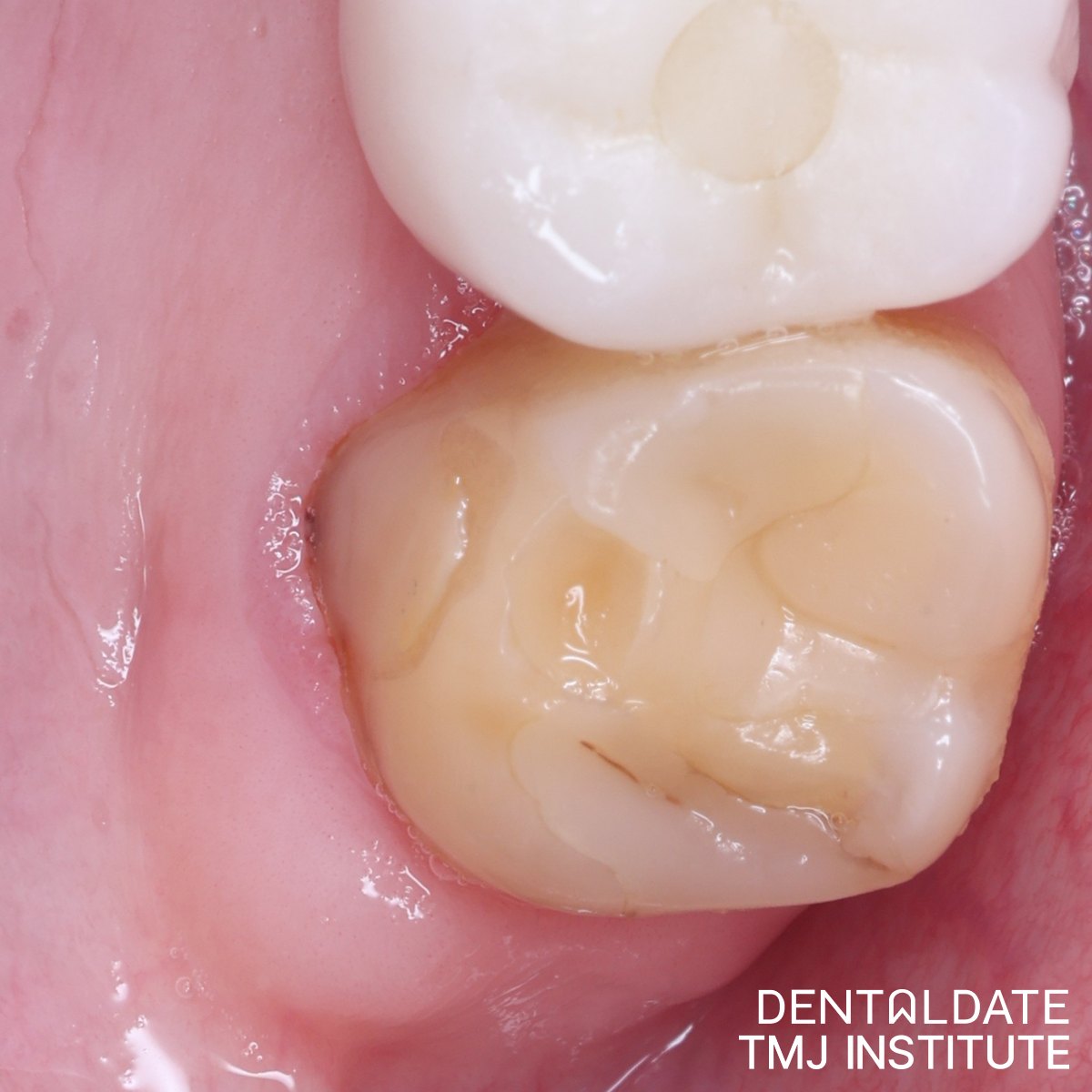
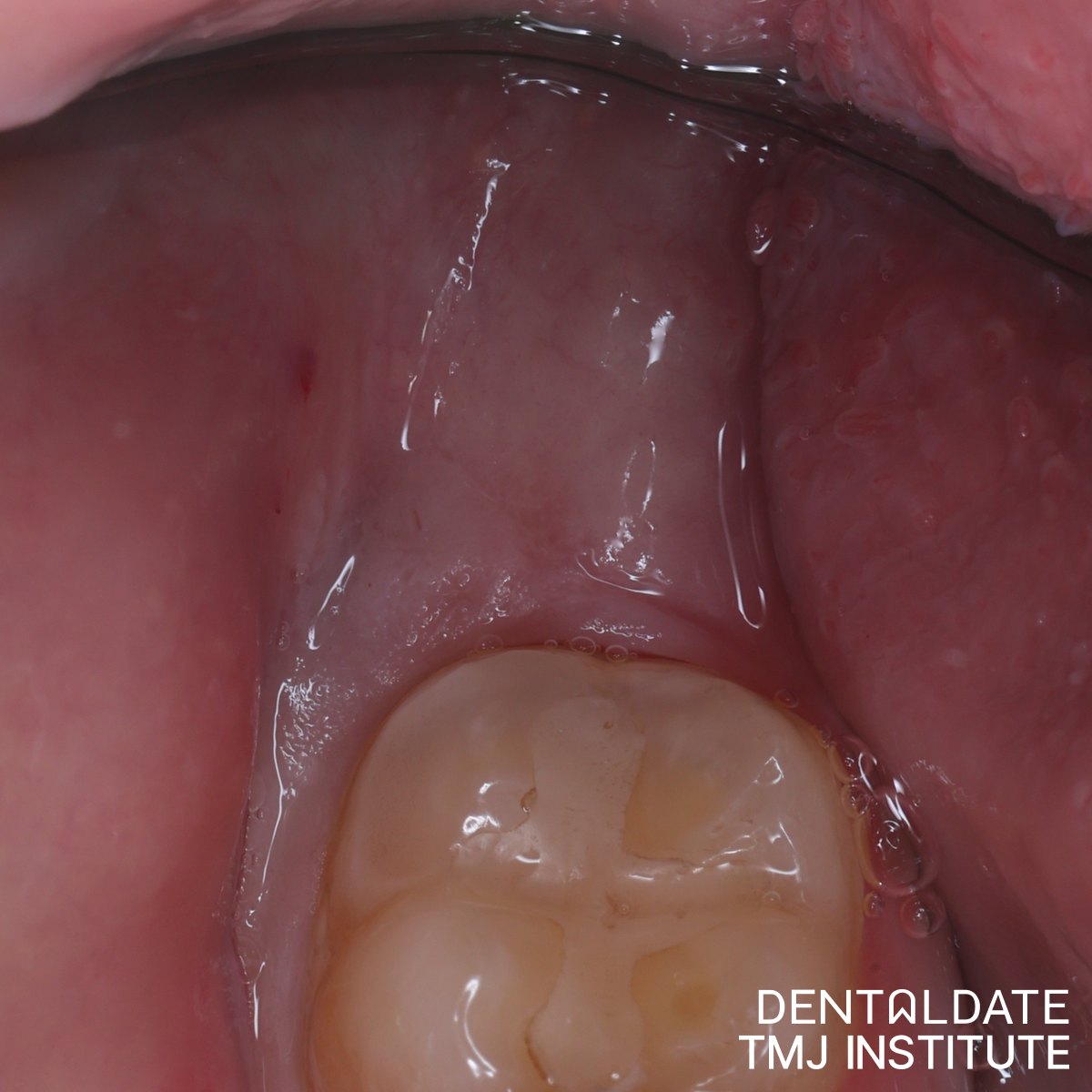
The image showed a lower wisdom tooth that was completely covered by gum tissue, meaning it had not come through at all. It was incorrectly positioned and was pressing against the adjacent second molar.
A wisdom tooth is called impacted when it cannot erupt into its normal position, usually because there is not enough space in the jaw or because it is growing at an angle. Such teeth may cause no symptoms for a long time. However, constant pressure on the second molar can, over time, contribute to problems on the back surface of that tooth, such as decay or bone loss, which are hard to clean and to notice early.
Why Clear the Way Before Braces or Aligners
Orthodontic treatment moves teeth through the bone, and the plan takes into account every tooth in the arch, including those still hidden in the jaw. An impacted wisdom tooth behind the molars occupies space at the end of the arch and can press on the very teeth the orthodontist is trying to position.
Removing it at the preparation stage means the orthodontist starts with a clearer picture and fewer unknowns. It also avoids having to interrupt orthodontic treatment for surgery later, and gives the extraction site time to heal before the teeth start moving.
How the Tooth Was Removed
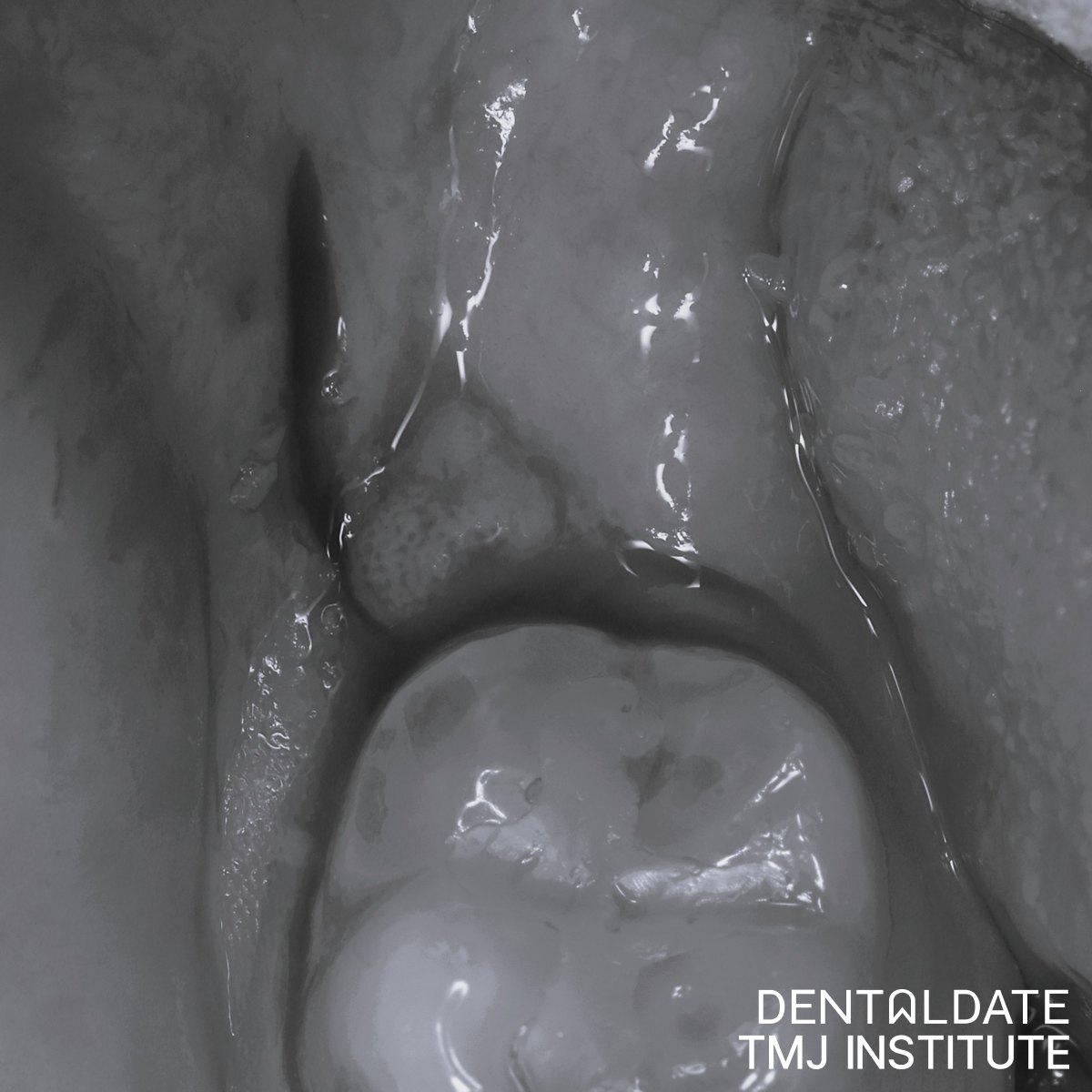
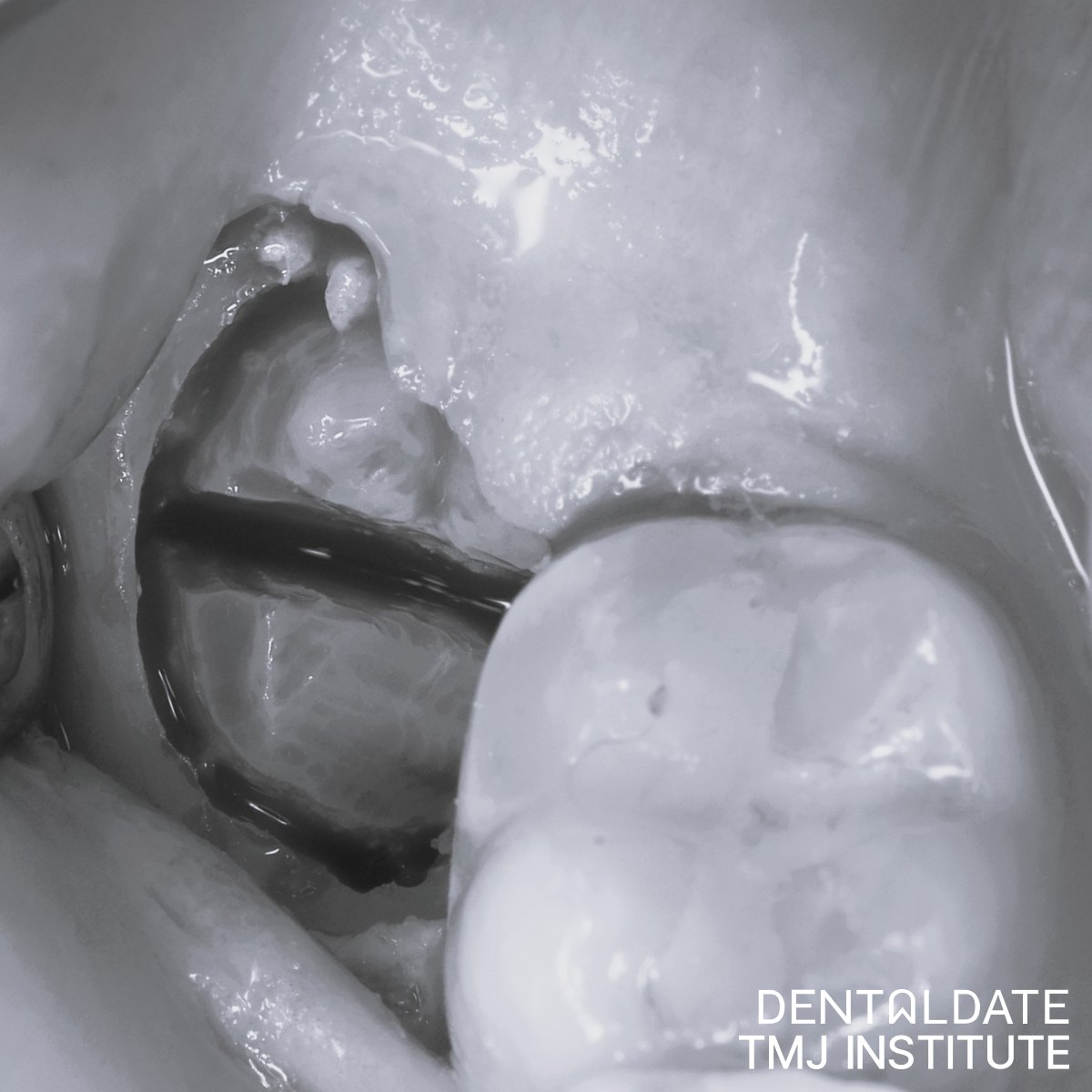
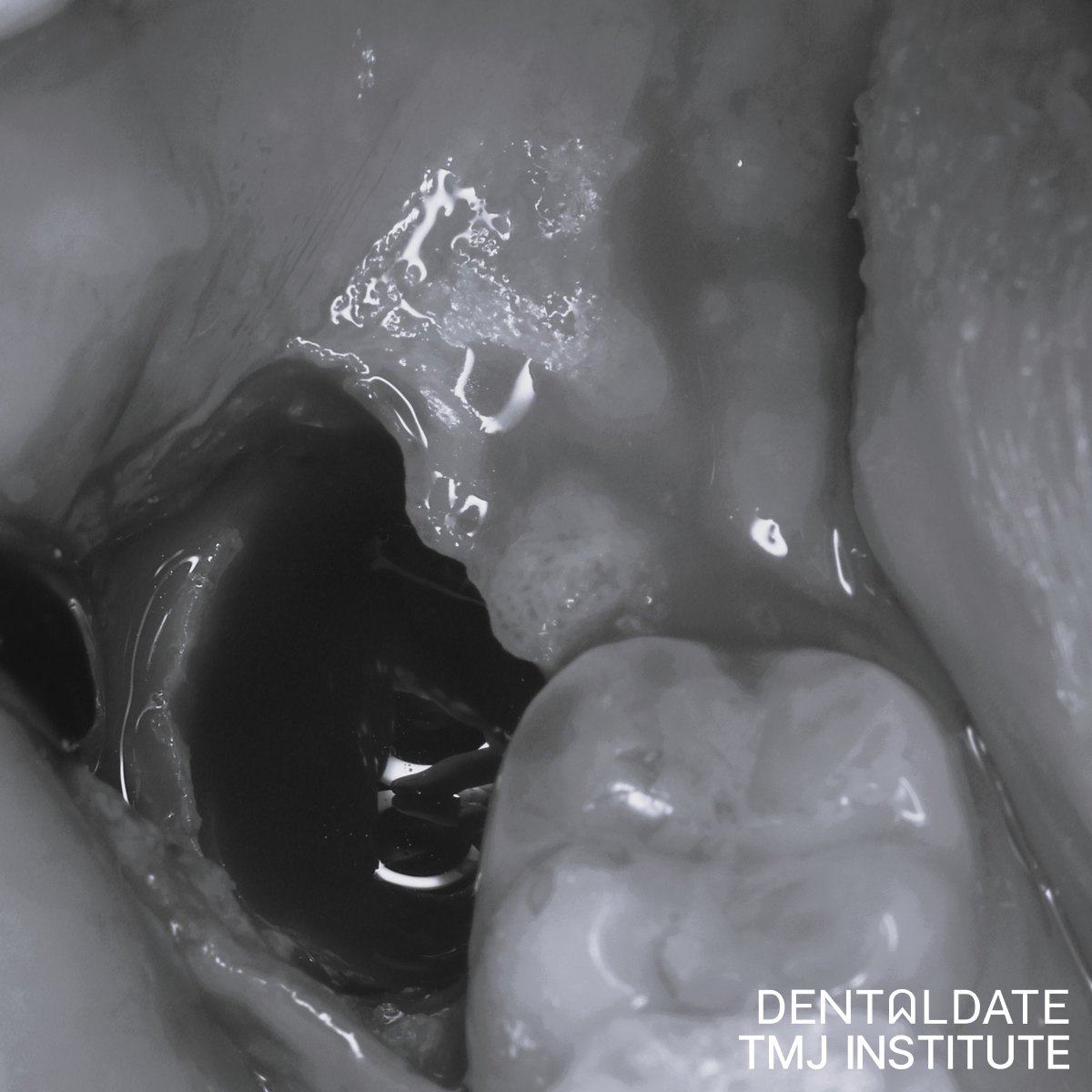
A fully covered, malpositioned tooth like this one is generally removed surgically rather than with a simple extraction. The procedure was carried out in these steps:
- Under local anesthesia, surgical access to the wisdom tooth was created.
- A partial osteotomy was performed, removing a small amount of the bone around the tooth to expose it.
- The tooth was sectioned into two parts for safer and more convenient removal.
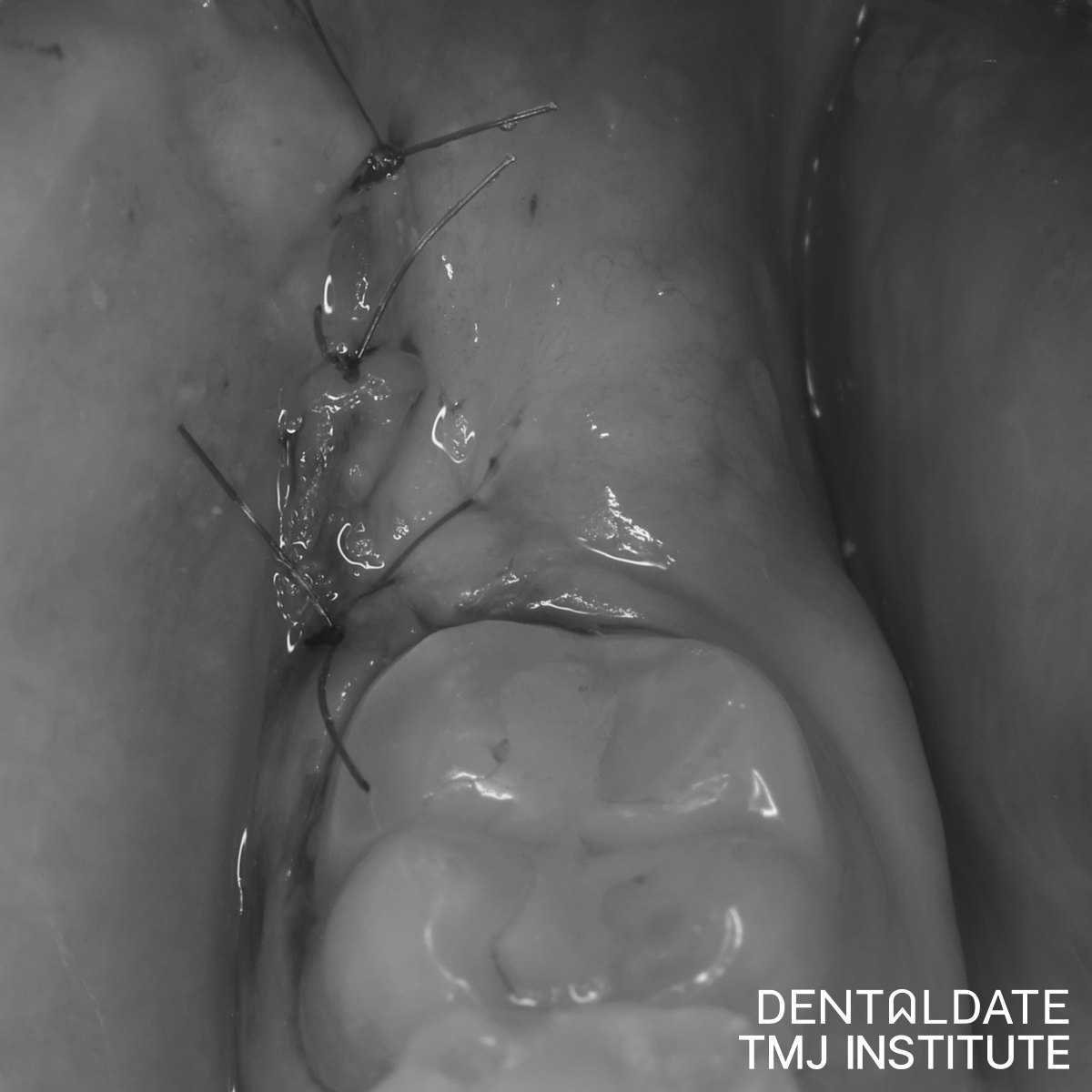
- After the extraction, a blood clot formed in the socket, and the wound was sutured.
Dividing a tooth into sections is a routine technique in wisdom tooth surgery. Removing a tooth in parts usually requires less force and less bone removal than taking it out in one piece, which is gentler on the surrounding tissues and the neighbouring molar.
The Week After Surgery
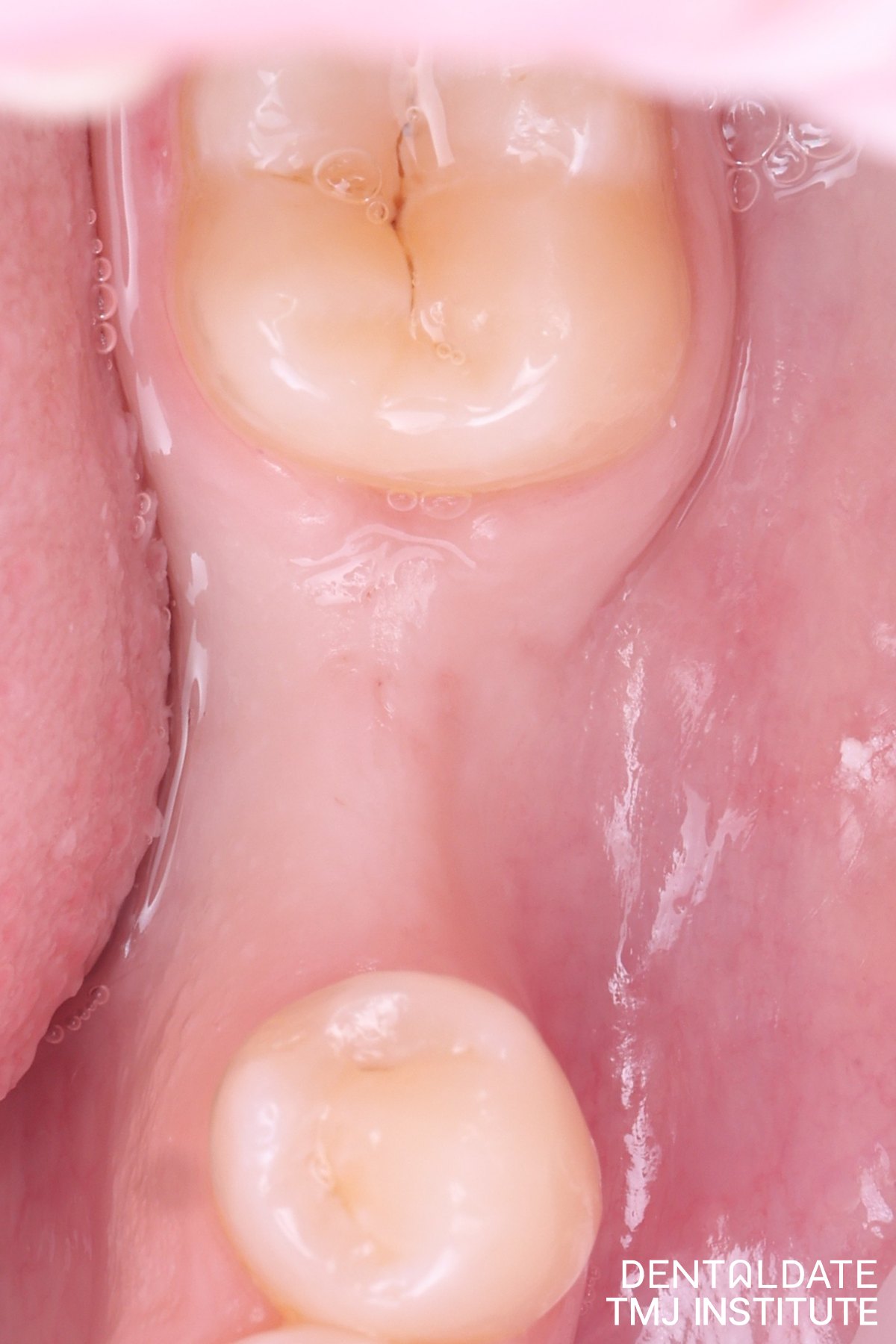
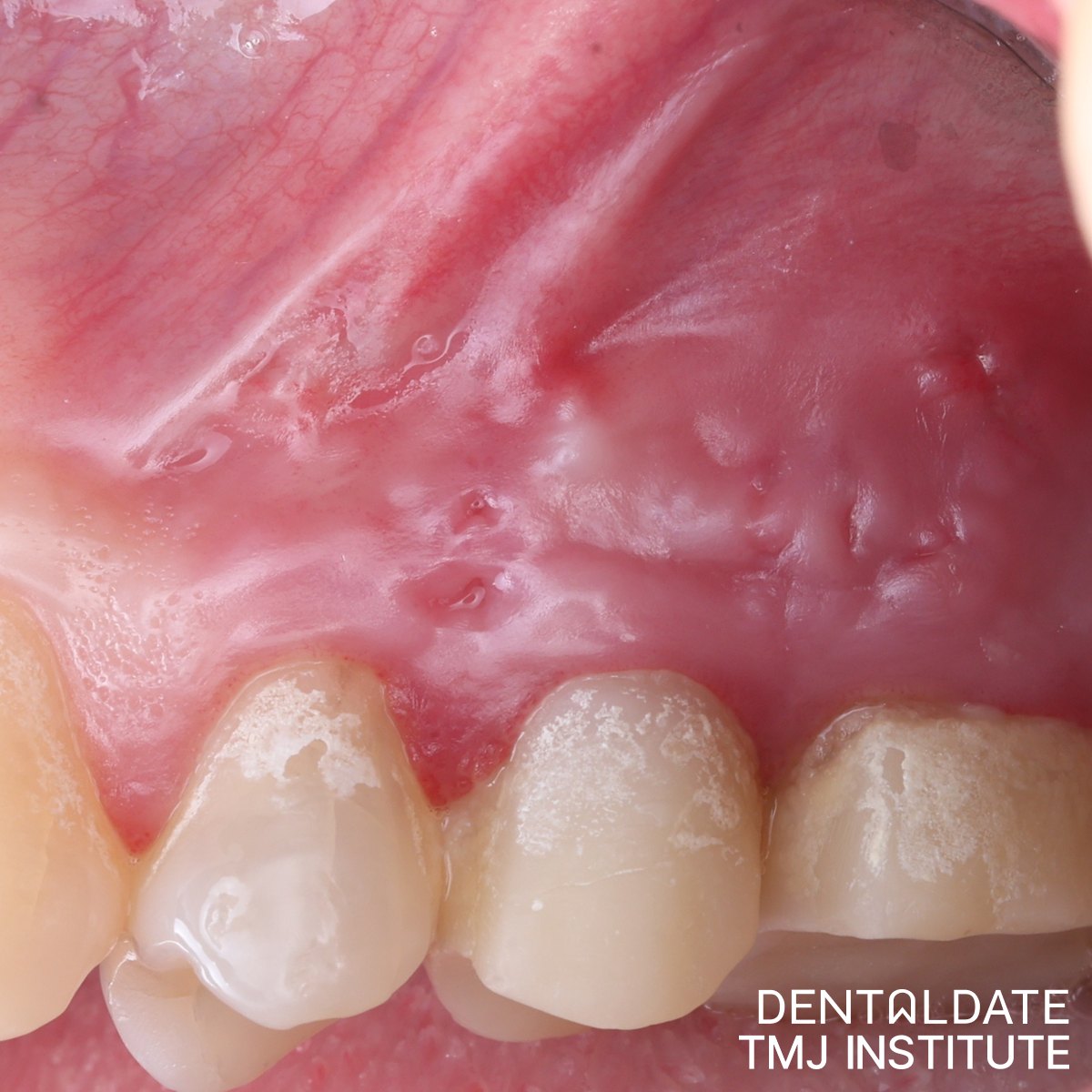
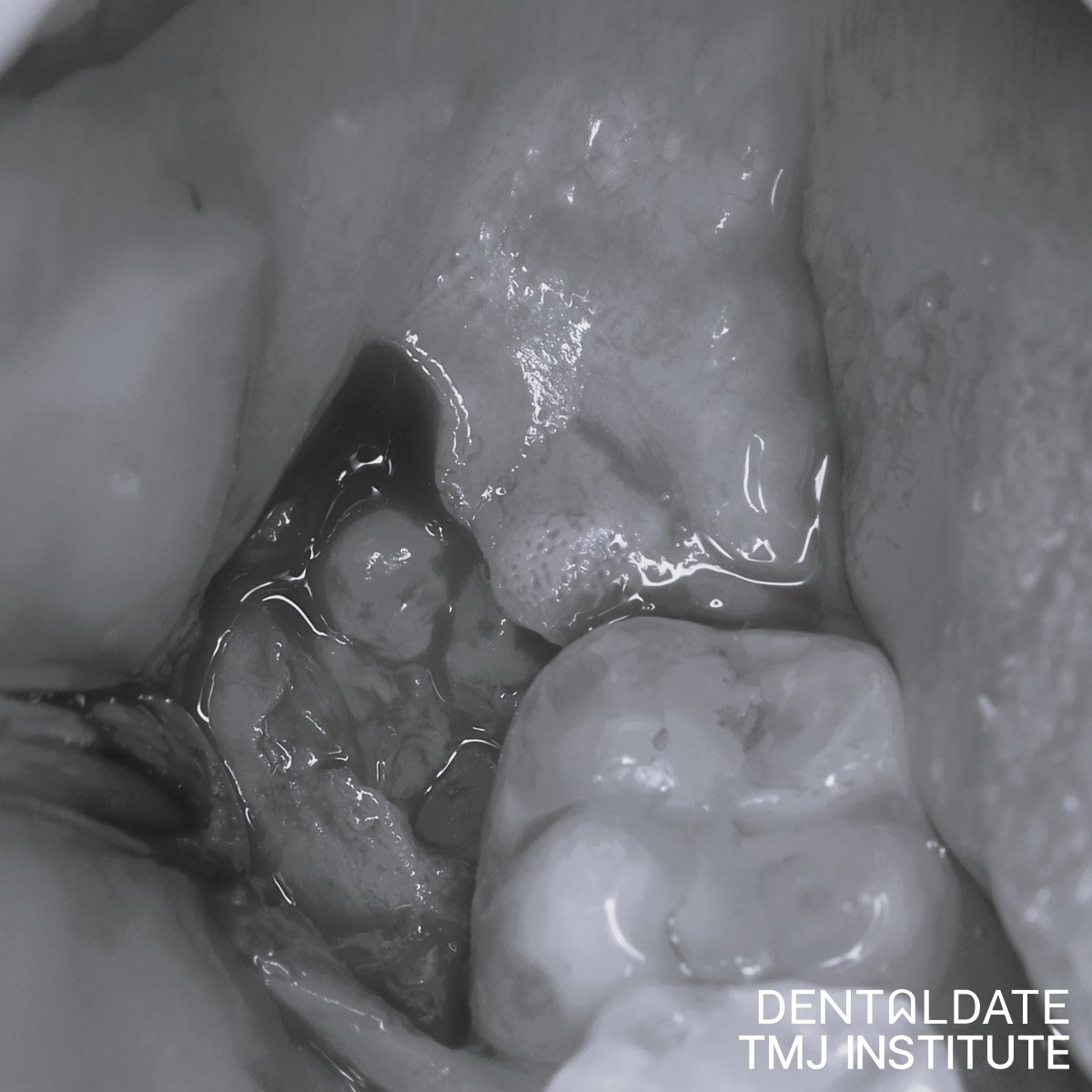
One week later, the patient had no complaints, and the sutures were removed.
The blood clot that forms in the socket is an important part of healing: it protects the bone and becomes the base for new tissue. For this reason, patients are generally advised in the first days to avoid vigorous rinsing, spitting, drinking through a straw and smoking, to eat soft food on the other side, and to keep the rest of the mouth clean as usual. Some swelling and stiffness are common after wisdom tooth surgery and usually ease gradually.
When to Call the Clinic
Healing after wisdom tooth removal usually follows a predictable course, but some signs should not be ignored. Contact your surgeon if you notice:
- pain that gets worse a few days after surgery instead of better;
- swelling that keeps increasing, or difficulty opening the mouth or swallowing;
- bleeding that does not stop with gentle pressure;
- a fever, an unpleasant taste or discharge from the socket;
- numbness of the lip, chin or tongue that persists after the anesthetic should have worn off.
Orthodontics and Surgery Under One Roof
If you are planning braces or aligners, your orthodontist may recommend removing the wisdom teeth first. At DentalDate, orthodontists and surgeons work in one clinic, so the preparation can be planned together and the extraction can be timed to fit the orthodontic plan. Get in touch to arrange an assessment.