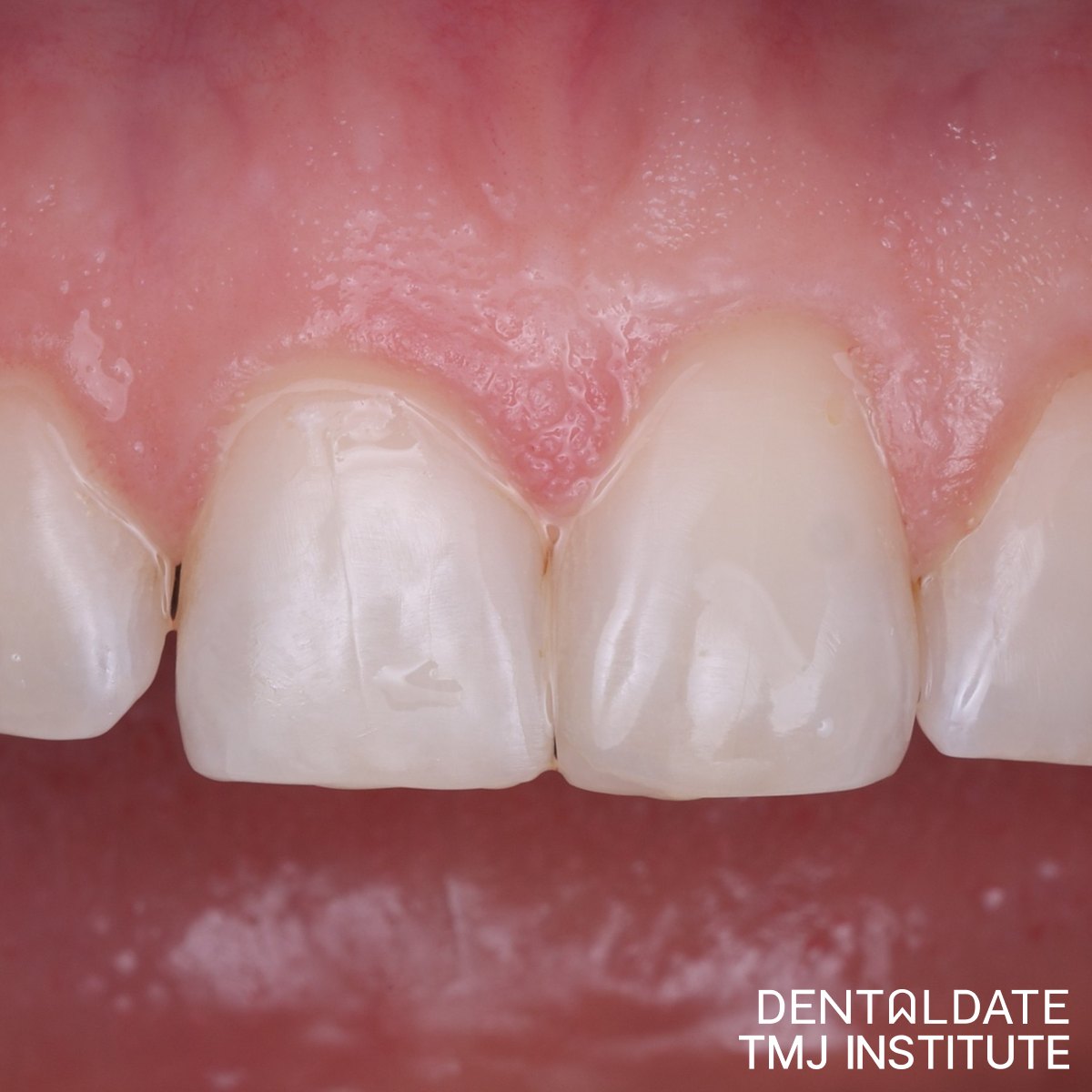
Why Tooth 24 Had to Be Removed
Tooth 24 was cracked and could not be kept. Cracks in teeth vary a great deal: a fine line in the enamel may need nothing more than monitoring, while a crack that runs deep into the tooth or towards the root usually cannot be repaired reliably with a filling or a crown. Trying to keep such a tooth can lead to repeated pain, infection and further breakdown, so extraction often becomes the more predictable choice.
Typical signs of a cracked tooth include sharp pain when biting or releasing a bite, sensitivity to cold, or discomfort that is hard to pinpoint. Since cracks are not always visible, they are usually confirmed by combining a clinical examination with imaging. In this case, the bone volume around tooth 24 was sufficient for immediate implantation.
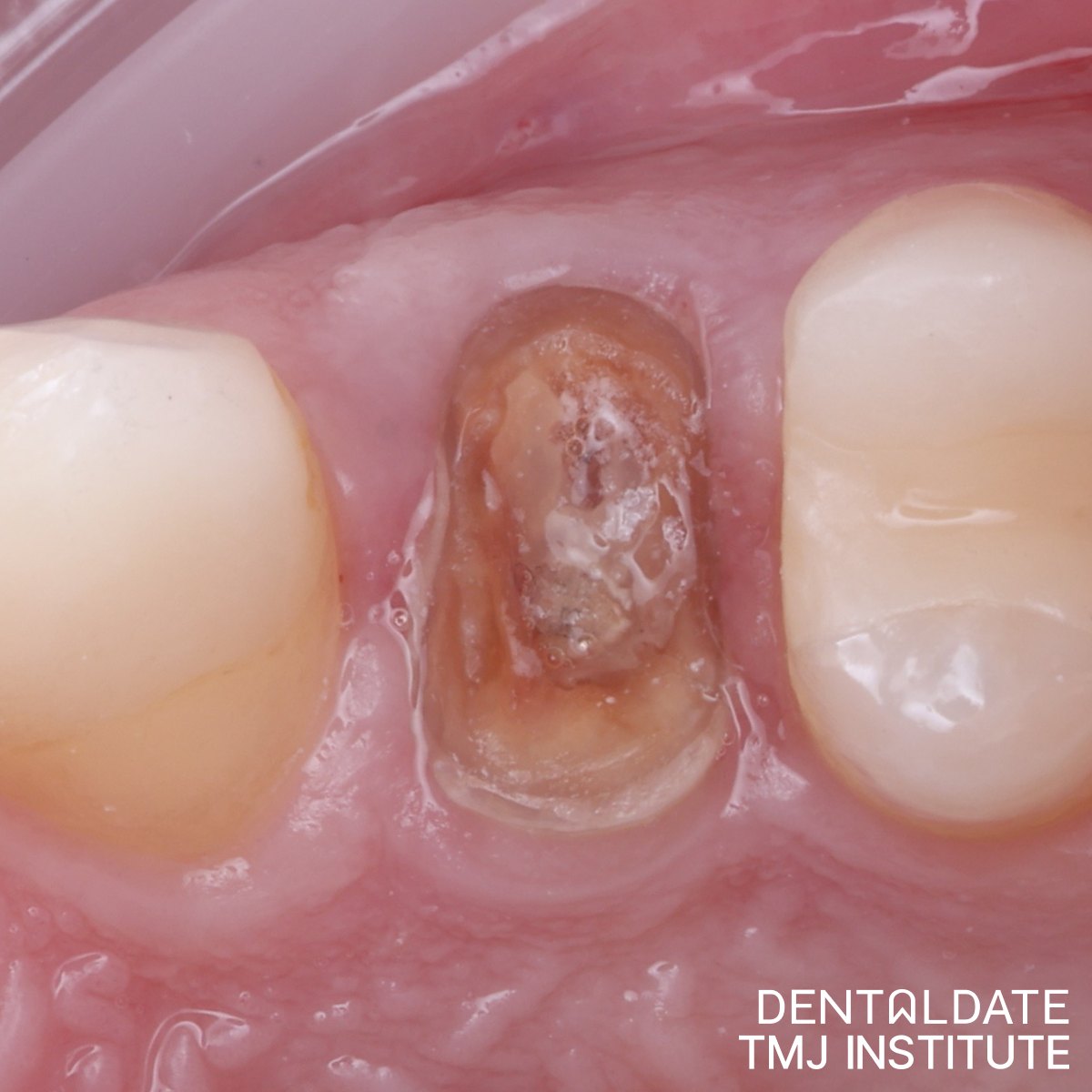
Immediate or Delayed Implantation: How the Timelines Differ
With immediate implantation, the implant is placed right after the tooth is removed, without waiting three months for the socket to heal. As a result, the patient gets a fully restored tooth within a few months rather than about six. In general terms, the two approaches compare like this:
- Delayed approach: the tooth is removed, the socket heals for about three months, the implant is placed, and the crown is made only after the implant has integrated.
- Immediate approach: the tooth is removed and the implant is placed in the same visit, so healing of the socket and integration of the implant happen at the same time.
- Fewer surgical visits: extraction and implant placement are combined into one procedure.
- The fresh site is treated while its shape is still intact, which can help preserve the contour of the bone and gum.
Immediate implantation is not possible for every tooth. It depends on whether there is enough healthy bone to hold the implant firmly and on the condition of the socket once the tooth is out.
What Happened During the Procedure
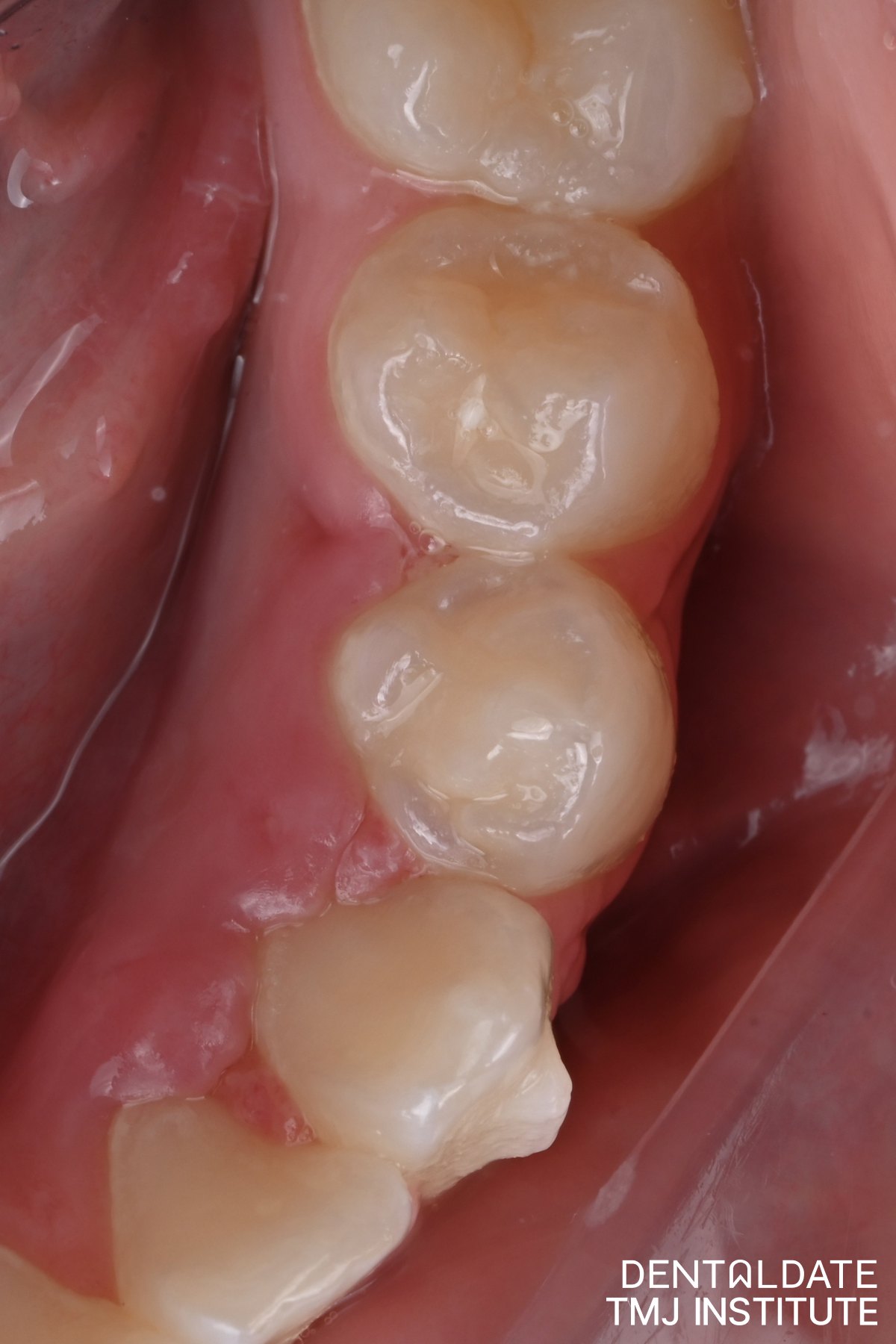
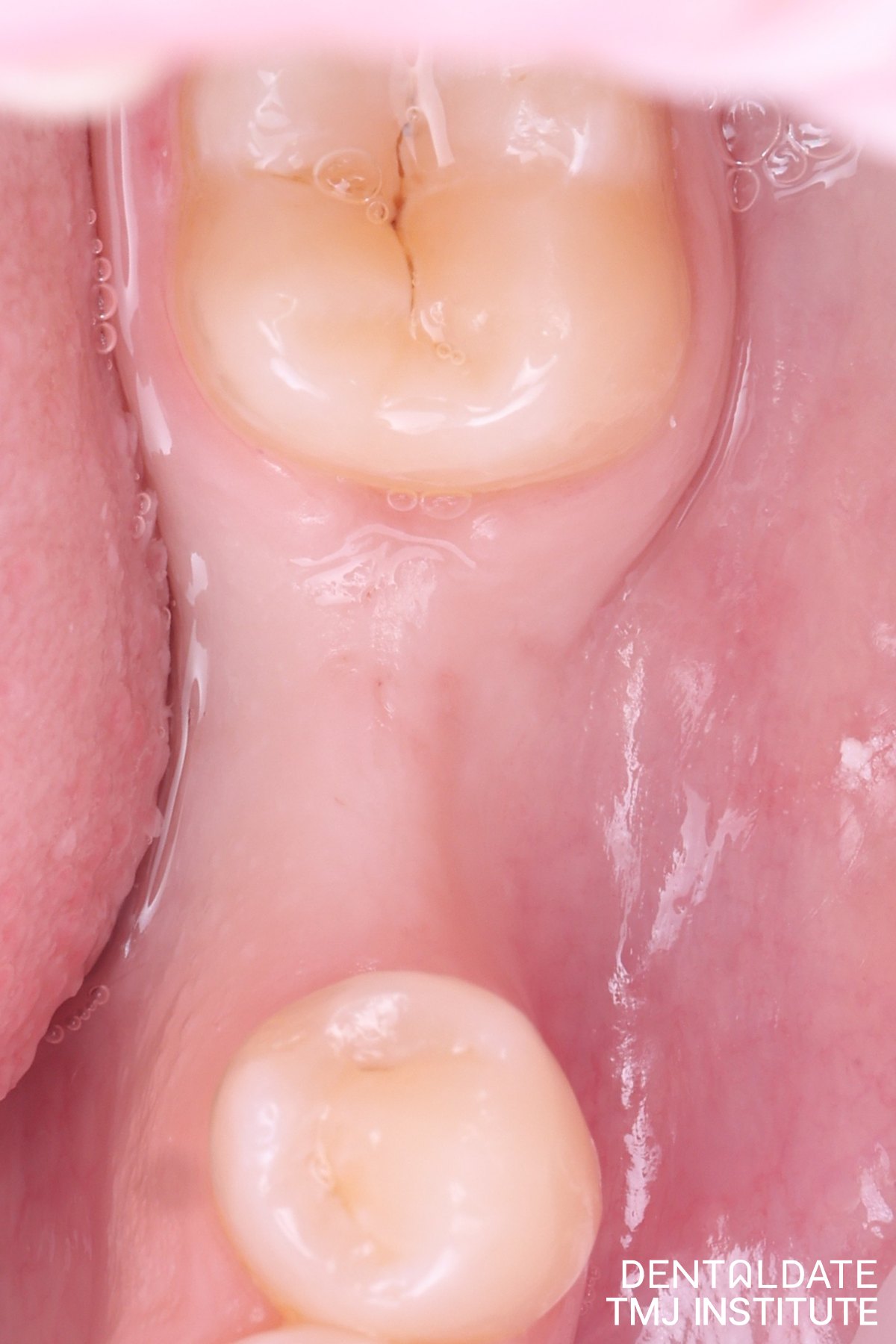
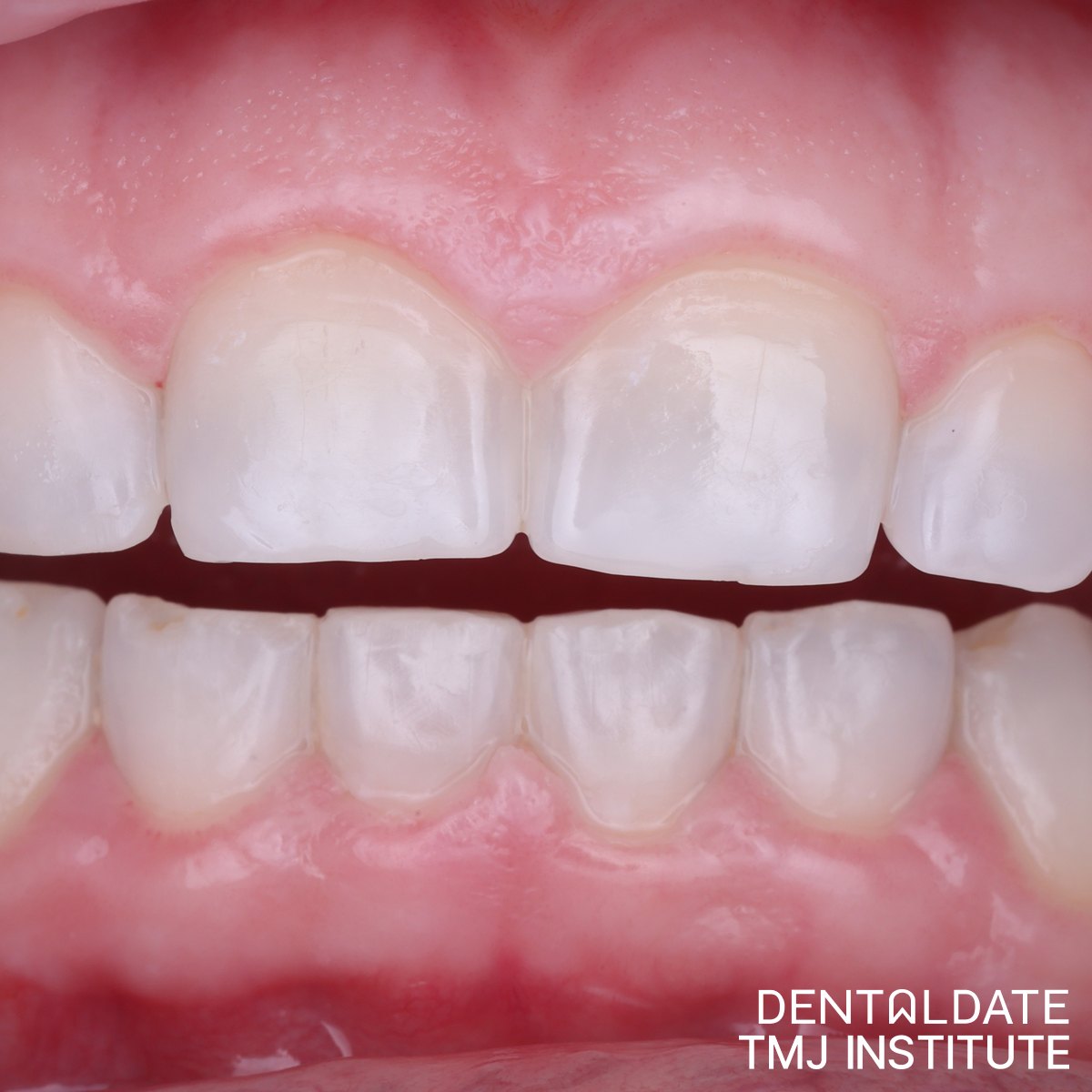
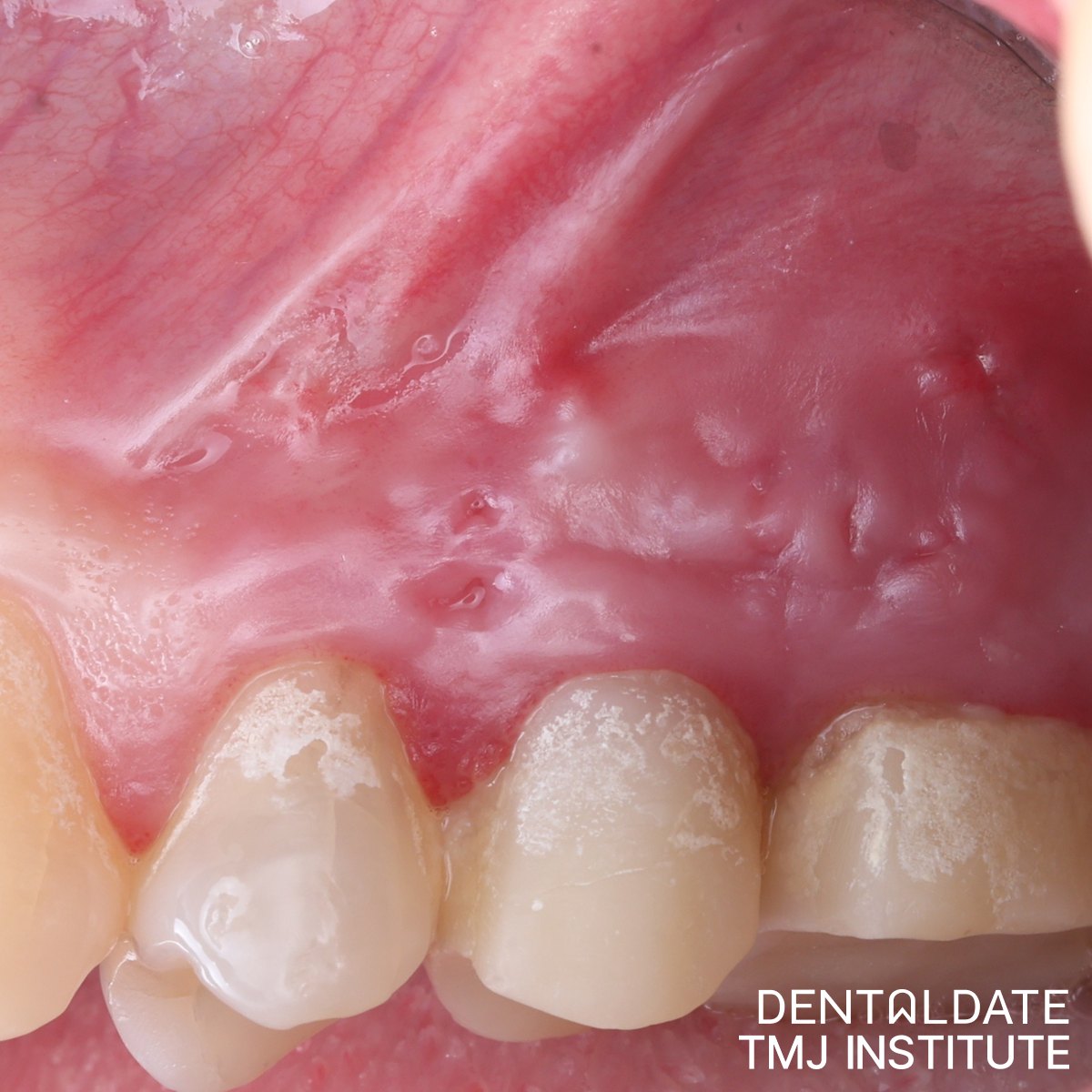
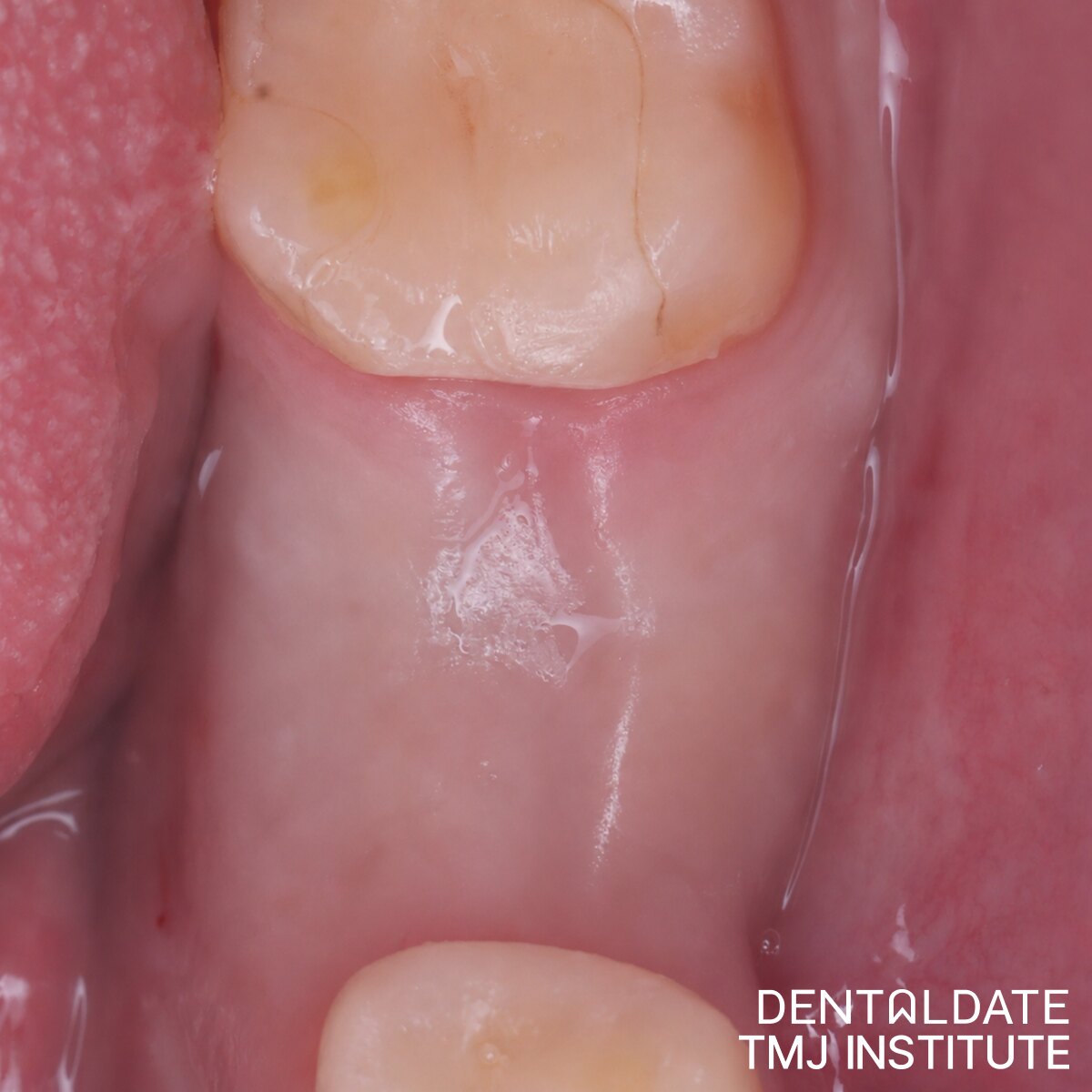
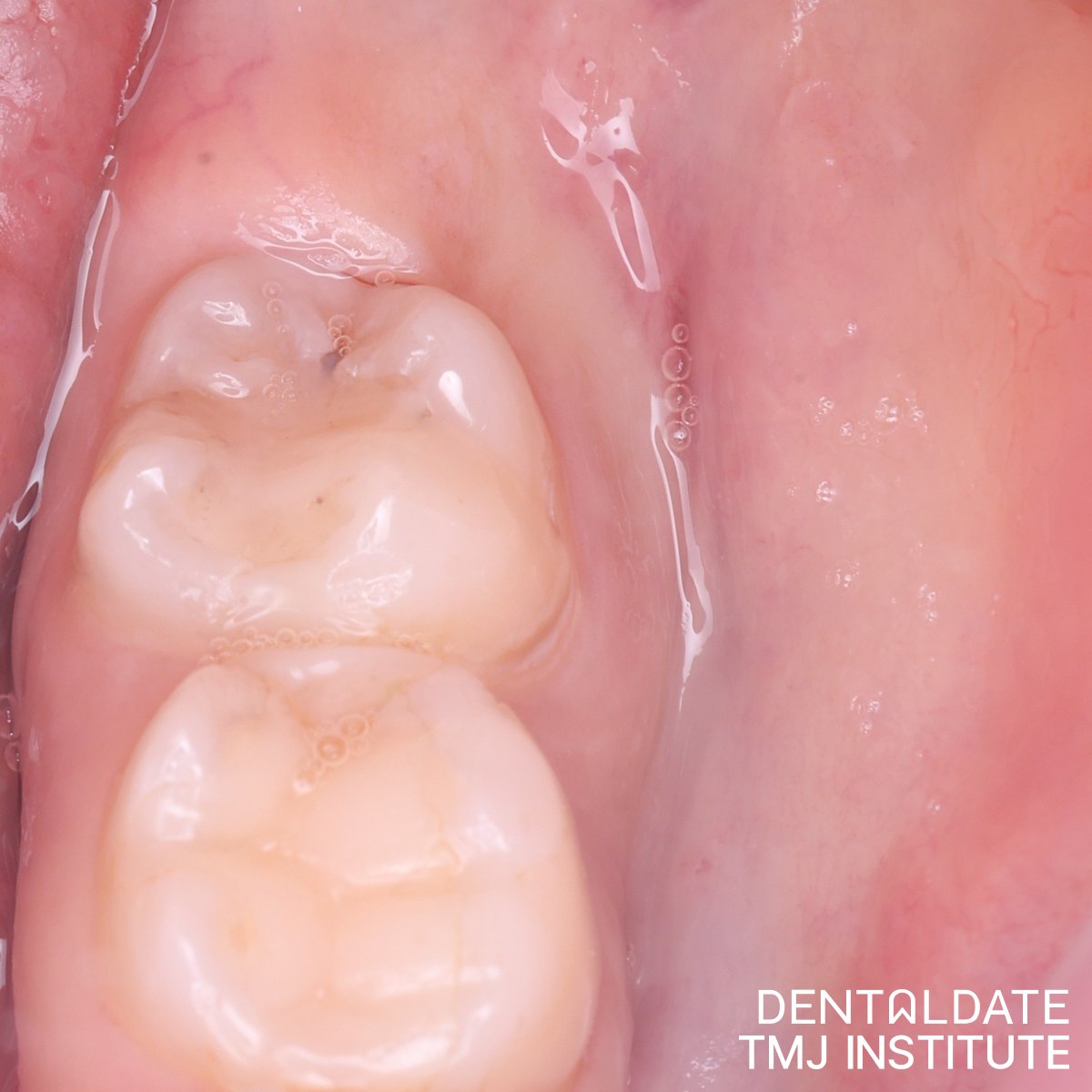
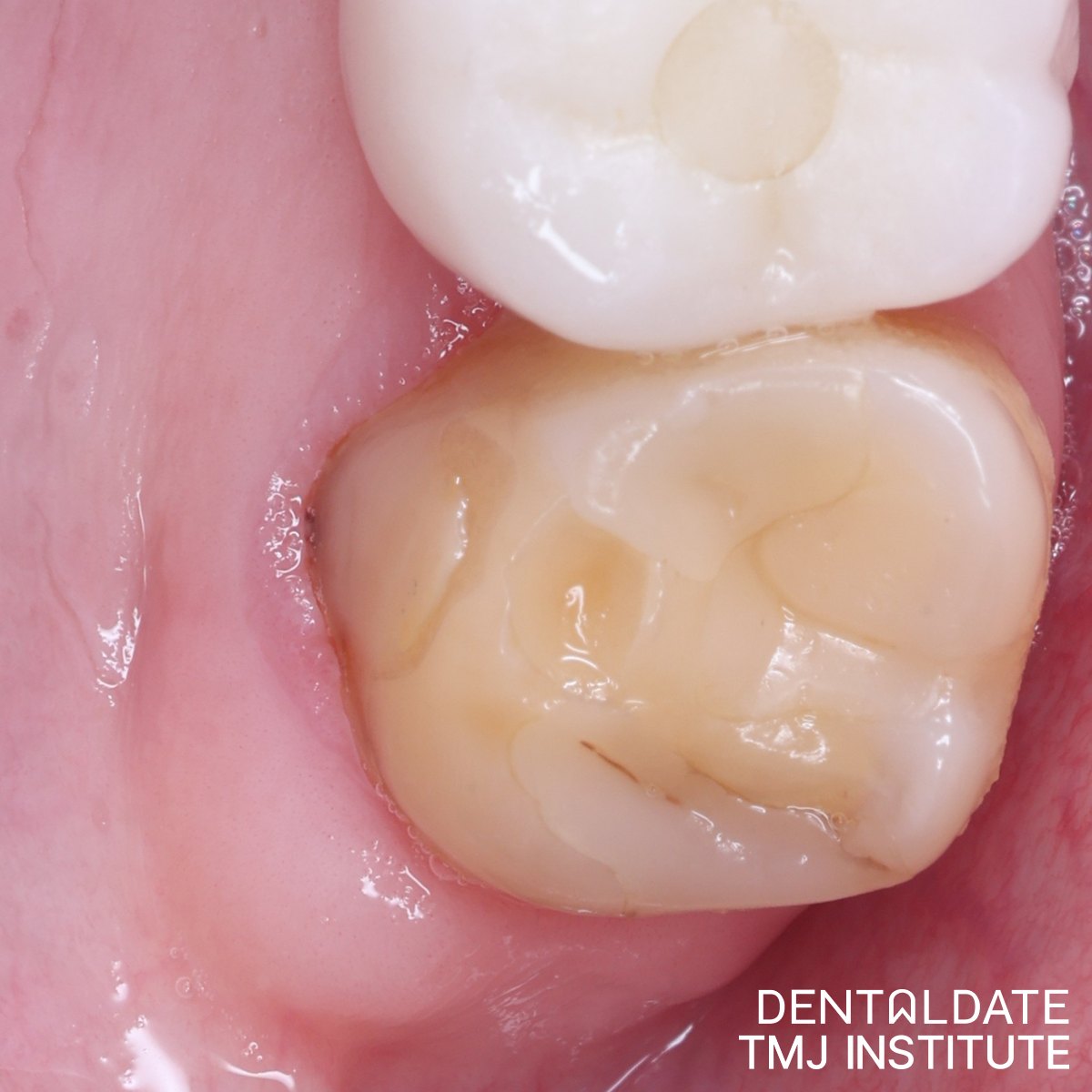
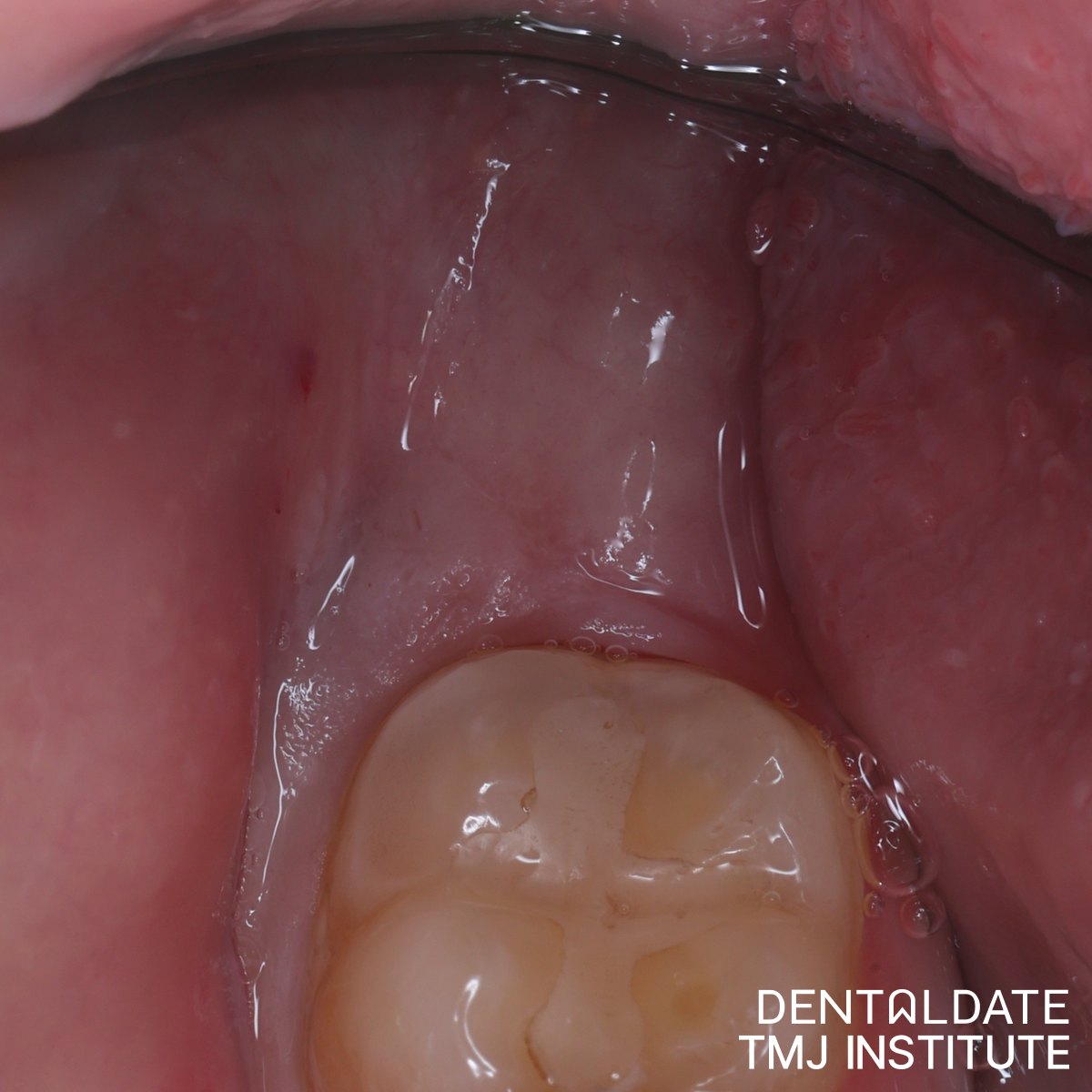
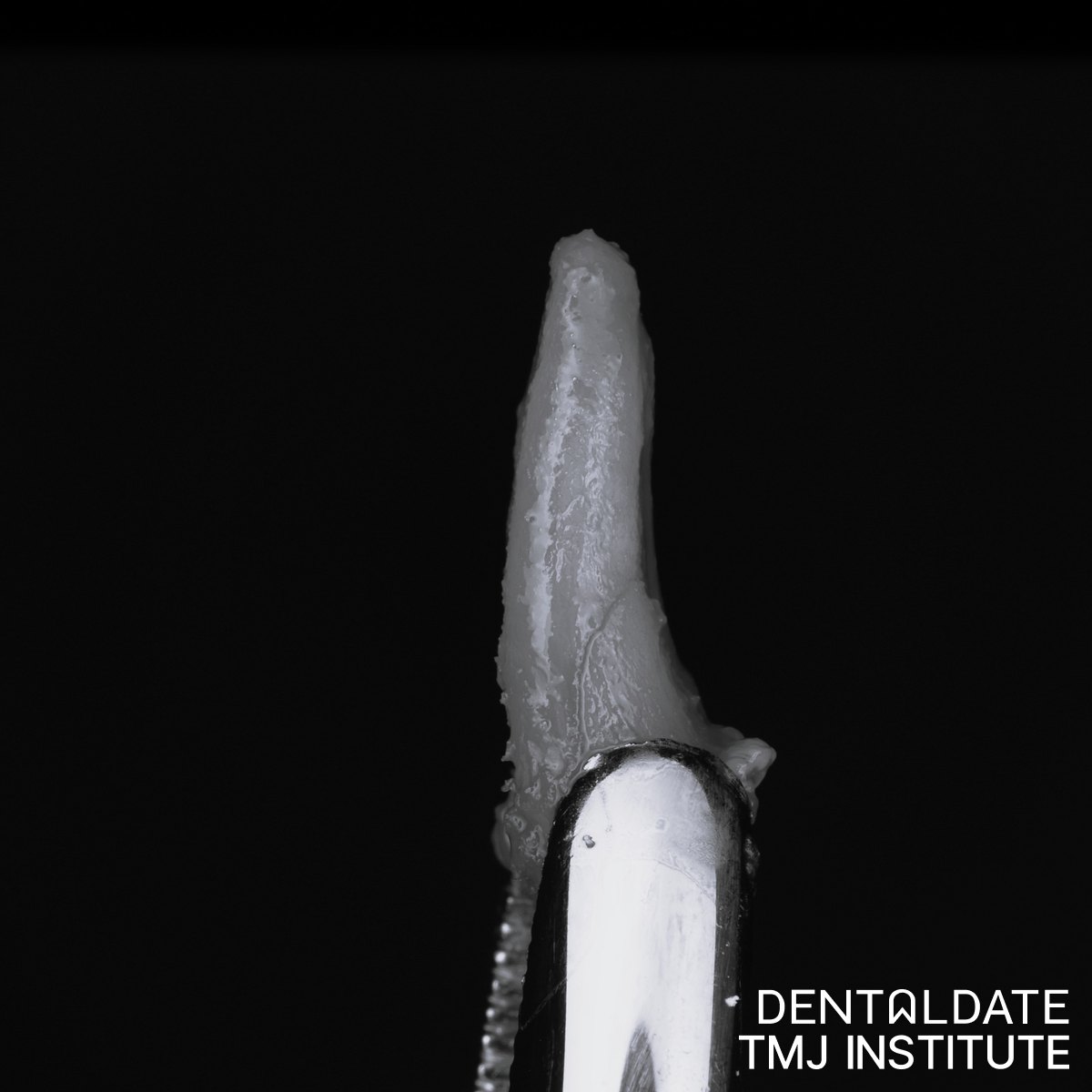
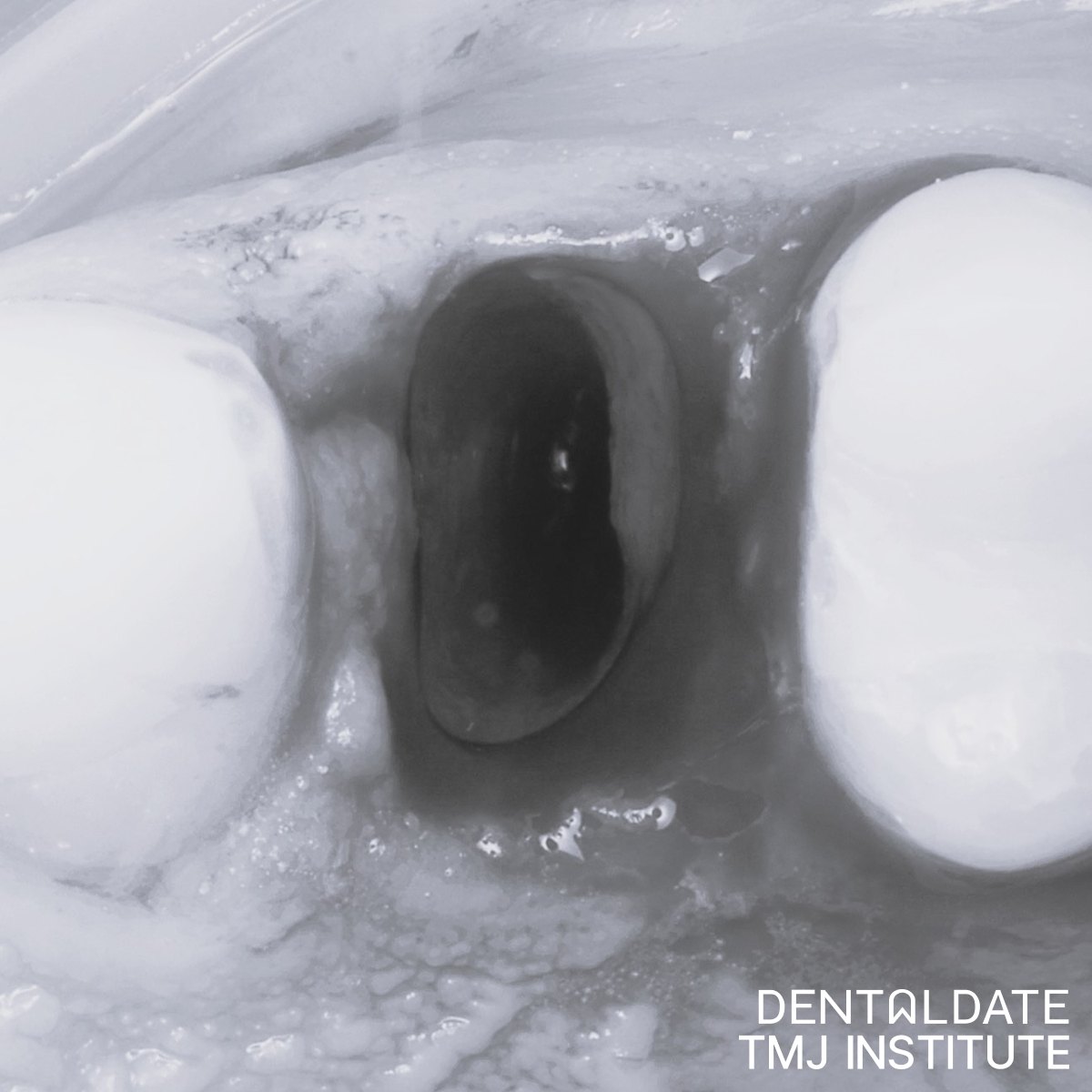
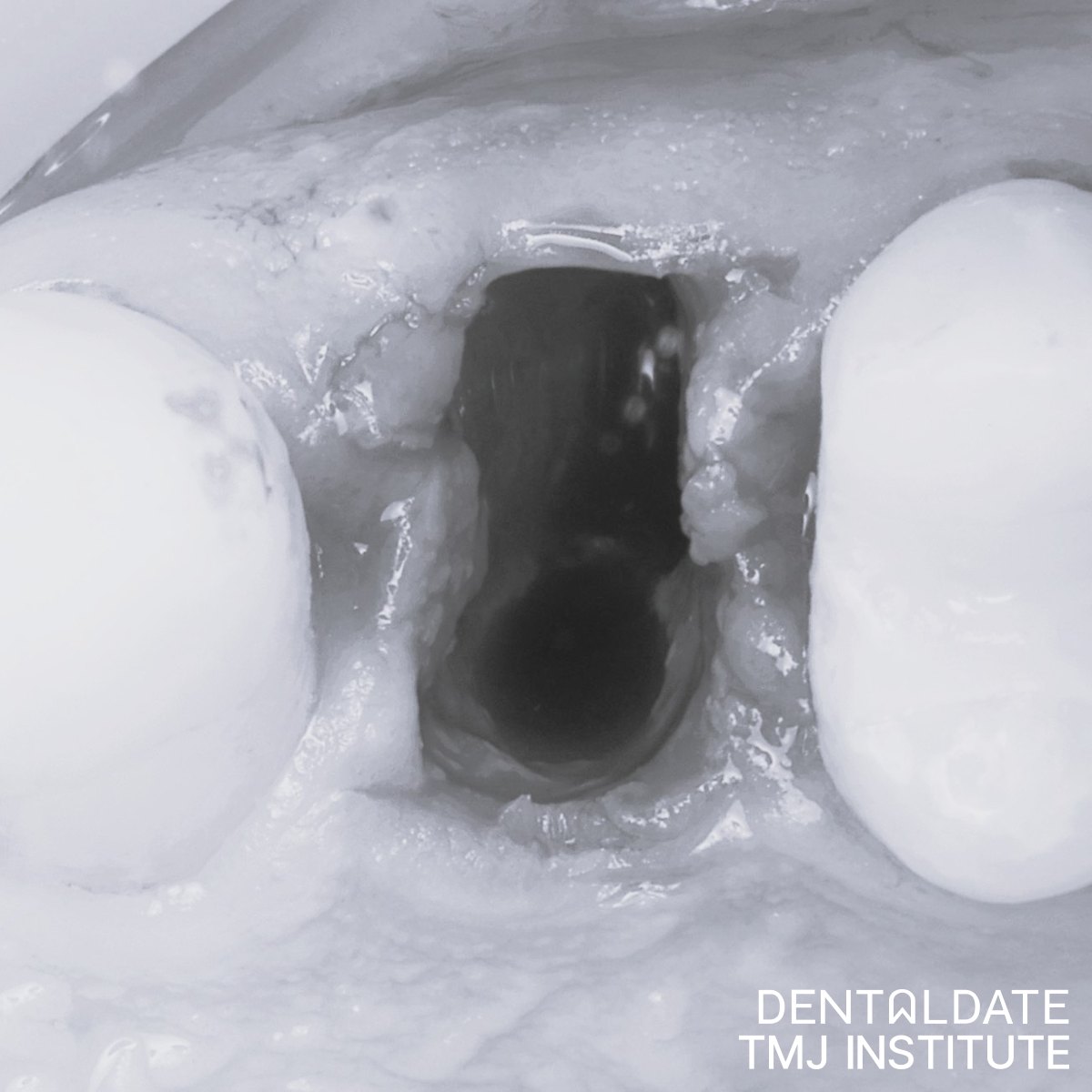
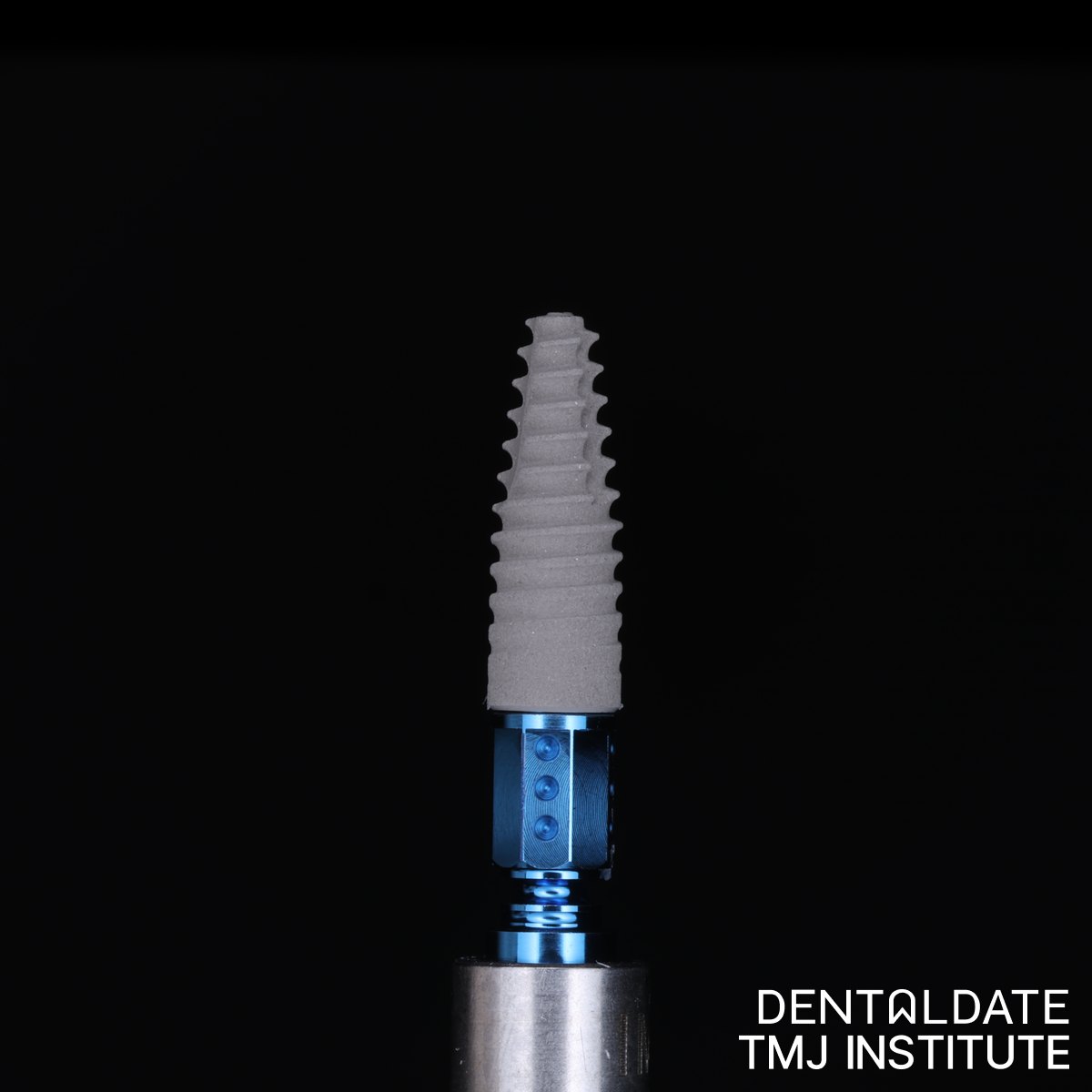
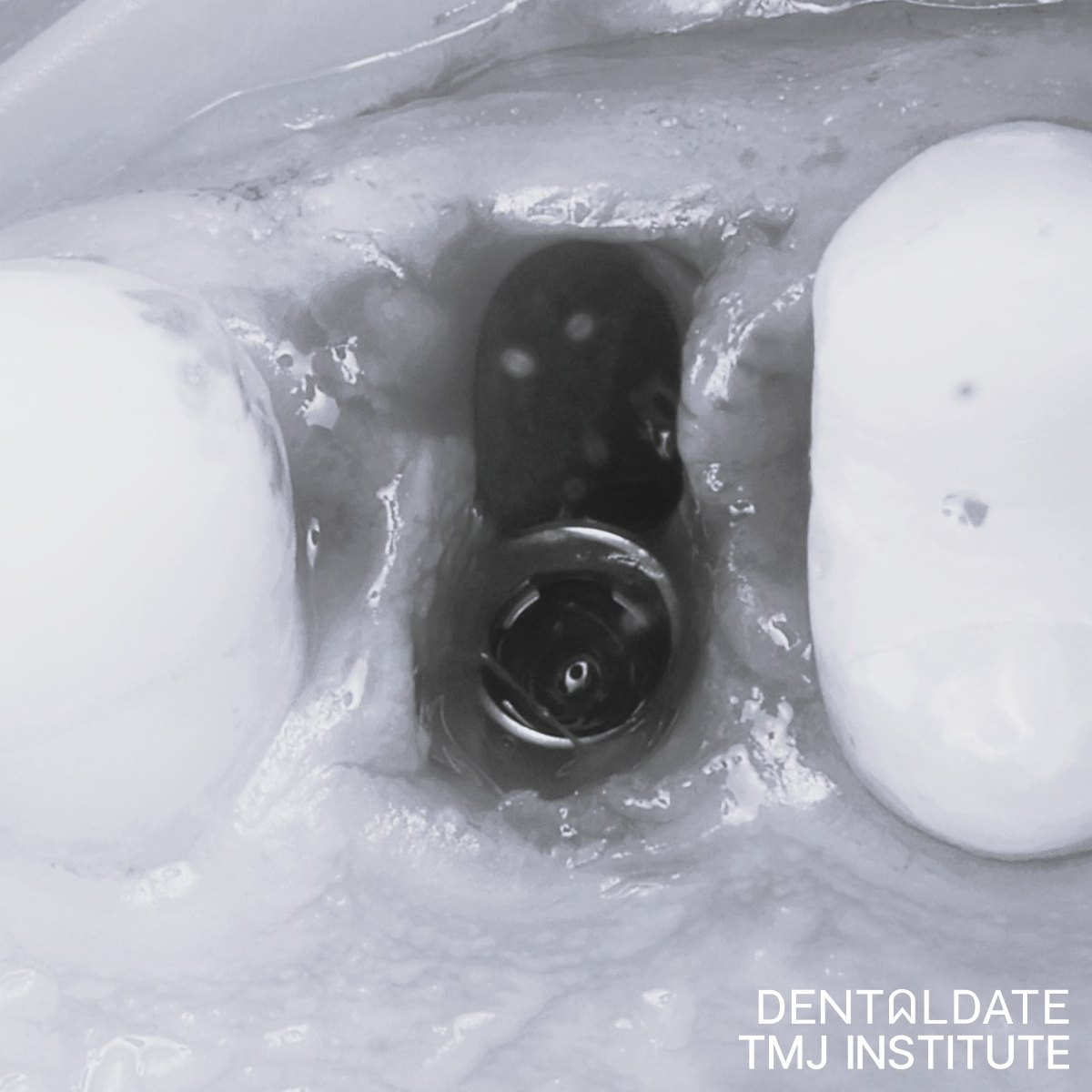
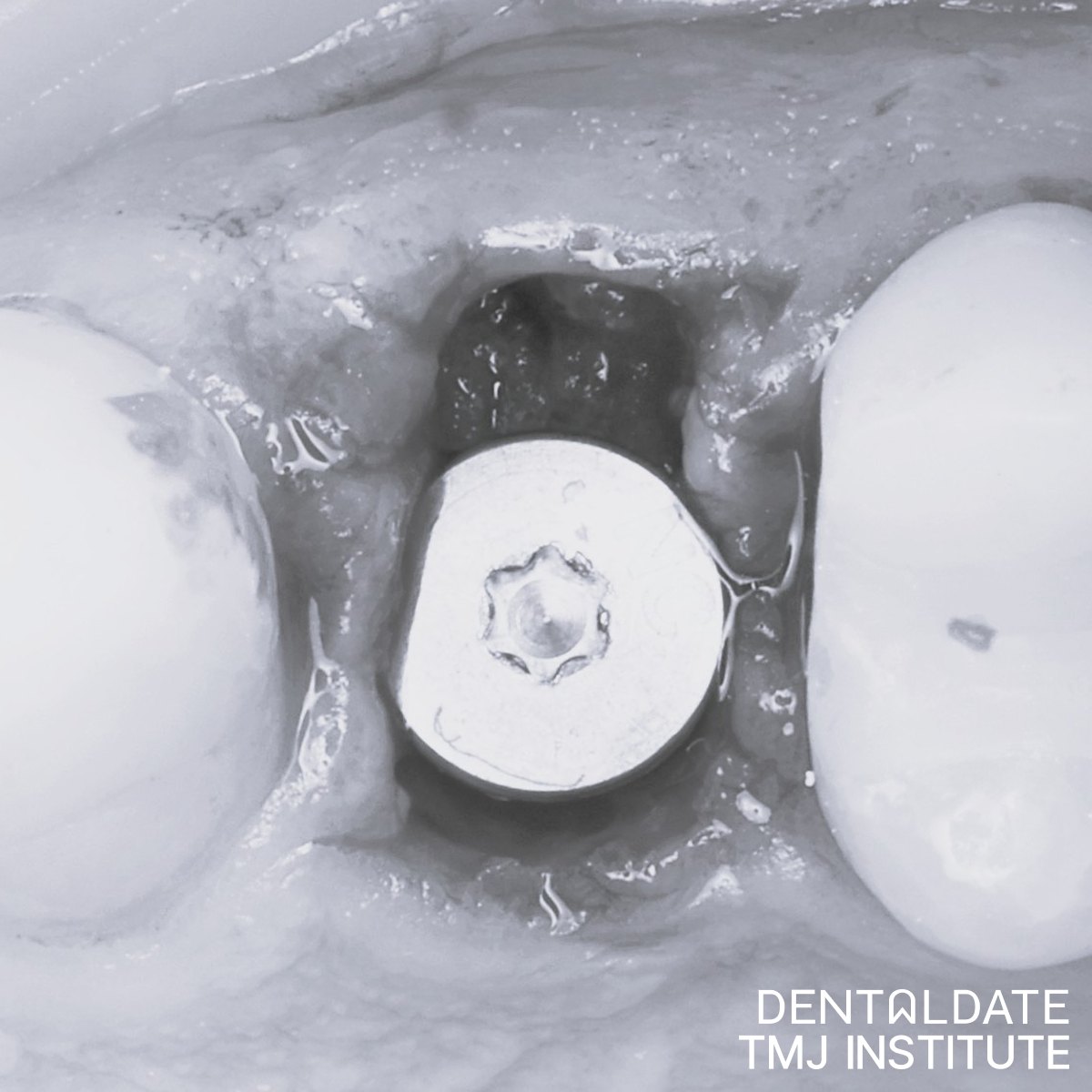
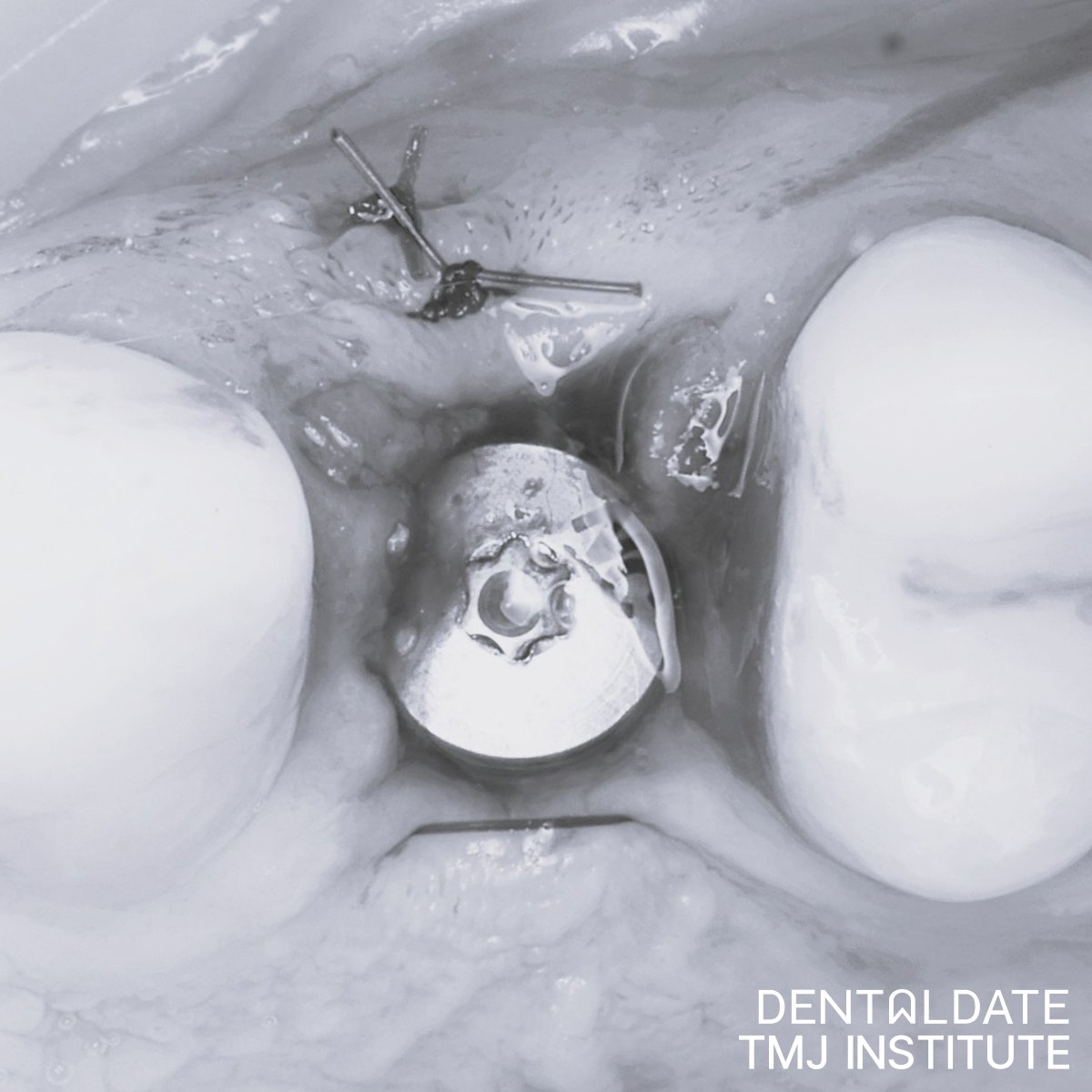
All the steps were completed in a single surgical visit. The photos that follow show the extracted tooth, the empty socket, the implant before and after placement, and the area after suturing:
- The cracked tooth was removed.
- The implant was placed into the fresh socket.
- Gum grafting was performed in the same procedure.
- The wound was closed with sutures.
Why Add a Gum Graft at the Same Time
The gum frames a tooth or an implant crown, and in the premolar area of the upper jaw it is often visible when smiling. After an extraction, the soft tissue can gradually thin and recede together with the underlying bone. In general, gum grafting is used to add soft tissue where it is thin or likely to shrink, so that the gum around the future crown has more volume and a more natural shape.
Doing this in the same procedure as the implant avoids a separate operation later. It also means the gum heals around the implant from the start, rather than being corrected after the fact.
Looking After an Immediate Implant
In the first period after surgery, the implant and the graft need to be left undisturbed while they heal. Patients are generally advised to:
- avoid biting directly on the treated side until the surgeon allows it;
- follow the cleaning and rinsing instructions given at the clinic, being gentle around the surgical area;
- avoid smoking, which is known to impair the healing of both bone and gum;
- take any prescribed medication as directed and attend the planned check-ups;
- contact the clinic if swelling increases after the first few days, bleeding does not stop, or a fever develops.
Who Immediate Implantation Is Suitable For
Immediate implantation is generally considered when a tooth has to be removed and the surrounding bone is healthy and sufficient in volume. It may not be suitable when an active infection has damaged the bone, when the walls of the socket are lost during the extraction, or when the bone is simply not thick enough to stabilise the implant. Imaging before the extraction helps the surgeon judge in advance which option is realistic.
What Comes After the Surgery
Dr. Tikhon performs the surgical stage of treatment. After implant placement, the patient continues treatment with a prosthodontist or general dentist, who makes the crown once the implant has integrated with the bone. Until then, the implant is left to heal and bond with the surrounding bone.
Facing an Extraction? Ask About Your Options
If a tooth has to come out, it is worth asking whether an implant could be placed in the same visit. At DentalDate, implant surgery is planned with 3D imaging, and the prosthetic stage is completed by a prosthodontist. A consultation will show whether immediate implantation is possible in your situation or whether a staged approach is the safer route.