Found by Chance on a Routine X-ray
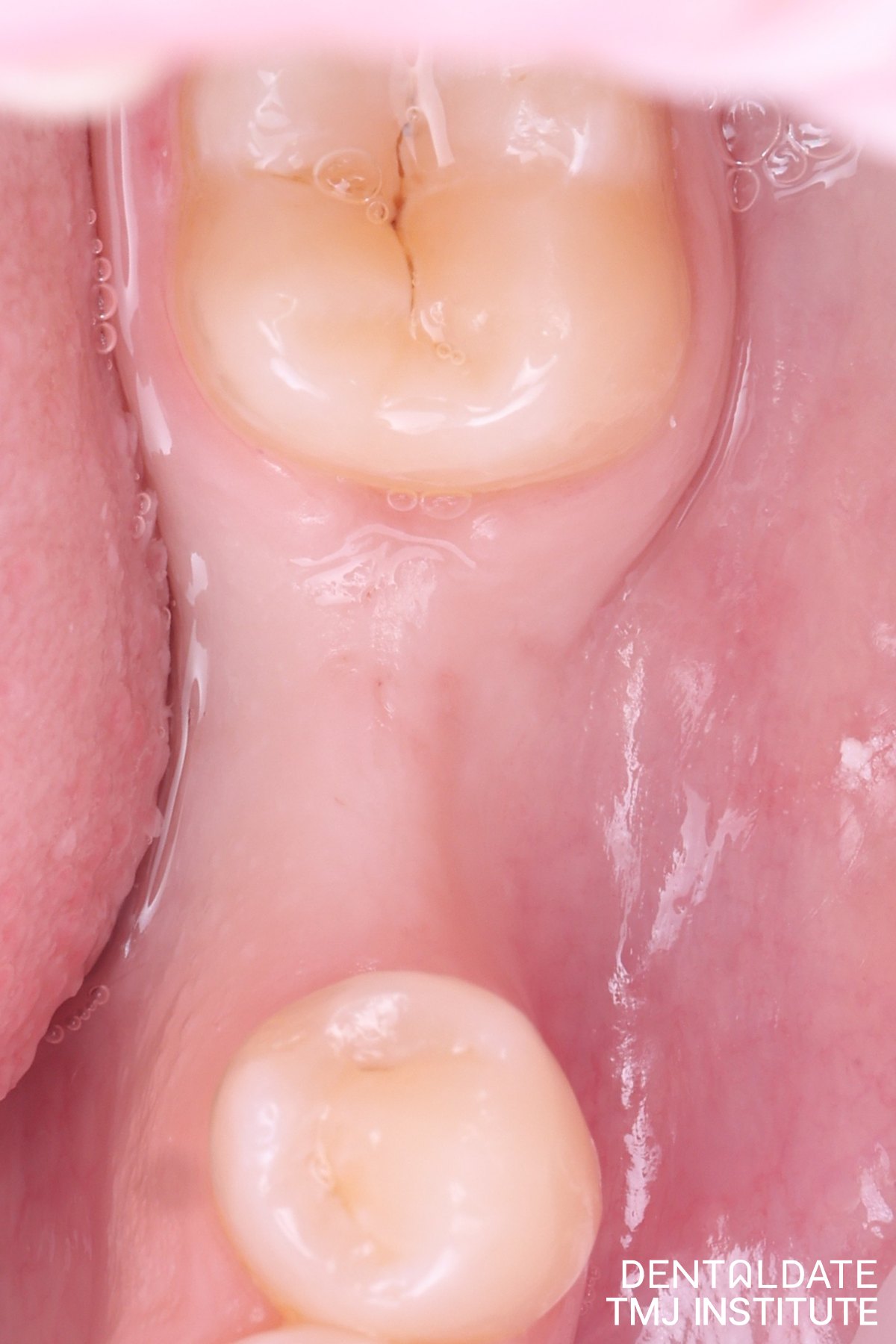
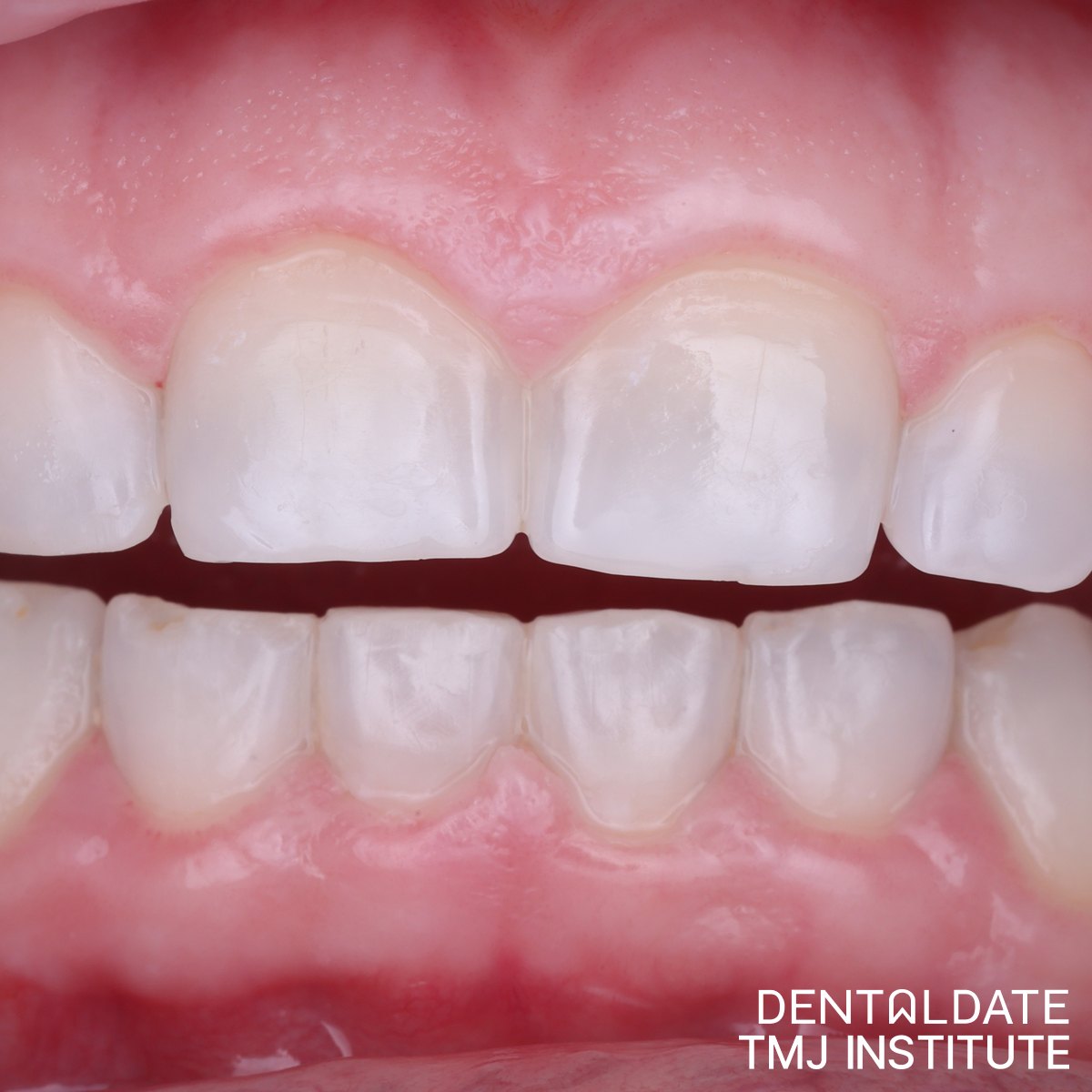
The extra tooth was found by chance on an X-ray during a routine examination. It was located between the roots of the permanent canine (33) and first premolar (34) in the lower jaw. CBCT (cone beam computed tomography), which shows the jaw in three dimensions, was used to plan the surgery.
Cases like this show why X-rays taken at routine check-ups are useful in children. Many changes in the developing jaw cannot be seen or felt from the outside.
What Is a Supernumerary Tooth?
A supernumerary tooth is an extra tooth, in addition to the normal set of baby or permanent teeth. It may look like a normal tooth or have an unusual shape, and it can develop in different parts of the jaws, including between the roots of other teeth. Some supernumerary teeth erupt into the mouth, while others stay hidden in the bone.
Supernumerary teeth often cause no symptoms and are found on routine X-rays. When left in place, they can sometimes interfere with the neighbouring teeth, for example by delaying their eruption, pushing them out of position or affecting their roots.
How Extra Teeth Are Located Before Surgery
A standard X-ray is usually what first reveals an extra tooth, but it shows the jaw only in two dimensions. Before surgery, the surgeon needs to know more: how deep the tooth lies, whether it sits towards the tongue or the cheek side, and how close it is to the roots of the neighbouring permanent teeth. This is where CBCT is valuable, as it allows the area to be viewed from any angle. With this information, the approach can be chosen so that the neighbouring teeth and their developing roots are protected.
Why Remove It Now Rather Than Later
The decision was made to remove the supernumerary tooth straight away. In a few years it would be fully formed, and its removal would become significantly more complicated. In general, a fully developed extra tooth has larger, longer roots that may lie closer to the neighbouring teeth, which makes surgery more involved.
The Procedure
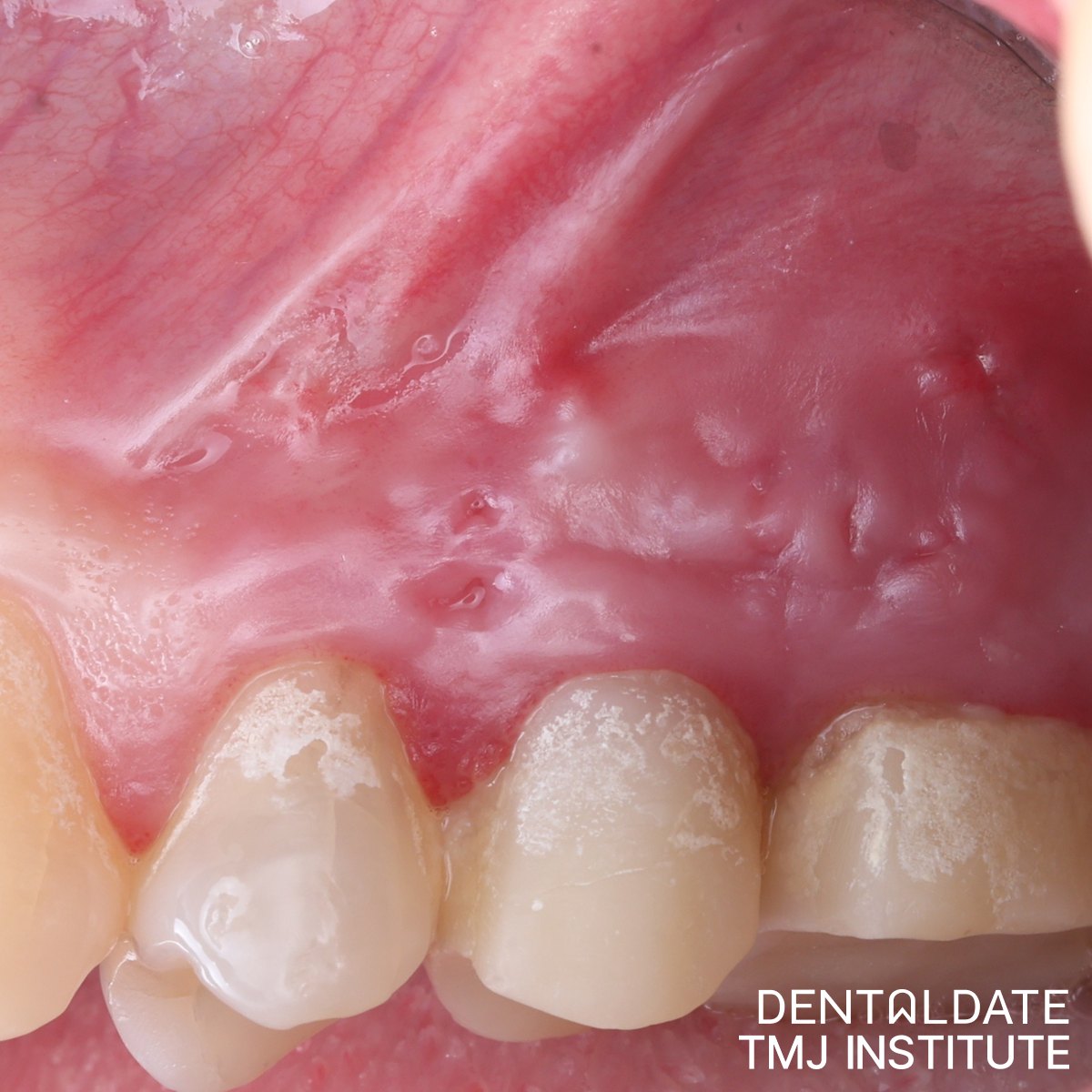
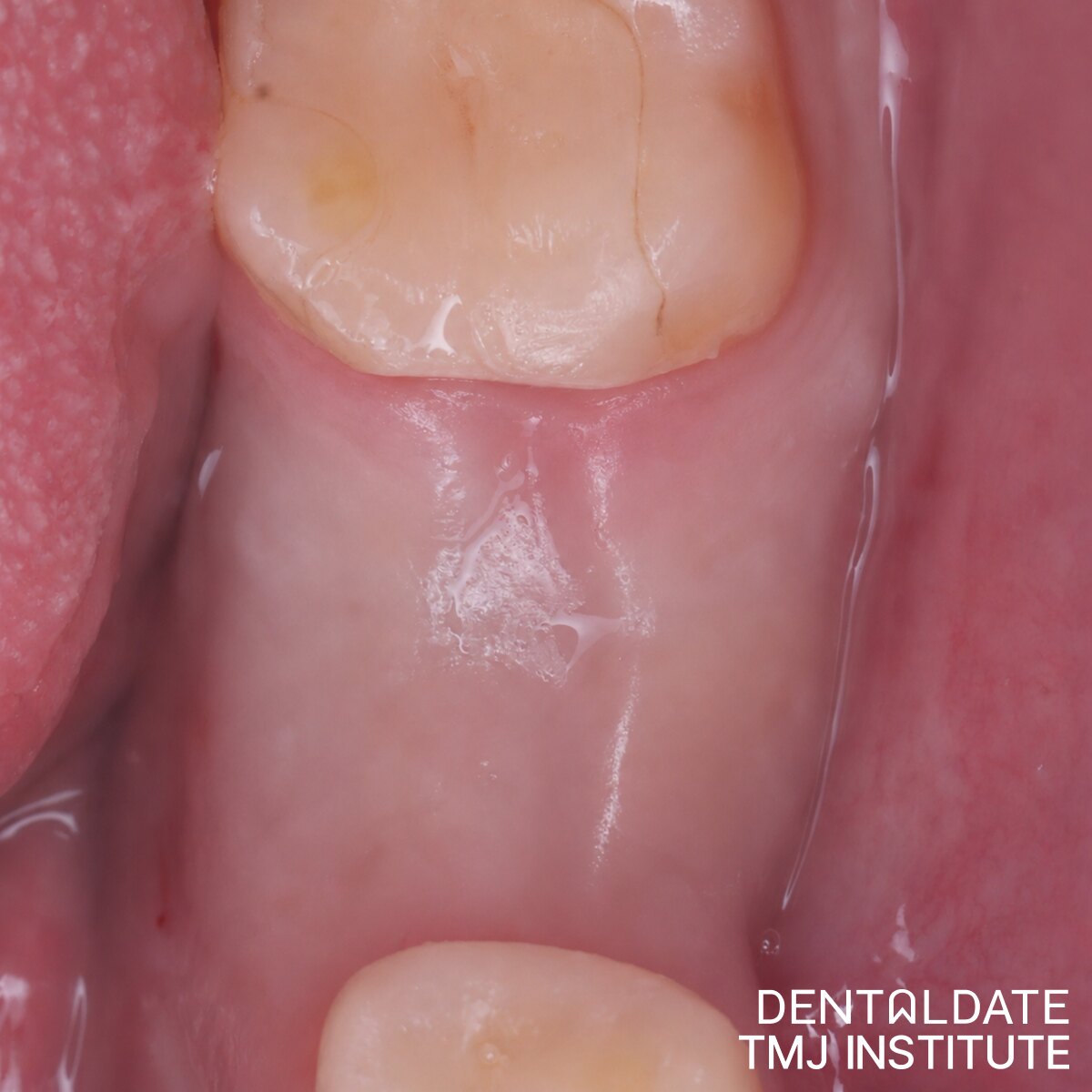
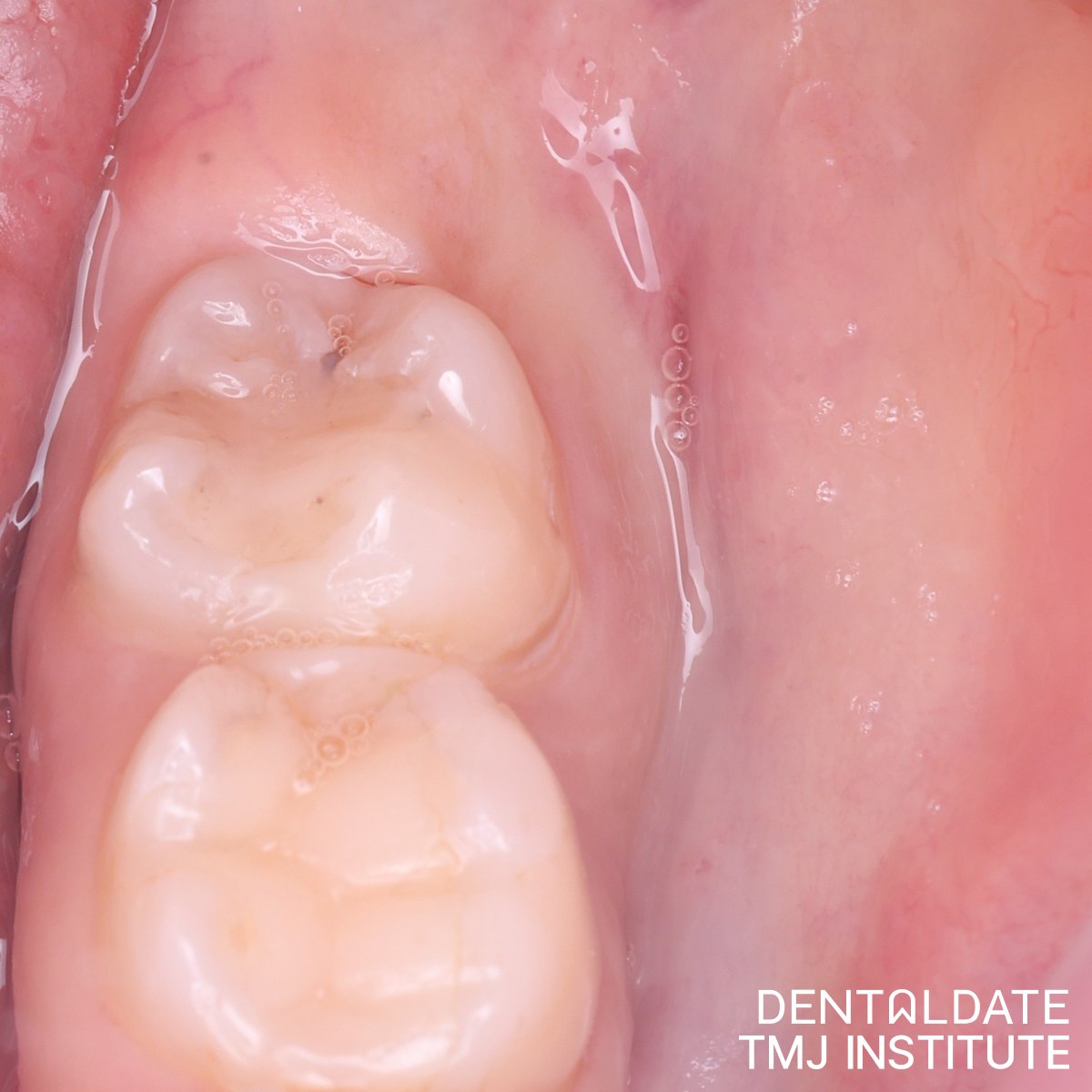
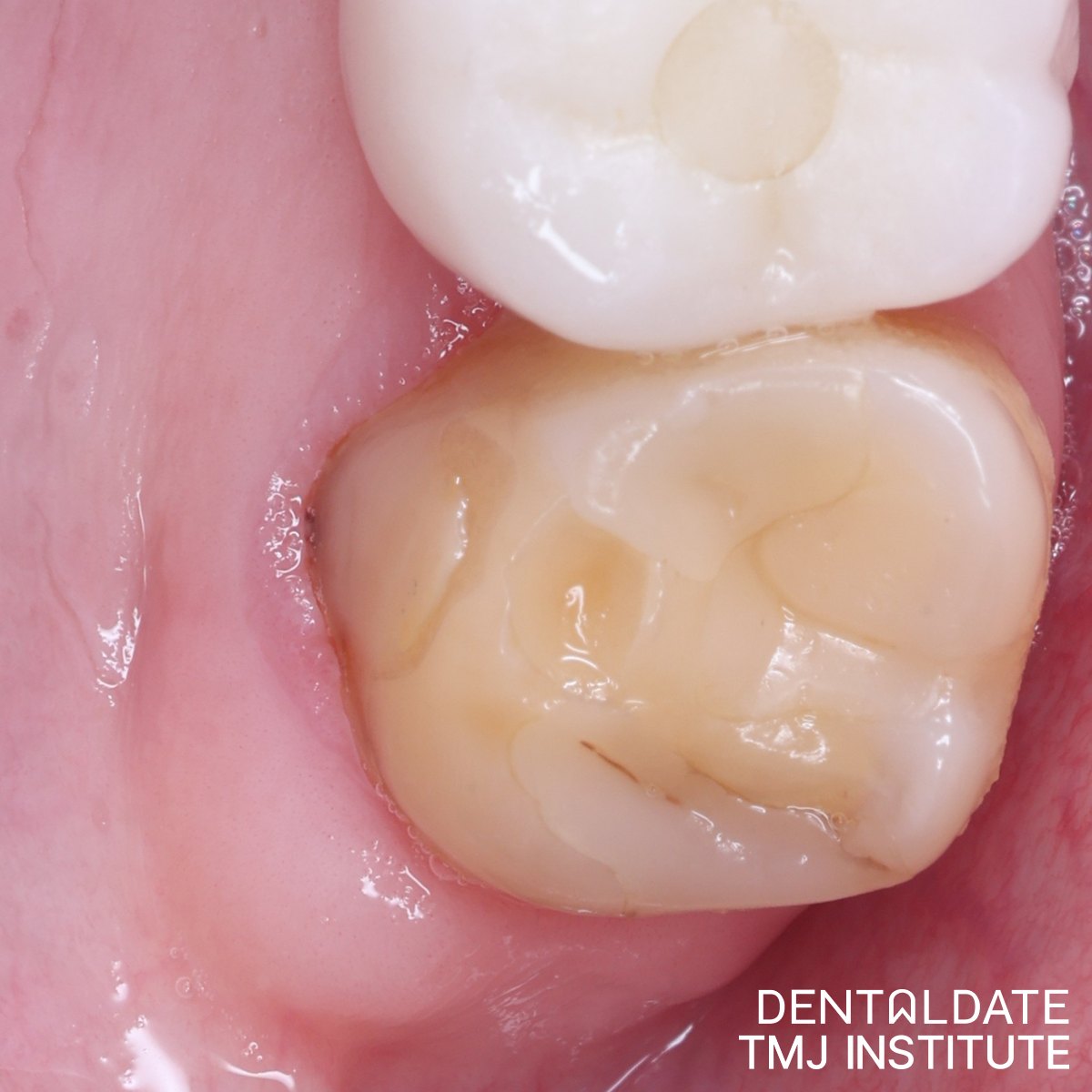
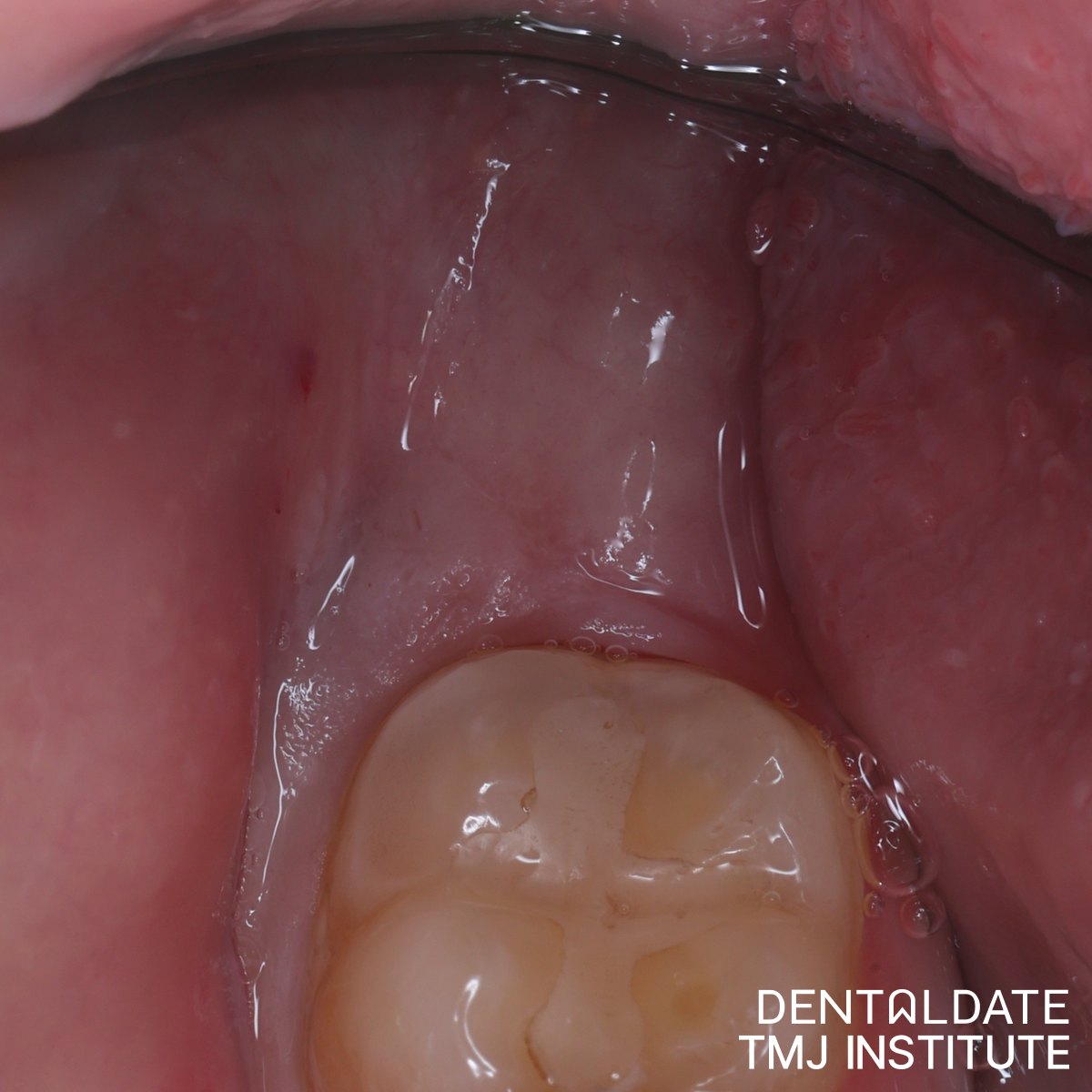
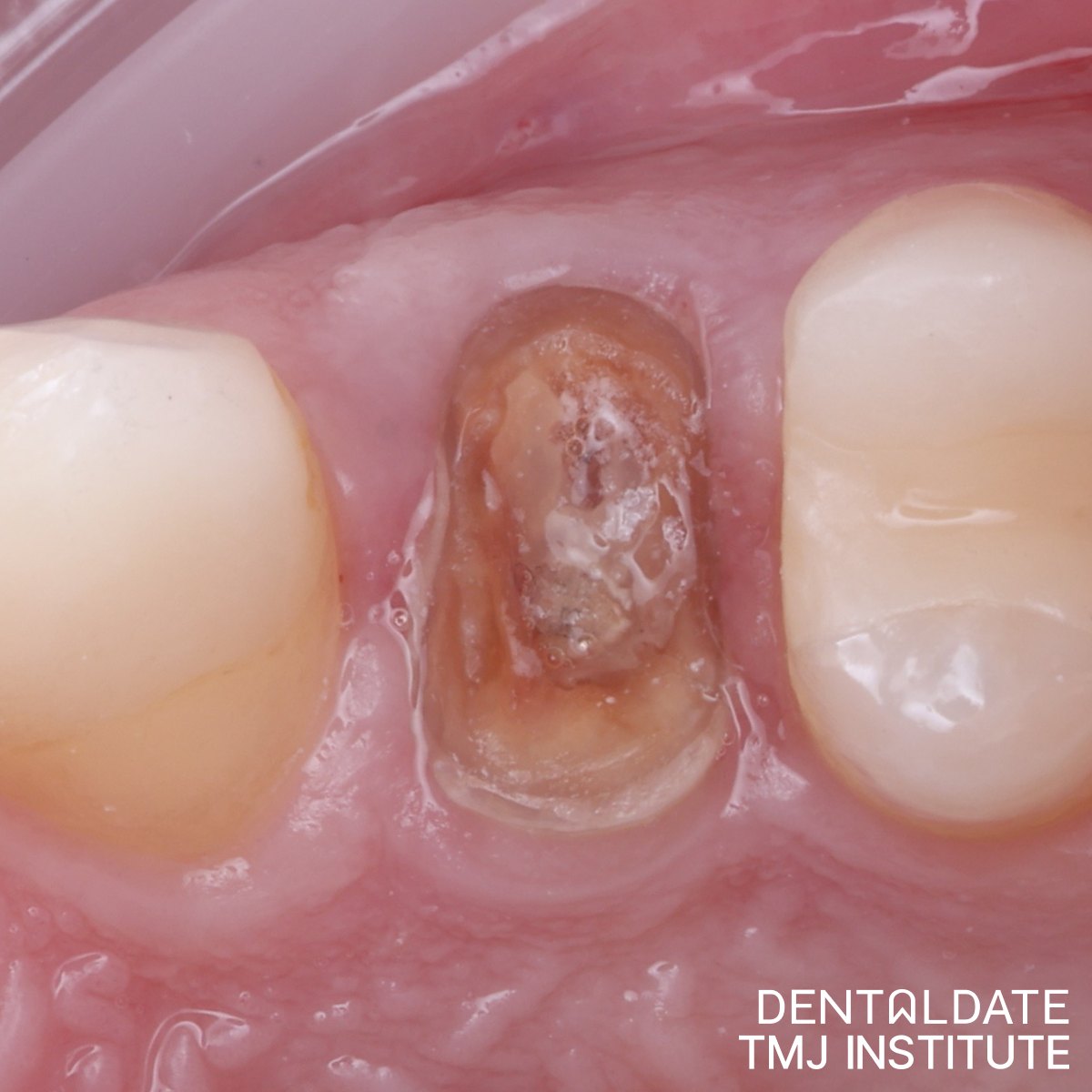
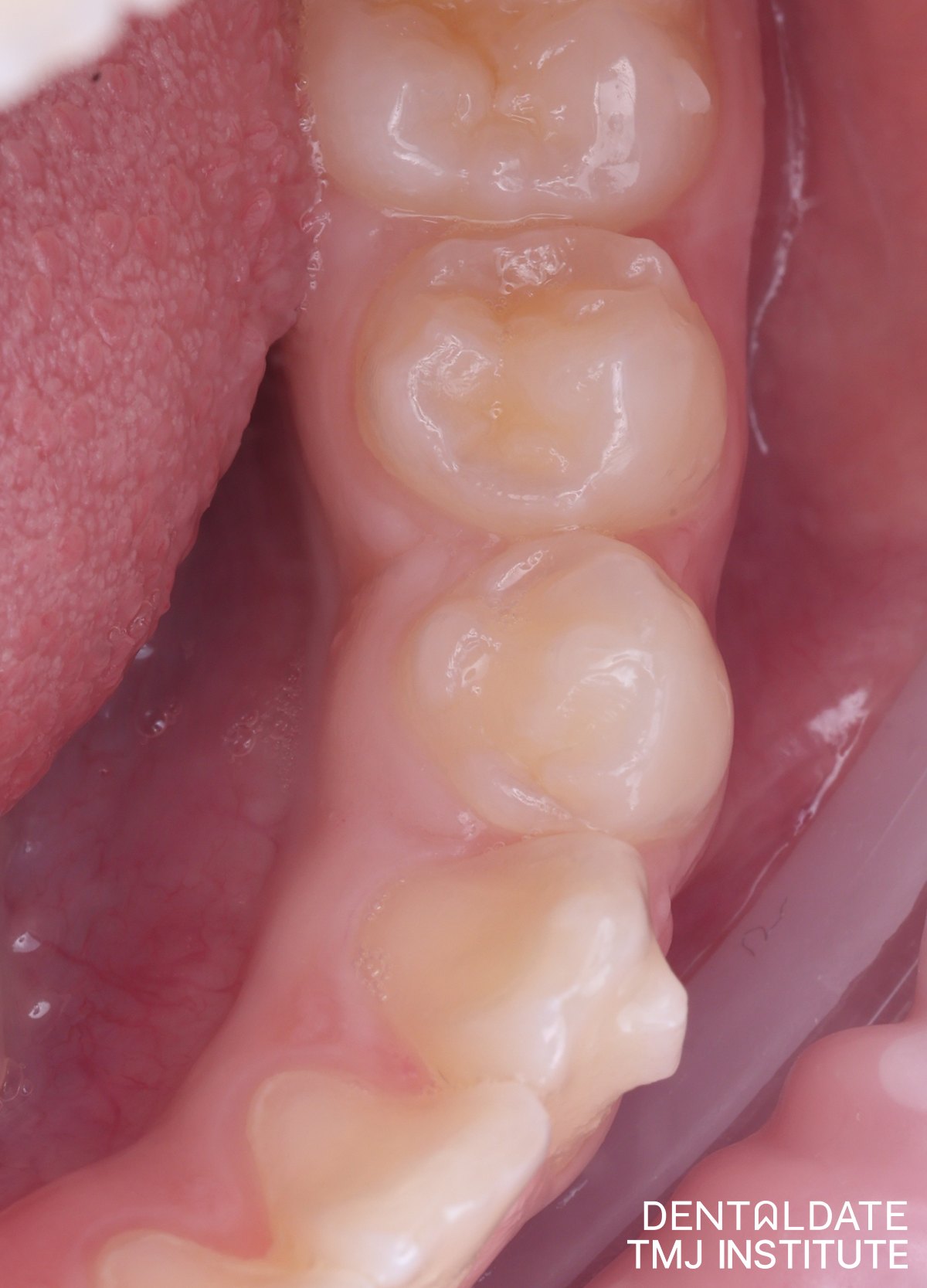
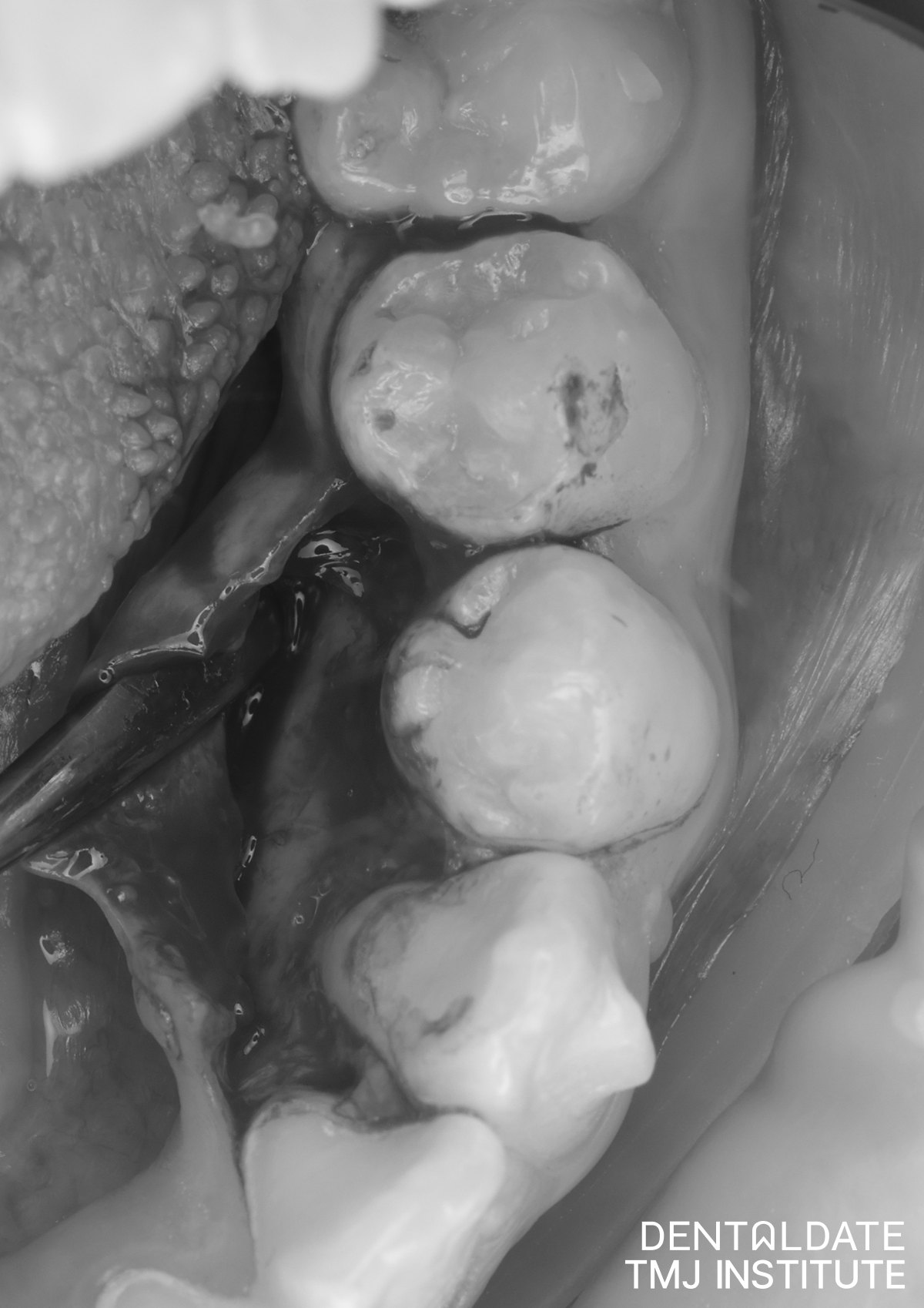
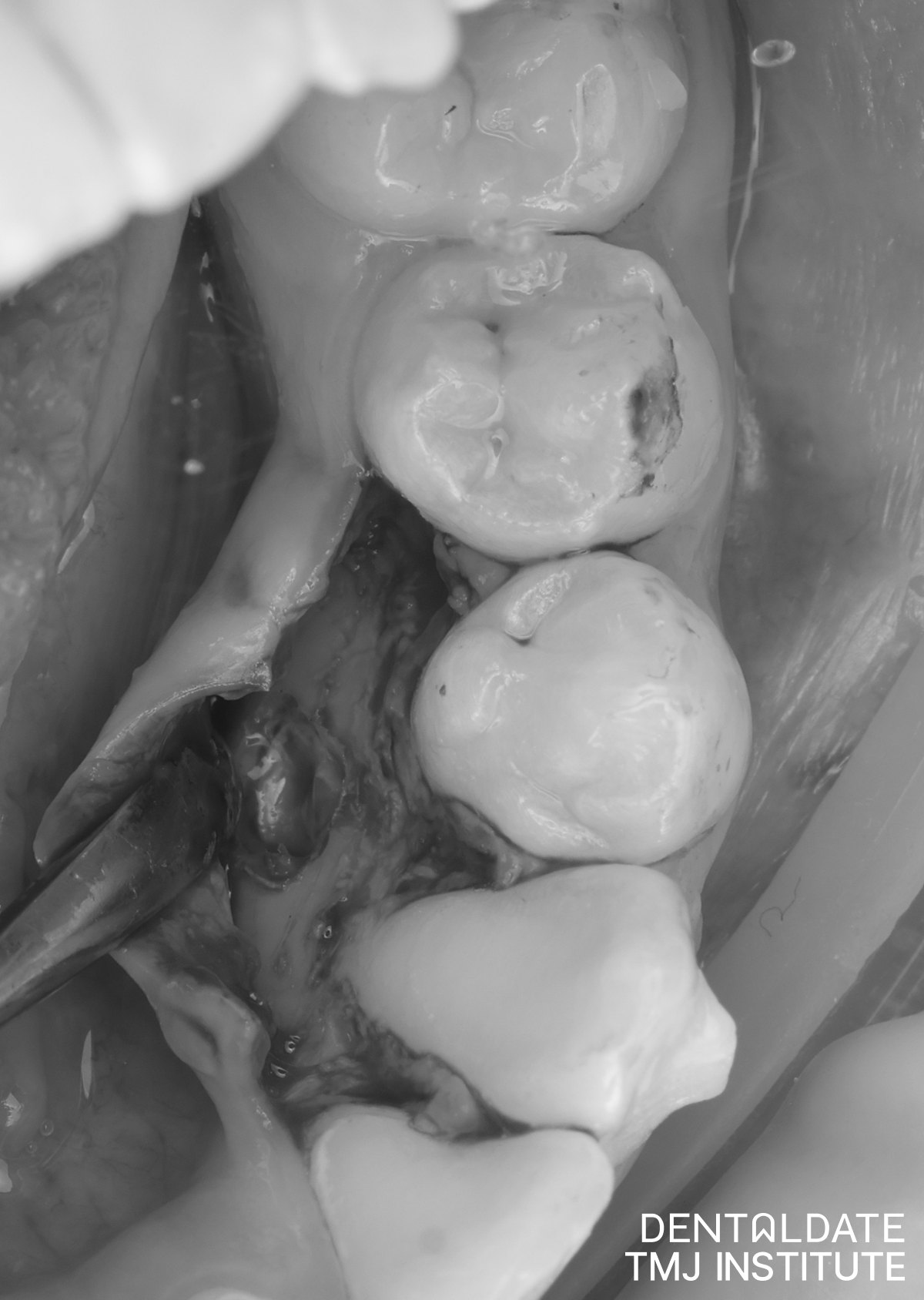
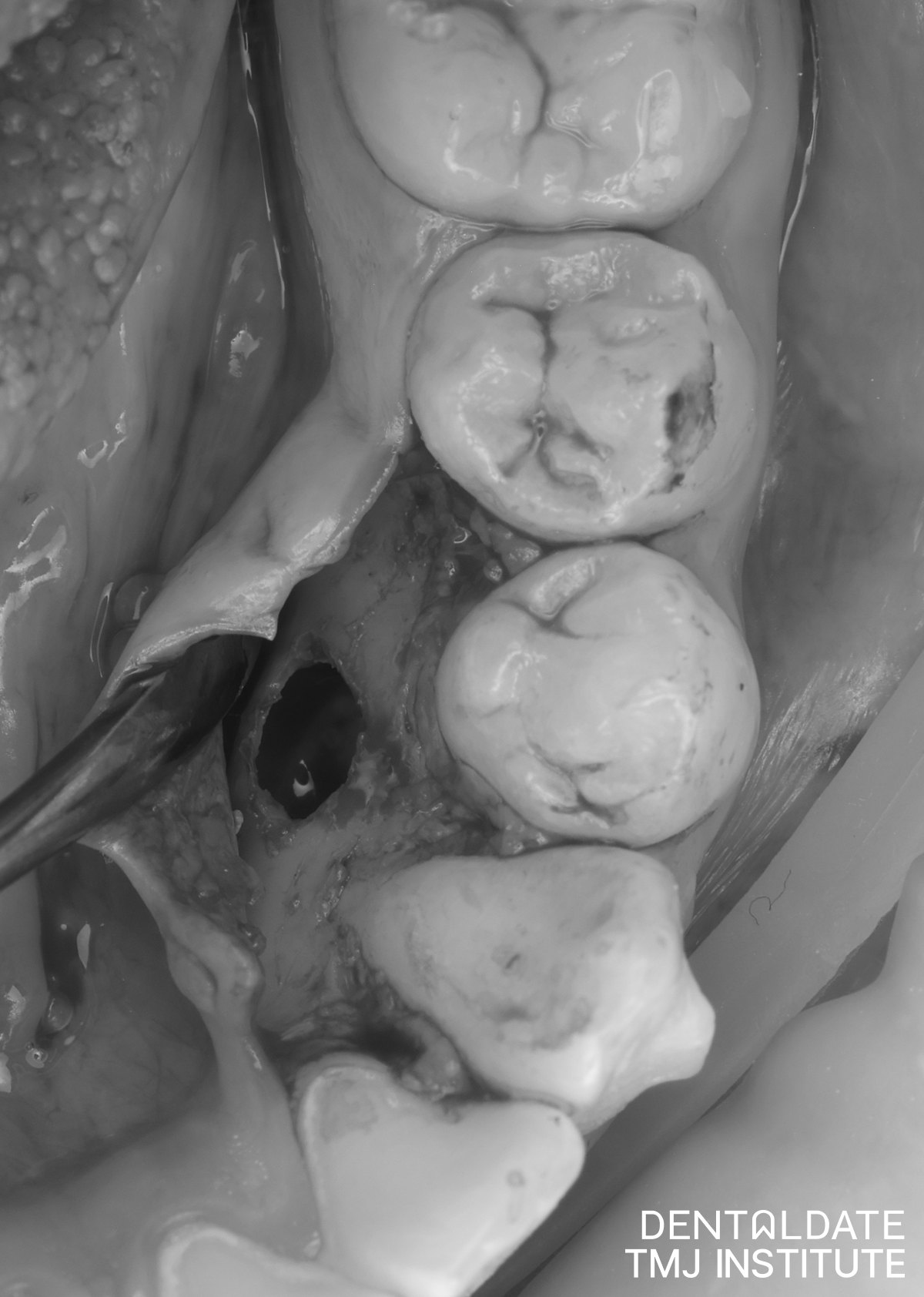
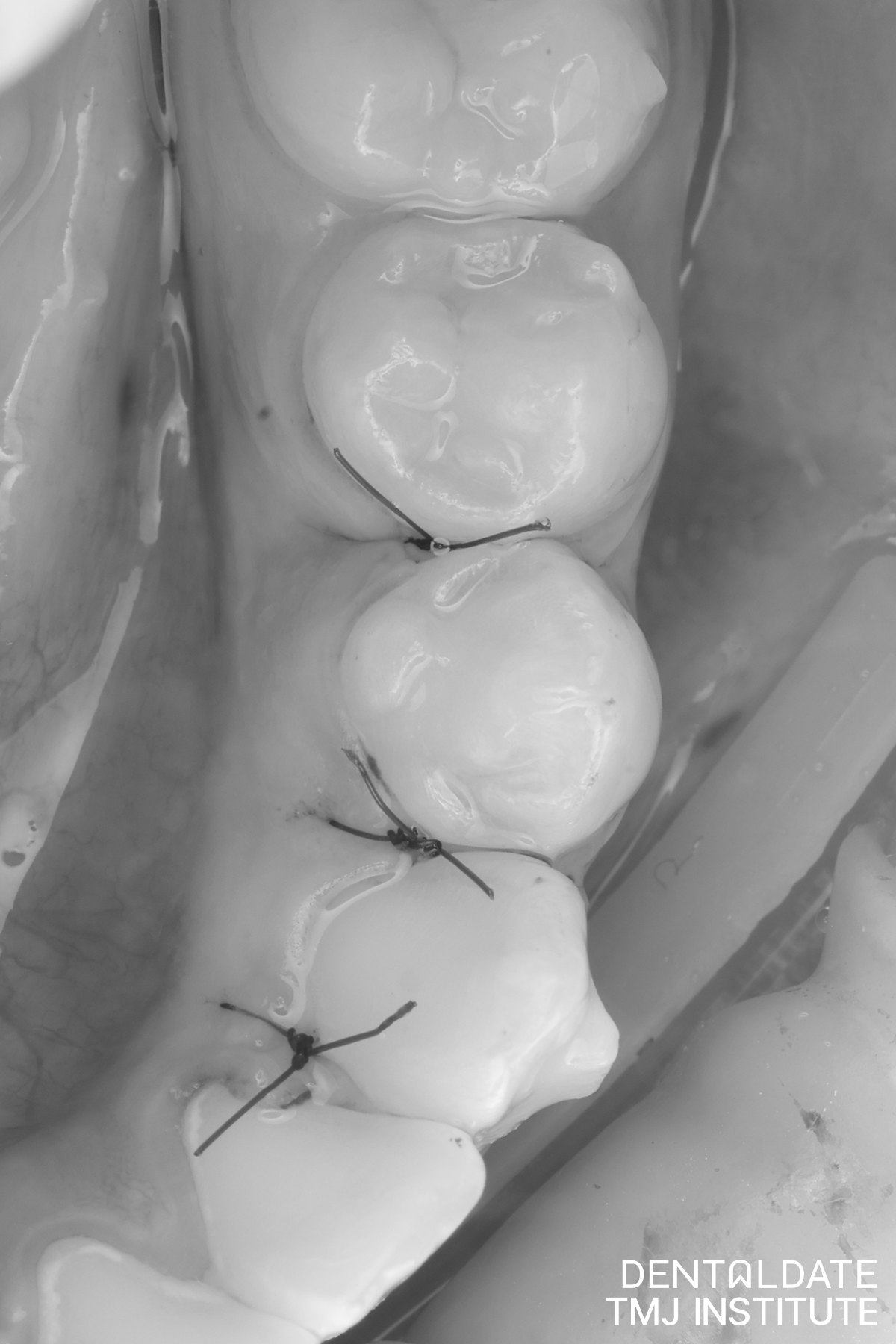
The extraction was performed under local anesthesia and took less than 15 minutes. The photos show the stages of removal and the area after suturing. For a child, knowing the exact position of the tooth from 3D imaging before the procedure helps keep the visit focused and as short as possible.
One Week Later
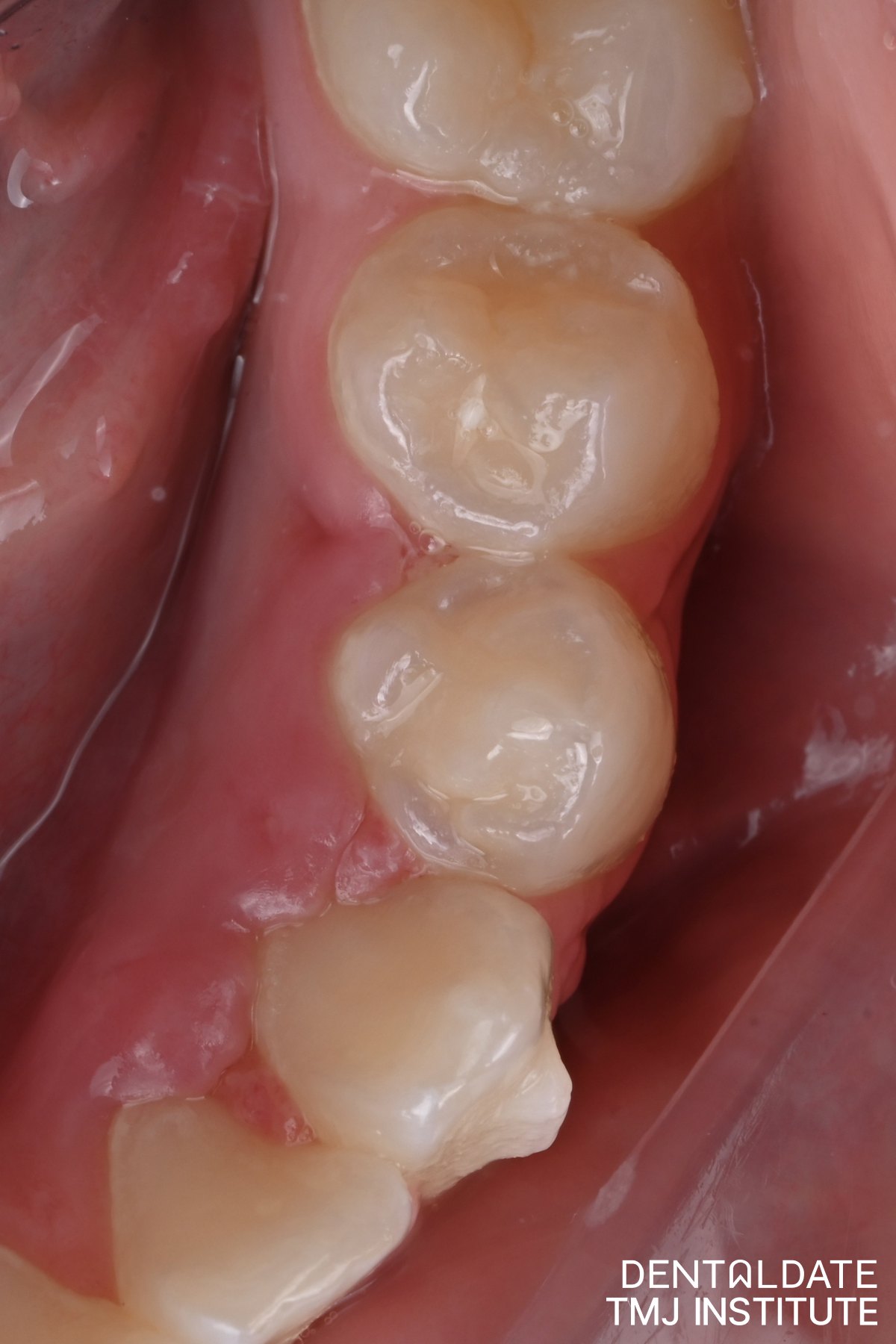
One week later, the patient returned for suture removal. Healing went smoothly. A visit like this is also an opportunity for the family to ask any remaining questions about the recovery.
Tips for Parents After a Child’s Oral Surgery
Children usually recover well from minor oral surgery, but they need a little help from adults in the first days. Parents are generally advised to:
- make sure the child does not bite or chew the numb lip, cheek or tongue while the anesthetic wears off;
- offer soft, lukewarm food and plenty of fluids;
- help with gentle tooth brushing, avoiding the surgical area at first;
- give only the pain relief recommended by the dentist, in the correct dose for the child;
- contact the clinic if there is fever, increasing swelling or bleeding that does not stop.
Signs That May Point to an Extra Tooth
Many extra teeth are found only on X-rays, but some signs are worth mentioning to the dentist:
- a baby tooth that stays in place long after the matching one on the other side has fallen out;
- a permanent tooth that is late to appear or comes through in an unusual position;
- an unexplained gap, crowding or a tooth that looks rotated;
- a visible extra tooth or a firm bump on the gum.
Check-ups for Children at DentalDate
The earlier supernumerary teeth are found, the simpler the treatment can be. Regular check-ups, with X-rays when the dentist recommends them, help spot such problems before they affect the neighbouring teeth. Book a check-up for your child at DentalDate.