Key Facts at a Glance
The main points of this case in brief:
- Starting point: orthodontic treatment completed, teeth straight.
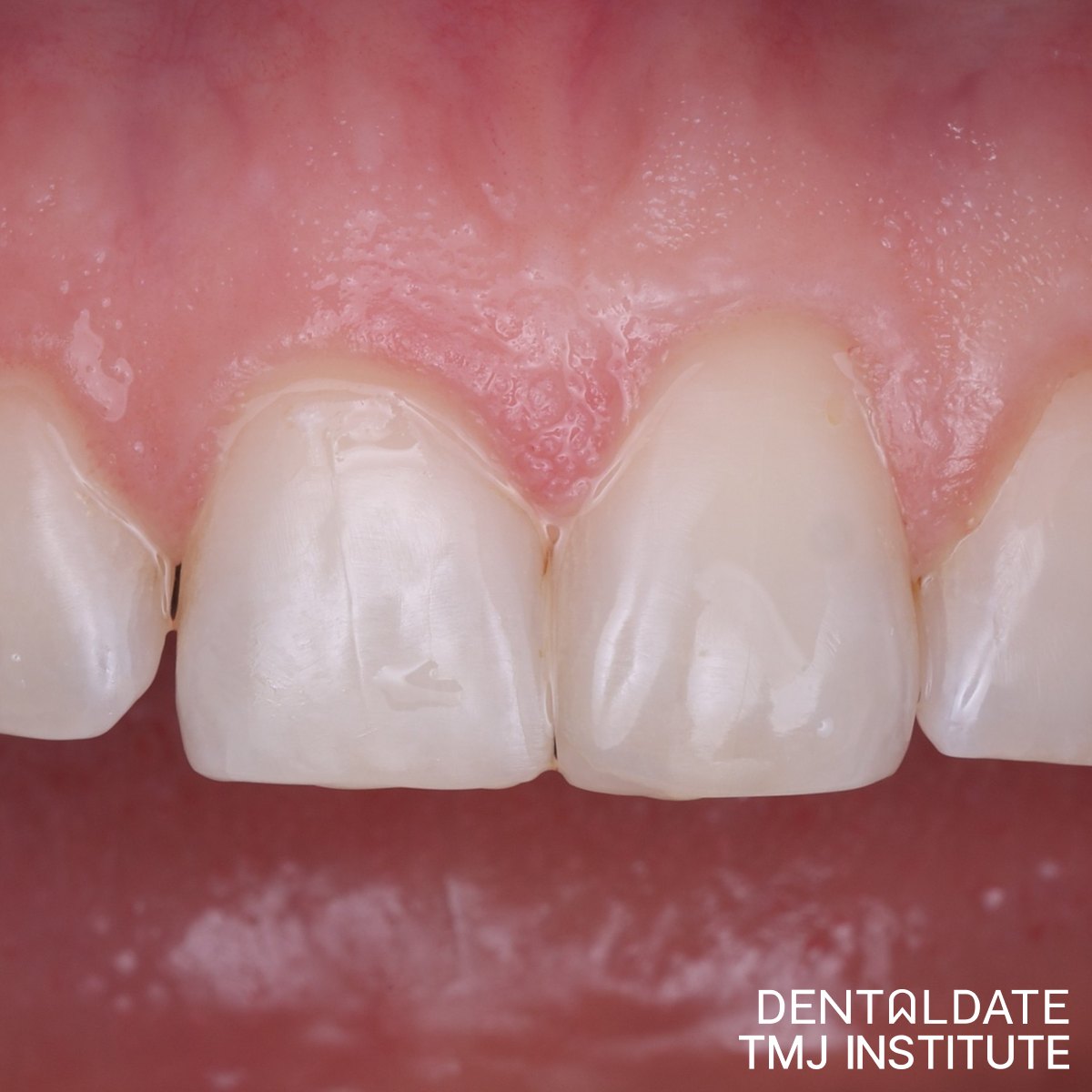
- Patient’s wish: front teeth that look slightly longer and more prominent.
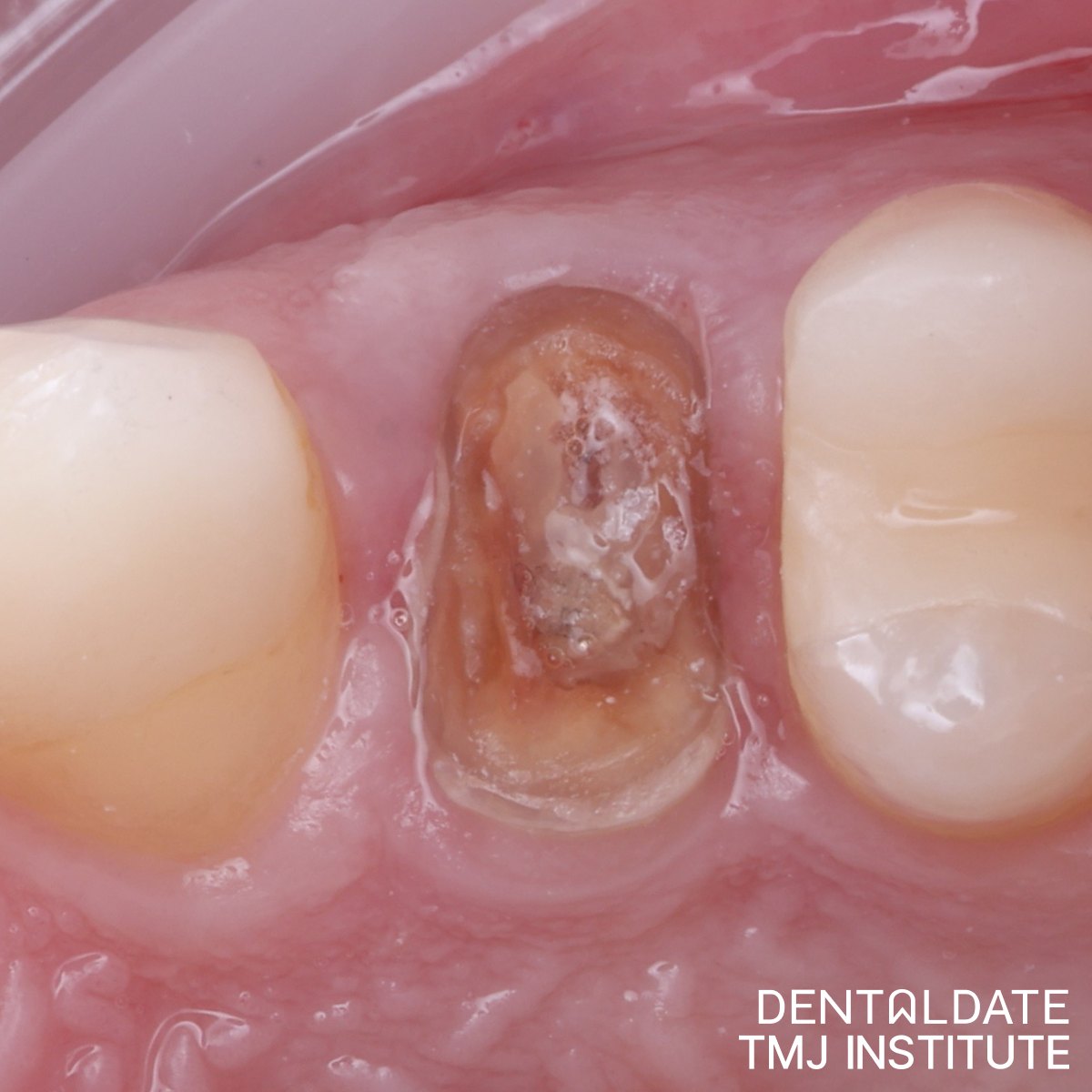
- Reason the teeth looked short: excess gum tissue covering part of the enamel.
- Treatment: gum contouring (gingivoplasty, also called gingivotomy) with a scalpel under local anesthesia.
- Duration: 30 minutes.
- Follow-up after two weeks: gums fully healed, patient very happy with the result.
Straight, but Not Quite the Smile Expected
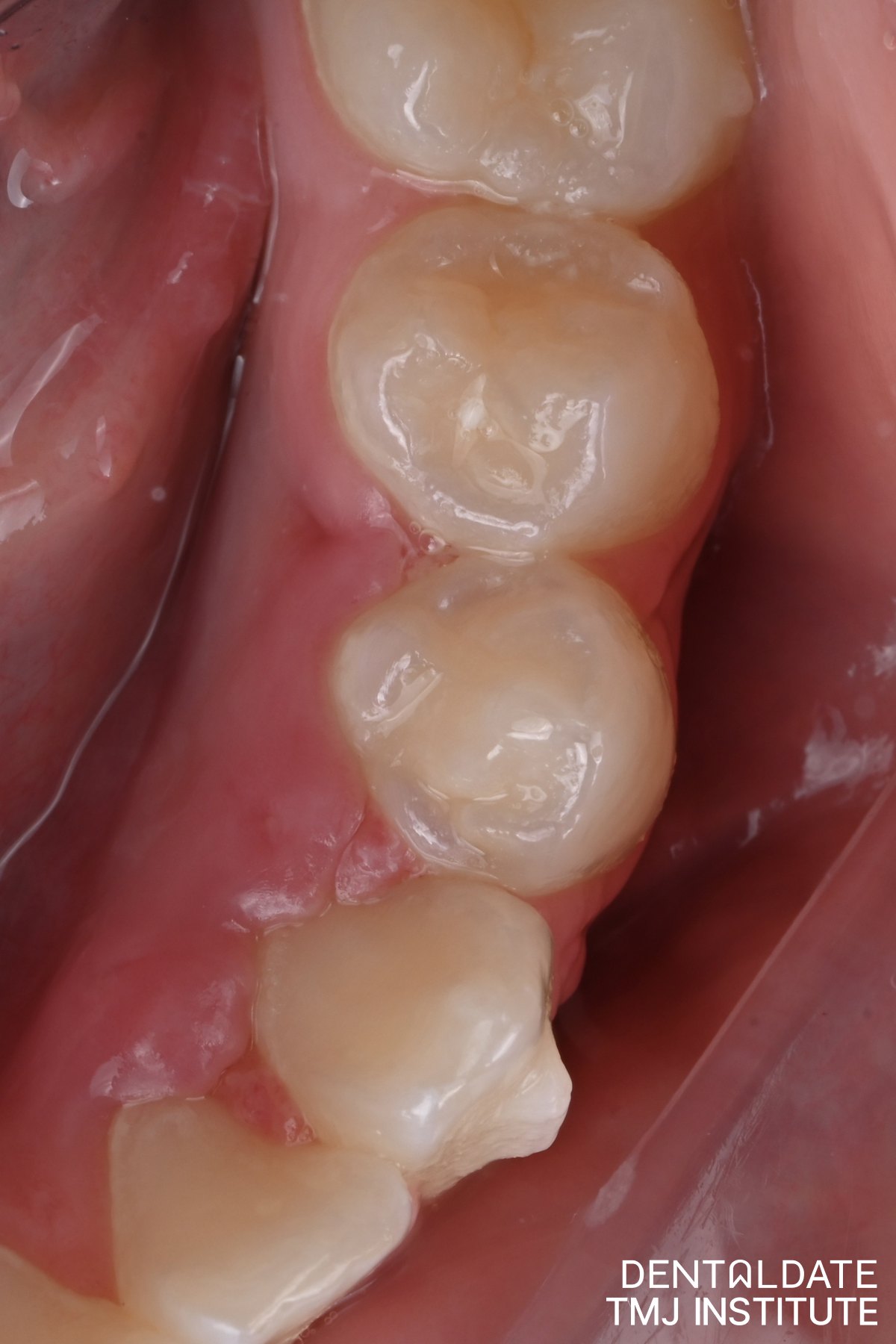
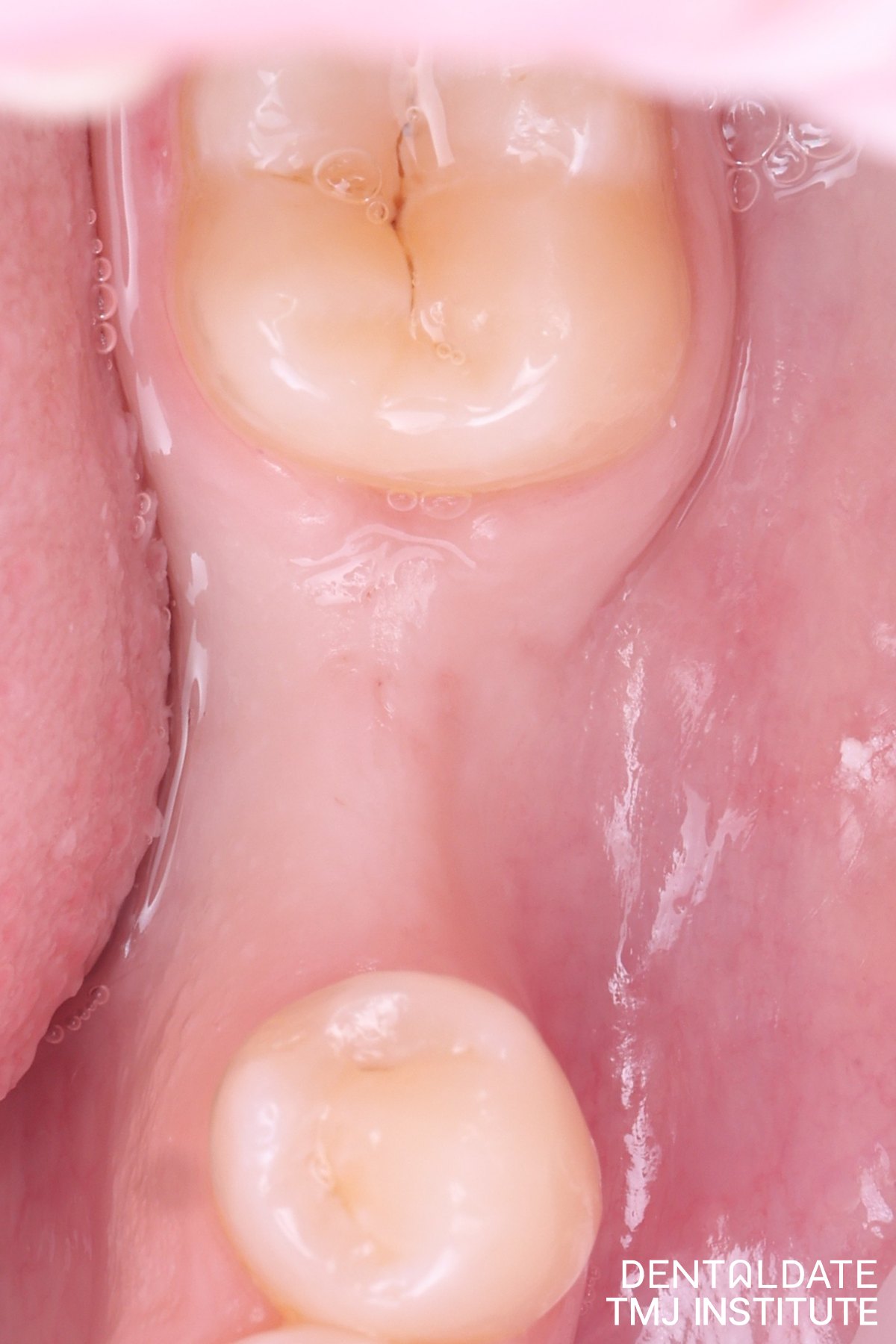
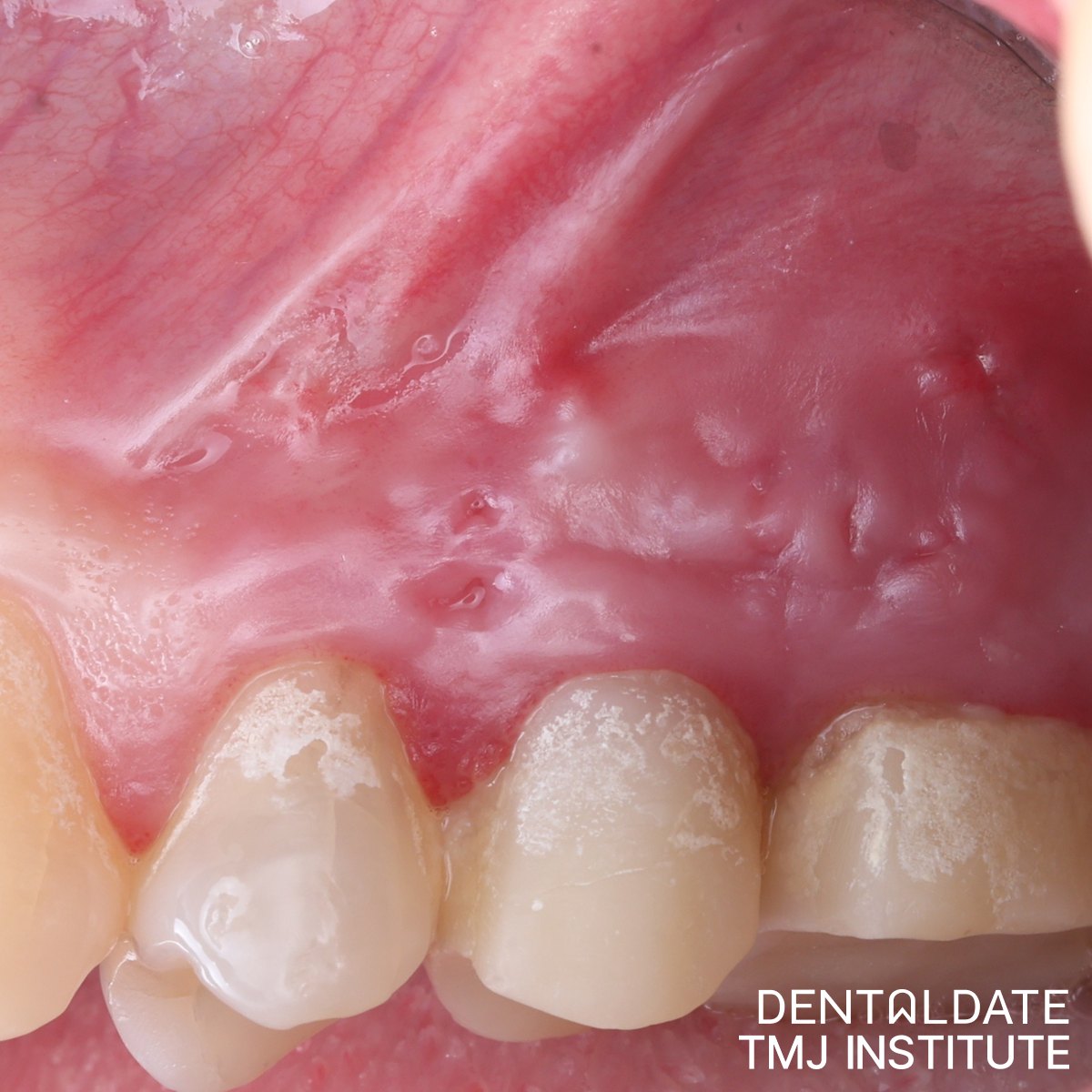
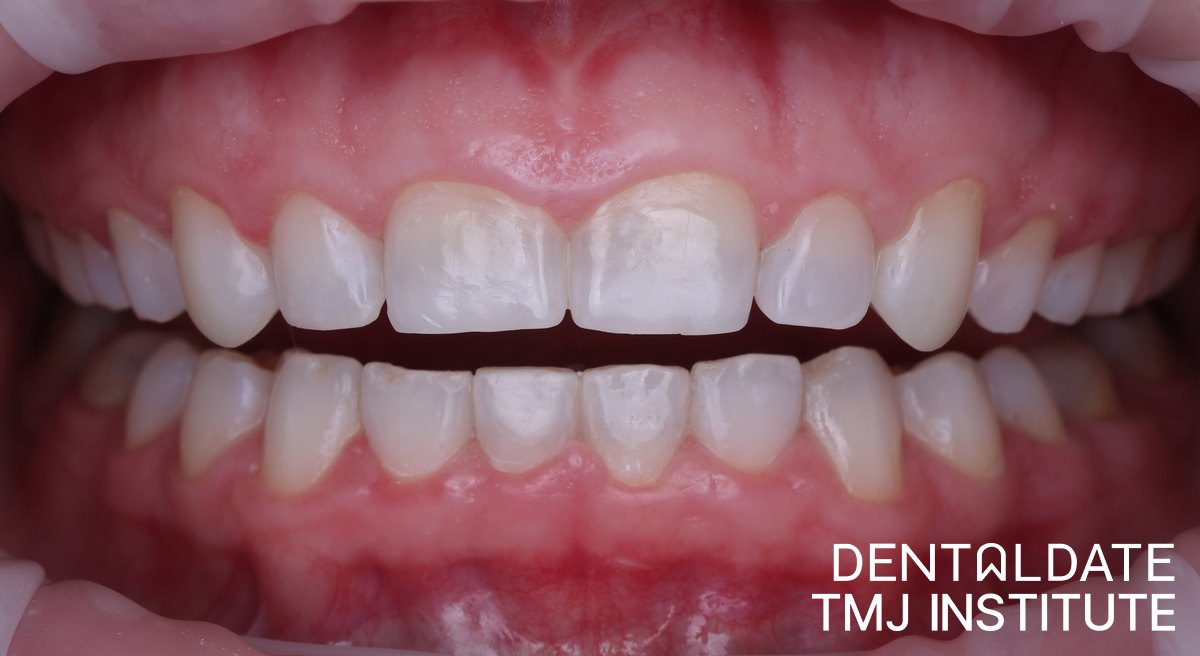
After orthodontic treatment, the teeth were straight, but the front teeth looked shorter than the patient wanted. Once teeth are aligned, finer details of proportion, such as how long each tooth looks and how the gum frames it, become much easier to notice. The patient was happy with the alignment itself; the aim was simply to make the teeth look slightly longer and more prominent.
Why Teeth Can Look Small After Braces
Sometimes excess gum tissue covers part of the enamel, so the teeth look smaller than they really are. In general, this can happen for several reasons:
- the gum did not move back to its usual level as the teeth erupted during adolescence, leaving part of the crown covered;
- the gums became enlarged during orthodontic treatment, often when cleaning around brackets or attachments was difficult;
- moving the teeth changed how the gum tissue is distributed around them;
- the person’s natural gum line simply sits lower on the teeth.
When the gum is swollen because of inflammation, better cleaning and professional hygiene may be enough for it to shrink back. When the extra tissue is firm and healthy, it usually does not resolve on its own, and gum contouring is the way to reveal more of the tooth.
How the Gum Was Reshaped
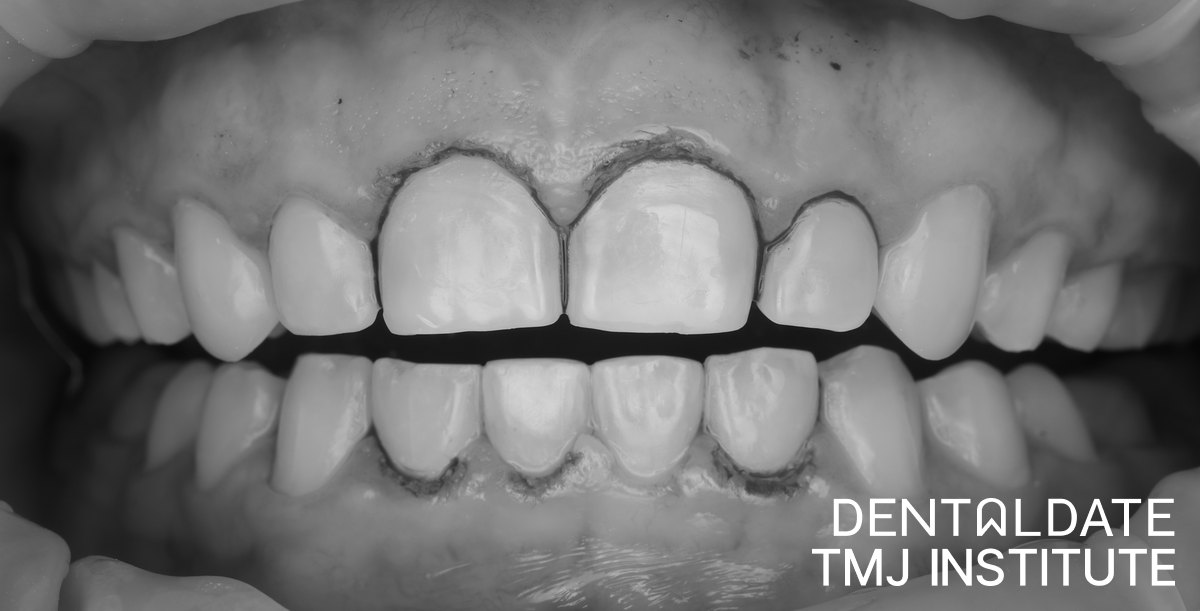
Gum contouring (gingivoplasty, also called gingivotomy) removes the excess tissue and reveals more of the tooth. In this case, it was performed under local anesthesia with a scalpel, and the whole procedure took 30 minutes. The general aim of such a procedure is a gum margin that follows the natural shape of each tooth and is in harmony with the neighbouring teeth.
Healing Over the First Two Weeks
Immediately after gum contouring, the gum edges usually look fresh and slightly red. Over the following days, the tissue gradually settles and a new gum surface forms along the edge.
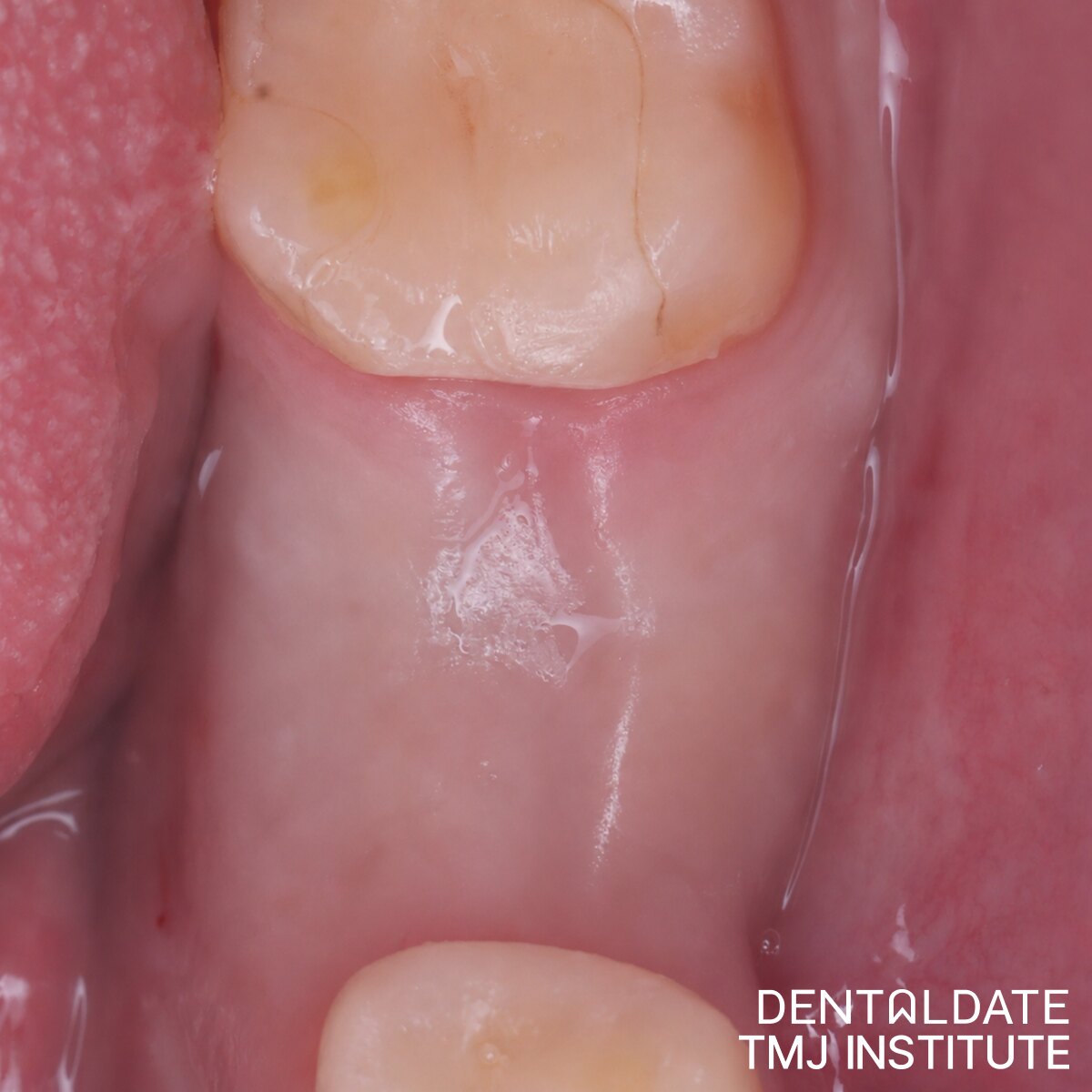
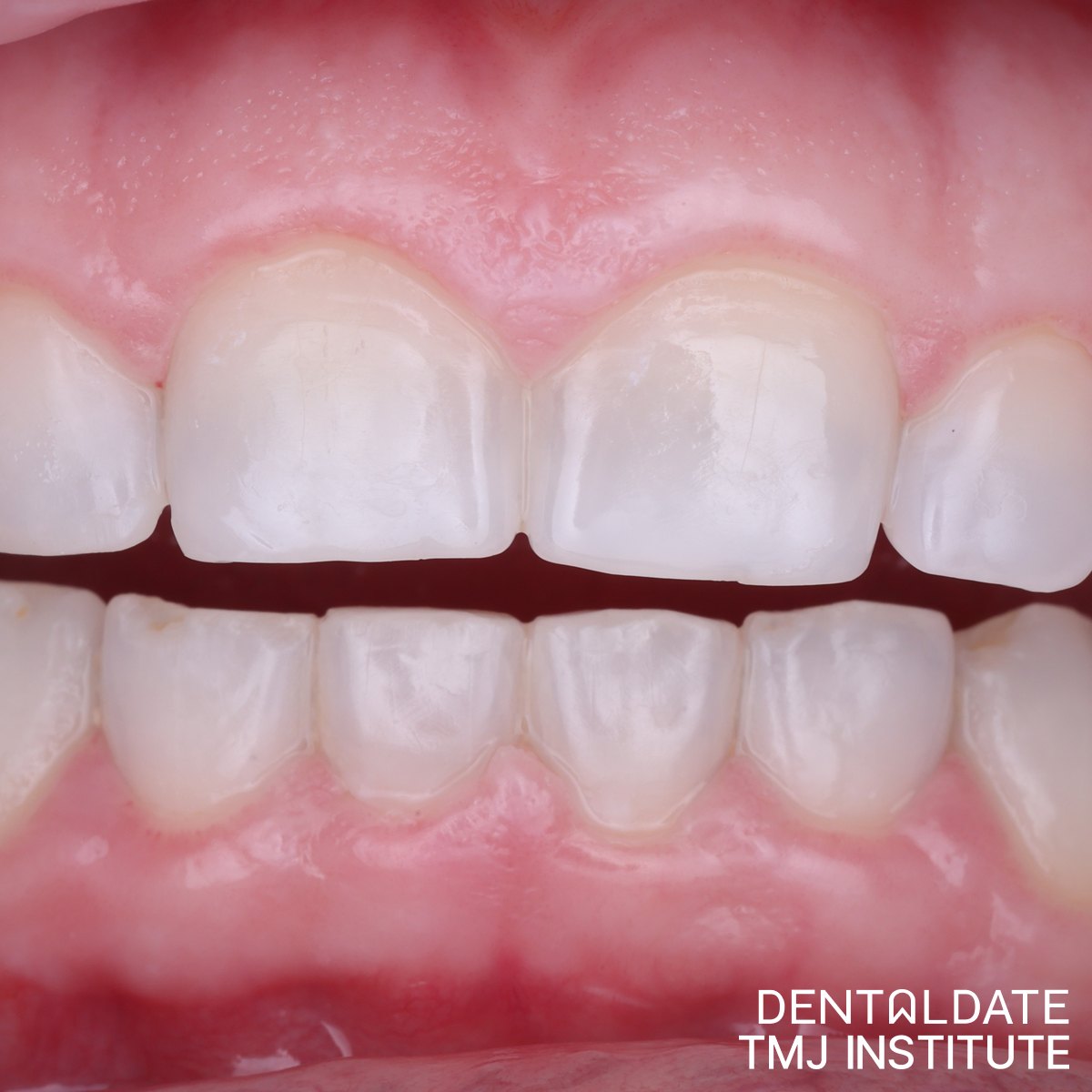
At the follow-up two weeks later, the gums had fully healed, and the patient was very happy with the new smile.
Frequently Asked Questions
Will the gum grow back after contouring?
When gum contouring is planned with the underlying bone and the tooth anatomy in mind, the new gum line is generally stable. If the bone level is not taken into account, the gum may tend to creep back towards its previous position, which is why the assessment before the procedure matters. Good oral hygiene also helps keep the gums healthy and in place.
Is gum contouring a substitute for orthodontic treatment?
No. Orthodontics moves the teeth into the right position, while gum contouring changes how much of each tooth is visible. The two often complement each other, and contouring is usually done once orthodontic treatment is finished and the teeth are in their final position.
How should I care for my gums while they heal?
Patients are generally advised to brush the treated area very gently with a soft brush, avoid very hot, spicy or hard food at first, and follow any rinsing instructions given by the clinic. If the gum keeps bleeding or becomes increasingly painful or swollen, contact the clinic.
Finishing Your Orthodontic Result at DentalDate
Straight teeth are only part of a smile, because the gum line is what frames them. If your teeth look shorter than they are after braces or aligners, gum contouring may be the final touch. At DentalDate, you can discuss it with the surgical team, so get in touch to schedule a consultation.