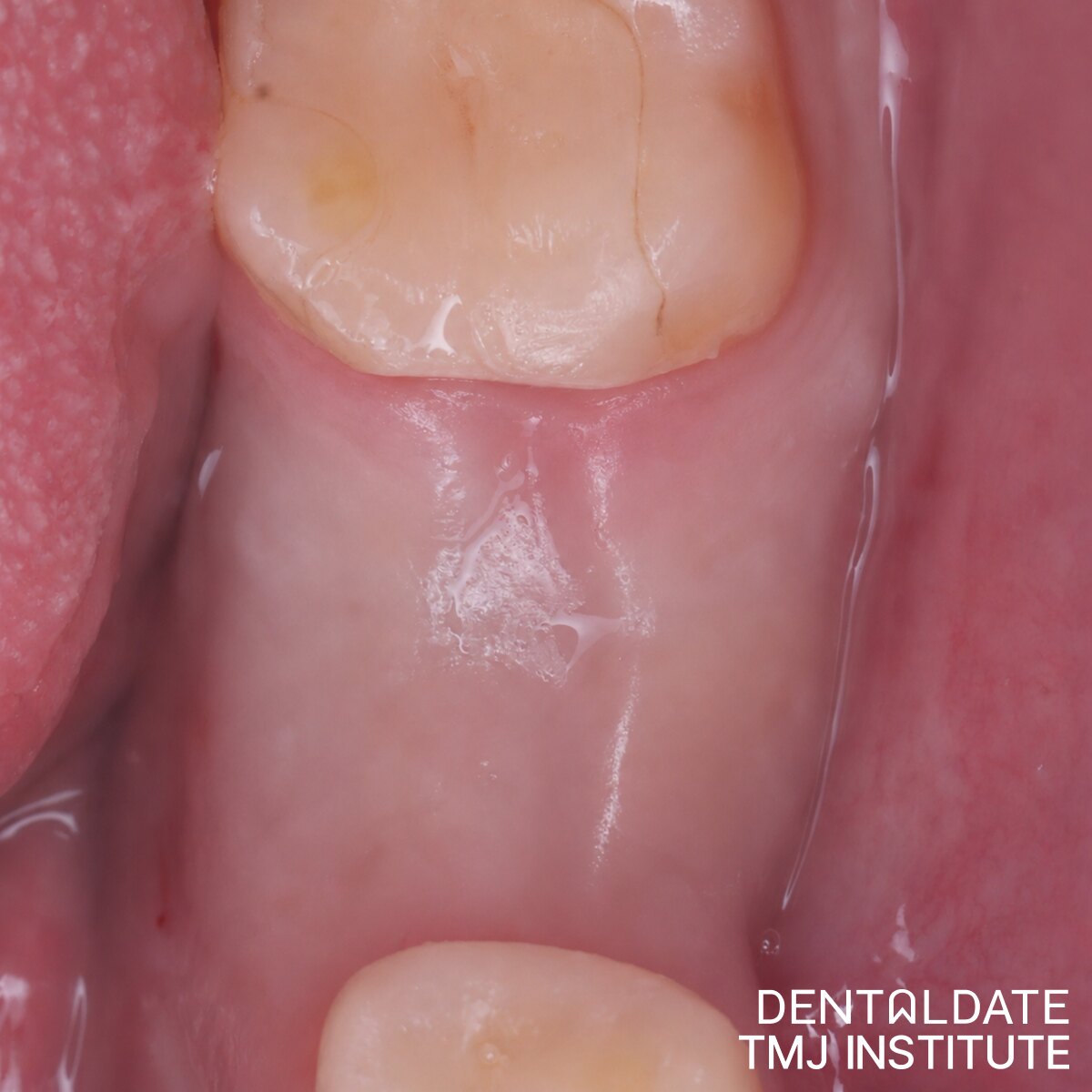
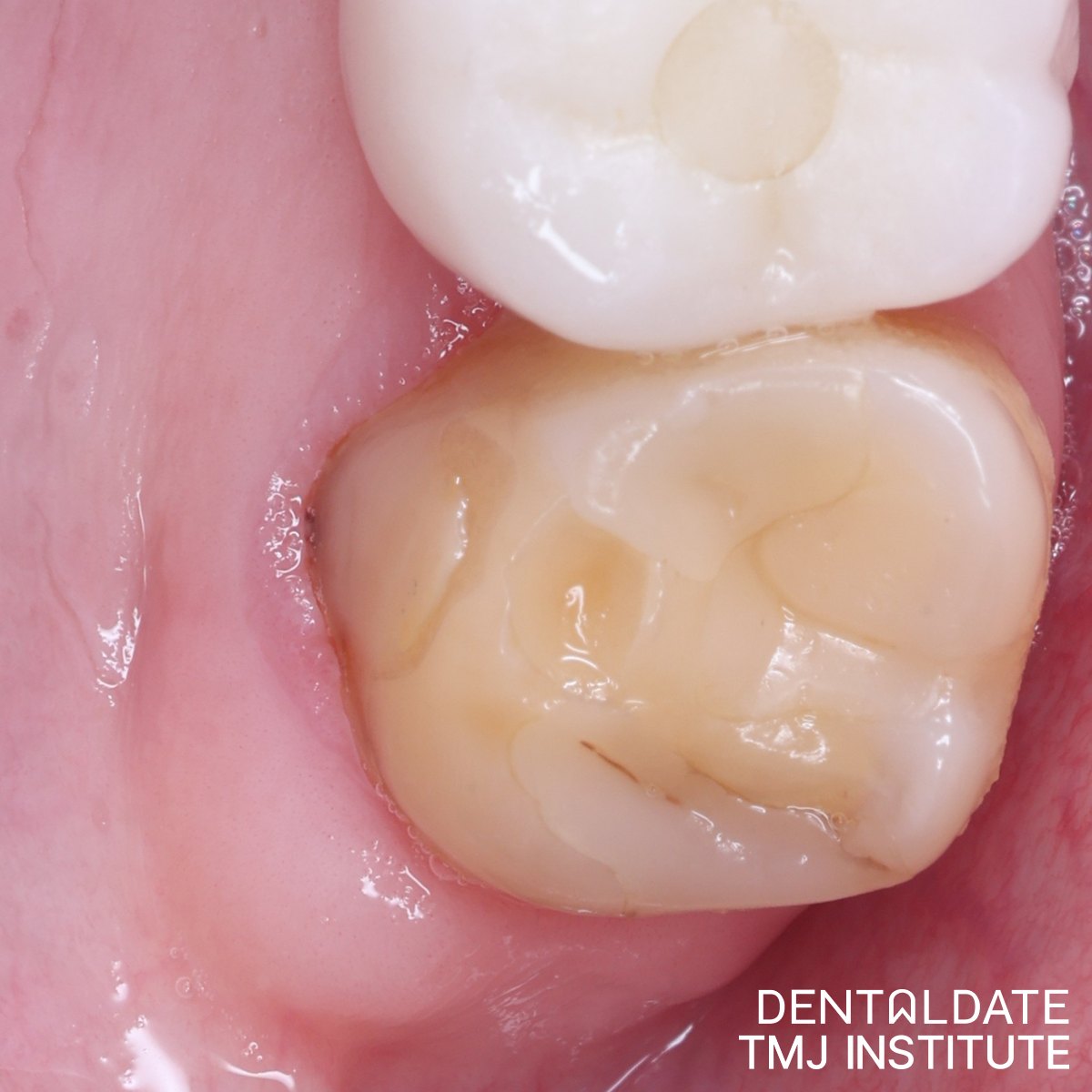
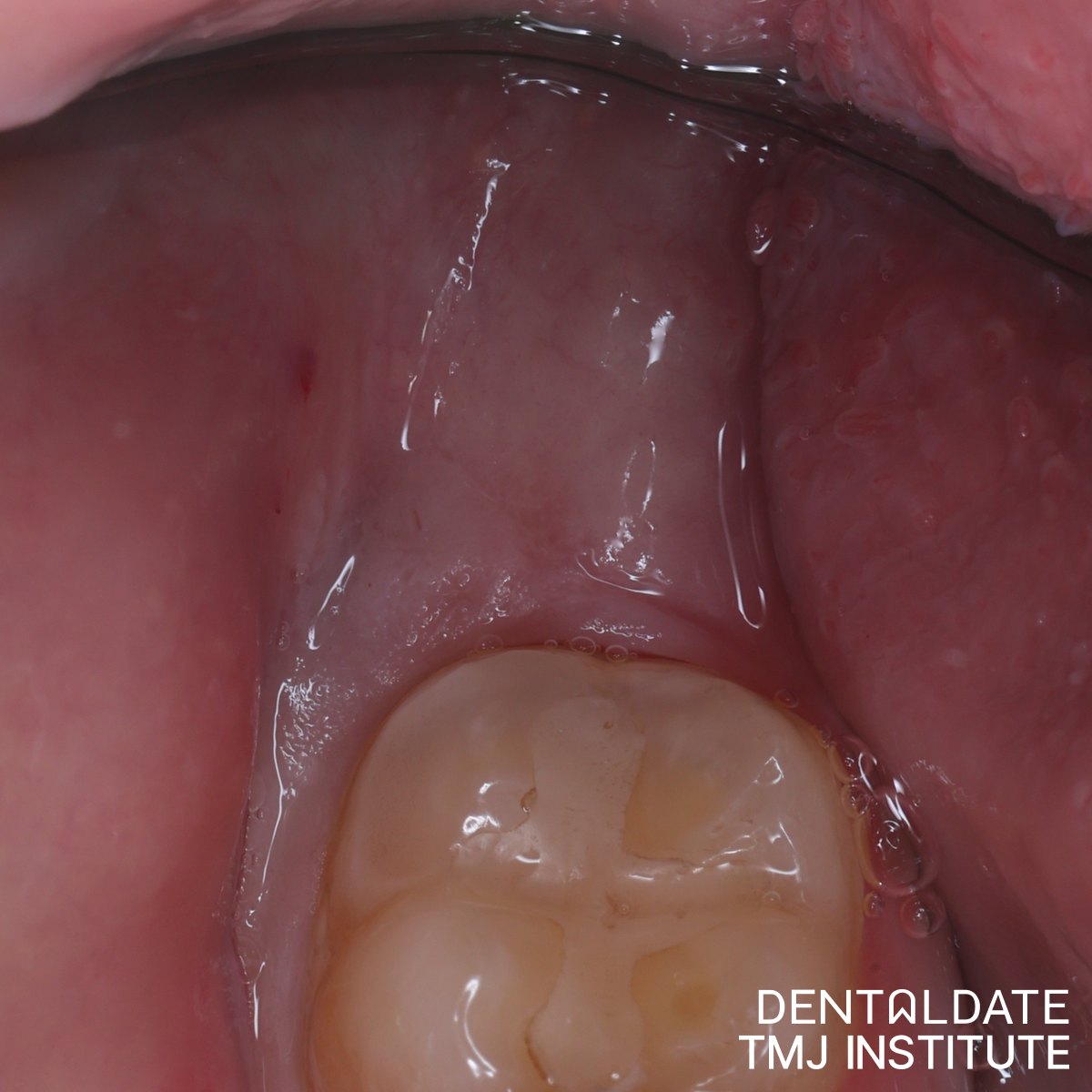
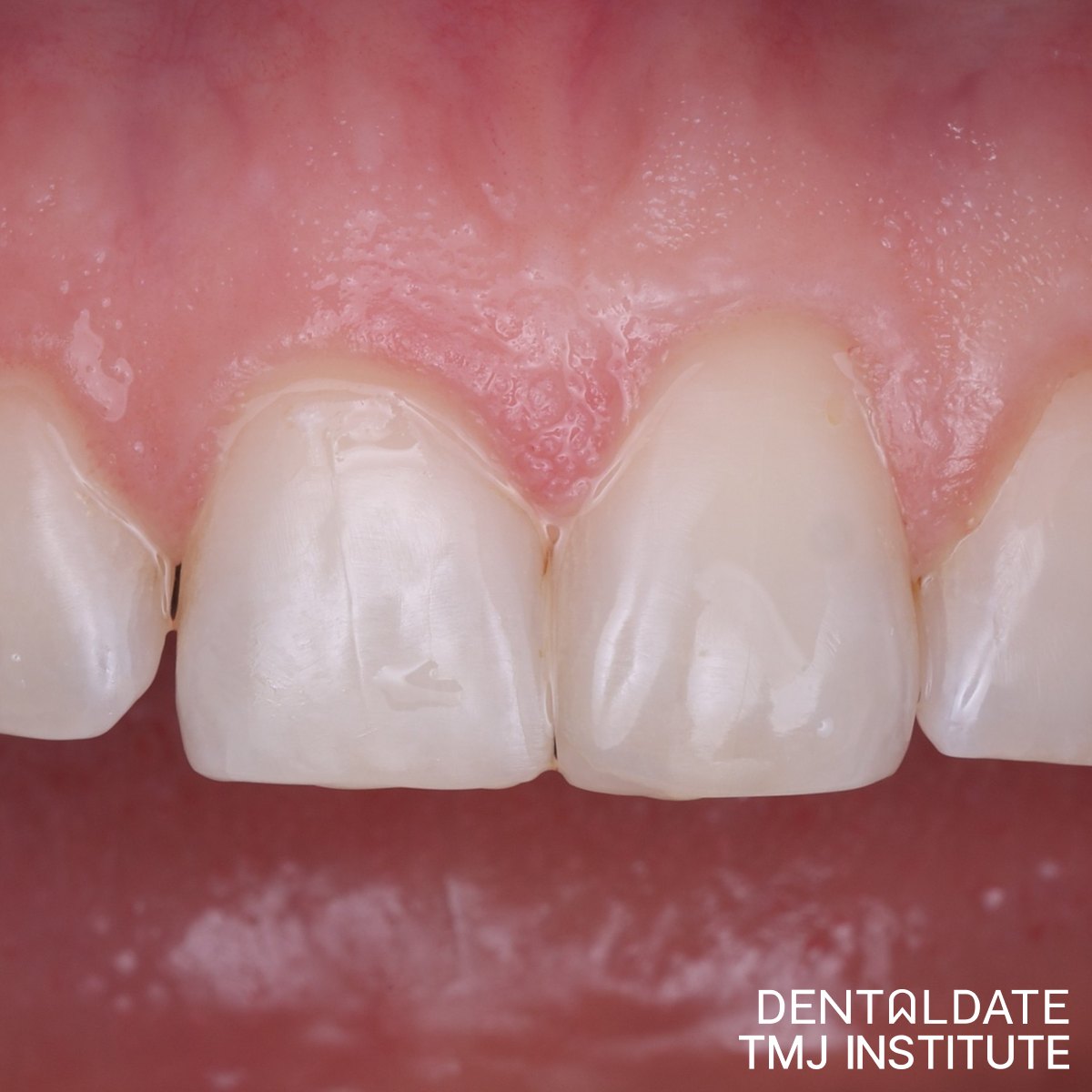
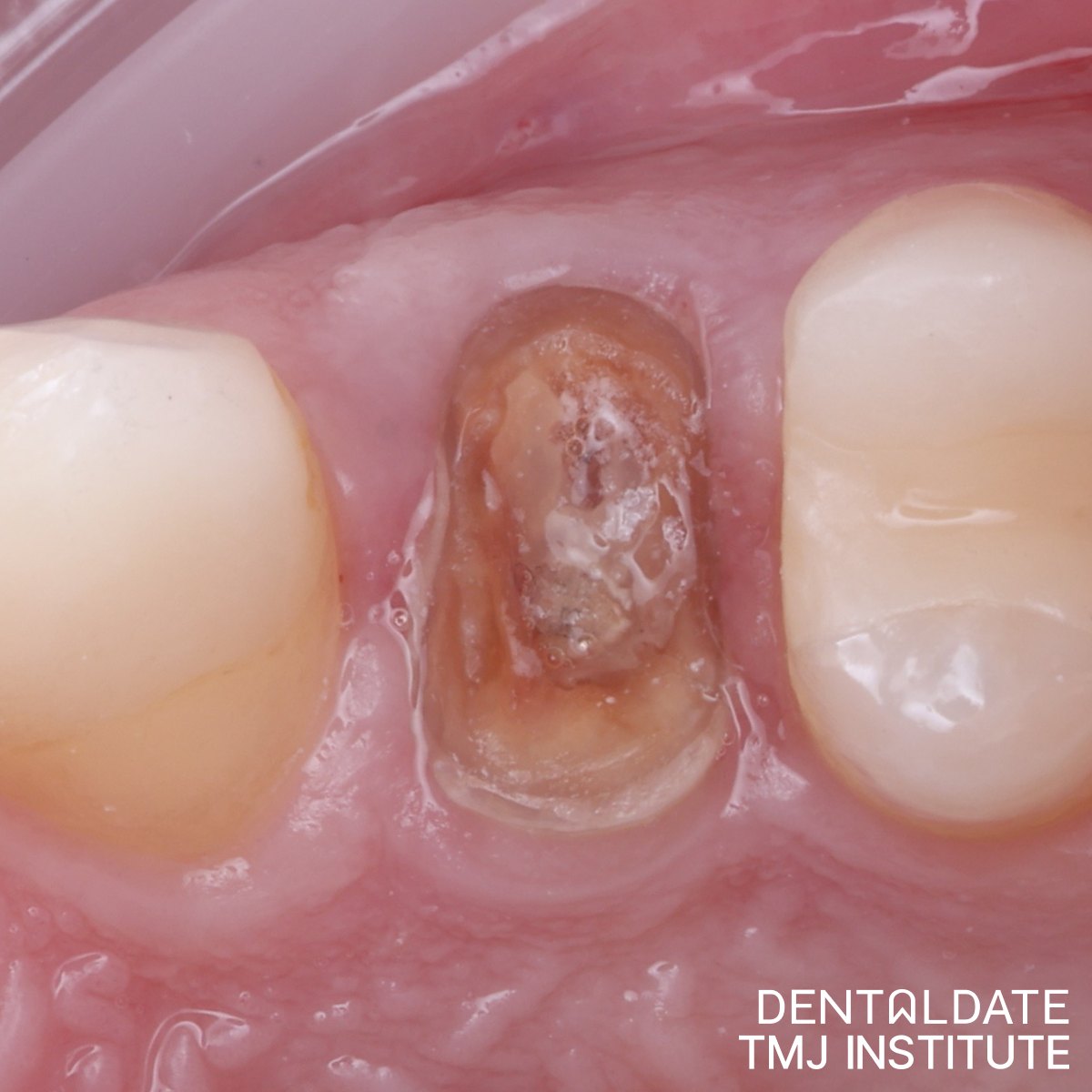
The Tooth in Question
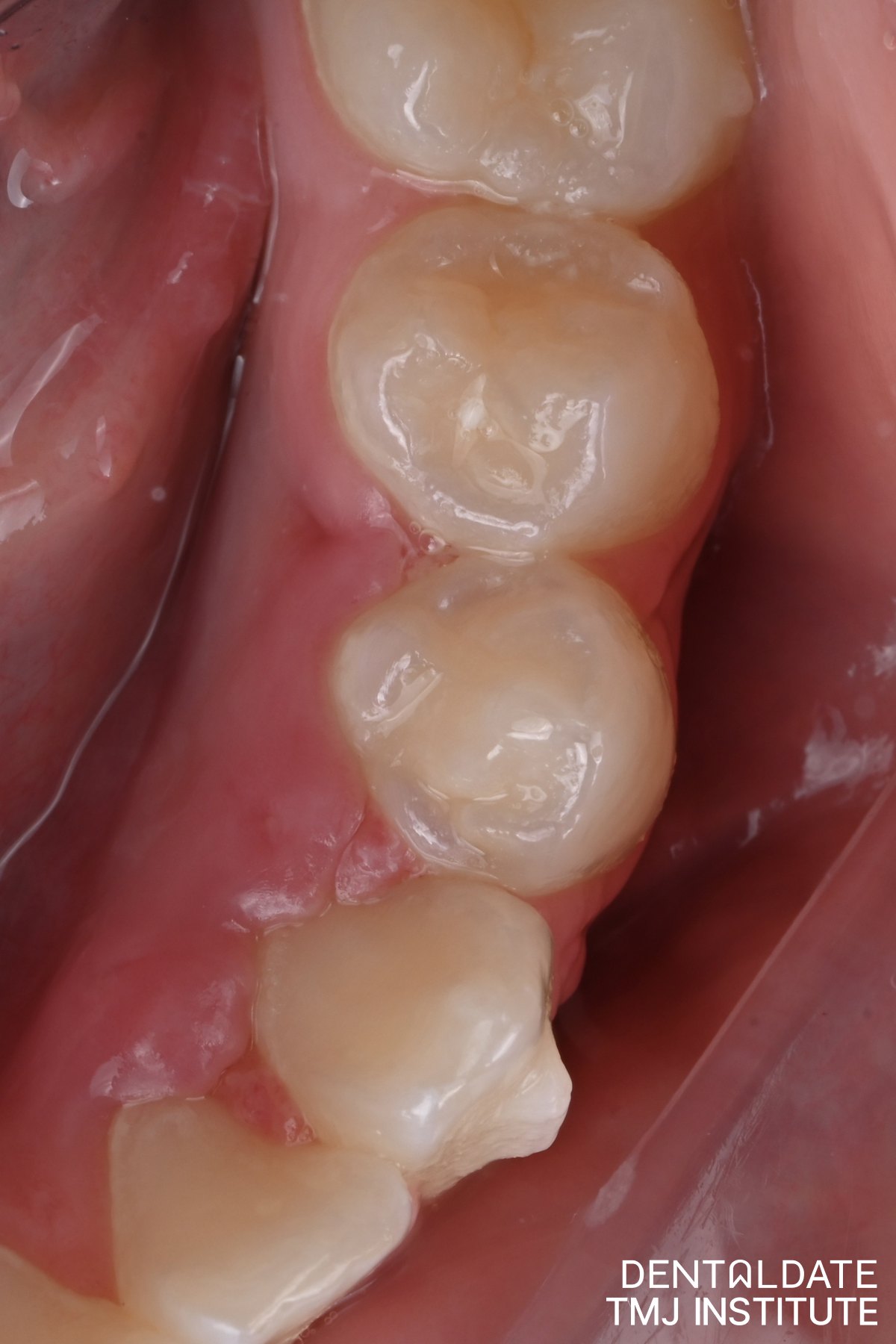
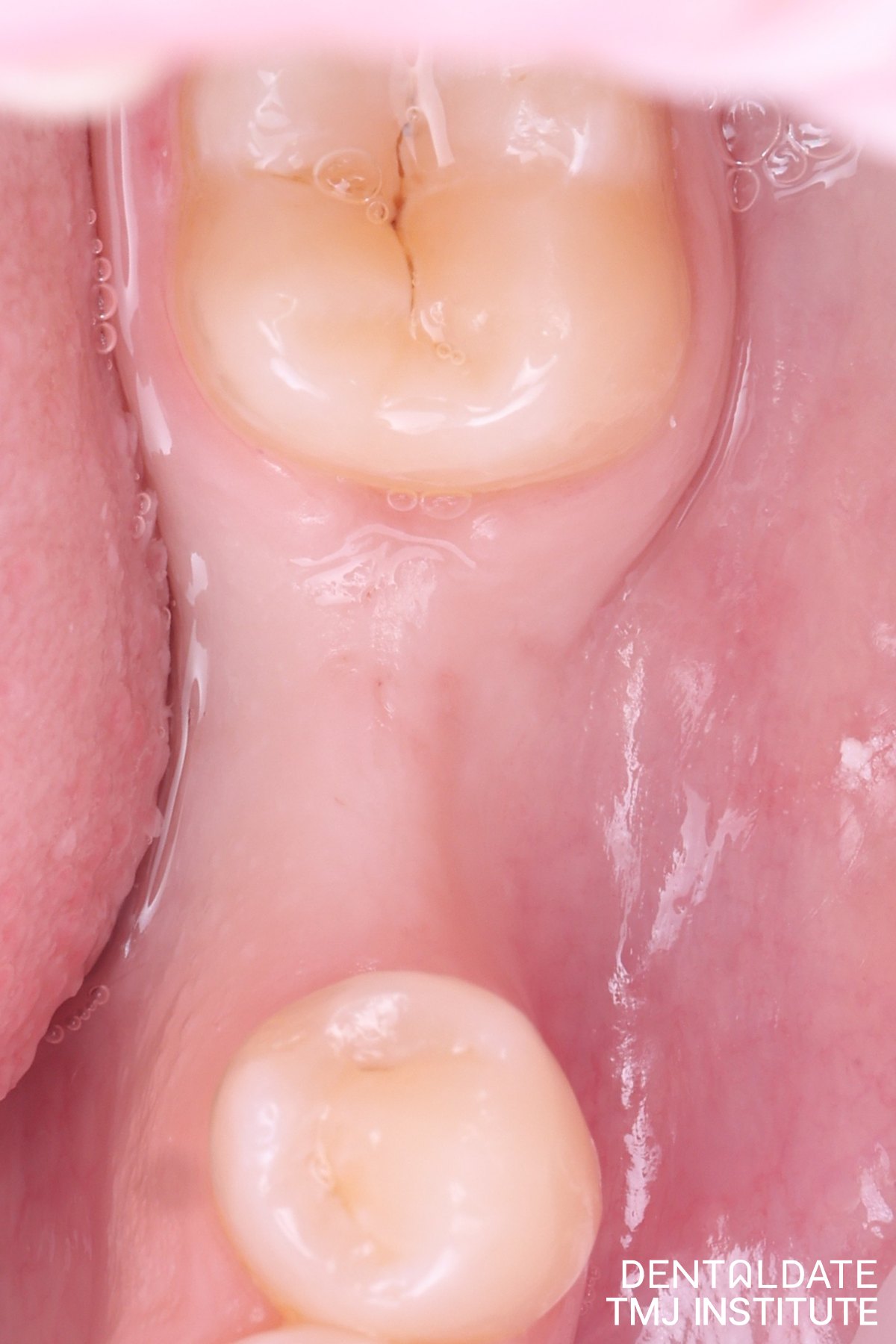
The patient needed treatment of the lower left wisdom tooth (38). Lower wisdom teeth are the last teeth at the back of the lower jaw, and limited space, an awkward angle or partial eruption often make them difficult to manage. Whatever the reason a wisdom tooth needs treatment, one of the first planning questions for the surgeon is where its roots sit in relation to the surrounding structures.
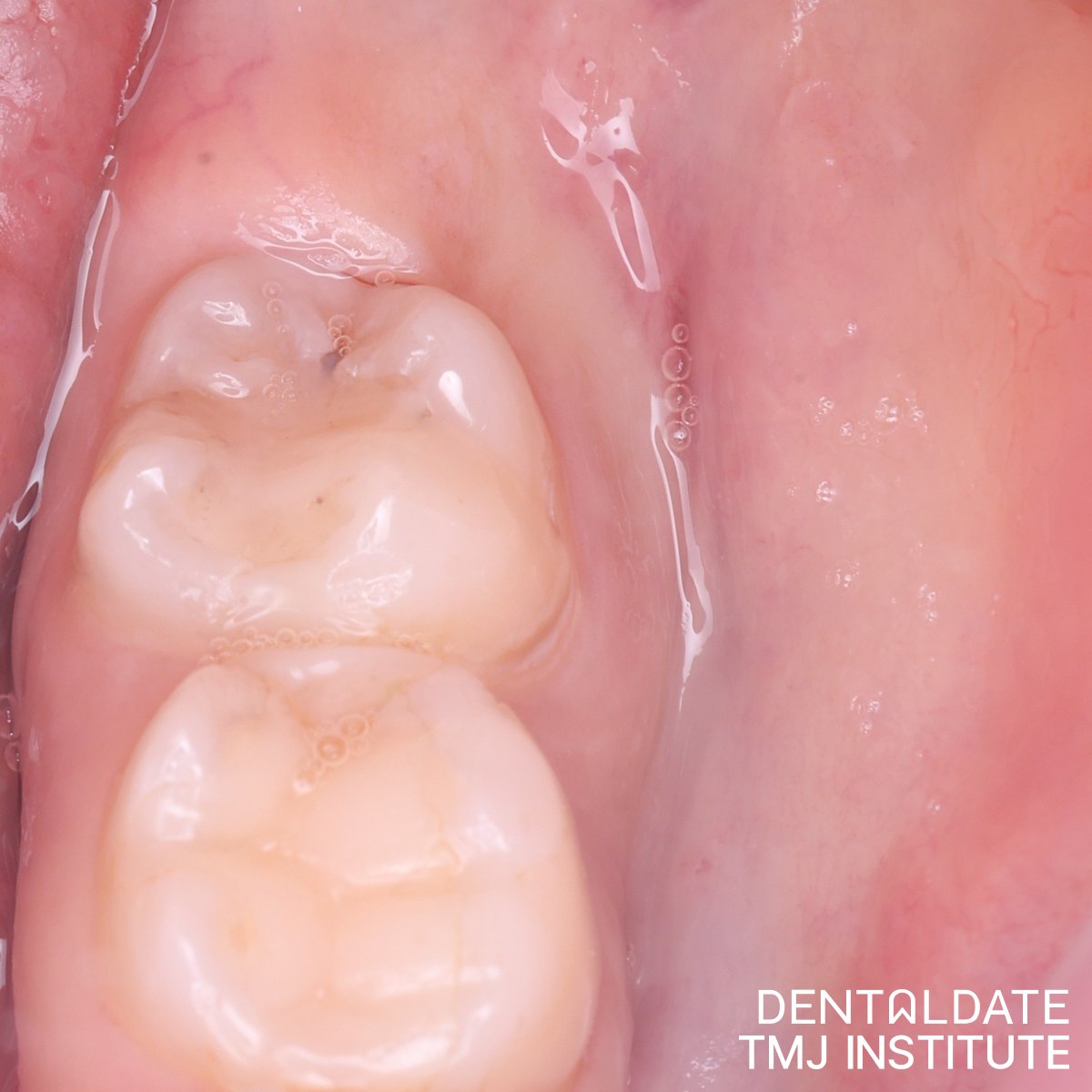
The Nerve Next Door
A sensory nerve runs through the lower jaw inside a bony channel called the mandibular canal. It supplies feeling to the lower teeth, the lower lip and the chin on that side.
Because of complex anatomy, the roots of wisdom teeth are often located right next to this canal. In such situations, extracting the whole tooth carries a risk of injuring the nerve, which can lead to paresthesia, a loss of sensation in the skin of the face. 3D imaging is generally used to see how close the roots are before the surgical approach is decided.
Coronectomy or Full Extraction: The Key Differences
Coronectomy is a partial removal of the tooth: only the crown is carefully removed, and the roots are left in place if they are not infected. It is a scientifically proven way to protect the nerve when the root anatomy is complex. Compared with a full extraction, the general differences are:
- A full extraction removes the entire tooth, including roots that may lie against the nerve canal.
- Coronectomy removes the crown, the part involved in typical wisdom tooth problems such as food trapping and inflammation of the overlying gum, and leaves the roots undisturbed.
- Because the roots stay where they are, the nerve beside them is not disturbed by their removal.
- Coronectomy is generally not suitable when the roots are infected or the tooth is loose.
- After coronectomy, the remaining roots are usually monitored on follow-up X-rays.
How the Procedure Was Carried Out
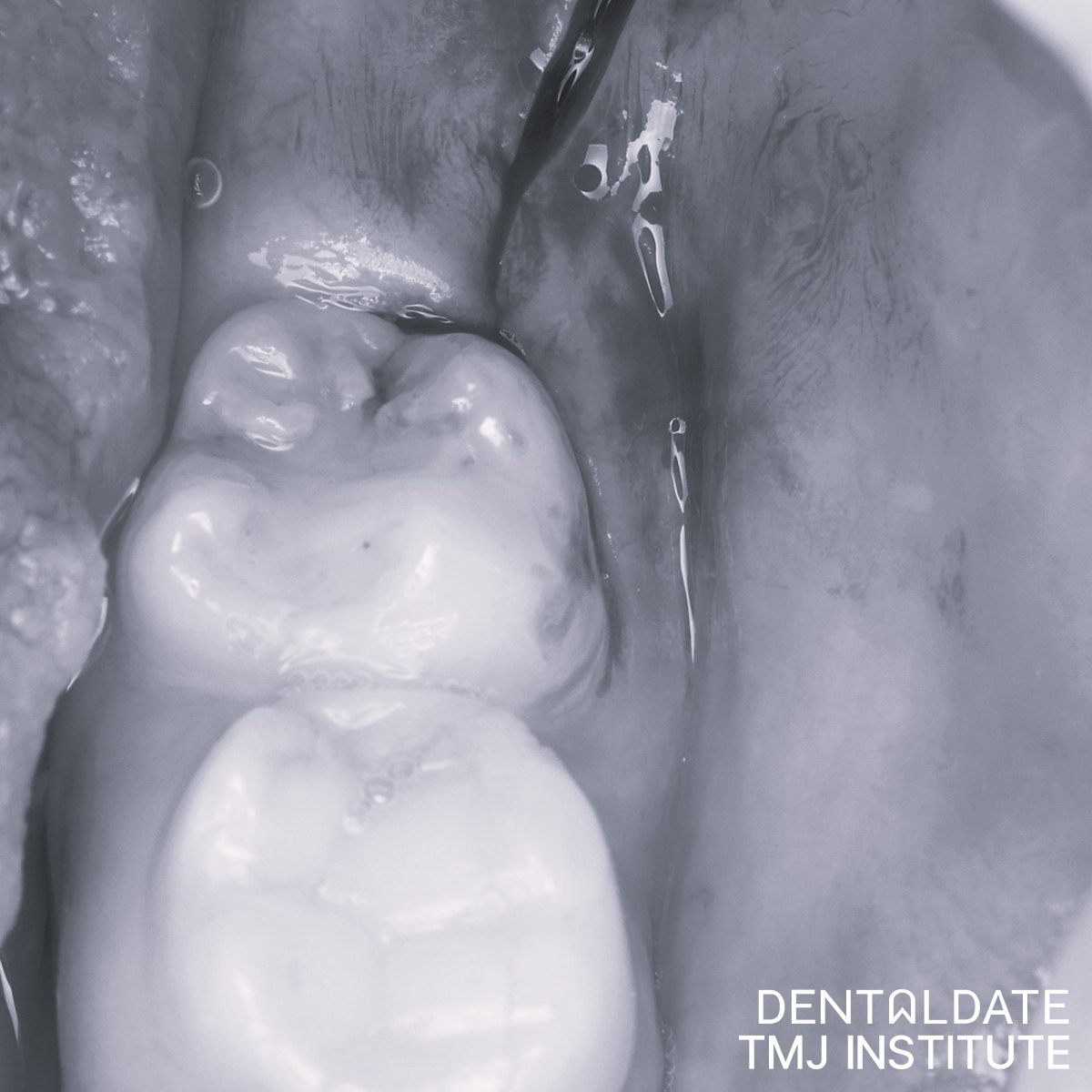
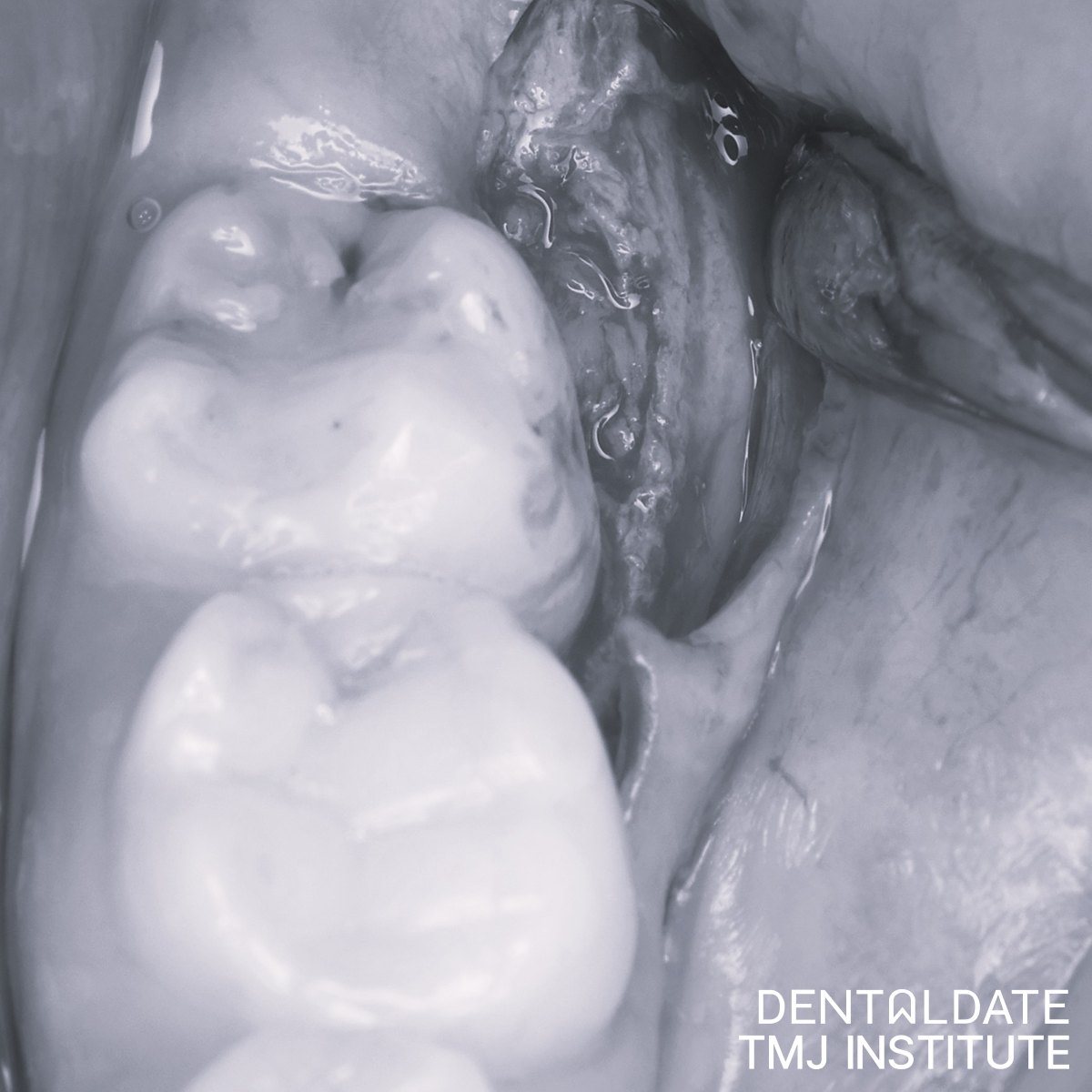
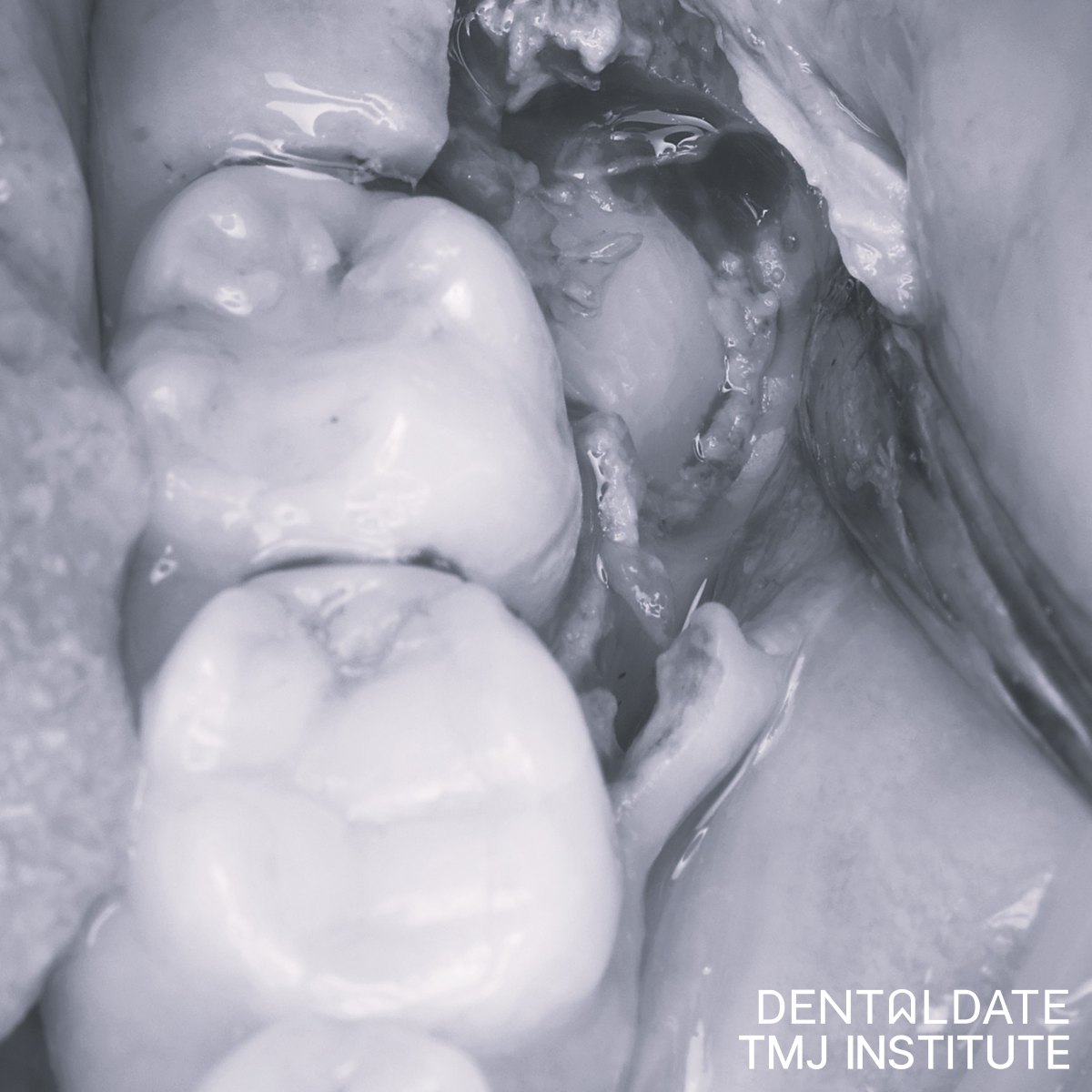
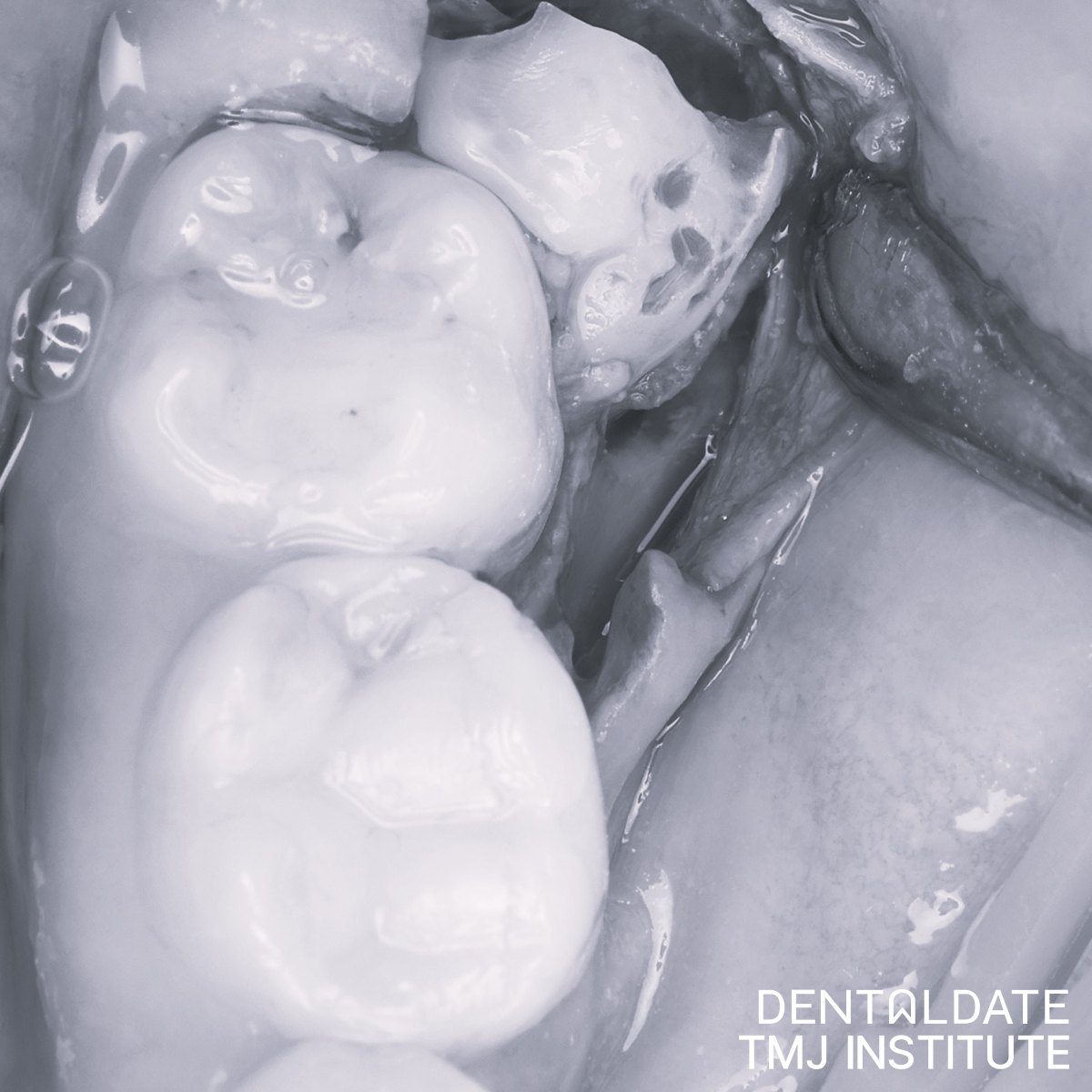
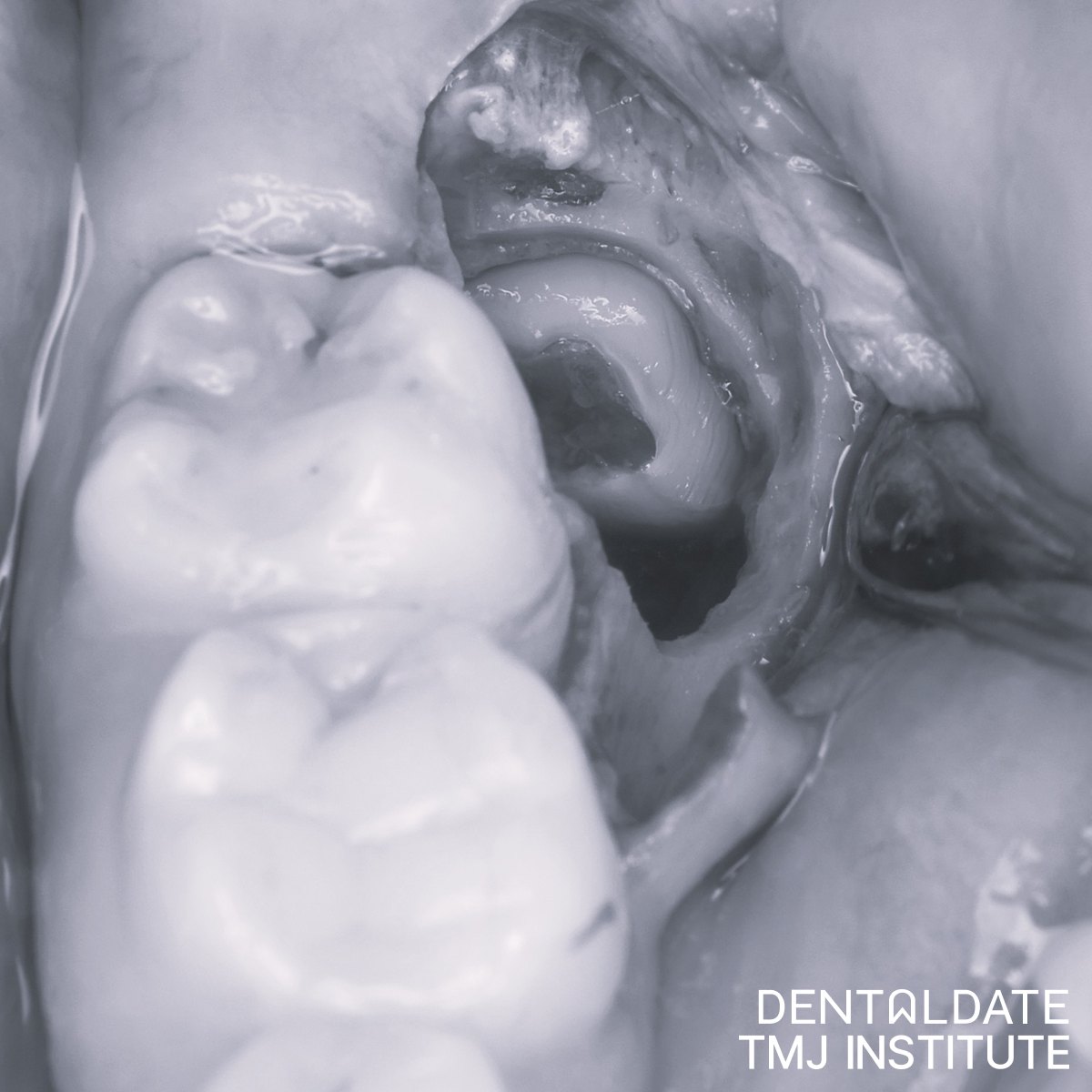
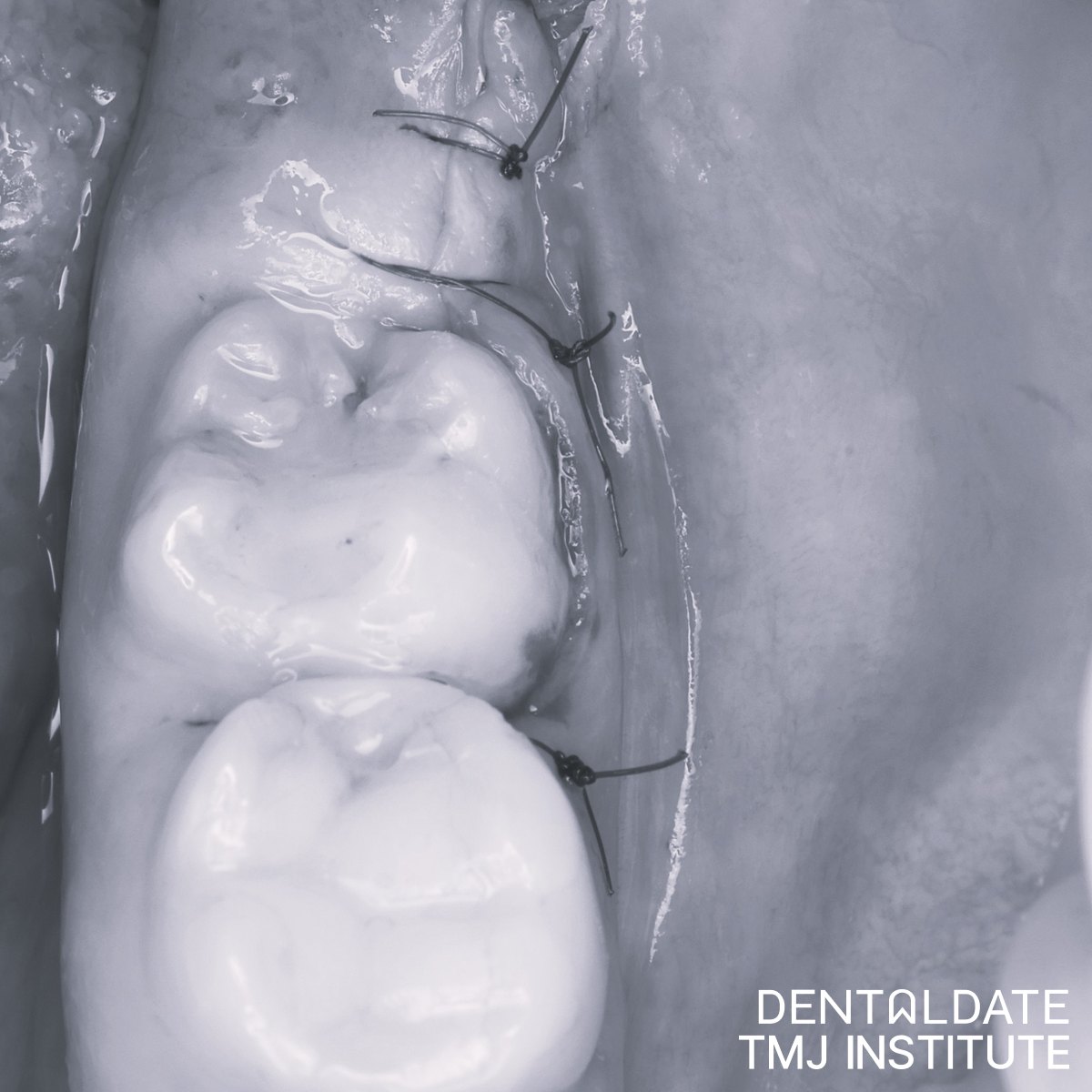
The coronectomy of tooth 38 was performed in three main stages:
- Surgical access to the wisdom tooth was created.
- The crown of the tooth was carefully separated and removed.
- The roots were left in the bone, and the wound was sutured.
In this technique, the crown is generally separated slightly below the edge of the bone. This allows the remaining roots to lie fully within the bone, so that the gum can heal over them.
Frequently Asked Questions
Is it safe to leave tooth roots in the jaw?
When the roots are healthy and not infected, leaving them in place is the whole idea of the technique, and coronectomy is a well-documented approach. The bone and gum heal over the roots, which generally remain quietly in the bone. Follow-up visits allow the surgeon to check that the area is healing as expected.
Can the roots move over time?
Sometimes the remaining roots shift slightly away from the nerve canal as the area heals. If a root ever moves towards the surface and causes problems, it can usually be removed later in a simpler procedure, because by then it lies further from the nerve. This is one of the reasons follow-up imaging is recommended.
Is recovery different from a normal wisdom tooth extraction?
Aftercare is broadly similar: soft food, gentle cleaning, no smoking and following the surgeon’s instructions. Patients should contact the clinic if they notice increasing pain or swelling, fever or discharge. Numbness that persists after the anesthetic should have worn off should also be reported.
Worried About a Wisdom Tooth Near the Nerve?
If you have been told that your wisdom tooth is close to the nerve, there may be a safer alternative to full extraction. At DentalDate, wisdom tooth surgery is planned with 3D imaging, so the position of the roots is known before the procedure begins. Make an appointment to discuss which approach fits your anatomy.