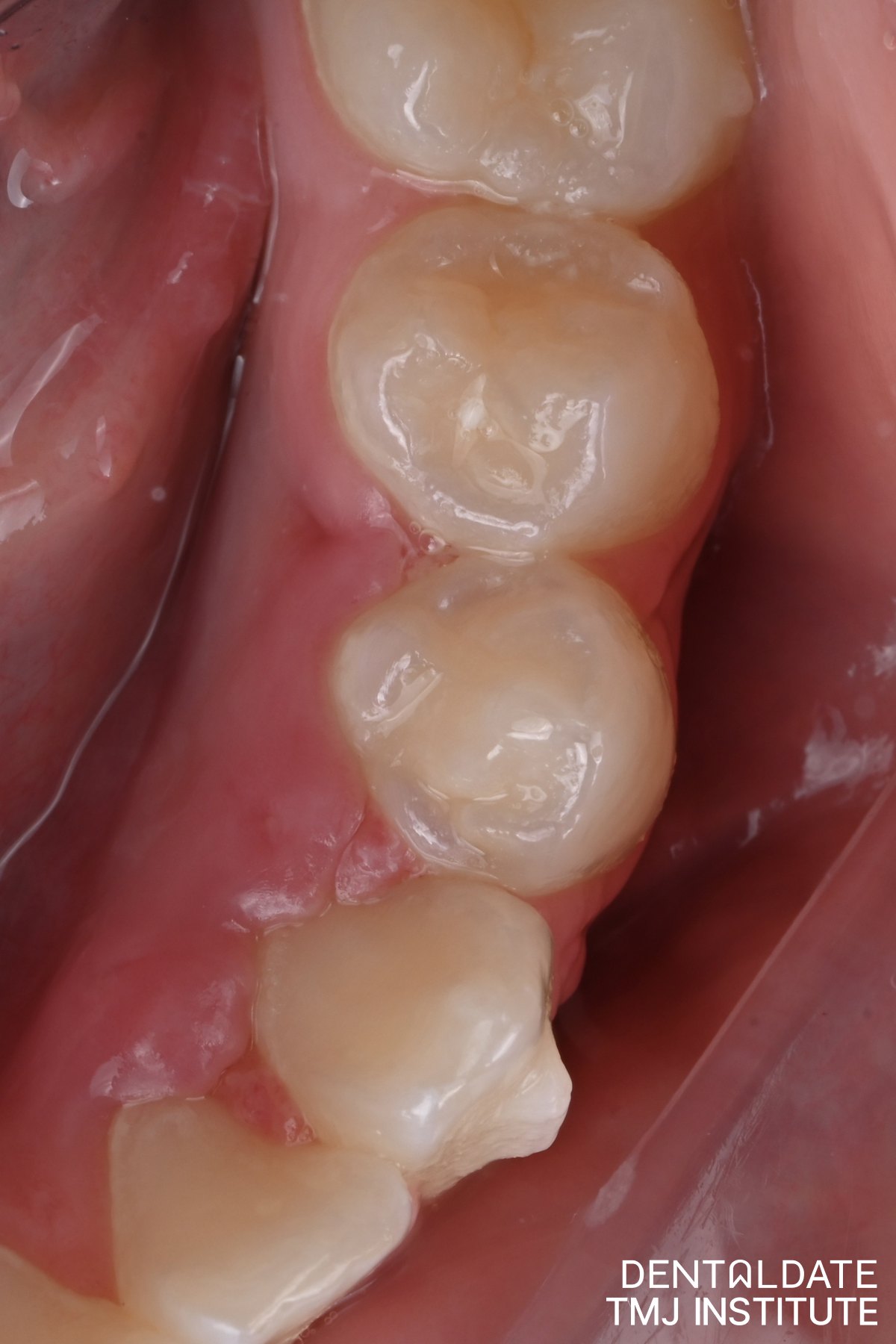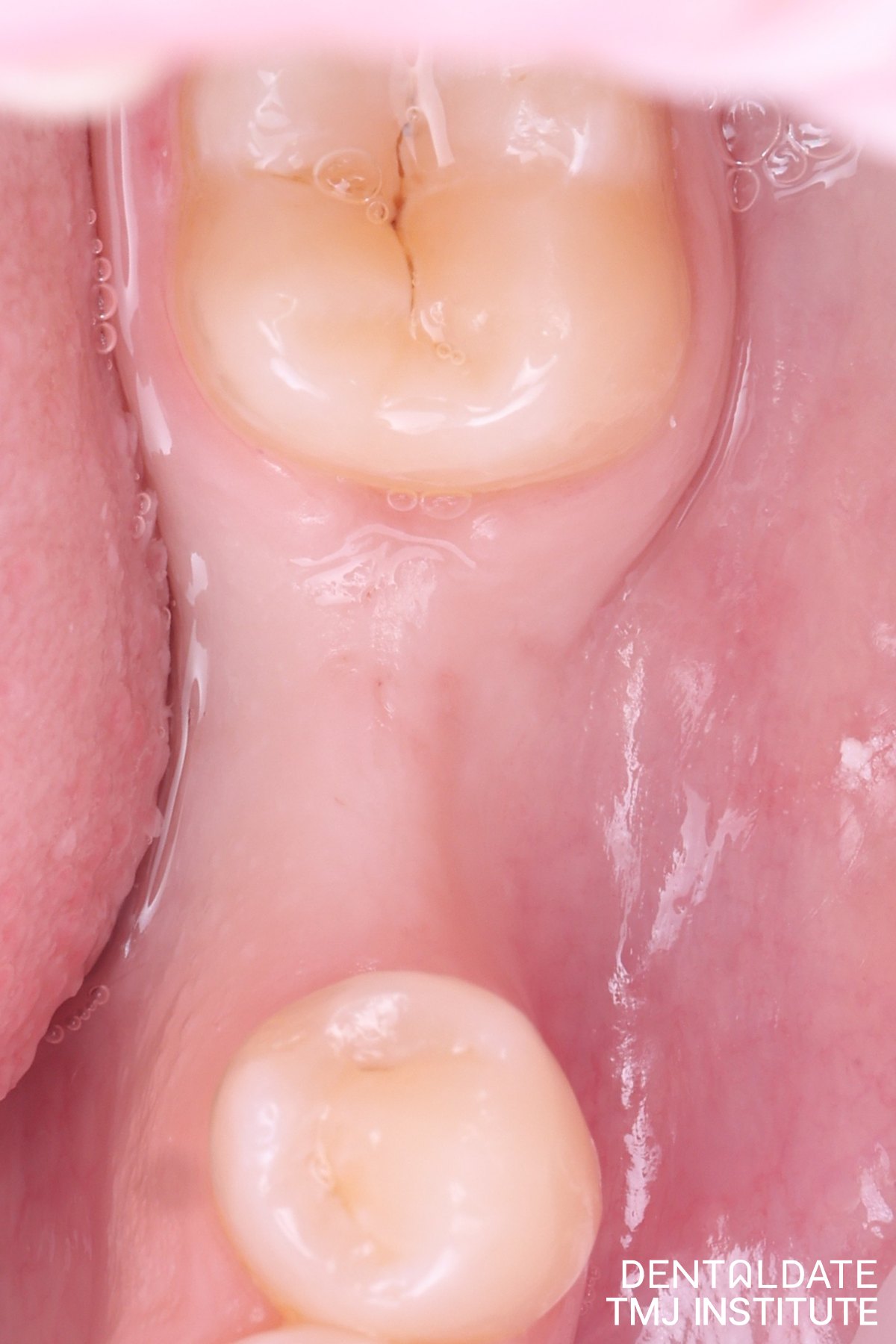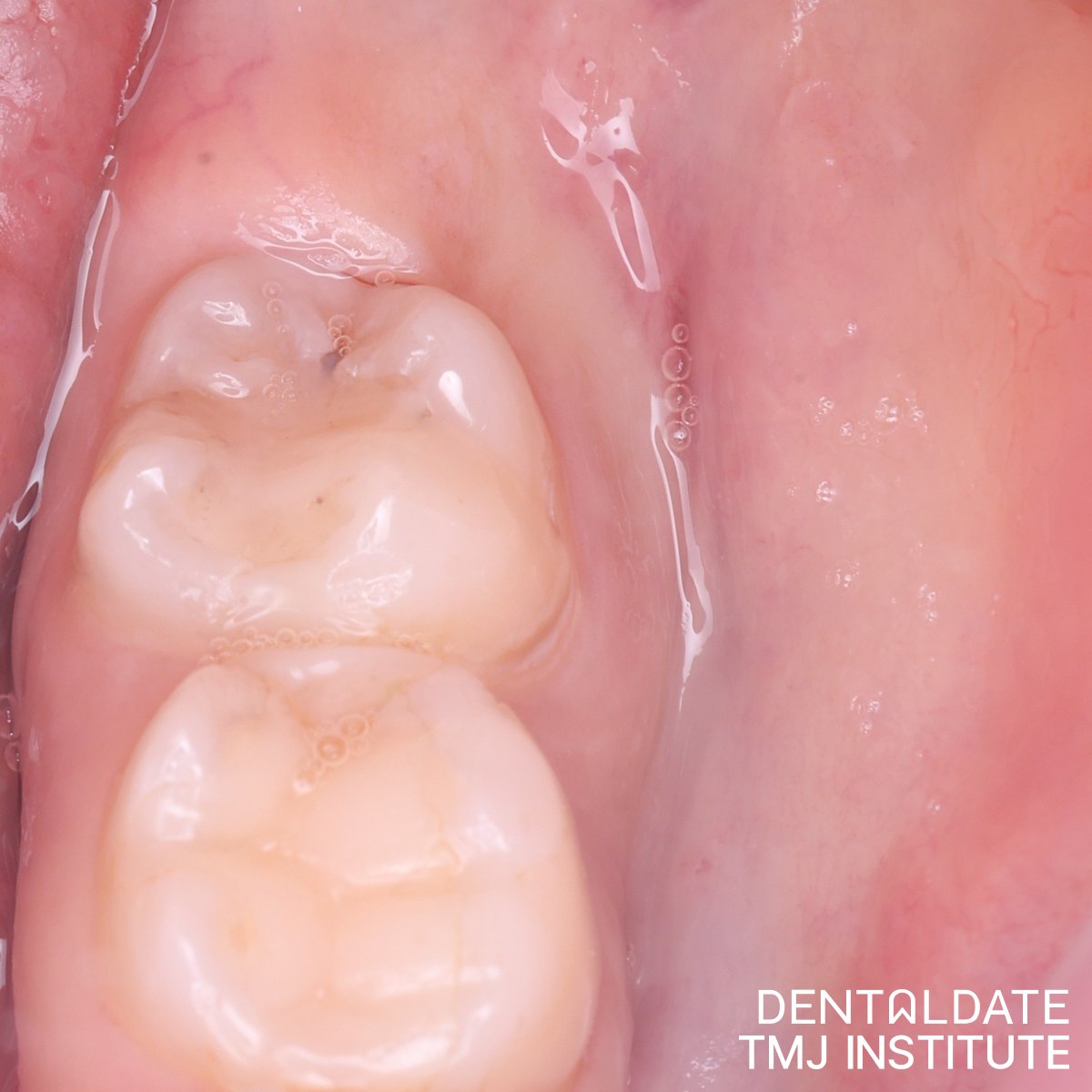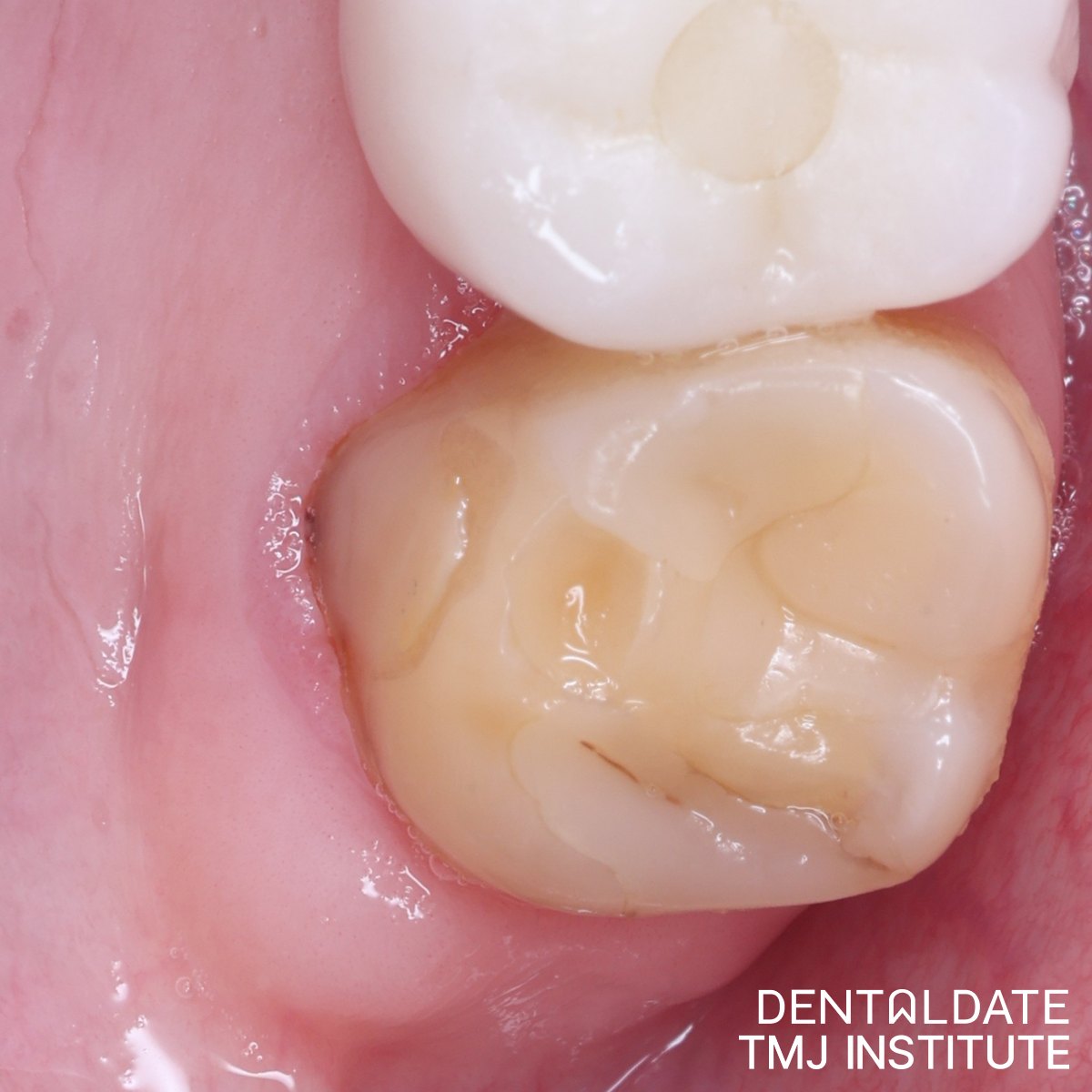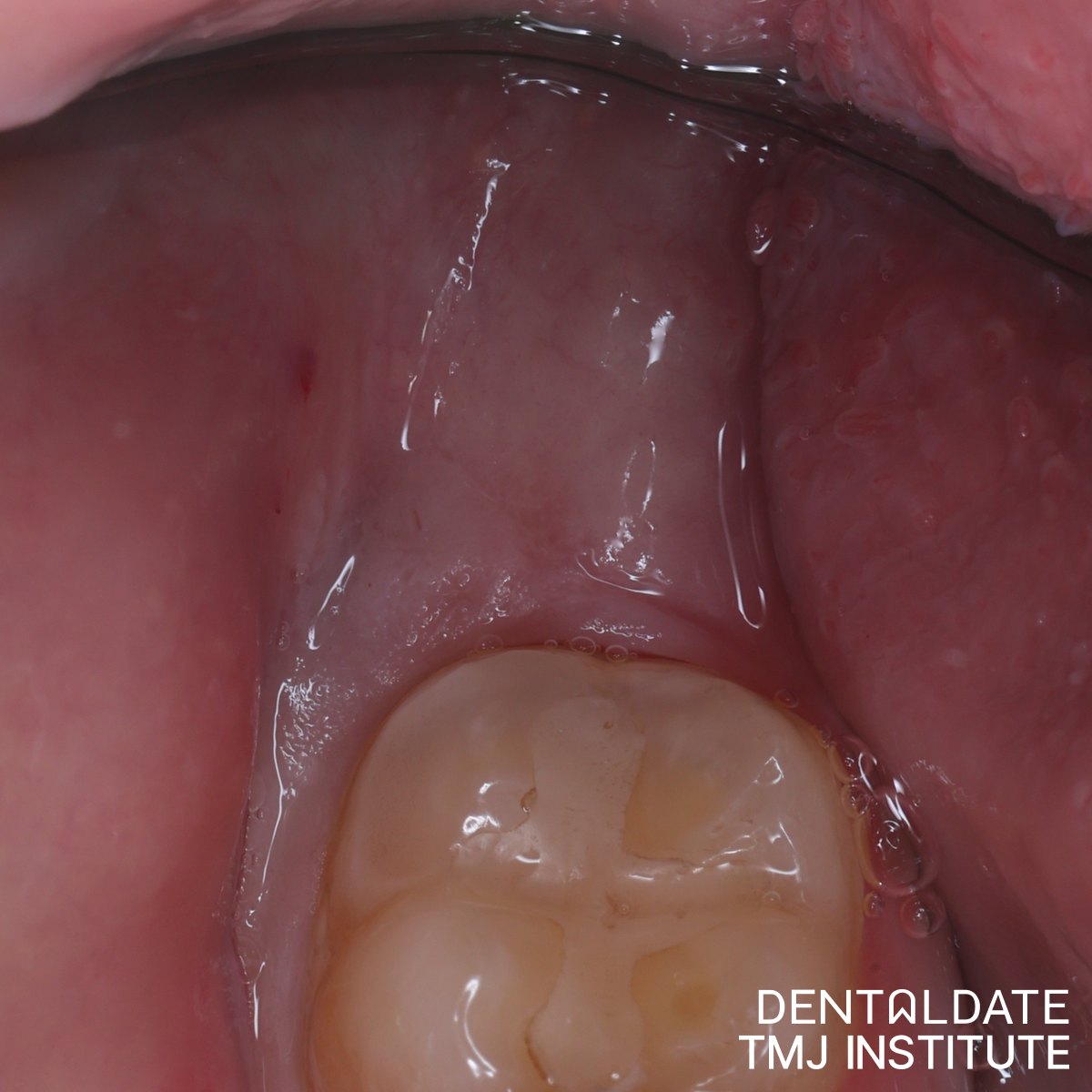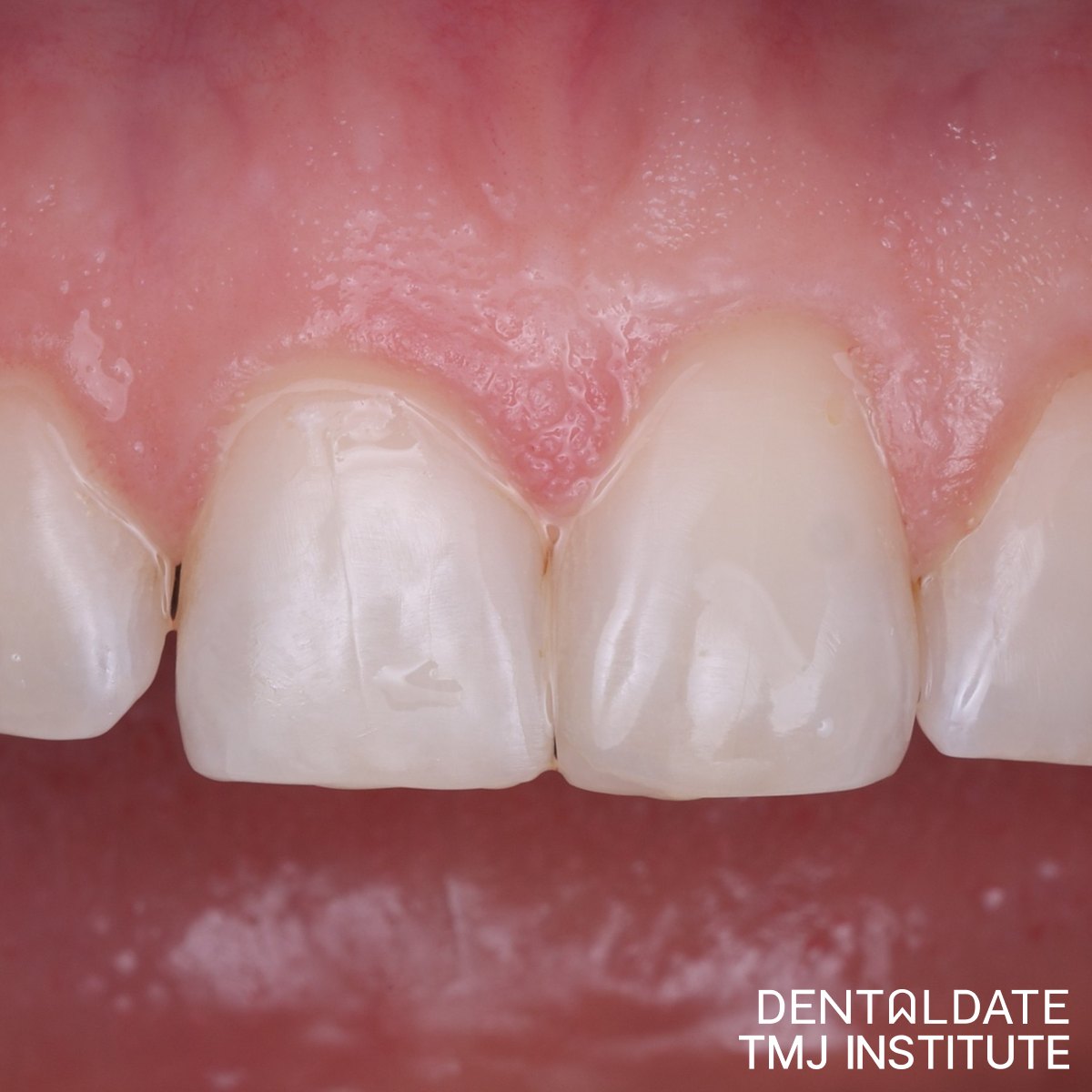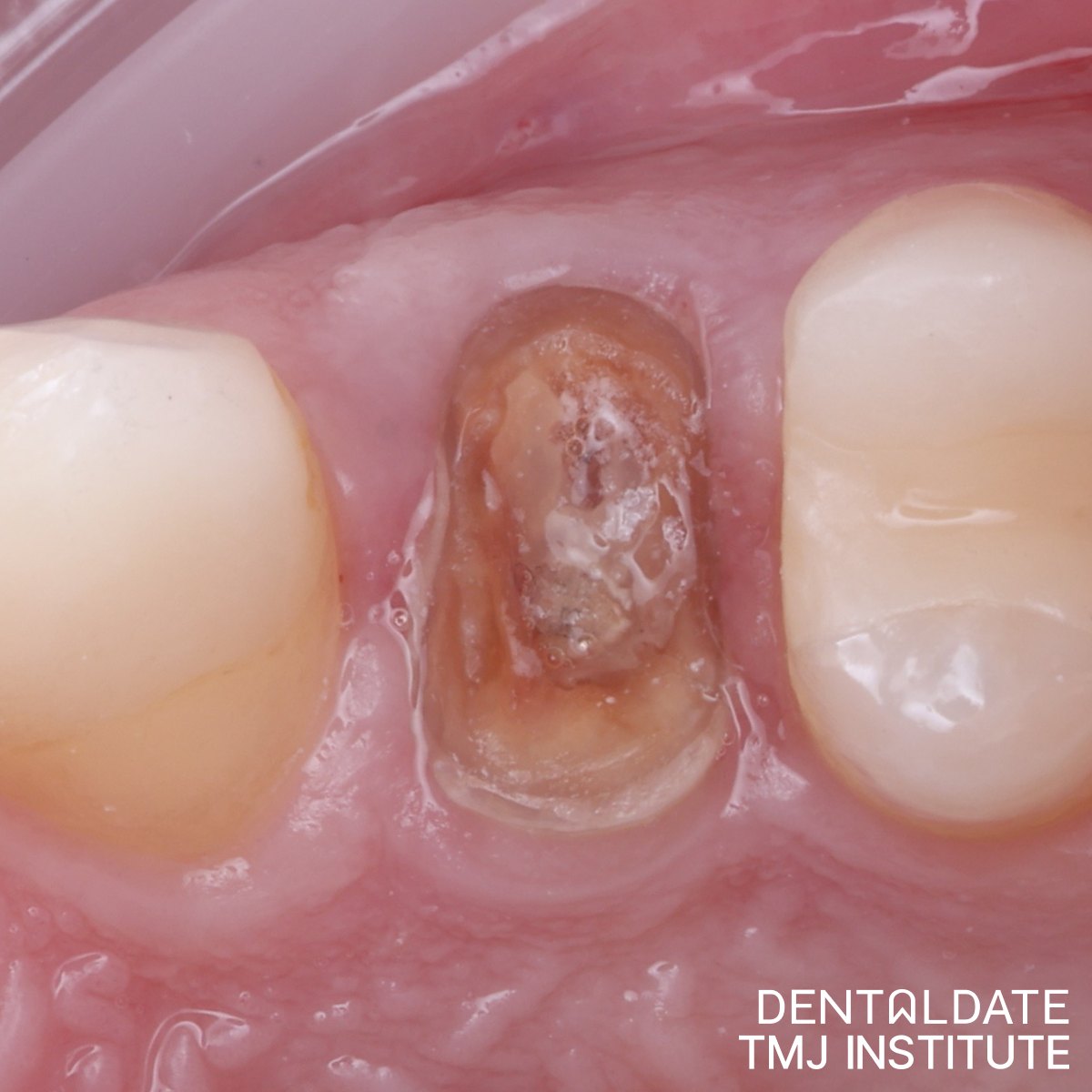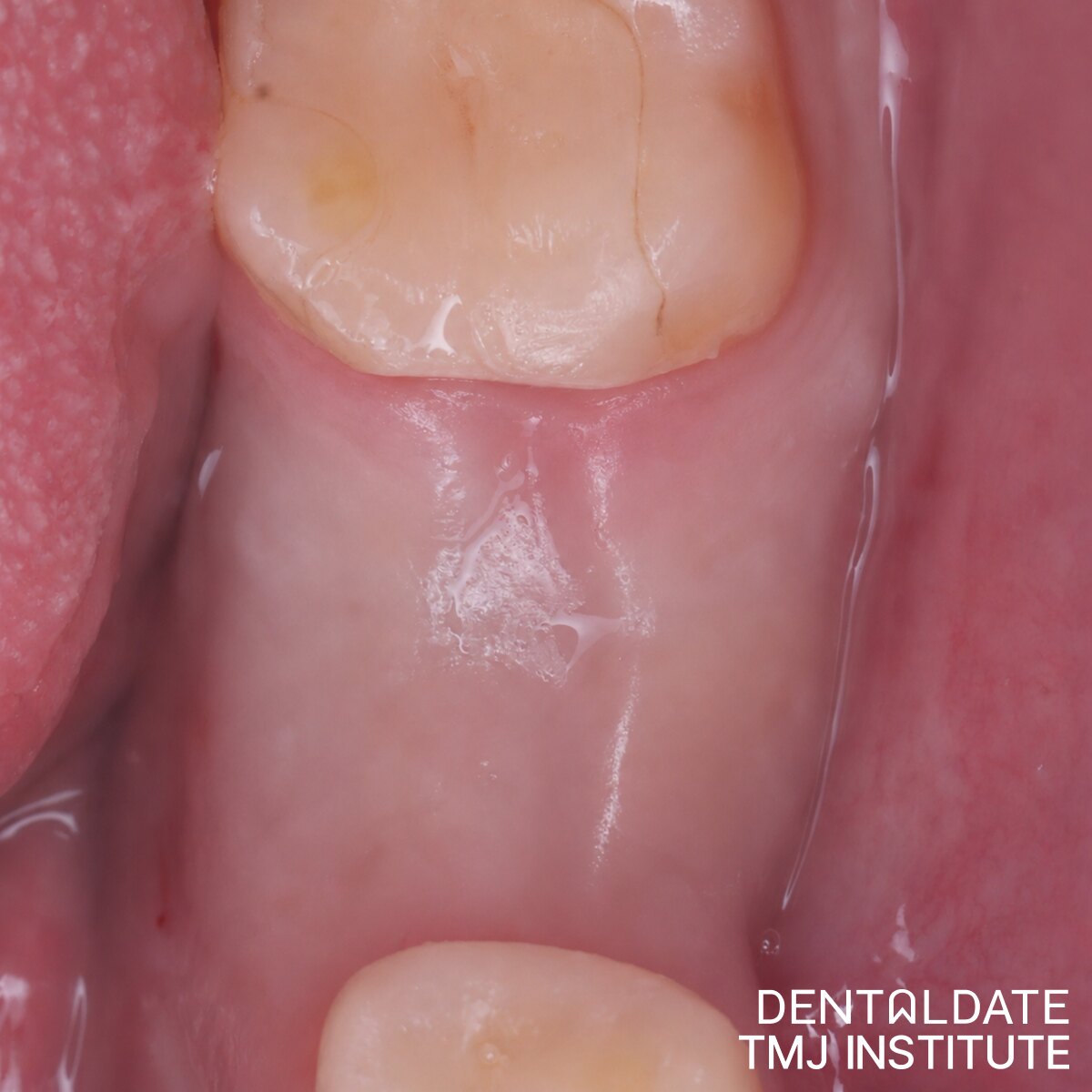

Three Months After the Extraction
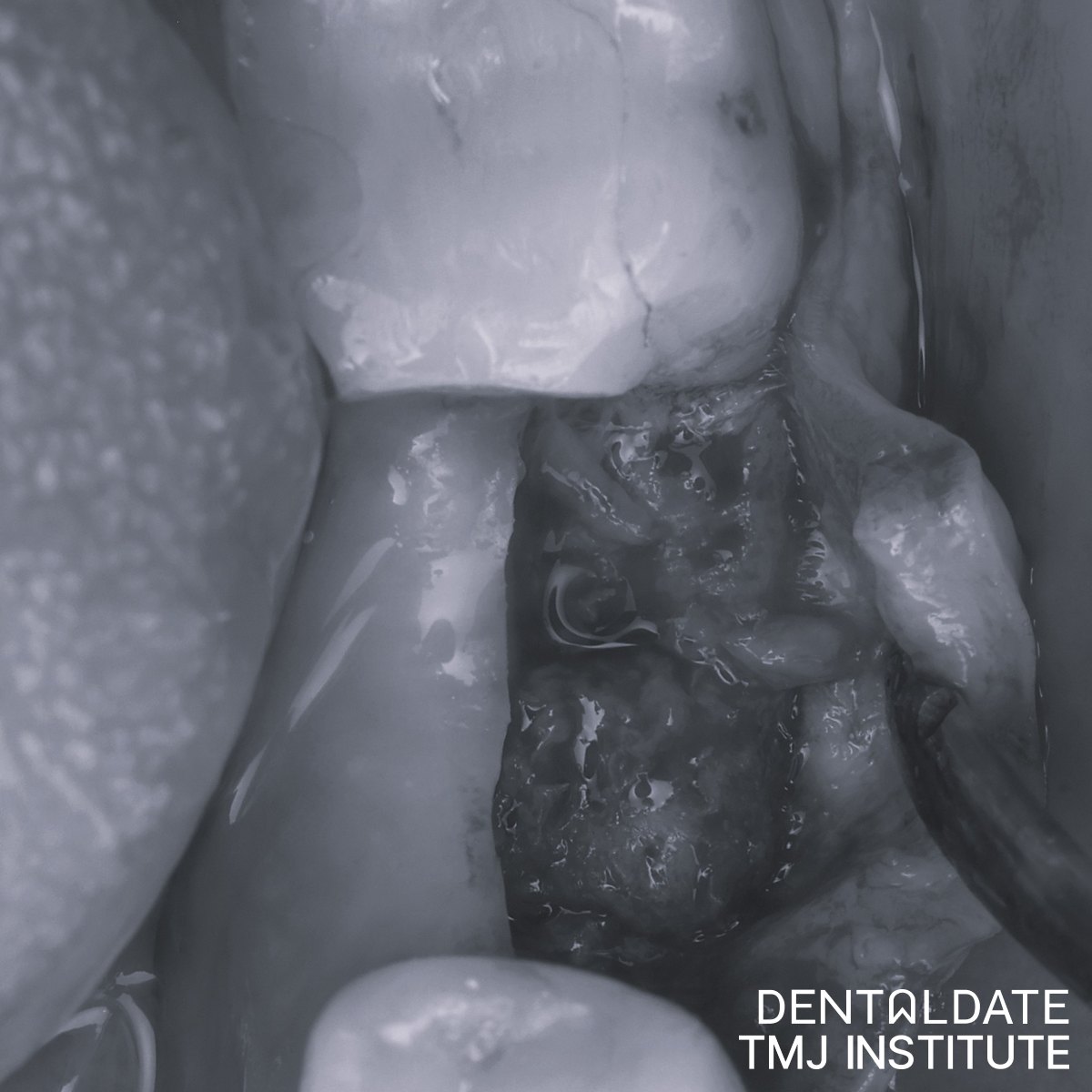
Three months had passed since the extraction of tooth 36, the lower left first molar. The bone and soft tissue in the area were preserved, so the site was ready for an implant without any preparatory procedures. This is exactly the kind of situation a surgeon hopes to find when an implant is planned after an extraction.
What Happens to the Jaw After a Tooth Is Removed
A tooth root is not only an anchor for the tooth; it also keeps the surrounding bone in use. Once the root is gone, the body gradually remodels the area: the socket fills with new bone, but the ridge can also become narrower and lower over time. The gum follows the bone, so the soft tissue can thin and flatten as well.
After a tooth is removed, bone and gum in the area can gradually shrink. When the implant is placed on time, as in this case, additional bone or soft tissue grafting procedures may not be needed at all.
What Delaying an Implant Can Lead To
The longer a gap is left, the more the situation can change. In general, a long delay may lead to:
- loss of bone width or height, which may require bone grafting before or during implant placement;
- thinning of the gum, which may call for a soft tissue graft;
- neighbouring teeth tilting into the gap and reducing the space available for a crown;
- the opposing tooth in the upper jaw gradually moving towards the gap;
- extra chewing load on the remaining teeth on that side.
None of this happens overnight, and not every patient is affected to the same degree. It does, however, explain why coming back on time made this case so straightforward.
Why Not Place the Implant Straight Away?
Placing an implant at the time of extraction is often possible, but not always. If the socket is infected, if its walls are damaged during the extraction, or if the bone around a molar’s several roots cannot hold an implant firmly, surgeons generally prefer to let the socket heal first. In that delayed approach, the healing period allows new bone to fill the socket, so the implant is placed into a solid, mature site. The trade-off is that the patient needs to come back at the planned time, before the bone and gum start to shrink.
A 20-Minute Implant Placement
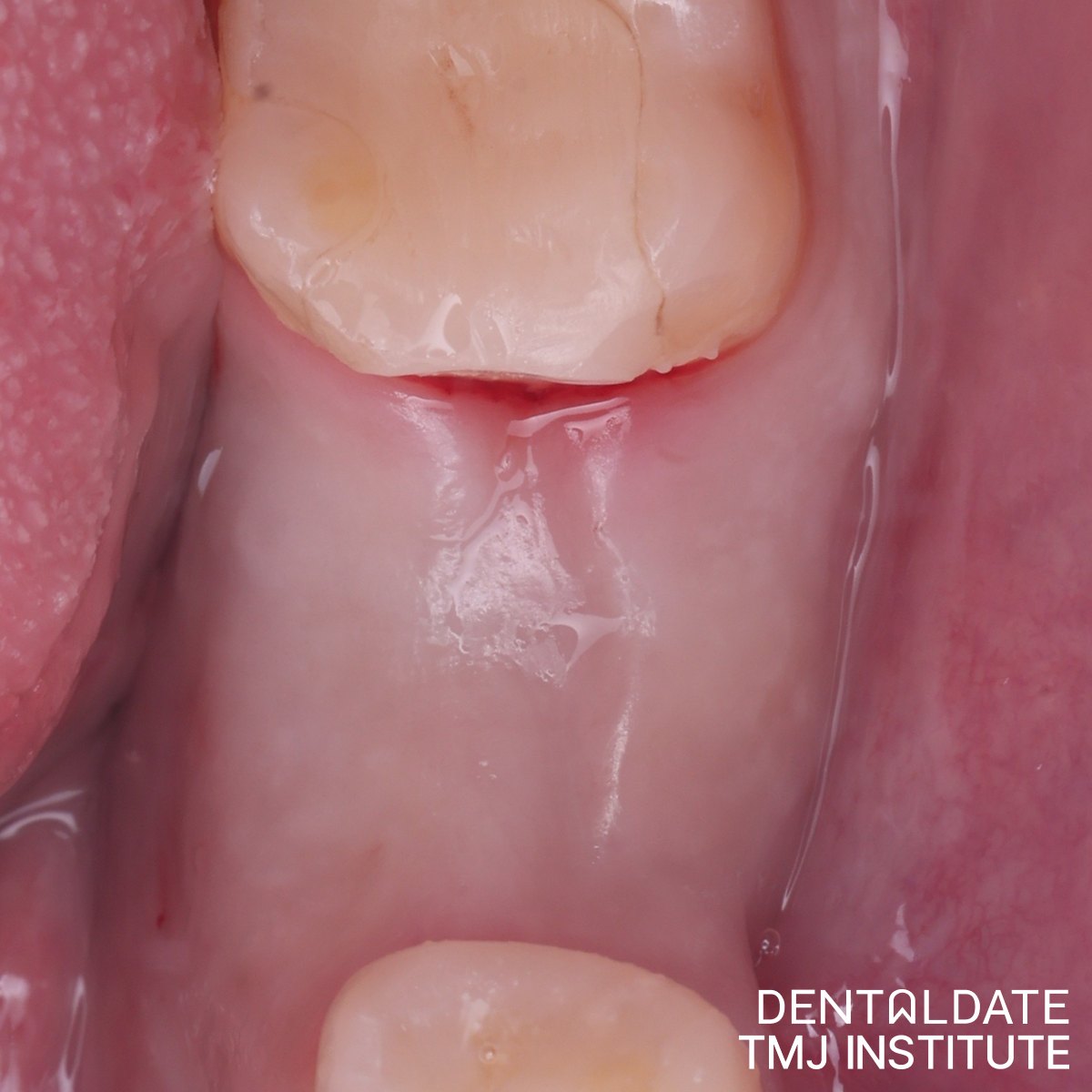
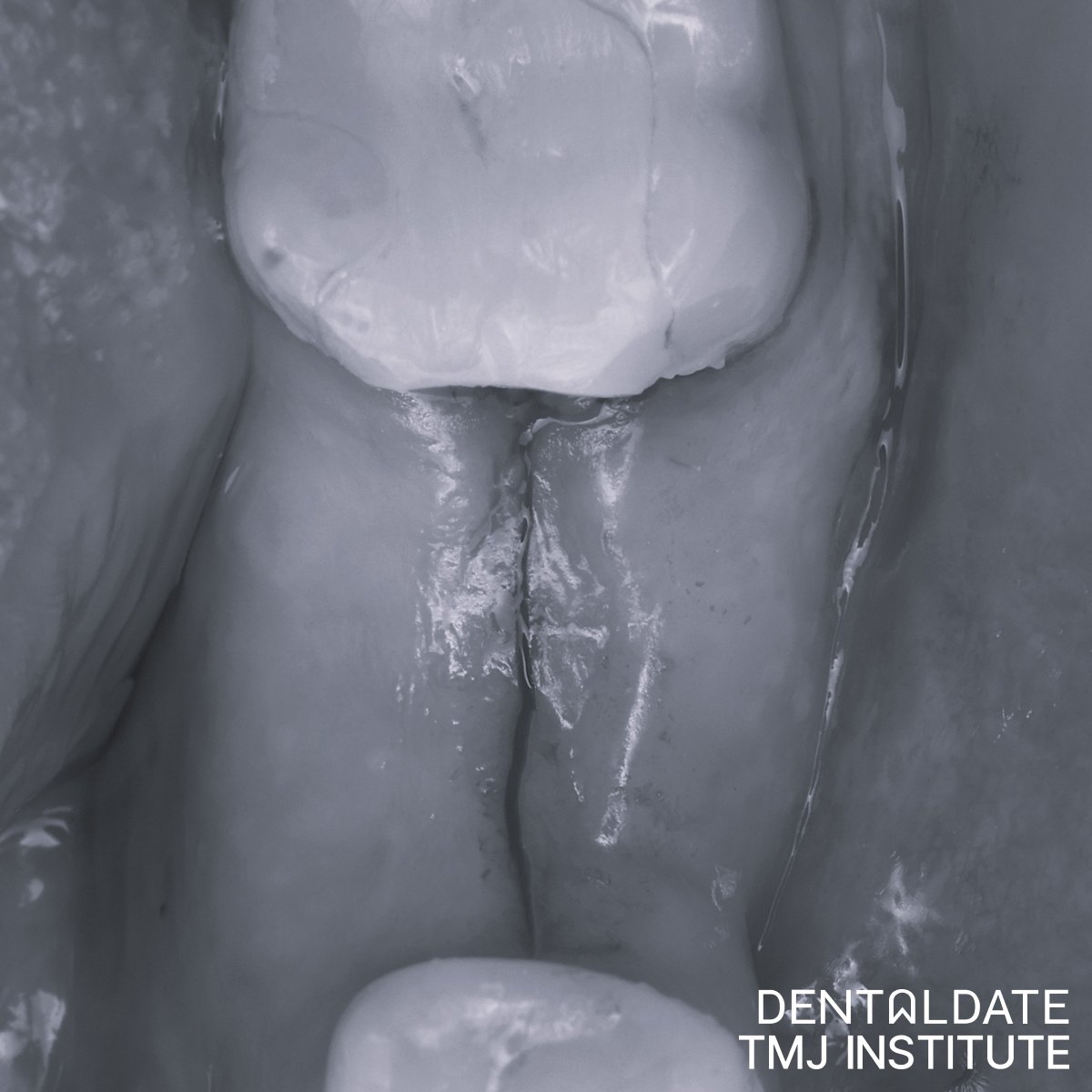
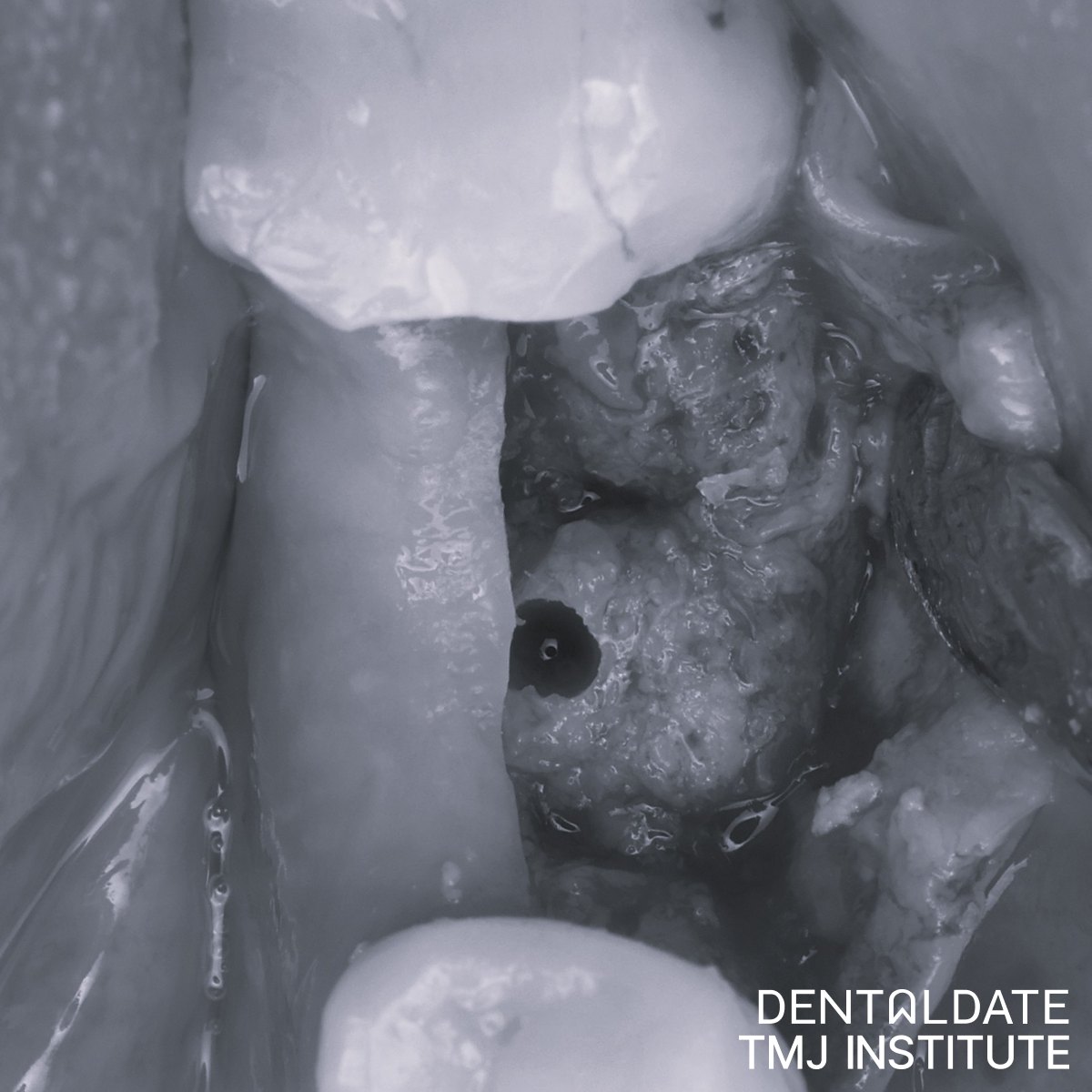
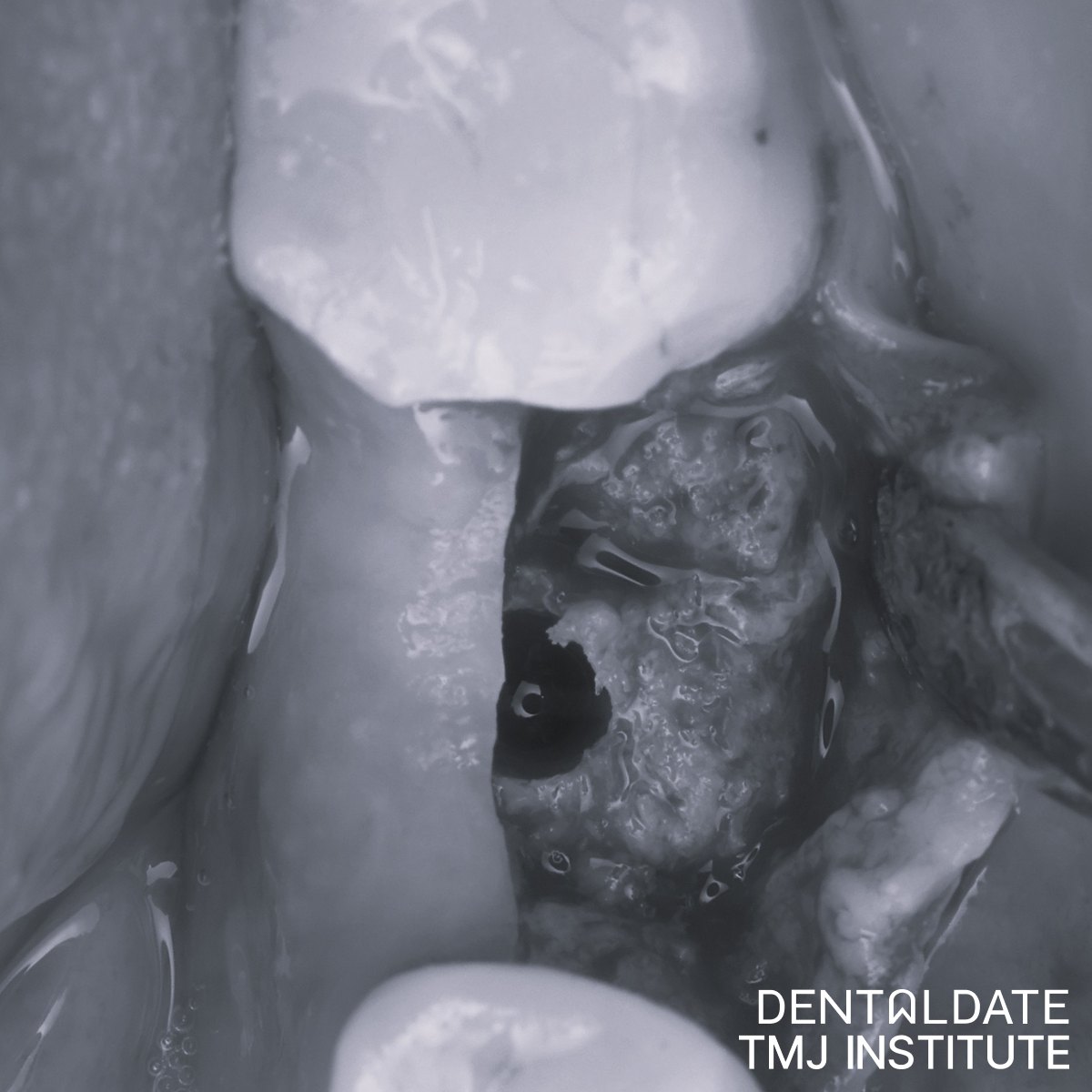
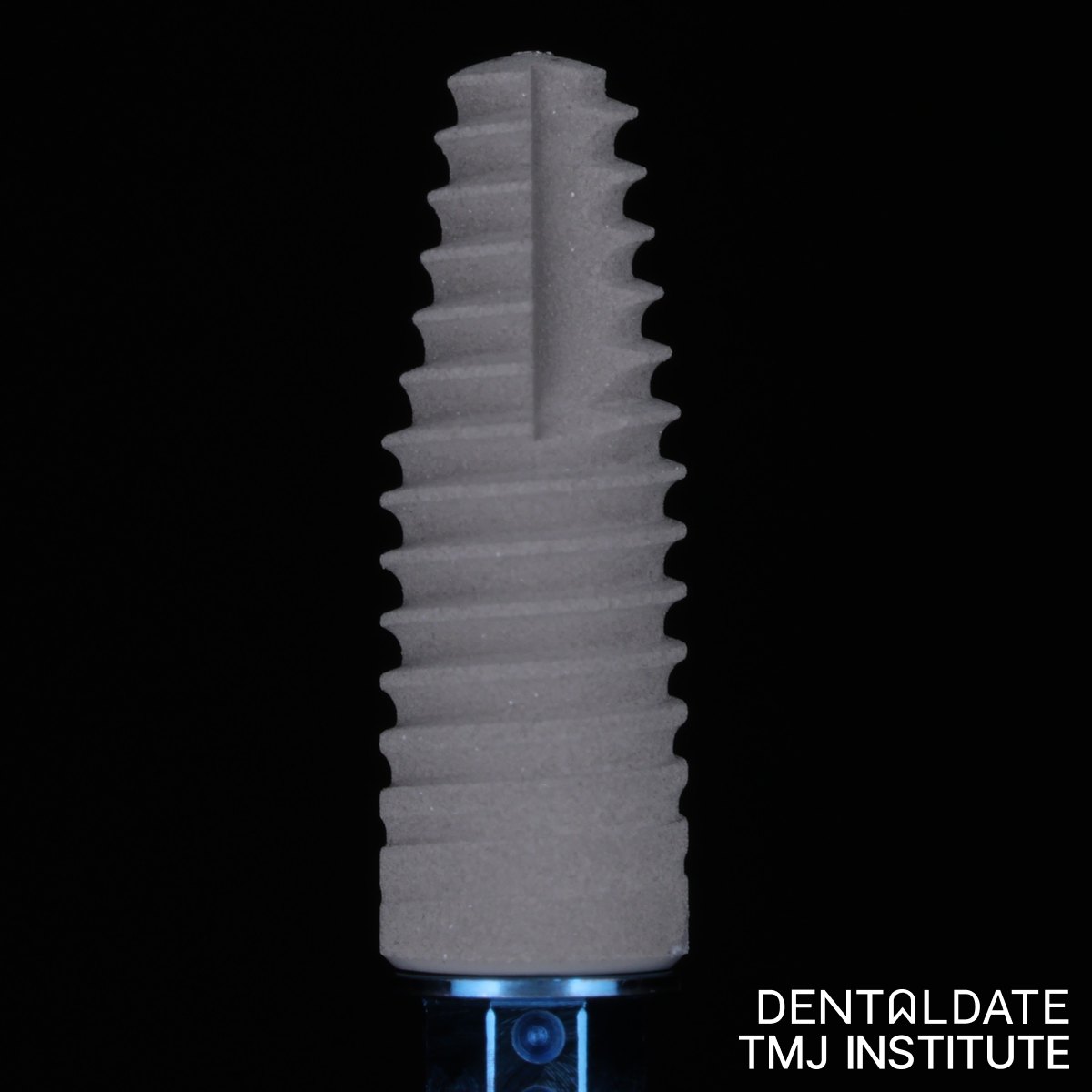
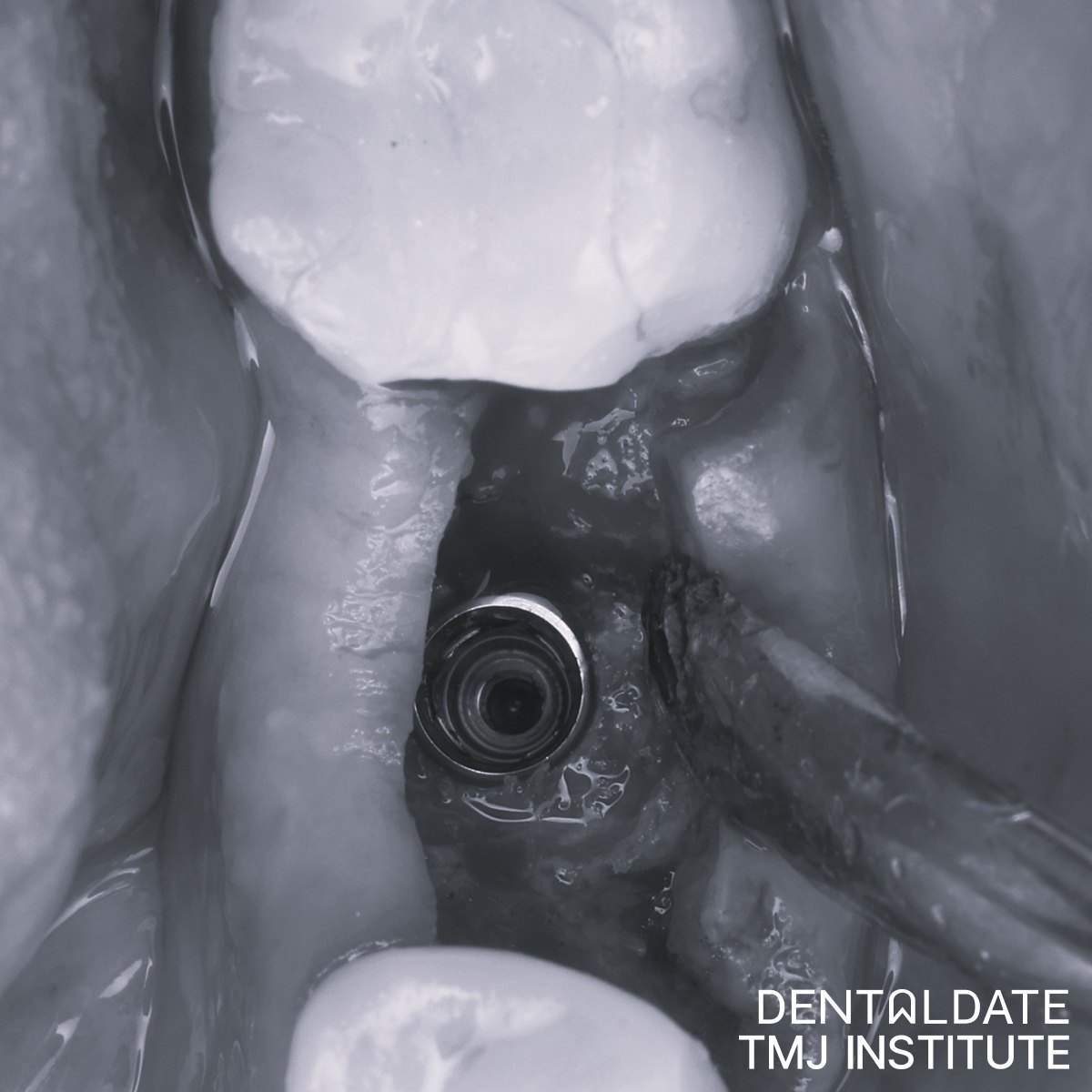
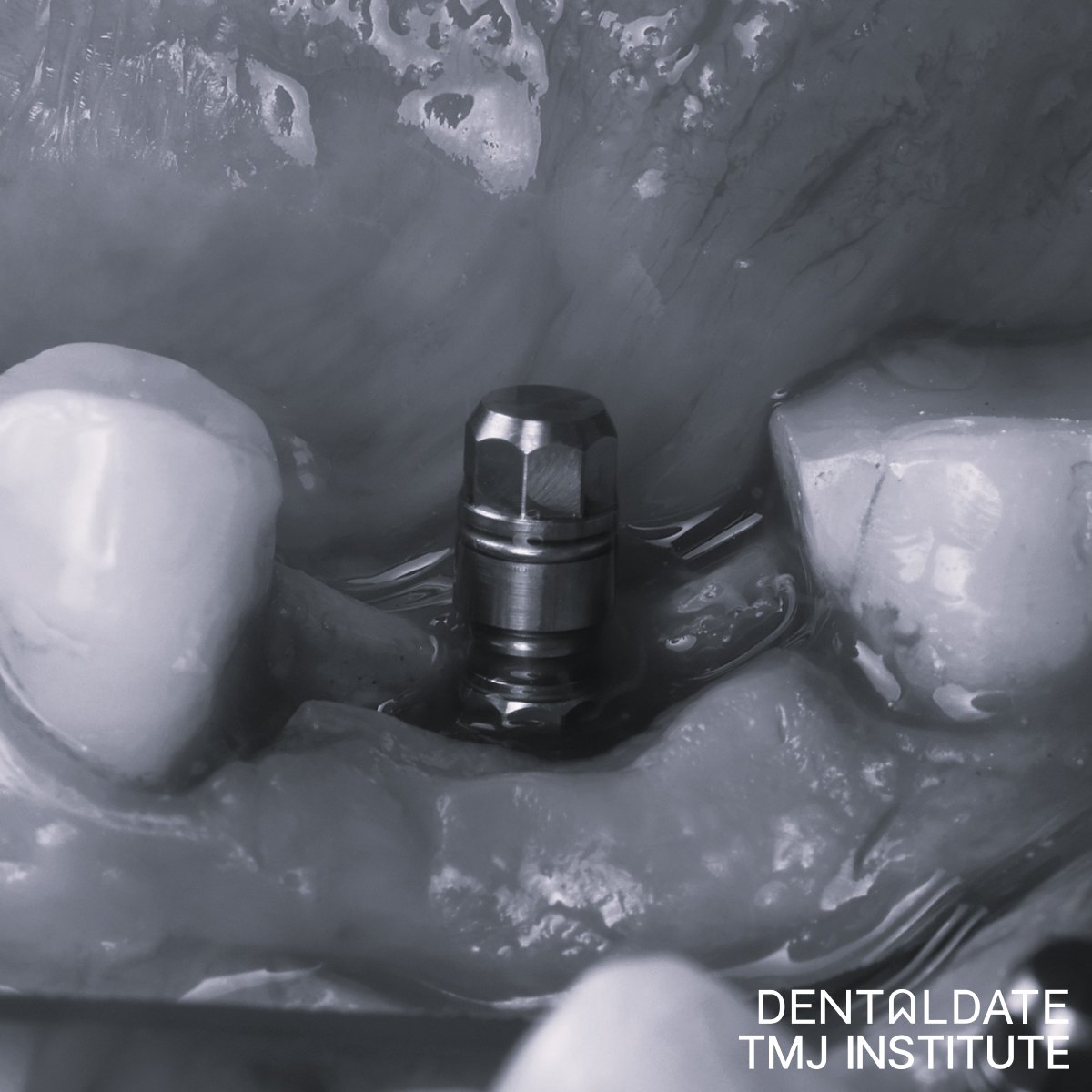
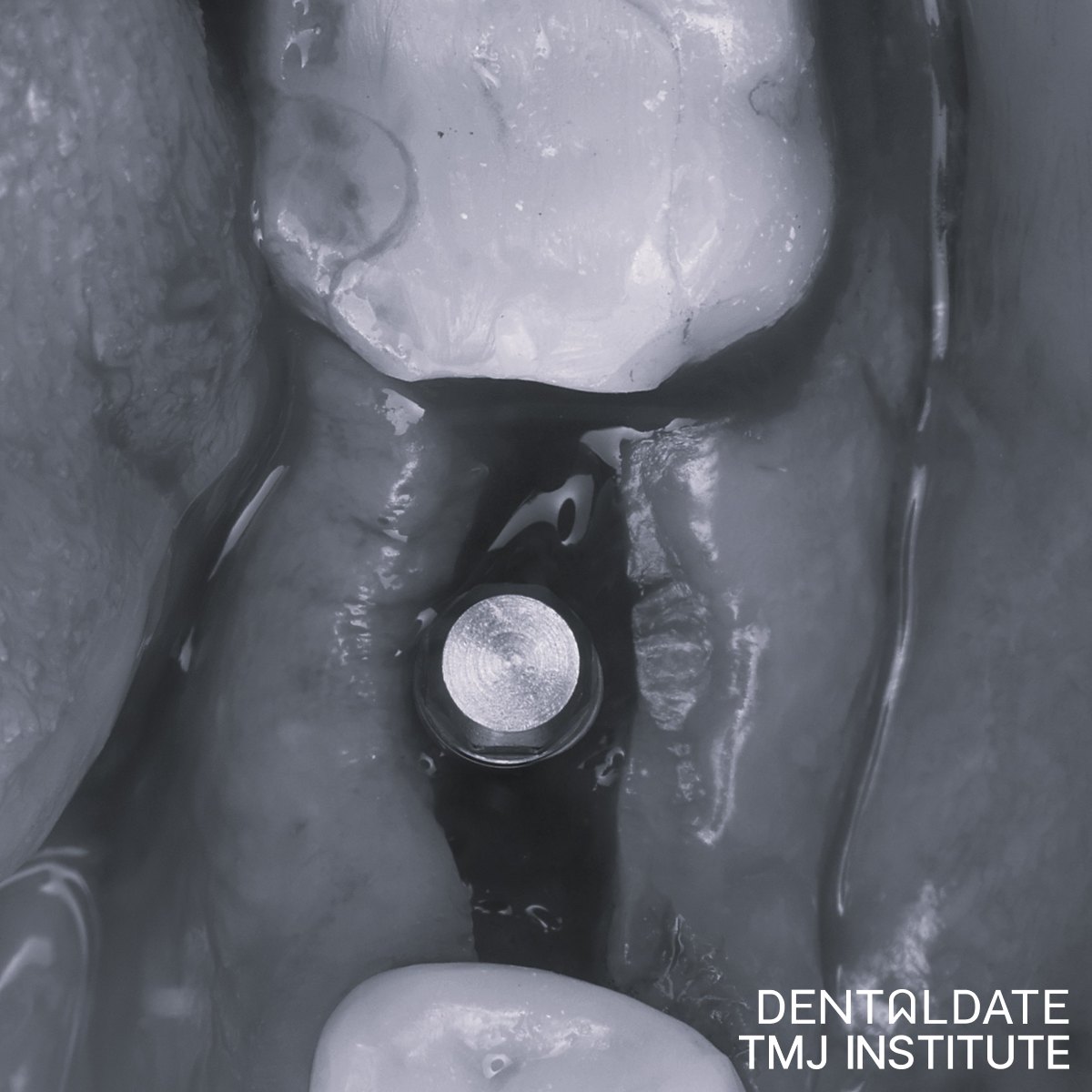
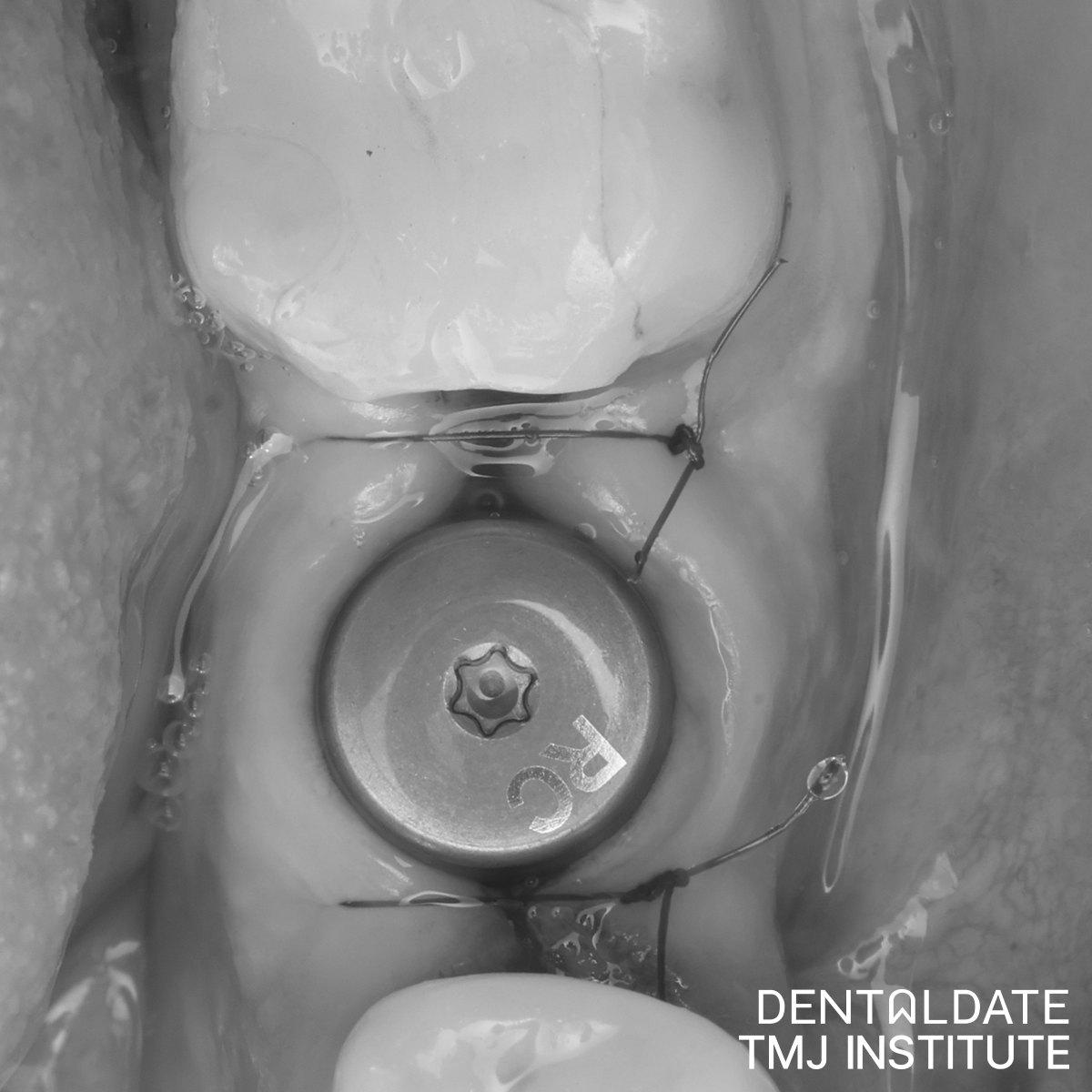
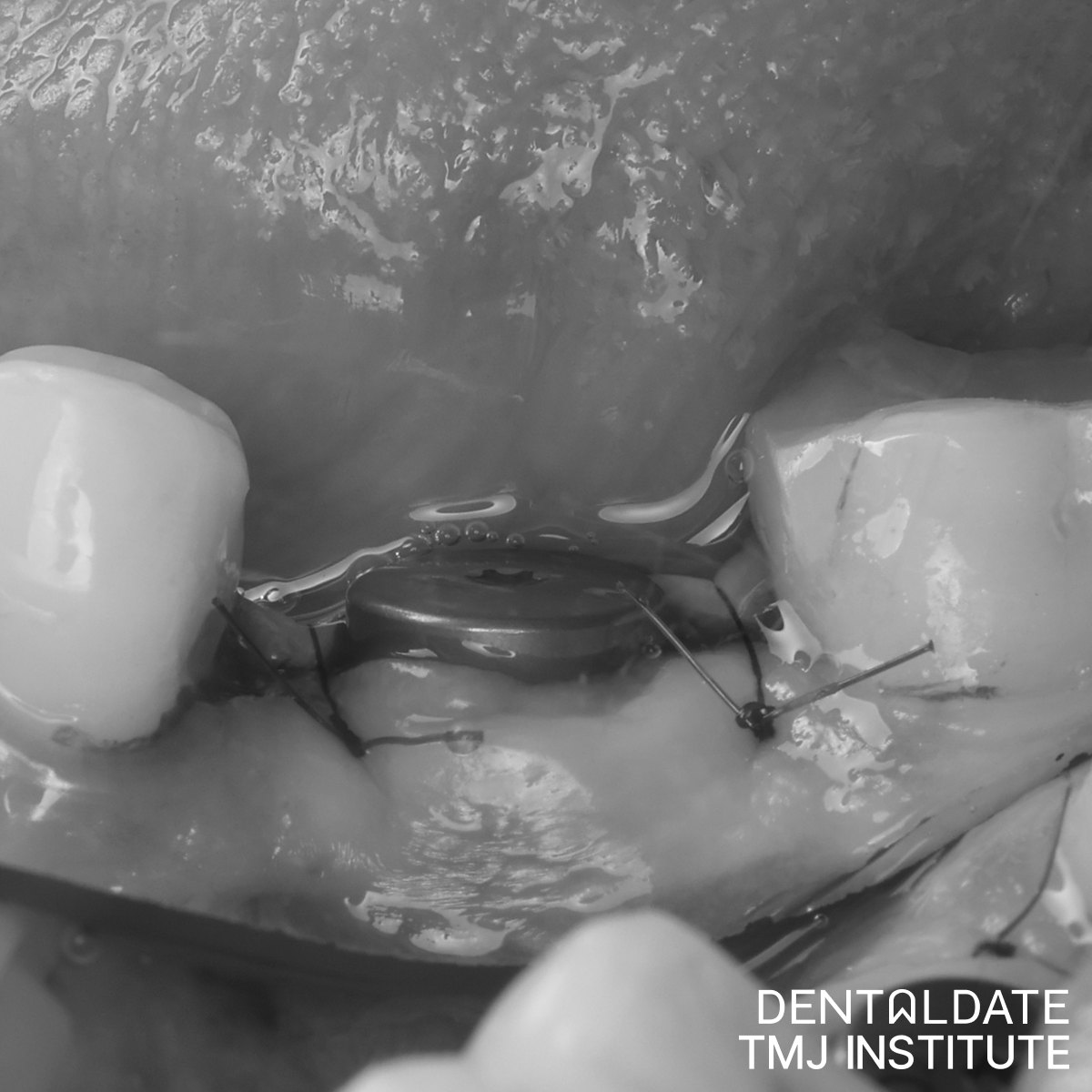
A Straumann implant was placed in the position of tooth 36. The photos show the main stages: preparation of the implant bed, the implant itself, the implant in position and the area after suturing. The whole procedure, from anesthesia to sutures, took just 20 minutes.
Now: The Healing Phase
The implant is now in its 3-month osseointegration (healing) phase. During this time, the bone grows into close contact with the implant surface and locks it in place. Dr. Tikhon performs the surgical stage of treatment, and the crown on the implant is then made by a prosthodontist once the implant has integrated with the bone.
Just Had a Tooth Removed? Practical Tips
If a tooth has recently been extracted and you are considering an implant, a few simple steps help keep your options open:
- ask your dentist when the site should be reassessed for an implant, and keep that appointment;
- let the socket heal undisturbed in the first days by avoiding smoking, straws and vigorous rinsing;
- keep the neighbouring teeth and gums clean, since inflammation around them can affect the area;
- if an extraction is still being planned, ask whether socket preservation or an immediate implant might be options for you.
Timely Implant Planning at DentalDate
Coming back at the right time after an extraction can make implant treatment noticeably simpler. At DentalDate, implant surgery is planned with 3D imaging, and the prosthetic stage is completed by a prosthodontist. If you have a recent gap, contact us to plan the next step while the bone and gum are still in good shape.