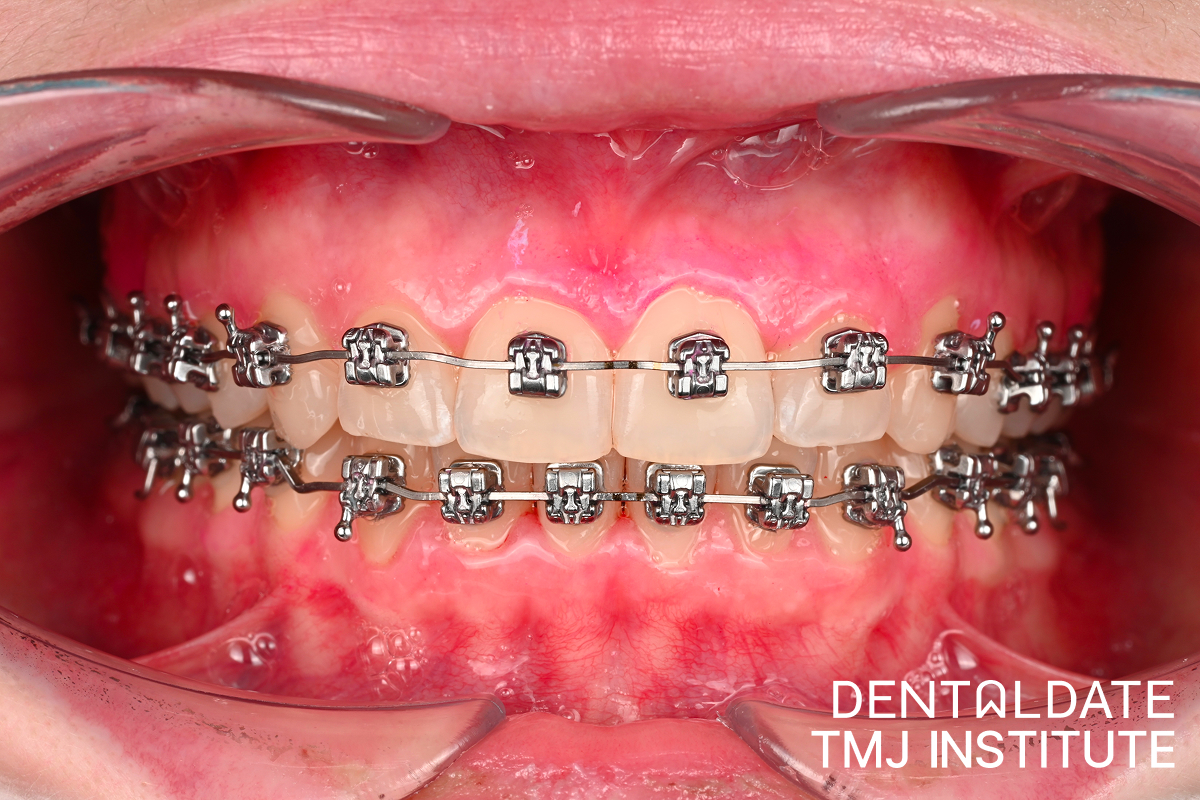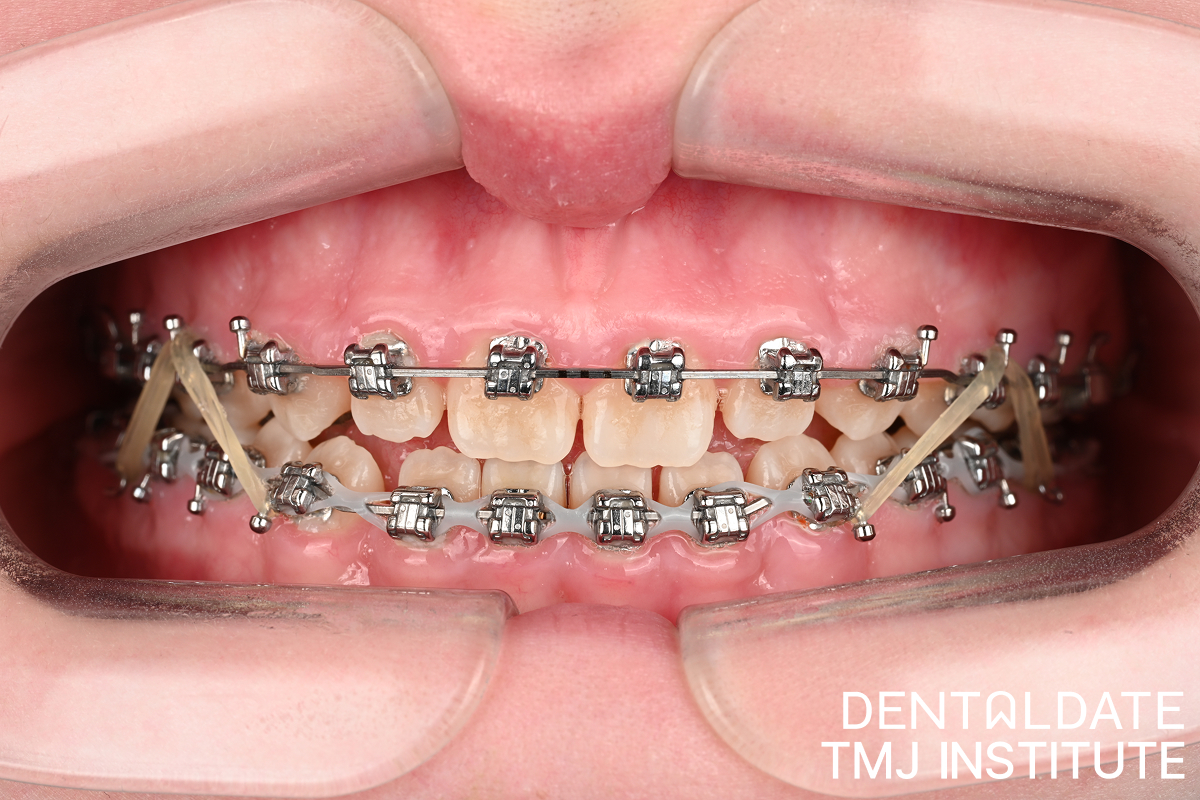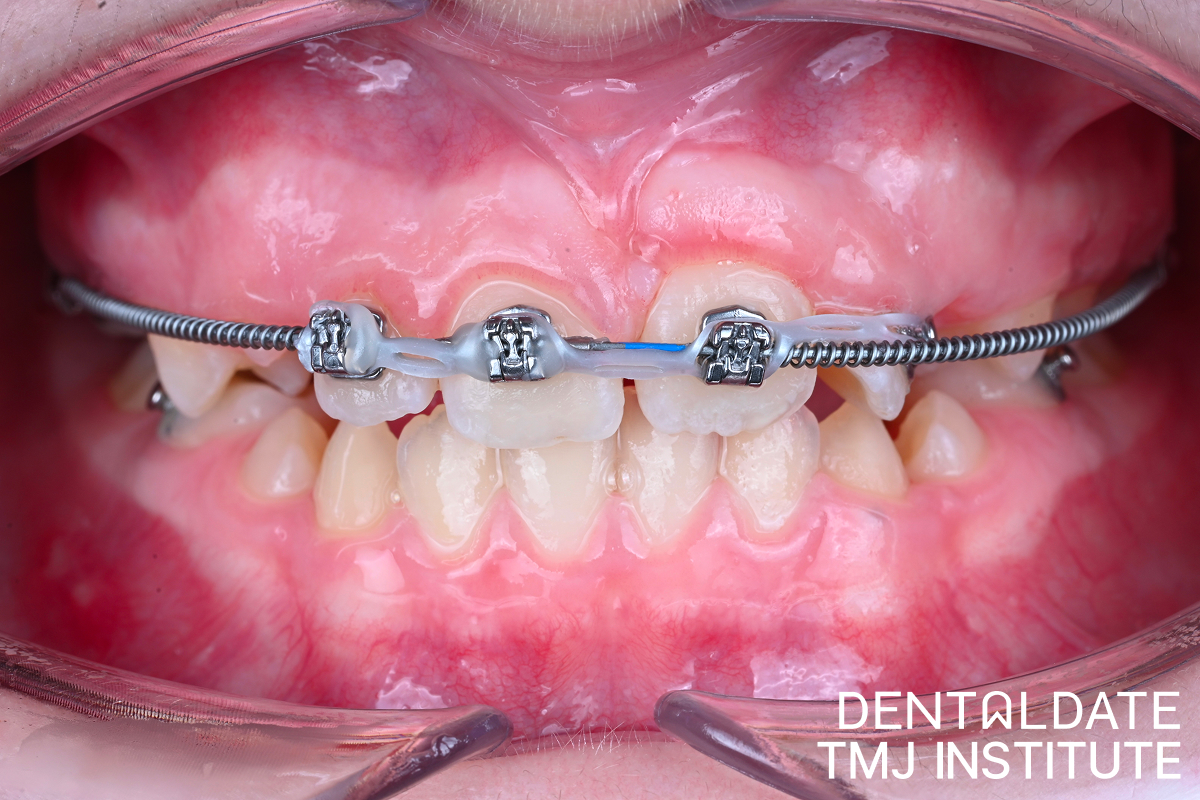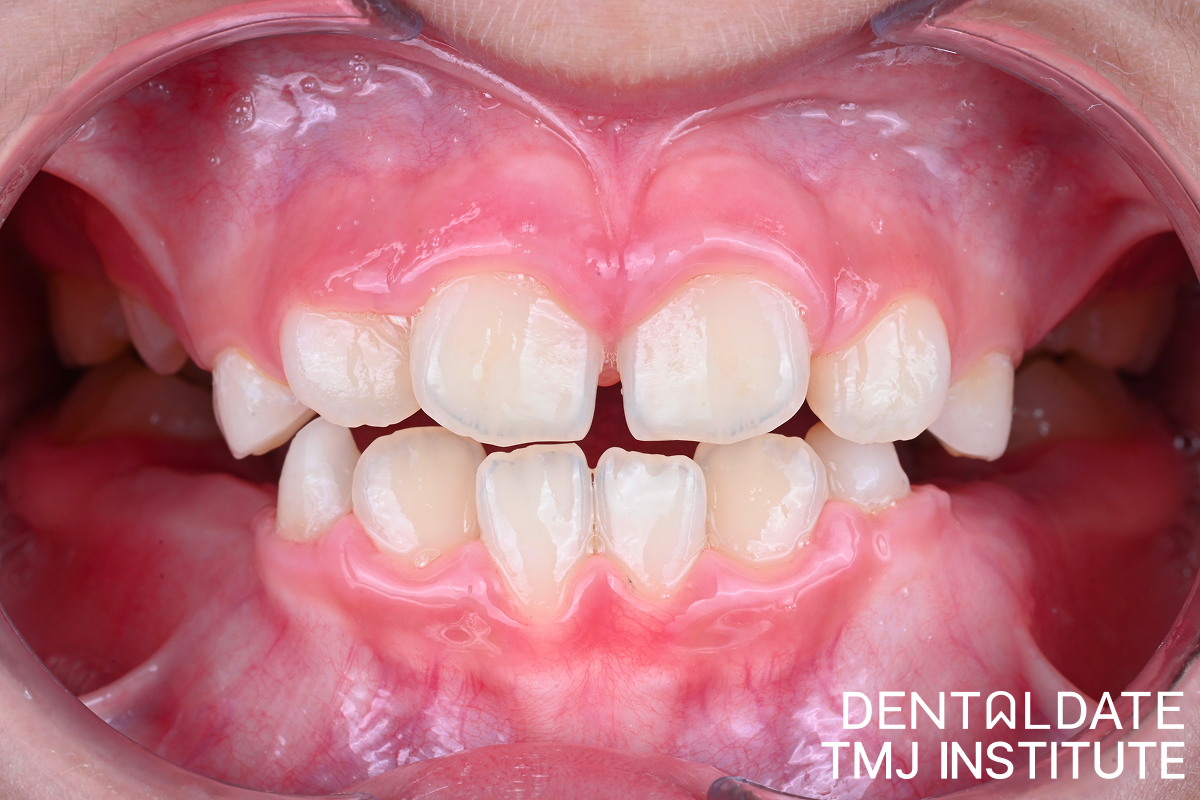
Initial Situation: Reduced Chewing Function and Abnormal Anterior Contacts
The primary concern was difficulty chewing associated with several missing teeth in the lower arch. The corresponding permanent successors were not expected to erupt in the near future.
Abnormal contacts between the anterior teeth were also present and required orthodontic correction.
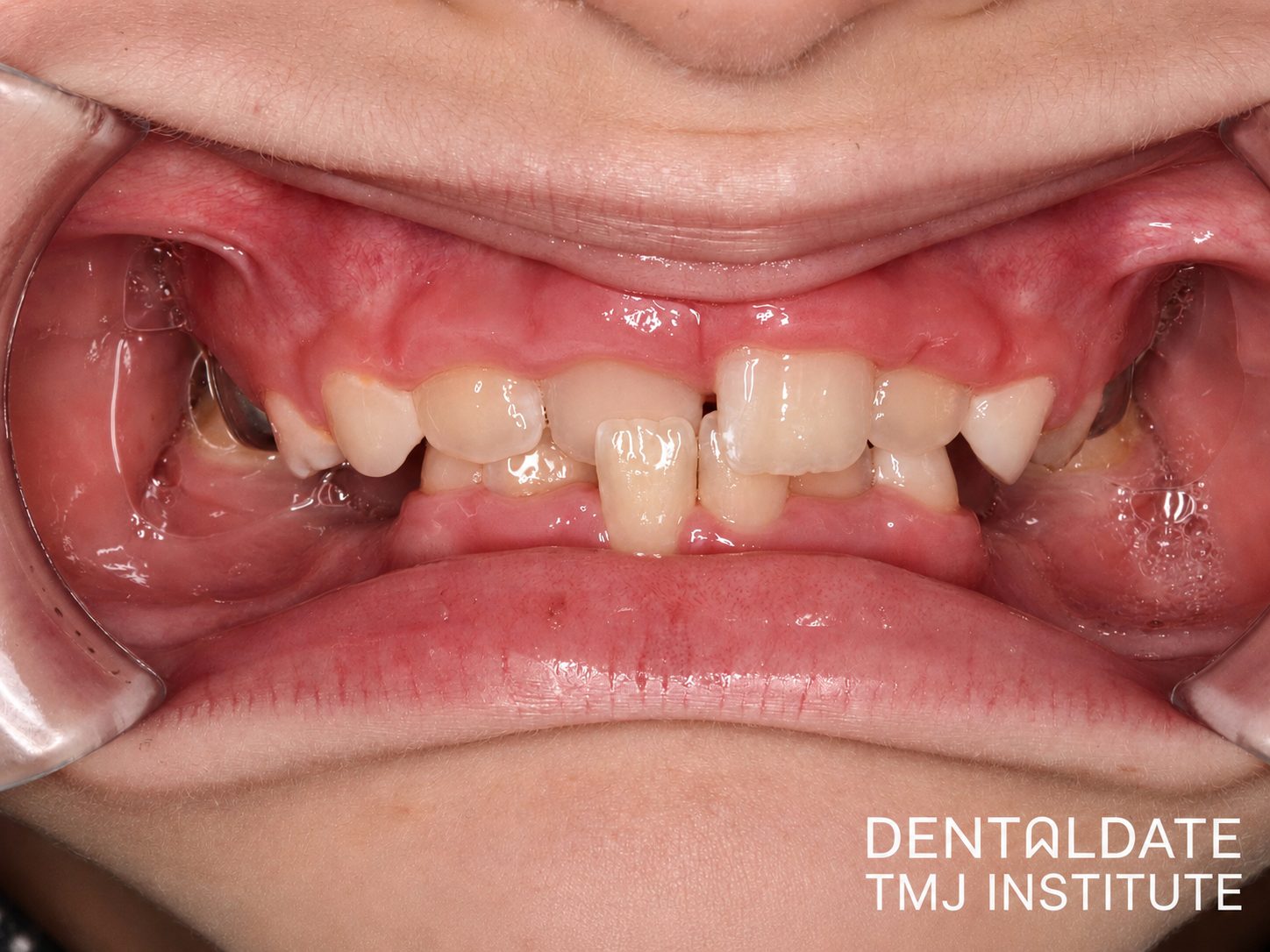
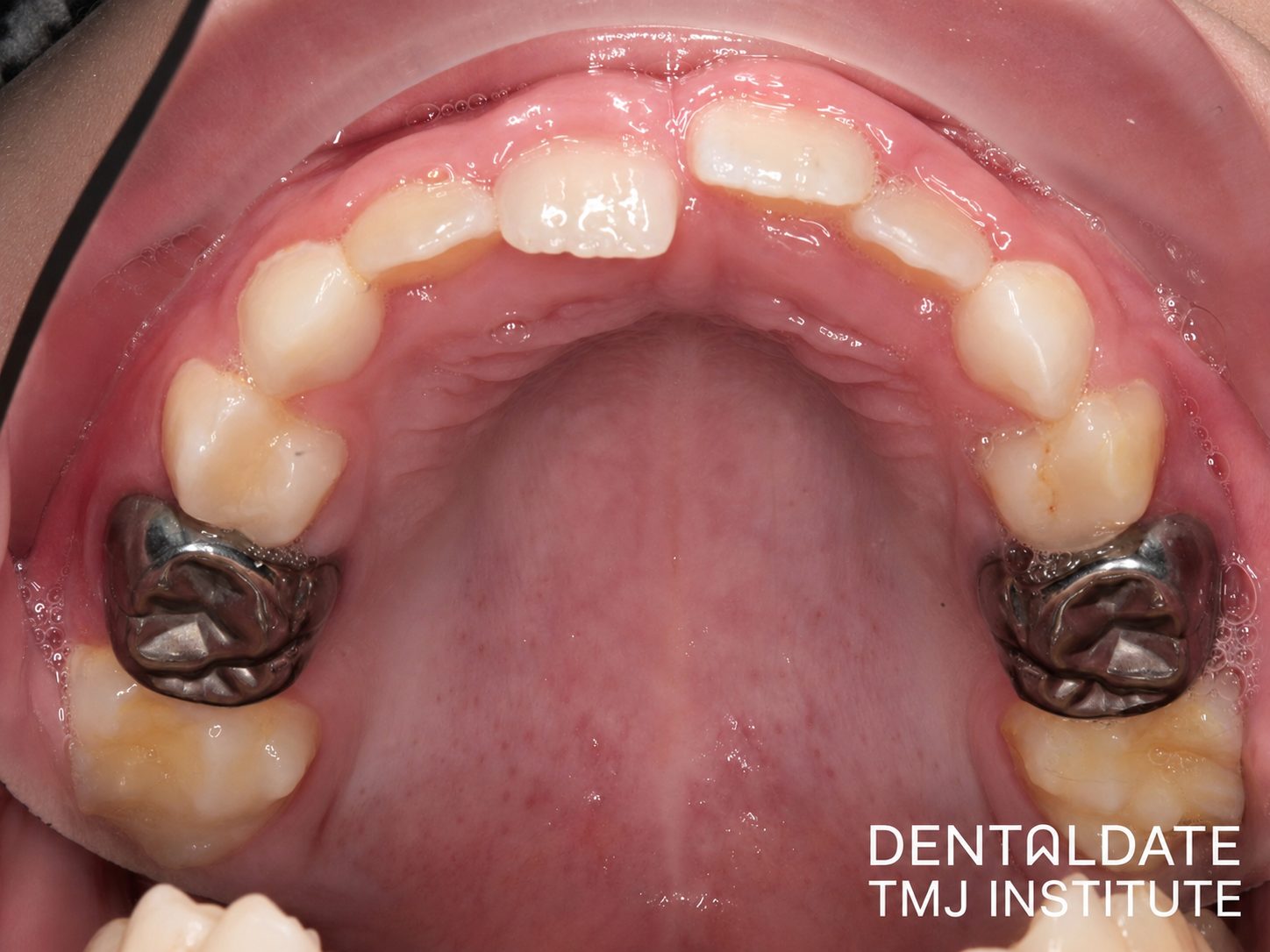
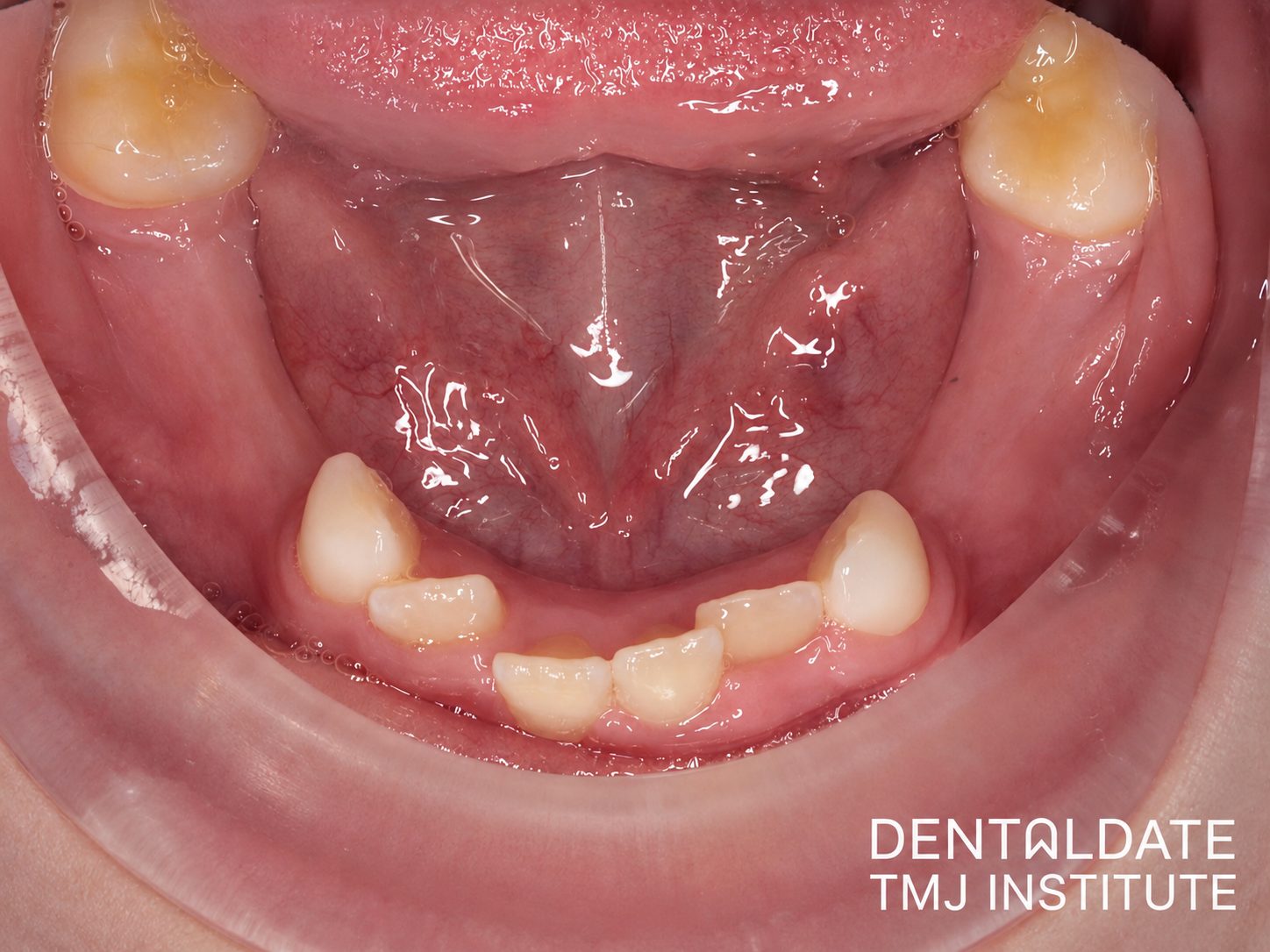
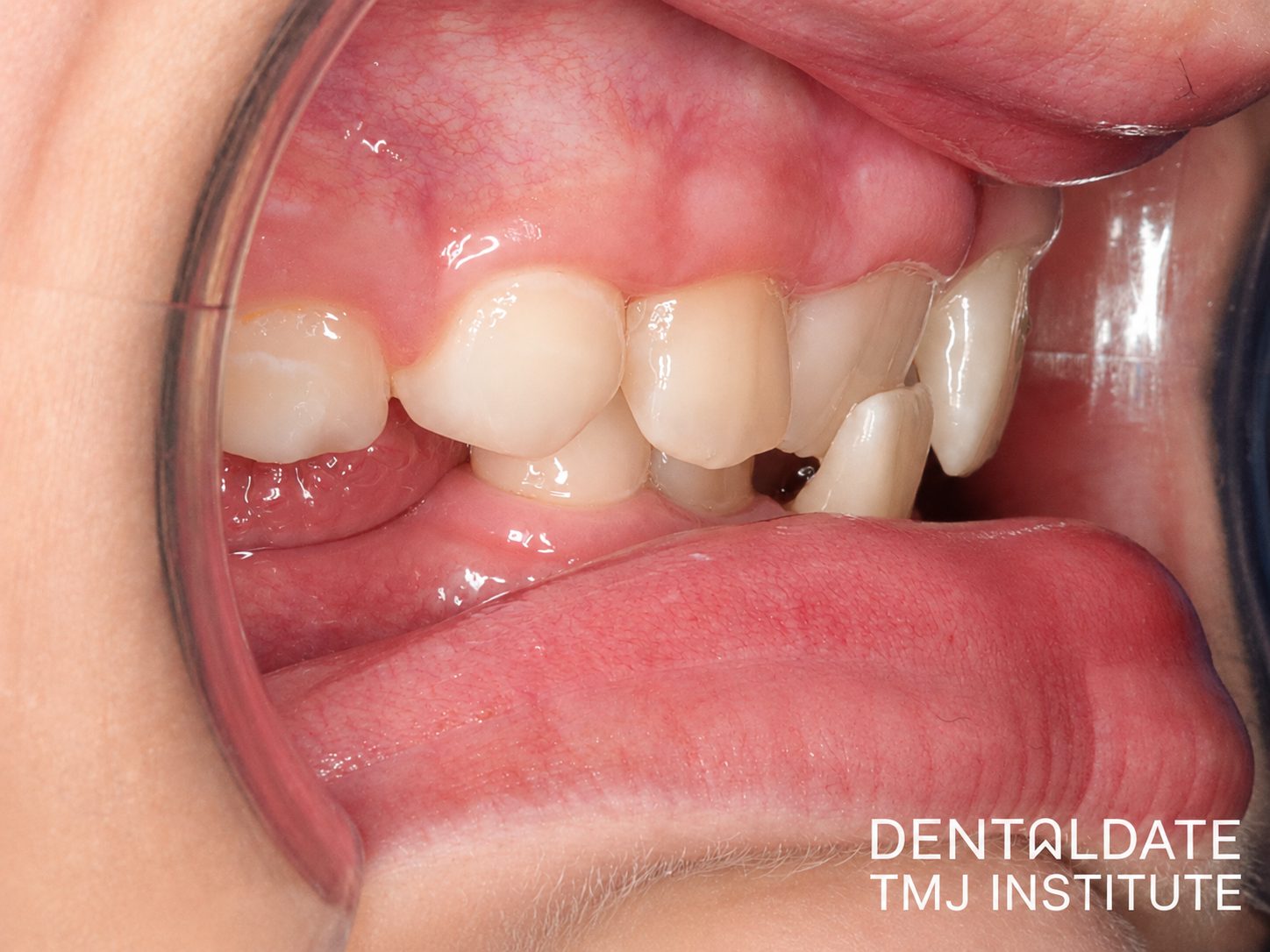
Clinical Findings Before Treatment
The examination revealed:
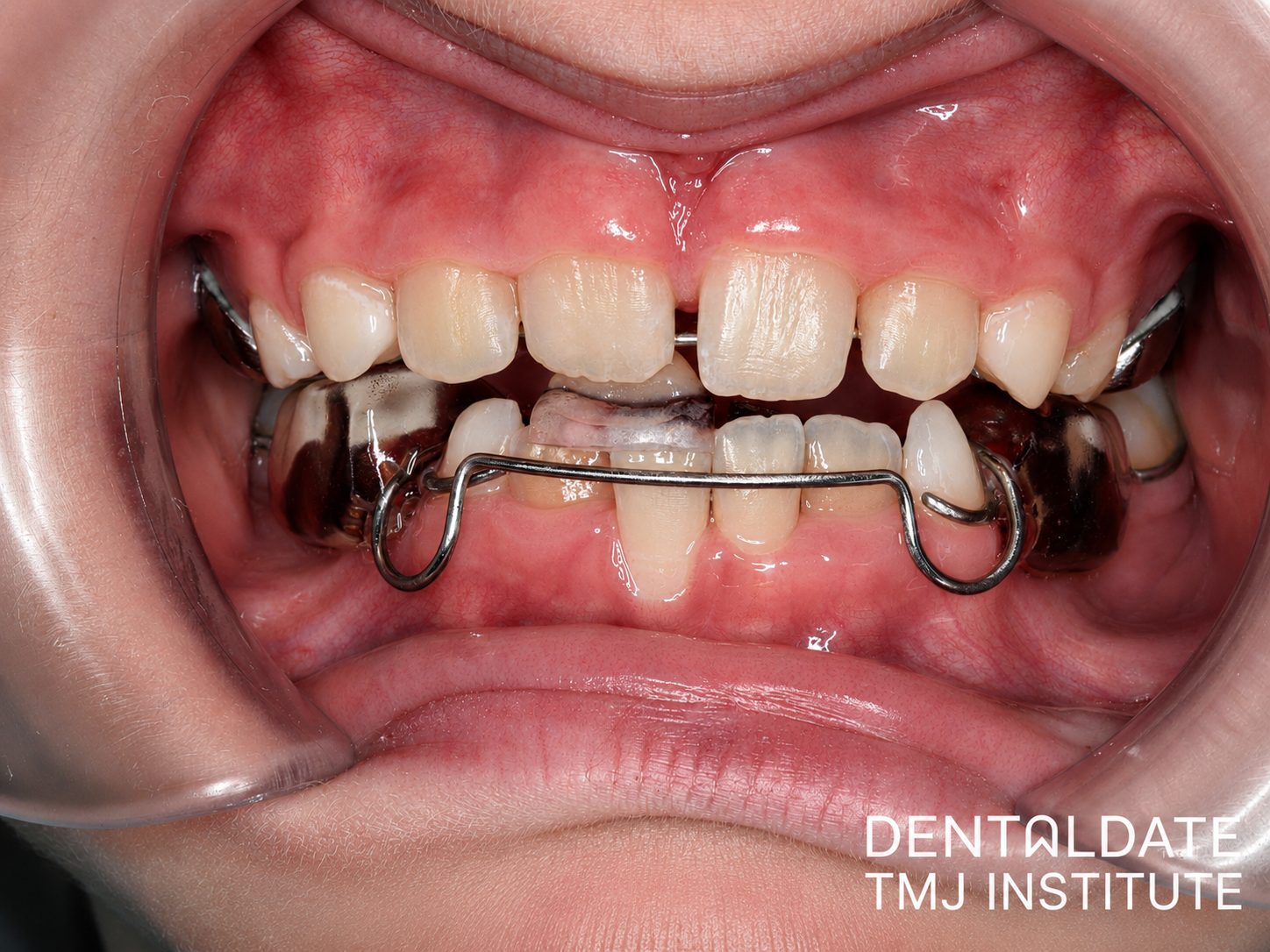
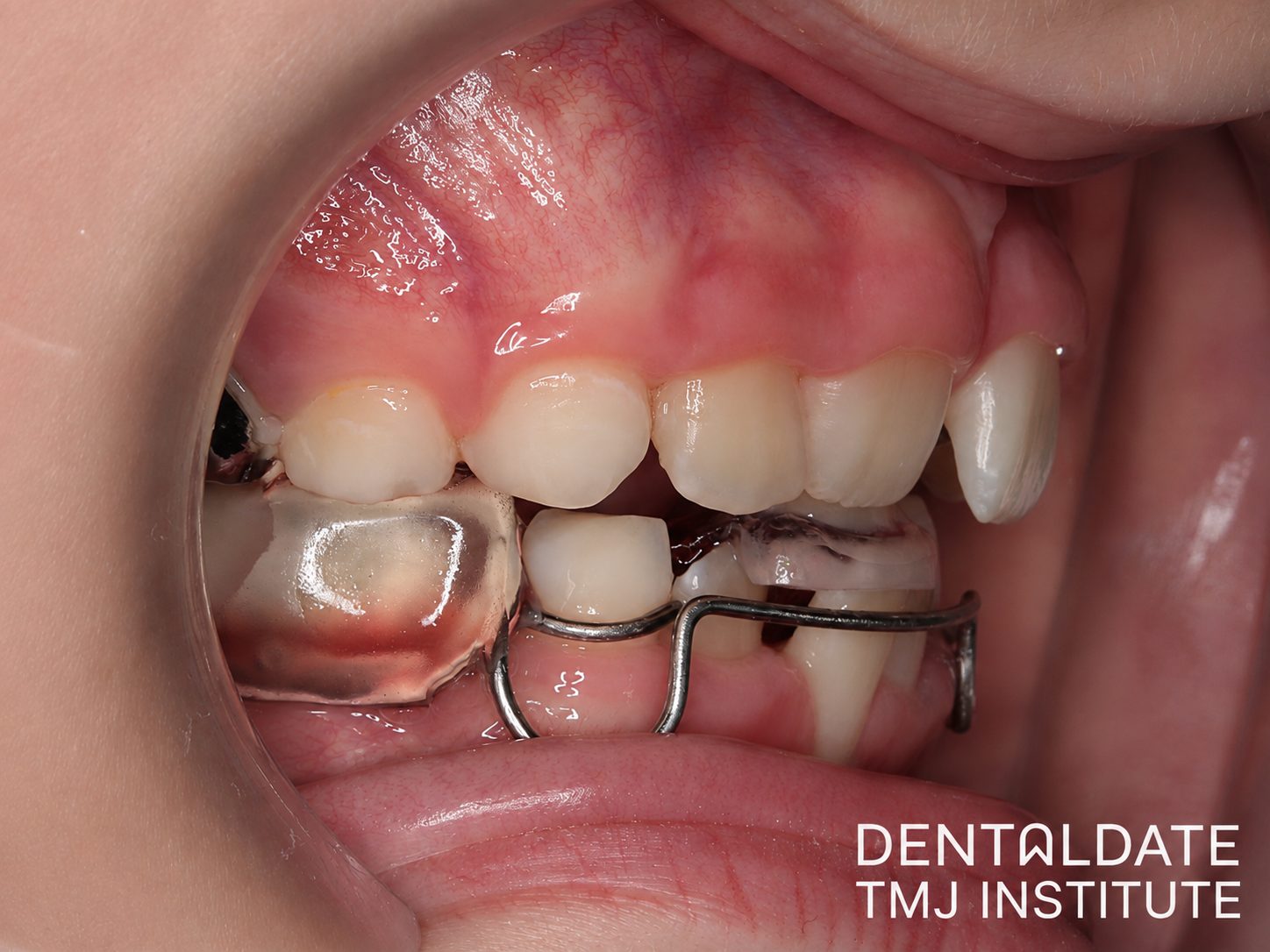
- a deep bite, with the upper anterior teeth almost completely overlapping the lower teeth;
- an anterior crossbite involving the upper and lower central incisors;
- abnormal positioning of individual anterior teeth;
- gingival recession with root exposure around a lower central tooth;
- reduced chewing efficiency associated with the missing lower teeth.
Treatment therefore needed to address tooth position and occlusion while maintaining an appropriate vertical dimension and supporting chewing function during the period before eruption of the permanent teeth.
Why Two Orthodontic Appliances Were Used
The upper and lower arches required different types of correction, so two orthodontic appliances were incorporated into the treatment plan.
In the upper arch, the objectives were to modify the arch form and correct the inclination of the central incisor.
In the lower arch, treatment needed to guide the anterior teeth, maintain vertical dimension and partially compensate for the missing teeth affecting mastication.
This approach made it possible to address both individual tooth positions and the relationship between the upper and lower dental arches.
Upper Arch: HAAS Appliance and Central Incisor Correction
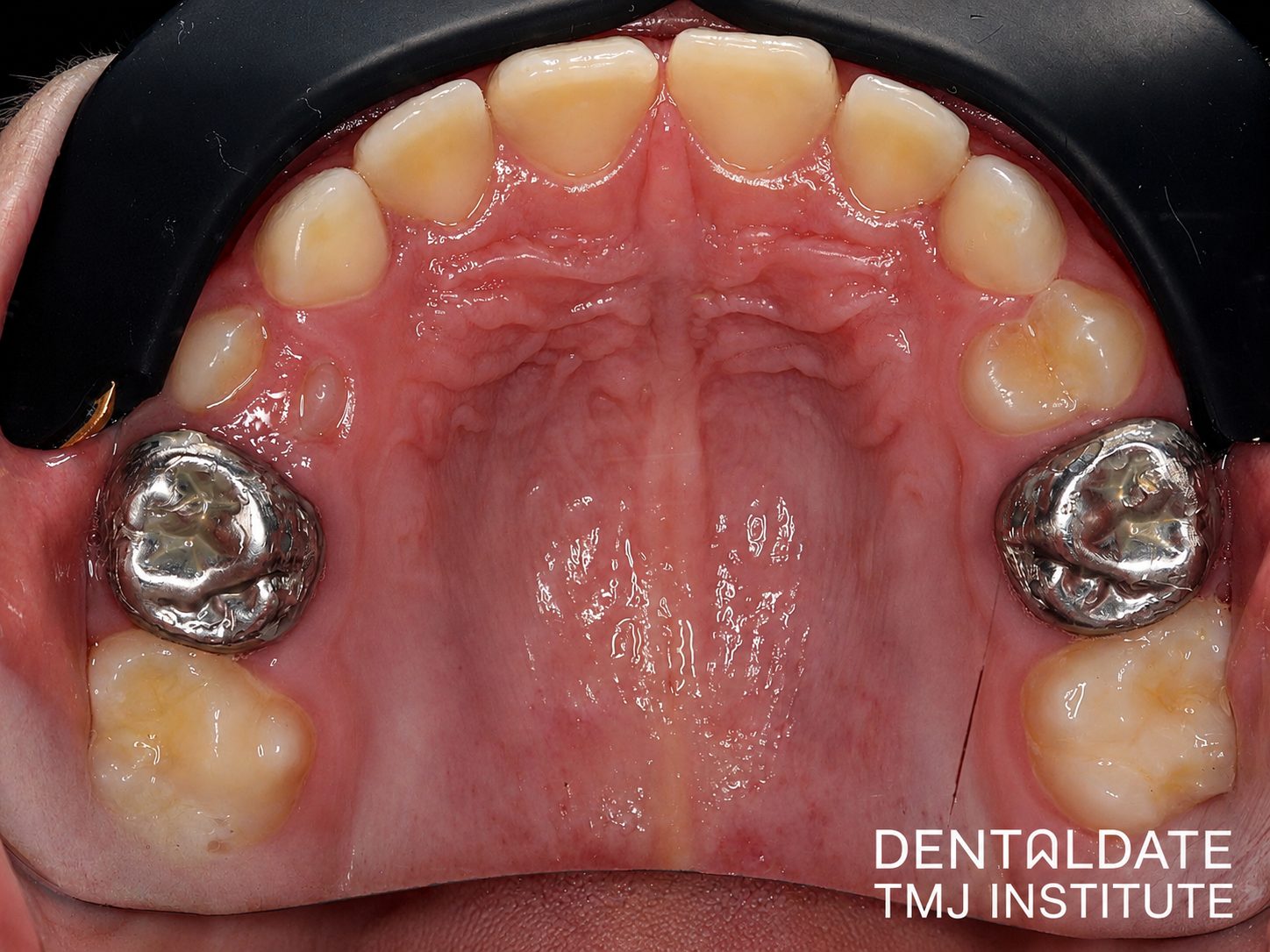
A fixed HAAS expansion appliance was placed in the upper arch.
Its purpose was to optimize the form of the upper dental arch. A spring element was additionally incorporated to correct the inclination of the upper central incisor.
This was required to improve the position of the tooth involved in the anterior crossbite.
Lower Arch: Removable Plate and Vertical Support
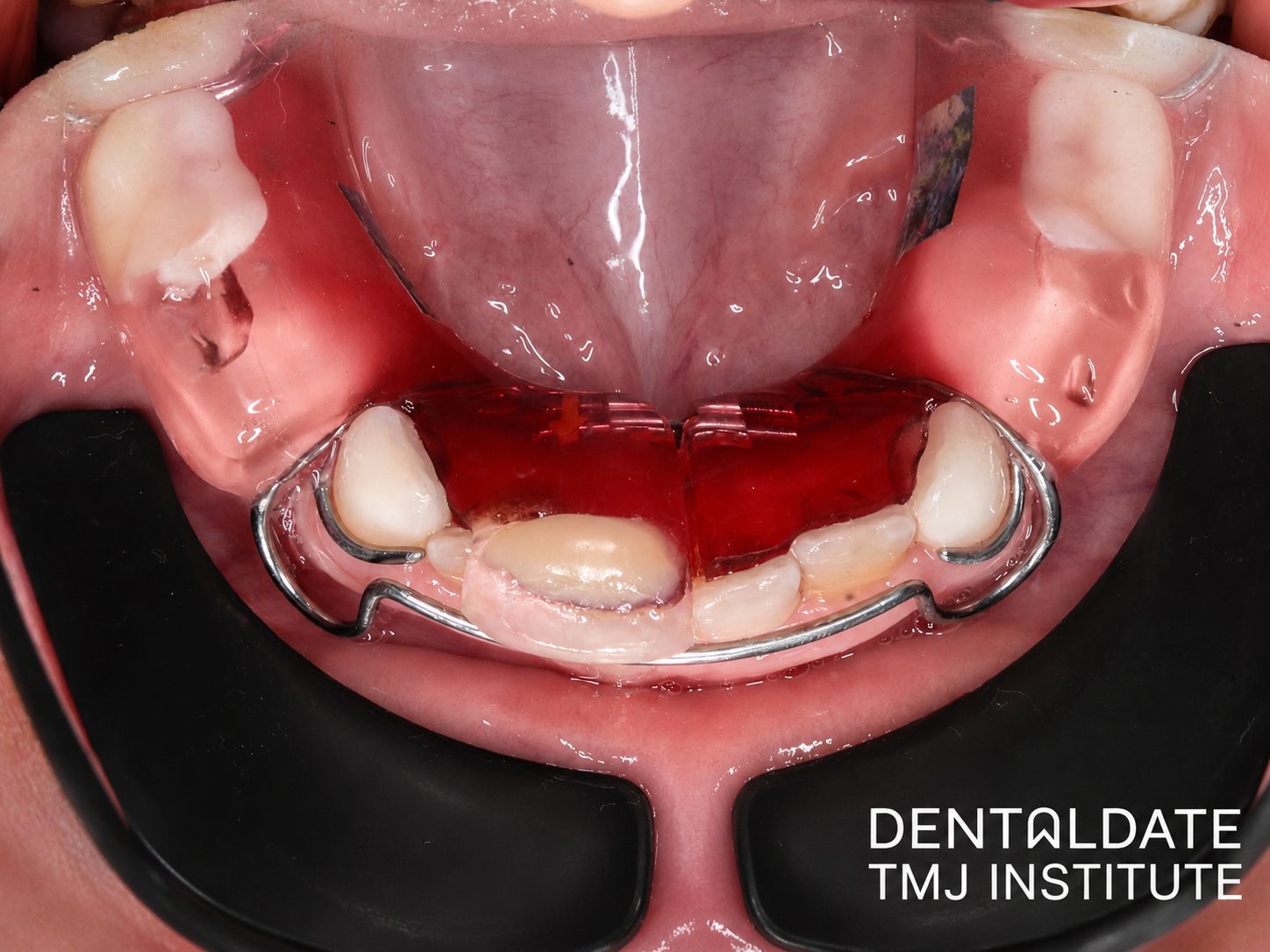
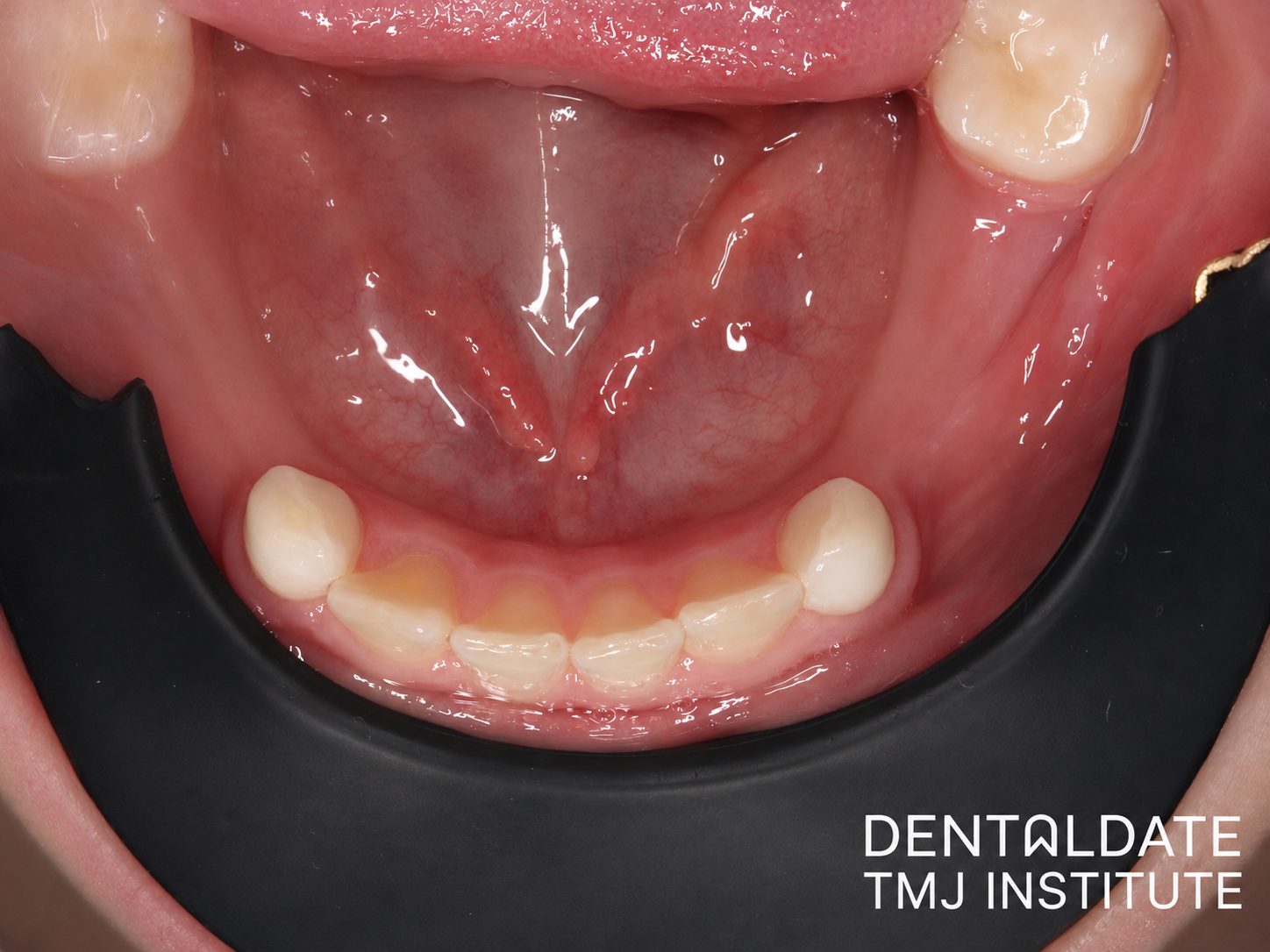
A removable expansion plate with a bite-raising component was fabricated for the lower arch.
The appliance served several purposes:
- correction of the lower anterior tooth positions;
- maintenance of an appropriate vertical dimension;
- creation of more favorable upper-to-lower tooth contacts;
- improvement of chewing efficiency.
Artificial teeth were also incorporated into the appliance to partially compensate for the missing lower teeth while the permanent successors had yet to erupt.
The acrylic component helped maintain the required vertical relationship and provided conditions for correction of the abnormal anterior contacts.
Orthodontic Treatment Outcome
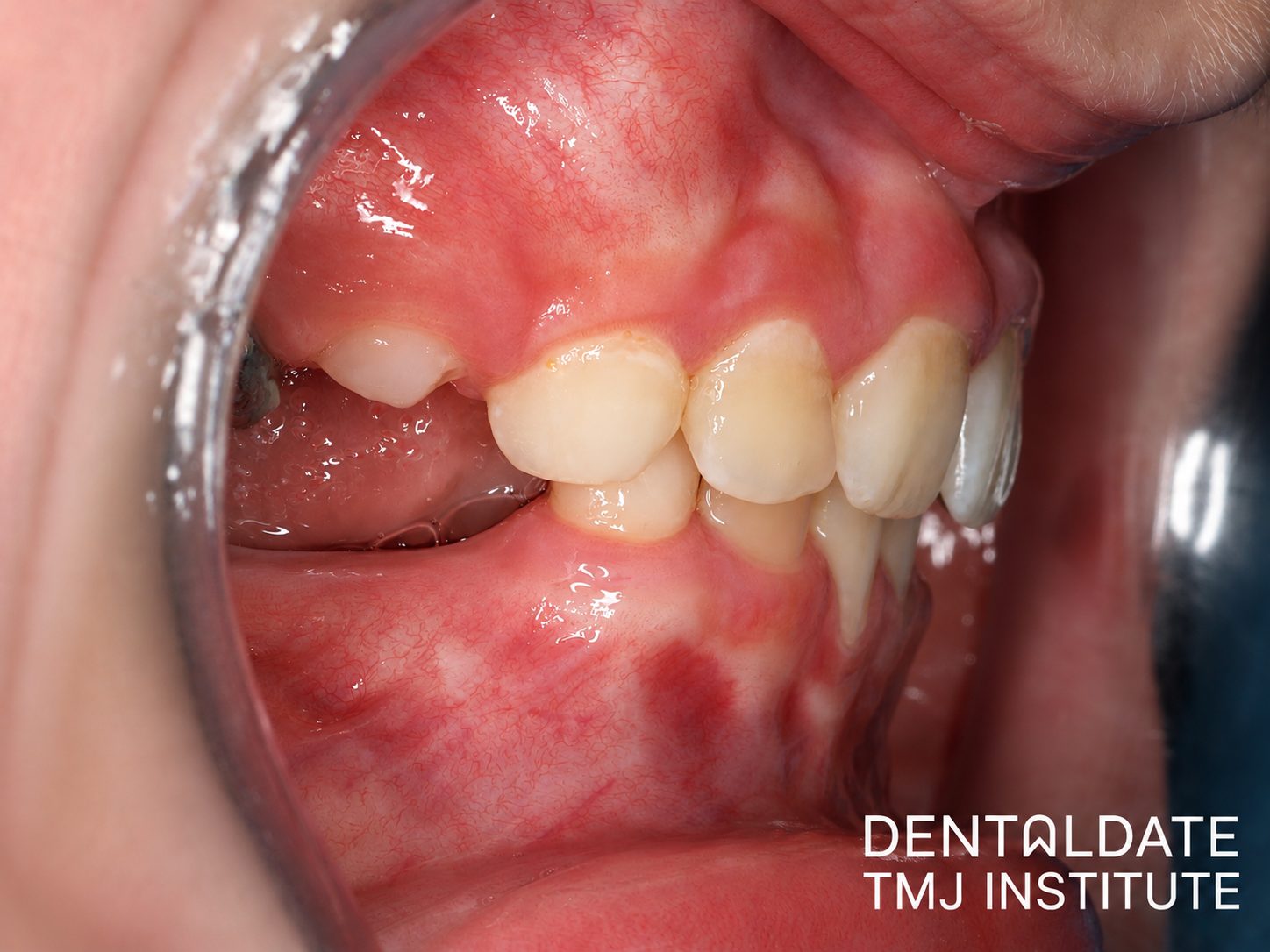
The treatment produced positive functional and clinical changes:
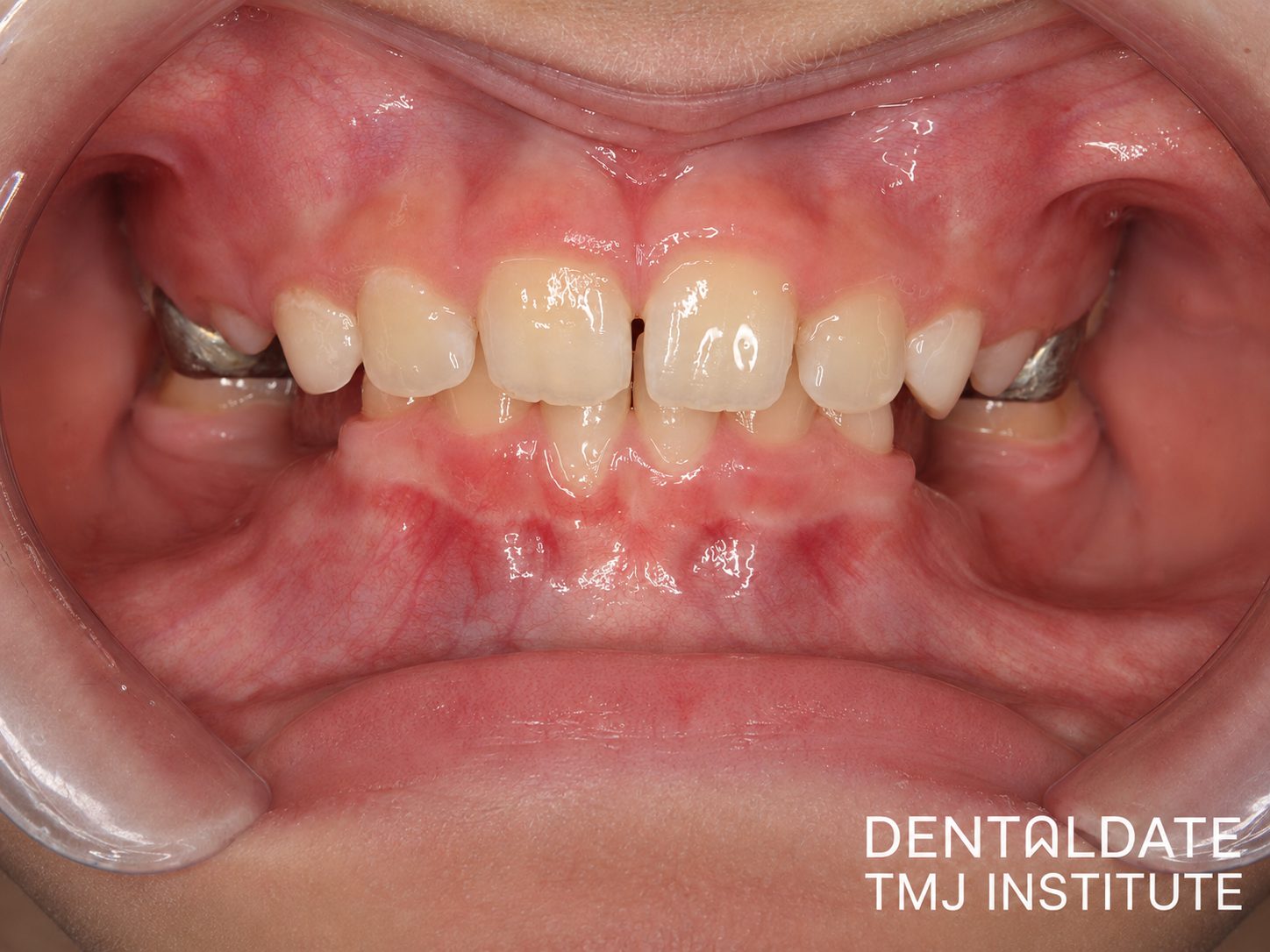
- vertical dimension was normalized;
- the anterior crossbite was corrected;
- the relationship between the upper and lower dental arches improved;
- more appropriate tooth contacts were established;
- functional conditions for chewing improved;
- the degree of gingival recession around the lower central tooth decreased.
The treatment therefore focused not only on individual tooth positions, but also on establishing a more appropriate and functional occlusal relationship.

Monitoring Growth and Permanent Tooth Eruption
Following the active orthodontic phase, the patient remains under regular observation.
Follow-up appointments are scheduled every three months and include:
- assessment of tooth position and occlusion;
- professional oral hygiene;
- photographic documentation;
- radiographic monitoring;
- observation of dentofacial growth;
- monitoring of permanent tooth eruption;
- assessment of the gingival tissues in the area of the previous recession.
Regular follow-up is particularly important while growth and dental eruption are still progressing, as the clinical situation continues to change with the emergence of the permanent teeth.
Orthodontic Bite Correction at DentalDate Dubai
Deep bite and anterior crossbite can affect not only tooth position but also occlusal relationships and chewing function. Treatment planning should therefore consider both dental arches, the stage of permanent tooth eruption and the individual clinical situation.
At DentalDate Dubai, orthodontic treatment is planned individually following diagnostic assessment. Depending on the treatment objectives, fixed and removable orthodontic appliances may be used separately or combined within the same treatment plan.
Book an orthodontic consultation to assess tooth position, bite relationships and the most appropriate treatment strategy.