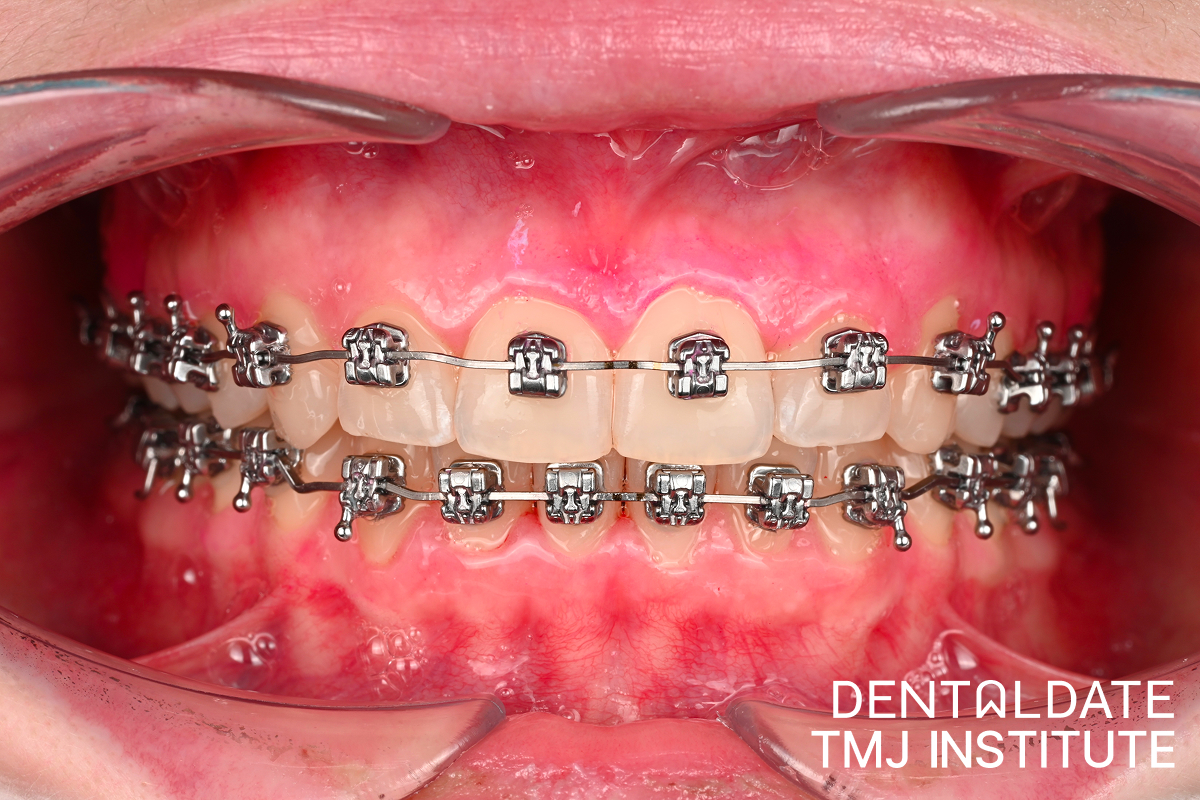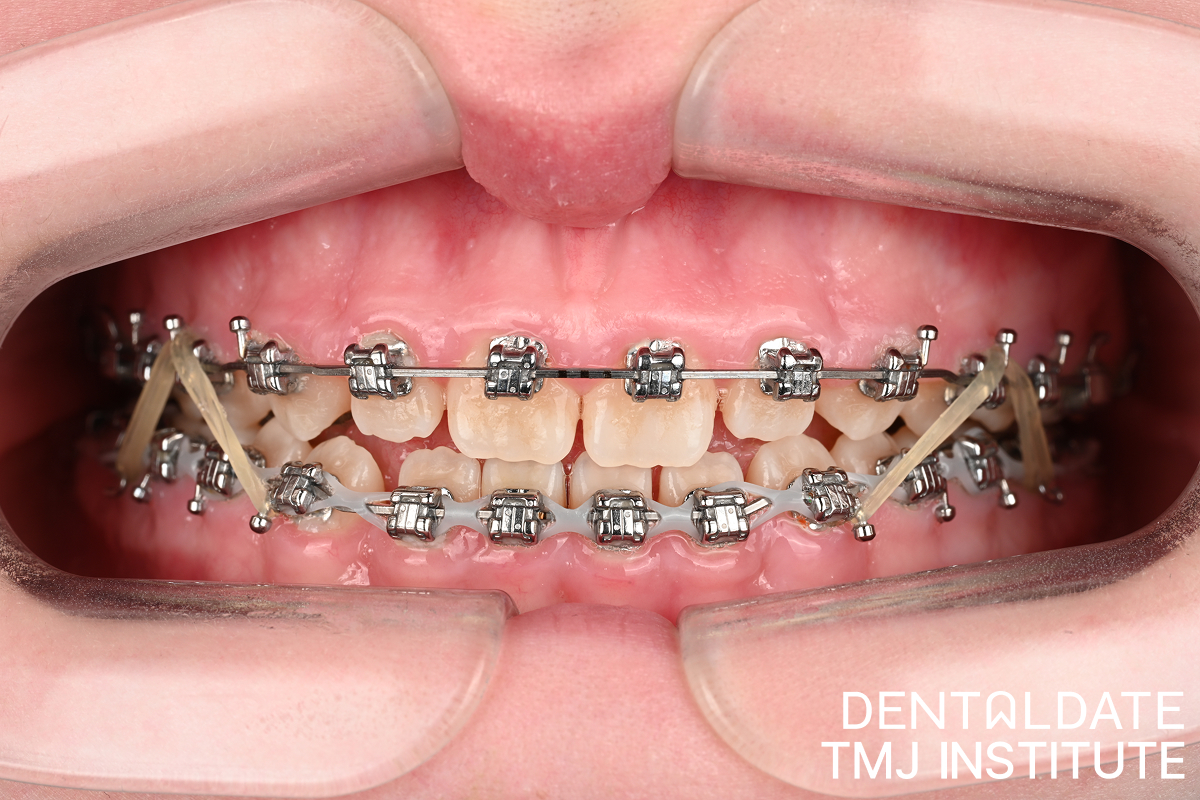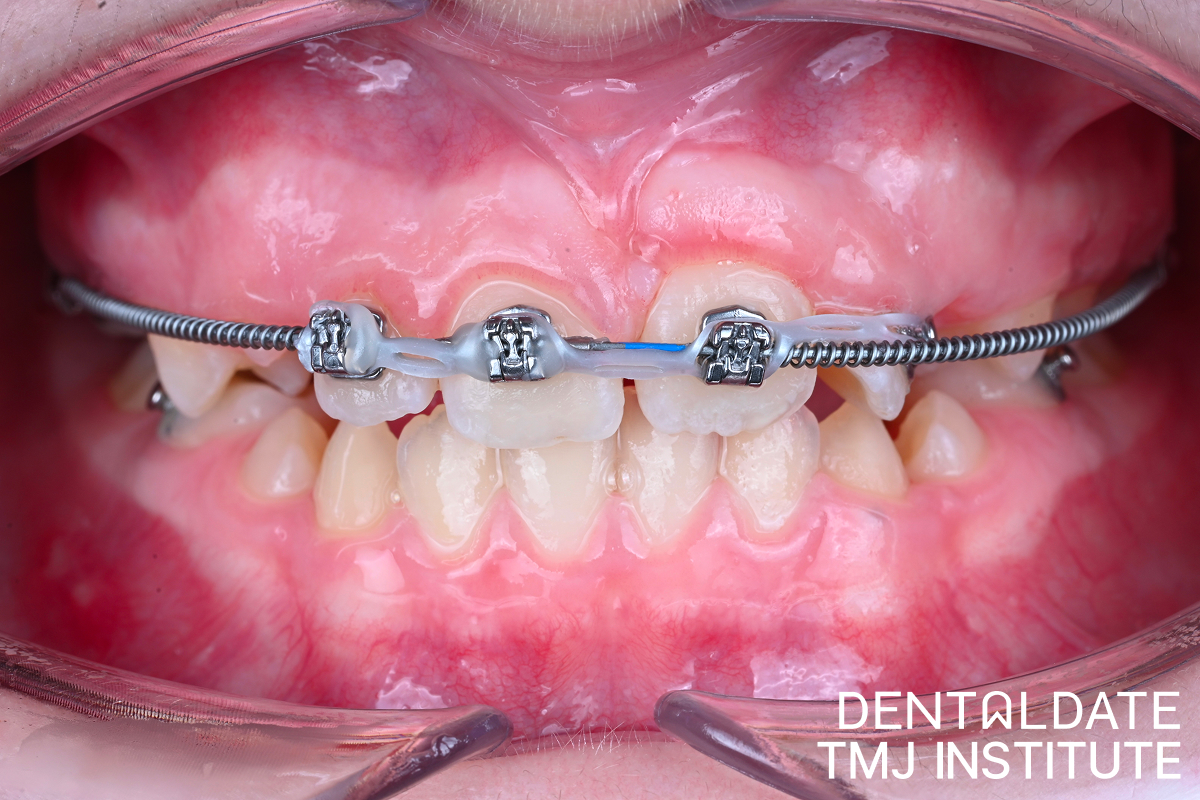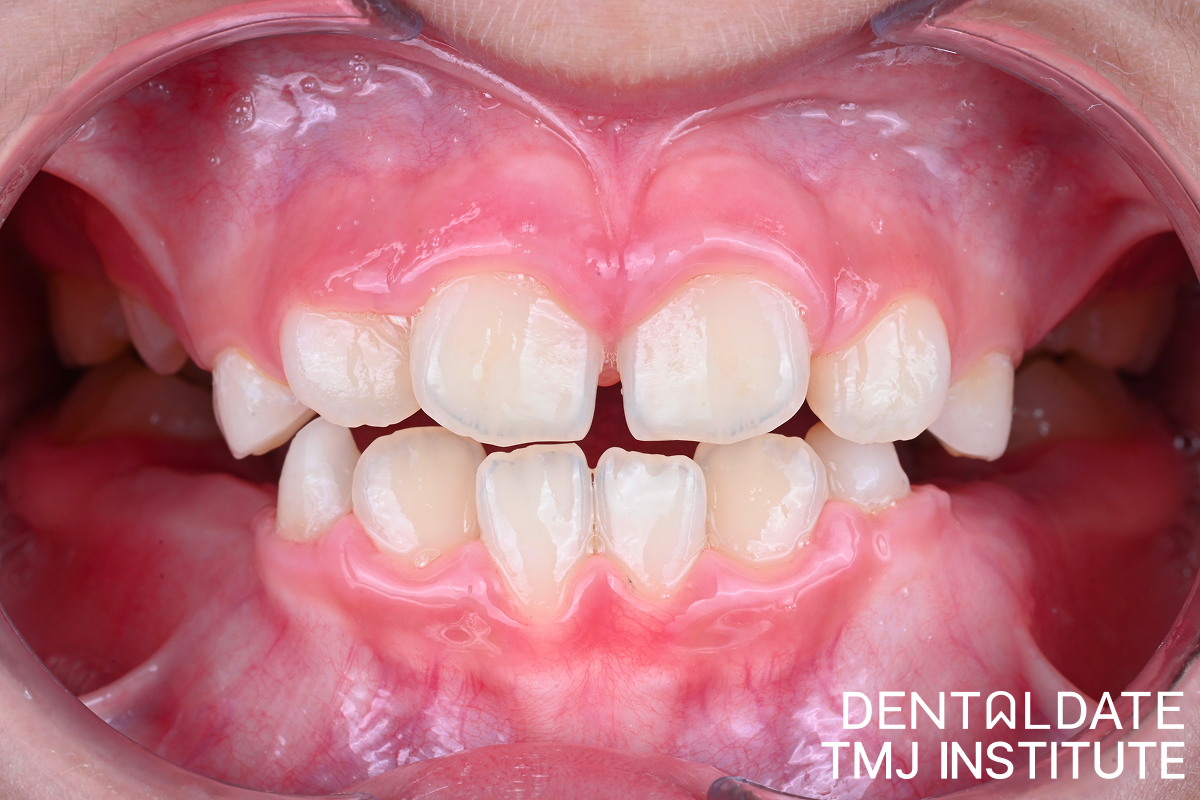
For approximately two years, attempts had been made at another clinic to reposition the tooth, but no significant clinical progress had been achieved.
After reassessment of the orthodontic mechanics, a miniscrew was placed in the mandible and elastic traction was applied. Visible movement was recorded within the first month, and after three months the tooth was fully visible in the oral cavity.
Two Years Without Sufficient Tooth Movement
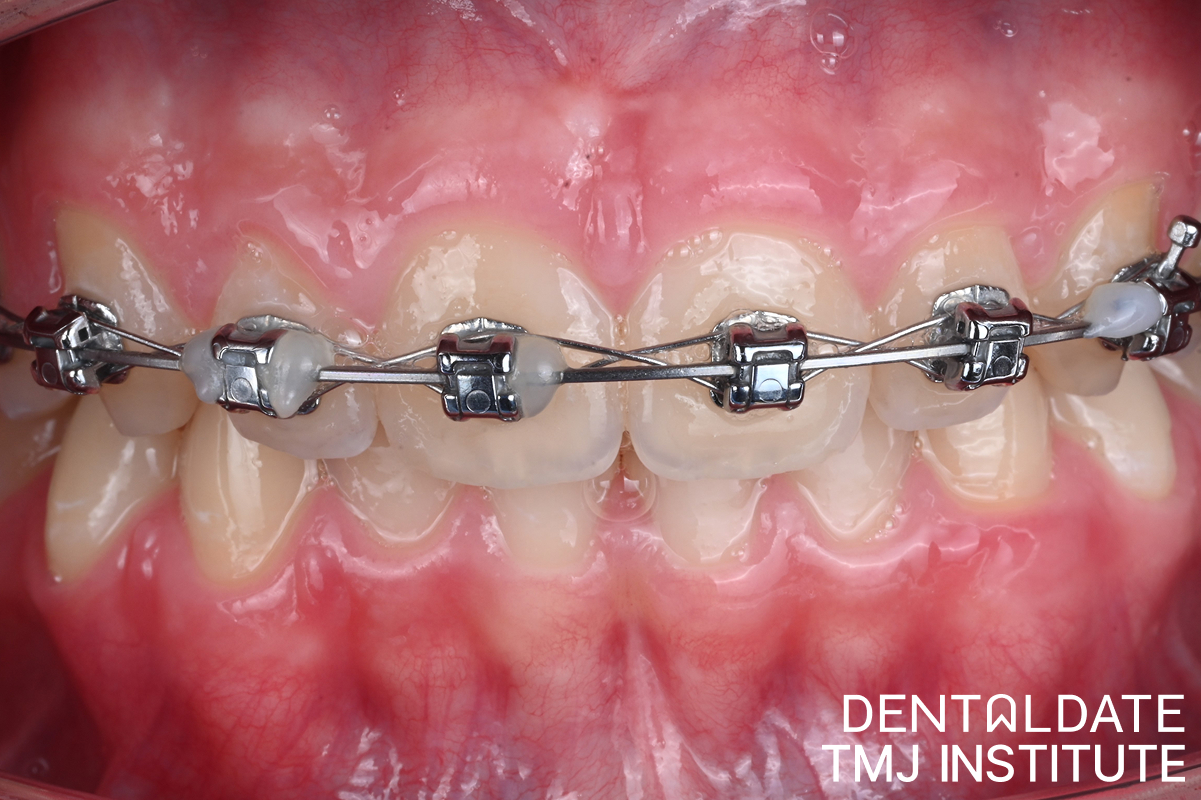
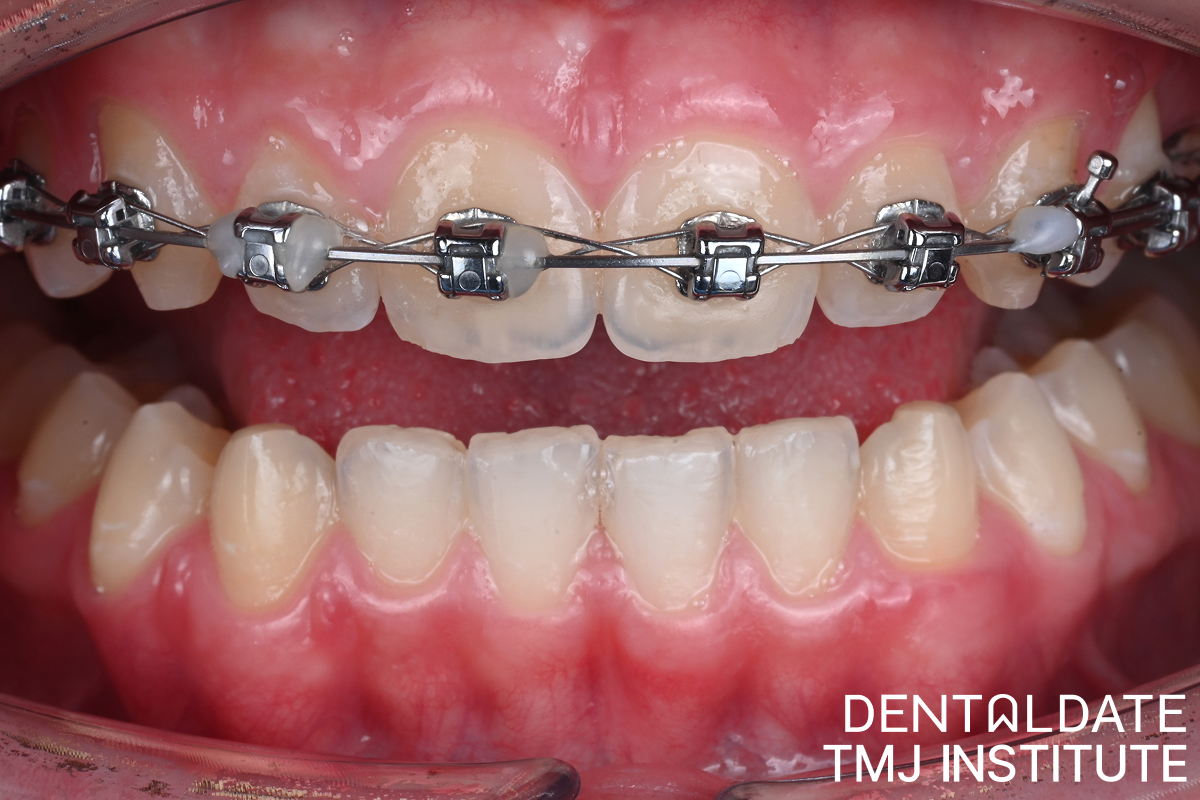
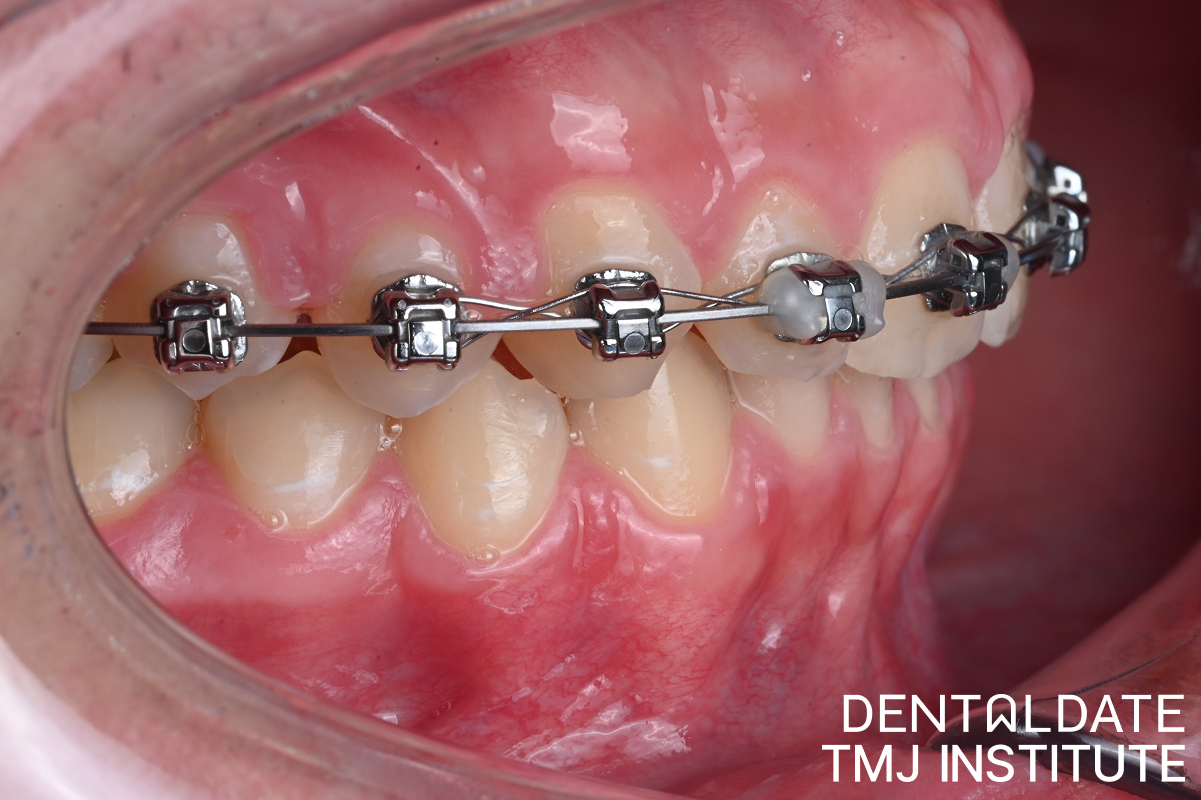
At presentation, the patient was already receiving fixed orthodontic treatment.
Despite approximately two years of previous attempts at another clinic, the impacted maxillary tooth remained outside the dental arch without sufficient movement.
The lack of progress indicated that the orthodontic mechanics and anchorage strategy needed to be reconsidered.
Why the Orthodontic Mechanics Were Changed
Following clinical reassessment, an additional anchorage point was introduced.
An orthodontic miniscrew was placed in the mandible, and elastic traction was connected to provide controlled movement of the impacted maxillary tooth.
The miniscrew provided an independent source of anchorage and allowed the direction of orthodontic force to be controlled more precisely.
The objective was to progressively move the tooth from its impacted position and create conditions for its subsequent alignment within the dental arch.
Visible Change Within the First Month
Positive movement was already evident after one month of the revised treatment approach.
The tooth began moving in the intended direction, allowing the selected mechanics to be continued.
Considering the limited progress during the previous treatment period, this represented an important early milestone.
Three-Month Progress
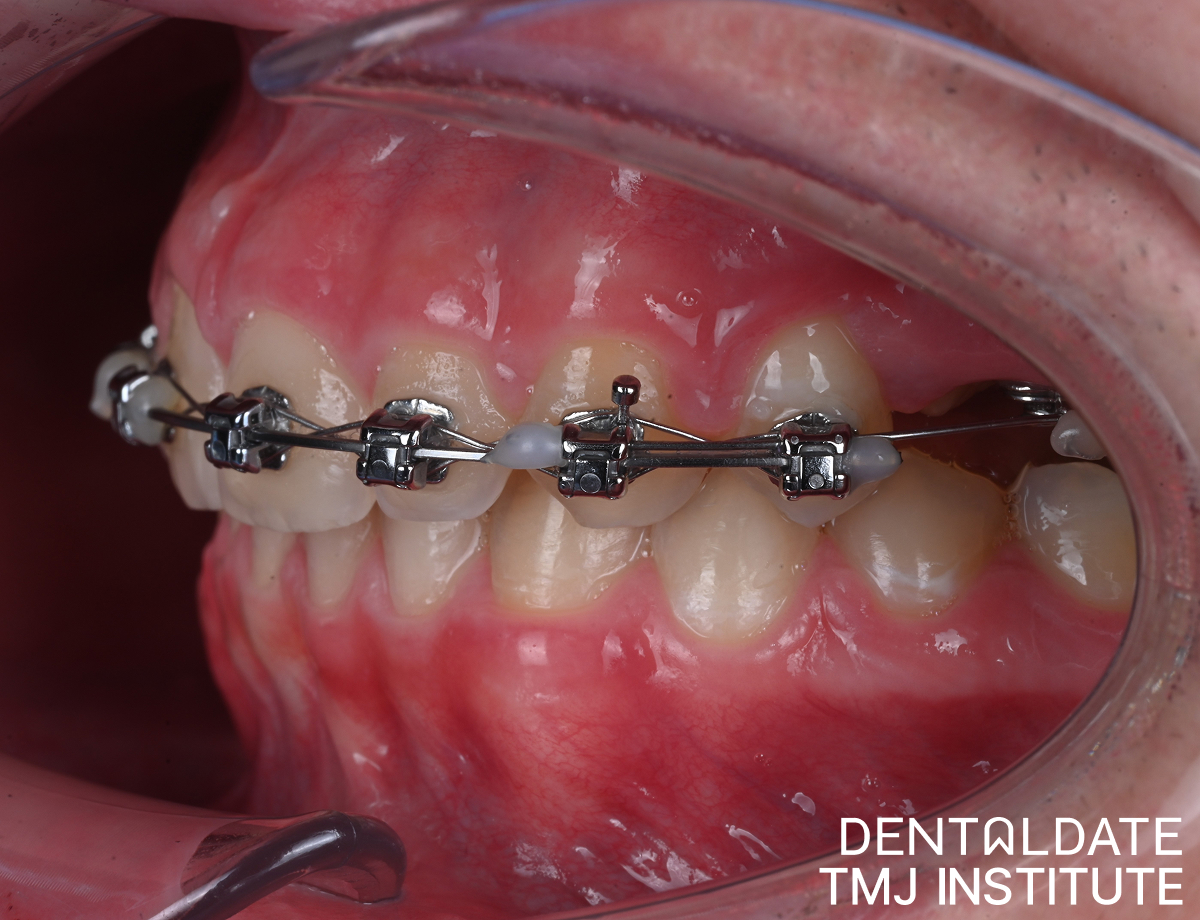
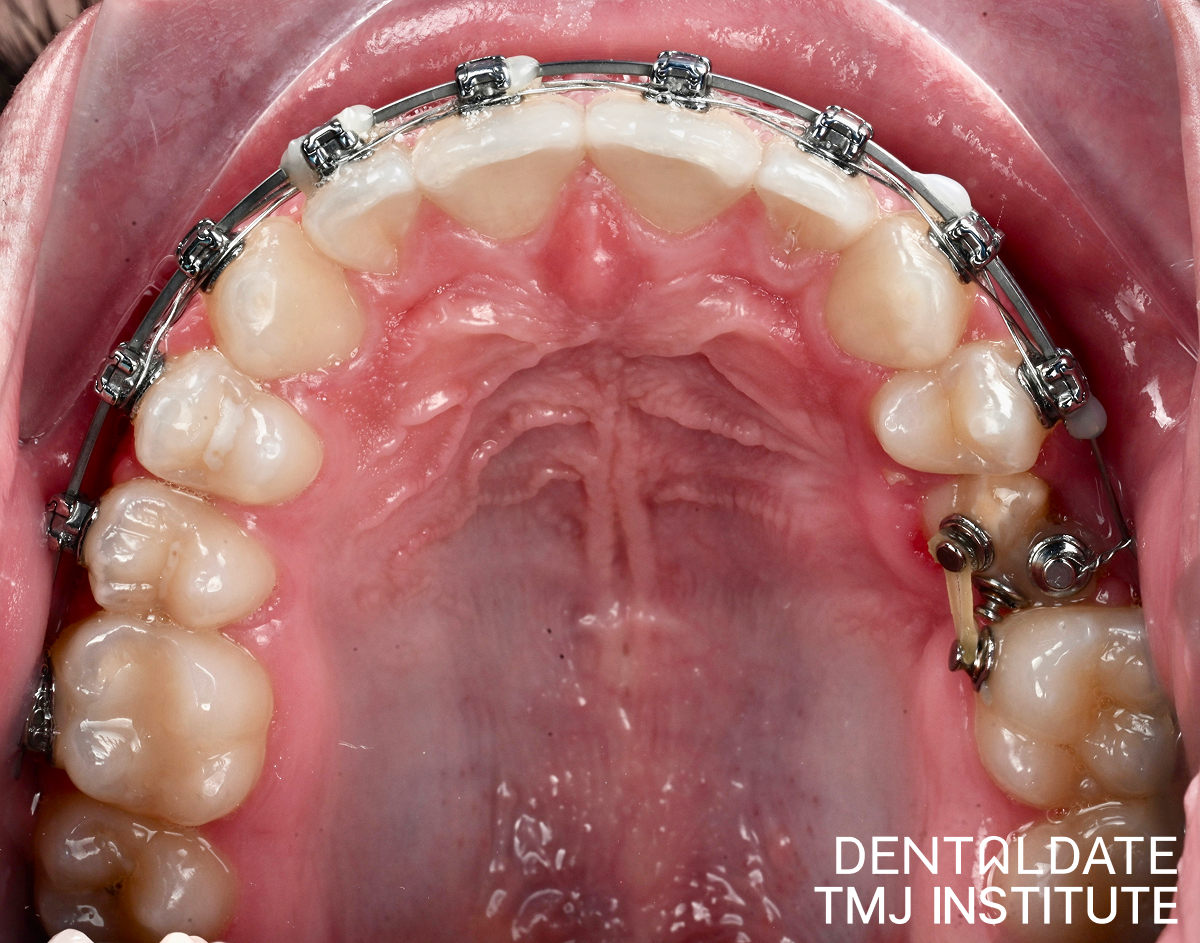
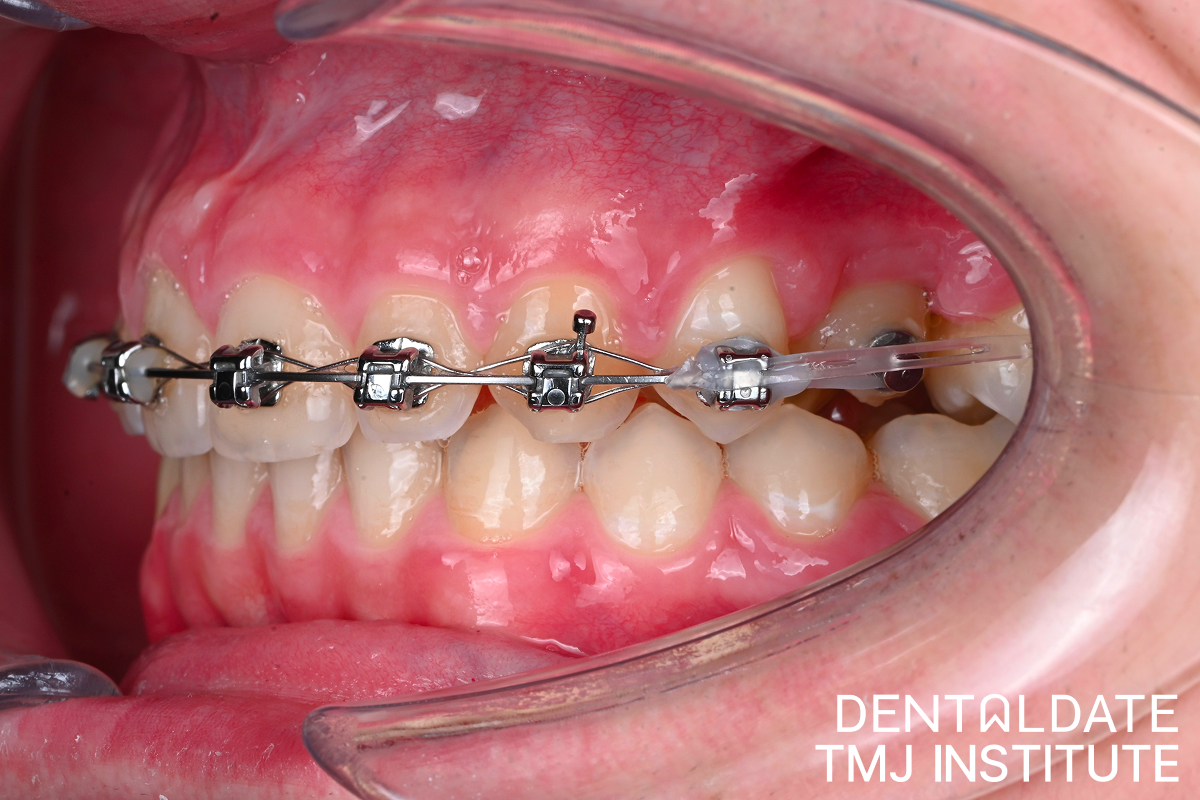
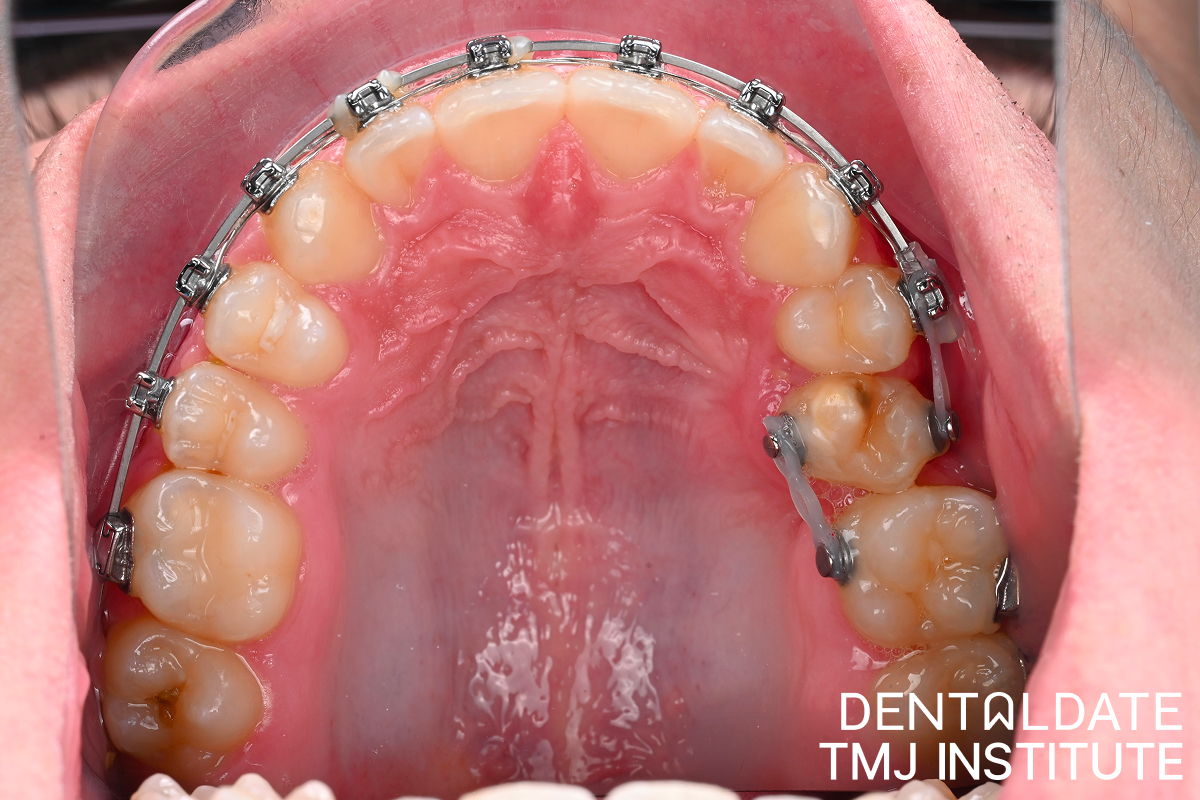
After three months, the tooth was fully visible in the oral cavity.
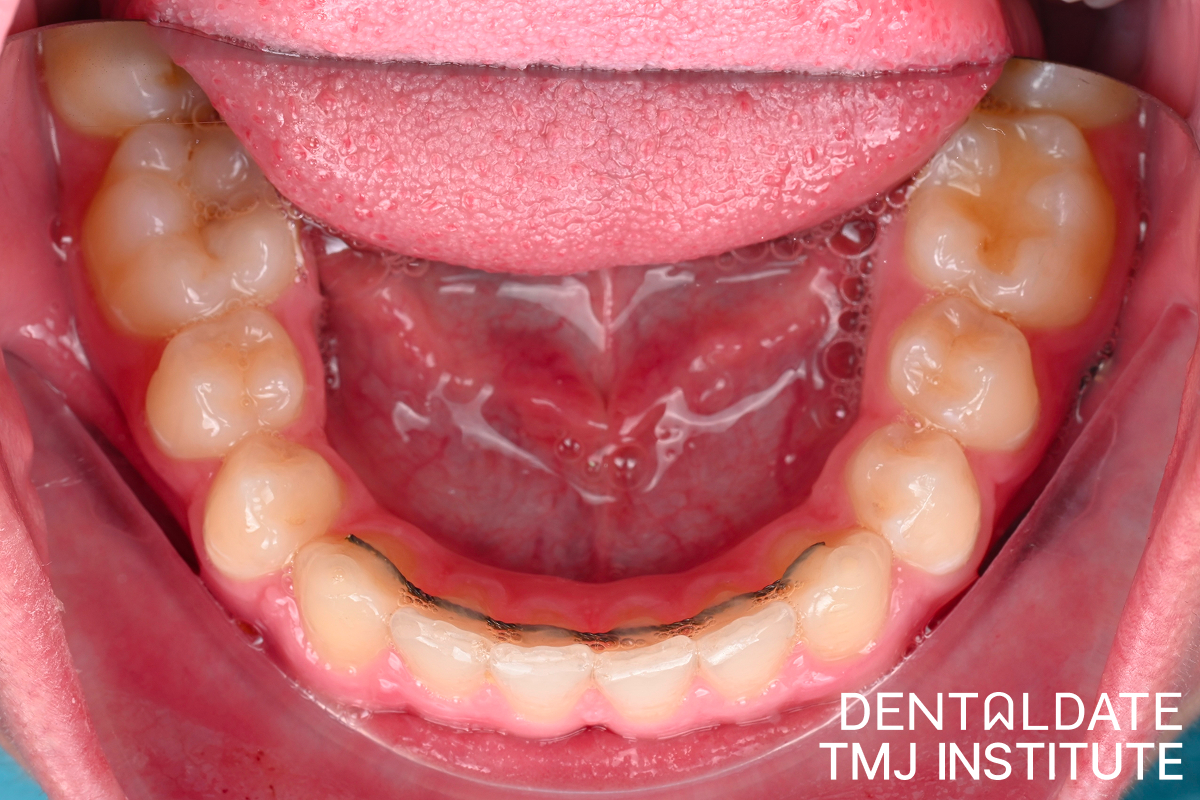
The follow-up photographs show that:
- the tooth had moved out of its original impacted position;
- the entire occlusal surface was visible;
- substantial movement had been achieved compared with the initial situation;
- the tooth could now proceed to more precise orthodontic positioning within the dental arch.
This is not the final orthodontic result. Once the tooth has emerged, its position still needs to be coordinated with the adjacent teeth and the opposing dentition.

The Next Stage: Precise Tooth Positioning
Orthodontic treatment is currently continuing.
The present objective is to position the tooth accurately within the dental arch.
Further correction is being performed to:
- guide the tooth into the appropriate position;
- coordinate it with the adjacent teeth;
- establish appropriate interproximal contacts;
- develop proper contact with the opposing dentition;
- complete its integration into the dental arch.
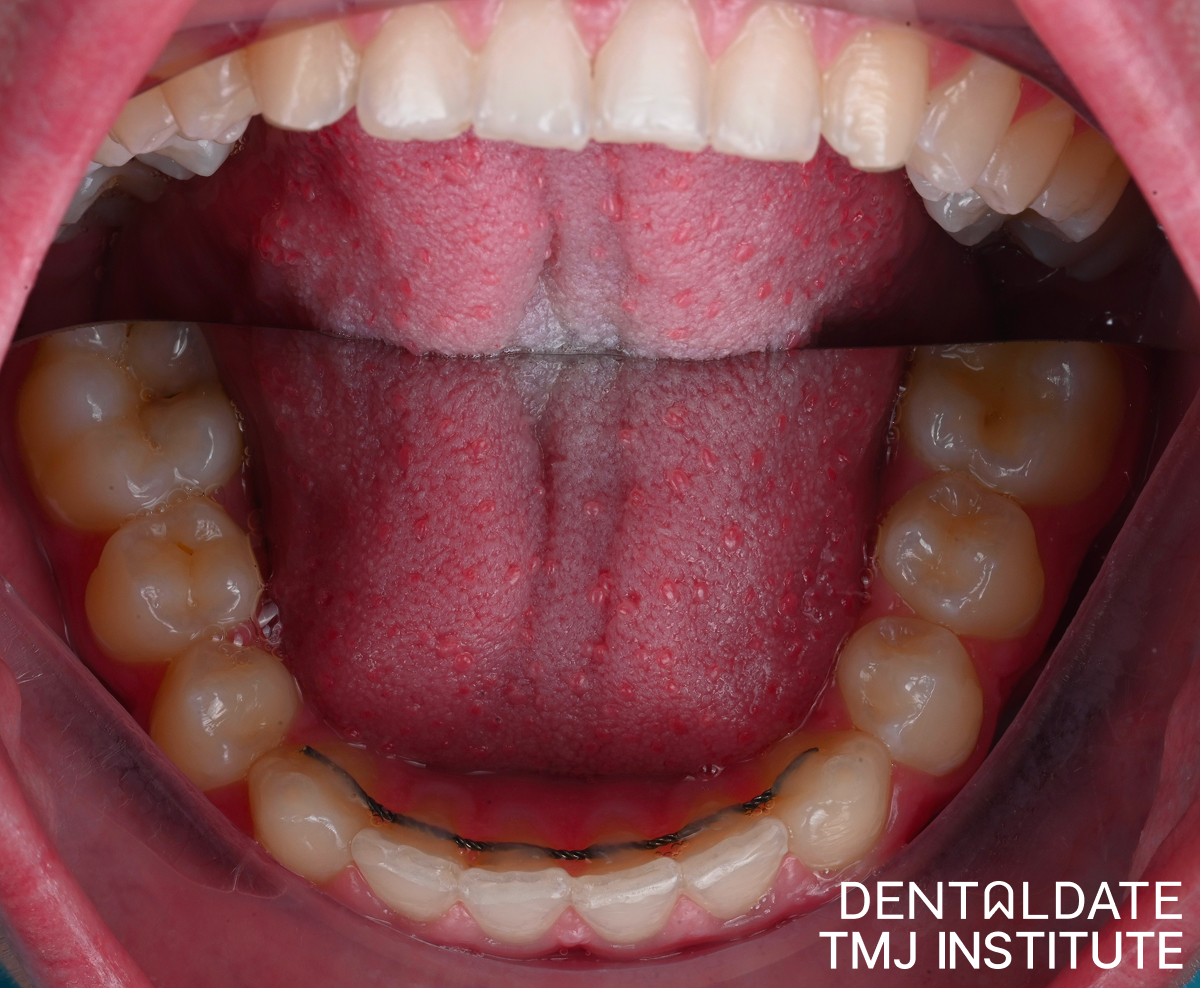
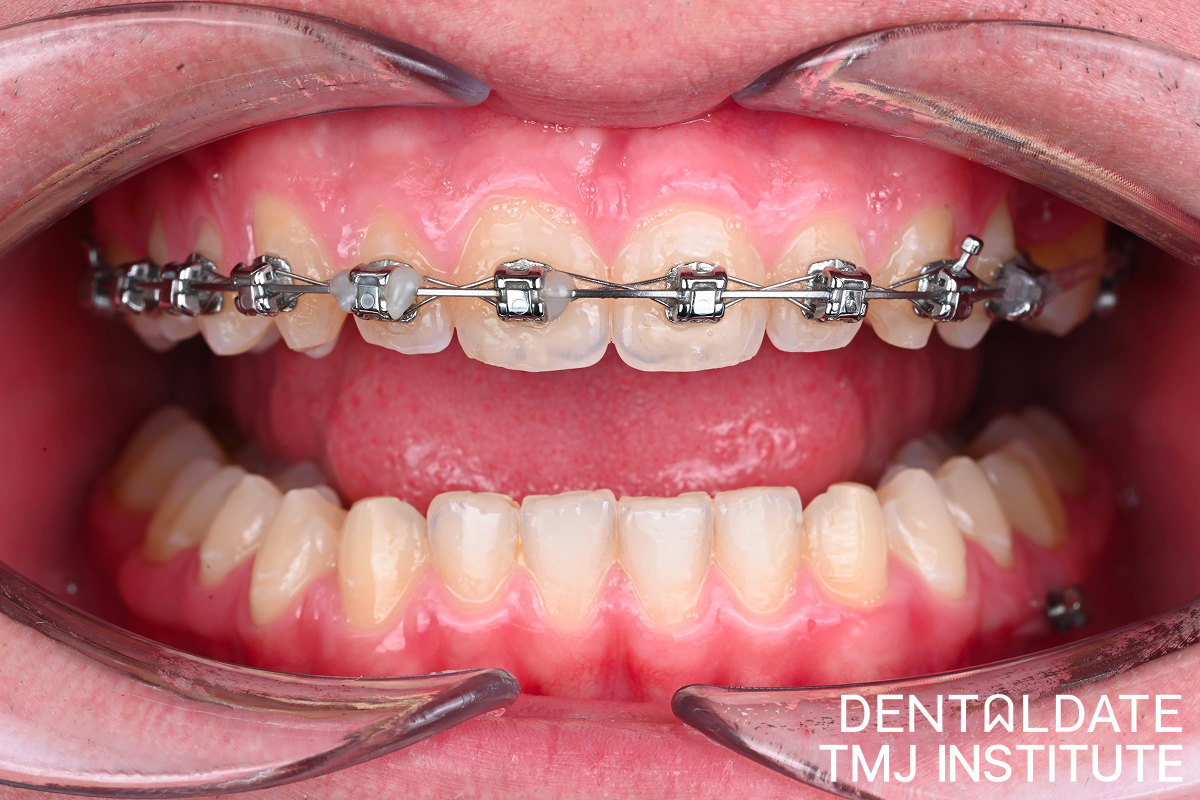
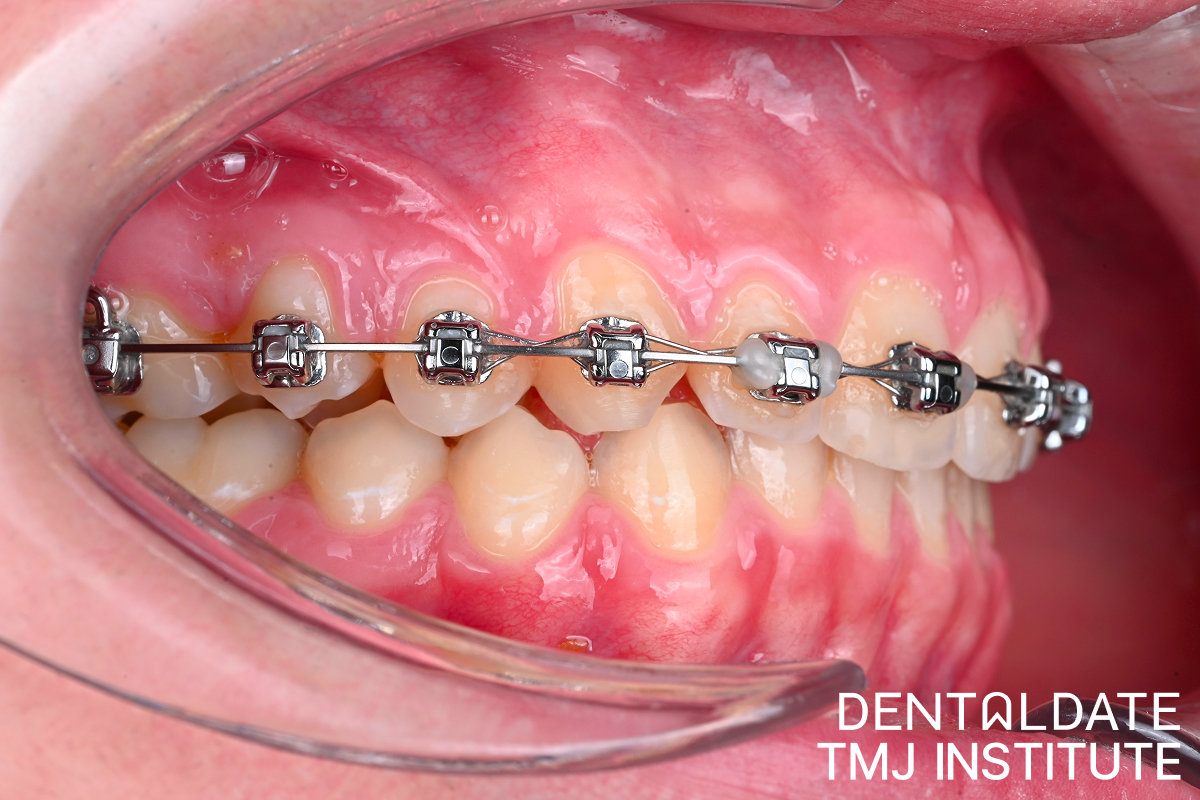
Fixed braces remain part of the treatment to provide controlled tooth movement and continue correction of the overall occlusion.
When an Impacted Tooth Does Not Respond to Treatment
If an impacted tooth shows insufficient movement during orthodontic treatment, both its position and the biomechanics used to move it should be reassessed.
In selected clinical situations, an orthodontic miniscrew can provide additional anchorage and allow more precise control of tooth movement.
At DentalDate Dubai, the treatment strategy for impacted teeth is selected individually according to tooth position, dental arch conditions and previous orthodontic treatment.