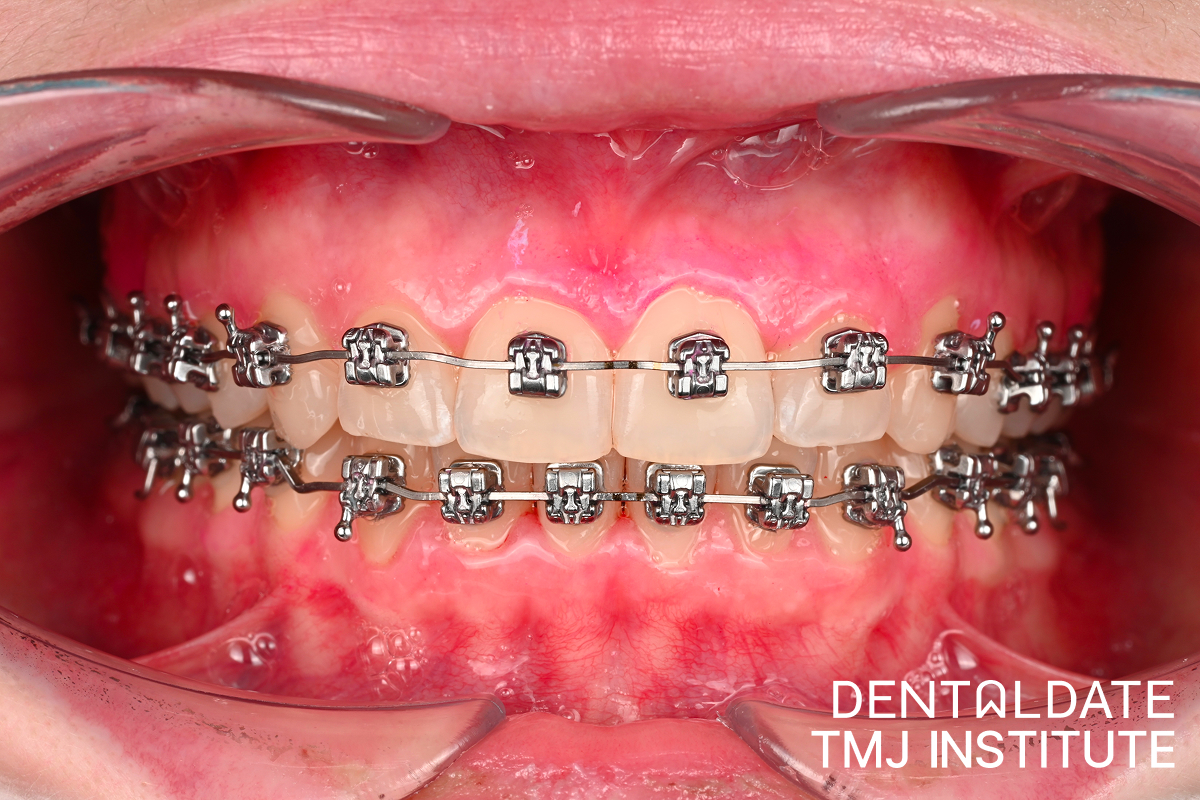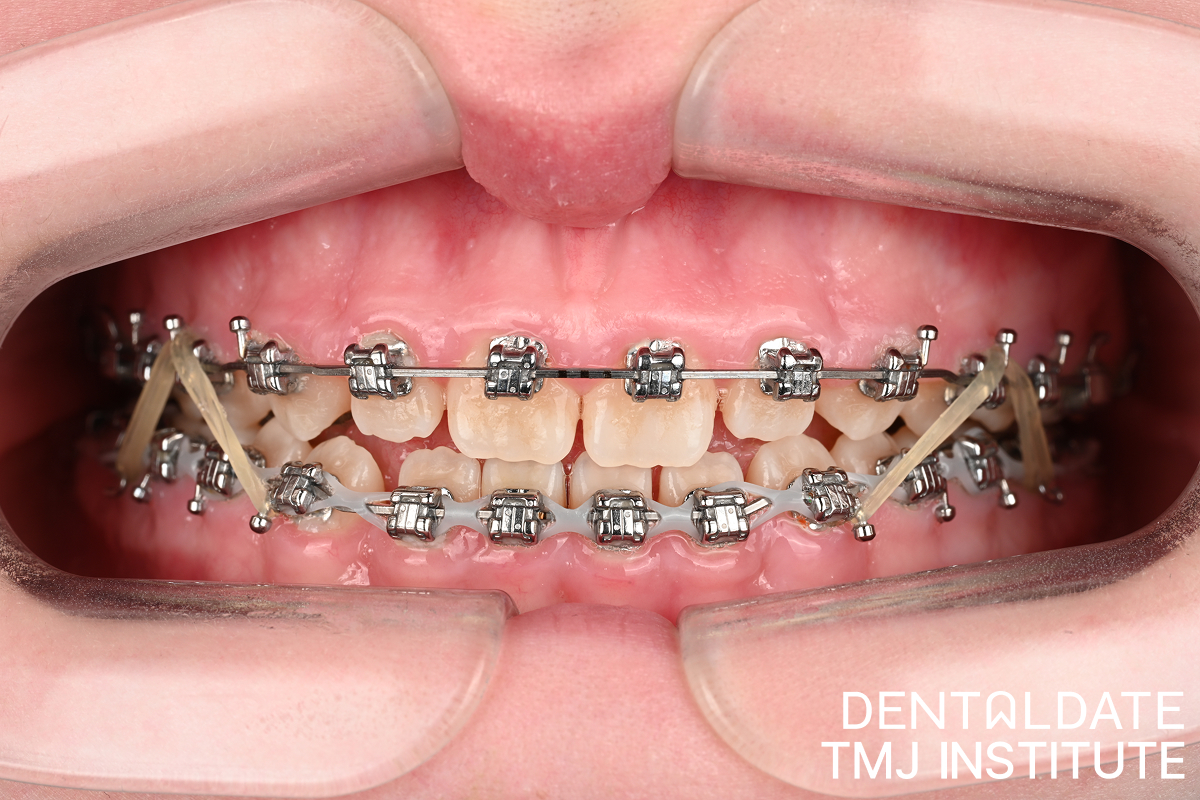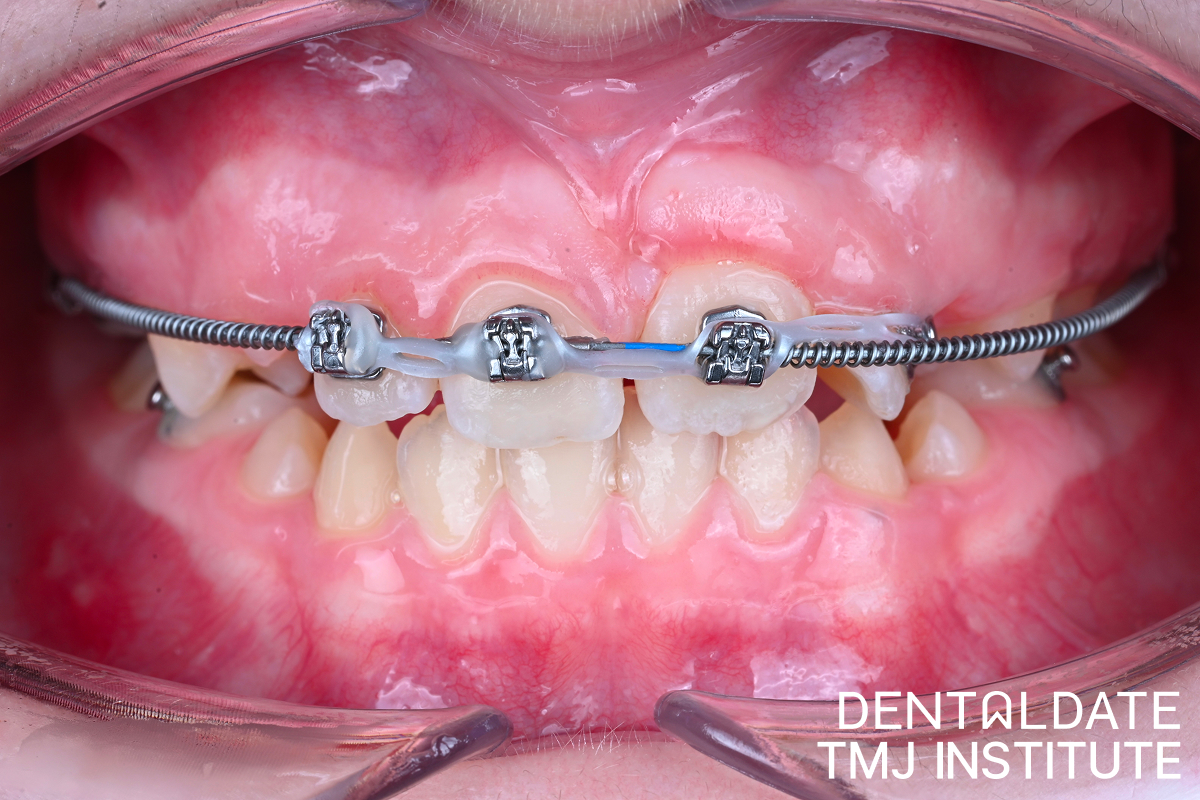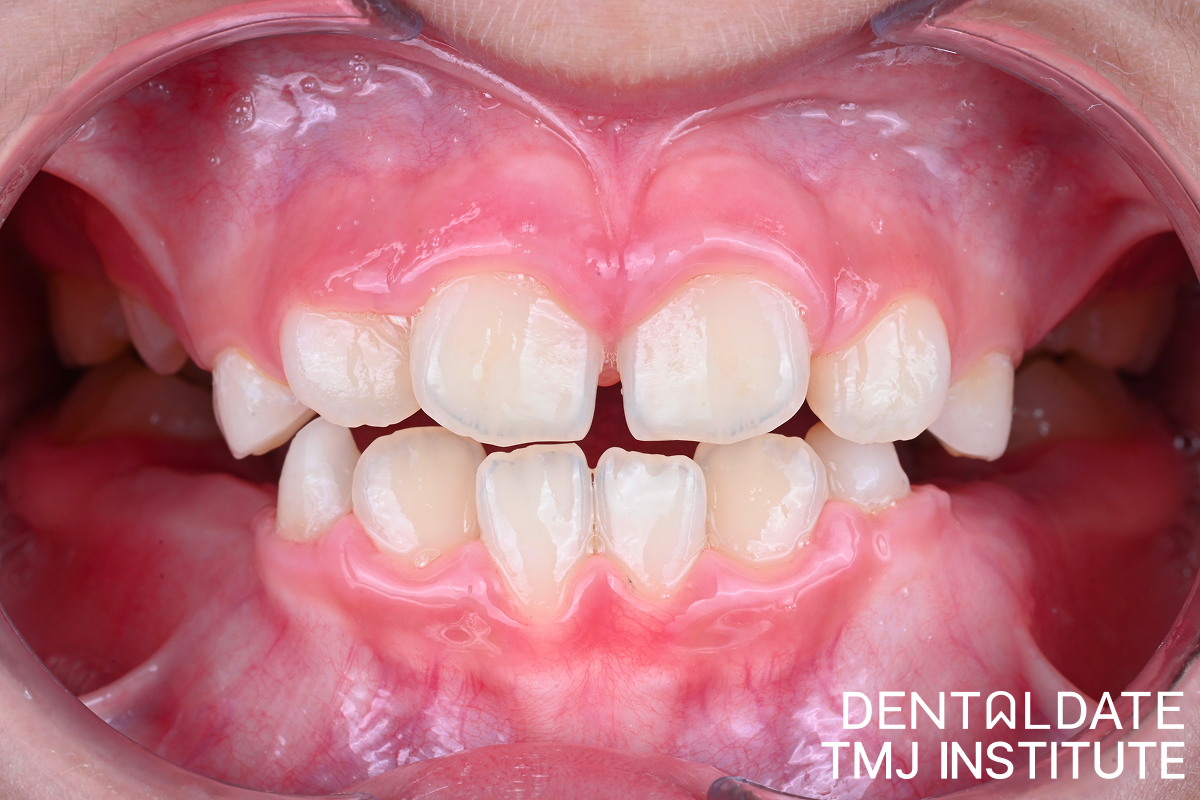
Initial Clinical Condition
The patient’s concerns involved not only tooth position but also impaired function of the dentofacial system.
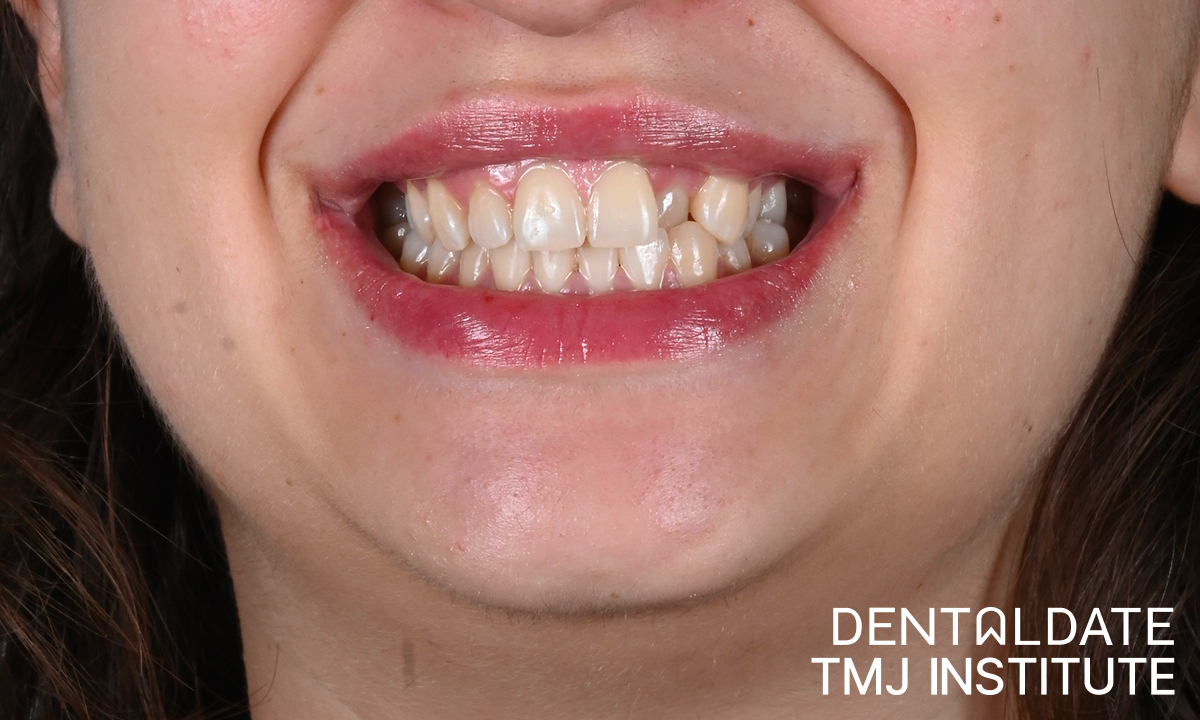
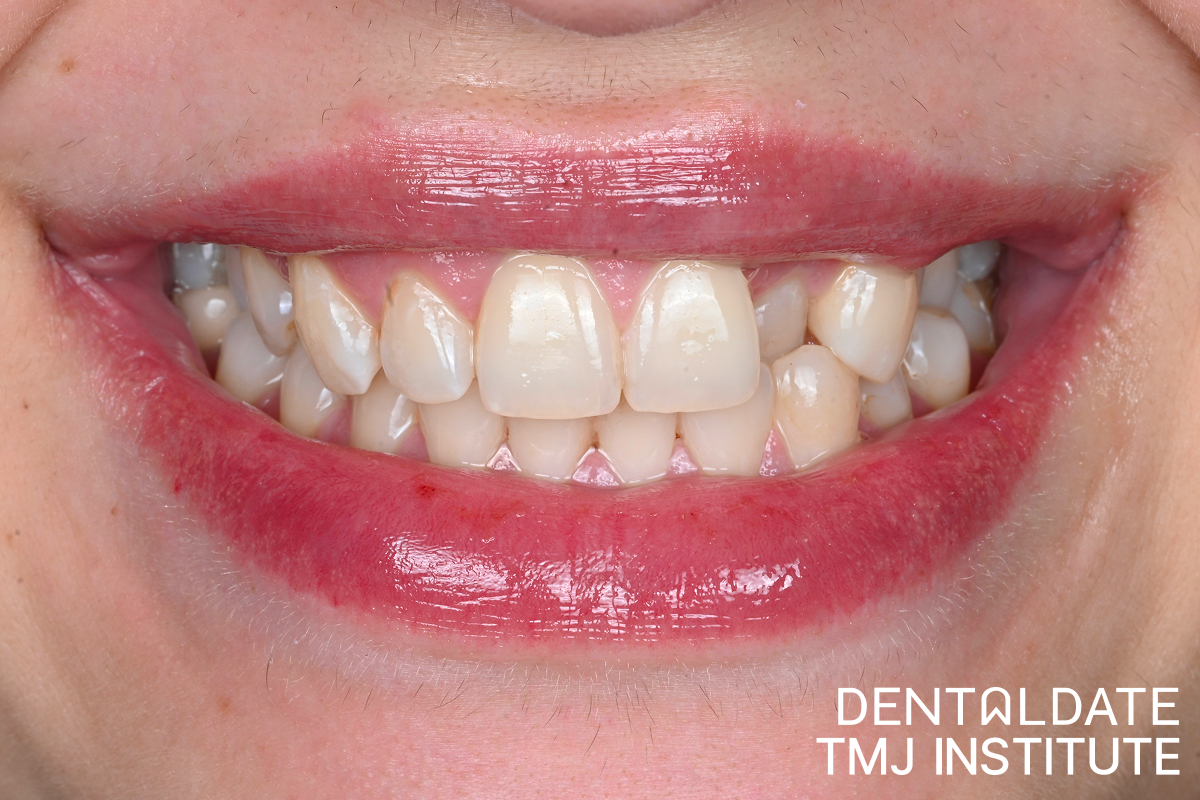
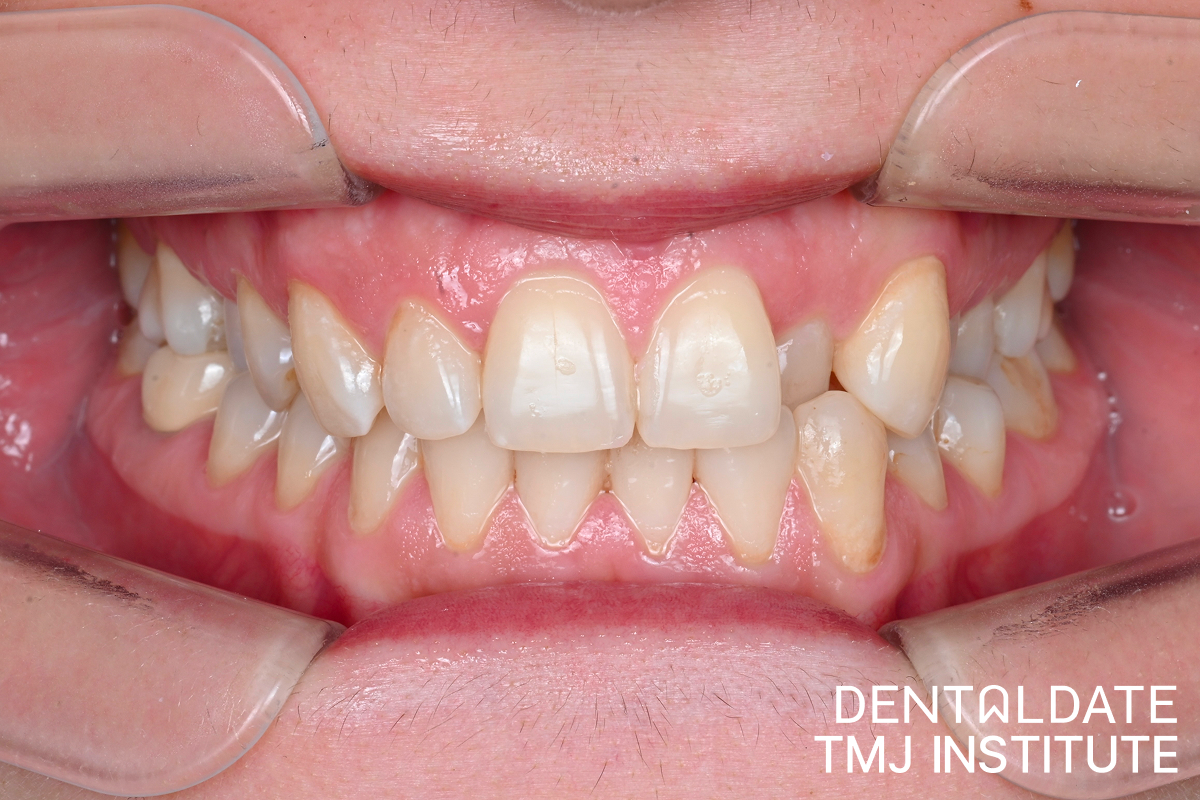
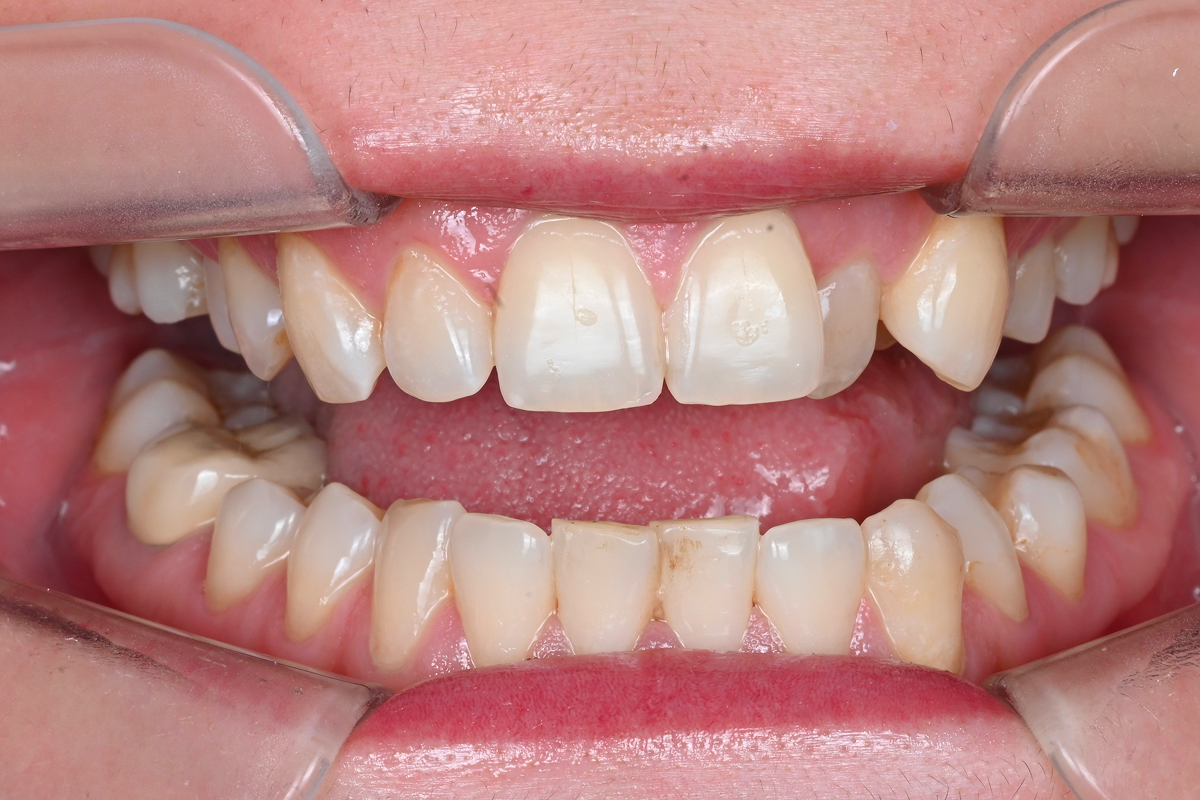
Before treatment, the following findings were present:
- TMJ pain;
- clicking and other joint sounds;
- difficulty chewing;
- significant muscular tension;
- crossbite involving several teeth;
- mandibular deviation to the right;
- pathological tooth wear;
- imbalance of the masticatory muscles.
The combination of occlusal and functional findings meant that treatment planning needed to consider both tooth position and the functional position of the mandible.
Functional Assessment and Therapeutic Mandibular Position
Functional diagnostics were performed before the orthodontic phase.
Based on the assessment, a therapeutic mandibular position was determined and used as the functional reference for further bite correction.
The objective was to establish more stable conditions for TMJ function before and during orthodontic treatment.
This was particularly relevant because the malocclusion was accompanied by joint symptoms, mandibular deviation, and pronounced muscular tension.
Orthodontic Correction with Fixed Braces
Following determination of the therapeutic mandibular position, orthodontic treatment was carried out using fixed braces.
The orthodontic phase lasted one year.
The main treatment objectives included:
- correction of the crossbite;
- improvement of mandibular centering;
- alignment of the teeth;
- improvement of the relationship between the upper and lower dental arches;
- correction of transverse dental arch relationships;
- development of a more symmetrical occlusion;
- establishment of more functionally stable conditions for the masticatory system.
Orthodontic correction was performed with consideration of the previously determined therapeutic mandibular position.
Functional Outcome After One Year of Treatment
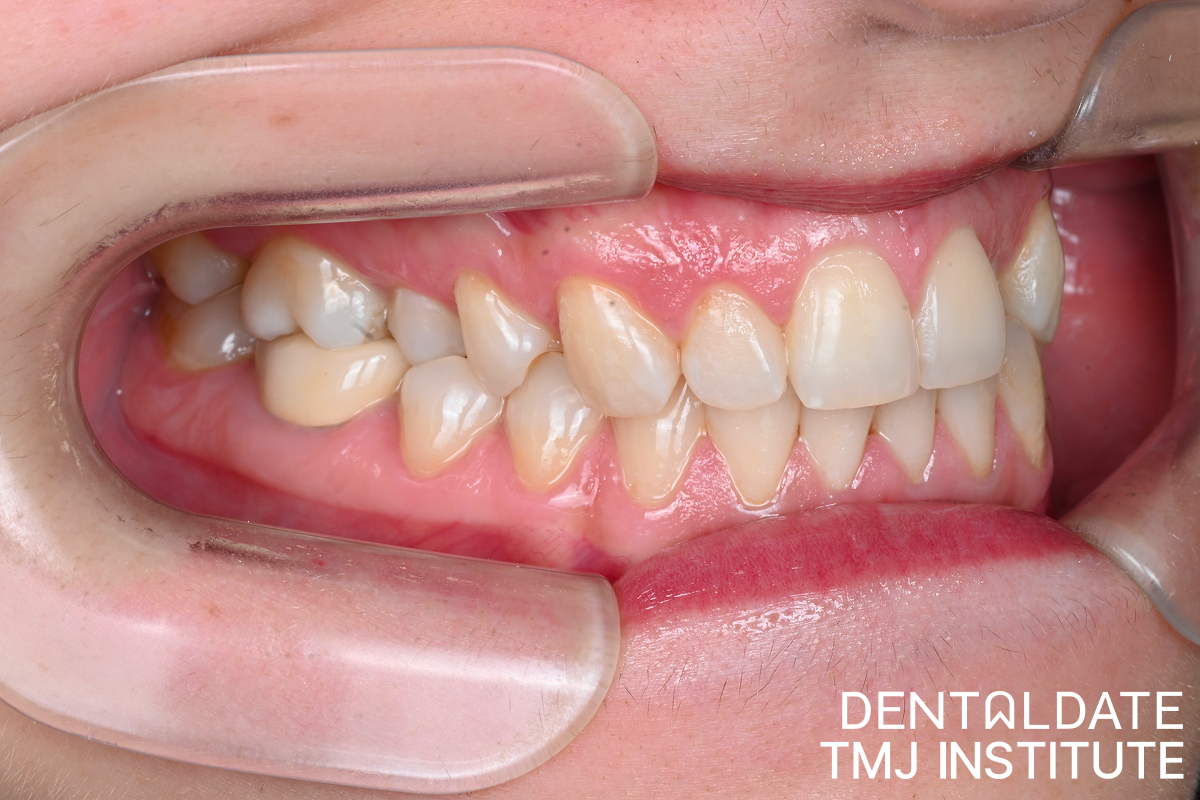
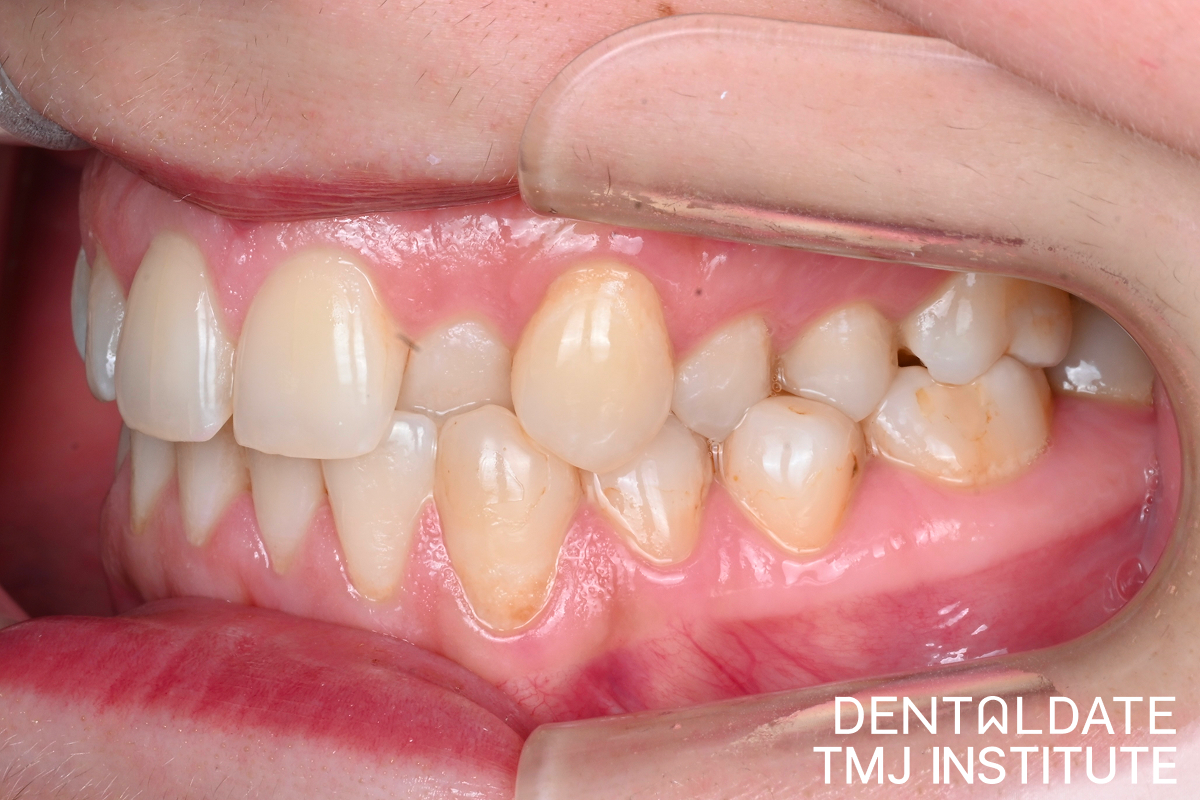
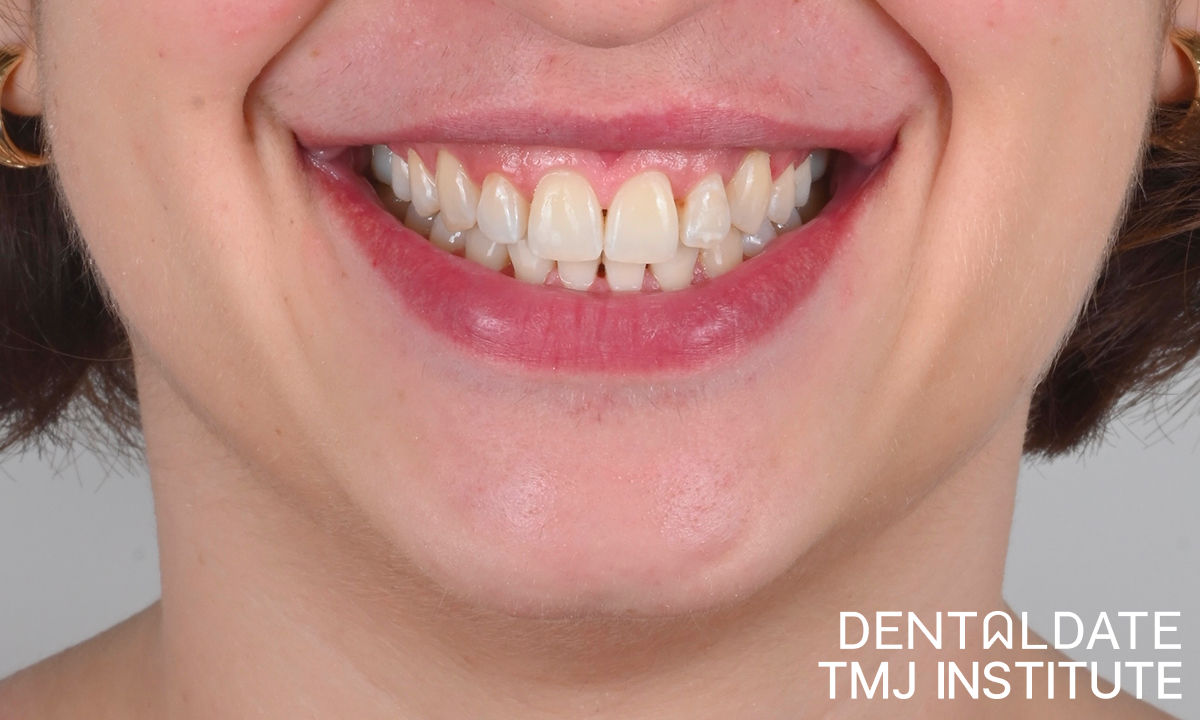
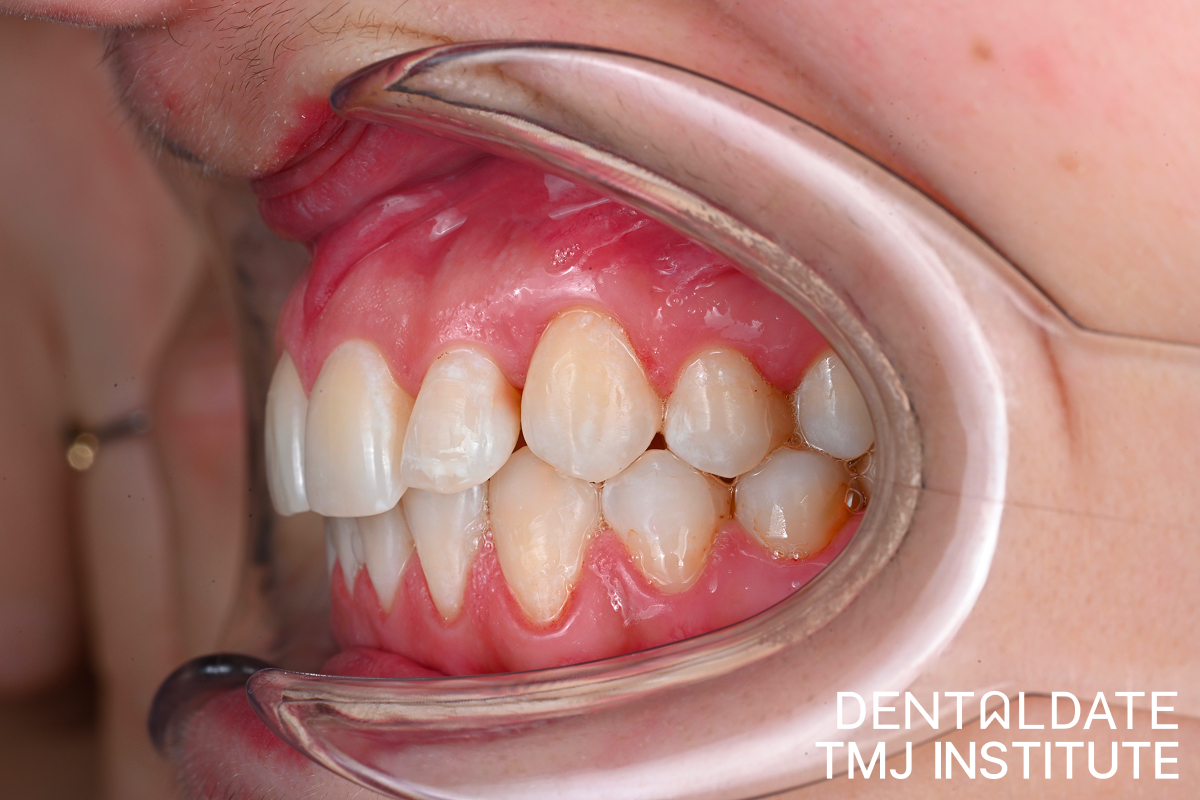
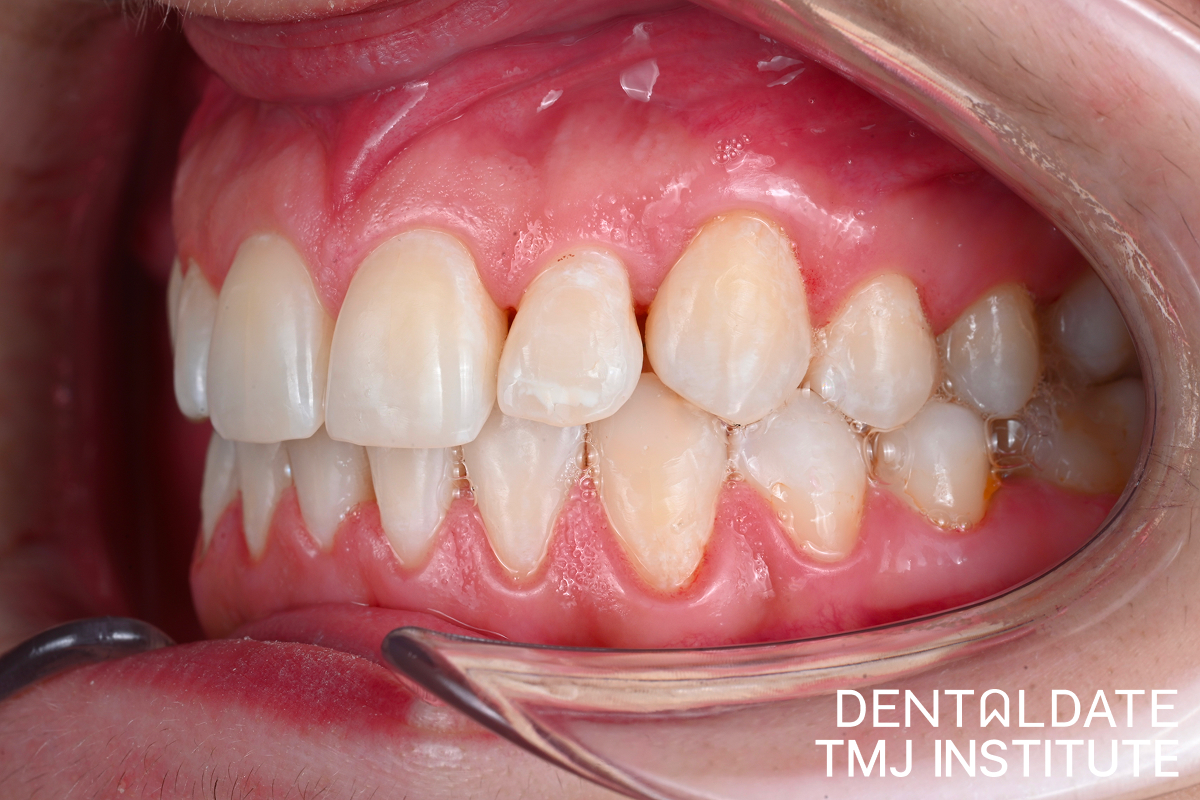
Significant improvement was achieved following the orthodontic phase.
At the current stage:
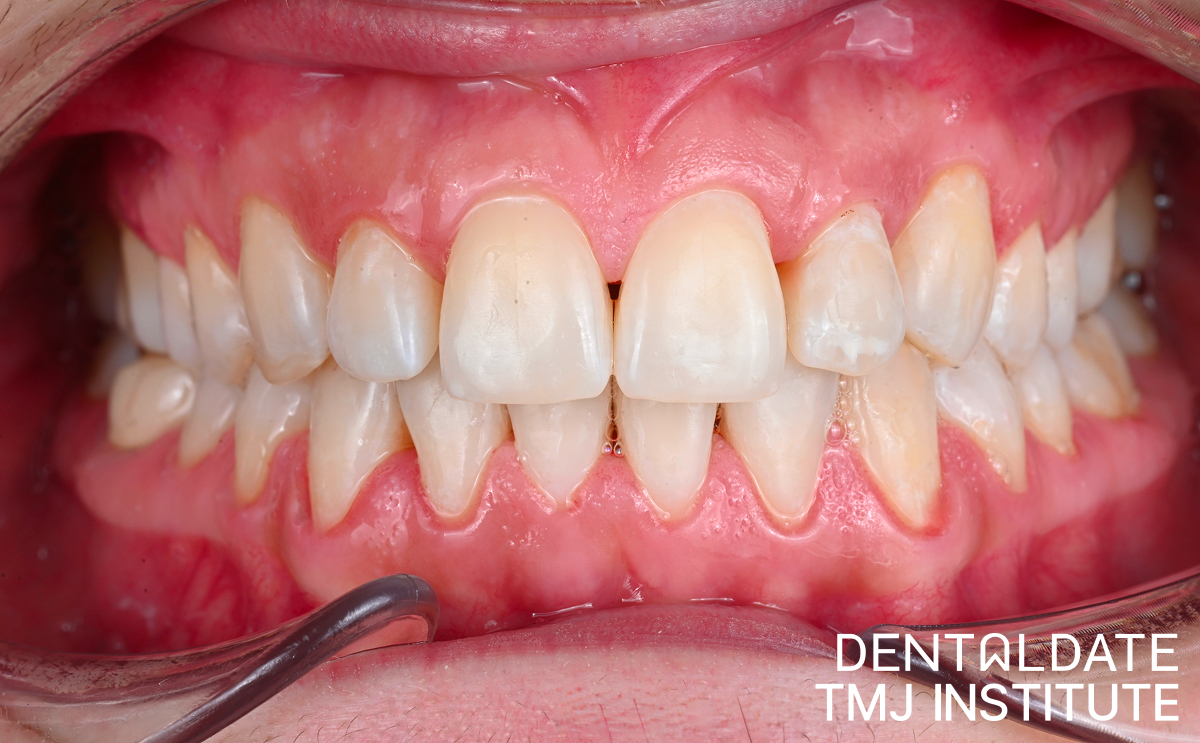
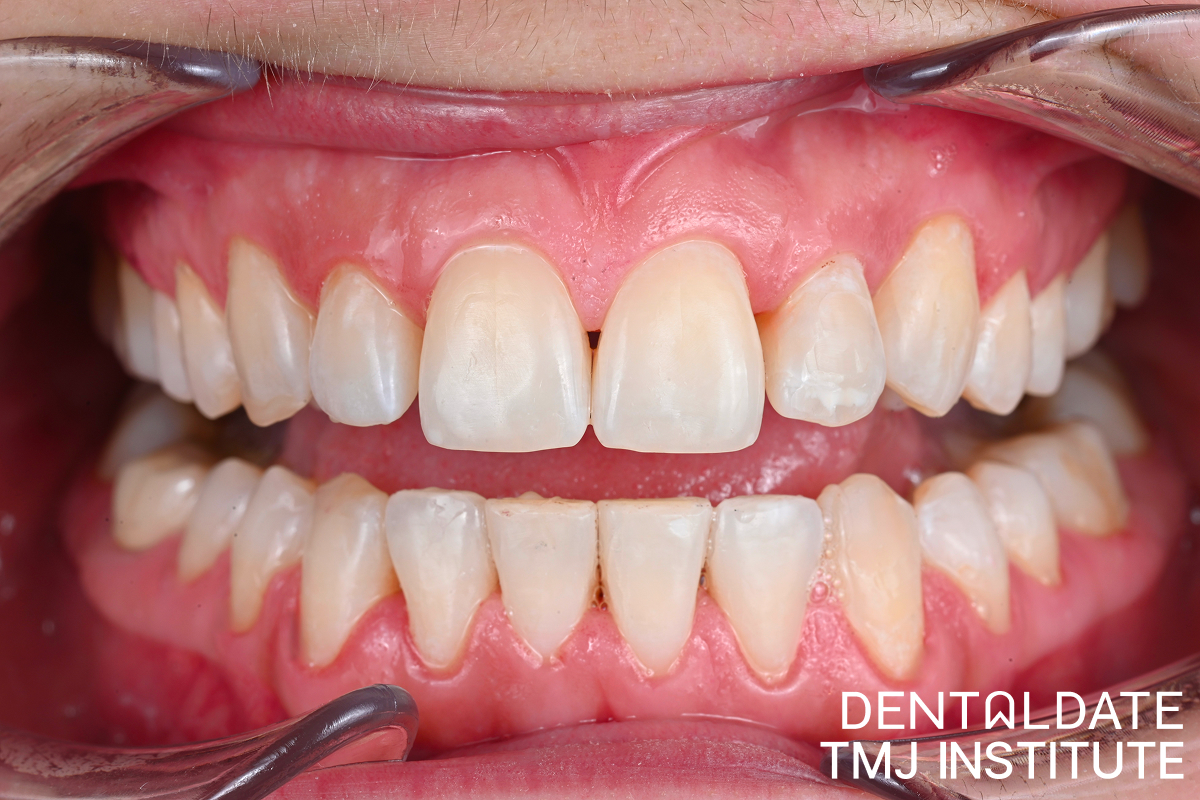
- the mandible is centered;
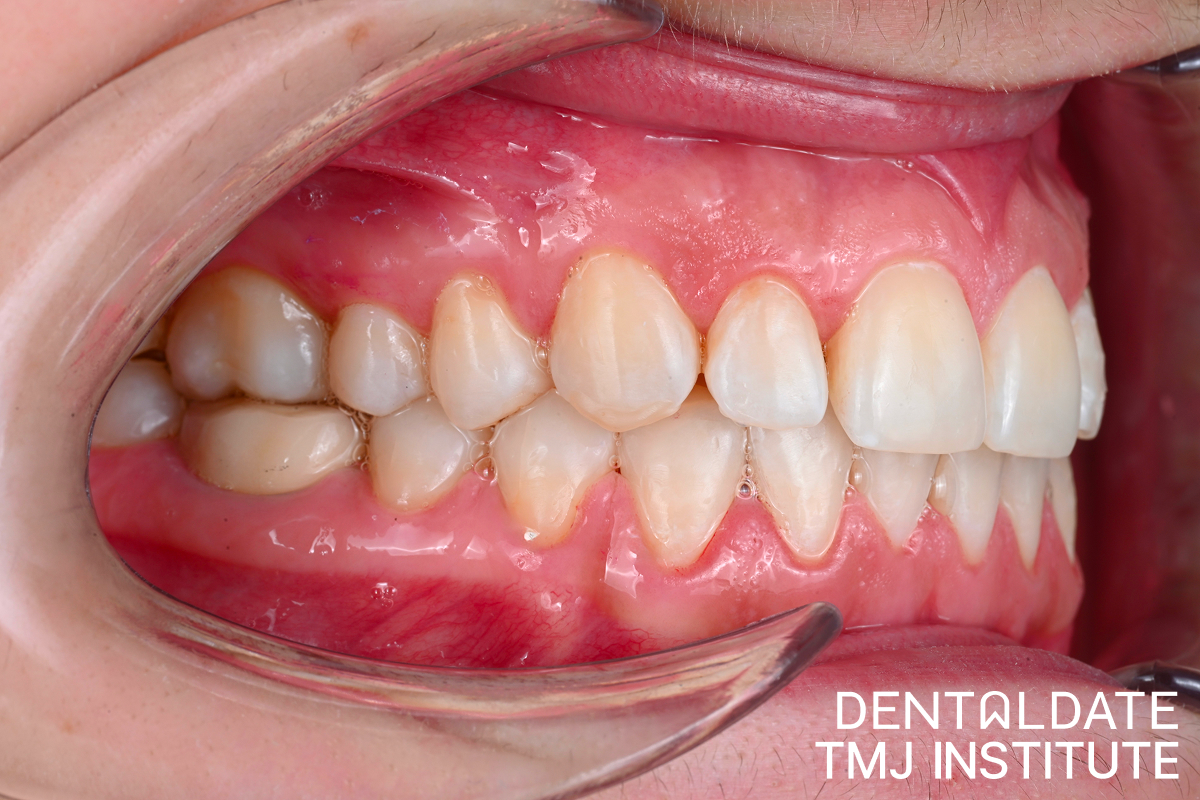
- occlusal symmetry has been restored;
- the crossbite has been corrected;
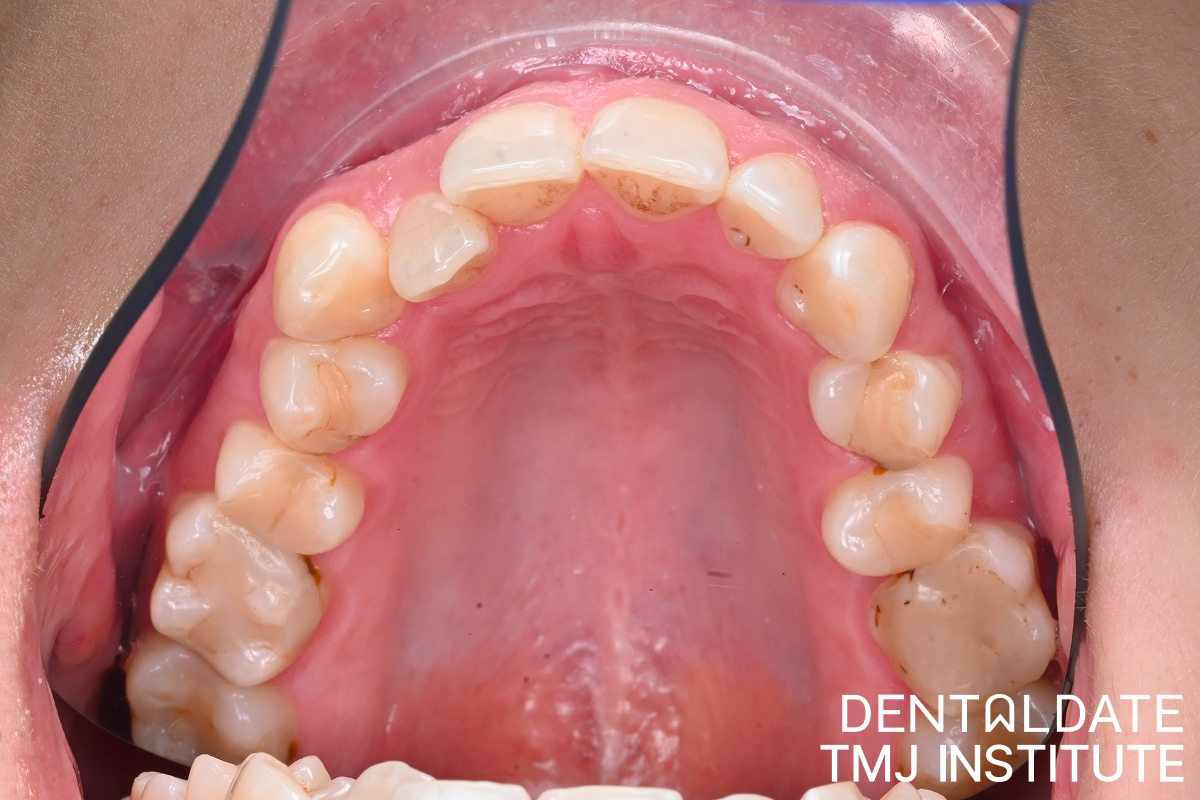
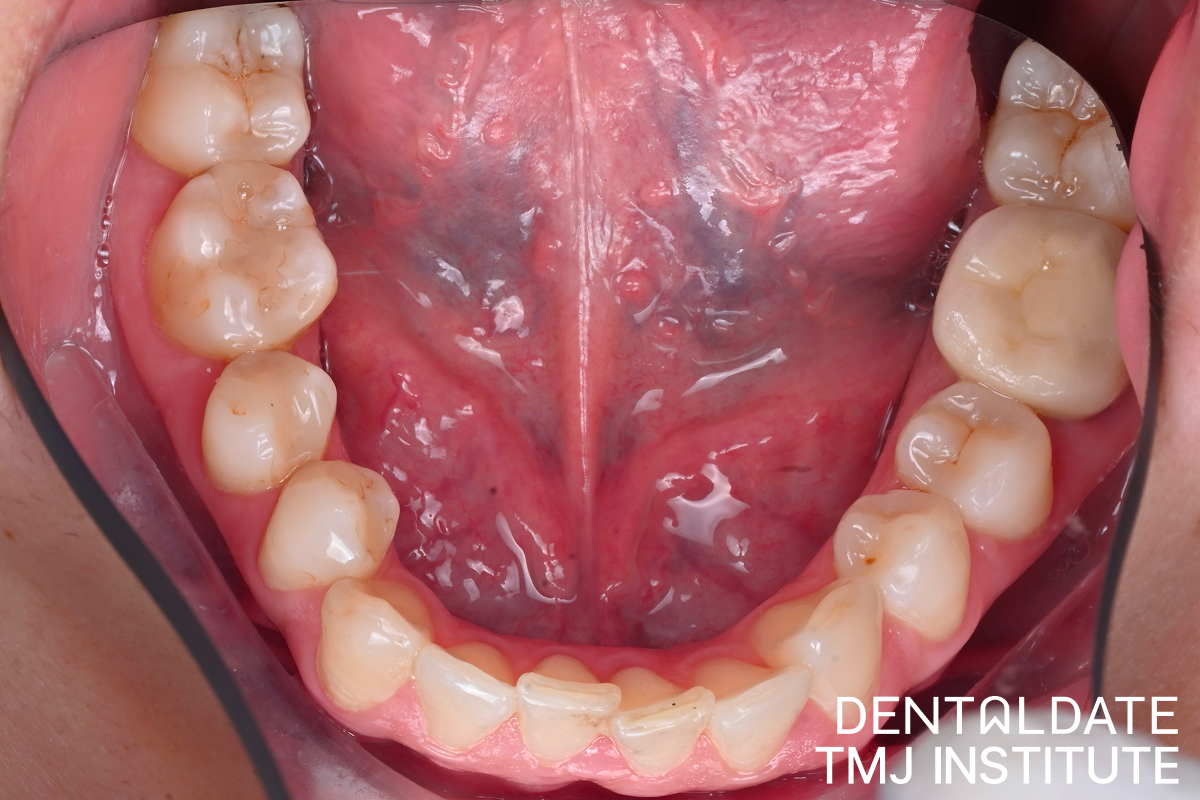
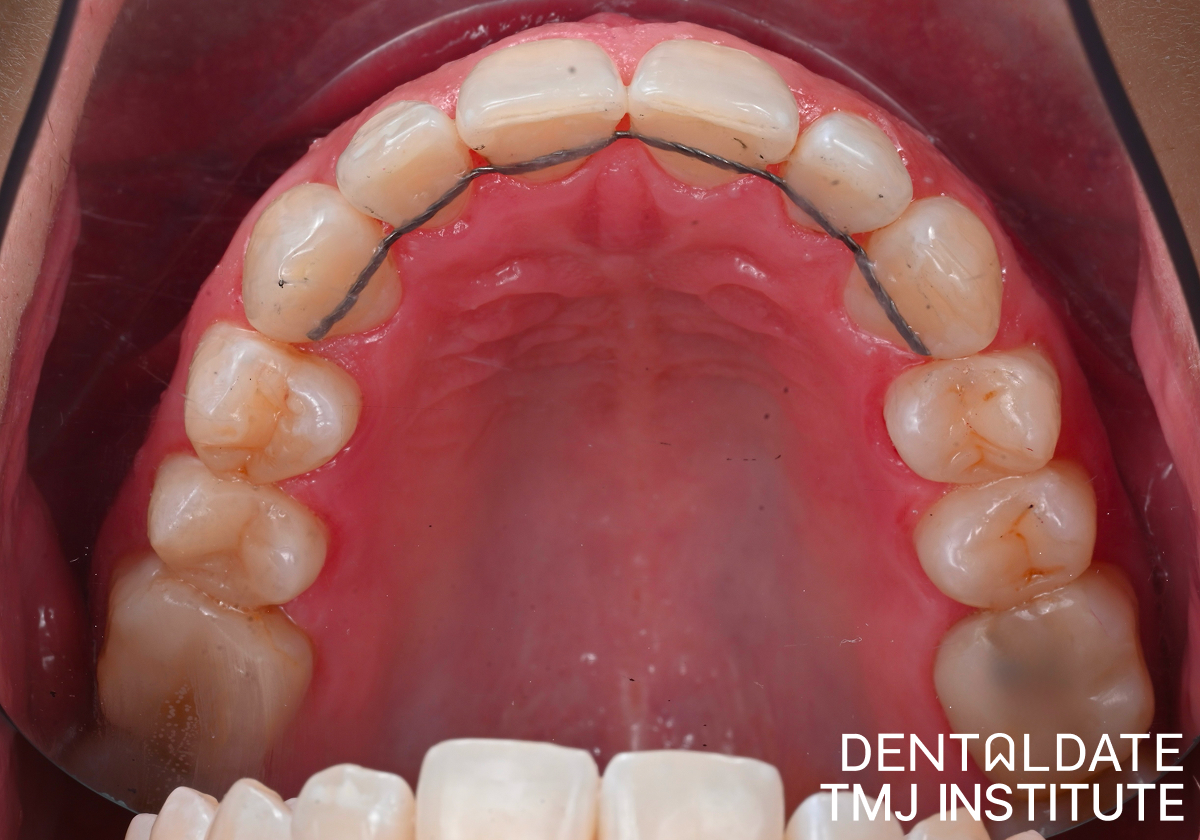
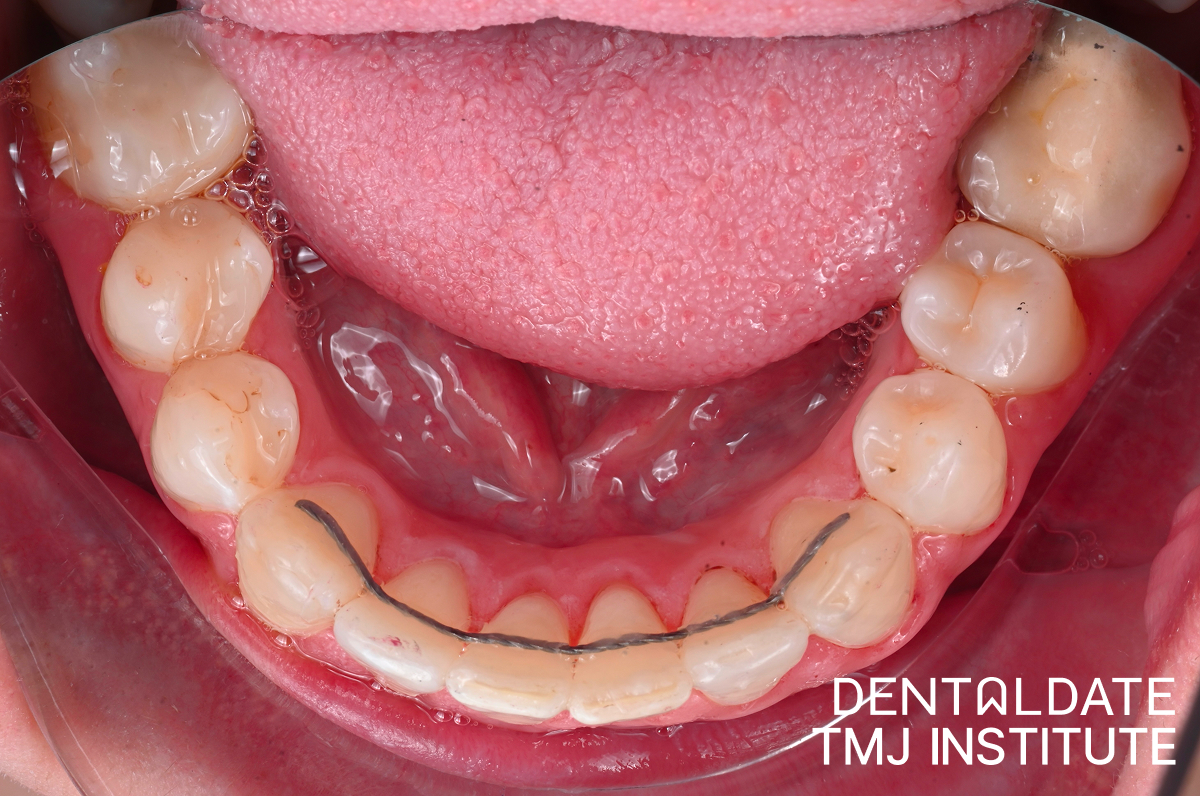
- transverse relationships and dental arch form have improved;
- tooth alignment has been achieved;
- functional balance of the masticatory system has been restored;
- the TMJ is stable;
- joint pain is absent;
- clicking and other joint sounds are no longer present.
The treatment outcome therefore extends beyond tooth alignment and includes improvement in the functional condition of the dentofacial system.

Posterior Tooth Rehabilitation After Orthodontic Treatment
Orthodontic correction represented a major stage of the comprehensive treatment plan, but rehabilitation continues.
The patient is currently undergoing functional and aesthetic rehabilitation.
Large posterior restorations are being replaced with ceramic onlays and overlays.
The objectives of this stage are to:
- restore the anatomical form of the posterior teeth;
- establish appropriate occlusal contacts;
- restore dental function;
- improve aesthetics;
- support the result achieved through orthodontic treatment.
The definitive restorative phase is therefore being carried out after correction of the bite and stabilization of the mandibular position.
Comprehensive TMJ and Orthodontic Treatment at DentalDate Dubai
When malocclusion is accompanied by joint pain, clicking, muscular tension, or mandibular deviation, orthodontic planning should consider not only tooth position but also the function of the entire dentofacial system.
At DentalDate Dubai, treatment is planned individually based on clinical and functional assessment. Where required, orthodontic correction may be followed by restorative rehabilitation to restore the anatomy and function of the posterior teeth.
This sequential approach makes it possible to address occlusion, mandibular position, and dental restoration within a coordinated treatment plan.