Why the Mandible Was Shifting to the Right
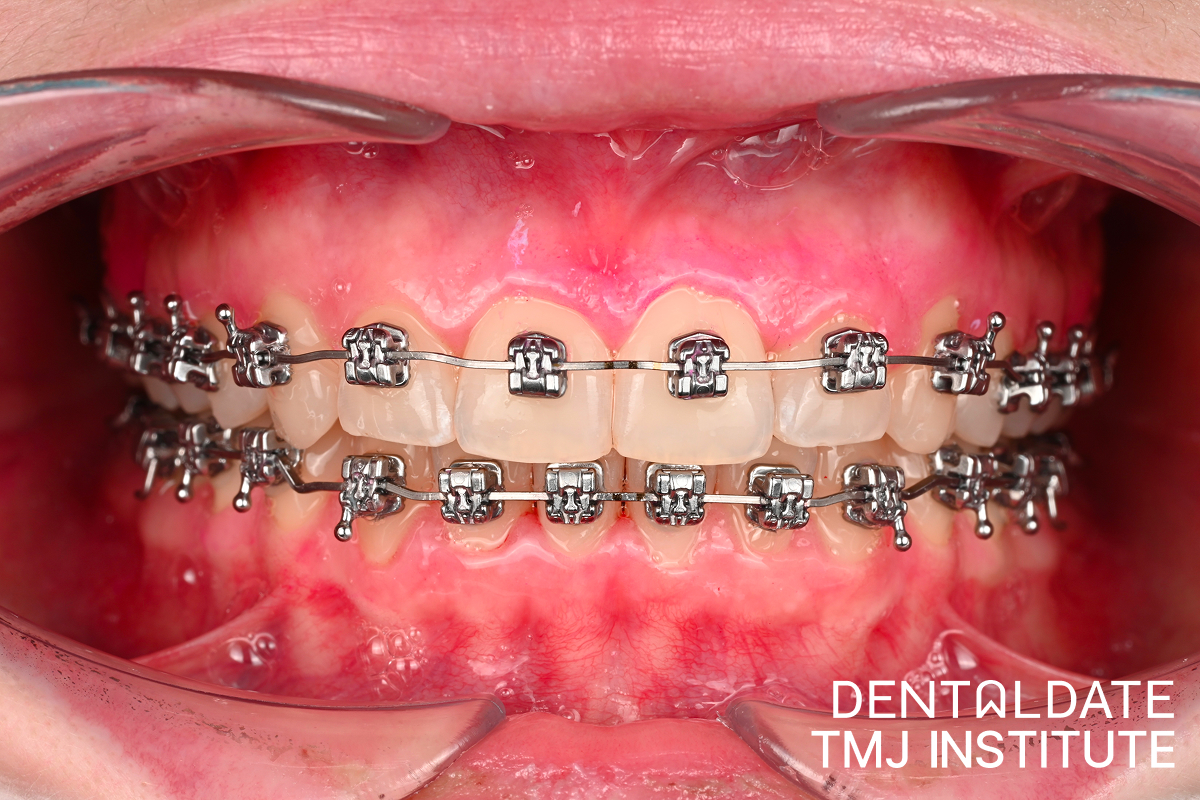
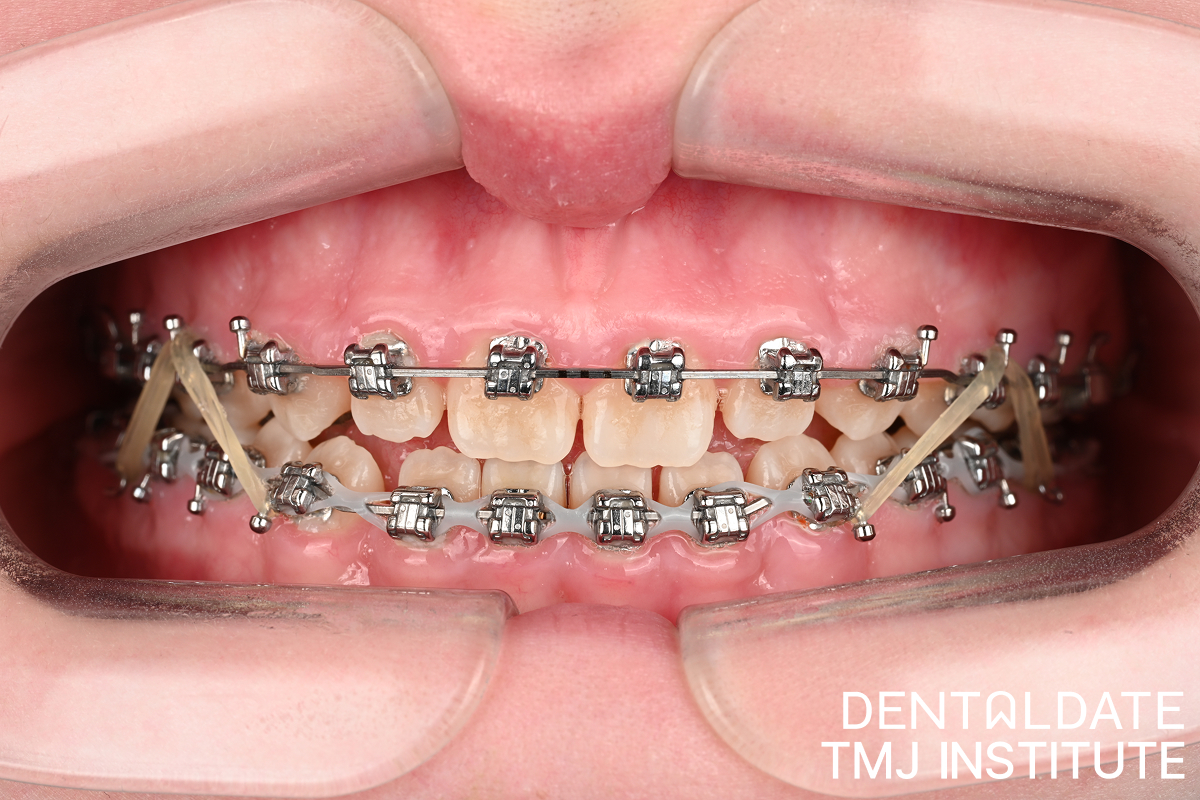
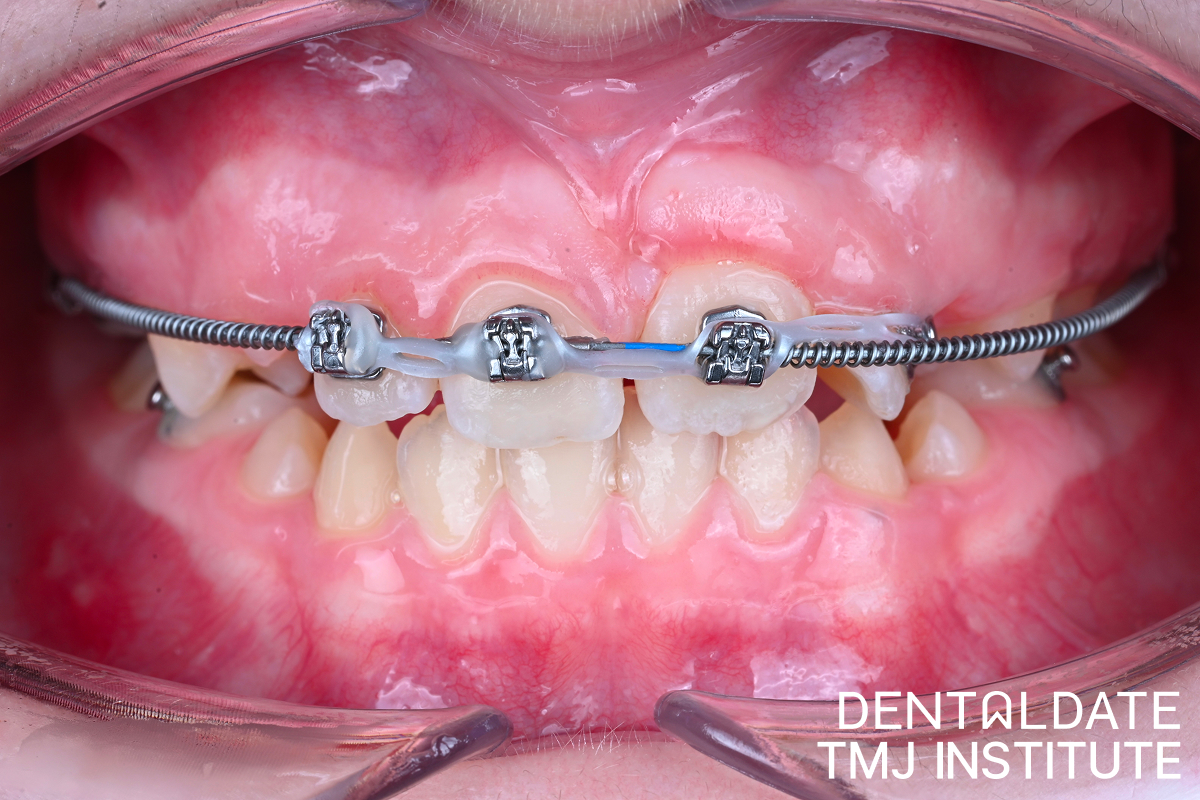
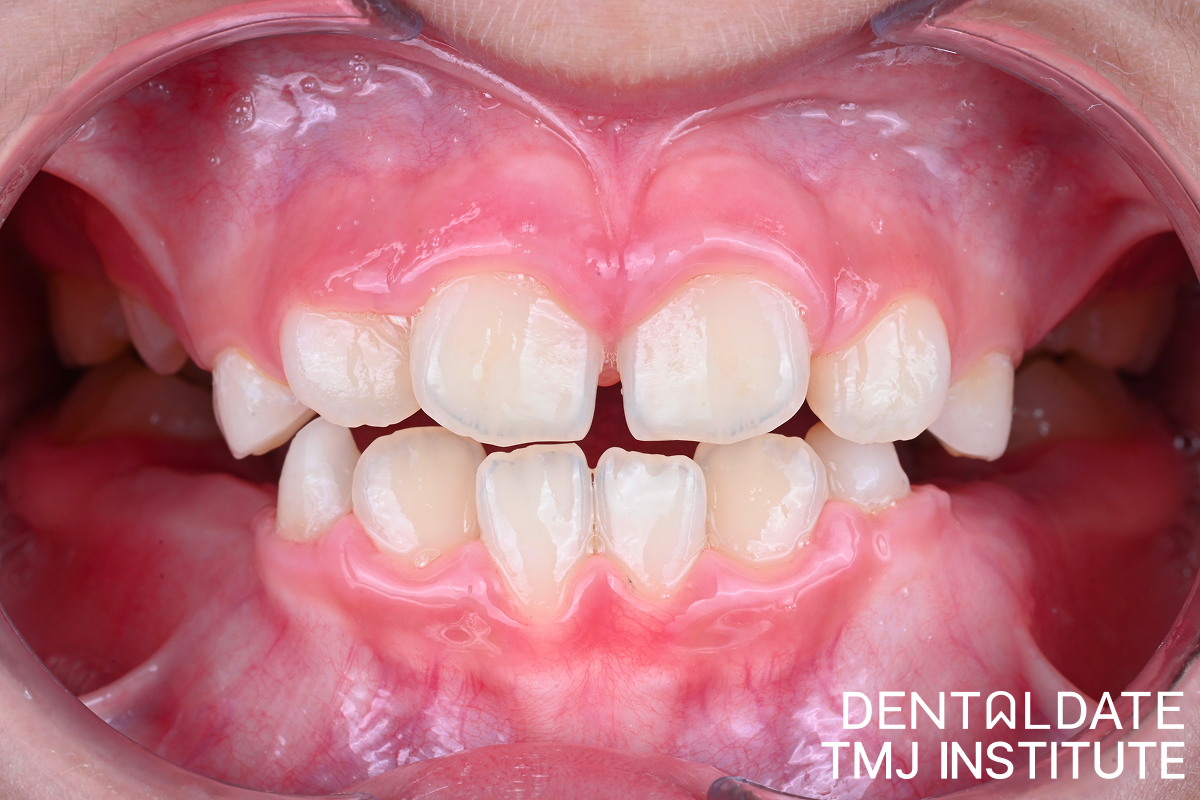
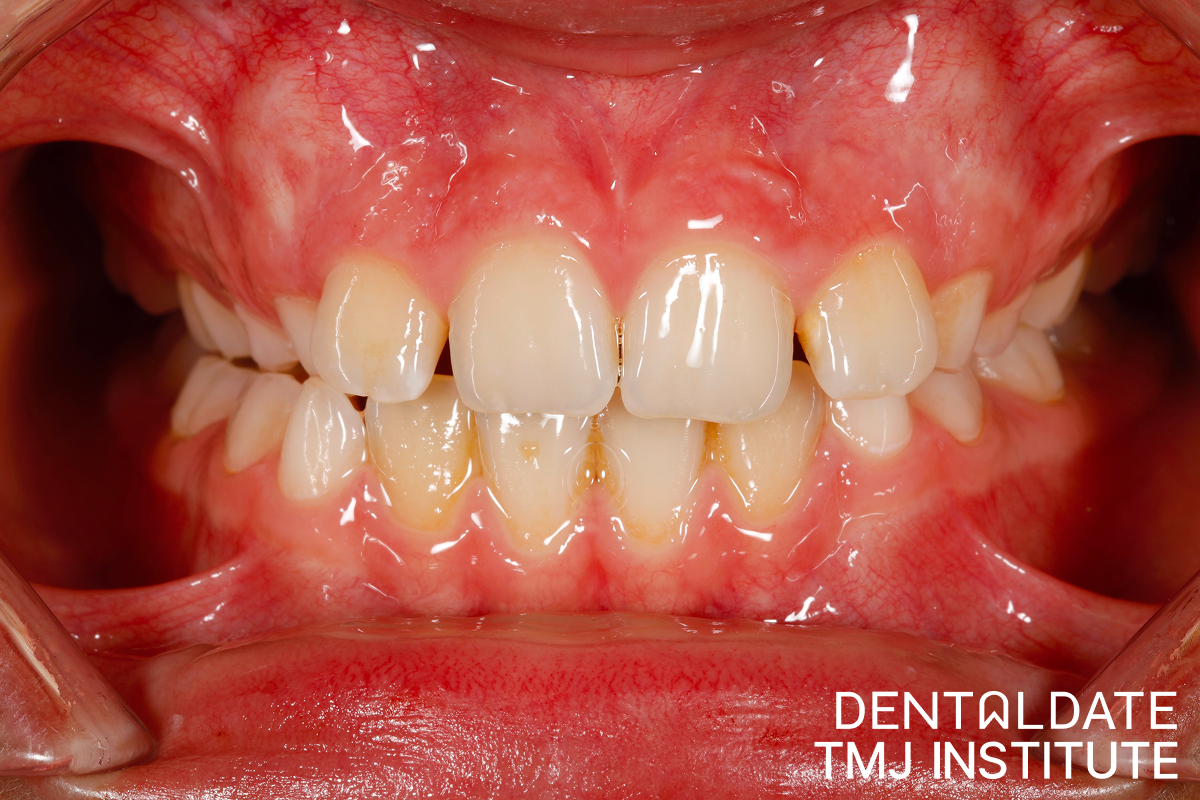
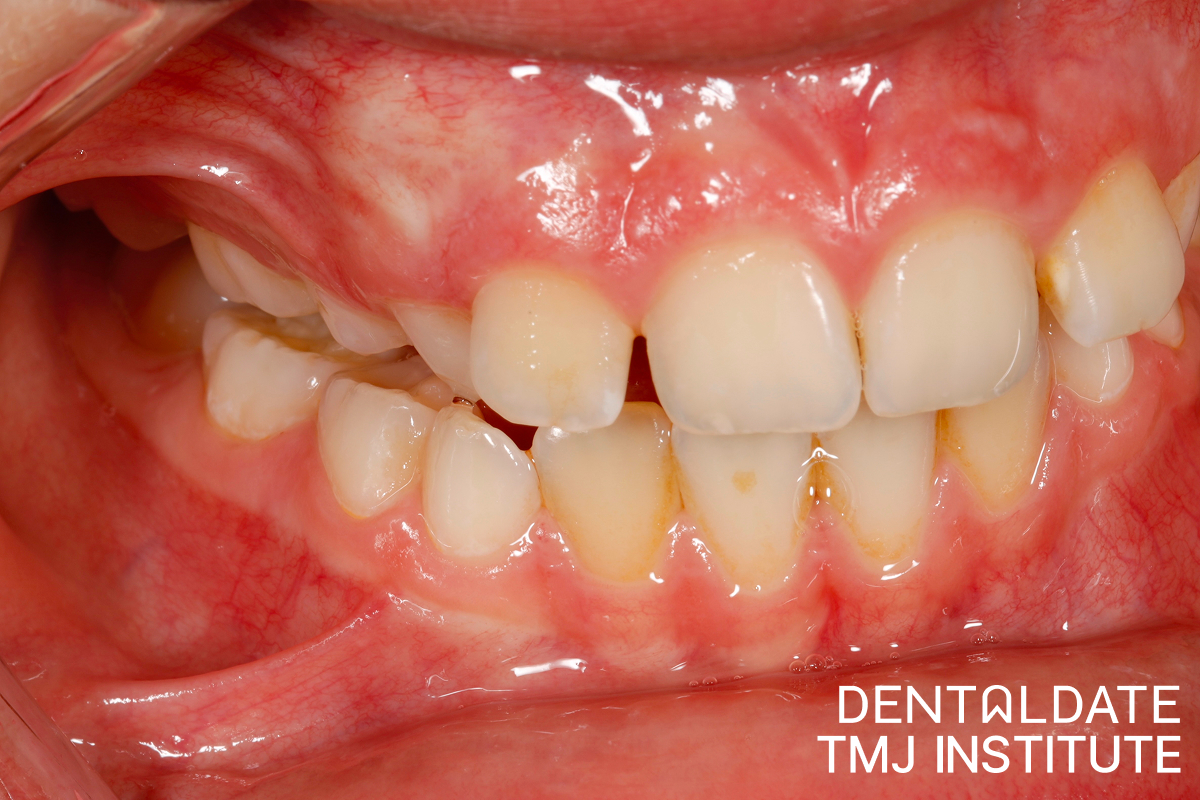
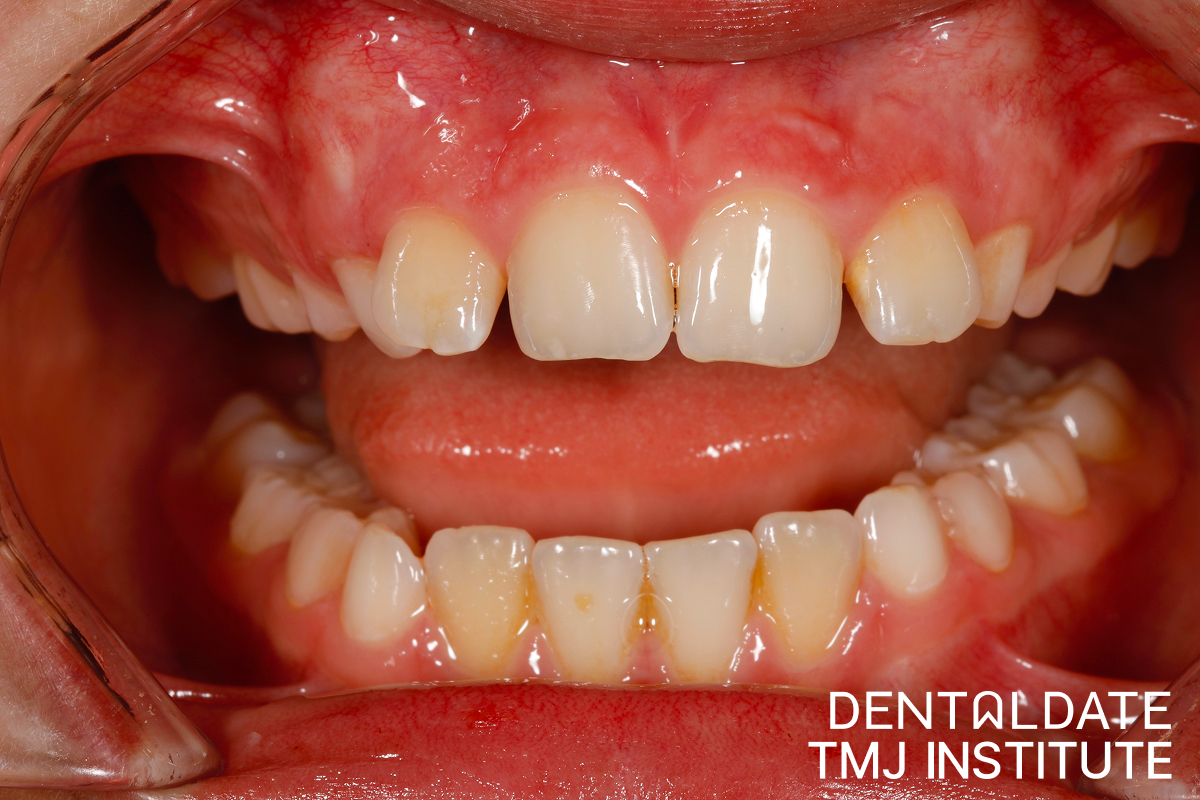
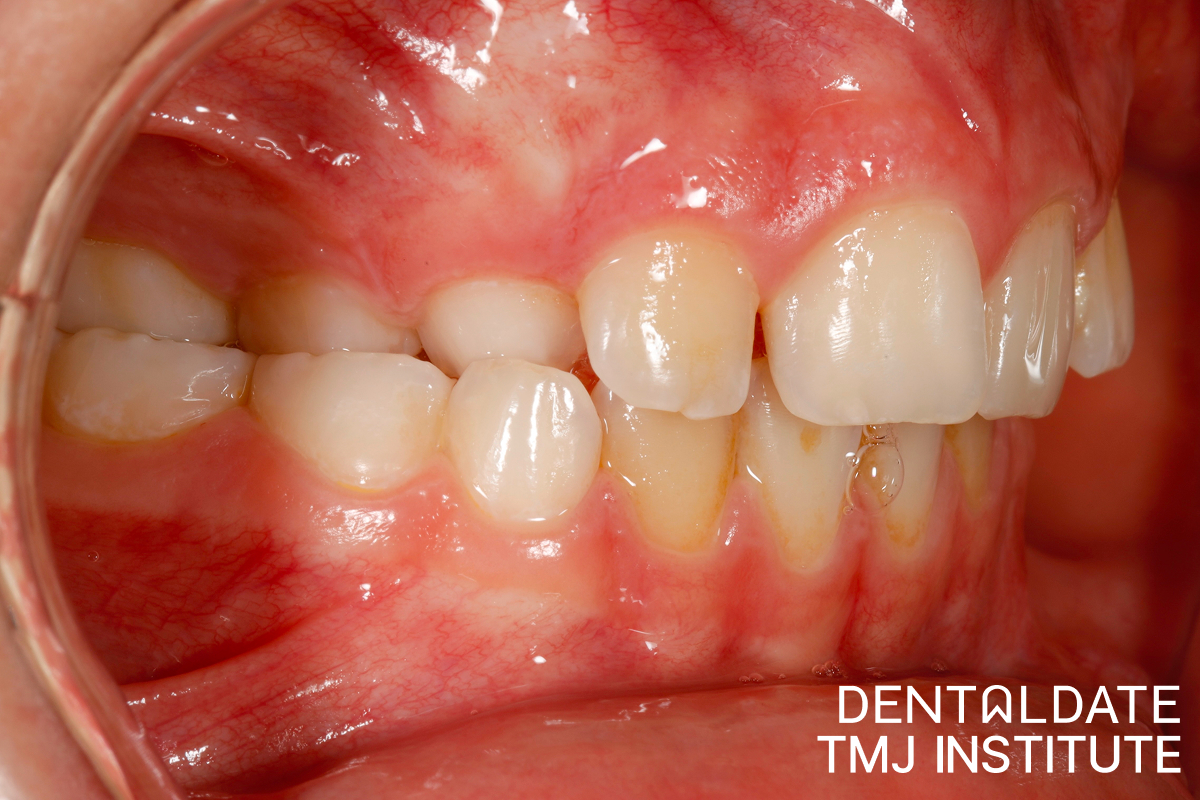
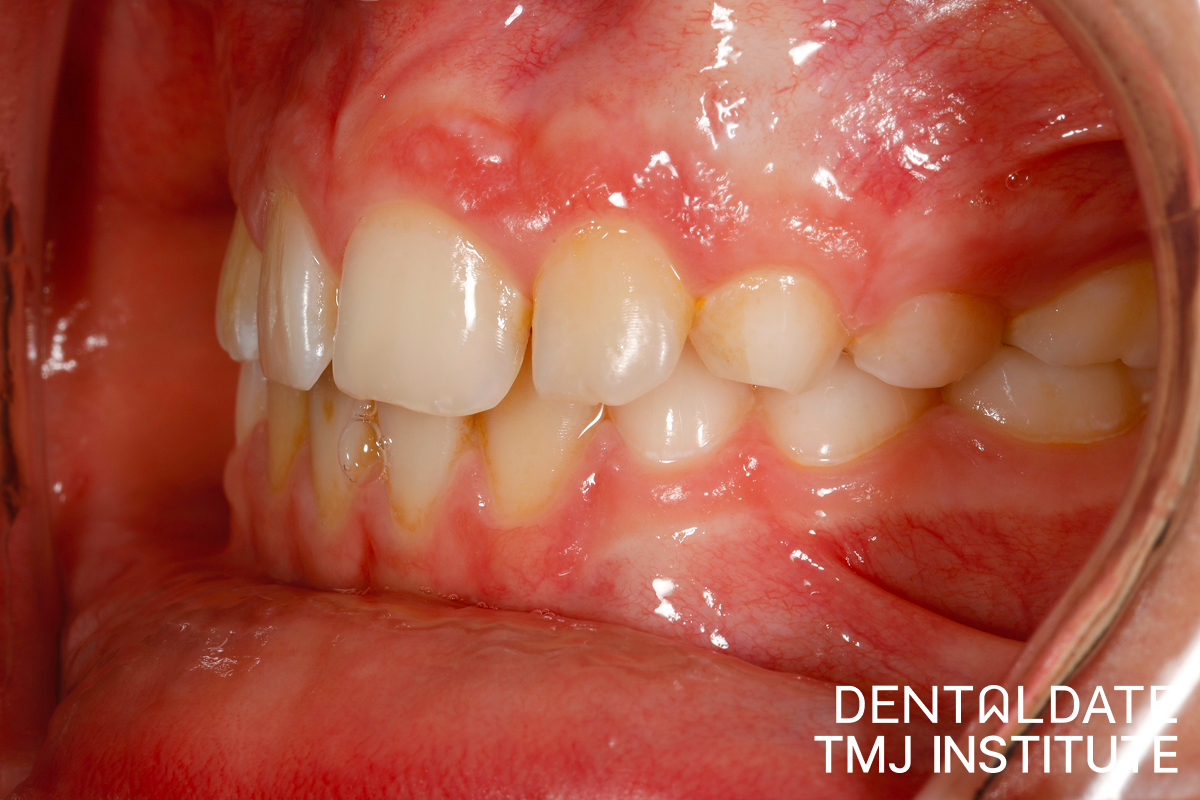
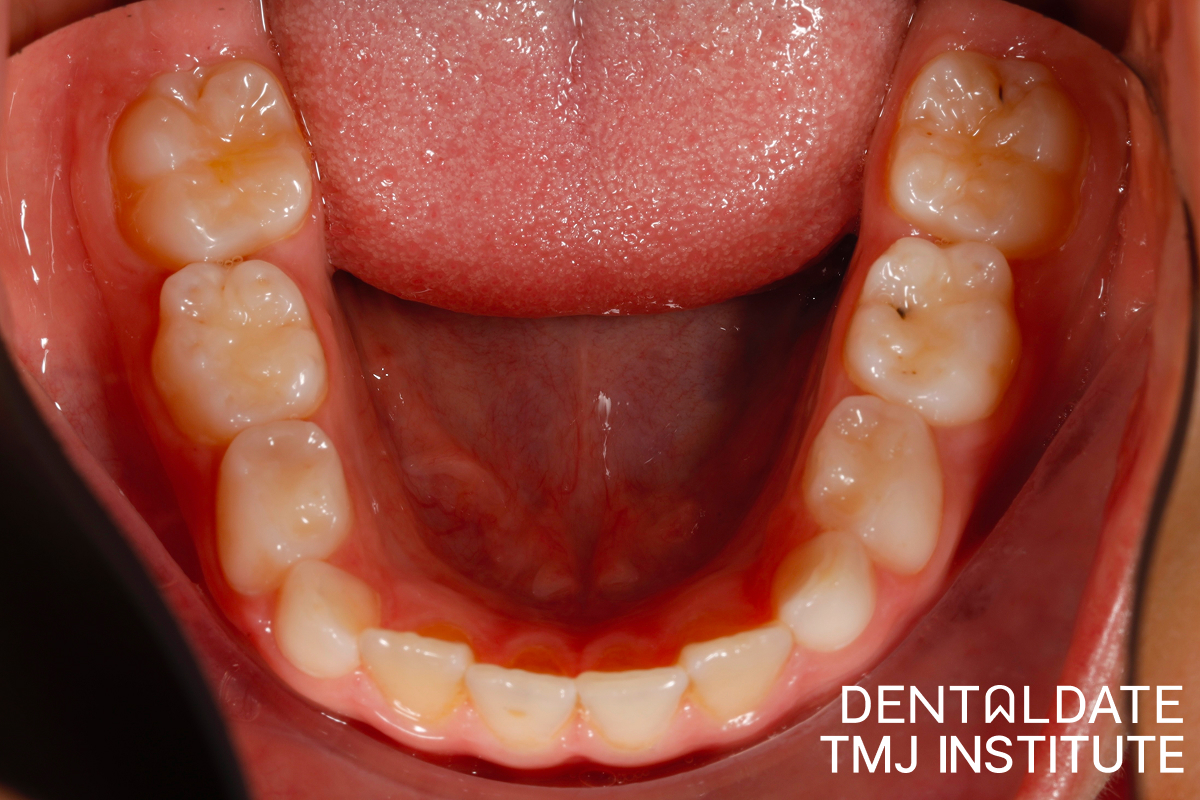
On the right side, the lower teeth occluded outside the upper teeth, creating a posterior crossbite.
A functional shift of the mandible to the right was also present. The transverse deficiency of the maxilla prevented the mandible from assuming a more physiological position during occlusion.
At presentation, this altered functional relationship was already contributing to developing dentofacial asymmetry.
Clinical Findings Before Treatment
Orthodontic examination identified:
- a right-sided posterior crossbite;
- functional mandibular shift to the right;
- developing asymmetry;
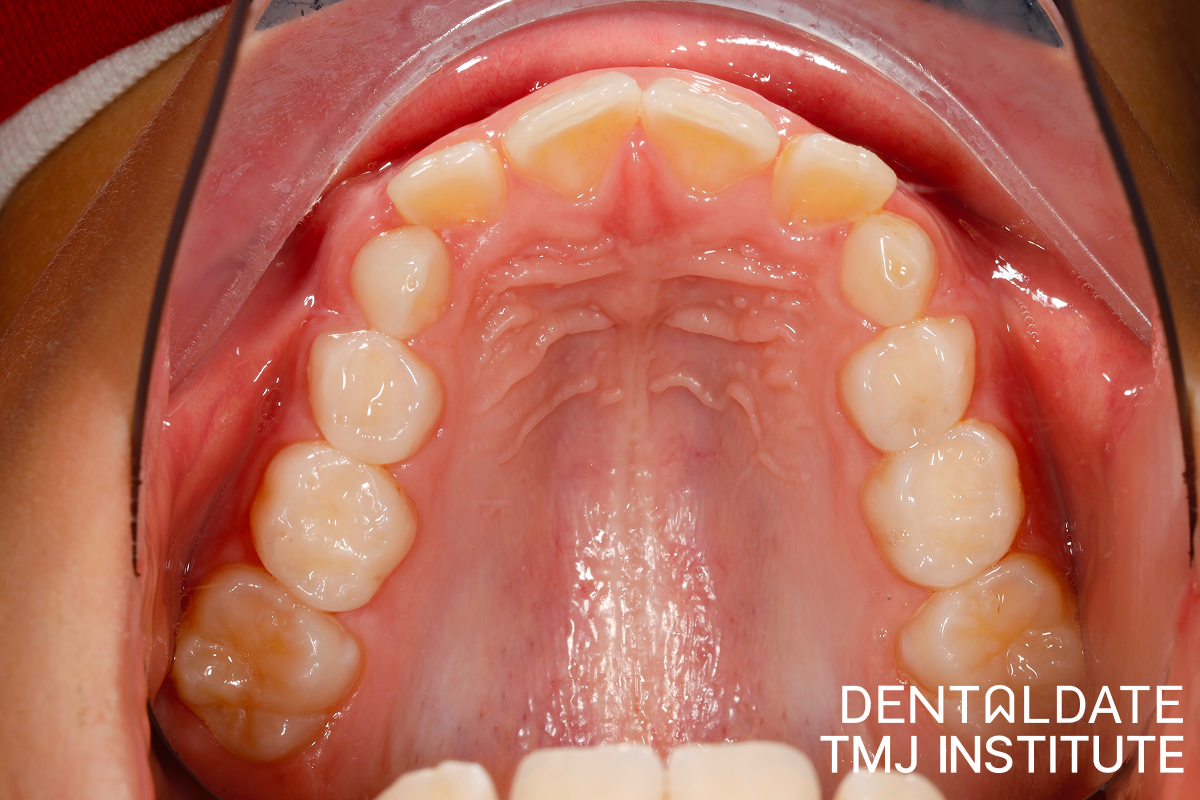
- transverse maxillary deficiency;
- insufficient perimeter within the upper dental arch;
- abnormal position of a permanent tooth in the right posterior region.
The primary objective was therefore not simply to reposition individual teeth, but to address the maxillary transverse deficiency responsible for the abnormal occlusion and functional mandibular displacement.
Maxillary Expansion with a HAAS Appliance
A fixed HAAS expander was placed to increase the transverse dimension of the maxilla and improve the form of the upper dental arch.
The treatment was intended to create conditions for:
- correction of the right-sided posterior crossbite;
- improvement of the relationship between the upper and lower arches;
- reduction of the functional mandibular shift;
- more symmetrical dentofacial development;
- creation of adequate space for improved tooth positioning.
Correction of the abnormally positioned permanent tooth in the right posterior region was performed concurrently.
Seven Months of Treatment: Active Expansion and Stabilization
The total treatment time was 7 months.
Treatment consisted of two consecutive phases.
During the active phase, controlled maxillary expansion was performed with the HAAS appliance. The objective was to obtain the required transverse correction and improve the relationship between the dental arches.
After the desired expansion had been achieved, the appliance remained in place during a stabilization phase. This retention period was intended to maintain the corrected position while the dentofacial structures adapted to the new transverse relationship.
This sequence allowed the treatment to focus not only on achieving correction, but also on stabilizing the result.
Outcome After Appliance Removal
Once the active and stabilization phases were completed, the HAAS appliance was removed.
At the end of treatment:
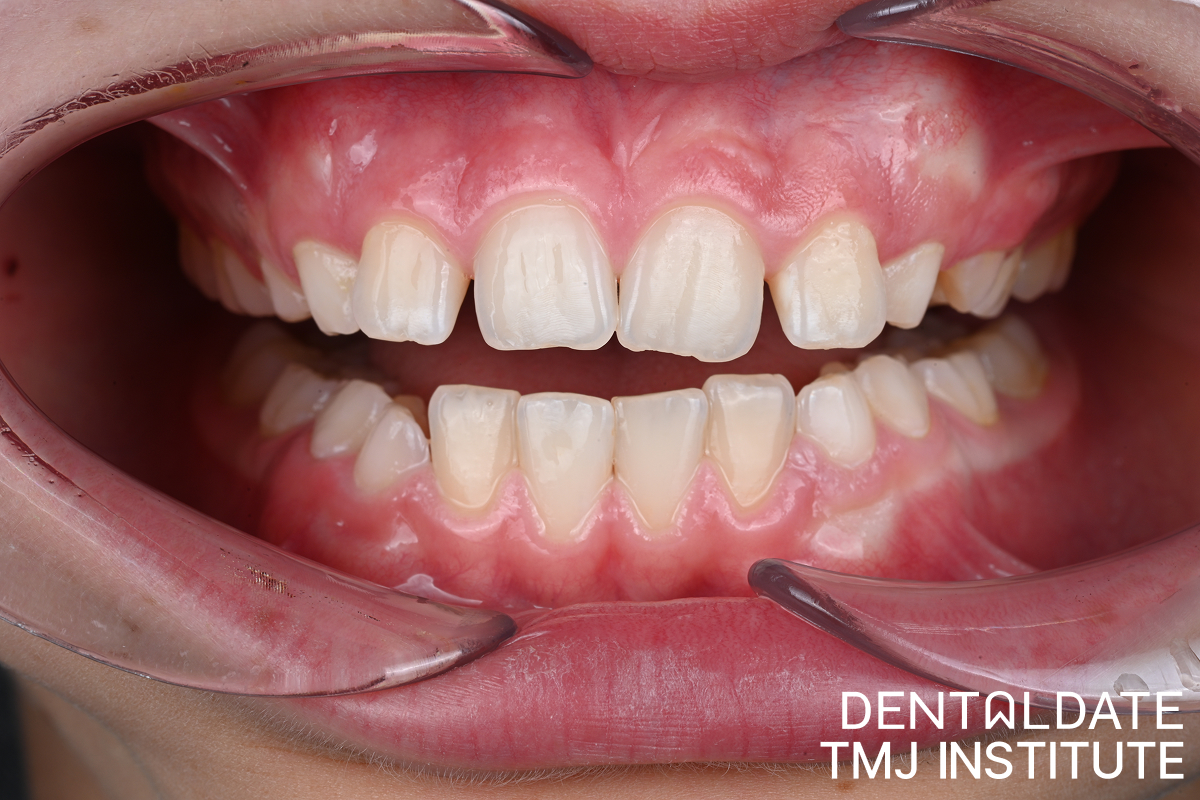
- the occlusal relationship had been corrected;
- functional factors contributing to mandibular asymmetry had been addressed;
- the relationship between the upper and lower dental arches had improved;
- more favorable conditions for symmetrical dentofacial growth had been established;
- tooth positions were improved according to the objectives of this treatment stage.
Professional dental cleaning and thorough tooth polishing were also performed following appliance removal.

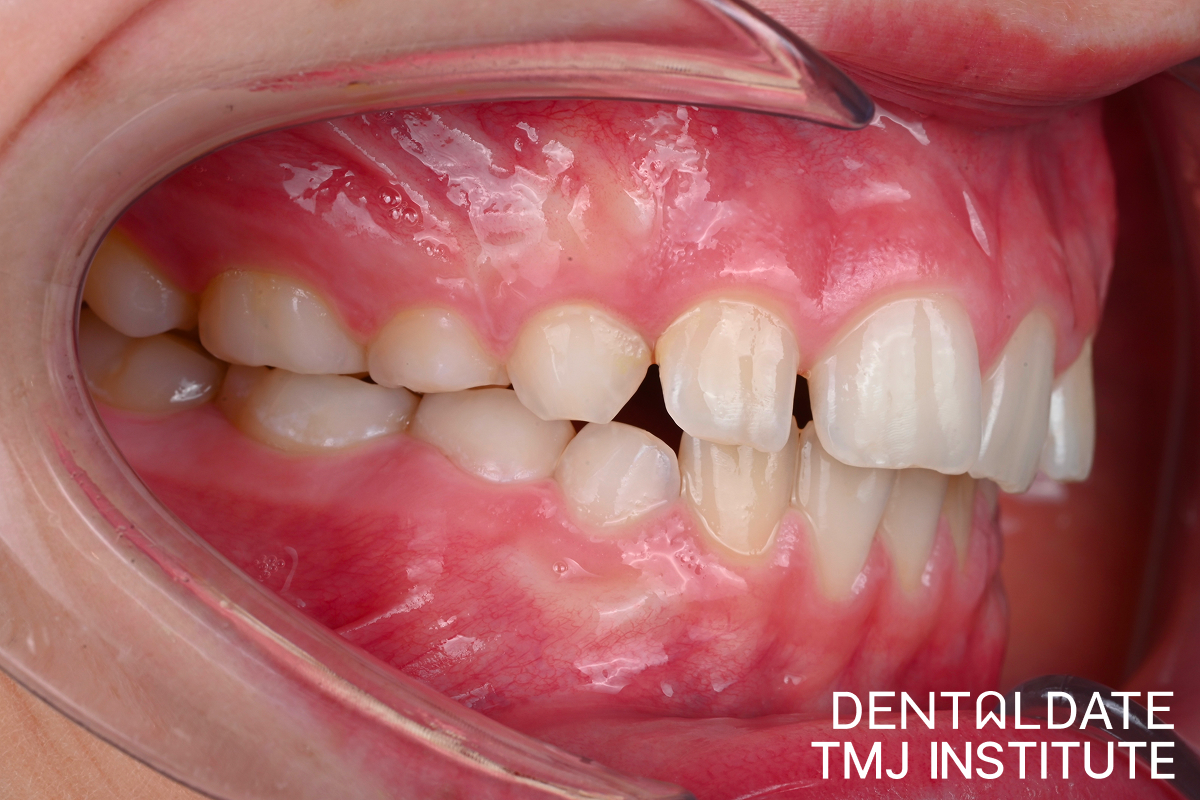
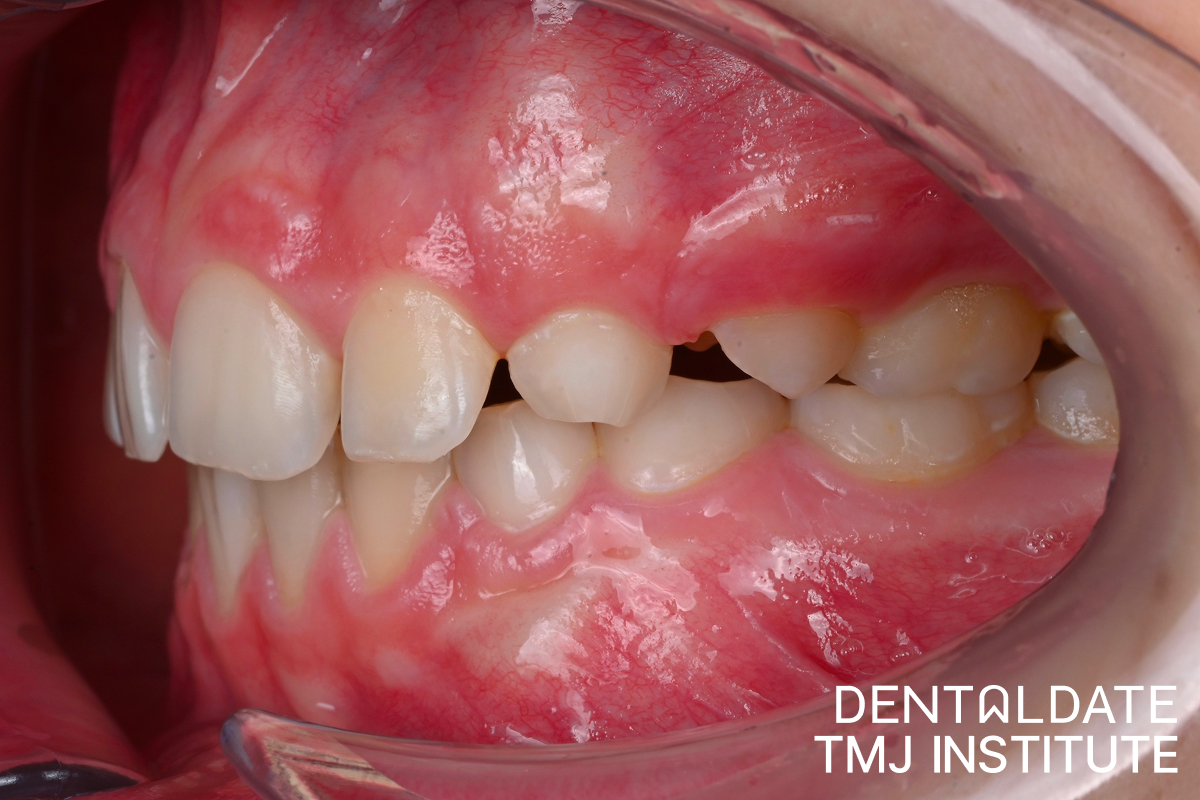
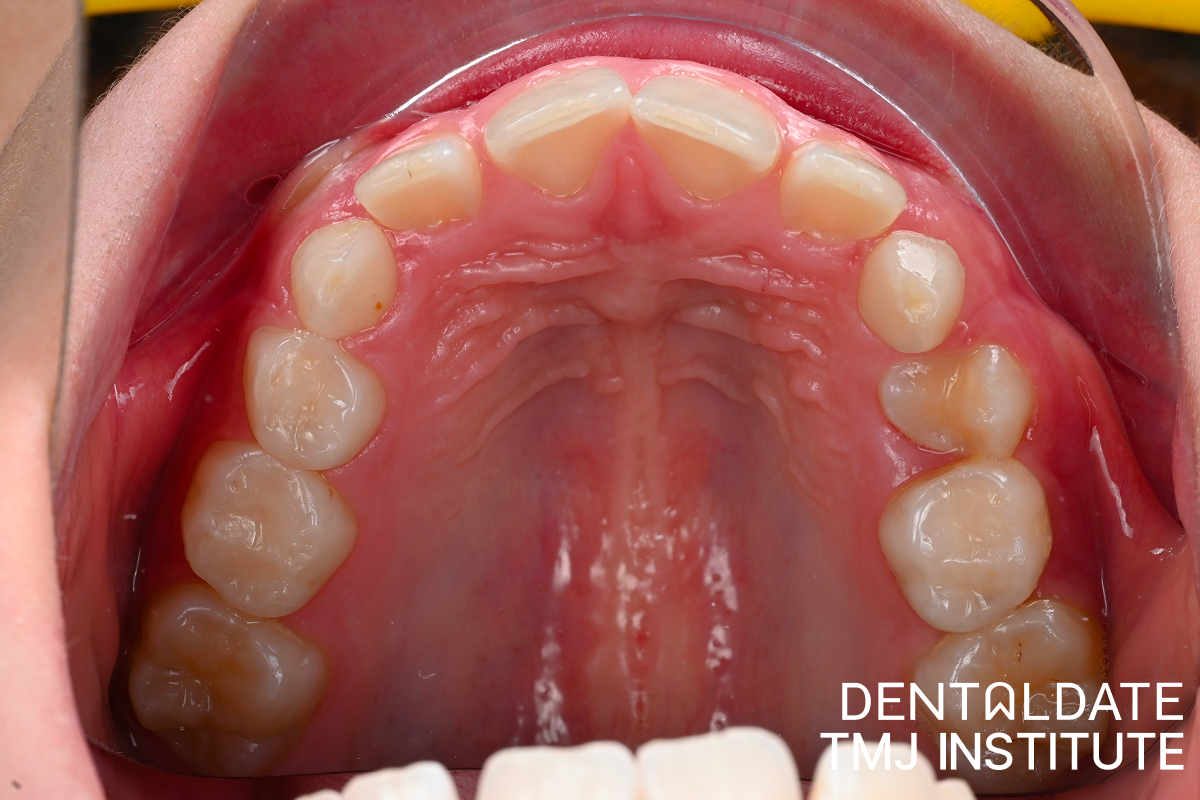
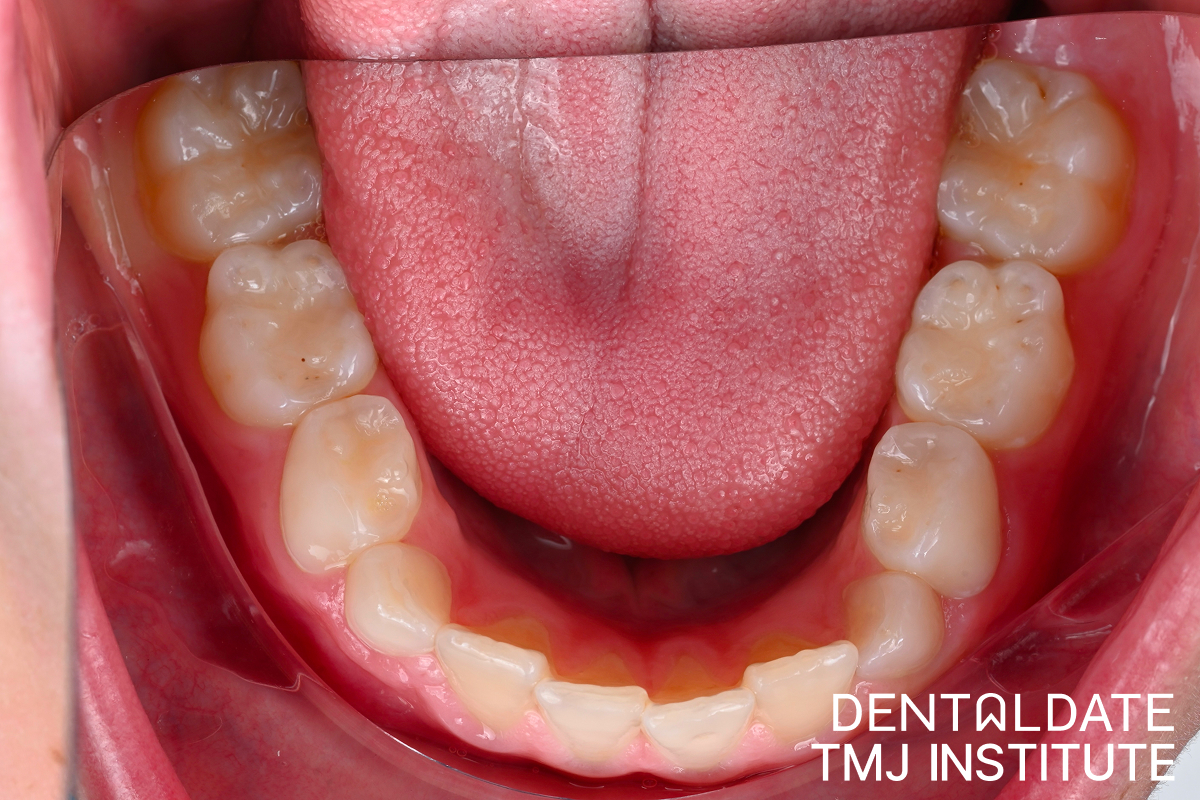
Why Follow-Up Continues After HAAS Treatment
The child is still growing, and eruption and replacement of the permanent dentition are ongoing. For this reason, removal of the appliance does not mark the end of orthodontic observation.
The patient remains under dynamic follow-up. During review appointments, the orthodontist monitors:
- stability of the achieved correction;
- the relationship between the upper and lower jaws;
- occlusion;
- eruption of permanent teeth;
- continued dental arch development;
- whether additional orthodontic treatment becomes necessary during subsequent stages of growth.
Continued monitoring allows the treatment plan to be adapted to changes occurring during physiological dental development.
Early Crossbite Treatment at DentalDate Dubai
A posterior crossbite in a growing child may be accompanied by a functional mandibular shift. When this altered position persists during growth, functional asymmetry may become increasingly established.
Assessment should therefore consider not only individual tooth positions, but also maxillary width, occlusion and mandibular position.
At DentalDate Dubai, pediatric orthodontic treatment is planned individually according to the child’s age, stage of dental development, type of malocclusion and dentofacial growth pattern.
Early assessment helps determine whether active treatment is indicated or whether monitoring is the more appropriate approach.