Pain Under a Long-Standing Crown
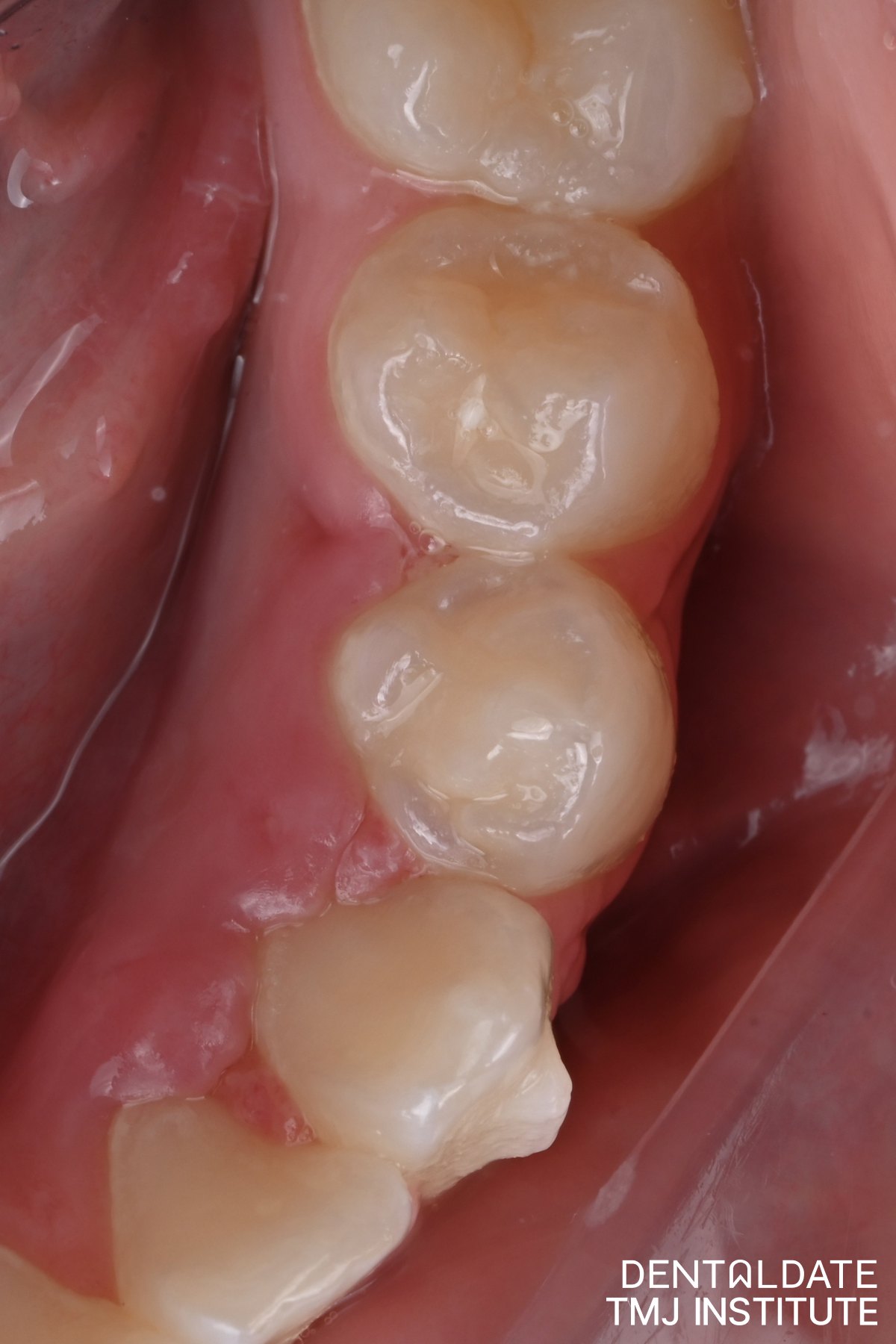
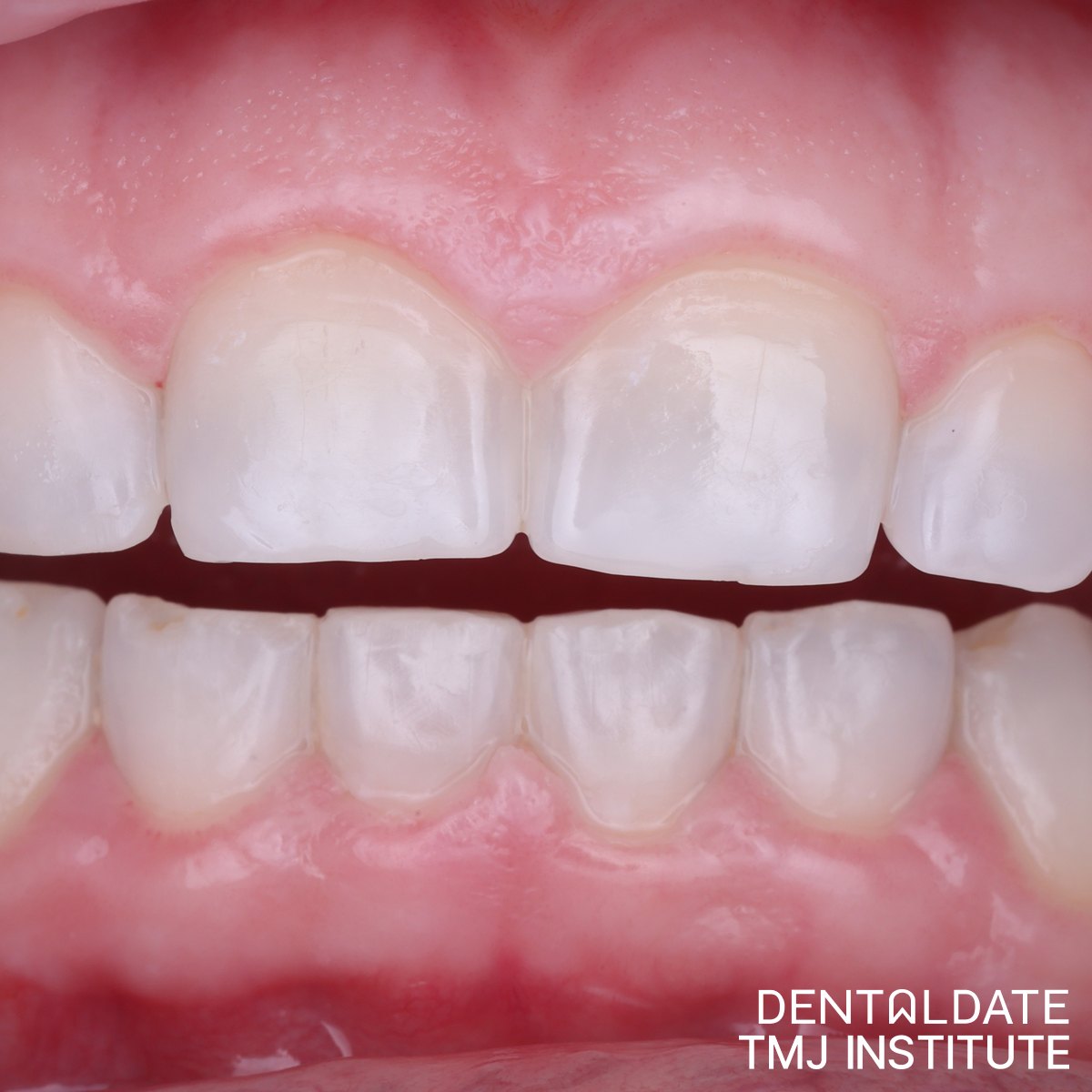
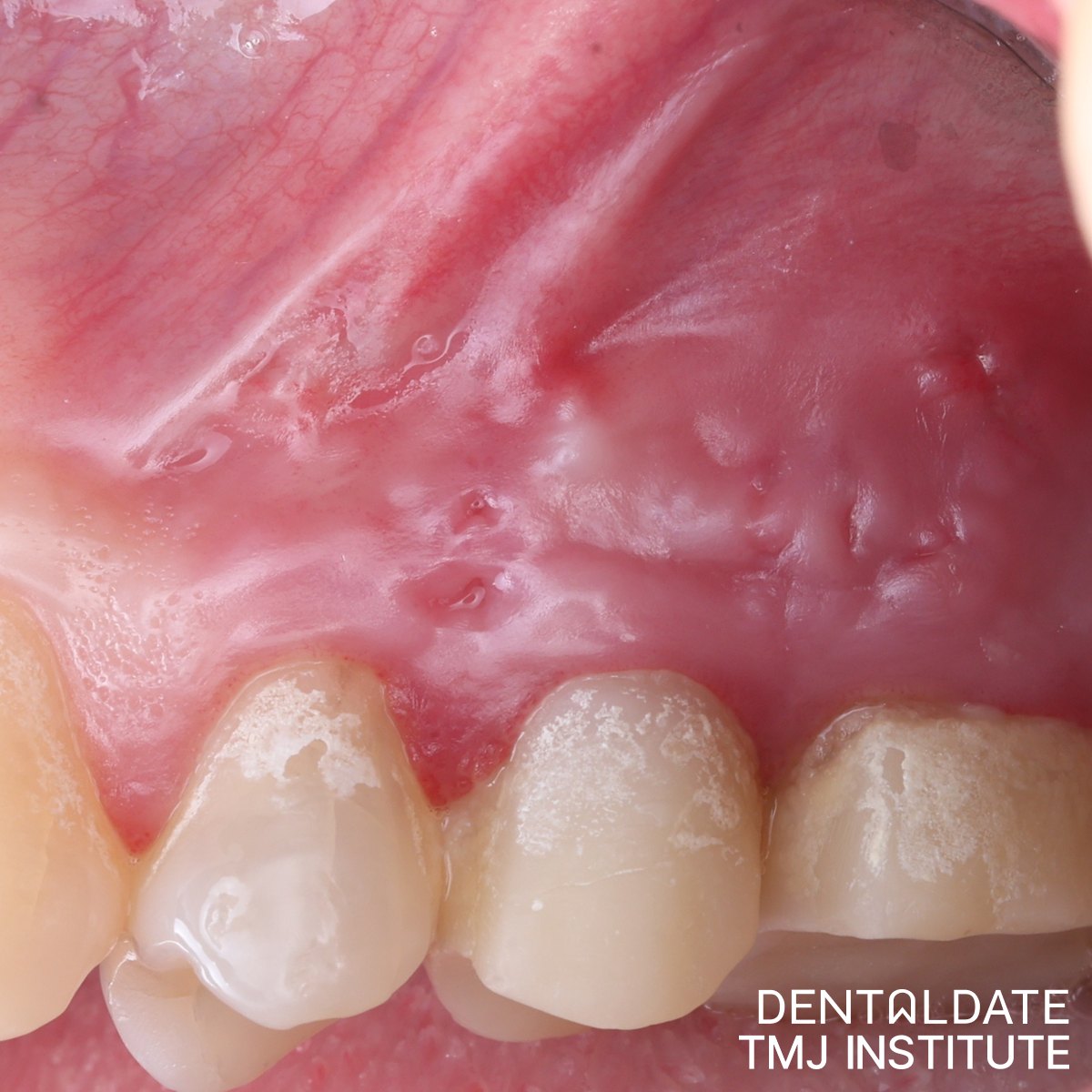
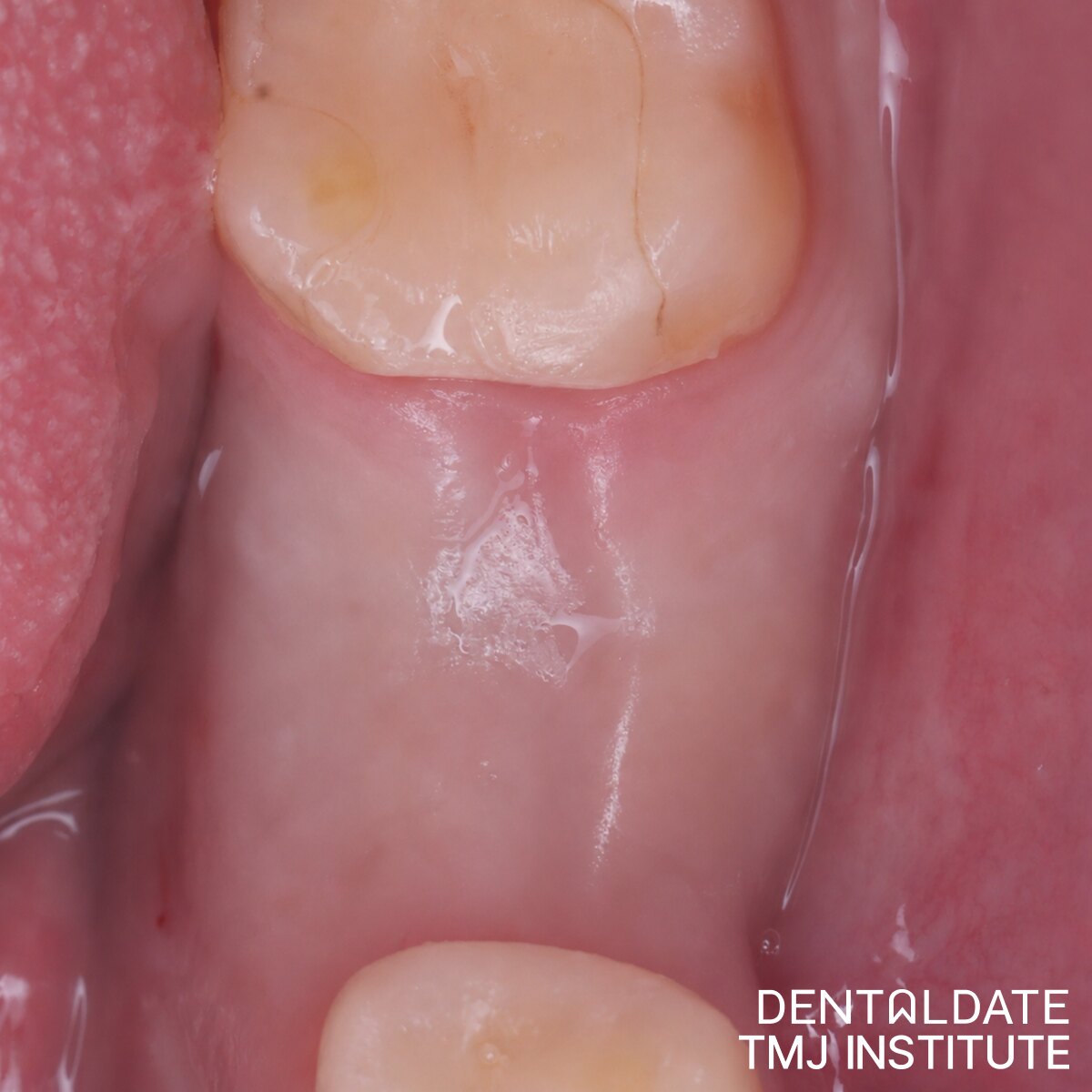
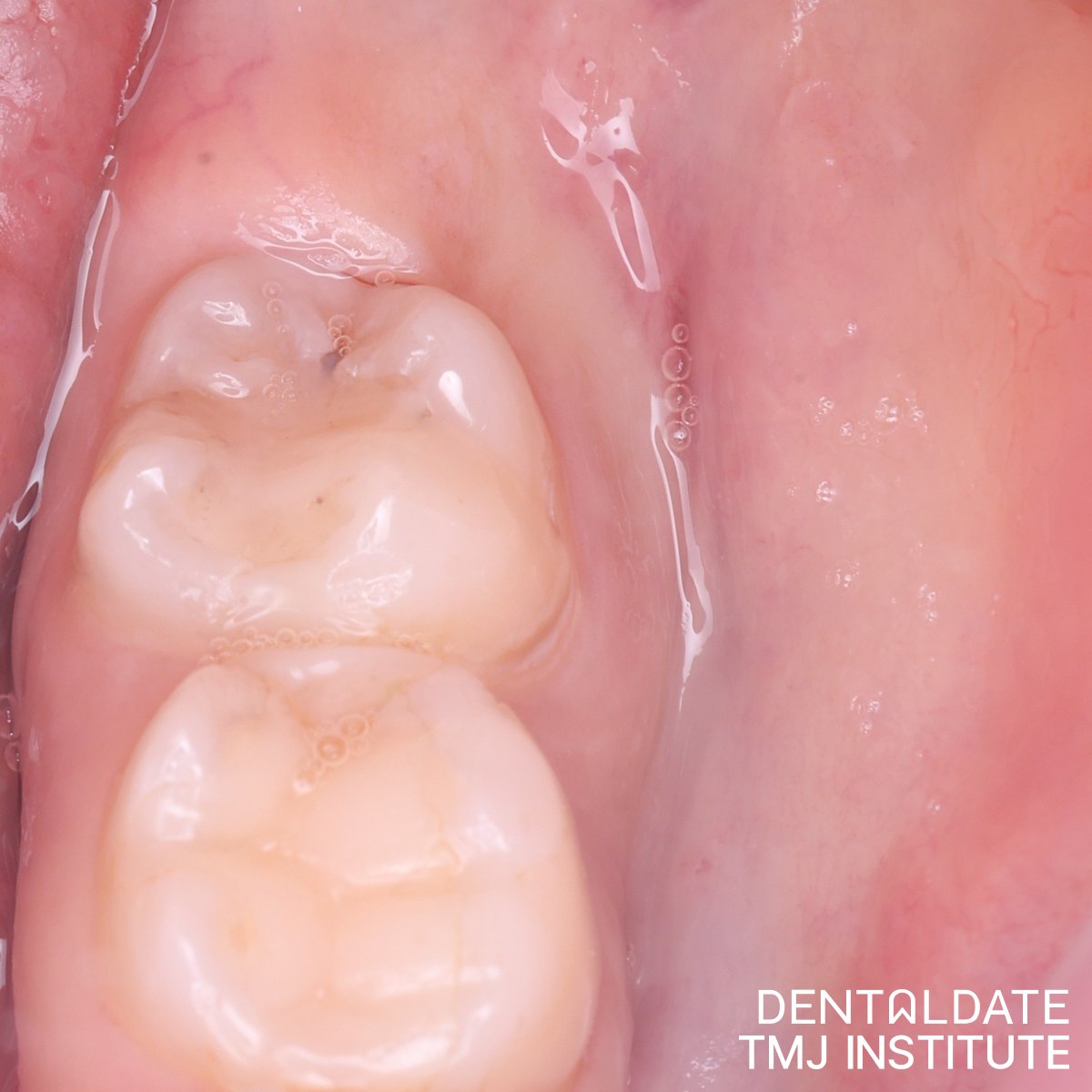
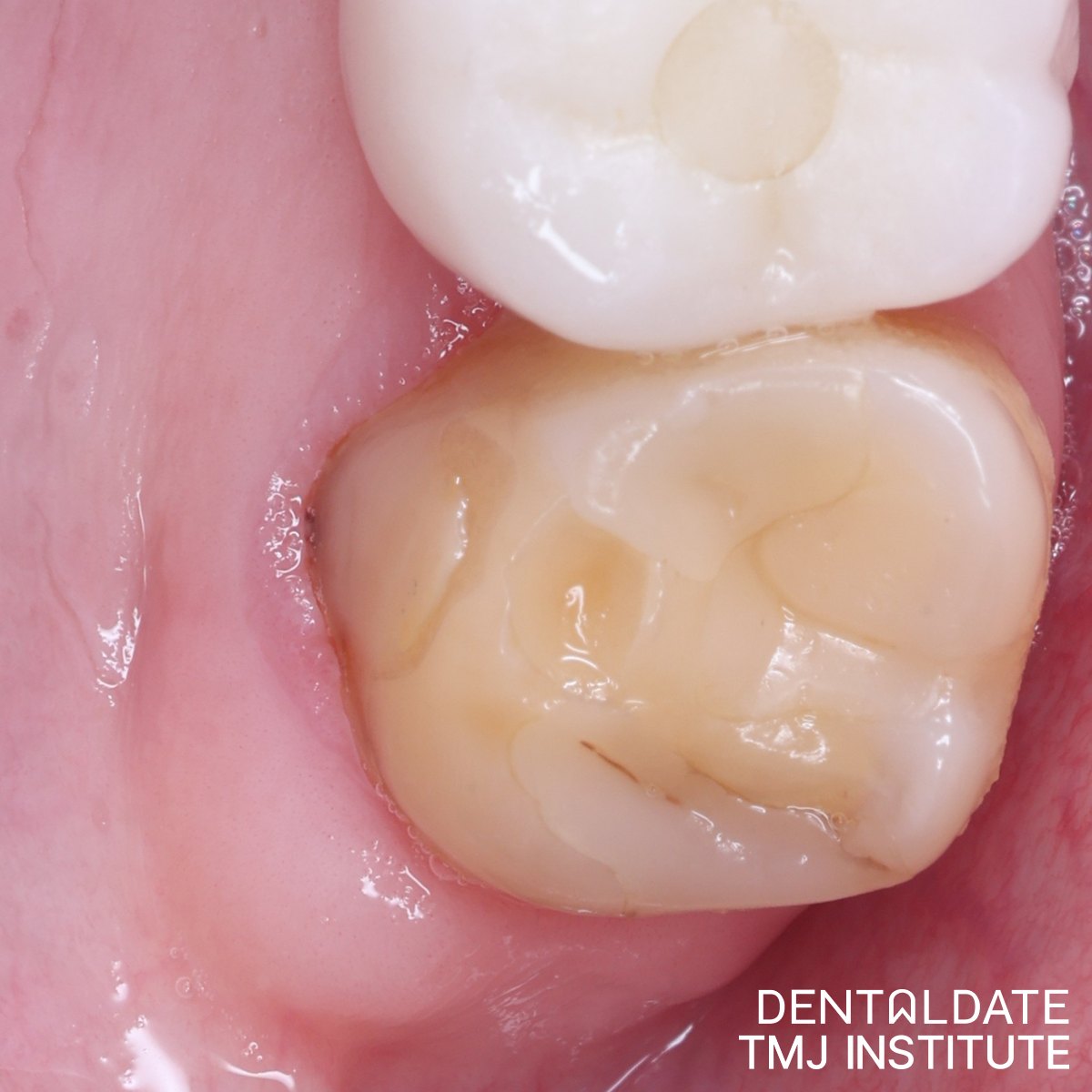
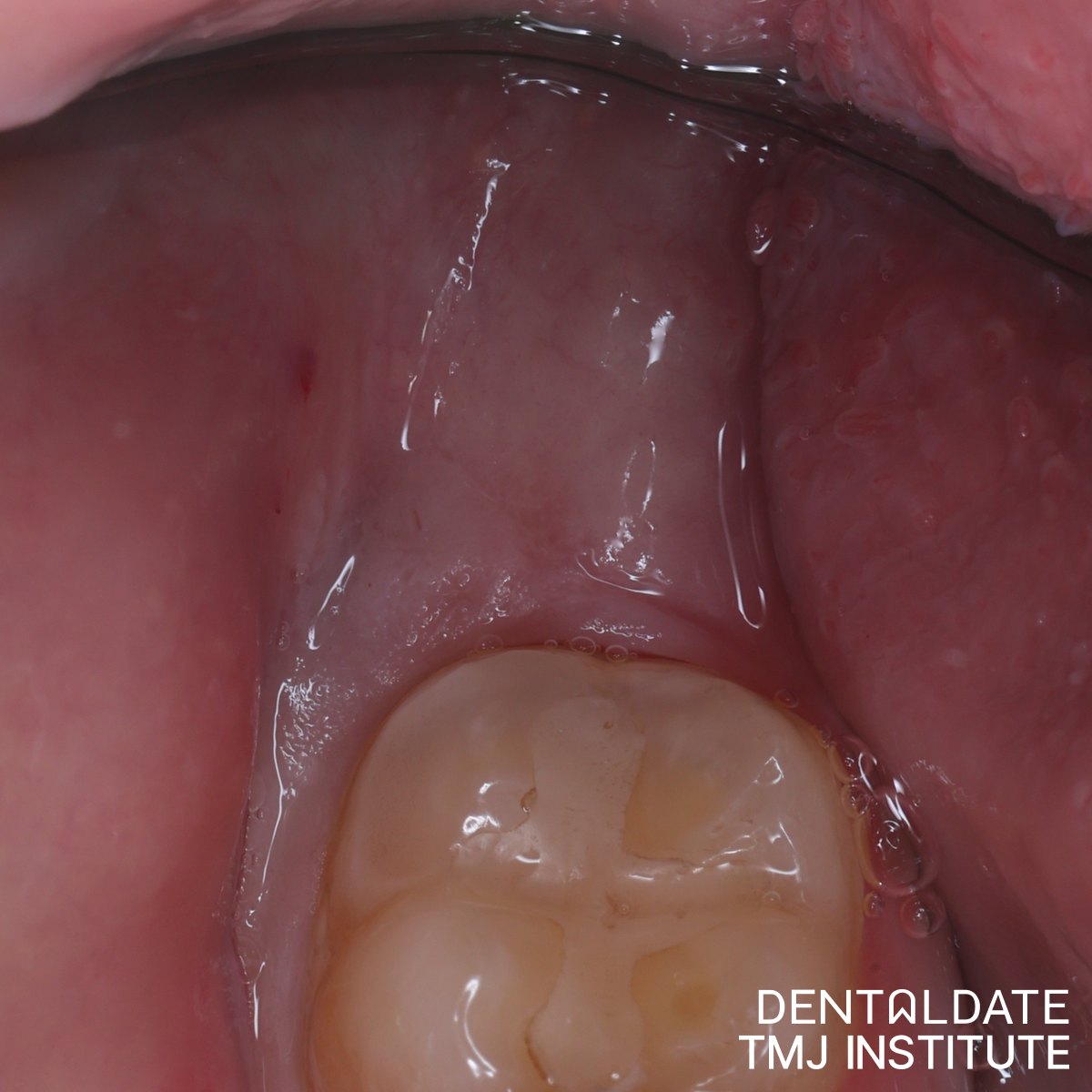
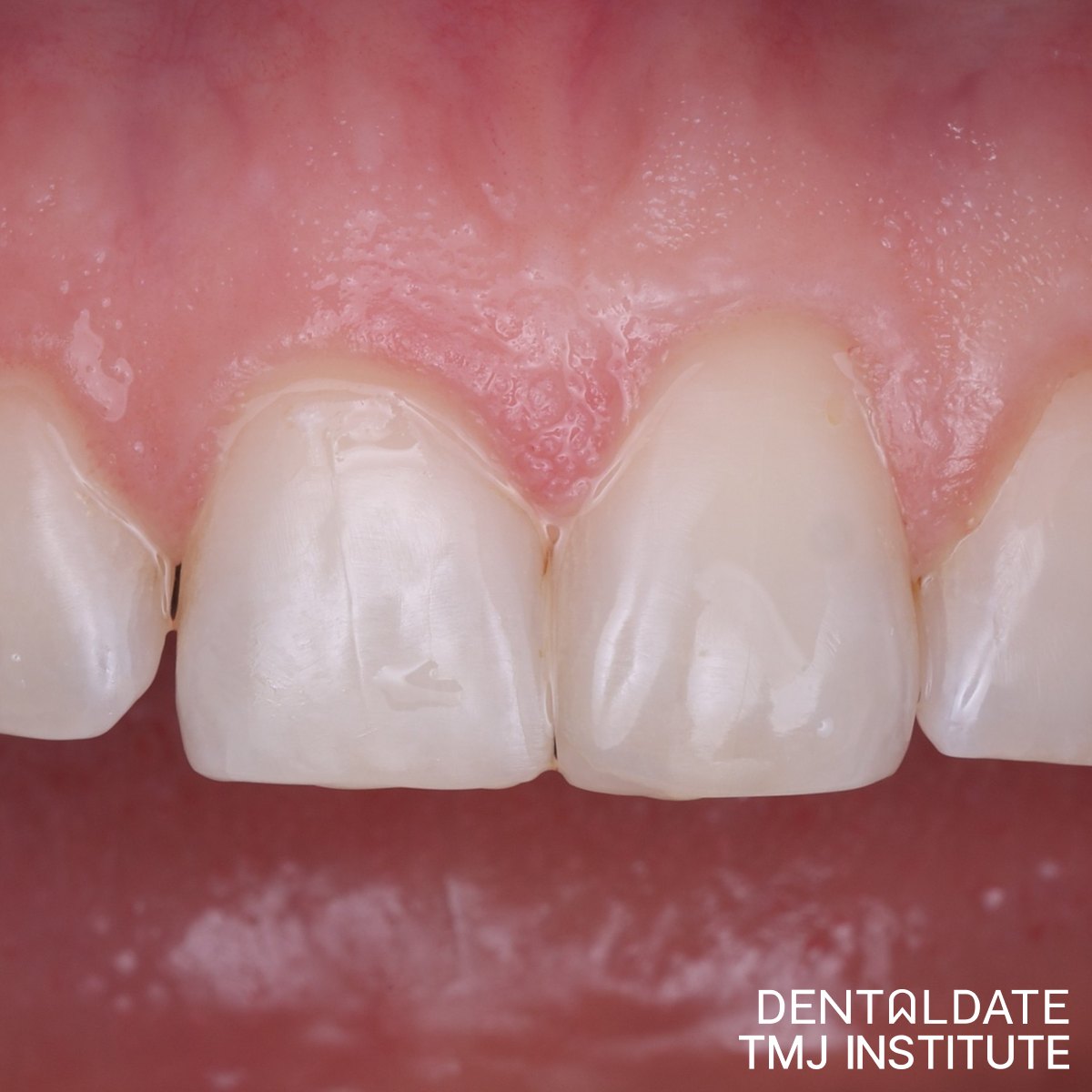
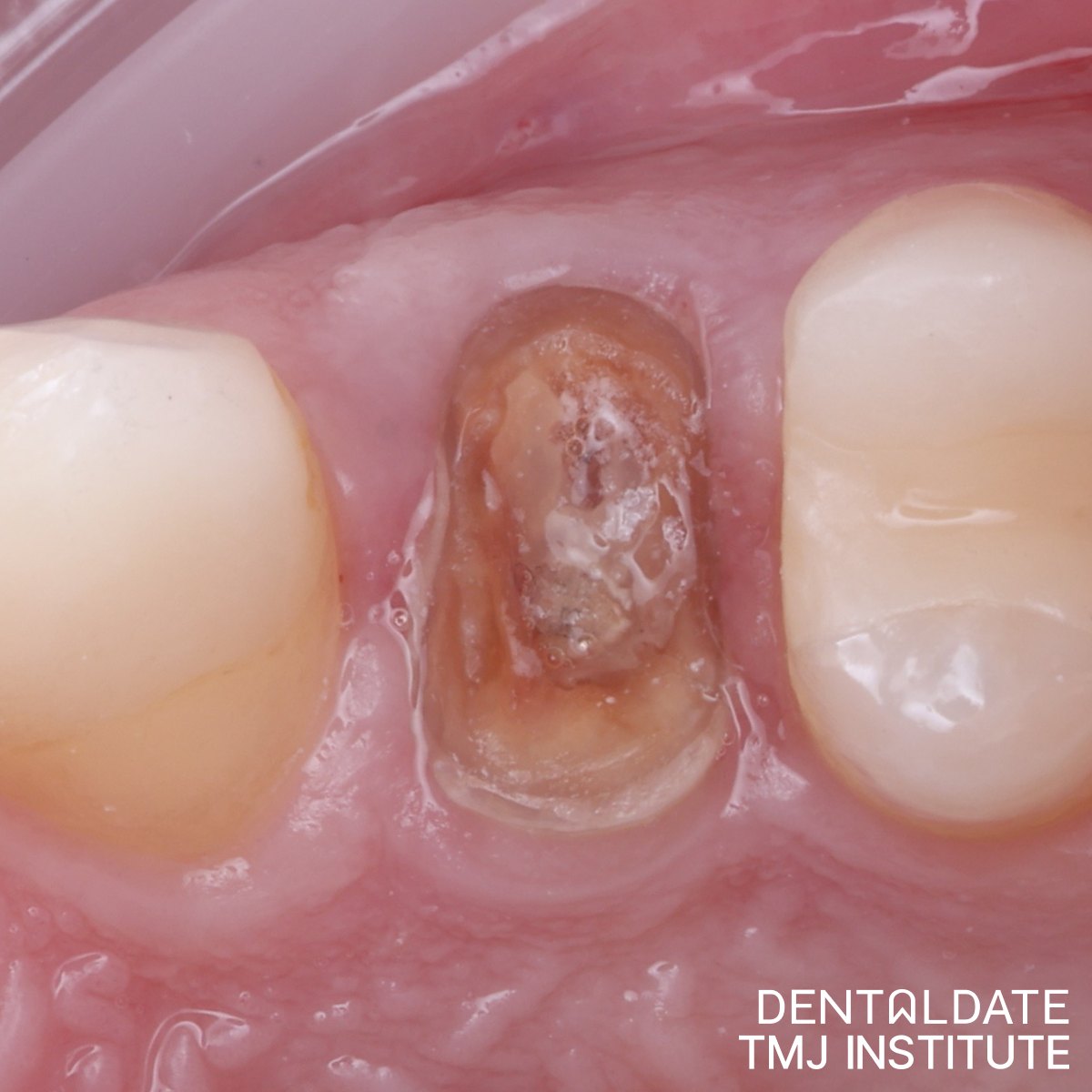
The upper front tooth had been treated and crowned more than 15 years ago, and the patient came with pain in this area. A crown can hide what is happening to the tooth underneath, which is why 3D imaging is so valuable in such cases. The CBCT scan revealed a crack in the root of the tooth.
Why Treated Teeth Can Crack Over Time
Teeth that have been treated and crowned can serve for many years, but they are not immune to problems. In general, several factors raise the risk of a crack in the root:
- loss of natural tooth structure through earlier decay and treatment;
- years of chewing and biting forces on the same tooth;
- clenching or grinding of the teeth;
- a knock or injury to the front teeth, sometimes long before any symptoms appear.
A root crack may cause pain, tenderness on biting or gum swelling, but it is often difficult to see on a standard X-ray. A 3D scan can make the diagnosis much clearer.
Why the Implant Was Placed Straight Away
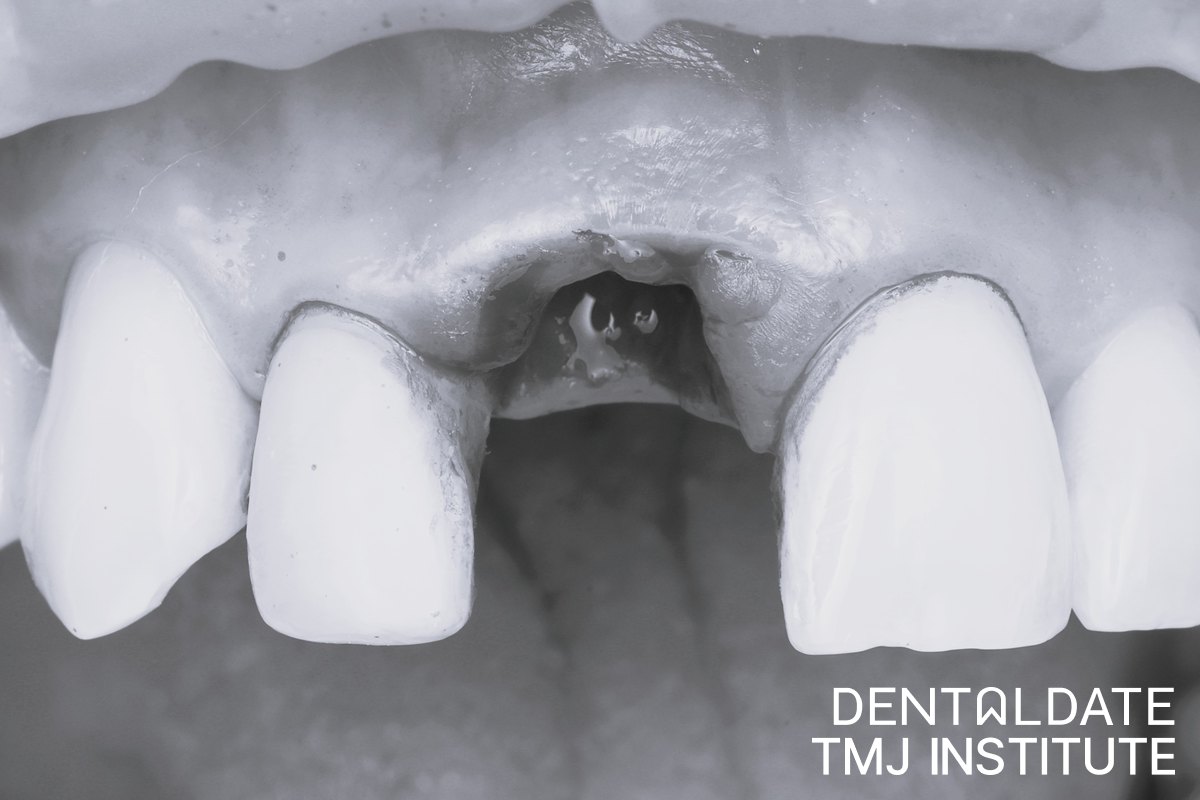
A cracked root cannot be restored, so the tooth had to be removed. With immediate implantation, the implant goes in directly after the extraction, in the same visit, instead of waiting for the socket to heal first. For a front tooth this also matters for appearance. The patient could not be left without a tooth, so a temporary crown was prepared in advance.
The Procedure in Order
Everything was done in one appointment:
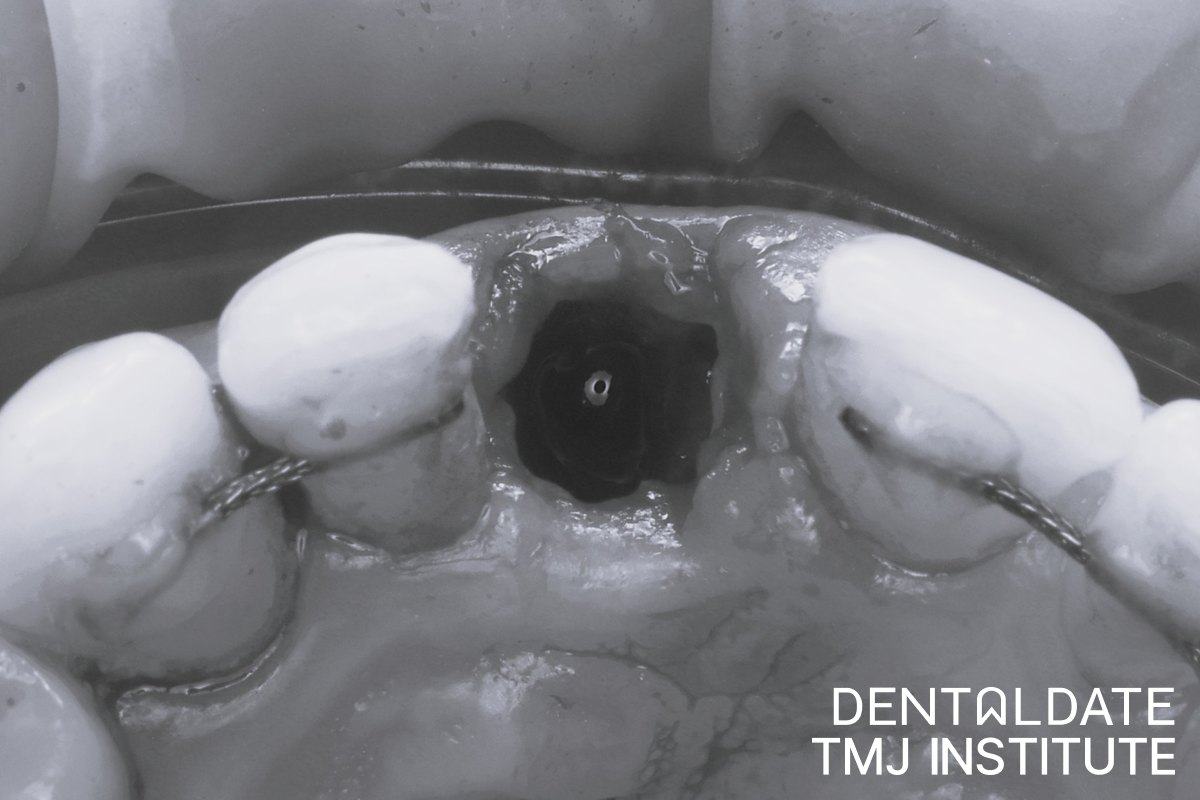
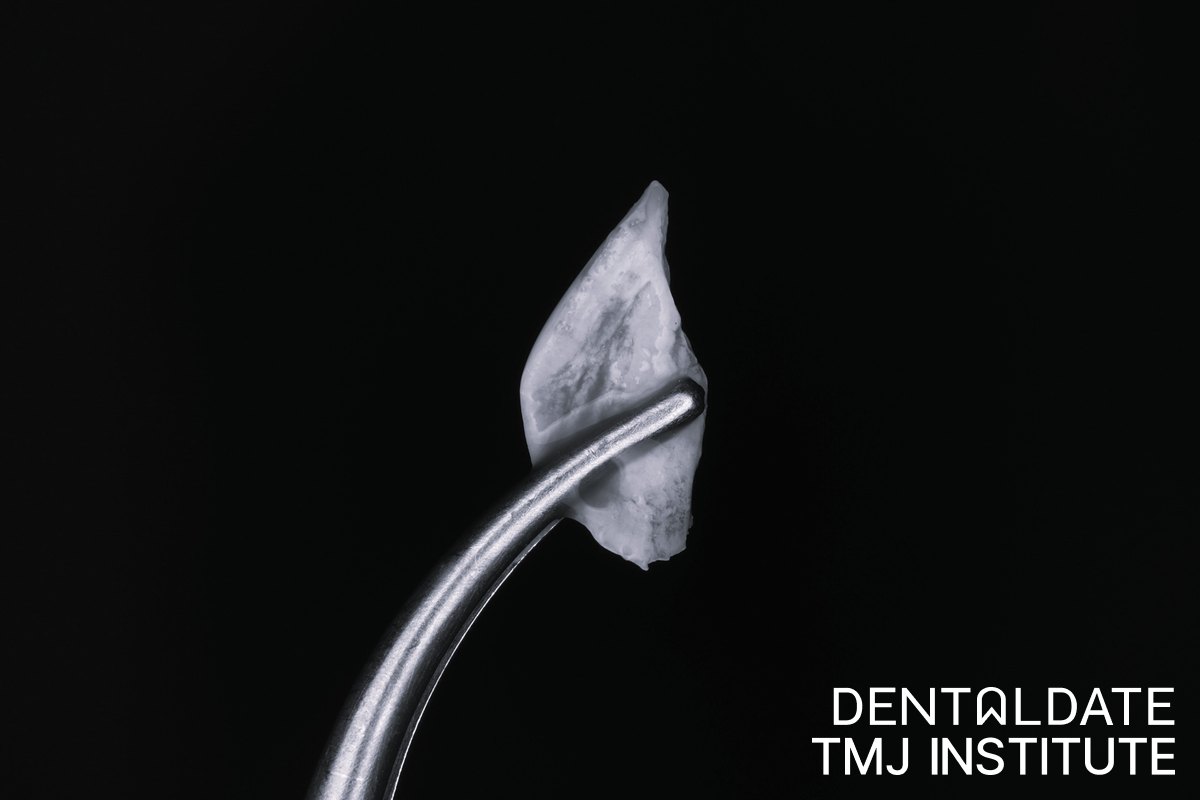
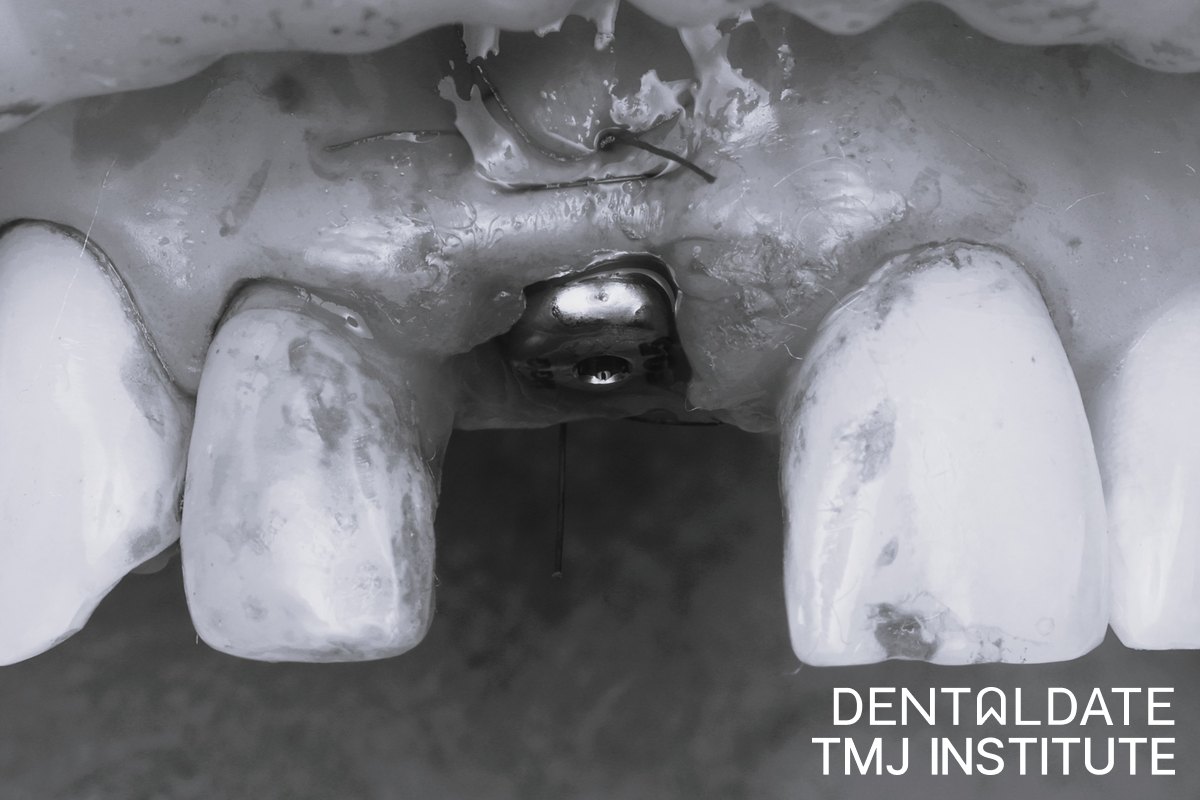
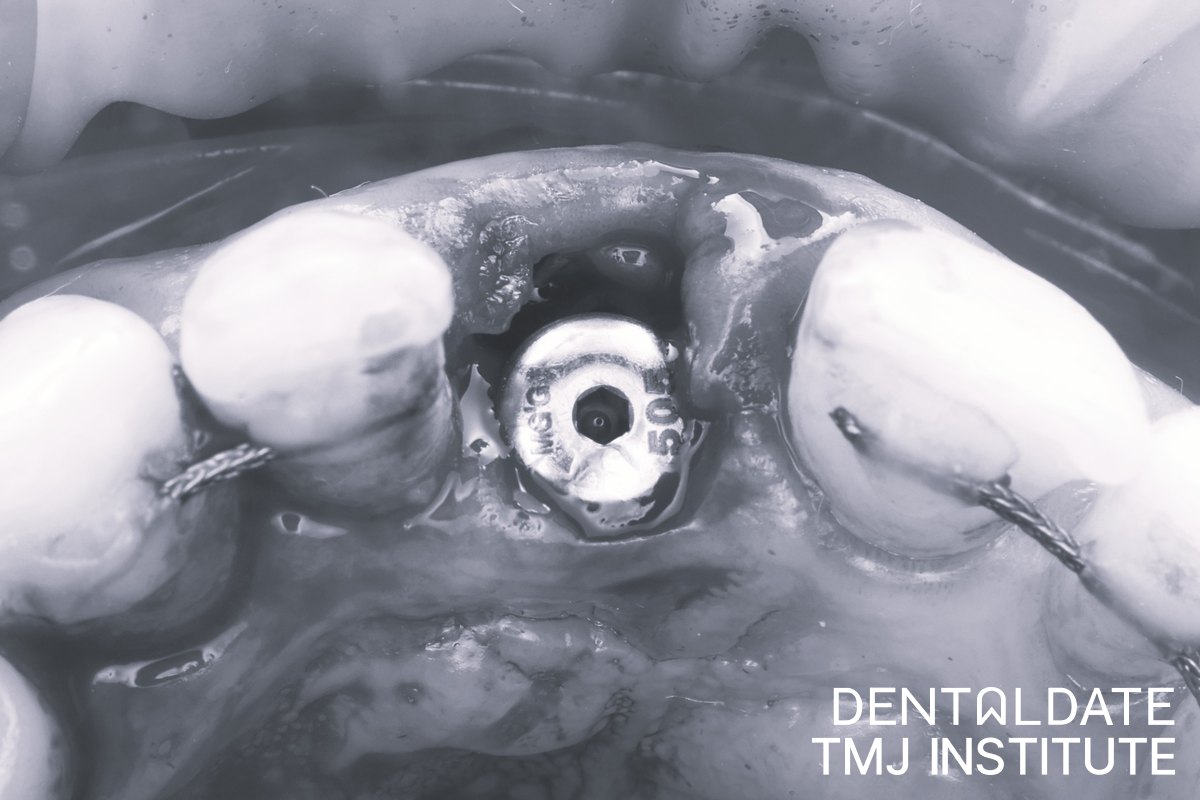
- The tooth with the cracked root was removed.
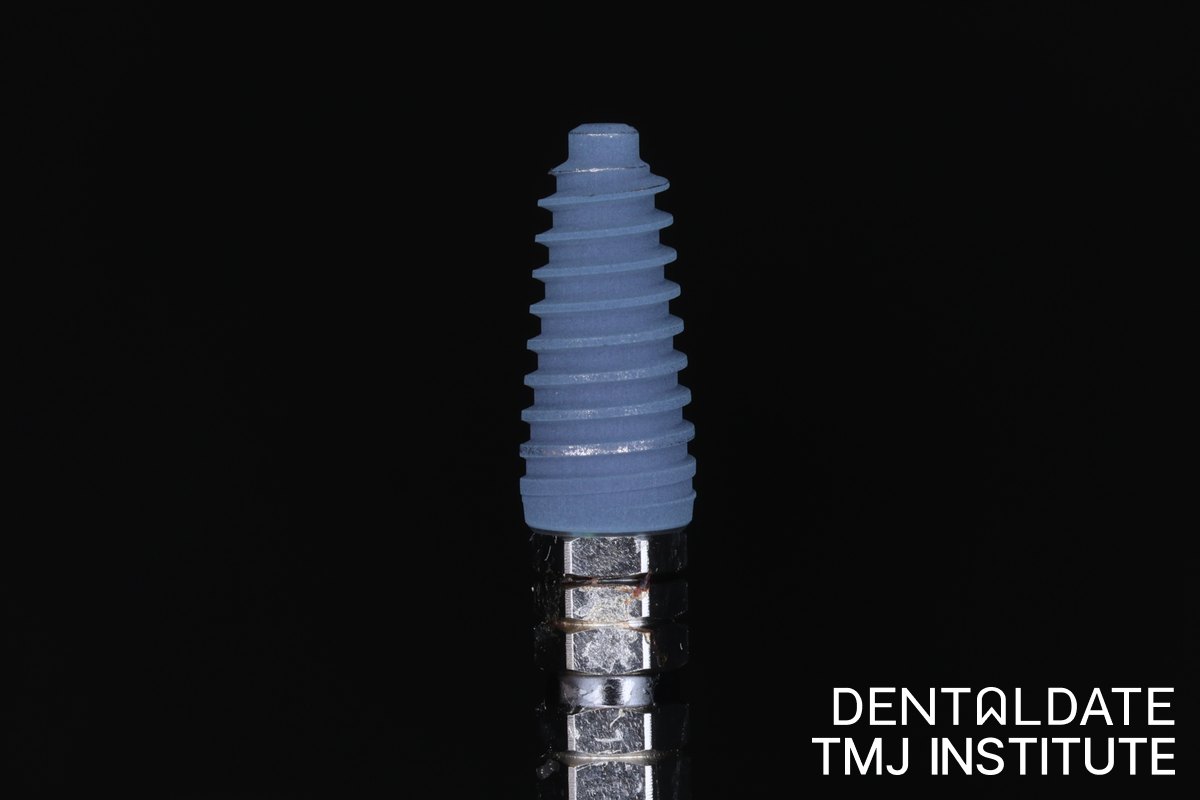
- The implant was placed immediately into the socket.
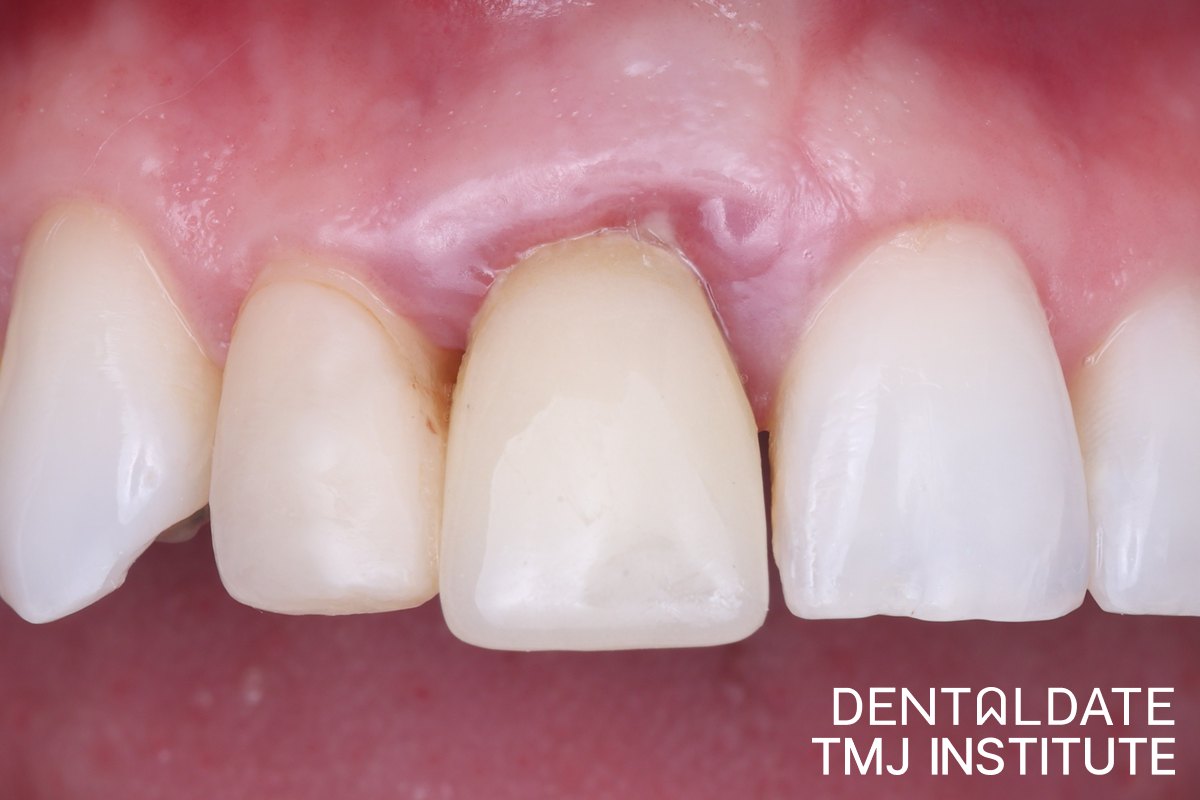
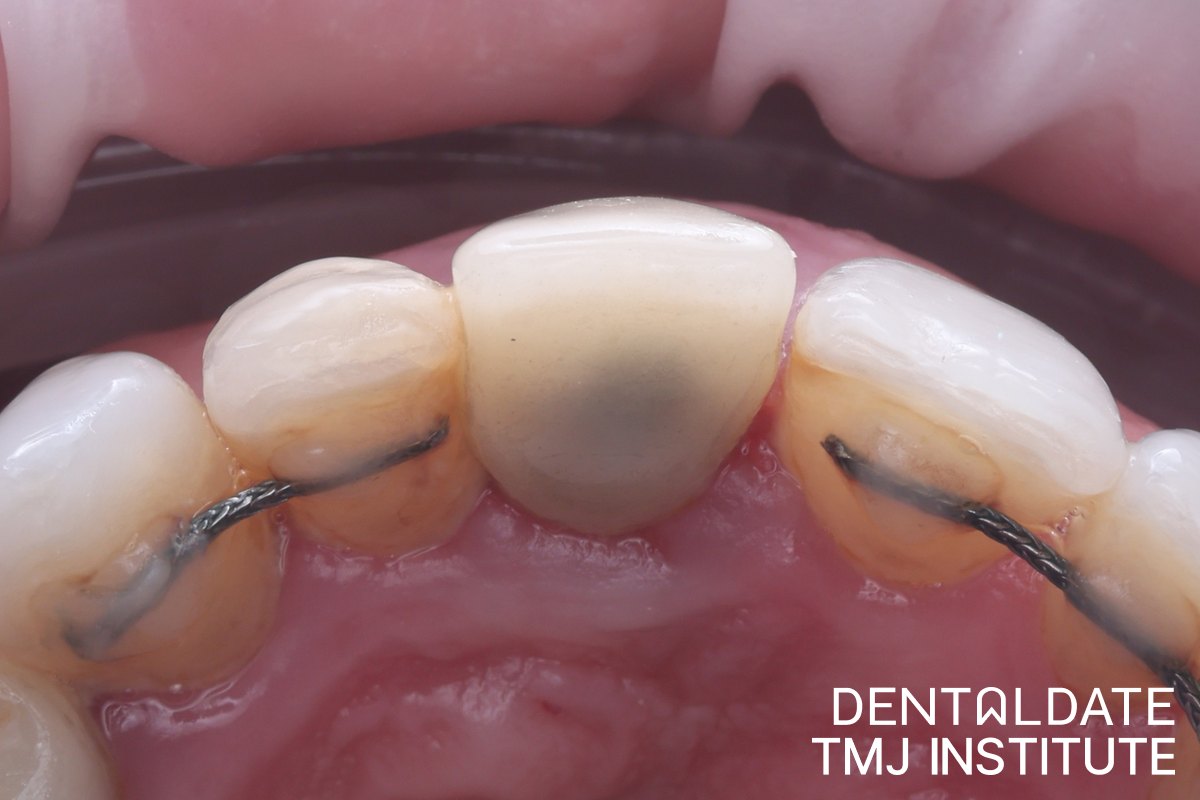
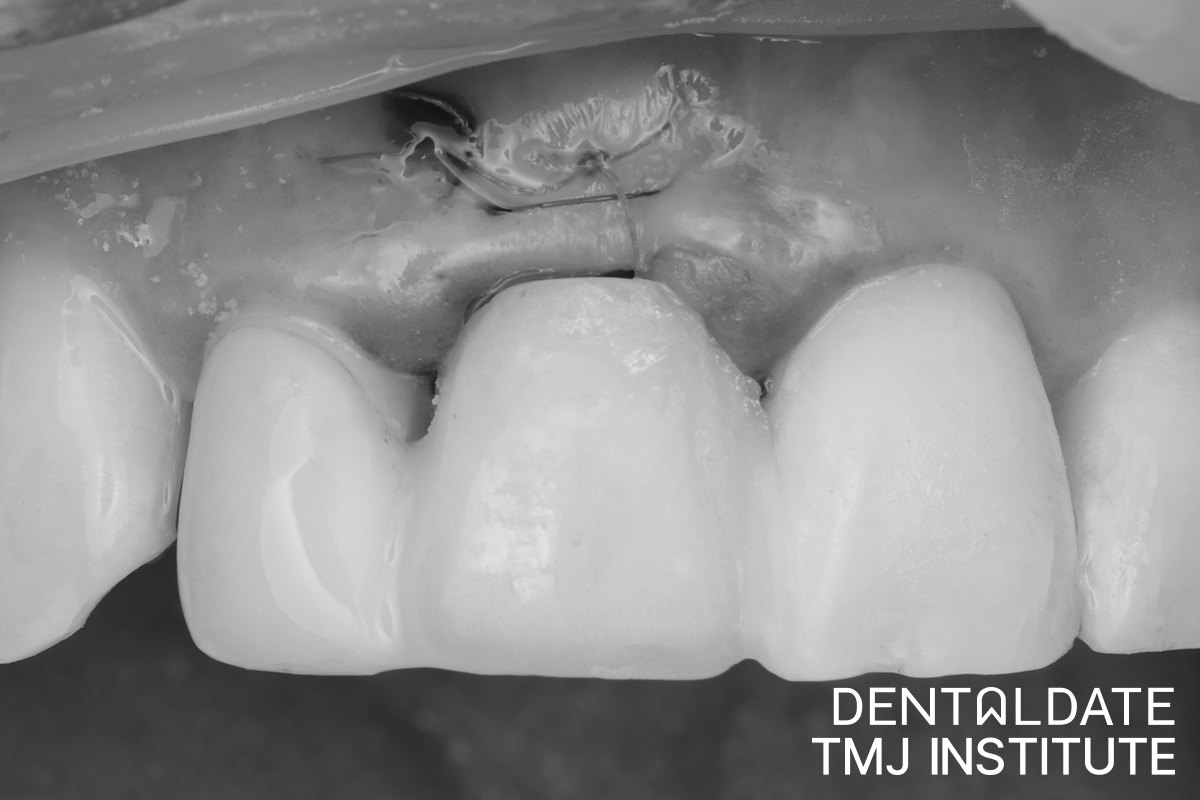
- The temporary crown prepared in advance was fixed to the adjacent teeth with a special composite material.
- The whole procedure, from anesthesia to fixing the temporary restoration, took no more than one hour.
How a Bonded Temporary Crown Works
Bonding a temporary tooth to the neighbouring teeth with composite is one common way to fill a front gap while an implant heals. With this approach, the temporary tooth is supported by the teeth on either side, so the implant is generally not exposed to biting forces during healing. The temporary restores the look of the smile, and when the time comes it can be removed without harming the neighbouring teeth.
Result and the Plan Ahead
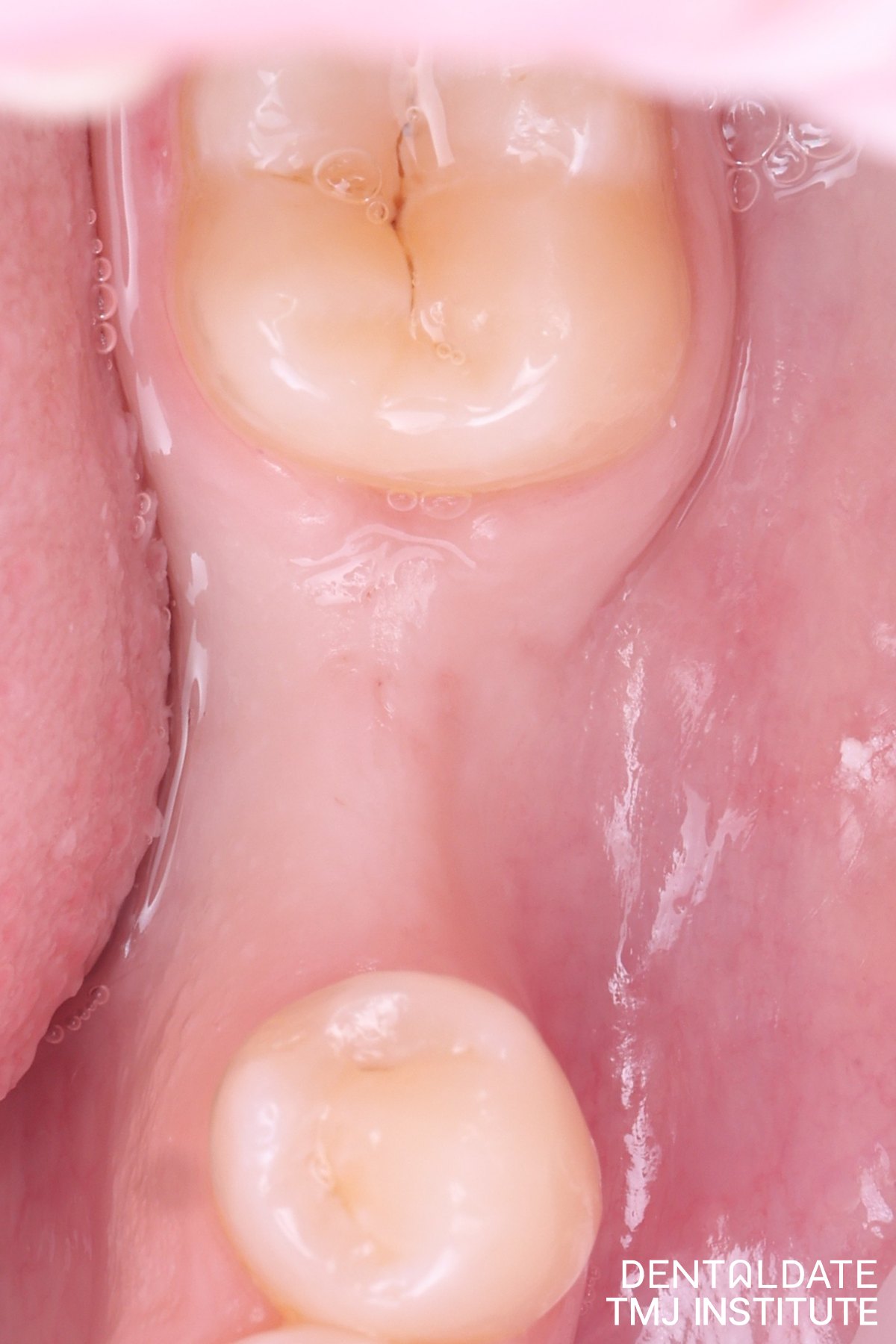
The patient left the clinic on the same day with restored esthetics. One week later, at the follow-up visit, the patient reported no discomfort, and the sutures were removed.
After about three months, the temporary crown is replaced with a permanent zirconia crown. Dr. Tikhon is responsible for the surgical stage; the zirconia crown is produced by a prosthodontist after integration.
Living with a Temporary Front Tooth
While the implant integrates, a temporary front tooth needs a little extra care. Most dentists suggest the following:
- avoid biting into hard foods such as whole apples or crusty bread with the front teeth;
- not use the front teeth to open packaging or bite nails;
- clean around the temporary crown gently but thoroughly, as the dentist demonstrates;
- contact the clinic if the temporary tooth feels loose or comes off.
These simple precautions protect both the temporary crown and the healing implant until the permanent crown is made.
Restoring Front Teeth at DentalDate
Losing a front tooth is stressful, and for many people the biggest worry is how they will look in the meantime. At DentalDate, the surgery is planned on a CBCT scan, a temporary crown can be prepared ahead of time when the situation allows, and the permanent crown is made by a prosthodontist. If an old crowned tooth has started to hurt, book a consultation and have it checked.