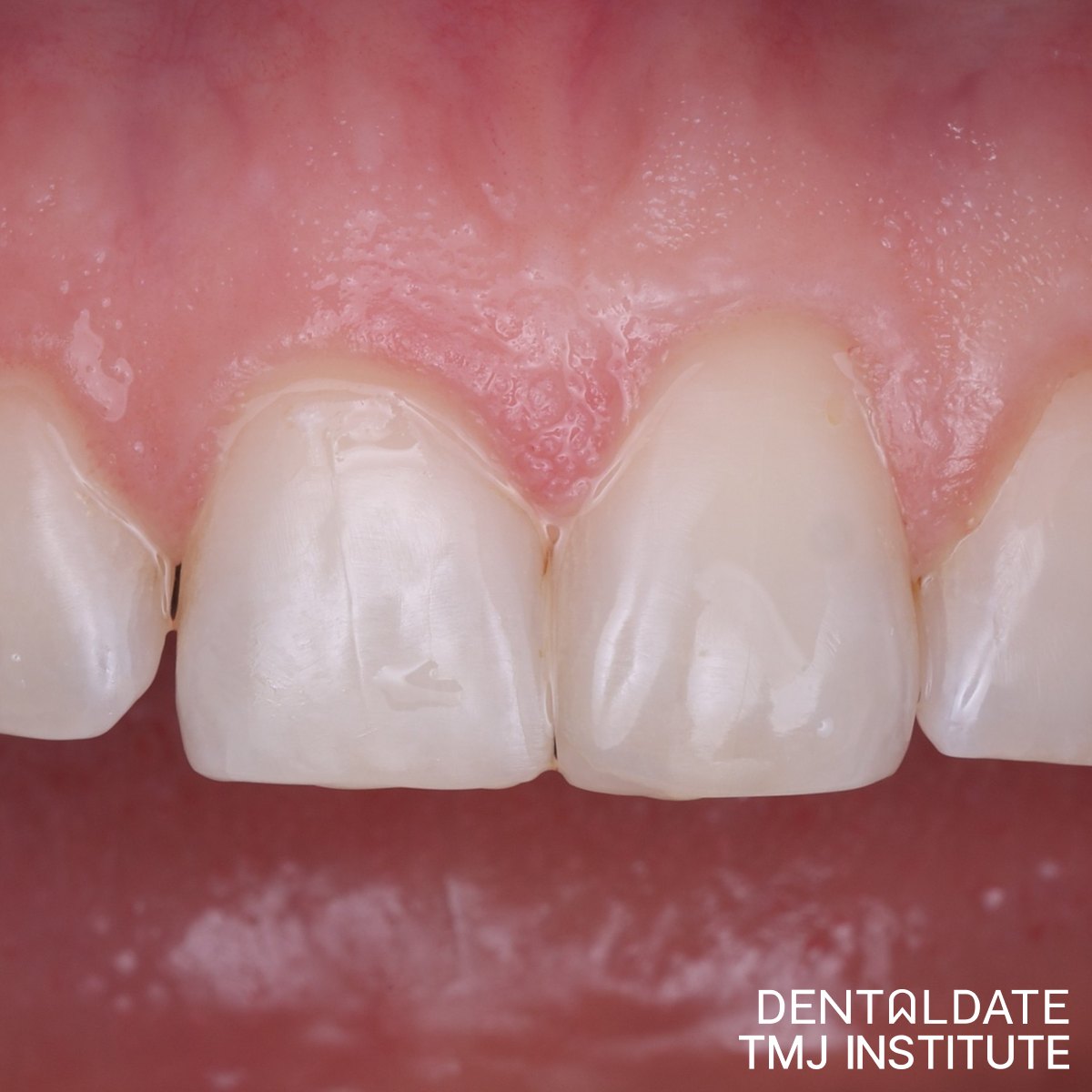
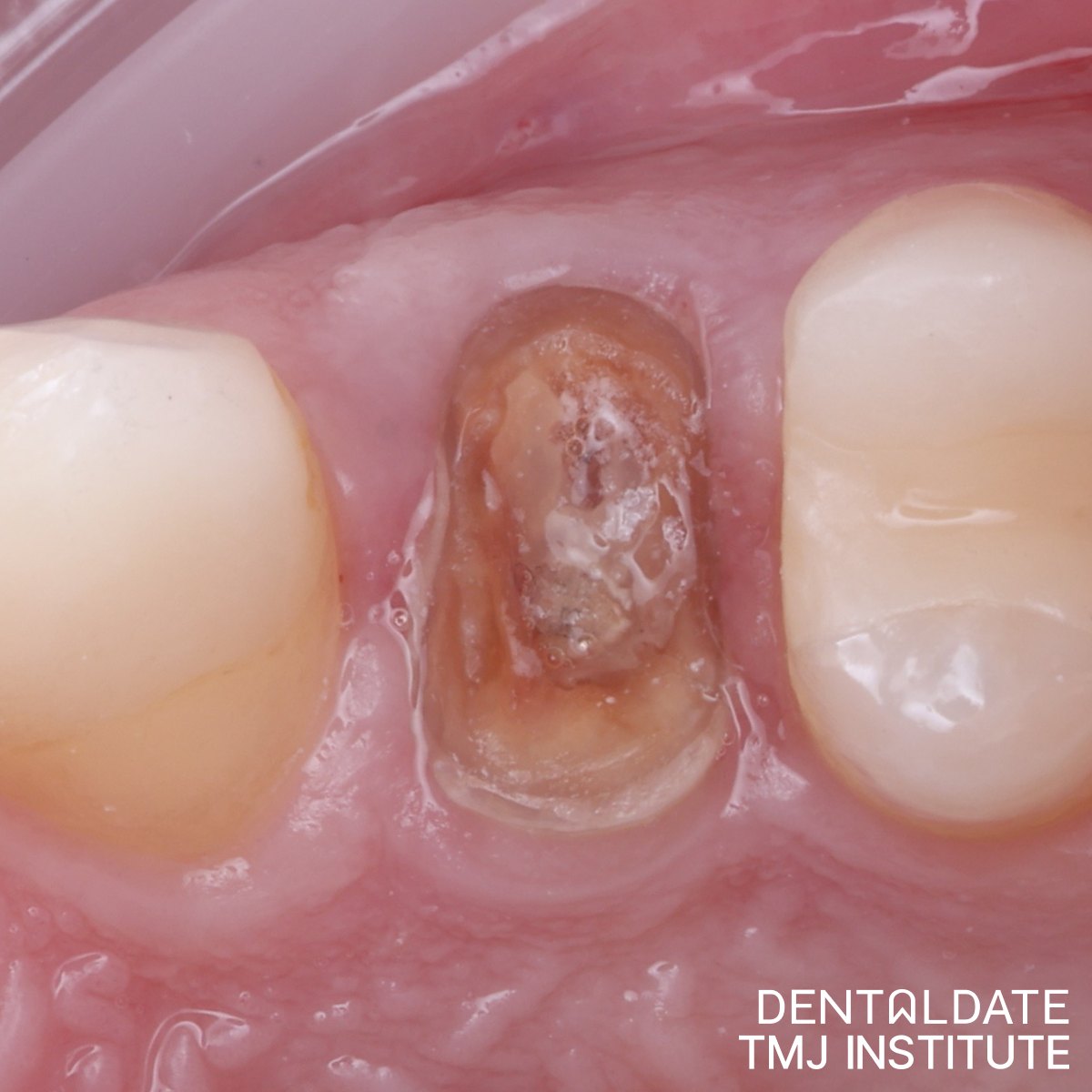
Key Facts of This Case
A short overview before the details:
- Tooth: lower first molar (46).
- History: the tooth had been lost many years earlier.
- Bone at the site: in perfect condition, so no additional procedures were needed.
- Procedure: implant placement following the standard protocol.
- Typical duration: about 20 minutes on average, from anesthesia to sutures.
- Next stage: a crown made by a prosthodontist about three months after implant placement.
Where the Treatment Started
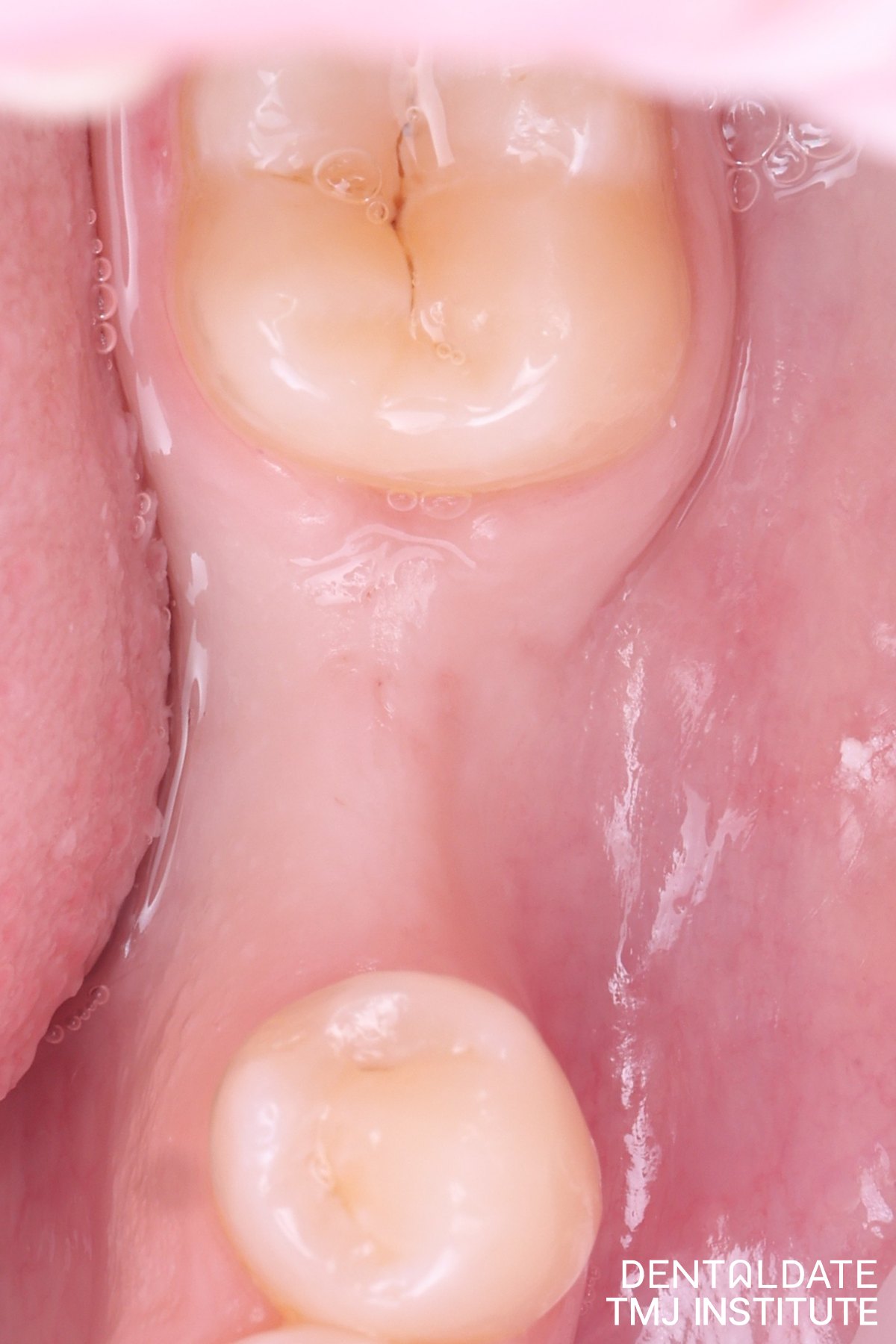
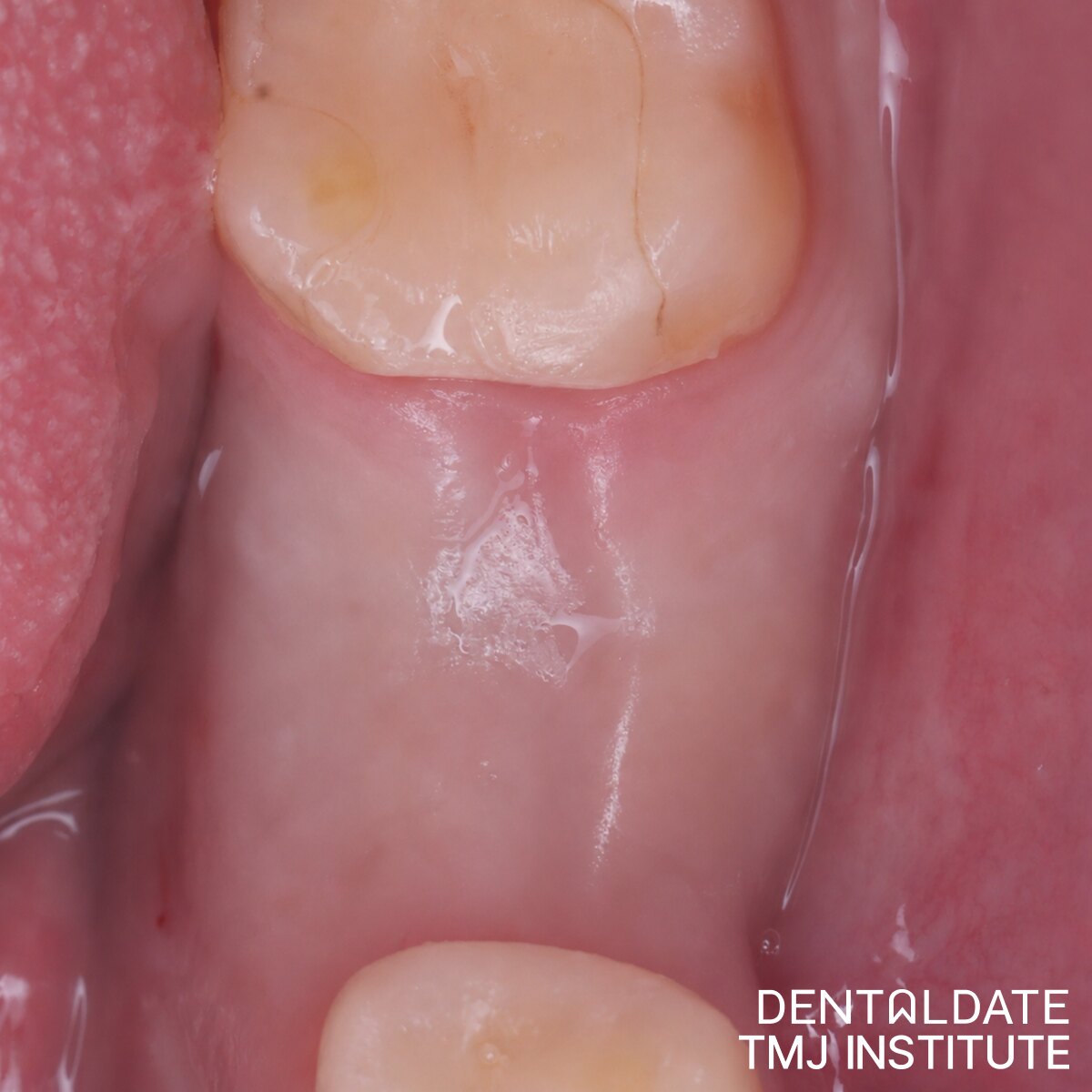
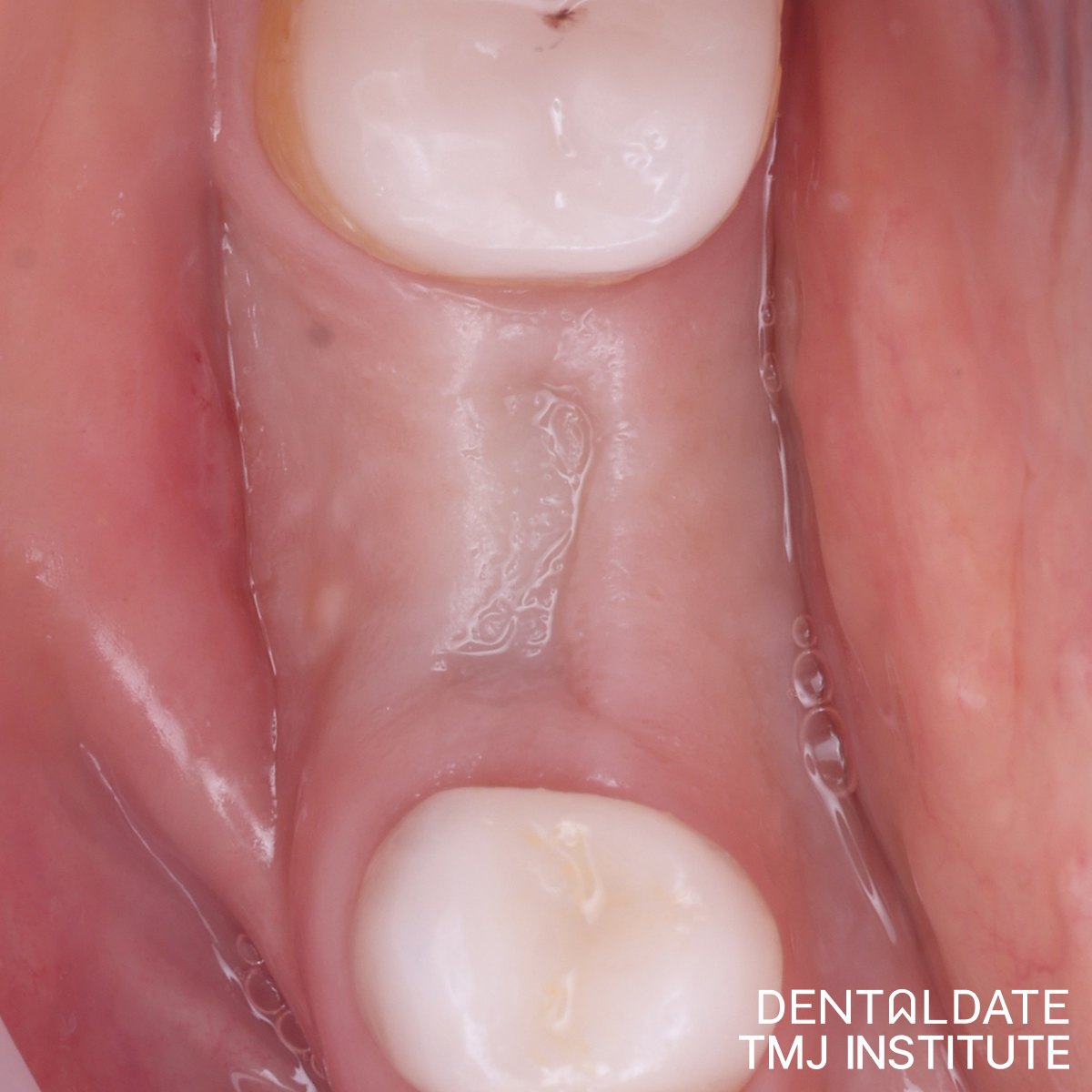
Tooth 46 had been missing for many years, leaving a gap in the part of the lower jaw that does much of the chewing work. In a case like this, the key question is what has happened to the bone since the tooth was lost. Bone that has been without a tooth for a long time can shrink, so its condition can never be assumed in advance.
Here, the bone condition in the area was perfect. That meant the site could hold an implant without any preparatory surgery.
What Makes an Implant Case ‘Standard’
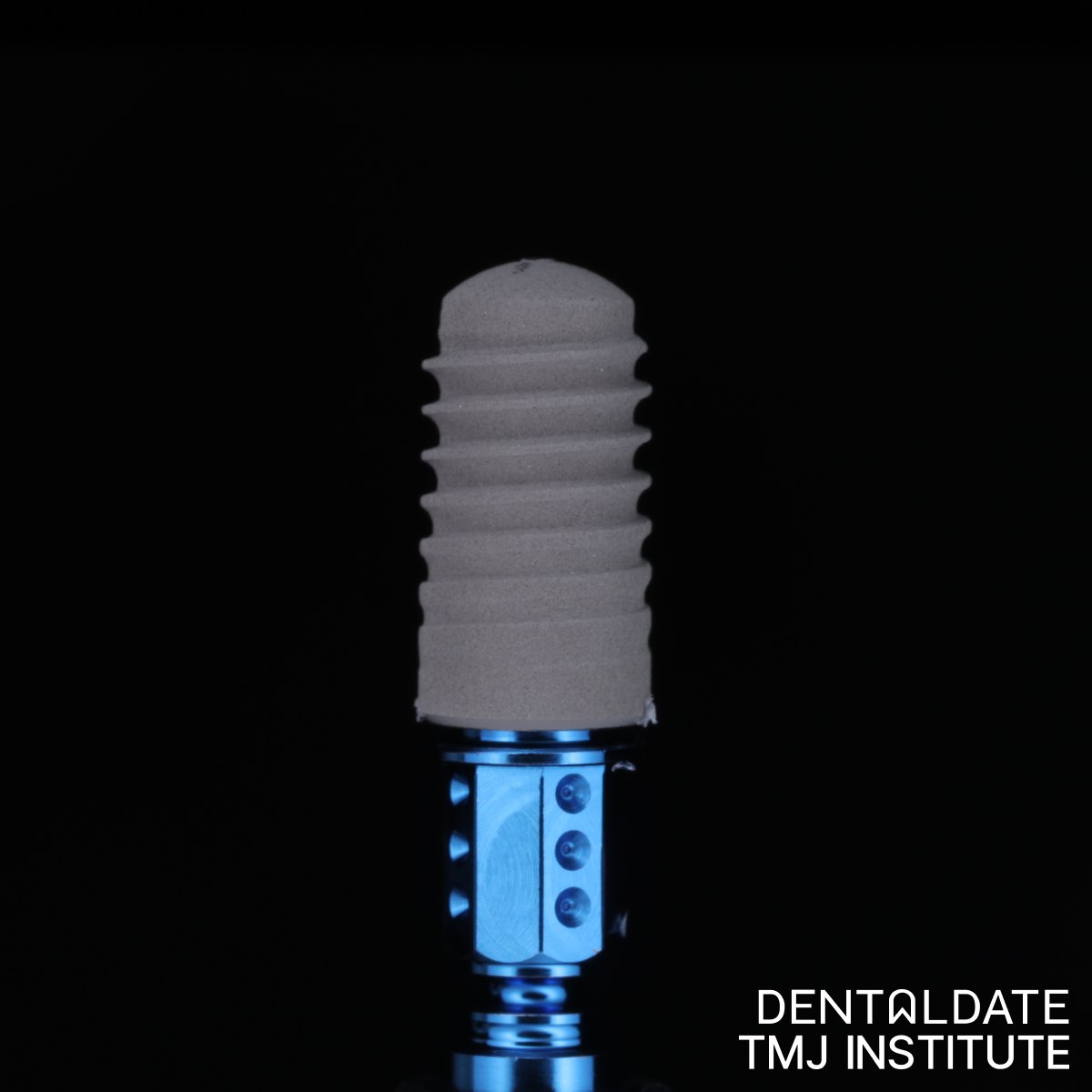
A dental implant is a small post, typically made of titanium, that is placed into the jawbone to act as a replacement root. To be stable, it needs to be surrounded by enough healthy bone in both height and width. When that bone is available, the implant can usually be placed in a single, relatively short visit, following a well-established sequence of steps.
When the bone has thinned, the plan often changes. Bone grafting, a sinus lift in the upper jaw or a soft tissue graft may be needed first or at the same time, which adds steps and healing time. In this case none of that was necessary, which makes it a clear example of what a straightforward molar implant looks like.
The Surgical Visit, Step by Step
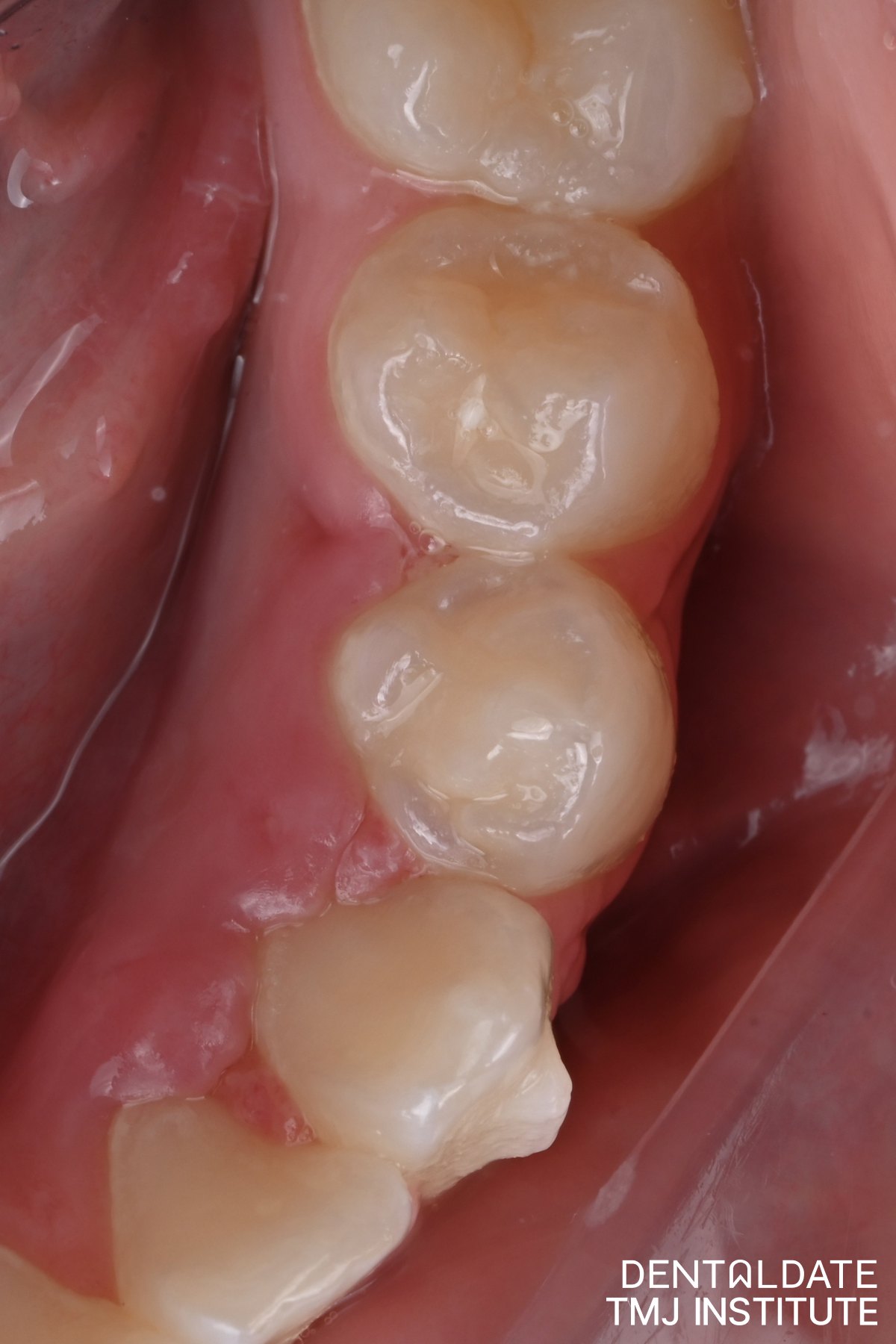
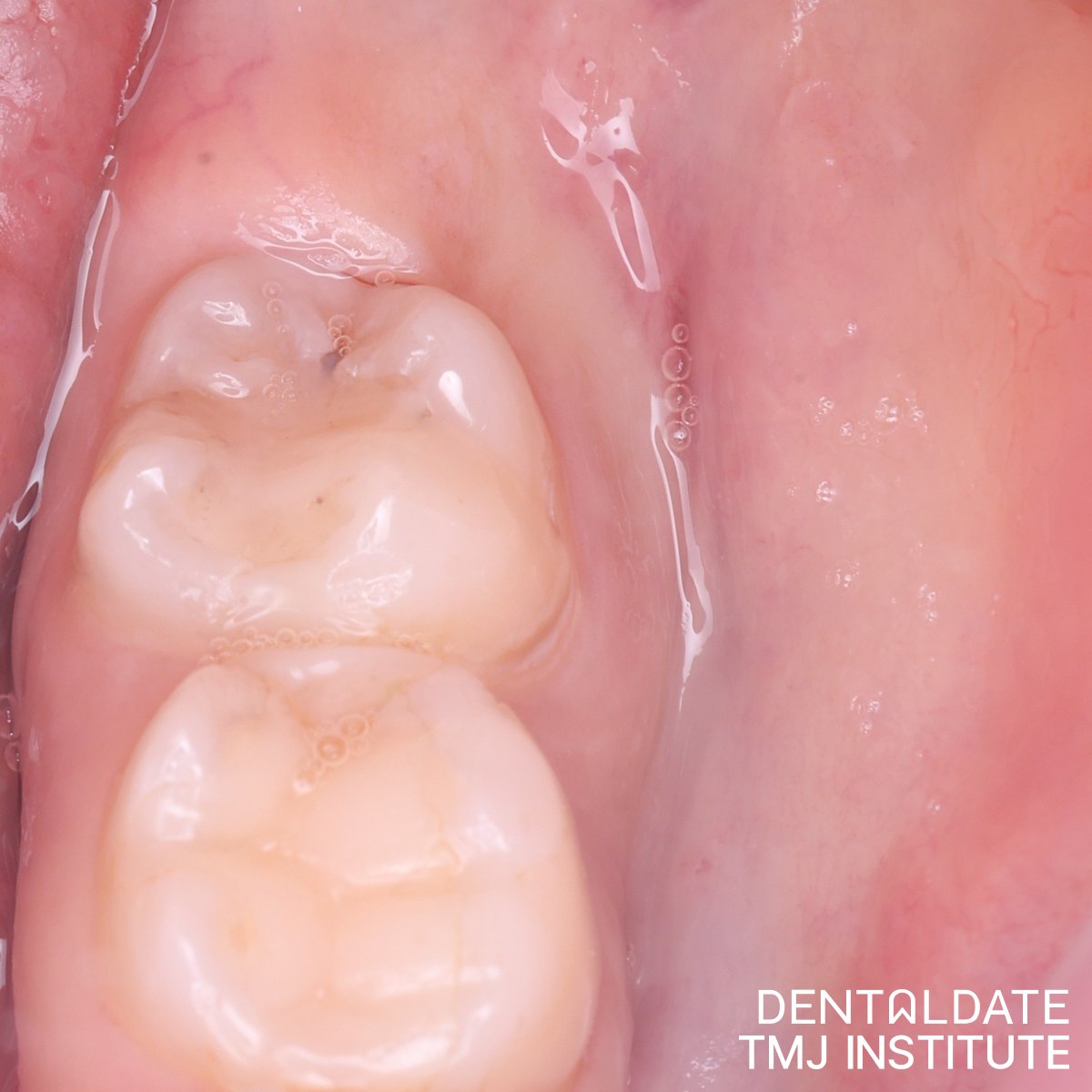
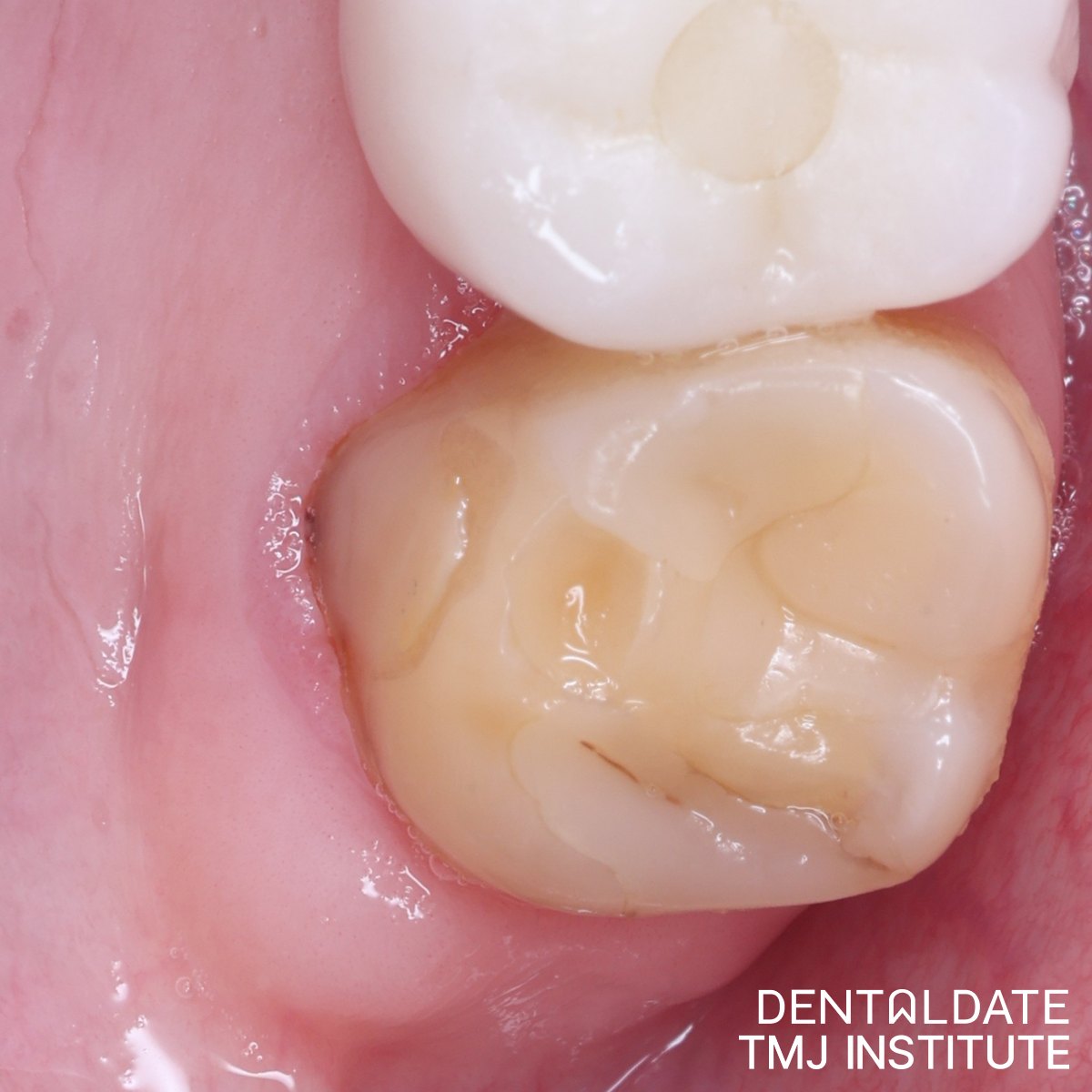
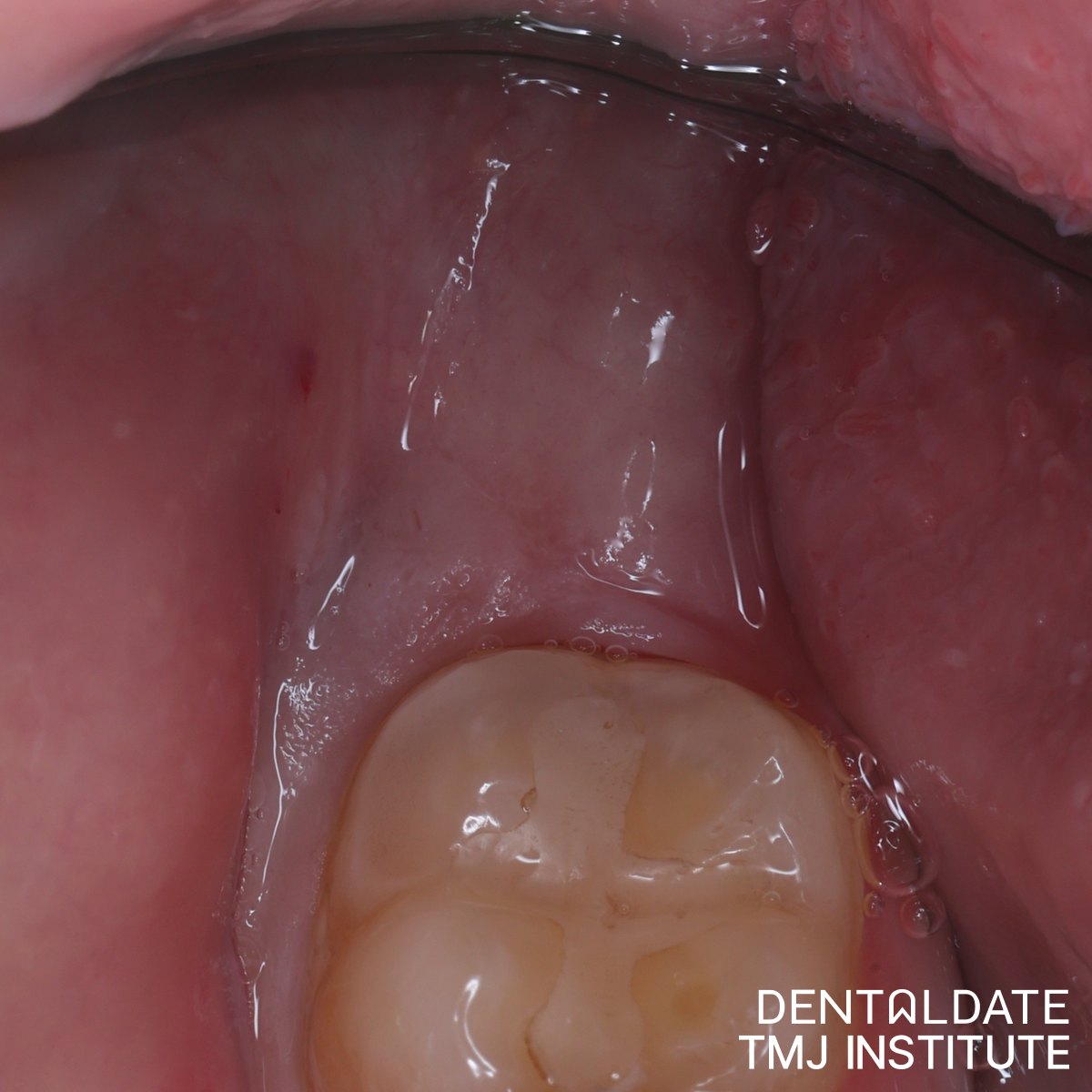
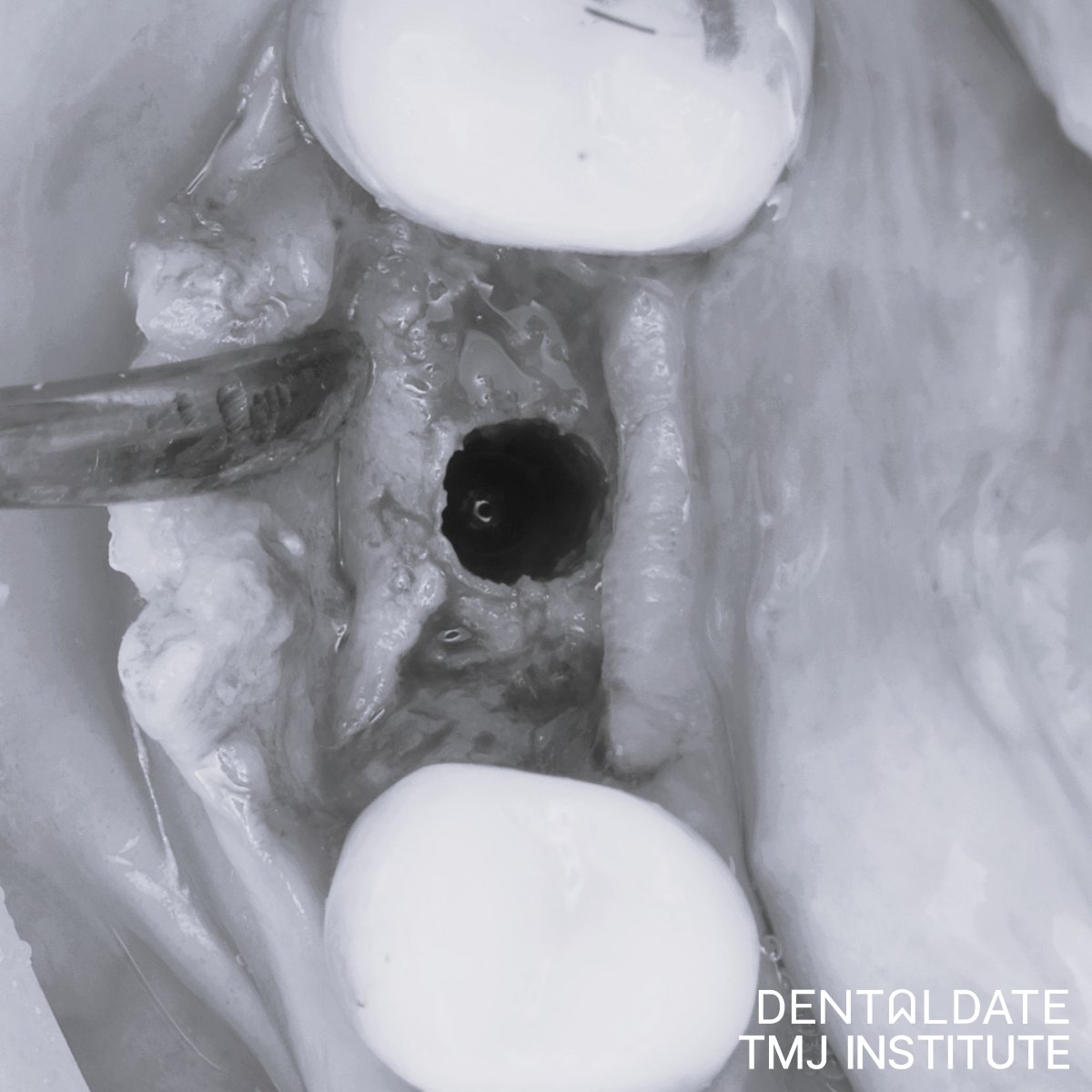
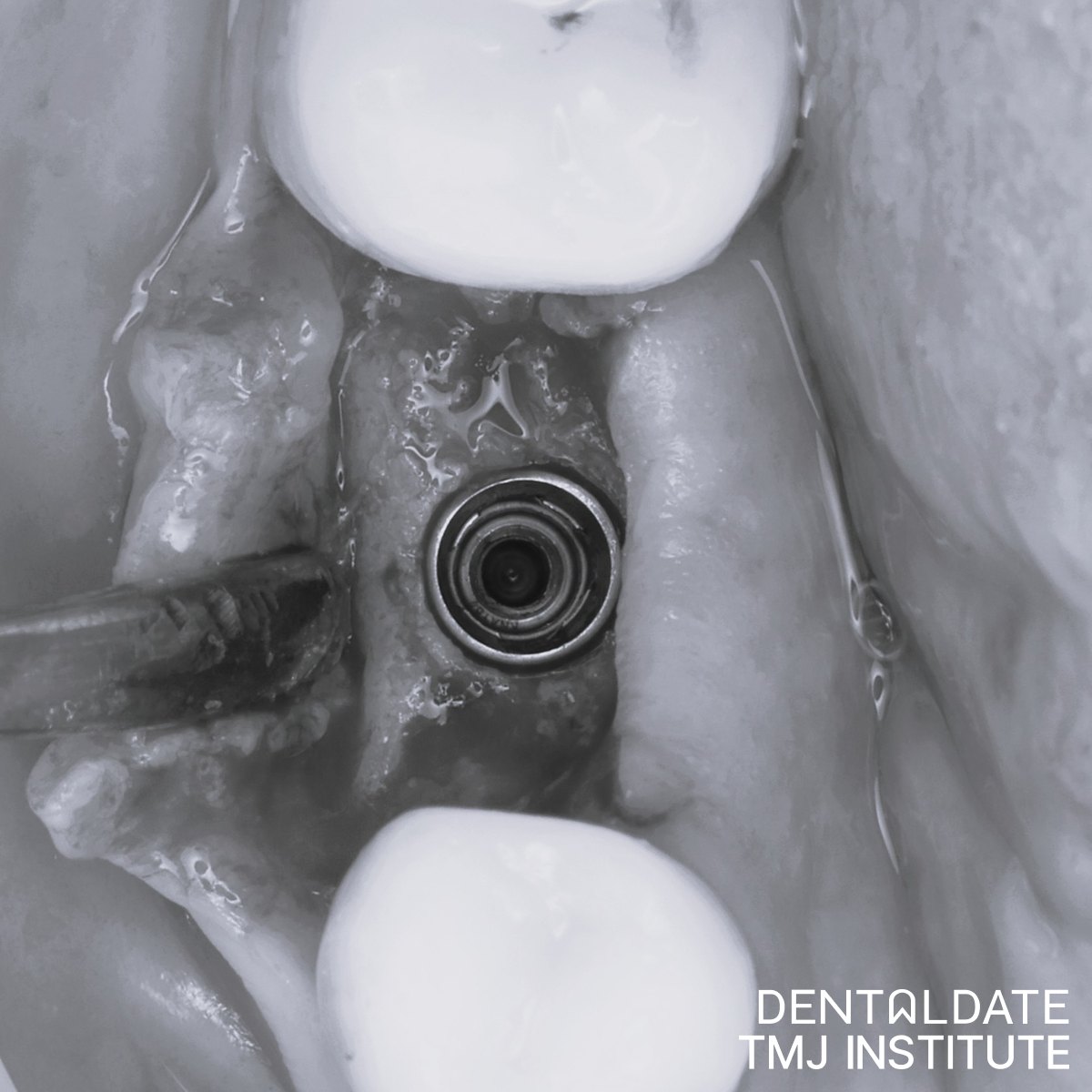
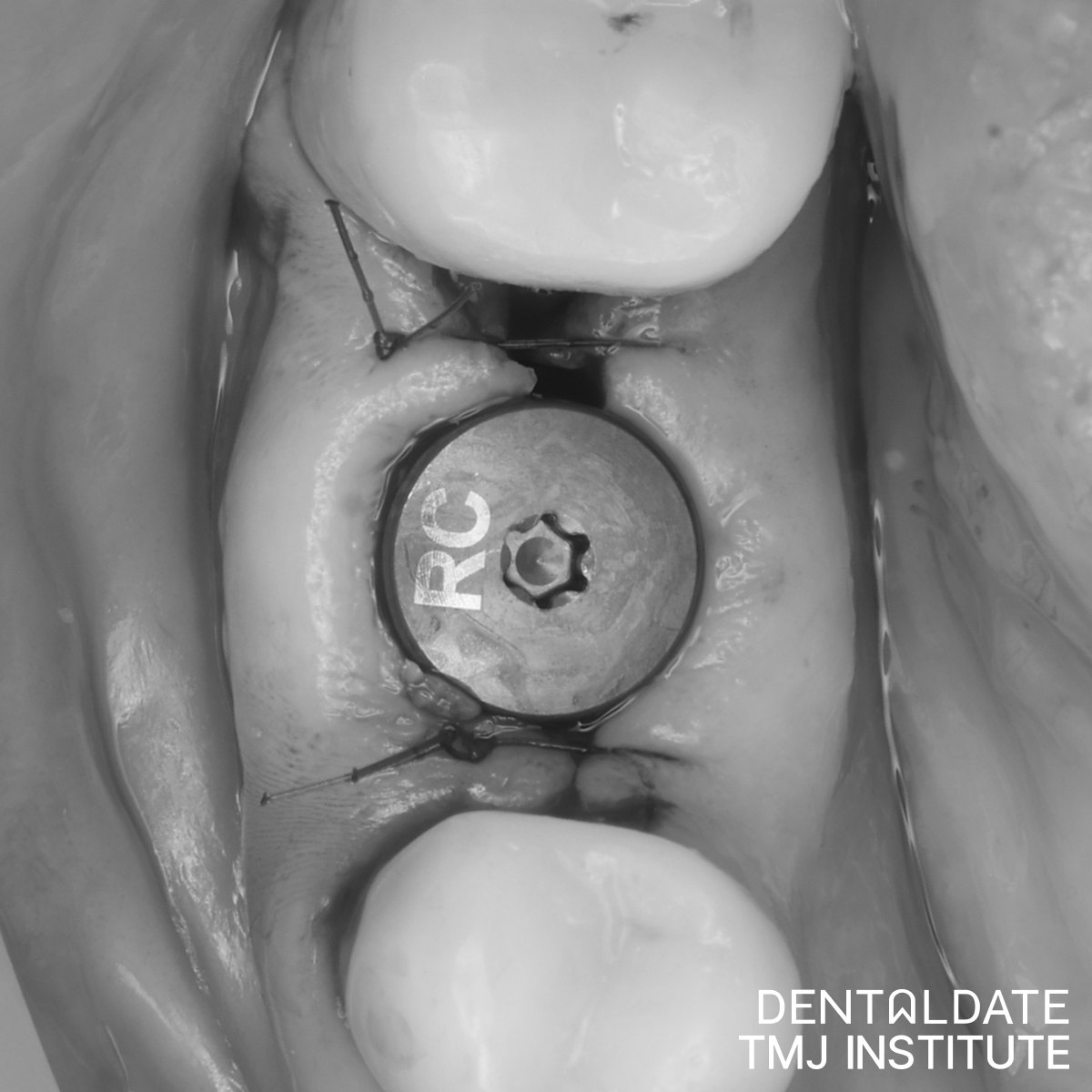
The implant was placed following the standard protocol. The photos below show the main stages of the visit:
- Anesthesia of the treatment area.
- Preparation of the implant bed, a precise channel in the bone shaped to receive the implant.
- Placement of the implant into the prepared site.
- Closure of the gum with sutures.
From anesthesia to sutures, this procedure takes about 20 minutes on average. Throughout the visit, patients can let the surgeon know at any point if they need a short pause.
Two Specialists, Two Stages
Dr. Tikhon performs the surgical stage of treatment. Once the implant has integrated with the bone, a process called osseointegration, the crown on the implant is made by a prosthodontist. In this type of case, the crown is made and fitted about three months after implant placement, after which the treatment is considered complete.
Dividing the work this way means each stage is handled by a specialist who focuses on it. The surgeon is responsible for positioning the implant correctly in the bone, while the prosthodontist designs the crown so that it fits the bite, the neighbouring teeth and the gum.
Frequently Asked Questions
Is it too late for an implant if a tooth has been missing for years?
Not necessarily. Over time the bone in a gap can shrink, but the extent varies from person to person, and only an examination with imaging shows the actual situation. In some patients the bone remains suitable for a standard implant; in others, grafting is needed first.
Why replace a back tooth that nobody sees?
Molars do a large share of the chewing. When one is missing, the neighbouring teeth can gradually tilt into the gap and the opposing tooth may drift towards it, which can affect the bite and make cleaning harder. Replacing the tooth helps keep the surrounding teeth where they belong.
What should I do after implant surgery?
Patients are generally advised to avoid chewing on the treated side for a while, keep the area clean as instructed, and follow the medication and rinsing advice given by the surgeon. Swelling that keeps increasing, bleeding that does not settle, or a fever are reasons to contact the clinic.
Planning Your Implant at DentalDate
At DentalDate, implant surgery is planned with 3D imaging, which shows how much bone is available before any decision is made. The prosthetic stage is then completed by a prosthodontist. If you have had a gap for a long time and are not sure whether an implant is still an option, a consultation is the simplest way to find out.