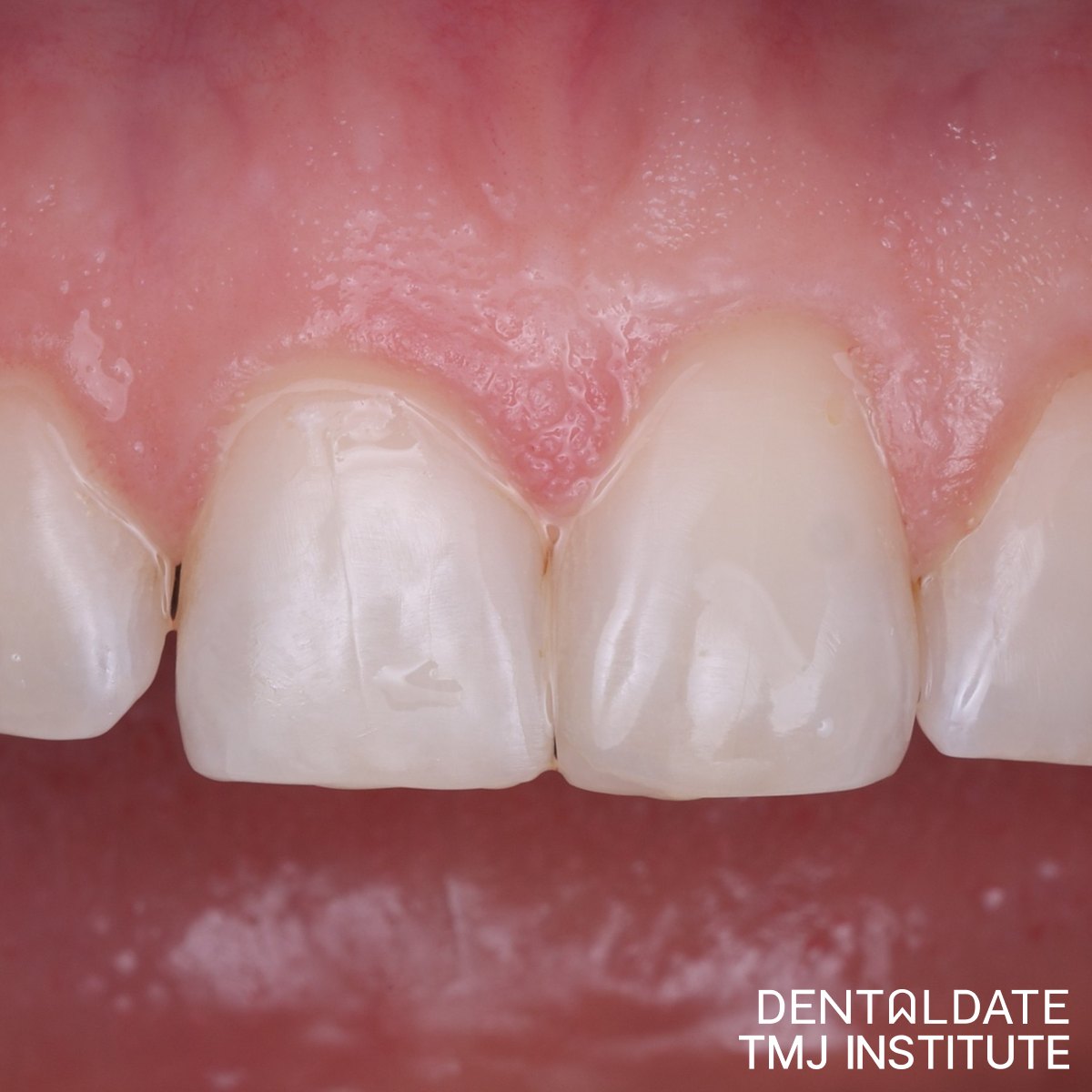
A Missing Tooth and a Confirmed Allergy
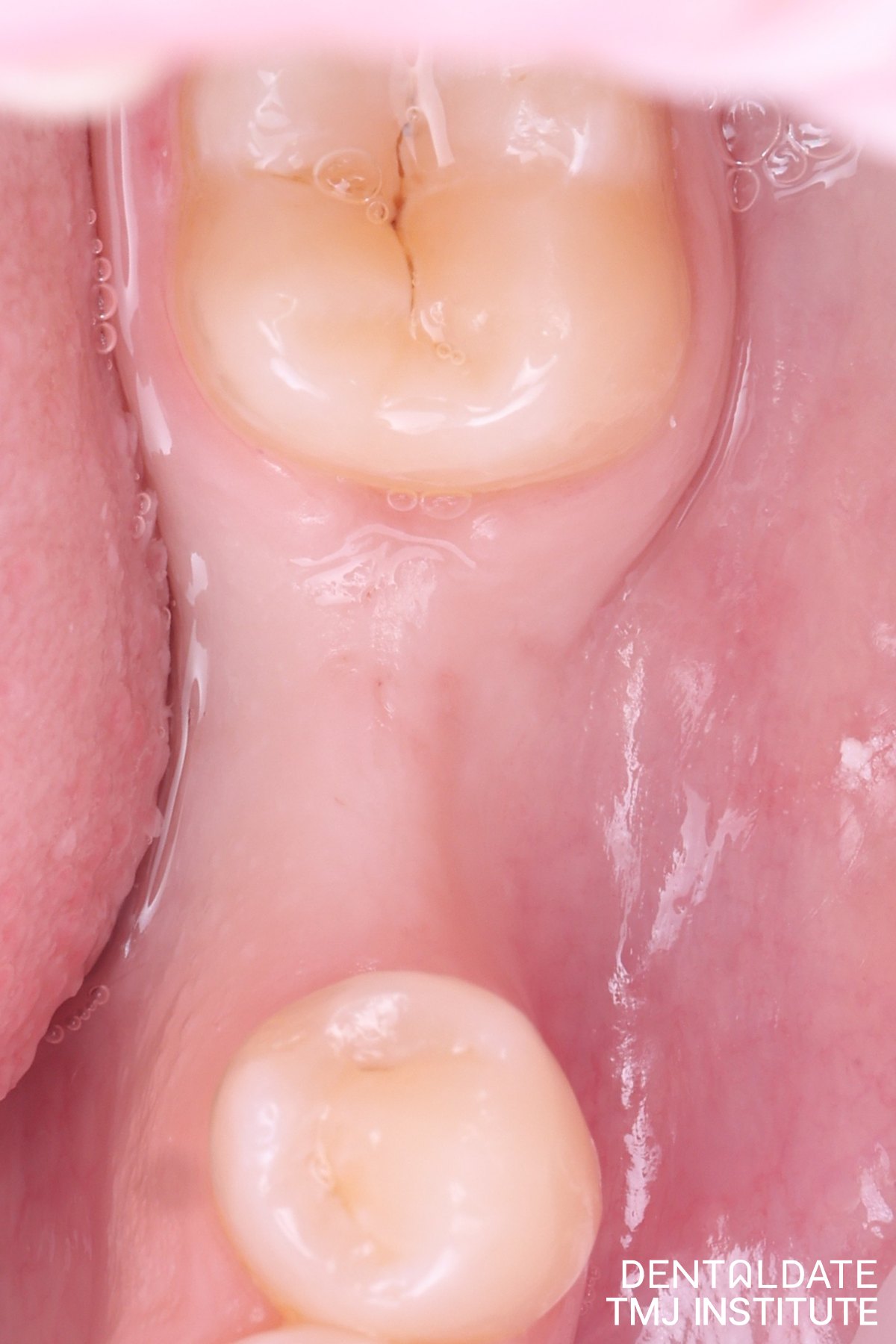
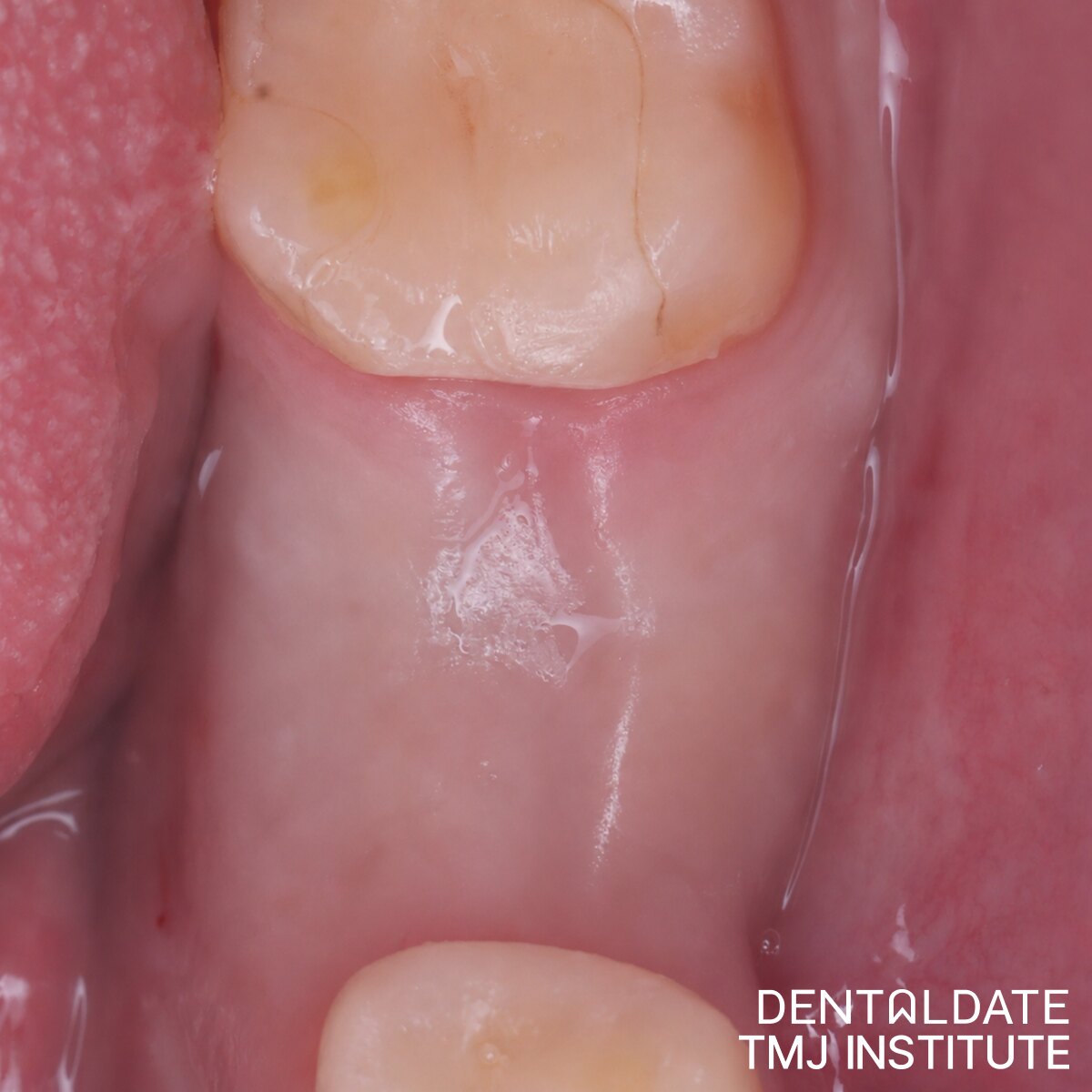
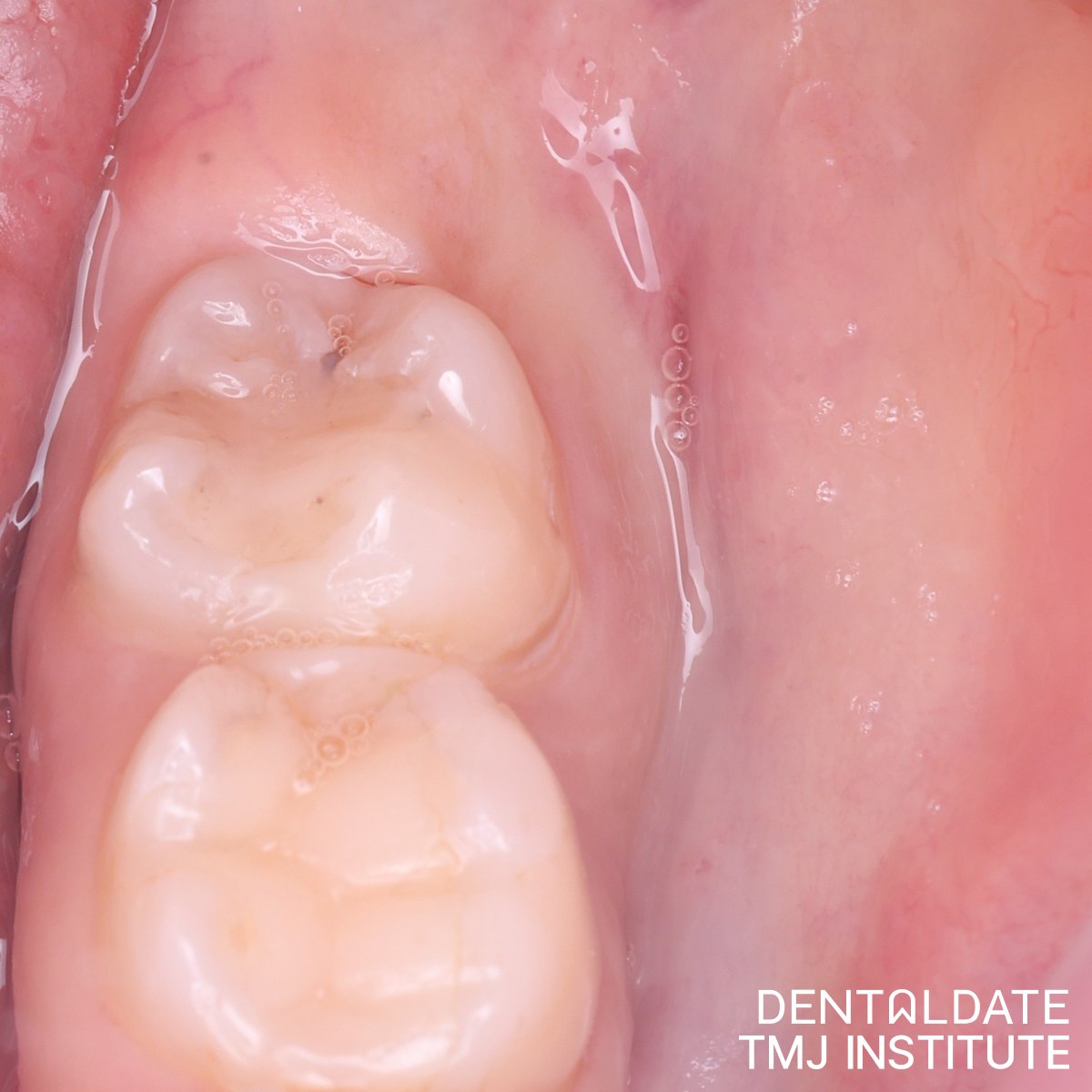
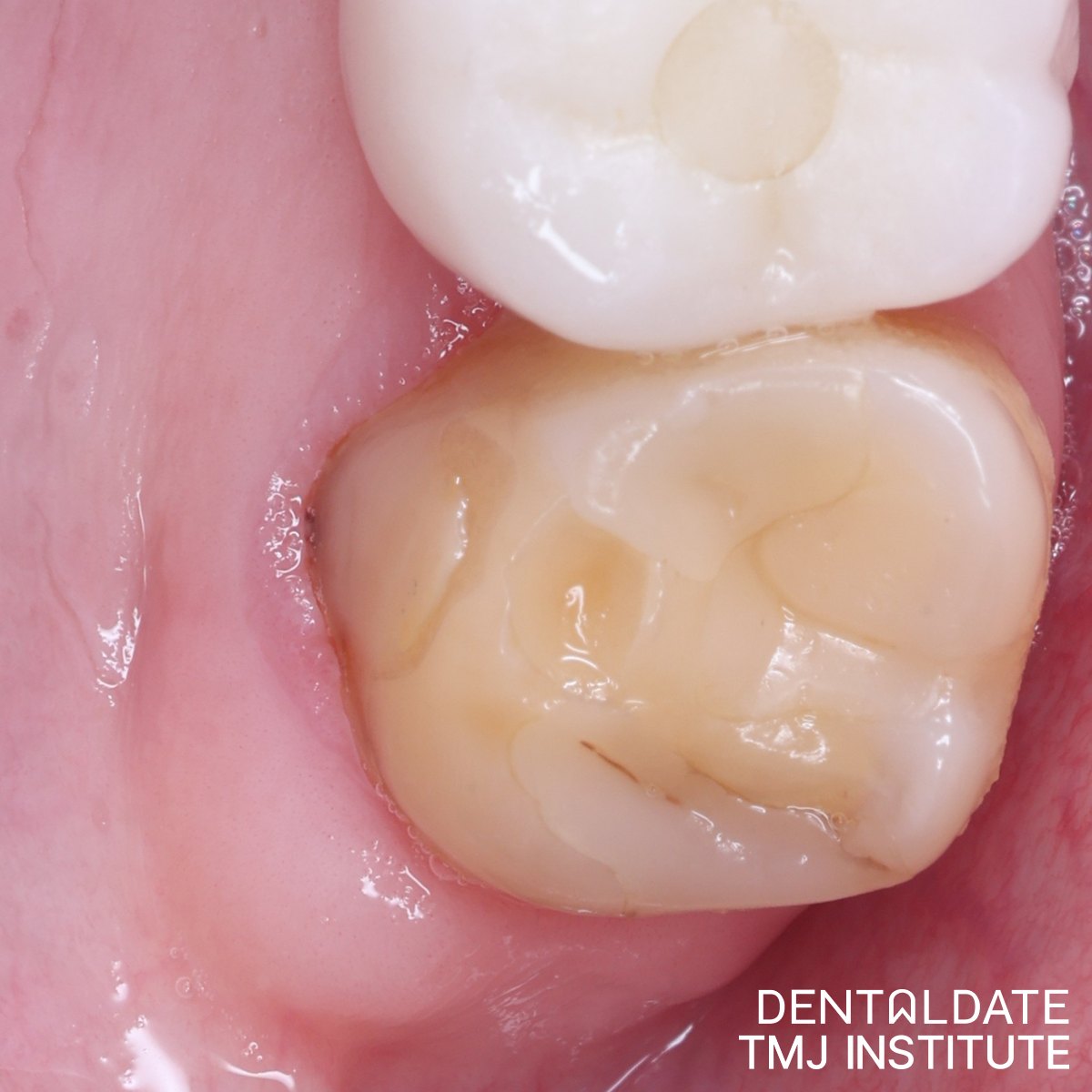
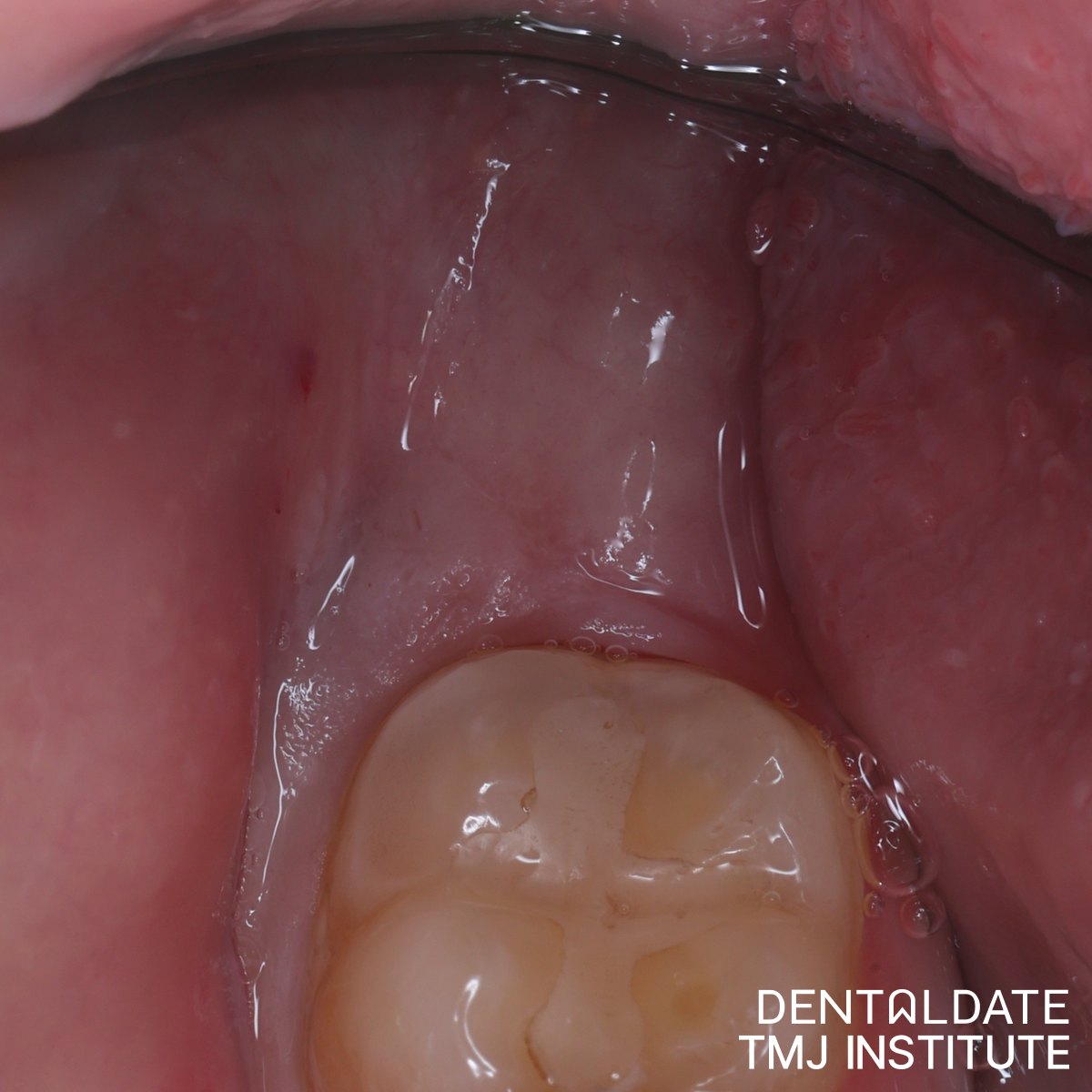
The patient’s goal was simple: to restore a missing tooth. What made the case unusual came to light during the examination, namely an allergy to titanium, confirmed by a laboratory test. Since standard implants are titanium-based, the choice of implant material became the central question of the treatment plan.
Titanium Allergy in Dentistry
Titanium is widely used in implant dentistry because the body generally tolerates it well and bone bonds to it reliably. A true allergy or hypersensitivity to titanium is considered uncommon, but it does exist. When a patient has a history of reactions to metals, or there is another reason to suspect sensitivity, it can be investigated with laboratory testing before treatment.
If titanium is ruled out, that does not automatically leave only a bridge or a removable denture. Ceramic implants are one of the options developed for exactly this kind of situation.
What Is a Zirconia Implant?
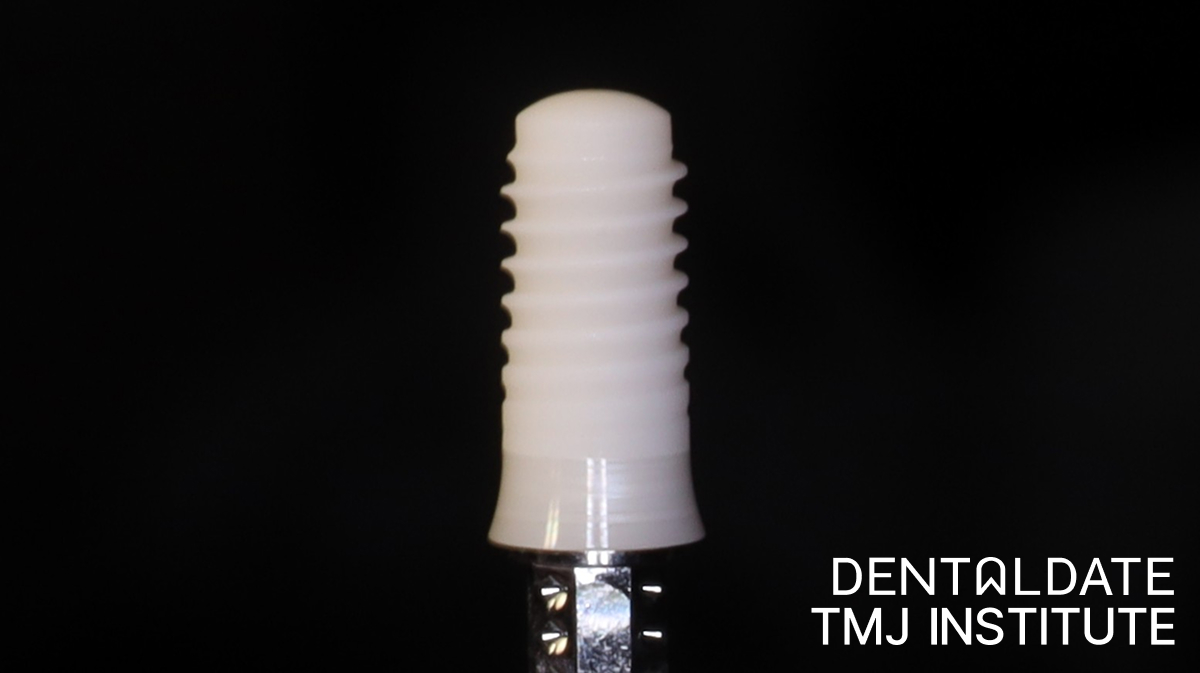
For patients who cannot have titanium, there are Straumann ZLA implants made of ceramic, zirconium dioxide, also known as zirconia. This was the implant chosen for this case. Zirconia is a high-strength ceramic with a white, tooth-like colour, and it contains no metal.
Ceramic implants are also sometimes chosen by people who prefer a metal-free mouth for personal reasons, or where thin gum tissue in a visible area could let a darker shade show through. The suitability of any implant material is always assessed individually.
Placing the Ceramic Implant
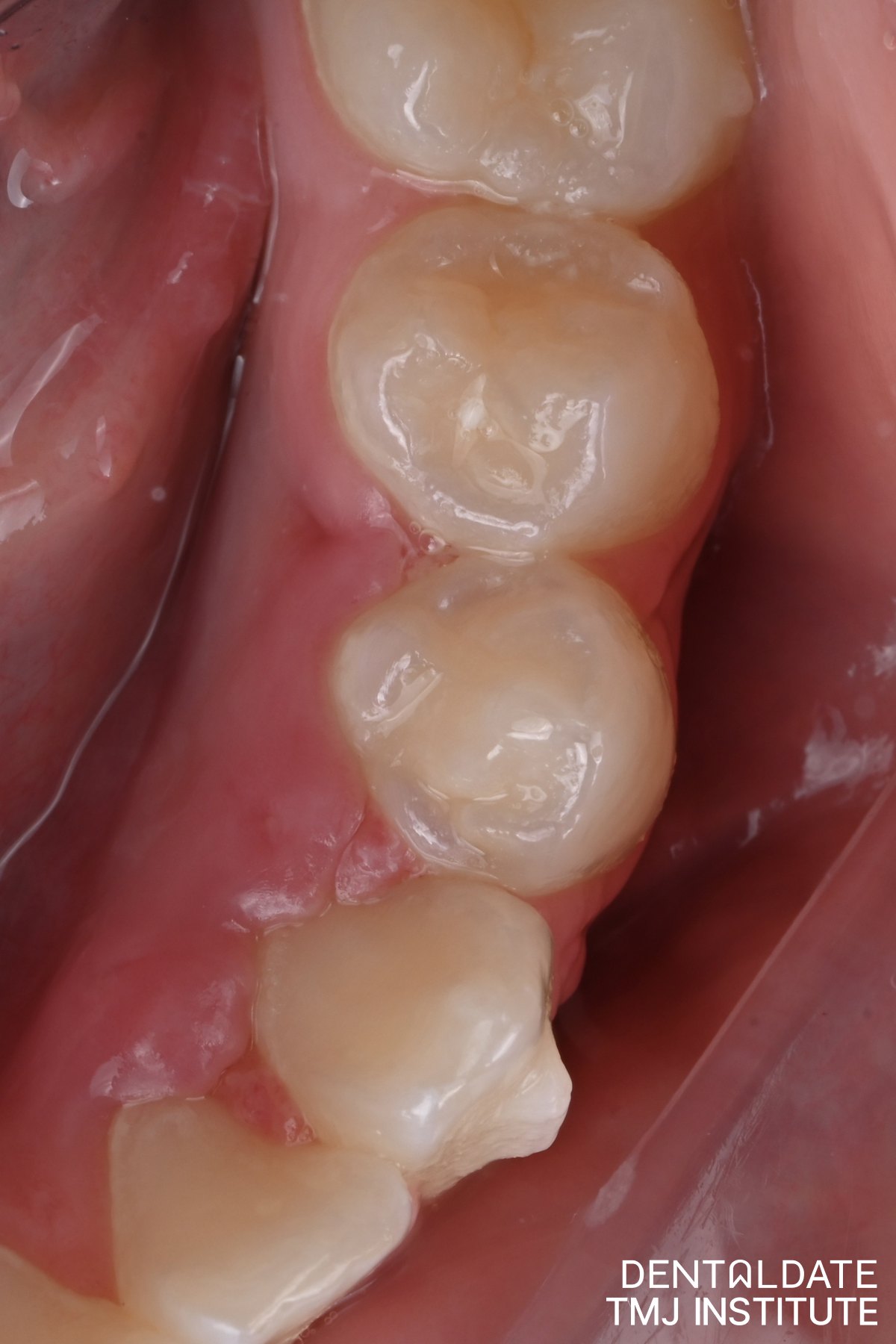
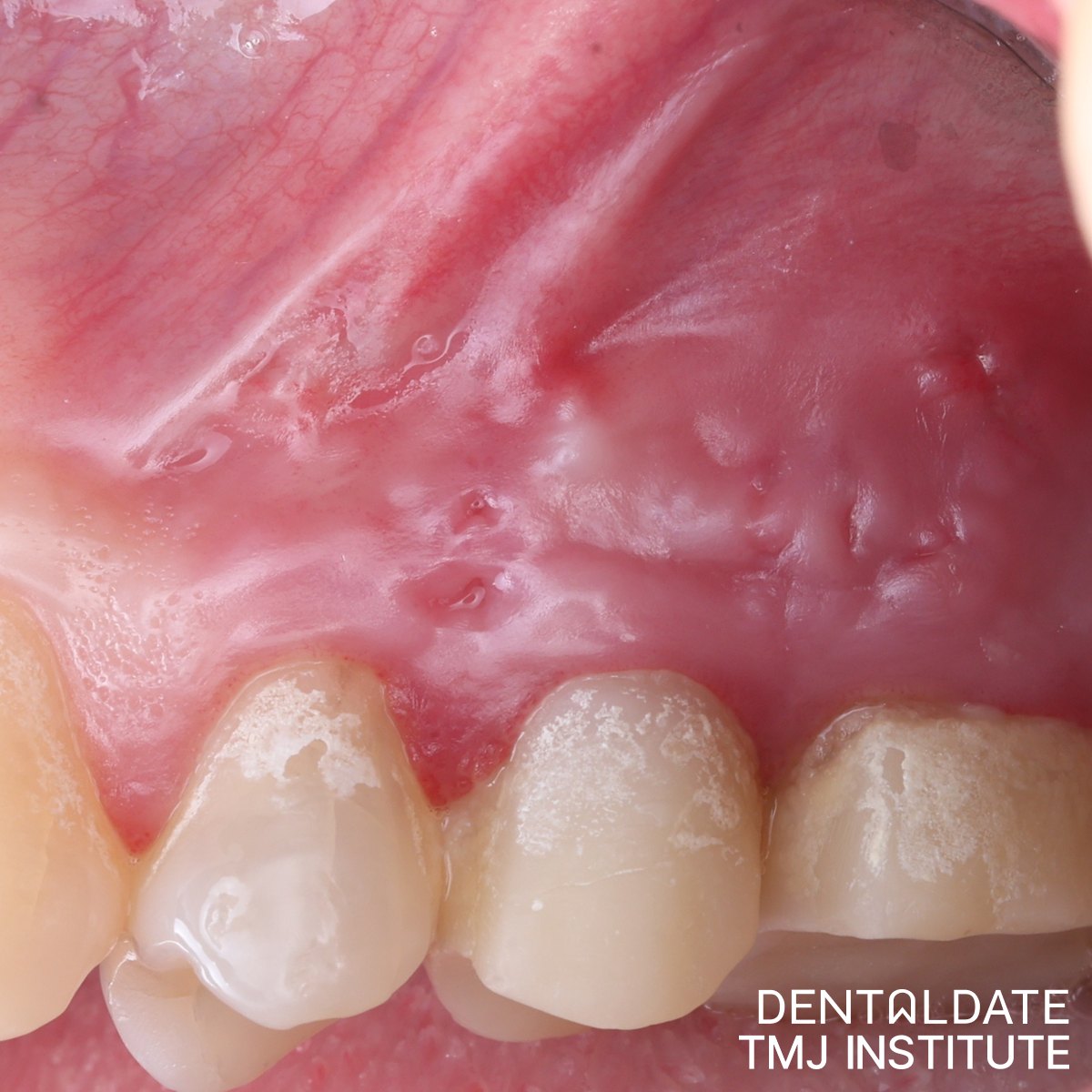
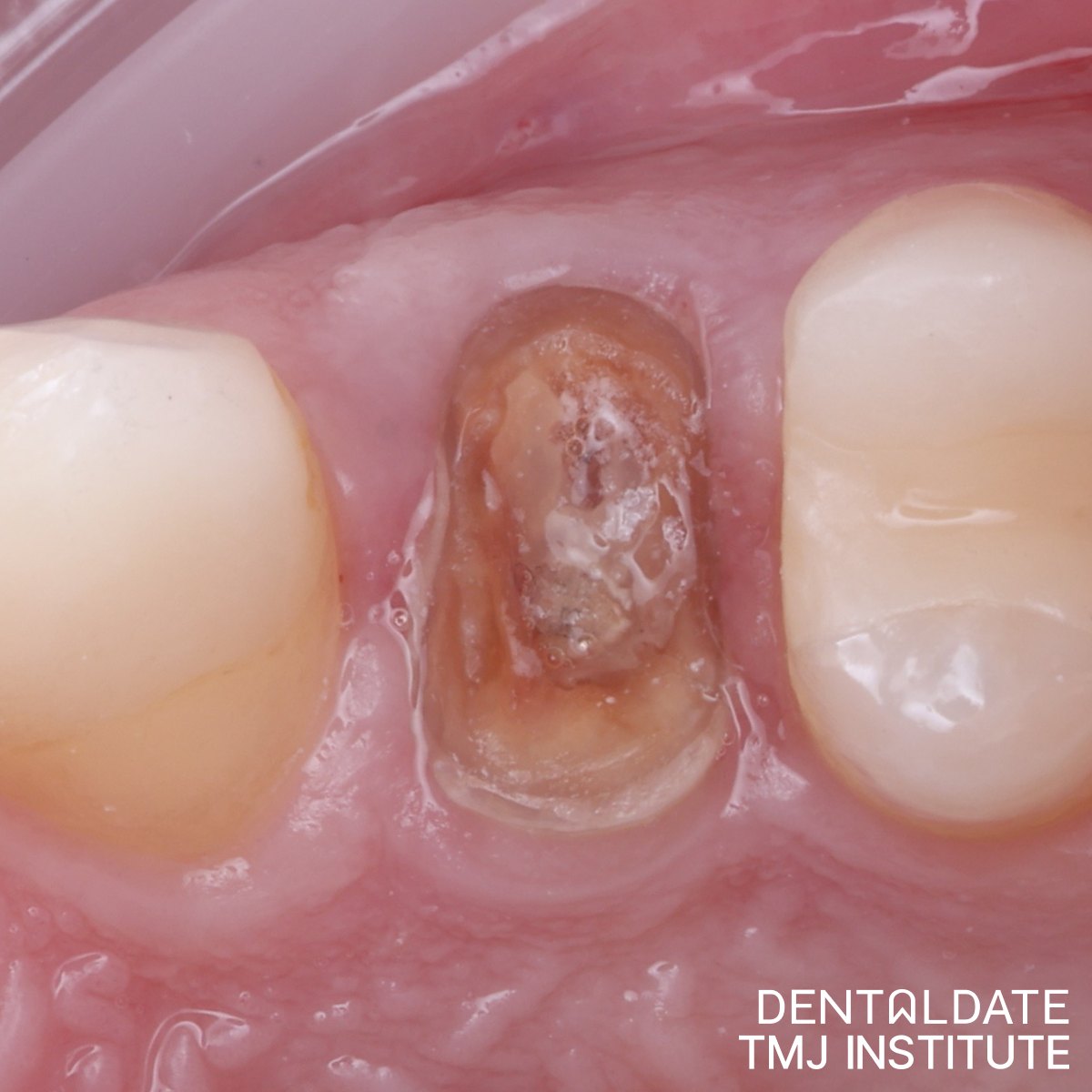
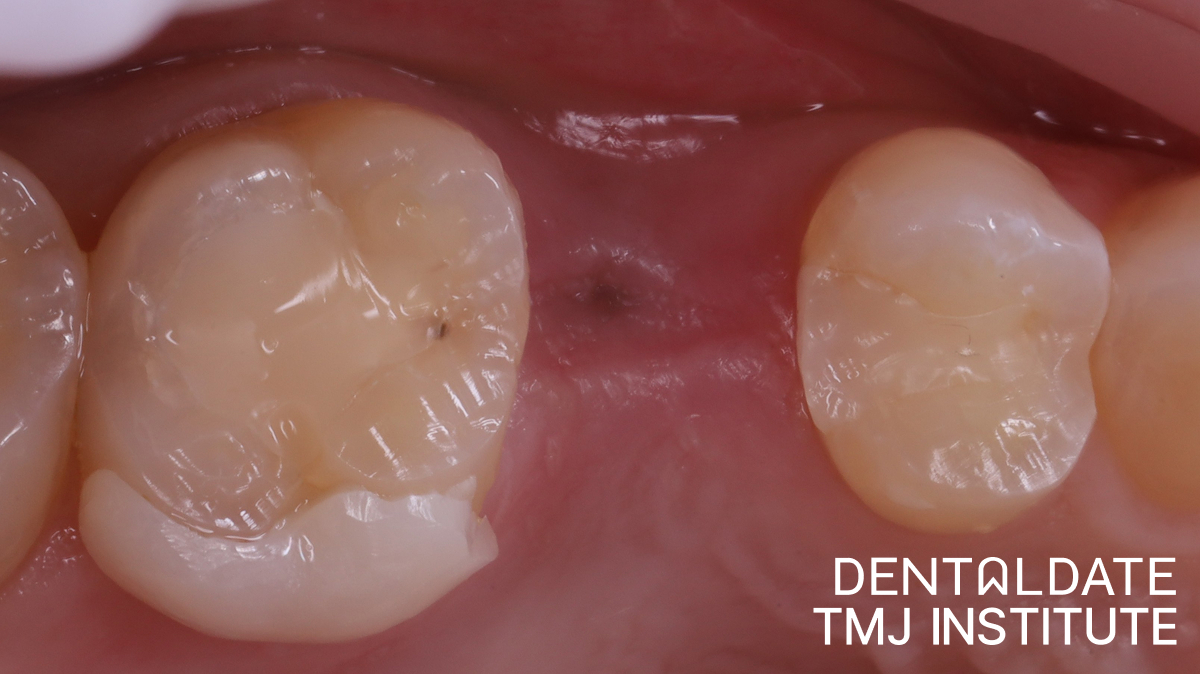
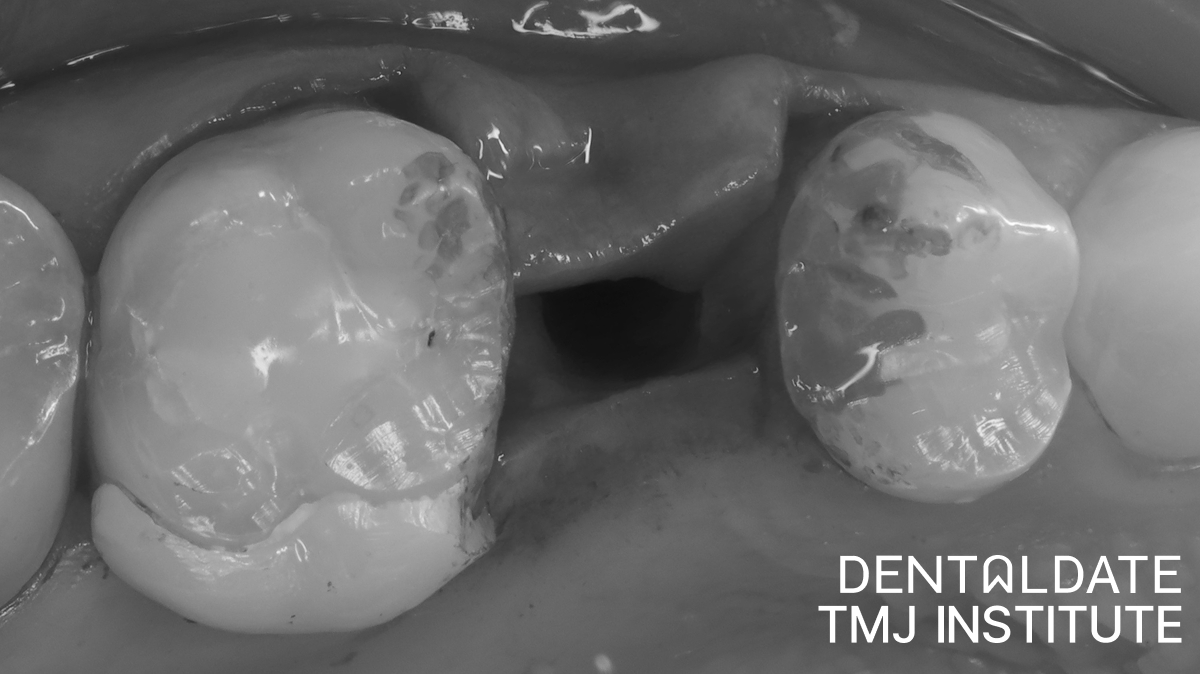
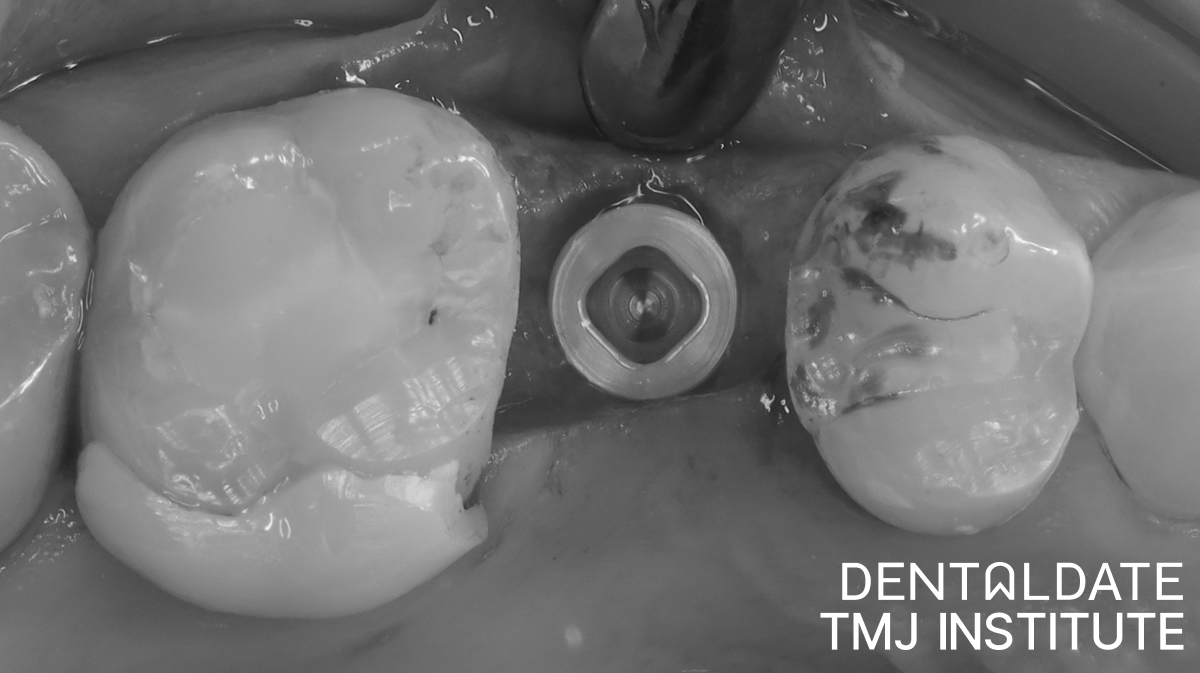
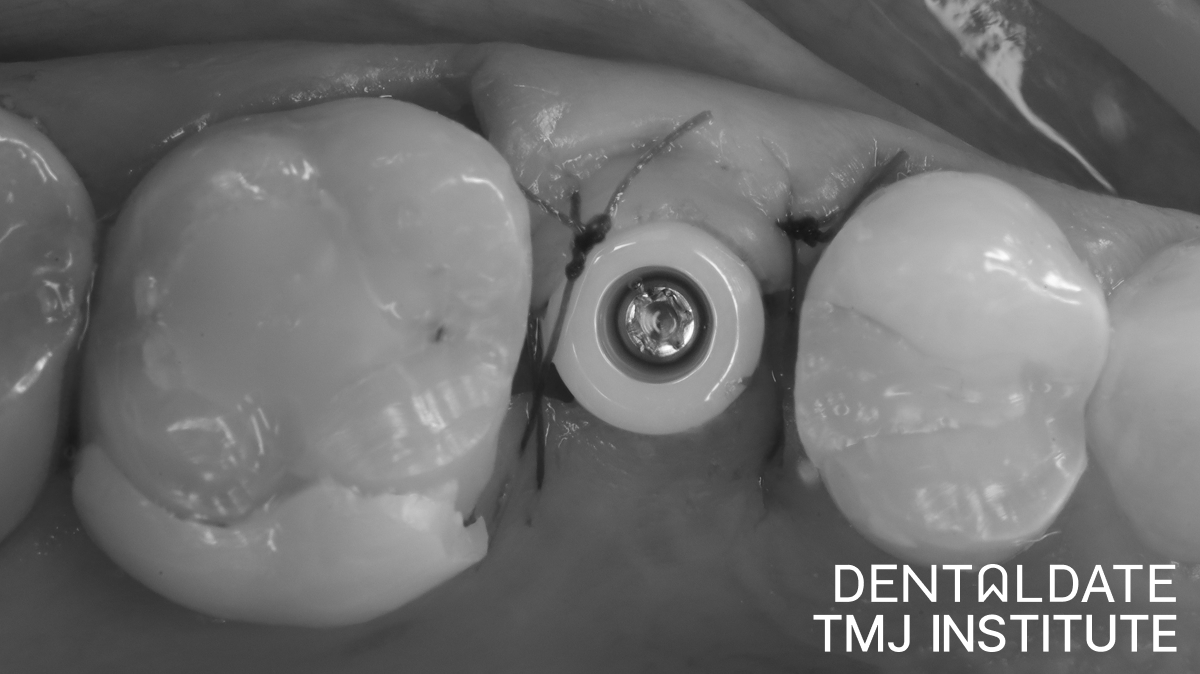
Apart from the implant material, the case had no particular difficulties. The whole procedure, from anesthesia to sutures, took no more than 30 minutes. The photos show the Straumann ZLA implant before placement, the implant in position and the area after suturing.
In general, the surgical steps for a ceramic implant are similar to those for a titanium one: local anesthesia, preparation of the implant site in the bone, insertion of the implant and closure of the gum. The differences lie mainly in the material itself and in the handling requirements of the particular implant system.
Healing and the Four-Month Check
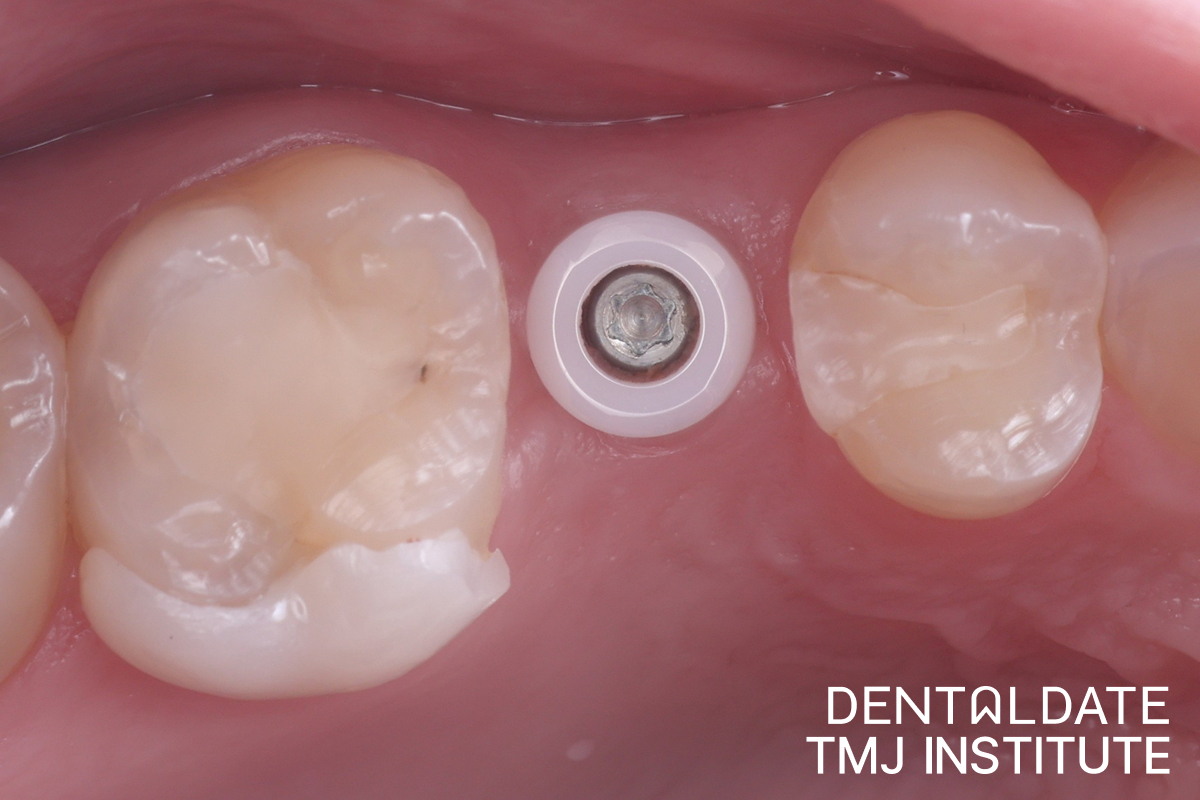
One week later, the patient reported no discomfort, and the sutures were removed. Four months later, the patient returned for a follow-up with the surgeon. Successful osseointegration of the implant was confirmed, and the patient was referred for a permanent crown made of the same material, zirconium dioxide.
Osseointegration means that the bone has formed a firm, direct bond with the surface of the implant. It is the point at which an implant is considered ready to support a crown. Dr. Tikhon’s part of the treatment is the surgery, and the crown is then made by a prosthodontist. While any implant integrates, patients are generally advised to keep the area clean, avoid chewing hard foods on it and attend the planned follow-up visits.
Who Might Consider a Metal-Free Implant
A ceramic implant may be worth discussing with your surgeon if:
- a laboratory test has confirmed an allergy or sensitivity to titanium;
- you have reacted to metals in the past and want this checked before treatment;
- you would prefer a completely metal-free restoration;
- you are concerned about how an implant might look under thin gum tissue in a visible area.
Ceramic implants are not the right choice in every situation. The amount of bone, the position of the tooth and the expected biting forces all influence which implant the surgeon recommends.
Metal-Free Implant Treatment at DentalDate
An allergy to titanium does not have to rule out implant treatment. At DentalDate, ceramic implants are available for patients who need a metal-free solution, with the crown completed by a prosthodontist after integration. Book a consultation and bring any allergy test results, so we can discuss the options that fit them.