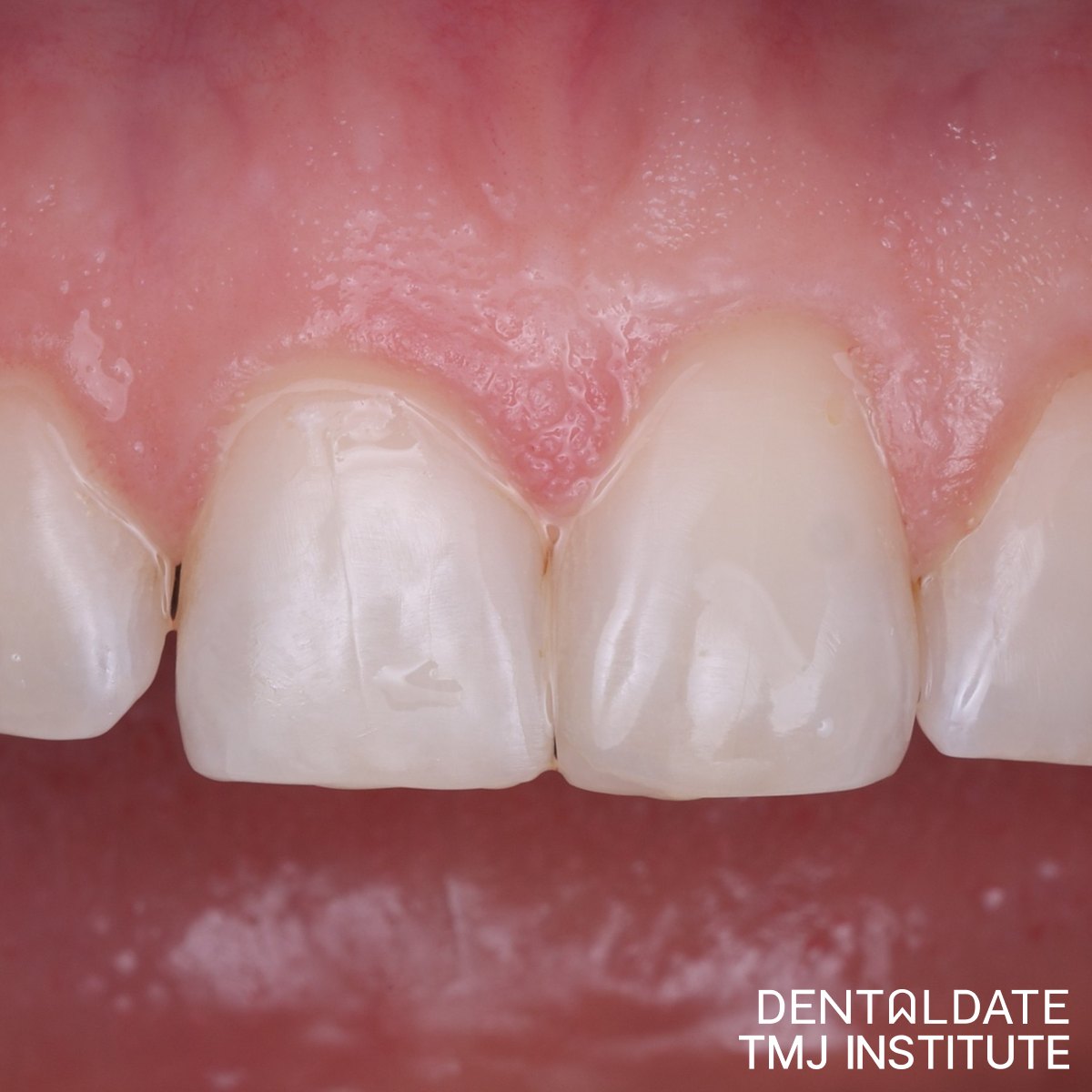
Found During a Routine Check-Up
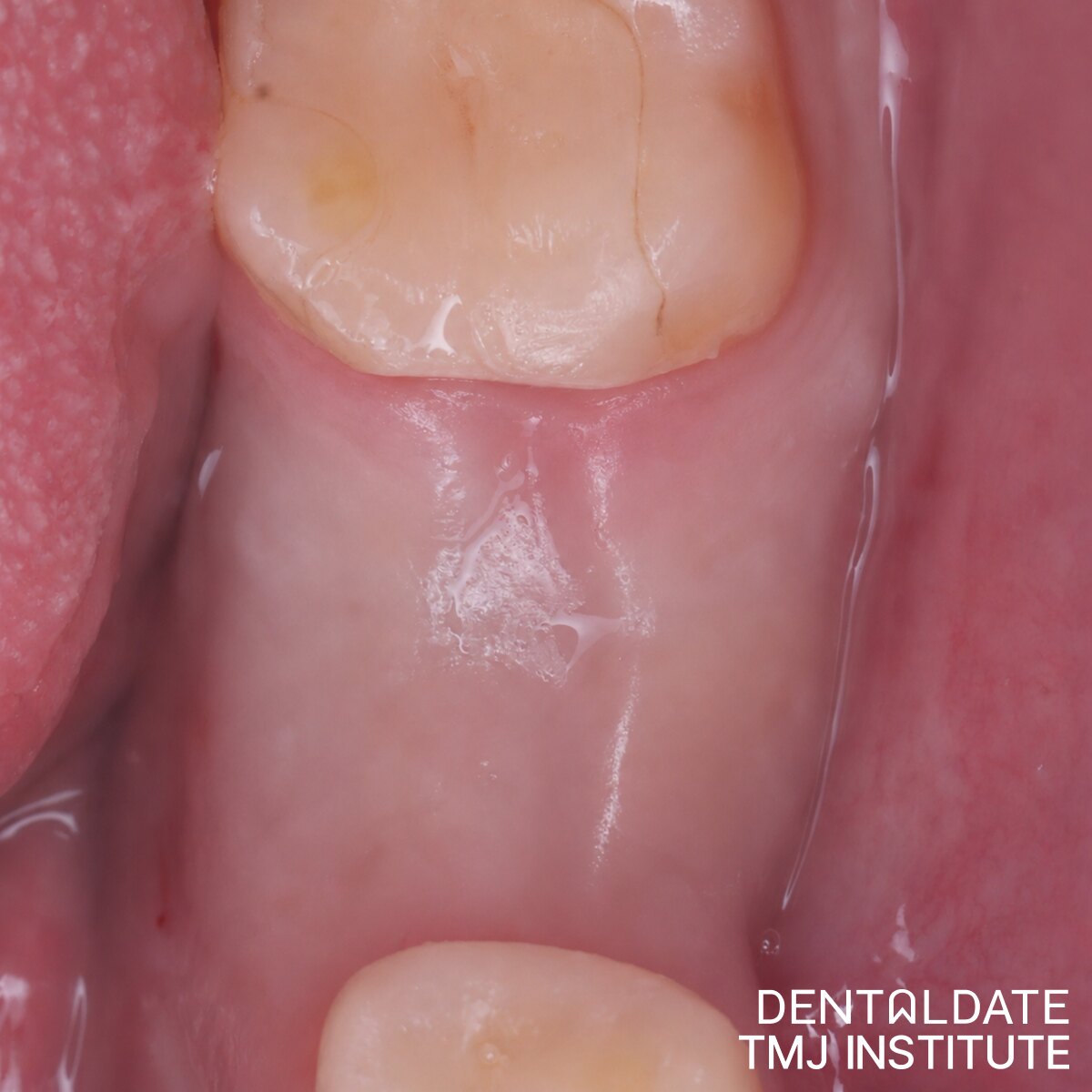
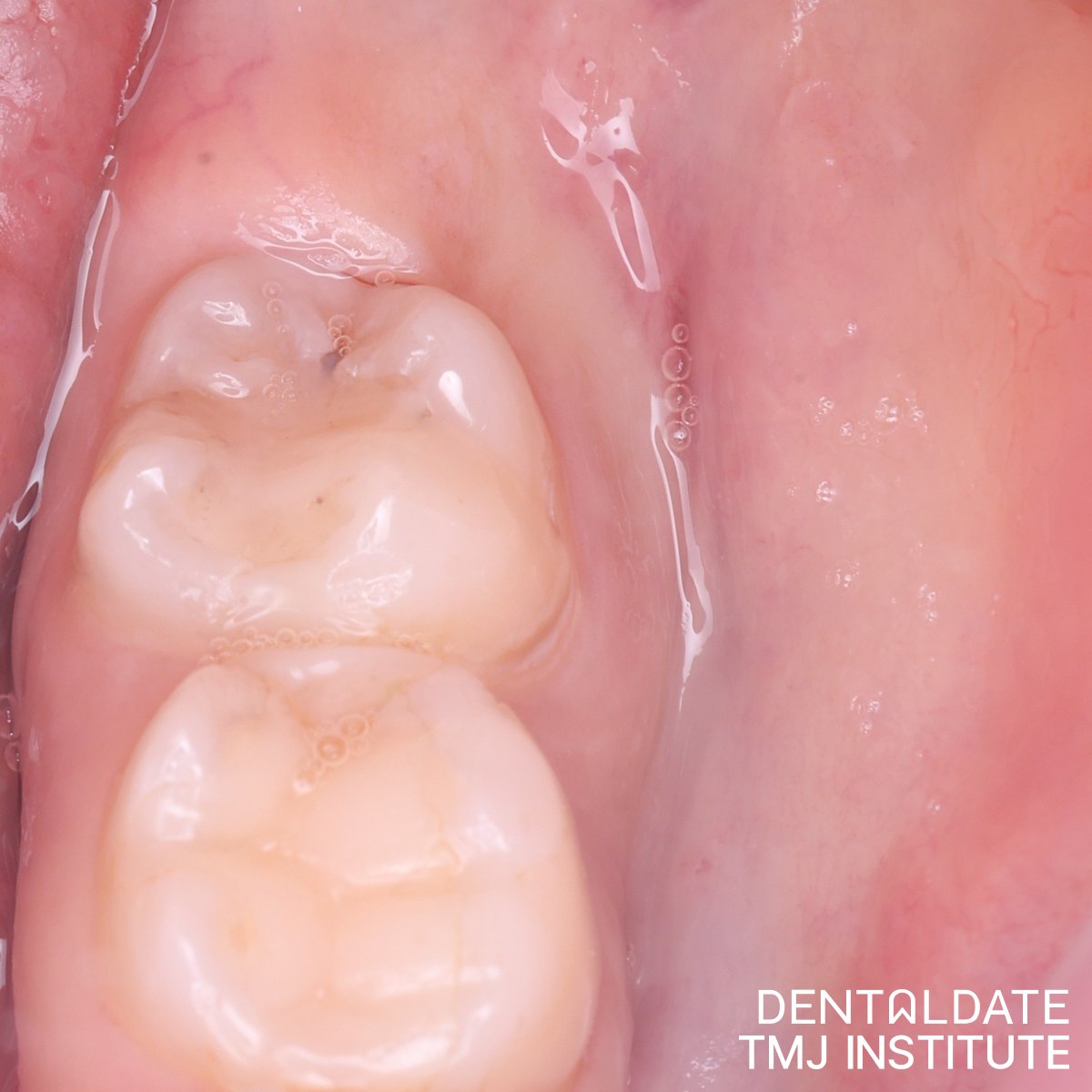
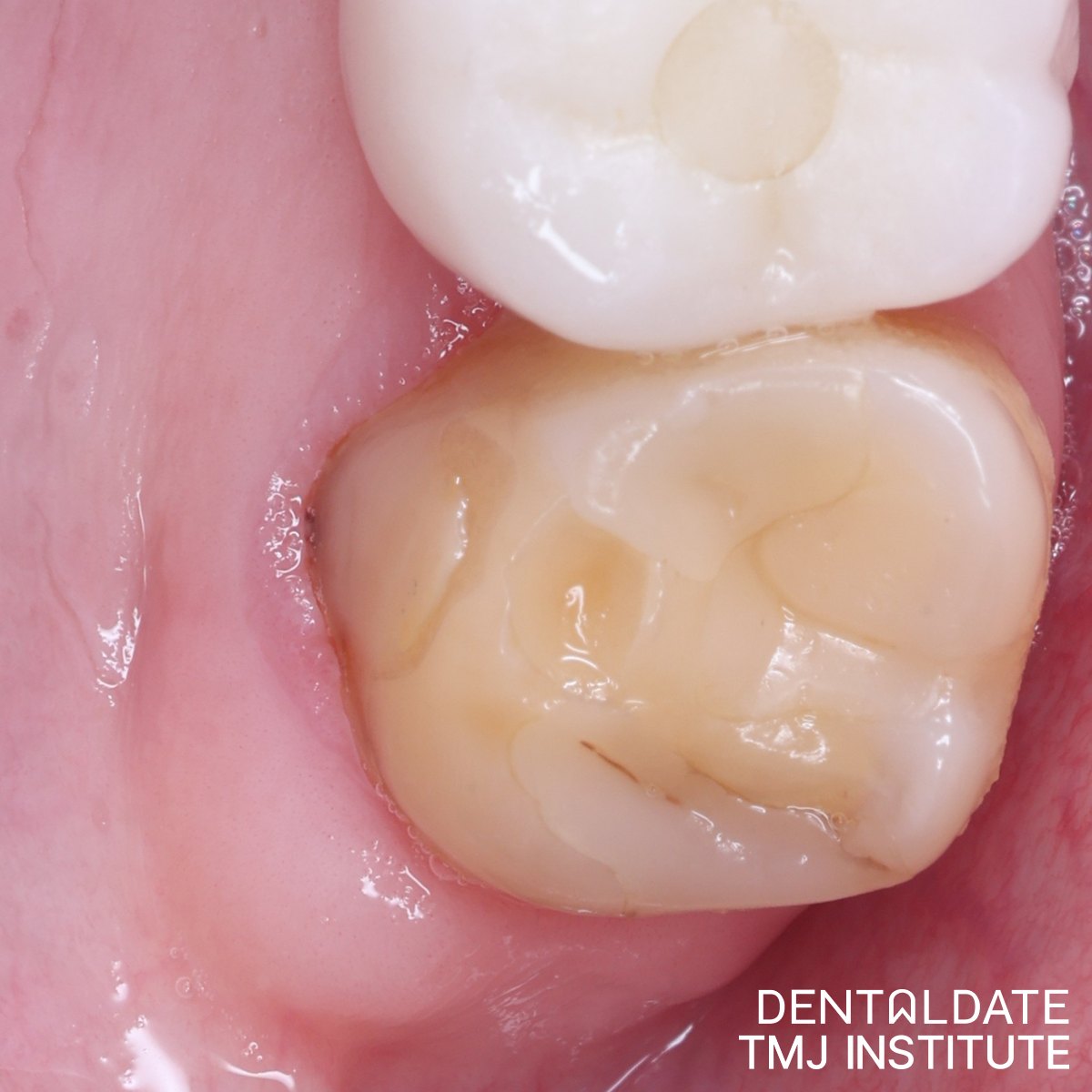
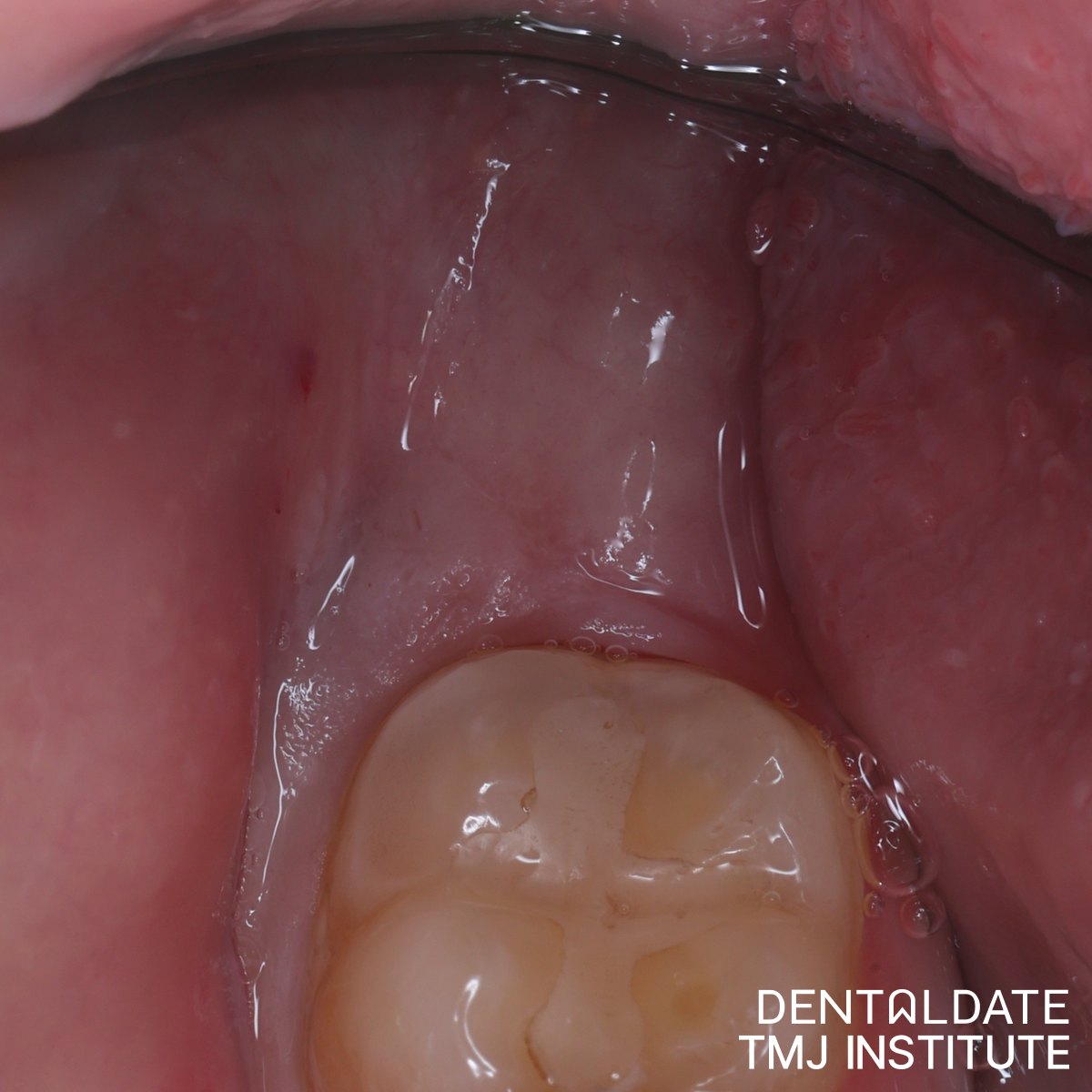
This case started with a scheduled examination rather than an emergency visit. The X-ray showed a fracture of the root of an upper tooth, and the tooth was mobile. Problems of this kind can develop below the gum line, where they cannot be seen in a mirror, which is why imaging is such a useful part of routine visits.
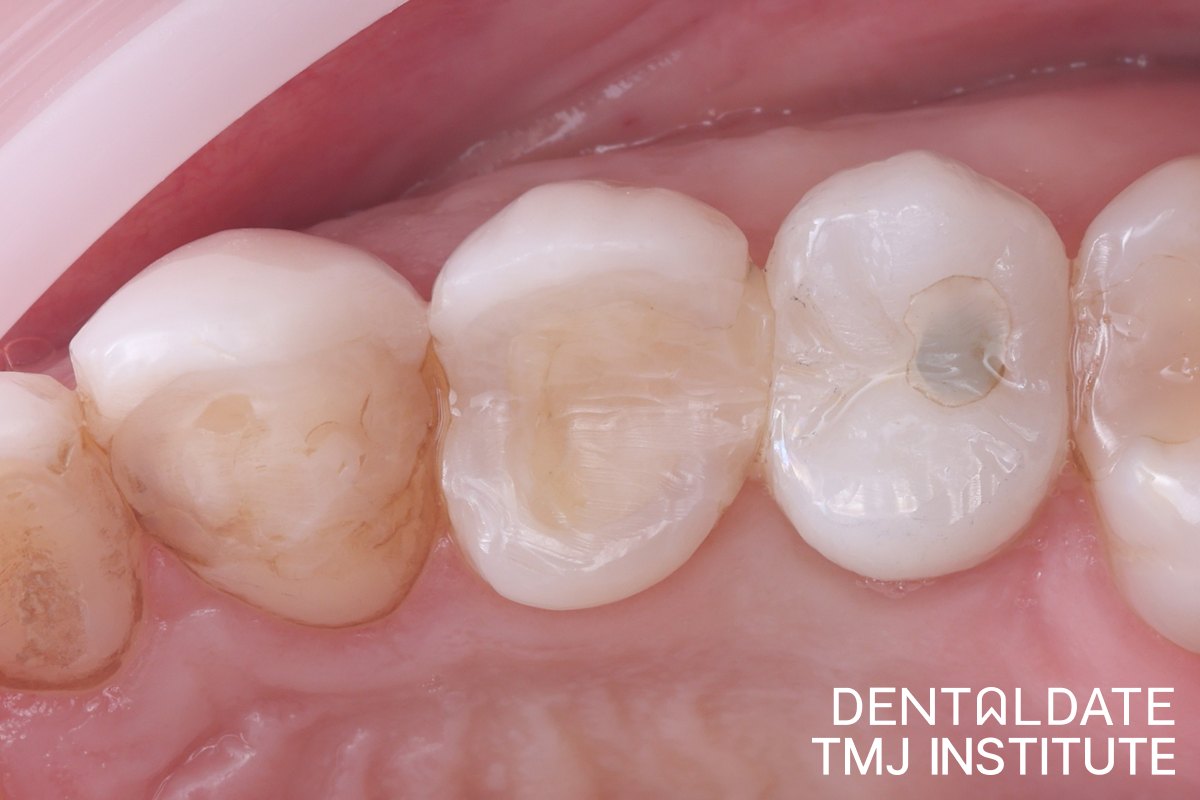
How a Root Fracture Is Recognised
A fractured root is not always obvious. Depending on where the fracture runs, a person may notice:
- discomfort when biting;
- a tooth that feels loose or moves slightly;
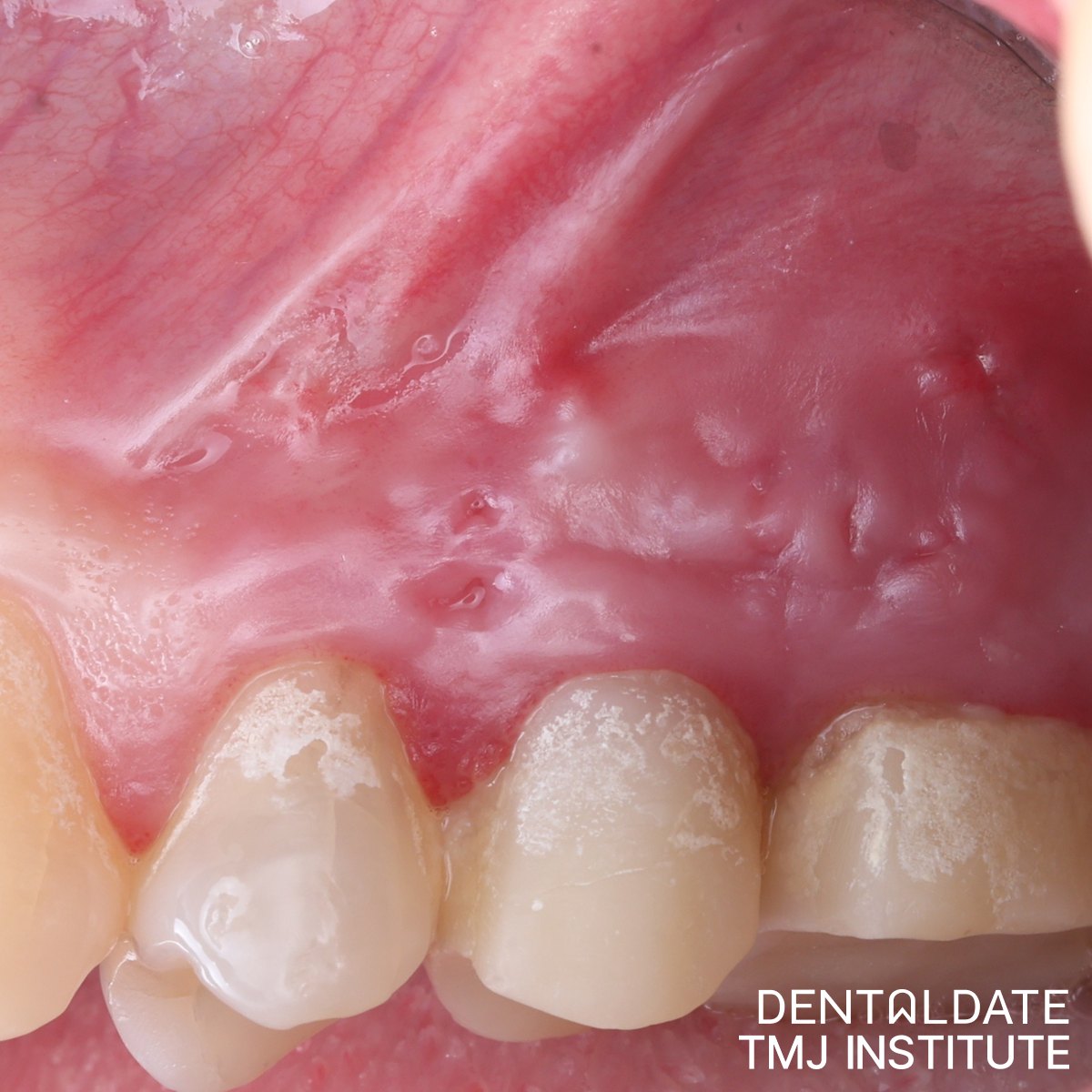
- swelling or a small pimple-like bump on the gum;
- tenderness of the gum around one particular tooth;
- nothing at all, with the fracture visible only on an X-ray or a 3D scan.
Because the signs vary so much, the diagnosis relies on a clinical examination together with imaging.
Why the Tooth Could Not Be Saved
A root fracture usually cannot be repaired, so in most cases it is an indication for extraction. Fillings and crowns rebuild the visible part of a tooth, but they cannot reliably seal a split that runs through the root. Leaving such a tooth in place can lead to inflammation and loss of bone around it. When the bone allows it, the implant can be placed immediately after the extraction, in the same visit.
Treatment in a Single Visit
The whole treatment was completed in one appointment:
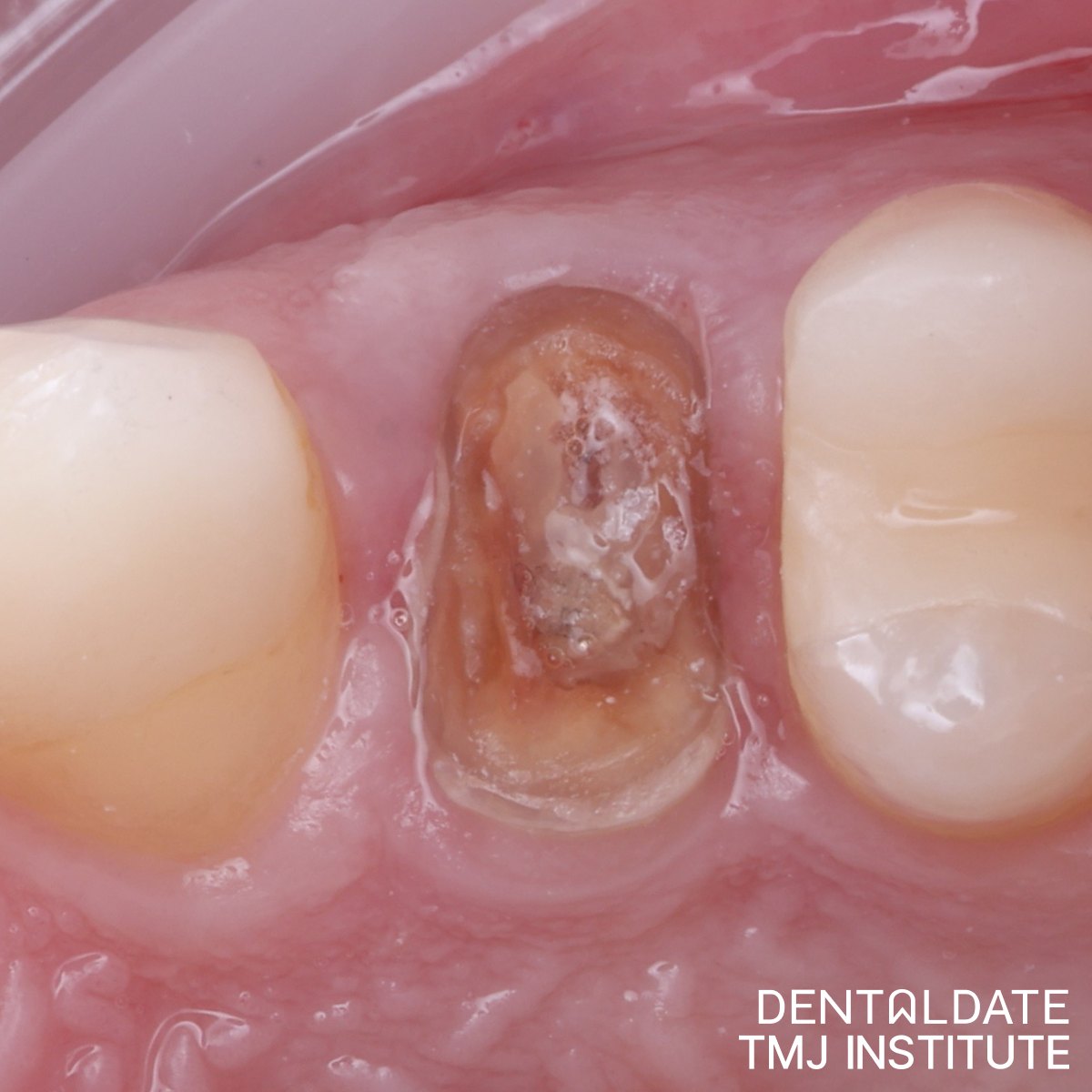
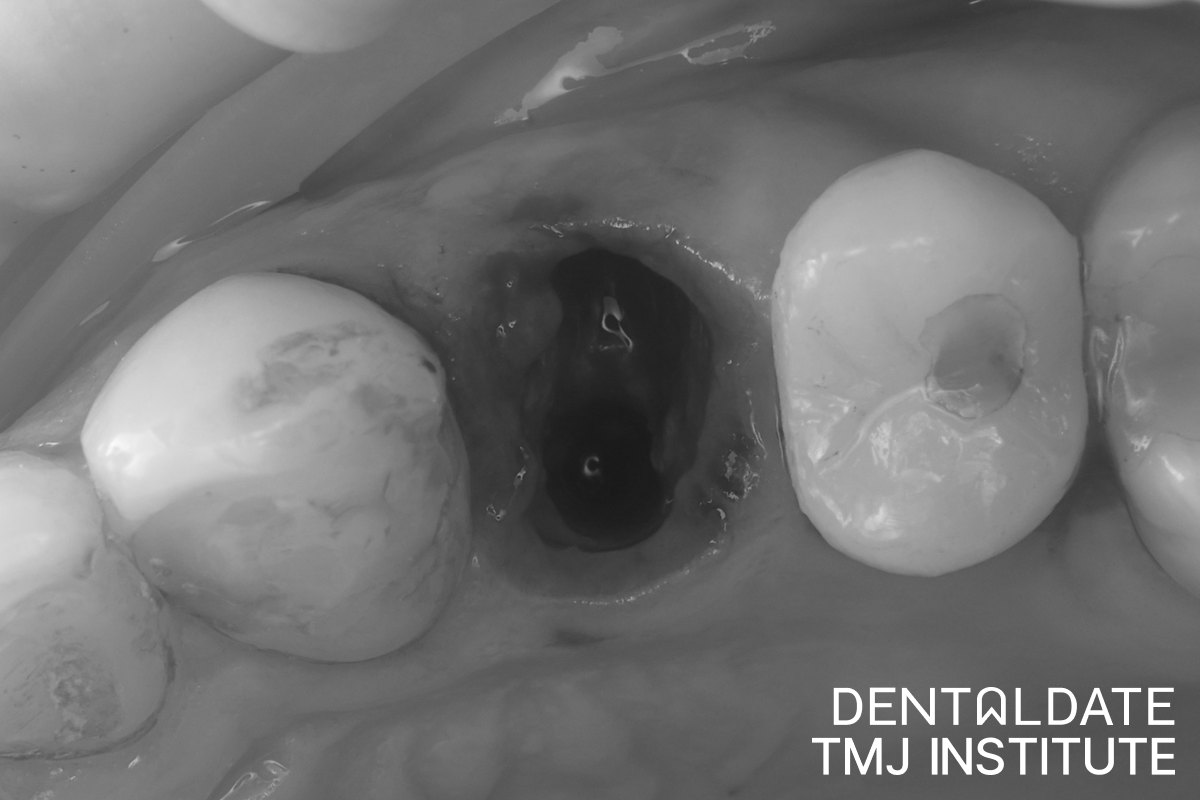
- The damaged tooth was removed.
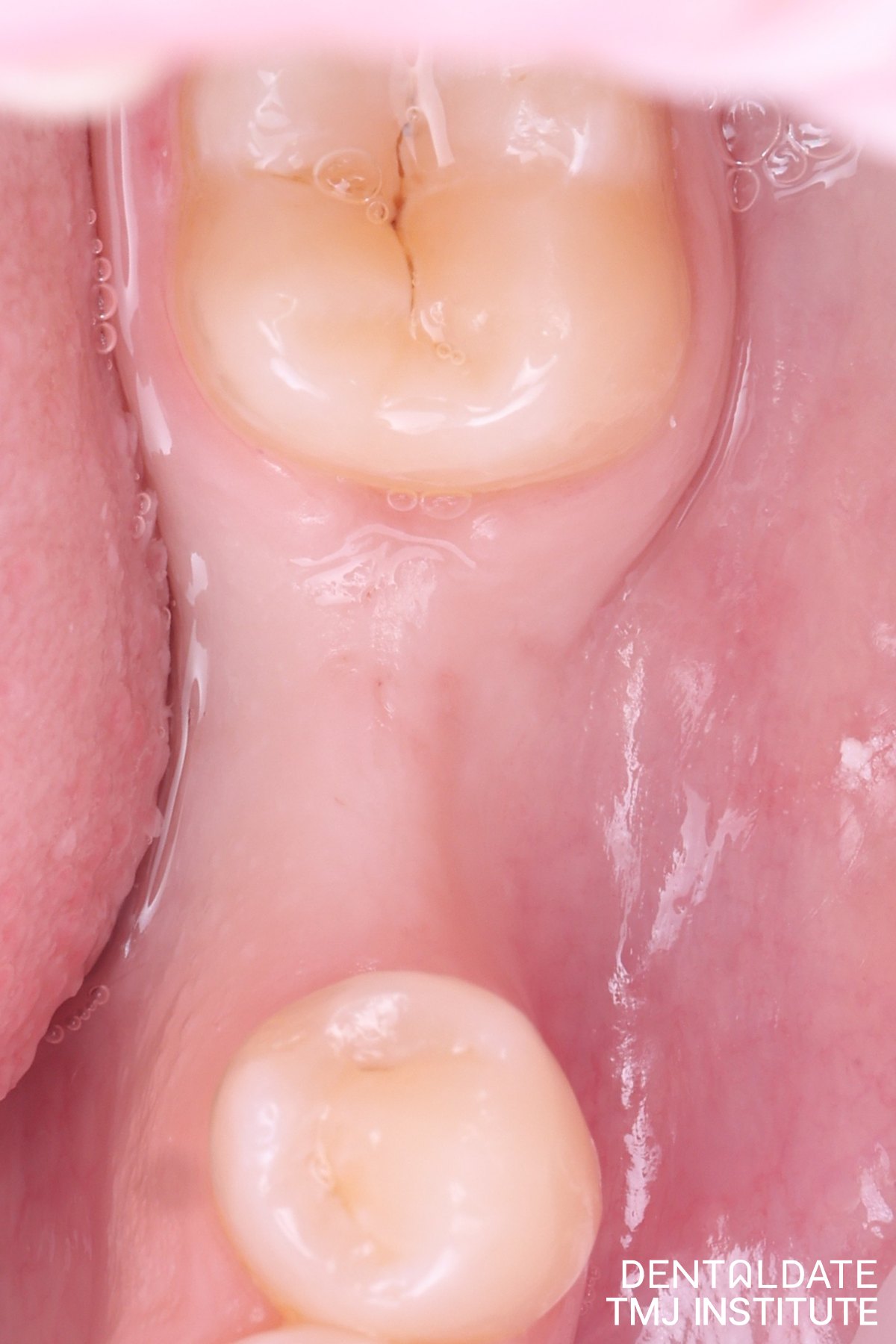
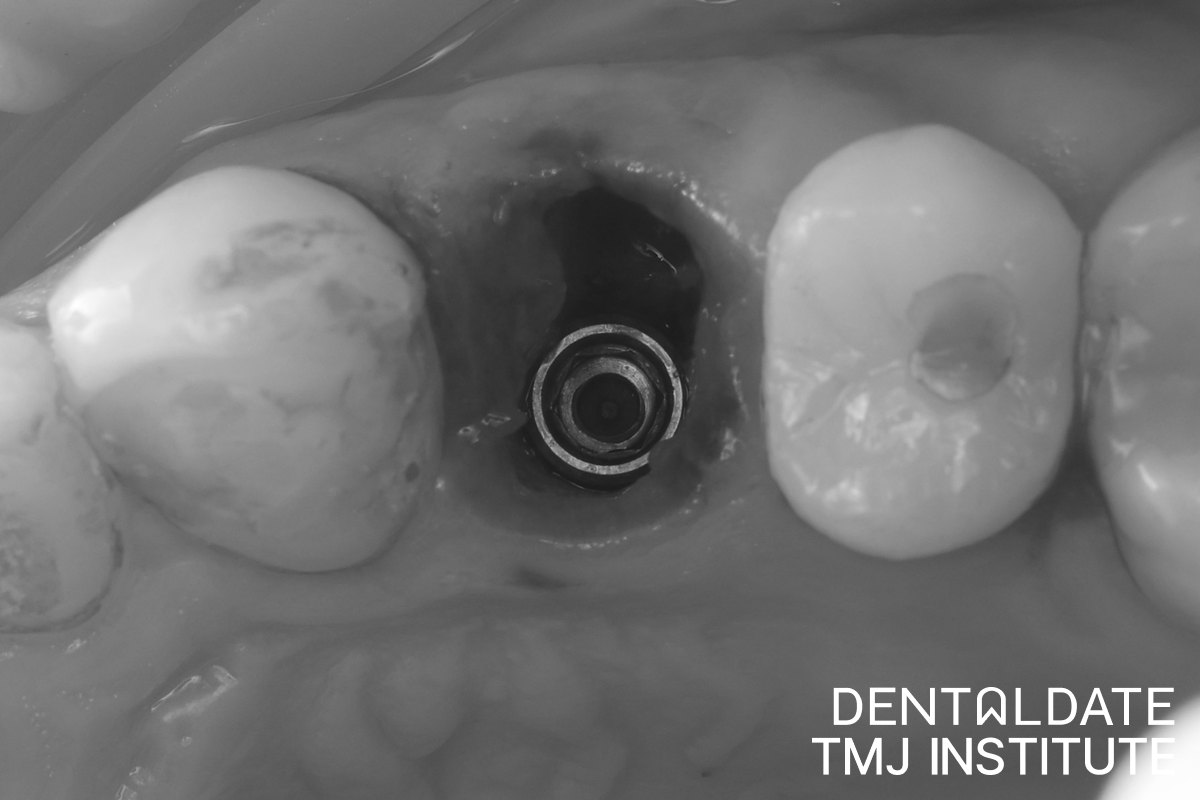
- A dental implant was placed immediately.
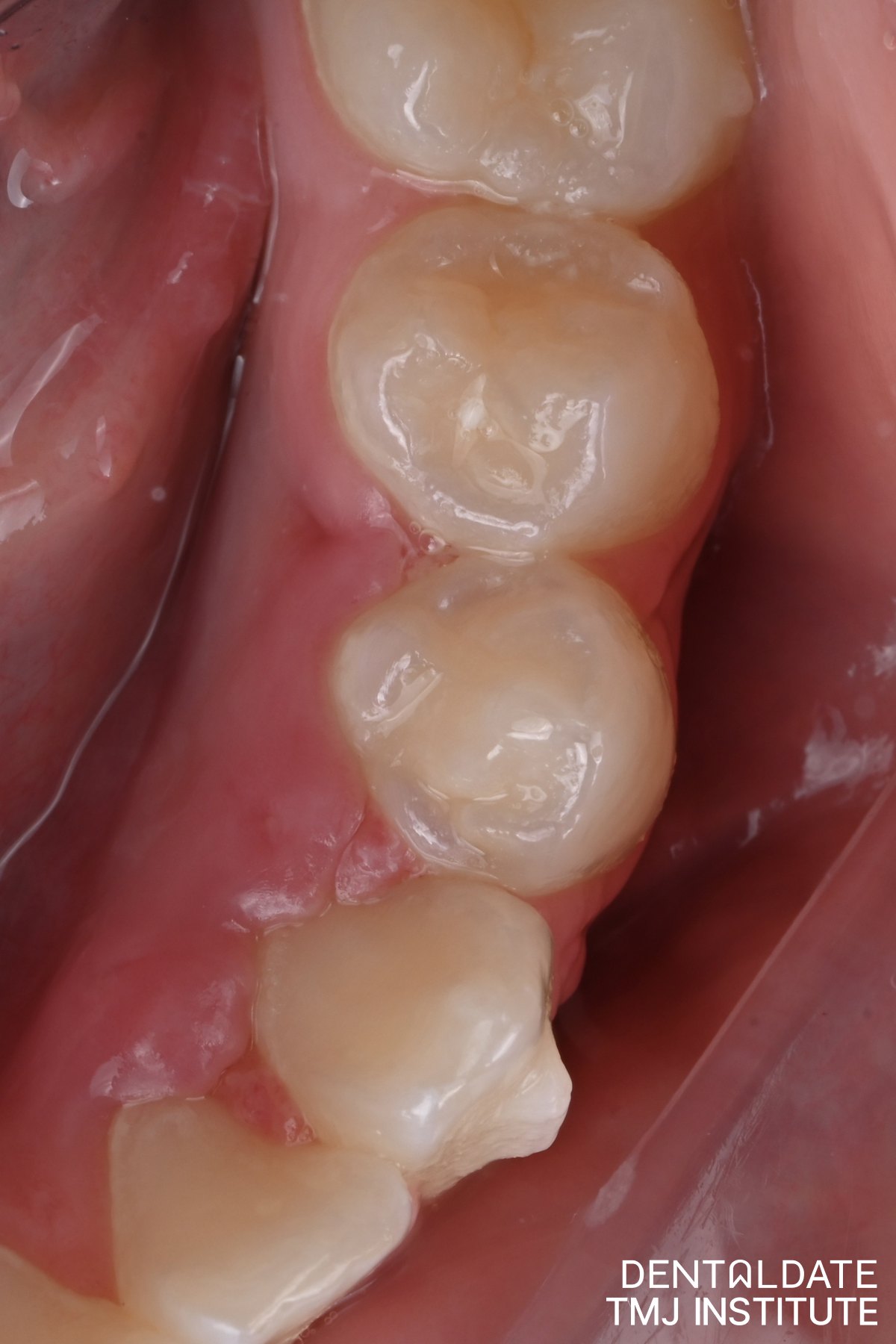
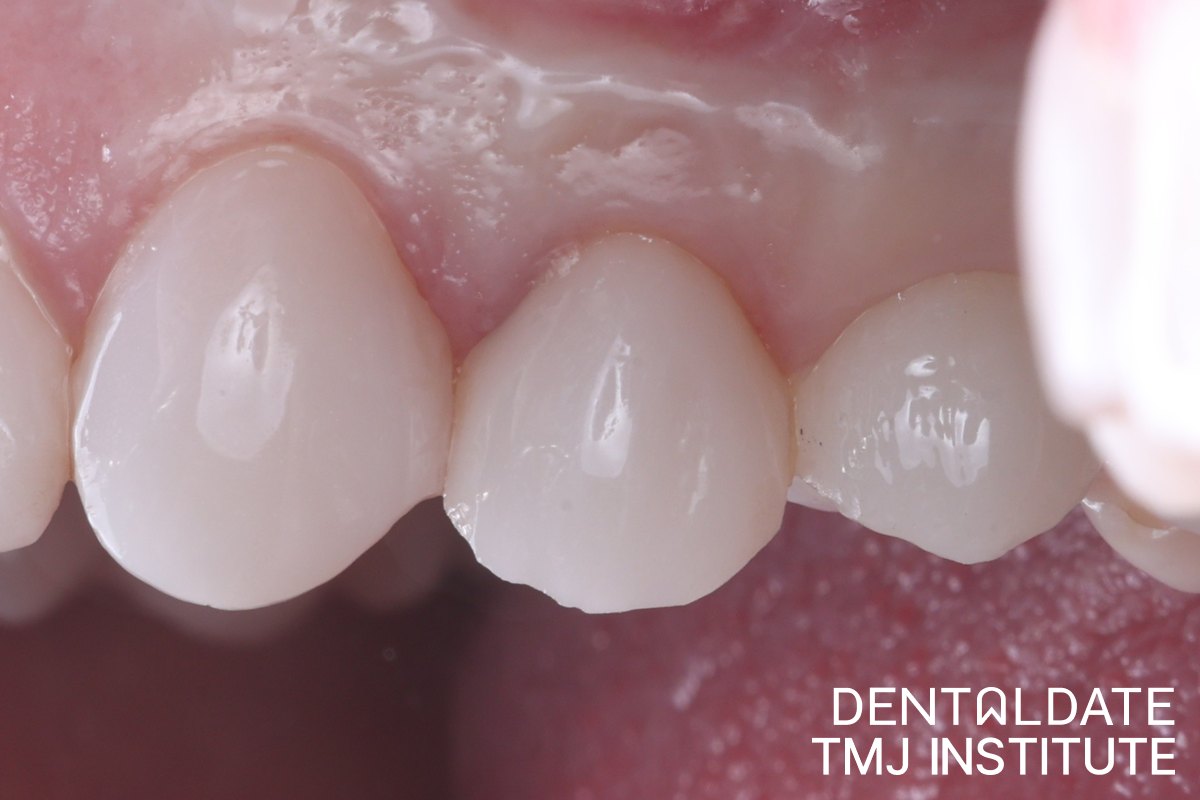
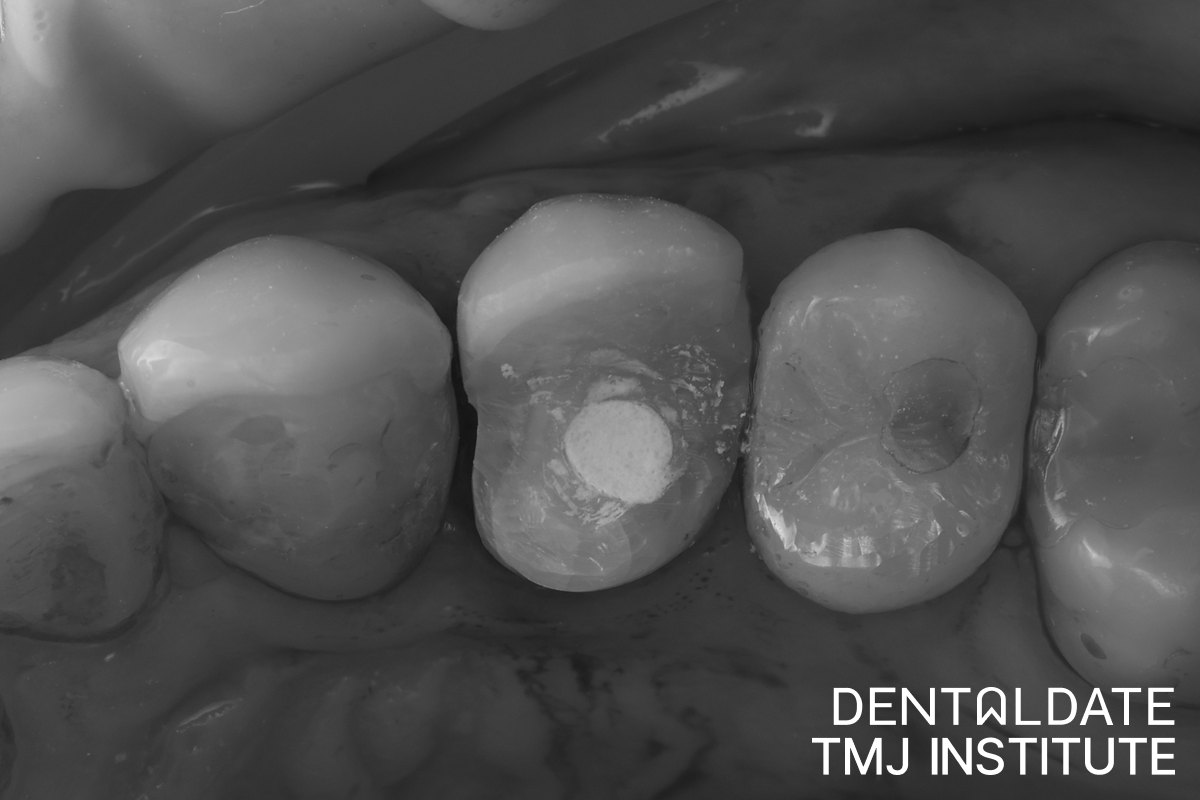
- A temporary crown was made and fixed right away, using the patient’s own extracted tooth.
- The whole procedure, including making the temporary tooth, took no more than 40 minutes.
The Patient’s Own Tooth as a Temporary Crown
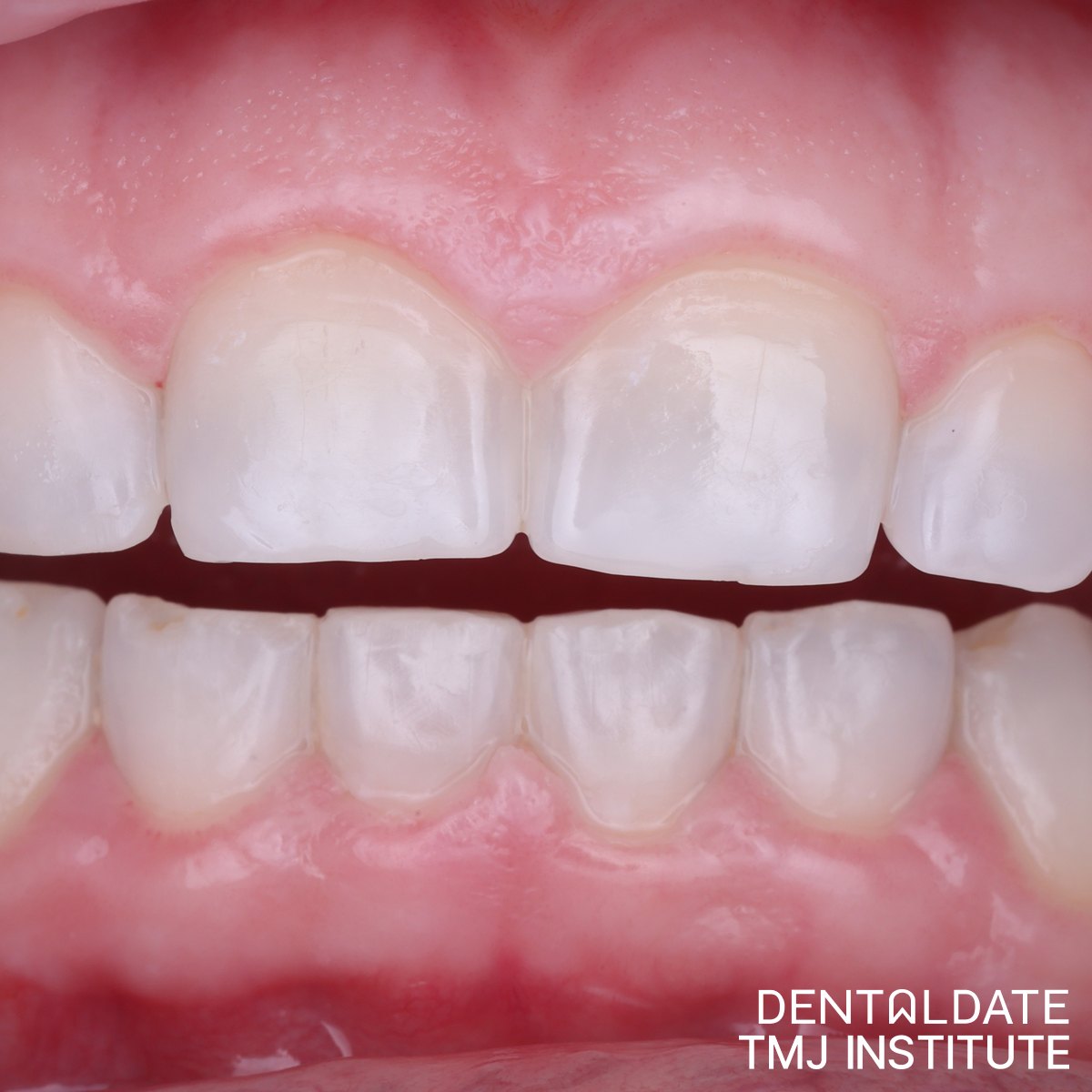
The temporary crown in this case was made from the patient’s own extracted tooth, so the smile looked natural while the implant was integrating. The natural crown of an extracted tooth already has the right shape, size and colour for its place in the mouth. When it is in suitable condition, it can be adapted and used as an interim restoration. This is not possible in every case, but where it is, it offers a very natural-looking temporary solution.
Three Months Later
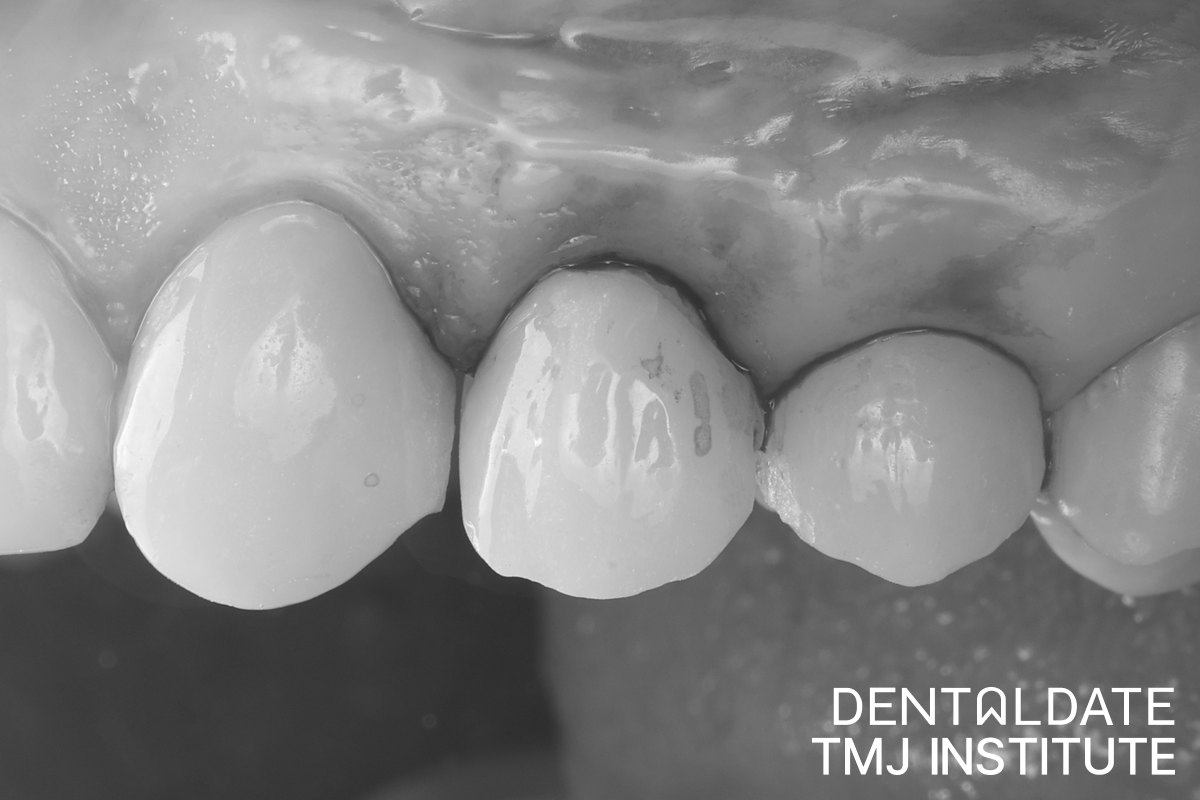
The patient left the clinic with a tooth on the same day. Three months later, after successful integration of the implant, the temporary crown was replaced with a permanent one. Dr. Tikhon carried out the surgical part of the treatment; the permanent crown belongs to the prosthetic stage, which is the work of a prosthodontist.
During the healing months, a temporary crown does more than fill a gap. It also supports the gum around the implant, which helps the final crown look natural. Patients are usually asked not to bite hard foods directly on a temporary tooth until the permanent crown is in place.
Why Regular Check-Ups Matter
This case shows why routine examinations are worth keeping even when nothing seems wrong. Regular visits generally make it possible to:
- spot fractures, decay or bone changes on X-rays before they cause severe symptoms;
- check the condition of older fillings, crowns and root-treated teeth;
- plan treatment calmly instead of in an emergency;
- keep track of gum health and arrange professional cleaning.
Your dentist will recommend how often you need a check-up based on your own oral health.
Book Your Next Examination at DentalDate
If it has been a while since your last check-up, or a tooth feels loose or tender when you bite, now is a good time to come in. Our dentists will examine you and take the imaging needed to see below the gum line. If a tooth cannot be saved, implant surgery and the prosthetic stage can both be planned at DentalDate, so book a consultation to start with a clear picture.